
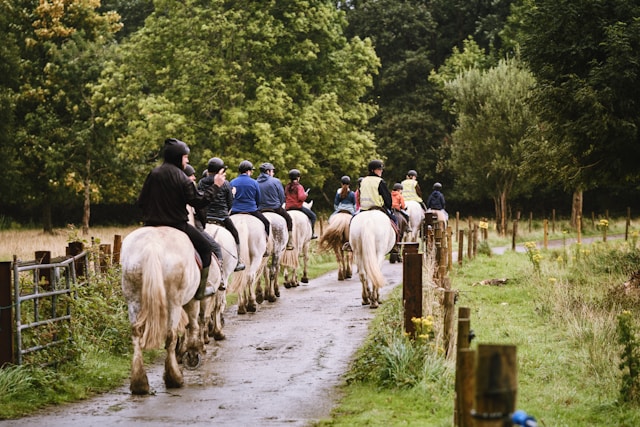
How to Start a Horse Riding Lessons Business: Training, Permits & Clients
Horseback riding is about so much more than simply the sport; anyone who has experienced the exhilaration of a gallop or the serenity of a peaceful ride through rural areas can attest to that. For many business owners, it’s more than just a job; it’s a way of life. The U.S. equestrian industry contributes billions of dollars to the economy every year, with lesson-based programs forming one of its most stable and in-demand segments.
Starting a horse-riding lessons business can be profoundly rewarding, both emotionally and financially, whether you are an experienced rider who is prepared to instruct others or merely an individual seeking to invest in a meaningful, outdoor-based venture. Your service becomes a part of people’s personal growth journey, whether you’re working with adults looking for adventure or helping kids develop confidence.
But we must face facts: this is not a business that is just about saddling up and teaching a few trots. Considerations include, but are not limited to, company licenses, safety regulations, logistics, and many more. That’s why we’ve created this step-by-step guide to walk you through the entire process from paddock to profit.

Here’s what you’ll learn in this article:
- What a horse riding lessons business really includes, and how it differs from other equestrian models
- How much you can earn (and spend) as an equine instructor or stable owner
- How to choose a location, secure permits, and structure your services legally
- What gear, horses, and certifications you need to get started
- How to price your services and attract new riders year-round
- Mistakes to avoid when caring for animals and clients
- Why booking software like Bookeo is essential to manage lessons, payments, and safety waivers effortlessly
Whether you’re teaching beginners in a backyard arena or building a full-scale riding academy, success starts with a strong foundation, and the right tools to keep your barn running smoothly.
Let’s saddle up and get started.
The Horse Riding Lessons Business Model
At its core, a horse riding lessons business teaches people how to ride horses safely and skillfully. But it’s so much more than that. You’re not just providing instruction, you’re offering a full experience that includes building rider confidence, teaching horsemanship, and fostering a deep respect for animals. Depending on your setup and audience, your services can be recreational, competitive, or even therapeutic.
This type of business typically includes:
- Private Lessons: One-on-one instruction tailored to the rider’s skill level, often ideal for beginners or riders training for shows.
- Group Lessons: More affordable sessions with multiple students, which also offer social interaction and teamwork.
- Trail Rides with Instruction: Guided outdoor rides that include safety instruction and basic horsemanship skills.
- Therapeutic Riding: Structured programs for individuals with disabilities, often requiring certification through organizations like PATH Intl.
- Specialty Clinics or Camps: Seasonal programs like summer riding camps, confidence-building workshops, or discipline-specific clinics (i.e., dressage, jumping, Western riding).
You don’t have to run a full-scale ranch to succeed. Some businesses operate from leased stables, while others offer mobile riding services by partnering with local farms. Others specialize in beginners, focusing solely on safe, introductory instruction.
Whether your passion lies in English riding, Western disciplines, or natural horsemanship, the key is to carve out a clear identity. Are you the go-to place for first-time riders? A prep center for show competitors? A weekend adventure provider for families?
The clearer your niche, the easier it will be to build a loyal client base; and grow a business that truly stands out.
Is a Horse Riding Business Profitable?
Short answer? Yes, but only with smart planning. While horse businesses come with higher startup and maintenance costs than many service industries, they also offer strong earning potential when operated efficiently.
Let’s break it down.
Revenue Potential
Most riding instructors charge between $40 to $100+ per lesson, depending on their location, experience, and facilities. Group lessons may range from $30 to $60 per rider, while private lessons can fetch more. Some trainers also offer discounted packages, camps, or monthly memberships to increase recurring income.

Here’s a quick snapshot of possible revenue:
- 10 private lessons/week at $75 = $3,000/month
- 3 group lessons/week with 4 riders at $50 each = $2,400/month
- Add trail rides, pony parties, or leasing options, and those numbers grow fast.
Advanced trainers working with show riders or performance horses can earn even more, especially if they offer boarding or coaching at competitions.
Expenses to Expect
Of course, horses aren’t cheap. Here are common costs to factor into your business model:
- Feed and bedding: $150–$300 per horse/month
- Veterinary care: Routine check-ups, vaccinations, and emergency care
- Farrier services: Every 6–8 weeks at around $50–$150 per visit
- Tack and gear: Saddles, helmets, grooming kits, etc.
- Insurance: Liability coverage and horse mortality/theft protection
- Facility costs: Barn rental or mortgage, arena upkeep, fencing, utilities
The key is balancing capacity and care. You’ll want enough horses and clients to generate income, but not so many that you compromise safety or quality.
Niche Opportunities for Profit
Not all riding lesson businesses are created equal. Here are some specialized, high-ROI models:
- Therapeutic riding programs (may qualify for grants and nonprofit status)
- Show prep for competitions (clients pay premium prices for expert coaching)
- Trail experience packages for tourists or city dwellers
- Lease-to-ride programs, where students pay to lease a horse for weekly rides
With proper scheduling, even a small operation can earn a steady income. The secret is consistency, strong client relationships, and smart resource management. especially when it comes to horse health and time.
How to Start a Horse Riding Lessons Business: Step-by-Step
Starting a horse riding business isn’t just about owning a horse and offering rides. Rather, it’s about building a safe, structured, and sustainable program that people can trust.
From securing land and permits to selecting the right horses and setting fair pricing, each decision shapes the future of your riding school. Whether you’re starting with one pasture and a dream or building a full-scale facility, this section will walk you through every essential step to launch and grow your business the right way.
Step 1: Learn the Trade or Hire Certified Instructors
Before anything else, you need to decide whether you will be teaching the riding lessons yourself or hiring someone else to do it. This choice affects not only your daily operations but also your legal responsibilities, insurance coverage, and overall reputation.
Get Certified as an Instructor
If you plan to teach, professional certification is one of the best investments you can make. Even if your state or local area does not legally require it, most parents and adult riders prefer to work with instructors who can demonstrate formal qualifications. Certification also helps protect you legally, especially in the case of accidents.

Several organizations offer riding instructor certifications in the United States. These programs provide hands-on training in horsemanship, lesson planning, and risk management.
Common options include:
- Certified Horsemanship Association (CHA): Offers certifications in both English and Western disciplines, including group instruction and trail safety.
- Professional Association of Therapeutic Horsemanship International (PATH Intl.): Required if you plan to offer therapeutic or adaptive riding programs.
- United States Dressage Federation (USDF), United States Eventing Association (USEA), and American Riding Instructors Association (ARIA): Ideal for those who want to specialize in competitive training or discipline-specific instruction.
Certification courses often cover rider communication, horse behavior, emergency procedures, and teaching techniques across different age and skill levels.
Hire Experienced and Qualified Instructors
If you’re not planning to teach, then your first priority is to hire the right staff. The quality of instruction directly impacts the safety, satisfaction, and loyalty of your students. When hiring instructors, consider the following:
- Ask for up-to-date certifications and review their teaching history.
- Observe their riding and lesson style to ensure it aligns with your program goals.
- Conduct background checks and request references.
- Clarify compensation structures, such as hourly pay or per-lesson rates.

Also, ensure that every instructor you bring on is familiar with your facility rules, lesson structure, and safety expectations.
Don’t Skip Liability and Insurance Considerations
Insurance companies often require instructors to have formal certification in order to provide coverage. If you or your staff are not properly trained or certified, you may risk denial of claims in the event of an injury. Confirm that your business liability insurance explicitly covers riding instruction and that all team members are listed on the policy.
Whether you’re teaching or managing from the ground, the people responsible for instruction are the foundation of your business. Their experience, professionalism, and safety awareness will define your brand from day one.
Step 2: Choose the Right Location and Facilities
Your location will shape almost everything about your horse riding business, from who you serve to how much you can charge. Whether you’re operating on a leased pasture, a family-owned farm, or a newly developed property, your facility must be safe, accessible, and properly equipped for instruction.

Key Factors to Consider When Choosing a Location
Before signing a lease or breaking ground, consider the following factors that directly impact your business operations and client experience:
- Zoning and Legal Use: Make sure the land is zoned for equestrian or agricultural use. Some local ordinances may restrict horseback riding activities, noise levels, or the number of animals allowed on-site.
- Accessibility: Clients need to be able to find and reach your facility easily. Look for locations with paved access roads, on-site parking, and clear signage.
- Proximity to Clients: A rural property may offer more space, but it could also limit the number of students willing to make the drive. Aim for a location within a reasonable distance of residential areas, schools, or population centers.
- Utilities and Infrastructure: Access to clean water, electricity, and reliable internet (for booking and management systems) is essential. You may also need restroom facilities for clients and staff.
- Safety and Layout: The terrain should be relatively flat with good drainage to prevent flooding and muddy conditions. Avoid areas with excessive noise, nearby highways, or environmental hazards.
Indoor vs. Outdoor Facilities
The type of facility you choose will affect your operating hours, seasonal flexibility, and overhead costs. Consider these two main options:
- Outdoor Arenas: Typically more affordable and easier to build. However, they limit lesson availability during poor weather or winter months unless you live in a mild climate.
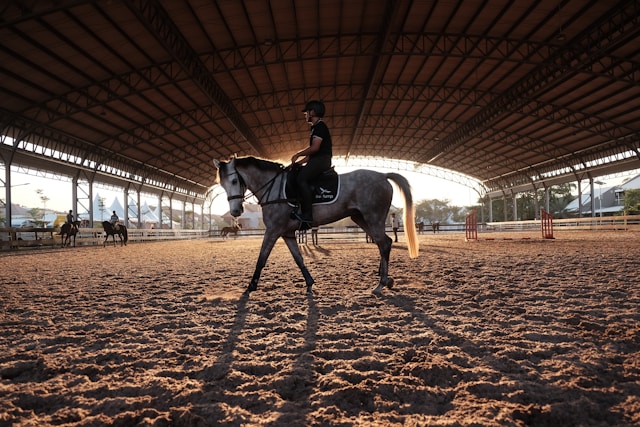
- Indoor Arenas: Offer year-round teaching potential and greater safety from environmental conditions. They require more initial investment but allow you to schedule consistently, which supports steady revenue.
Many riding schools eventually operate both, starting with an outdoor arena and upgrading over time.
Own vs. Lease
If you do not already own suitable land, you will need to decide whether to buy or lease. Leasing allows you to launch faster with fewer upfront costs, but it may come with restrictions or shorter-term agreements. Ownership offers more control and long-term equity but requires greater capital investment and ongoing maintenance.
Regardless of your choice, ensure your facility includes:
- A fenced riding arena with a safe surface
- Secure horse shelters or barns
- Storage space for tack and feed
- Clearly marked lesson areas and safe mounting zones
Your facility is not just a place to ride, it’s where clients build trust in your brand. Cleanliness, organization, and thoughtful layout will all contribute to how professional and reliable your business appears from the start.
Step 3: Register Your Business and Meet Legal Requirements
Once your location is secured and your lesson plan is coming together, it’s time to make your business official. Registering your horse riding business and securing the proper licenses will not only keep you compliant with the law, but it will also help you build trust with clients, banks, insurers, and local authorities.
Choose a Legal Business Structure
Your legal structure affects how you’re taxed, your personal liability, and how you operate day-to-day. The most common options for a horse riding lessons business include:
- Sole Proprietorship: A simple structure often used by solo instructors. It requires minimal paperwork but does not protect your personal assets if legal issues arise.
- Limited Liability Company (LLC): A popular choice for equestrian businesses. It offers legal separation between your personal and business assets while allowing flexible tax options.
- Partnership: Useful if you’re starting the business with another person. Profits and responsibilities are shared, but so is liability unless you form a Limited Liability Partnership (LLP).
- Corporation (S or C Corp): Offers the most legal protection but comes with more paperwork and administrative requirements. Typically best for large-scale operations.

Choose the structure that aligns with your long-term goals and financial situation. You can usually register your business through your state’s Secretary of State website.
Register a Business Name
If you’re using a business name other than your personal name, you’ll need to register a “Doing Business As” (DBA). Make sure the name is unique in your state and not already trademarked. You should also check that the domain name is available if you plan to create a website.
Apply for an EIN and Open a Business Bank Account
An Employer Identification Number (EIN) from the IRS is required if you plan to hire staff or open a business bank account. Even if you don’t have employees yet, separating your business and personal finances makes accounting and tax filing much easier.
Secure the Right Permits and Licenses
Requirements vary by state and county, but in most cases, you’ll need:
- A local business license or permit
- Zoning approval for horse-related activities
- Liability release forms for all students or parents
- Sales tax permit if you sell merchandise or services taxable in your area
Consult with your local government or a business attorney to ensure full compliance.
Get Business Insurance
This step is not optional. At a minimum, secure general liability insurance that covers accidents during lessons. You may also need:
- Equine liability insurance
- Property and equipment coverage
- Workers’ compensation if you have employees

Getting legal and insured gives your business the foundation it needs to operate safely and professionally, and it’s one of the first things experienced clients will check before signing up.
Step 4: Purchase or Lease Horses, Gear, and Safety Equipment
Once your business is registered and your facility is set up, it’s time to focus on the core of your service: the horses and the equipment. The quality of your animals, tack, and safety gear directly impacts your reputation, rider experience, and long-term success. Whether you’re purchasing horses or leasing them, every choice you make here should prioritize health, safety, and suitability for instruction.
Choose the Right Horses for Lessons
Not every horse is suitable for a beginner riding school. While flashy breeds and high-performance animals may look impressive, lesson horses need to be calm, predictable, and forgiving.
When selecting horses for instruction, look for:
- Temperament: Calm, patient, and tolerant of new riders
- Age: Often between 8 and 18 years old, with enough training to handle novice mistakes
- Soundness: Free from injuries or chronic issues that could affect performance
- Size variety: A mix of pony-sized and full-sized horses to accommodate different age groups and experience levels
You can choose to buy, lease, or borrow horses. Leasing allows you to reduce upfront costs and test out a horse’s suitability without full ownership responsibilities. However, you’ll need a formal agreement outlining terms, use limitations, and liability.
Essential Riding and Safety Equipment
Every lesson should be run with high safety standards and clean, well-maintained gear. This isn’t just about rider experience, it’s about protecting your business from legal and insurance problems.
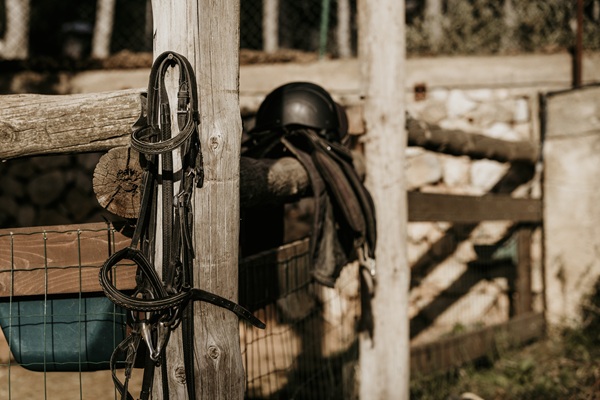
Horse saddle placed on top of a wood.
Core equipment includes:
- Saddles and bridles: Fitted to each horse and checked regularly for wear
- Saddle pads, girths, and stirrups
- Grooming kits: Brushes, hoof picks, and fly spray
- Lead ropes, halters, and lunging equipment
- Mounting blocks, cones, and riding poles
Safety gear for riders includes:
- ASTM/SEI-certified riding helmets
- Boots with heels
- Protective vests for younger or less experienced riders
You should also consider investing in first aid kits (for both horses and humans), fly masks, rain blankets, and extra halters or lead ropes to have on hand.
Set Up Your Tack Room and Storage
Organization is key to running smooth, professional lessons. Create dedicated areas for tack, grooming supplies, feed, and safety gear. Everything should be labeled, clean, and easy to access. Students or parents should feel confident that your facility is run with care and attention to detail.
Well-trained horses and reliable equipment are the backbone of your business. Treat them as assets, not expenses. Regular maintenance, professional vet care, and gear inspections will pay off in happy riders, safer lessons, and fewer surprises down the line.
Step 5: Price Your Services and Build a Lesson Menu
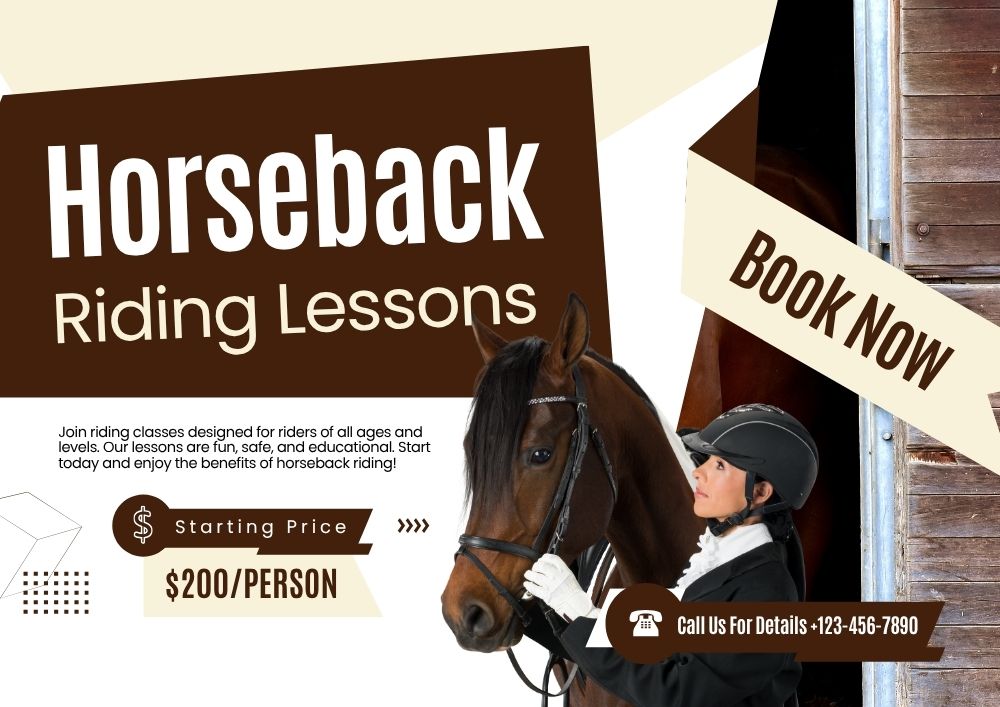
Pricing your riding lessons is about more than covering costs, it’s a reflection of your brand, your professionalism, and the value you deliver. Set your rates too low and you risk undervaluing your time and expertise. Set them too high and you may struggle to attract new clients, especially in competitive areas. The right pricing structure is clear, flexible, and based on real-world research.
Start with Market Research
Begin by researching other riding schools in your area. Take note of their pricing for:
- Private vs. group lessons
- Lesson length (30, 45, or 60 minutes)
- Packages or memberships
- Add-on services like trail rides, groundwork, or competitions
Pay attention to their facilities, horse quality, and teaching credentials. A well-kept arena with certified staff and calm, well-trained horses can command higher prices.
As a general guide:
- Group lessons often range from $35 to $60 per rider
- Private lessons typically cost between $50 and $100
- Introductory lessons or trial packages can be offered at a small discount
Use this information to find your starting point, then adjust based on your costs and the quality of your offerings.
Design a Lesson Menu That Works for You
A clear, structured lesson menu makes it easier for clients to choose the right program and understand the value of your services. Your offerings might include:
- Introductory Lesson: A one-time lesson to assess rider skill and comfort
- Private Lesson: One-on-one instruction for focused improvement
- Group Lesson: Small classes with riders of similar levels
- Trail Ride Lesson: Instruction that includes riding outside the arena
- Therapeutic Session: Adapted lessons for riders with special needs

You can also organize your services by level, beginner, intermediate, and advanced, or age group (children, teens, adults).
Offer Packages and Discounts
Encourage consistency and customer loyalty with pre-paid lesson packages or monthly plans. For example:
- 5-lesson package for $225 ($45 per lesson)
- Monthly unlimited group lessons for a flat rate
- Family or sibling discounts
You might also offer referral discounts, gift certificates, or seasonal promotions to attract new clients and keep current ones engaged.
Pricing should be simple to understand and easy to find on your website or booking page. Transparency builds trust, and well-planned pricing builds a sustainable business.
Common Mistakes to Avoid When Starting a Riding School
Even with the best intentions, starting a horse riding lessons business comes with challenges that can catch new owners off guard. Some mistakes are small but add up quickly. Others can derail your entire operation before it ever gets off the ground. Knowing what to look out for can save you time, money, and major stress later on.
Underestimating the Real Cost of Horses
Many first-time business owners budget for horses the way you might for equipment: buy it once and you’re set. But horses are living, breathing animals that come with ongoing needs. Feed, farrier visits, vet care, dental work, and emergency treatment all add up. If you only plan for the purchase price and overlook monthly expenses, you’ll find yourself in financial trouble fast.

Skipping Safety Protocols
Safety should be part of your daily routine, not just something you think about after an incident. Helmets, proper mounting procedures, clear instructions, and calm horses aren’t optional. Too many instructors take shortcuts when things get busy. That’s when accidents happen, and when liability becomes very real. Always have clear, enforced rules and walk every rider through them.
Overbooking or Mismatching Riders
A full calendar might look like success, but not if riders are paired with unsuitable horses or placed in the wrong class. Matching the right horse with the right rider is a skill in itself. If a beginner is thrown into an advanced group lesson, or a nervous child is given a high-energy horse, both the student and your reputation suffer.
Ignoring Client Communication
When people sign up for riding lessons, they’re not just paying for time in the saddle, they’re looking for a smooth, reliable experience. If you’re hard to reach, your lesson times are confusing, or payment details keep changing, it sends the message that your business isn’t fully put together. Even small hiccups can make clients think twice about coming back. Clear communication, simple scheduling, and quick responses show that you value their time, and that kind of professionalism builds long-term trust.
Avoiding these pitfalls is part of running a stable, reliable business, one that clients trust, and horses thrive in. The more you plan ahead, the fewer surprises you’ll have to clean up later.
Why Use Bookeo to Manage Your Horse Riding Lessons Business
Running a horse riding school means juggling a lot at once: lessons, horses, safety, weather, client communication, payments, and more. Without the right tools, it’s easy for things to slip through the cracks. That’s where an online booking platform like Bookeo comes in. It’s not just a calendar, it’s a full management system designed for businesses like yours that need structure, flexibility, and room to grow.
Simplify Scheduling for Everyone
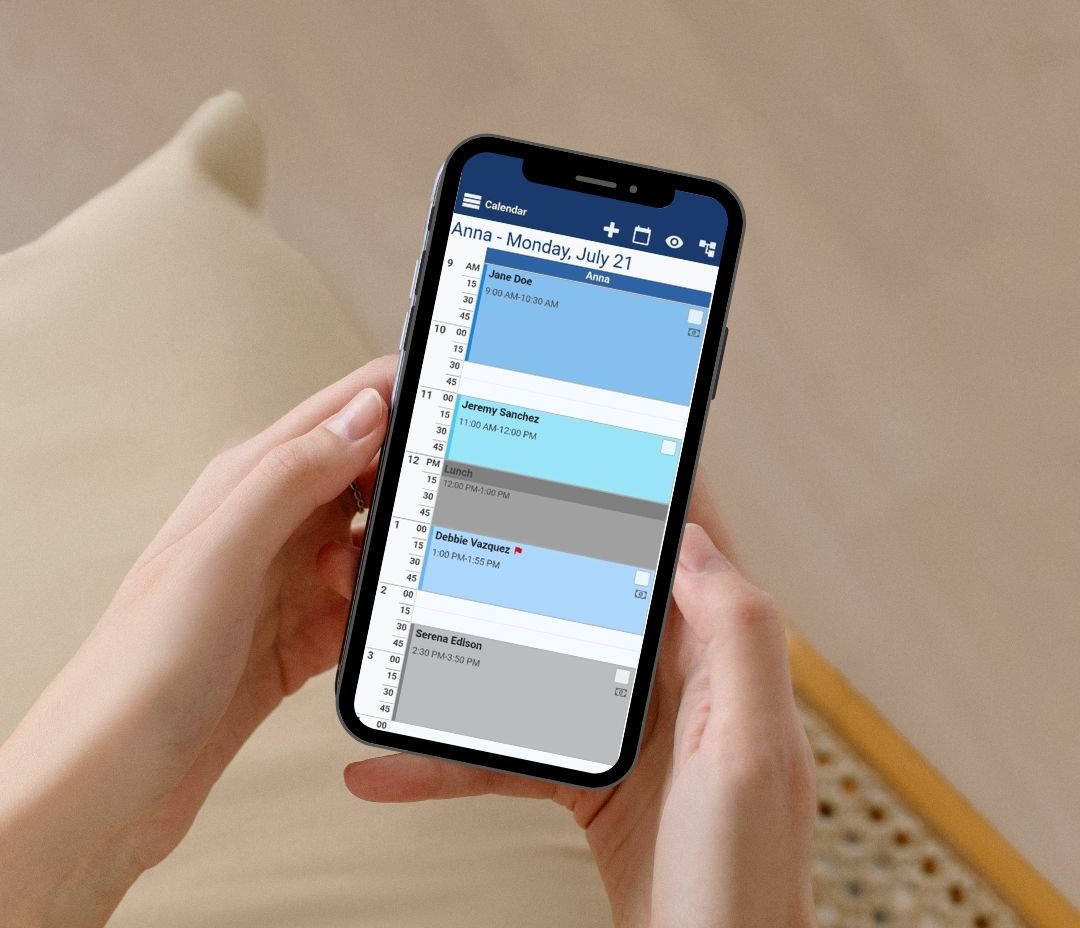
With horse riding booking software like Bookeo, clients can book their own lessons online 24/7. No more missed calls or back-and-forth texts to confirm times. Riders can choose the type of lesson they want, see real-time availability, and even request their favorite instructor or horse if you enable that option. For you, it means fewer interruptions and better control over your schedule.
Keep Track of Clients, Lessons, and Waivers
Every client gets a profile where you can track their riding level, progress, and preferences. You can also collect signed waivers, medical info, and emergency contacts during the booking process, automatically. That means no more chasing paperwork or dealing with last-minute surprises.
Handle Payments Up Front
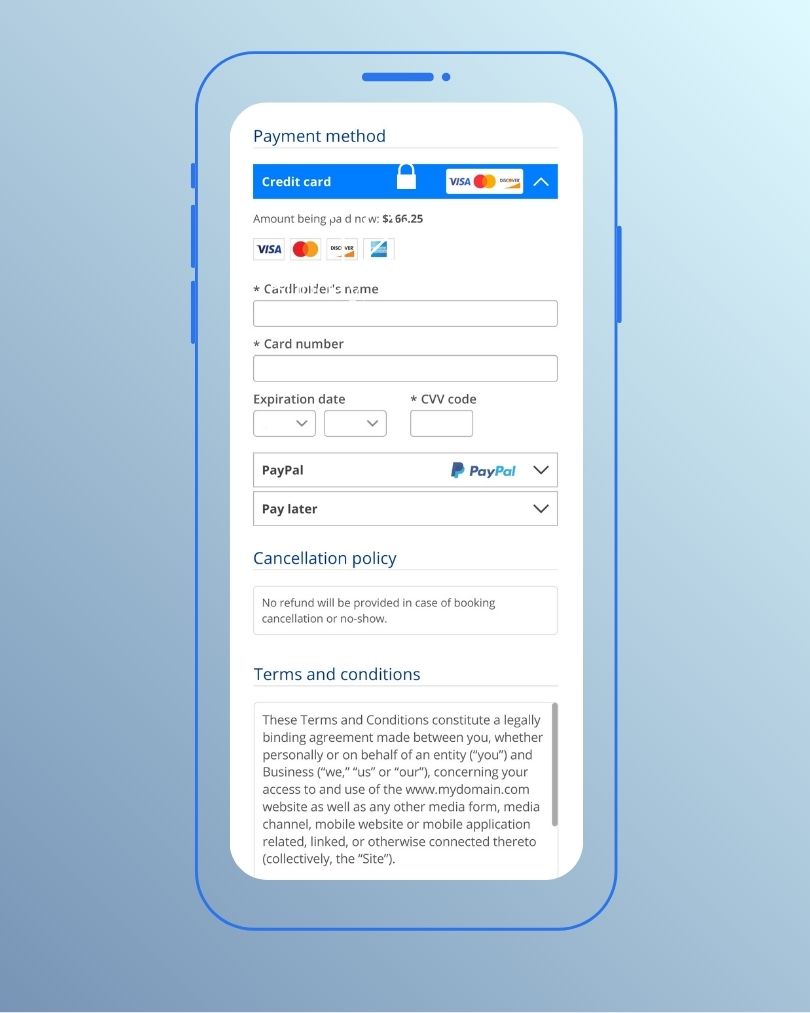
You can accept full payments or deposits right through Bookeo when clients book their lessons. This reduces no-shows and late cancellations, and it puts money in your account before anyone ever steps into the saddle. Bookeo also sends automated reminders to riders so they don’t forget their sessions, which helps keep your calendar full and your horses busy.
Built for Flexibility
Whether you run private sessions, group classes, camps, or special events, Bookeo can handle it. You can set class sizes, limit age groups, block out days when the weather turns bad, and even sync everything with your phone or tablet. As your business grows, your system grows with it.
A Professional Look, Without the Extra Work
Using Bookeo makes your business feel more organized and professional, because it is. Clients can see your offerings, book and pay online, and manage their own schedules. It’s a better experience for them and a lot less stress for you.
Managing horses is hands-on. Managing bookings shouldn’t have to be.
Unlocking More Revenue: Ways to Grow Beyond Lessons
Horseback riding lessons might be your core service, but they don’t have to be your only source of income. A well-run riding school can offer multiple revenue streams that make use of your land, equipment, and expertise, without overwhelming your operation.
Offer Camps and Clinics
Weekend clinics and school holiday camps are a great way to boost income and serve more riders. These programs can include riding instruction, groundwork, stable management lessons, games, and horse care education. Parents especially love camps because they provide structured outdoor activity with real learning and social interaction.

Camps can be priced as premium experiences, with full-day or half-day formats, and they often fill up quickly when marketed early. You can also host guest instructors for specialized clinics in dressage, jumping, Western riding, or horse psychology, which brings in new clients and professional credibility.
Lease Horses to Students
If you have well-trained horses that aren’t booked full-time for lessons, consider offering part-time lease options. Many intermediate riders are eager to “practice ride” outside of lessons but aren’t ready for the full financial commitment of horse ownership. Leasing gives them regular access to a horse and gives you predictable monthly income.
You can offer half-lease or full-lease agreements, with clear terms regarding availability, care, and use of tack. Just be sure to use written contracts and maintain oversight to ensure the horses’ safety and well-being.
Sell Branded Merchandise or Riding Gear
Adding a small retail area to your barn or website can create passive income and build community. T-shirts, hoodies, caps, water bottles, grooming kits, and even saddle pads with your business logo help turn clients into brand ambassadors. You can also stock basic riding gear like gloves, boots, and beginner helmets, especially helpful for new students who don’t have their own equipment yet.
These small add-ons won’t make or break your revenue, but they enhance the client experience and can boost loyalty over time.
Building a Community Around Your Riding School
The most successful riding businesses don’t just teach, they build community. When students feel like they belong, they come back. They tell their friends. They stick with you for years. And that kind of loyalty creates long-term sustainability.
Host Open Barn Days and Events
Invite the public to tour your facility, meet the horses, and watch riding demos. Open barn days are a great way to reach families, show off your instructors, and generate word-of-mouth buzz. You can even offer pony rides, photo ops, or mini lessons for first-timers.
Other community events could include:
- Charity trail rides
- Horse-themed birthday parties
- Seasonal events like “Fall at the Farm” or “Winter with the Herd”
- Volunteer days for local teens
These events bring in people who might not sign up for traditional lessons but still want to connect with horses. It’s a gateway to turning visitors into students.
Use Content to Educate and Inspire
Start a blog, newsletter, or social media series that offers riding tips, behind-the-scenes stories, or horse care advice. When you position your business as a resource, not just a service, people are more likely to trust you and engage. You can also highlight student milestones, staff bios, or even spotlight your most patient school horse; it adds personality and makes your program more relatable.
In the long run, building a community isn’t just good for marketing. It’s good for your culture. And that’s what keeps horses happy, riders motivated, and your barn full.
Final Thoughts: Turn Your Passion Into a Purpose-Driven Business
Starting a horse riding lessons business isn’t just about teaching people how to ride; it’s about creating a place where confidence, discipline, and connection can grow. Whether your riders are kids mounting a pony for the first time or adults chasing a lifelong dream, your barn becomes a space they remember. That alone is powerful. But it’s also a real, scalable business, one with the potential to be both fulfilling and financially rewarding if it’s built on the right foundation.
You’ve now seen what it takes. The certifications. The horses. The land. The legal setup. The lesson plans. And yes, the systems that keep it all moving. It’s not easy work, but it’s the kind that matters.
Success in this field doesn’t happen by luck. It happens when you blend passion with planning. When you show up, stay consistent, and keep your standards high, not just for riding, but for safety, communication, and service.
And when you’re ready to streamline the behind-the-scenes chaos, scheduling, reminders, waivers, payments, class scheduling tools like Bookeo can help you stay focused on the things that truly matter: your horses, your clients, and your growth.
So if you’re serious about making this dream real, don’t wait. The first ride starts with a single step.
And your saddle is already waiting.