
How to Start a Sailing Charter Business and Attract Tourists
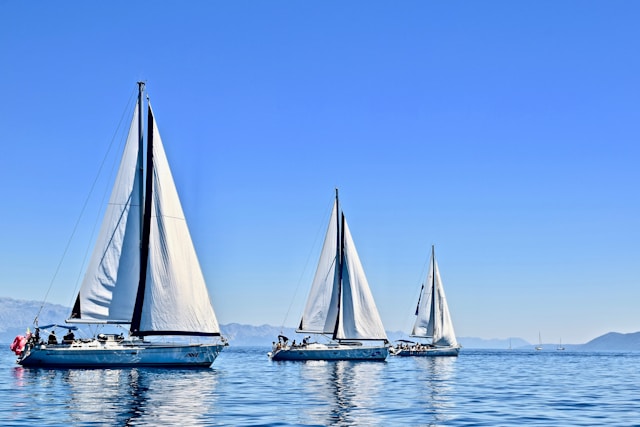
Sailing charters are one of the most popular things to do on vacation around the world. The turquoise water, steady wind, and boat full of happy tourists make it easy to see why. Every year, more and more people want to have unforgettable experiences at sea, whether it’s a romantic sunset cruise, an all-day island-hopping trip, or a luxury private sail.
If you love the ocean and hospitality, starting a sailing charter business is a great idea. This is especially true in areas with a lot of tourists, beautiful coastlines, or networks of islands. With the right location, a well-maintained boat, and a skilled captain, you can turn your business into a successful one that serves couples, families, groups, and even corporate clients who want to get away from the shore.
But starting a charter business isn’t just about having a boat. It’s about knowing the law, safety rules, what customers want, how to set prices, and how to market to the right tourists at the right time. Planning, professionalism, and giving guests an experience they’ll talk about for a long time after they get back to land are all keys to success.

This guide will teach you everything you need to know about starting a sailing charter business, such as:
- Choosing the best niche and sailing experience for your target market
- Legal requirements for insurance, licenses, etc.
- Choosing or outfitting the right boat
- Setting prices for your tours and putting together your packages
- Building a strong online presence and streamlining bookings
- Attracting tourists through SEO, partnerships, and promotions
- Creating 5-star guest experiences that generate repeat business and referrals
So, if you’re ready to take the wheel and turn your love of sailing into a long-lasting business that brings in tourists, let’s chart the course.
Step 1: Choose Your Niche and Sailing Experience Type
Not every sailing charter is the same, and that’s exactly what makes this business exciting. Some guests want an intimate sunset cruise with champagne and music. Others are looking for a half-day adventure with snorkeling and lunch on a hidden beach. And then there are those who want the full experience: multi-day sailing trips from one island to the next, sleeping under the stars.
Your first major decision is figuring out what kind of experience you want to offer, and who you want to serve. Picking a niche doesn’t limit you. It helps you stand out, market smarter, and create a more memorable product from day one.
Match Your Style to Your Market
Start by thinking about your region. Is it a tourist-heavy area with cruise ship stopovers? A coastal town known for nature and wildlife? A romantic getaway destination?
Here are some popular sailing charter niches to consider:
- Day Cruises: Ideal for beach towns and casual tourists. Often includes sightseeing, light snacks, and swimming stops.
- Sunset Sails: Short and romantic. Perfect for couples, proposals, or anniversary celebrations.
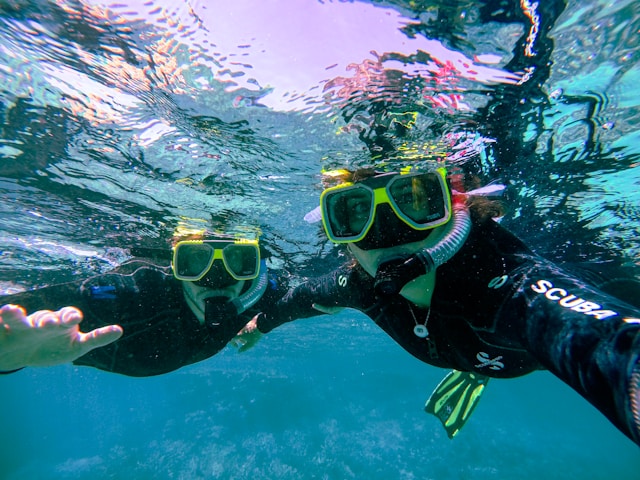
- Snorkeling or Diving Charters: If your waters are rich in reefs or marine life, this can be a top seller.
- Fishing Charters: Appeals to a different demographic, less luxury, more sport. Requires specific licenses and gear.
- Multi-Day Island Hopping: Higher-end, immersive trips with meals, overnight stays, and guided stops. Great for tropical destinations.
- Eco-Tours: Sailing with a purpose, focused on marine conservation, quiet wildlife viewing, and low-impact travel.
- Private Event Charters: Think birthdays, bachelorette parties, or corporate team building. You’ll need to offer a flexible space, music, and catering options.
Understand Who You’re Sailing With
Once you know the type of charter you want to offer, think about your ideal client. Are they:
- Tourists looking for once-in-a-lifetime photos?
- Locals celebrating milestones?
- Adventure seekers looking for unique outdoor experiences?
- Families with young kids needing a safe, comfortable day out?

The better you know your audience, the easier it becomes to plan your packages, pricing, and marketing.
Start Narrow, Then Expand
If you’re just starting out, it’s smart to focus on one or two offerings and do them really well. Once you build up a reputation and understand your clients’ needs, you can expand your menu with add-ons, seasonal specials, or specialty routes.
Your niche isn’t just about what you offer, it’s the story you tell to every guest who steps aboard. And it sets the tone for every decision that follows, from licensing to logistics.
Now, let’s talk about the legal side of things, so you can sail with confidence.
Step 2: Legal Requirements, Licenses, and Insurance
Sailing out into open water with a group of paying guests sounds like a dream, but before you hoist the sails, there’s some important groundwork to cover on land. Running a sailing charter business means following local maritime laws, securing the right licenses, and making sure you’re fully insured. It may not be the glamorous part of the job, but it’s what keeps you protected, and keeps your business afloat when things don’t go exactly as planned.

Let’s break it down in plain language, so you know exactly what you’ll need to get started the right way.
Captain’s License: Don’t Sail Without It
If you’re planning to be the one steering the boat, you’ll need a captain’s license. In the U.S., that typically means getting certified through the U.S. Coast Guard (USCG). The most common license for charter operators is the OUPV/Six-Pack License, which allows you to carry up to six passengers for hire.
To qualify, you’ll need:
- Documented boating experience (usually 360 days at sea)
- A valid CPR/First Aid certification
- A passing score on a written exam
- A clean drug test and medical evaluation
If you’re outside the U.S., check with your country’s maritime authority for equivalent requirements. Some locations may require local certification even if you already have international credentials.
Register Your Business Properly
Just like any small business, you’ll need to legally register your sailing charter operation. That includes:
- Choosing a business structure (sole proprietorship, LLC, etc.)
- Registering your business name
- Getting a tax ID or employer identification number (EIN)
- Opening a business bank account for clean financial tracking
It’s also a good idea to create clear charter agreements and passenger waivers that outline the terms of service and help shield you from liability.
Insurance: Protect Yourself, Your Boat, and Your Guests
Accidents happen. That’s why marine insurance is an absolute must. Look for:
- Commercial hull insurance: Covers damage to your vessel
- P&I (Protection & Indemnity): Covers legal and liability issues
- Passenger liability: Specifically protects you if a guest gets injured
- Loss of income: In case you have to cancel trips due to damage or weather

Every policy is different, so work with a broker who understands charter operations, not just general boat insurance.
Safety Comes First, And It’s Often Required
Most charter-friendly marinas and licensing bodies require:
- Coast Guard-approved life jackets for every guest
- Fire extinguishers and flares
- First aid kits
- Safety briefings before departure
- Routine boat inspections
Following safety guidelines isn’t just smart, it’s the kind of detail that builds trust with your guests. And in the rare event that something goes wrong, you’ll be glad you were prepared.
Once your paperwork is in order, it’s time to focus on the real star of your business: your boat.
Step 3: Buy or Retrofit Your Boat
Your boat isn’t just transportation, it’s your office, your stage, and the reason people are handing over their hard-earned vacation money. Choosing the right vessel (or upgrading the one you already have) is one of the biggest and most personal decisions you’ll make when starting a sailing charter business.
You don’t need a million-dollar yacht. But you do need a vessel that’s safe, comfortable, camera-ready, and suited to the experience you’re promising.
Should You Buy or Lease?
If you already own a sailboat, great, you’ve got a head start.

But if not, here’s the truth: you don’t necessarily have to buy one right away.
- Buying a Boat: Ideal if you’re in this for the long haul and want full control. Be prepared for upfront costs, insurance, and maintenance.
- Leasing or Partnering: Some charter businesses start by leasing a boat seasonally or working with boat owners who want to earn passive income. If you’re not ready to invest six figures, this is a lower-risk way to test your business model.
- Fractional Ownership: Think of it as a timeshare with other charter operators or investors. You split costs and access, and everyone wins, if the terms are clear.
Whatever path you choose, be realistic about what you can afford and maintain. The ocean’s beautiful, but she’s not always kind.
What Kind of Boat Works Best?
The “best” boat depends on the kind of experience you’re offering. A 30-foot monohull may be great for a romantic sunset cruise. But if you’re hosting families or snorkeling groups, space and stability matter more.
Here’s a quick guide:
- Catamarans: Roomy, stable, and great for entertaining. A favorite for luxury charters and group tours.
- Monohull Sailboats: More traditional sailing feel, usually cheaper to buy and operate. Perfect for private sails or eco-tours.
- Yachts or Motor Sailers: Ideal for high-end, overnight trips, if you’re going after luxury travelers.
- Fishing Boats: Best for sport fishing charters, but not ideal for casual sailing experiences.
Think about how much shade your guests will have. Where will they sit or sunbathe? Is there a bathroom? These small details matter more to your guests than your brand of rigging.
Retrofit for Comfort and Style
If you already have a vessel, you may just need to make a few upgrades:
- Add comfortable seating with marine-grade cushions
- Install Bluetooth speakers or a small PA system
- Provide drink coolers, cup holders, and waterproof storage
- Consider solar panels for lighting or charging
- Freshen up the paint, polish the deck, and declutter
You want your boat to look good in photos, but also function smoothly behind the scenes. If guests are tripping over ropes or getting splashed by diesel fumes, they won’t be coming back, no matter how nice the sunset is.
Once your boat is seaworthy and ready to impress, the next big question is where you’ll set sail from.
Step 4: Choose a Launch Location and Marina
Where you sail from can make or break your sailing charter business. It’s not just about finding a pretty harbor or a calm dock, it’s about visibility, convenience, tourist flow, and setting the right tone the moment your guests arrive. The truth is, your location is part of your marketing, whether you realize it or not.

Think about it: a gorgeous catamaran with champagne and chilled music feels a lot less glamorous if your guests have to walk past rusty fishing gear or dodge traffic cones in a sketchy parking lot. Your marina is the first real impression they get of your brand. So choose it wisely.
Tourist-Friendly vs. Hidden Gem
There are two main strategies when picking a location:
- High-Traffic Tourist Spots: Think beachfront marinas in popular destinations, walkable, filled with shops, restaurants, and other attractions. Here, your visibility is high, and foot traffic can turn into spontaneous bookings.
- Hidden Coastal Gems: Quieter harbors may lack the crowds but offer stunning views, exclusivity, and easier logistics. You’ll need a stronger online presence to drive bookings, but you might benefit from lower marina fees and less competition.
There’s no wrong answer, it depends on your target audience and pricing strategy. High-end clients might appreciate privacy. Tourists with kids might want something close to their hotel.
What to Look for in a Marina
Before signing a contract or choosing a launch site, ask:
- Is there ample parking or shuttle access for guests?
- Are there bathroom and fresh water facilities nearby?
- Can you display signage or banners for walk-up visibility?
- What are the docking fees and terms for charter operators?
- Does the marina offer any tourism partnerships or promo programs?
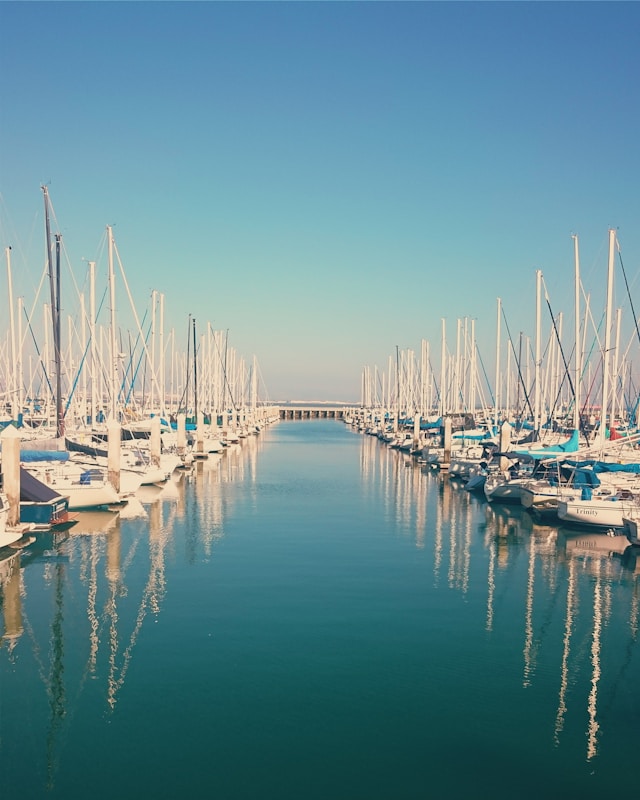
A good marina doesn’t just store your boat, it supports your business. Some even allow online listings, concierge referrals, or special event hosting.
Don’t Forget Permits and Regulations
Each marina and coastal region has its own chartering rules, especially if you’re offering commercial tours. Some ports limit the number of charter licenses available per season. Others require regular inspections or certifications. Make sure you’re clear on:
- Port authority approvals
- Insurance requirements for commercial docking
- Dock assignment policies (permanent vs. rotational)
- Seasonal weather patterns and tidal considerations
It’s worth visiting multiple marinas, talking to other captains, and understanding how tourism flows throughout the year before committing.
And remember, just like your boat, your departure point should feel like part of the adventure.
Once you’ve picked the perfect spot, it’s time to decide what you’ll charge and how to package the experience for your guests.
Step 5: Set Your Pricing and Packages
Here’s where passion meets practicality: how much should you charge for a sail on your boat? Price it too high, and people hesitate. Too low, and you’re working long hours for little return. The right pricing isn’t just about covering your costs, it’s about showing the value of the experience you’re offering.
And make no mistake: sailing isn’t just transportation. It’s peace, escape, celebration, and bucket-list moments wrapped in one unforgettable afternoon.
Start With the Basics
Begin by calculating your real operating costs:
- Fuel and maintenance
- Docking and marina fees
- Permits and insurance
- Cleaning and prep time
- Snacks, drinks, or any included extras
- Your time, and your crew’s, if you have one
Once you know your baseline, add a margin that reflects the value of your offering. You’re not just giving guests a boat ride, you’re giving them memories. That’s worth something.
Structure Your Offers
Most charter businesses stick to a few key formats:
- Hourly Sails: Great for short sunset cruises or quick sightseeing. Charge per hour with a minimum (e.g., $150/hr, 2-hour minimum).
- Half-Day Trips (3–4 hours): The sweet spot for casual tourists. Enough time for a full loop, snacks, and some relaxing.
- Full-Day Charters (6–8 hours): Best for serious explorers or private groups. These often include meals, island stops, or snorkeling.
- Specialty Sails: Think “Champagne & Chill,” “Bachelorette Bash,” “Sail & Snorkel,” or “Romantic Proposal Package.” These let you charge premium rates for themed experiences.
Include options to book the whole boat privately or join a group sail at a lower price. Flexibility attracts more customers.
Add Value With Add-Ons
Boost your income per guest with thoughtful extras:
- Gourmet picnic or charcuterie board
- Local wine or cocktail add-on
- Underwater GoPro footage of their snorkel trip
- Branded hats, sunscreen, or keepsakes
- Shuttle pickup from local hotels or cruise ports
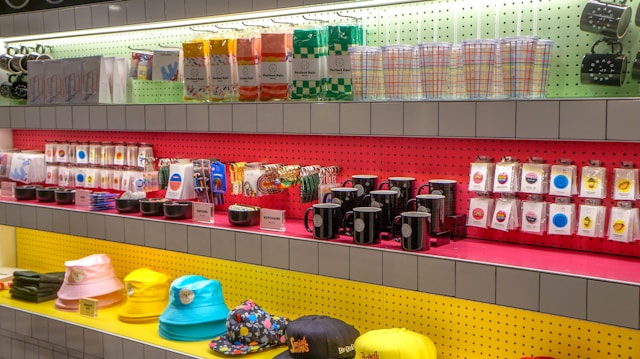
The best upsells feel like upgrades, not extra charges.
Consider Seasonal Adjustments
In most coastal areas, demand fluctuates. During high season, you can charge more and offer fewer discounts. In shoulder or low seasons, you might want to offer group rates, local resident specials, or bundled deals with other tour operators.
Above all, make your pricing transparent and easy to understand. People will pay more when they know exactly what they’re getting, and when the experience feels well worth it.
Now that your packages are ready, you need a system to handle bookings without a mess of emails and spreadsheets.
Step 6: Set Up Online Booking and Reservation Management
Imagine this: a tourist finds your sailing charter on Instagram, falls in love with the photos, and wants to book right away, but there’s no website link. No calendar. No pricing. They’re asked to “DM for details.” Within seconds, they’re gone… booking with someone else who made it easier.
Convenience is currency. If people can’t book your charter in under two minutes from their phone, you’re losing business.
Why Online Booking Matters
When someone is planning a vacation, especially in a tourist-heavy destination, they want simplicity. The ability to book a trip in the same way they reserve a dinner, hotel, or taxi ride is now expected.
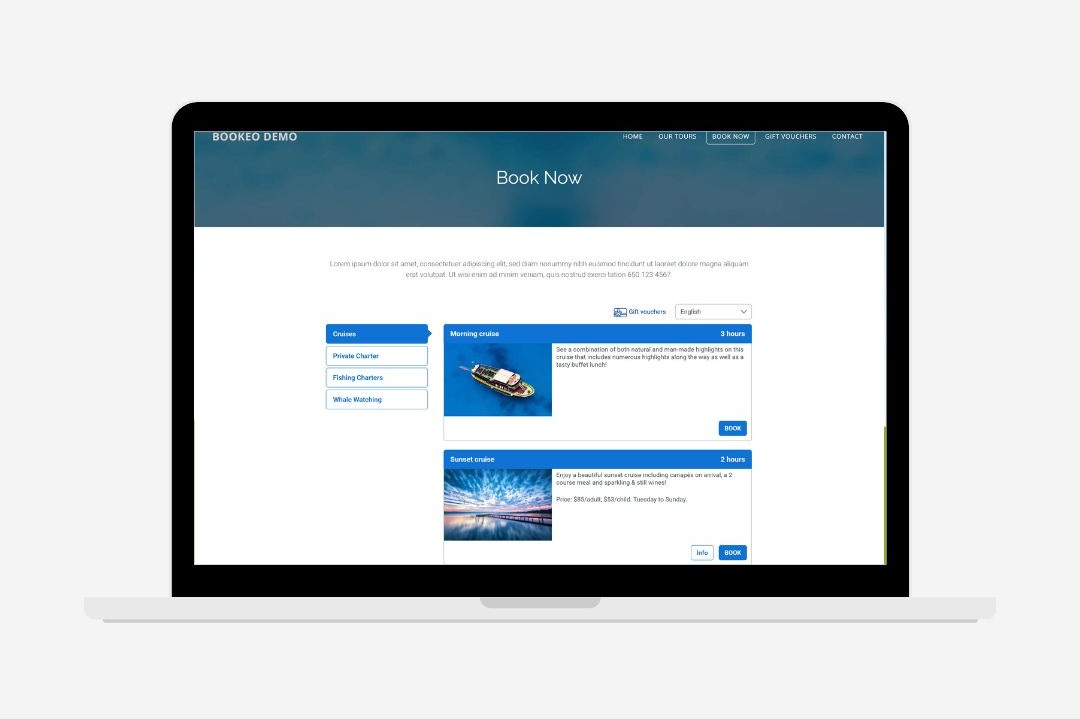
A professional booking system helps you:
- Take reservations 24/7 (even while you’re on the water)
- Accept secure payments upfront
- Show real-time availability
- Limit class sizes or group sizes automatically
- Offer upsells and packages
- Automate reminder emails or texts
It’s not just about saving time, it’s about running a business that feels reliable and legit from the first click.
What to Look for in a Booking Platform
You want something built for service-based businesses, not just generic appointment software. Bookeo’s tour booking software is a great example because it’s made for experiences like yours.
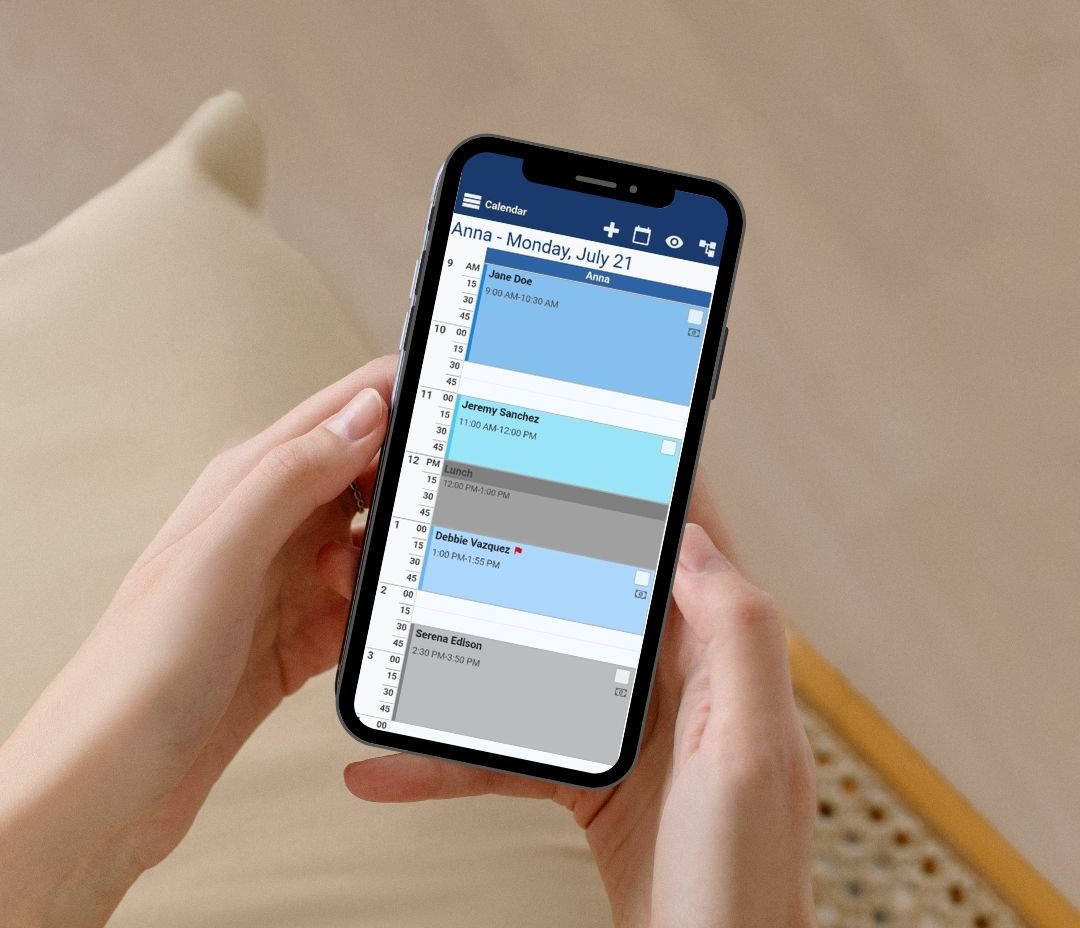
Here’s what you should look for:
- A clean, mobile-friendly booking page you can link from your website and social profiles
- Integration with payment processors so you can take deposits or full payment at the time of booking
- A customizable calendar with different durations and pricing
- The ability to add waivers, special instructions, or custom questions (like dietary restrictions or snorkeling gear sizes)
- Group management features for private or public trips
- Discount code or gift certificate support
- Syncing with Google Calendar or other scheduling tools
Simplify Life for You and Your Guests
An online booking system means no more lost messages, no-shows, or confusion over times and pricing. It also helps you manage your day better, you’ll know exactly who’s booked, what they’ve paid, and what kind of trip they’re expecting.
And for your guests, the experience starts the moment they hit “Book Now.” When it’s smooth, simple, and fast, they already feel like they’re in good hands.
Now that your booking system is ready, let’s talk about how to get people to actually find and choose your charter in the first place.
Step 7: Market Your Sailing Charter Business to Tourists
You can have the best boat, the smoothest booking system, and the most stunning sunsets on earth, but if tourists don’t know you exist, none of it matters. The good news? People are actively looking for what you offer. The challenge? You need to show up before your competitors do.

Marketing a sailing charter business isn’t about throwing money at ads. It’s about knowing where your customers are, what inspires them to book, and how to meet them at that exact moment.
Claim Your Spot Online
Start with your Google Business Profile. This is the first thing tourists see when they search for terms like “sailing tour near me” or “boat ride in [Your Town].” Set up your profile with:
- High-quality images of your boat and guests
- Accurate location, hours, and website link
- Up-to-date reviews and responses
- Direct booking button linked to your calendar
Next, set up a simple but beautiful website. It doesn’t need to be complex, just clean, fast, and mobile-friendly. Include:
- Class descriptions and pricing
- Photos and testimonials
- Your “About” story (make it personal!)
- A live calendar and booking button
- FAQ section for common questions
If you don’t have a website, Bookeo lets you create a branded booking page that can function as a landing site.
Be Where Tourists Are Looking
Tourists often search and book through third-party platforms. These may take a commission, but they deliver visibility fast:
- TripAdvisor & Viator: Essential for tours and excursions
- GetYourGuide: Another major player for experience-based bookings
- Airbnb Experiences: Great for hosting smaller or themed sails
- Local hotel concierges or tour desks: Offer commissions or bundled deals

Make sure your listing on each platform is consistent, professional, and optimized with keywords like “sunset sailing,” “romantic cruise,” or “private charter.”
Show It, Don’t Just Say It
This is where social media shines. Tourists are visual. They want to see exactly what they’re getting before they book. Use Instagram, TikTok, and Facebook to:
- Post photos and videos from real sails
- Highlight guest stories and reviews
- Share time-lapses of a day on the water
- Post “what to expect” guides or reels
- Use trending sounds and hashtags to boost reach

Encourage every guest to tag you and share their experience. Their photos are your most authentic (and free) advertising.
Partner With the Right People
- Local hotels, resorts, and Airbnbs: Leave flyers, offer referral codes
- Tourist info centers: Provide brochures or set up a QR code stand
- Food and beverage vendors: Bundle drinks, charcuterie, or picnic packs
- Photographers: Offer pro photo packages during sails
Run Seasonal Promotions
Capitalize on holidays, festivals, and cruise arrivals with limited-time deals:
- Valentine’s sunset sails
- Summer group discounts
- “Book 4, Sail Free” packages
- Free GoPro footage with private bookings
Always build urgency, tourists are on the clock.
Finally, remember: marketing doesn’t have to be perfect. It just has to be visible, consistent, and genuine. Be active. Show real people having real fun. That’s what sells.
With tourists now flowing in, it’s time to deliver the kind of onboard experience that earns five-star reviews and repeat bookings.
Step 8: Deliver a 5-Star Guest Experience on Board
Everything you’ve built, your licenses, your packages, your booking system, your marketing, leads to this moment: when your guests finally step on deck. And what happens next is what turns one-time customers into repeat clients, glowing reviews, and referrals that fill up your calendar.

The truth? Most people won’t remember the sail’s exact coordinates or what brand of rigging you use. They’ll remember how they felt. Your job is to make sure they leave smiling, relaxed, and a little in awe of the day they just had.
Make Arrival Feel Effortless
The guest experience begins the second they show up. Greet them warmly. Offer a welcome drink or cold water. If they look nervous or seasick, ease them in. A quick briefing about where to sit, what to expect, and how the day will flow goes a long way.
Consider having:
- A playlist ready to go (ask their music preference beforehand)
- Sunscreen, towels, or seasickness bands available
- Clear communication on restroom use and safety tips
If you want to stand out, make the check-in feel more like boarding a private yacht than a rigid tour.
Engage Without Overdoing It
People book sailing charters for all kinds of reasons, romance, family time, adventure. Some want to chat. Others just want peace and waves. The key is reading the room.
Offer fun, light interaction. Share interesting facts about the coastline or a funny story from a past trip. Invite questions about sailing if they’re curious. But don’t force it.
If someone wants silence and scenery, let the ocean do the talking.
Little Extras Go a Long Way
You don’t need luxury catering to impress. Small touches often have the biggest impact:
- A chilled fruit plate or cheese board
- A bottle of bubbly on anniversary sails
- A playlist made for the mood (sunset, adventure, chill)
- Lending them polarized sunglasses or a waterproof phone pouch
- Snapping a few great photos for them and offering to AirDrop or email

They’ll remember the moment, but they’ll share the photo.
Ask for Reviews (The Right Way)
Once the trip comes to a close, take a moment to thank your guests personally. If they had a good time, say something simple like:
“I’m so glad you enjoyed the sail, if you get a minute later, a quick review on Google or TripAdvisor would mean the world to me.”
You can also follow up via email or SMS with a direct review link a few hours after the trip. Timing is everything, right after the sail, while the sun is still fresh in their memory.
Handle Feedback Like a Pro
Not every trip will go perfectly. If someone offers feedback (or posts something less than glowing), respond with calm professionalism. Often, just acknowledging the issue and offering a future discount or apology turns a near-miss into a loyal fan.

At sea, anything can happen. But how you respond, and how you make your guests feel, defines your business.
Now that you’ve mastered the experience, let’s bring it all home.
Step 9: Build Relationships That Fuel Long-Term Success
In the charter business, it’s tempting to think the job is done once the boat returns to the dock. But some of the most successful sailing businesses don’t stop there, they build lasting relationships with their guests, fellow operators, and local partners. This step isn’t flashy. It’s not about algorithms or gear upgrades. It’s about people. And that’s what makes it powerful.
Turn Guests Into Your Biggest Fans
People remember how you made them feel. And if they felt like VIPs on your boat, they’re not just more likely to come back, they’re more likely to tell friends, leave glowing reviews, and even gift experiences to loved ones.
How do you nurture that kind of loyalty?
- Send a short thank-you message after each trip. Include a photo if you took one, and a reminder to leave a review if they enjoyed it.
- Add returning guests to a simple email list (with their permission). Share updates, seasonal deals, or even personal stories from your sailing life.
- Offer return discounts or referral bonuses. If someone sends a new guest your way, surprise them with a bottle of wine on their next trip.
- Remember their names. Their kids. The fact that it was their anniversary. The little stuff.
These things take minutes, but they make people feel seen. That’s what creates repeat customers and word-of-mouth buzz you can’t buy.
Connect With Other Local Businesses
You’re not an island in this business, literally or figuratively. Some of your best opportunities will come from nearby restaurants, hotels, tour desks, or even photographers and picnic vendors.

Partnerships could include:
- Offering “stay & sail” bundles with boutique hotels
- Cross-promoting on Instagram with beach cafes
- Sharing brochures or QR cards at partner locations
- Recommending guests to a snorkeling gear shop in exchange for them doing the same
Be generous, helpful, and proactive. These relationships often result in a steady stream of guests without needing to spend on ads.
Stay Involved in the Community
The sailing world might feel huge, but it’s often surprisingly tight-knit, especially if you’re in a popular charter destination. Show up. Say hello. Learn from others.
- Join marina groups or captain meetups
- Attend tourism board meetings in your town
- Follow and engage with other operators (even your competitors, you’d be surprised how helpful they can be)
- Share local news, weather updates, or events with your followers to become a trusted resource

Your reputation will grow faster than any ad campaign if the locals respect you.
Play the Long Game
Not every day will be full. Some seasons will be lean. And there will always be challenges, weather delays, difficult guests, broken parts. But if you build your business around strong relationships and great service, your reputation becomes your safety net.
Because in the end, this isn’t just about boats or bookings. It’s about trust.
And trust, like a good sail, takes time to build but carries you far once it’s there.
Conclusion
Starting a sailing charter business isn’t just about owning a boat, it’s about curating unforgettable moments on the water. Whether you’re offering romantic sunset cruises, family day trips, or private island-hopping adventures, this is a business built on emotion, scenery, and service.
In this guide, we covered every major step of how to start a sailing charter business, from understanding licensing and permits to buying or leasing the right vessel, choosing a marina, setting your prices, and creating smooth online booking experiences. We dove into marketing tactics tailored for tourists and shared practical tips on delivering a five-star onboard experience that gets rave reviews.
But here’s the deeper truth: your boat is your vehicle, but you are the brand. Tourists don’t just want a ride, they want a memory, a story, a reason to come back or recommend you to others.
So as you chart your course in this industry, remember: stay consistent, stay personable, and always keep your sails, and your mind, open to learning and growing.
And if you’re looking for a way to handle bookings, payments, and scheduling without the headache, online booking tools like Bookeo can simplify your business from day one.
Now, the only thing left to do? Raise the sails and start welcoming your first passengers aboard. Your dream business is just over the horizon.