
How to Start a Selfie Museum Business: A Trendy Business Opportunity
In a world driven by content creation, visual storytelling, and the race to “go viral,” a new kind of business has emerged, and it’s anything but traditional.
This isn’t a passing trend. The immersive experience economy has experienced explosive growth over the past few years. Brands like the Museum of Ice Cream, Color Factory, and 29Rooms have proven that people are willing to pay and wait for the chance to interact with bold, playful, and camera-ready environments. Experiential entertainment is driving a rising portion of the more expansive museum and cultural economy in the United States, which is valued at over $500 billion, according to IBISWorld.
That makes them a highly versatile and profitable business opportunity.
Selfie museums attract a wide range of visitors, including influencers, families, teenagers, business groups, and anybody else looking for an entertaining day out accompanied by photo ops. If you’re a creative entrepreneur with an eye for design, an understanding of social trends, and a desire to launch something unique, this guide will walk you through how to start a selfie museum business from the ground up.
Here’s what you’ll learn:
- What makes selfie museums successful, and how they differ from traditional attractions
- How to create a concept and theme that stands out
- What goes into location, licensing, set design, and safety
- How to handle booking, scheduling, and daily operations
- Marketing tactics that drive word-of-mouth and online buzz
- Ways to earn income beyond ticket sales
The best thing? No artistic or technological prowess is required to run this business. You just need a solid strategy and execution.
Let’s start with the basics.
Step 1: Understanding the Concept
Get a handle on what a selfie museum is and how it functions before you get into the layout and picture booths.
Selfie museums, also called immersive pop-up museums or interactive photo experiences, have themed sets, rooms, or art pieces that encourage visitors to capture images and films using their smartphones. Unlike traditional museums, which focus on education and preservation, selfie museums are built for participation, content creation, and fun.

These spaces aren’t curated for quiet observation; they’re curated for engagement. Guests are encouraged to touch, pose, explore, and share. The rise of platforms like Instagram and TikTok has fueled this shift, creating demand for venues that offer eye-catching, social-media-friendly environments.
Why Are They So Popular?
- Content Culture: People want unique photos that stand out online. Selfie museums offer a steady stream of backdrops and props, all in one visit.
- Experience Economy: Millennials and Gen Z prioritize experiences over physical goods. These museums deliver a memorable outing.
- Visual Variety: With dozens of rooms and themes in one location, visitors get more than just a selfie, they get an entire album.
- Inclusivity and Accessibility: Unlike fine art museums or galleries, selfie museums are casual, family-friendly, and accessible to a wide audience.
Real-World Examples
- Museum of Ice Cream (NYC, Austin, Miami): Known for its colorful ball pits, giant popsicles, and multi-sensory rooms.
- Color Factory: Uses light, color, and interactivity to create immersive exhibits that change seasonally.
- Wink World and WonderSpaces: Blend art, tech, and surreal design for more adult-oriented experiences.
Each of these has built a brand around not just the space, but the emotions and content people walk away with. That’s the core difference between a selfie museum and a gallery: the visitor becomes part of the art.
Understanding the intent behind your museum, from vibe to audience, is the first step in setting yourself apart. Now that you know what you’re creating, it’s time to get creative with how it looks.
Step 2: Choose Your Theme and Concept
The most successful selfie museums aren’t random; they’re thematically solid from entrance to exit. Whether it’s whimsical, surreal, nostalgic, or futuristic, a strong theme gives your museum identity. It makes your marketing easier, your sets more cohesive, and your visitors more likely to share and tag your brand.
Why a Cohesive Theme Matters
In today’s saturated content world, users scroll fast. A well-executed theme helps your space stand out at a single glance. When your sets follow a clear aesthetic or storyline, they don’t just look good individually; they reinforce your brand as a whole.
Plus, a theme helps you make smarter design choices: what props to buy, what colors to paint, and what kind of lighting to install. It also gives you a clear direction when it’s time to refresh or rotate rooms.
Popular Selfie Museum Themes
You can go broad or niche, depending on your target audience and budget. Some high-performing concepts include:
- Neon Dreams: Glow-in-the-dark rooms, LED tunnels, light-up swings
- Candyland/Fantasy: Giant lollipops, pastel clouds, unicorn-themed corners
- Pop Culture Vault: Rooms styled after hit movies, viral trends, or meme-worthy moments
- Local Pride: Murals and props inspired by your city’s landmarks, sports teams, or culture
- Retro Nostalgia: ’80s arcade room, ’90s bedroom, vintage diner setup
- Optical Illusions: Forced perspective rooms, floor art, upside-down sets
Work With Designers and Artists
While you can DIY some elements, hiring local set designers, muralists, or visual artists can elevate your installations and give your space authenticity. Consider collaborations that change seasonally to keep things fresh and buzz-worthy.
Name and Visual Identity
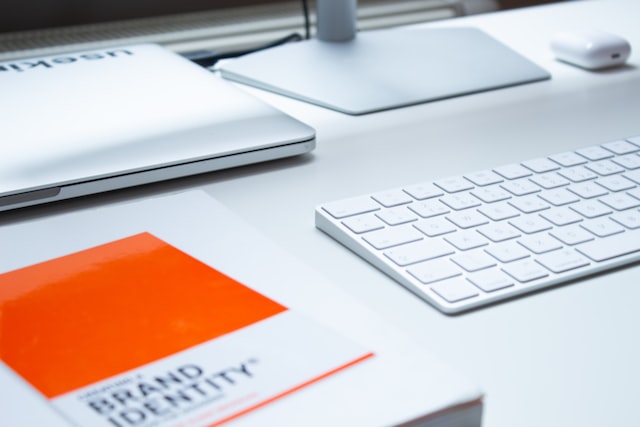
Once your concept is locked in, choose a name and logo that match your theme. If your theme is quirky and colorful, your name should feel playful. If it’s sleek and avant-garde, go with something minimalist. Your brand identity should be instantly recognizable on signs, tickets, and social media.
A well-defined theme isn’t just a creative decision, it’s a strategic foundation for everything that comes next.
Next up: Let’s turn your concept into a plan that investors, partners, and customers can believe in.
Step 3: Write a Business Plan
Your theme might turn heads, but your business plan will get things moving. If you’re serious about learning how to start a selfie museum business, crafting a clear, realistic, and organized plan is essential, not just for you, but for potential investors, lenders, and partners.
A business plan is your roadmap, laying out what your museum will look like, how it will operate, and how it will generate income. It keeps you focused during the build-out and launch, and helps you anticipate challenges before they arise.
What to Include in Your Selfie Museum Business Plan
Executive Summary
Describe your concept, your target audience, and why your selfie museum fills a market need. Keep it short but compelling.
Market Analysis
Research your city or region: How many tourists visit each year? What’s the local competition like? Is your target audience active on platforms like Instagram and TikTok?
Identify your customer base (e.g., teens, influencers, families, tourists, content creators) and explain how you’ll reach them.
Services and Experience
Detail your offerings: general admission, VIP access, private bookings, brand activations, merchandise, etc.
Describe what the customer journey will be like, from buying a ticket online to walking through each room.
Marketing Strategy
How will people discover your museum? This could include influencer outreach, paid social ads, PR campaigns, or local partnerships.
Include your content strategy, what you’ll post, how often, and how you’ll grow an online following.
Operations Plan
- Staffing needs: front desk, maintenance, security, cleaning crew, social media manager
- Ticketing system, daily visitor limits, safety protocols
Financial Plan
- Startup costs: lease, buildout, set design, lighting, permits
- Monthly operating expenses
- Revenue projections for ticket sales, events, and retail
- Break-even analysis and funding needs
- Expansion Vision (optional)
If you plan to scale, mention how you’ll open new locations, refresh rooms seasonally, or license your concept
This business plan becomes the tool you’ll use to get investors on board, apply for loans, or simply stay on track. And once it’s in place, the next major step is bringing your vision to life, starting with finding the perfect space.
Step 4: Find the Right Location
Location can make or break your selfie museum. You can have the most creative sets in the world, but if they’re hidden in a hard-to-reach warehouse or tucked away in a low-traffic area, your business will struggle to attract the volume you need.
Selfie museums thrive in high-visibility, walkable, and social-friendly areas. Think of your space as both an attraction and a storefront, it has to draw people in both physically and online.
What to Look for in a Location
- Foot Traffic: Ideally, your museum should be near shopping centers, downtown districts, or tourist hotspots where people are already exploring.
- Proximity to Public Transit and Parking: Easy access is key, especially for families or groups.
- Large, Open Space: You’ll need enough square footage for multiple themed rooms, plus waiting areas, a check-in desk, and possible retail space. Look for buildings with high ceilings and open floor plans.
- Zoning Compliance: Check with your local city planning office to ensure that your location is zoned for entertainment or retail use.
- Safety and Accessibility: Make sure the space is ADA-compliant and allows for safe entry and exit, especially if you’re planning to welcome large groups.
Malls and Pop-Up Options
Many selfie museums find success in shopping malls or retail complexes, which already have built-in foot traffic. Some owners test their concept through short-term leases or pop-ups in high-traffic areas before committing to a long-term commercial space.
Pop-ups can also be a great proof of concept. You can build buzz, attract investors, and refine your visitor flow before scaling into a permanent location.
Things to Negotiate
- Utilities and HVAC: A lot of selfie rooms use custom lighting and interactive elements, make sure the building’s electrical system can handle it.
- Restrooms: You’ll likely need at least one public restroom on-site.
- Lease Terms: Ask for flexible lease options if you’re just starting out. A one-year lease with the ability to extend is safer than a five-year commitment up front.
Once you’ve secured your space, it’s time to take care of the legal side of your business, permits, licenses, and paperwork.
Step 5: Legal Steps to Start Your Business
Getting the legal side right is critical when starting a selfie museum. The fun begins with colorful sets and viral videos, but behind the scenes, your business needs to be built on a solid legal foundation. This protects you from fines, lawsuits, and costly delays.

Here’s a breakdown of the essential legal steps involved in launching your museum.
Choose a Business Structure
Start by choosing a legal structure that fits your goals:
- LLC (Limited Liability Company): The most common choice for small entertainment businesses. It protects your personal assets while offering tax flexibility.
- Sole Proprietorship: Easier to set up, but offers no personal liability protection.
- Corporation (S-Corp or C-Corp): May be worth considering if you plan to attract investors or scale rapidly.
You can register your business structure with your state’s Secretary of State office, often through an online portal.
Register Your Business Name
If your business will operate under a name other than your own, file a Doing Business As (DBA). Make sure the name is unique and not already trademarked or in use in your state. You’ll also want to secure a matching domain name and social handles.
Apply for an EIN
The Employer Identification Number (EIN) is required for tax filings, opening a business bank account, and hiring employees. You can apply for it for free on the IRS website.
Obtain Necessary Permits and Licenses
Depending on your city and state, you may need:
- Business license or occupancy permit
- Sales tax permit (if selling tickets or merchandise)
- Entertainment license, especially if you host live events or private parties
- Fire inspection and safety compliance certification
Check with your local municipality or a business attorney to make sure you’re covered.
Get Business Insurance
At minimum, you’ll need:
- General liability insurance (to cover injuries or property damage)
- Property insurance (for your equipment and installations)
- Event liability coverage (if you rent your space for private functions)
- Waivers and Media Releases

Since guests will be taking and sharing photos, create a terms of service and photo release agreement. Have visitors agree to it when booking tickets or upon entry.
Once you’re legally covered, you can get back to what makes this business so exciting, designing a space people can’t wait to explore.
Step 6: Design and Build Your Museum
Now comes the most creative (and challenging) part: building the actual experience. A selfie museum is only as strong as its visuals, flow, and interactivity. Visitors don’t just want pretty backgrounds, they want immersive moments that feel worth the post, worth the ticket, and worth telling their friends about.
Here’s how to bring your concept to life, step by step.
Plan Your Layout
Start by mapping the journey. Most selfie museums include 8 to 20 themed rooms or zones, each offering a unique look and feel. Consider the flow:
- Is there a clear entry point and exit?
- Do rooms build on each other thematically?
- Can guests explore at their own pace without overcrowding?
Include practical zones like a welcome/check-in desk, a waiting area, a small retail corner, and bathrooms.
Build the Sets
Each room should tell its own story, and look amazing on camera. Depending on your concept, this may involve:
- Custom wall murals or decals
- 3D props like oversized food, furniture, or floating objects
- Lighting effects: LED strips, blacklights, ring lights, projection mapping
- Interactive elements like ball pits, mirror mazes, swings, or touchable textures

Durability is key, sets will see a lot of traffic. Use materials that are easy to clean, sturdy underfoot, and resistant to wear.
Hiring local artists, muralists, or set designers can elevate the quality and help you stay within theme. Freelancers, theatrical prop builders, or even event decorators can bring your vision to life affordably.
Lighting Is Everything
Selfie museums live or die by lighting. Use adjustable LED lighting to flatter skin tones and enhance the visual drama of each room. Avoid overhead fluorescents, which tend to dull the mood. Accent lighting, color filters, and even fog machines can add atmosphere.
Offer portable ring lights or selfie stations near high-traffic installations. These are low-cost but high-impact tools that improve guest photos, and boost your museum’s visibility online.
Rotate and Refresh
To drive repeat visits and stay relevant on social media, plan to rotate rooms every 3 to 6 months. Even small updates, new props, a fresh coat of paint, or a limited-time theme, can reignite buzz and keep people coming back.
A well-designed space blends art, play, and storytelling. Once it’s built, your next priority is making it easy for people to get inside, starting with how they book their tickets.
Step 7: Set Up Ticketing and Scheduling Systems
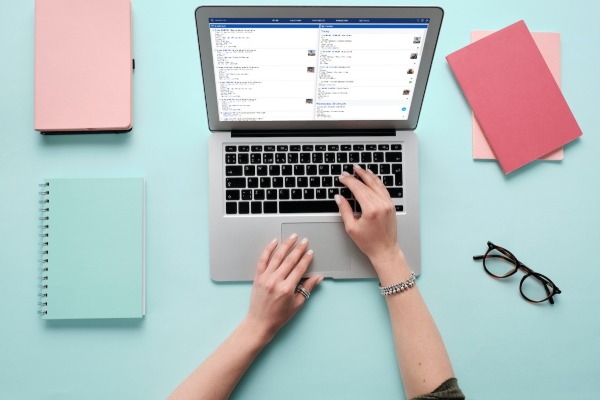
Once your museum is built and ready to welcome visitors, the next step is ensuring they can book smoothly, securely, and any time. In the experience-driven industry, ease of access is part of the customer journey. A complicated or clunky booking process can lead to lost sales, poor reviews, and lower foot traffic.
Timed Entry vs. Open Admission
Most selfie museums use timed entry to control crowd size and maintain the guest experience. This allows you to manage:
- Maximum capacity per hour
- Staffing needs
- Cleaning schedules between groups
- A consistent, Instagram-friendly environment without chaos
Offer slots in 30- to 90-minute increments depending on your space and visitor flow. Some larger venues allow open admission during off-peak hours but still use reservations to avoid overcrowding.
Use Online Booking Software
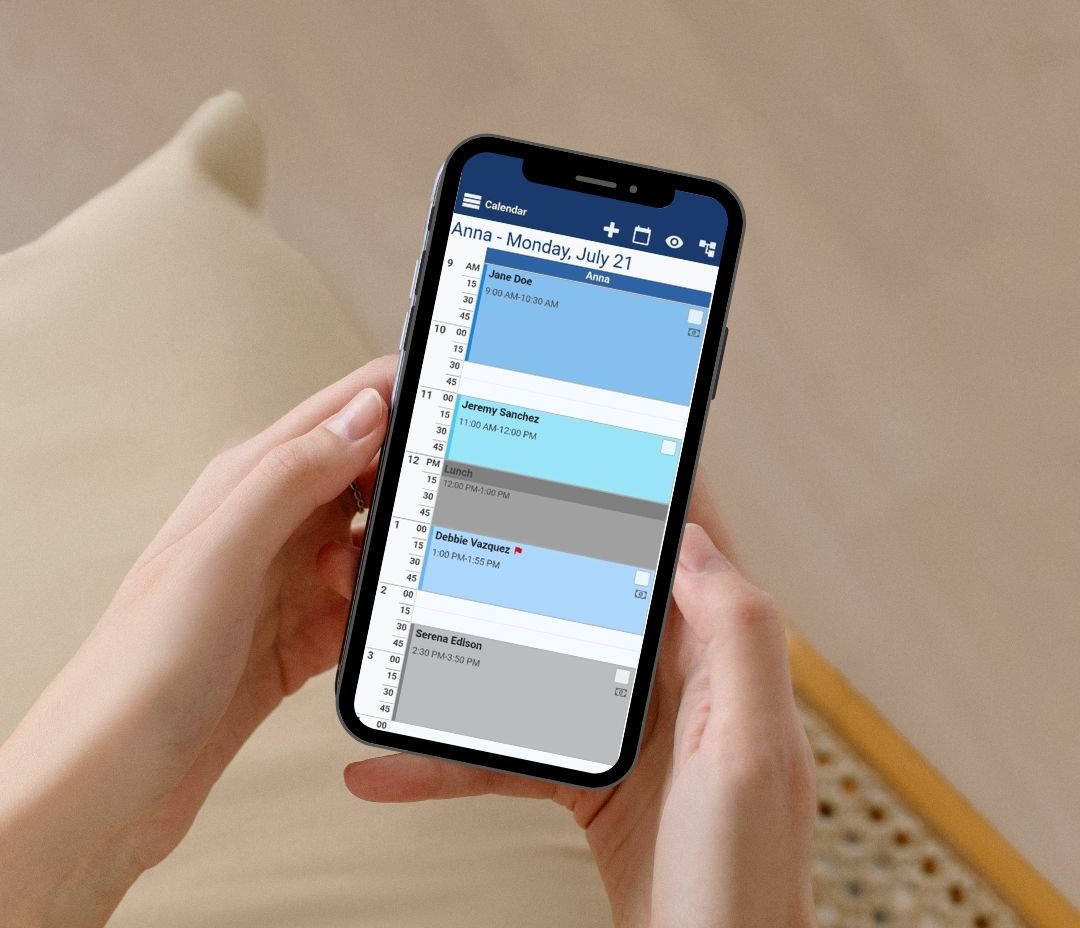
Online activity scheduling tools like Bookeo simplify everything from appointment management to payments.
Look for features like:
- 24/7 online booking
- Mobile-friendly interface
- Instant confirmations and reminders
- Integration with POS and ticket scanning
- Group bookings and discount codes
- Add-ons like VIP passes, bundles, or merch preorders
With online booking software by Bookeo, you can set up multiple ticket types (general admission, family passes, private events) and automate scheduling, all while keeping your front desk free to focus on guest experience.
Accept Payments and Handle Refunds
Your booking system should also allow secure payment processing. Use a reliable merchant service provider to accept credit cards, mobile wallets, and digital gift cards. Clear refund and cancellation policies are also essential and should be visible at checkout.
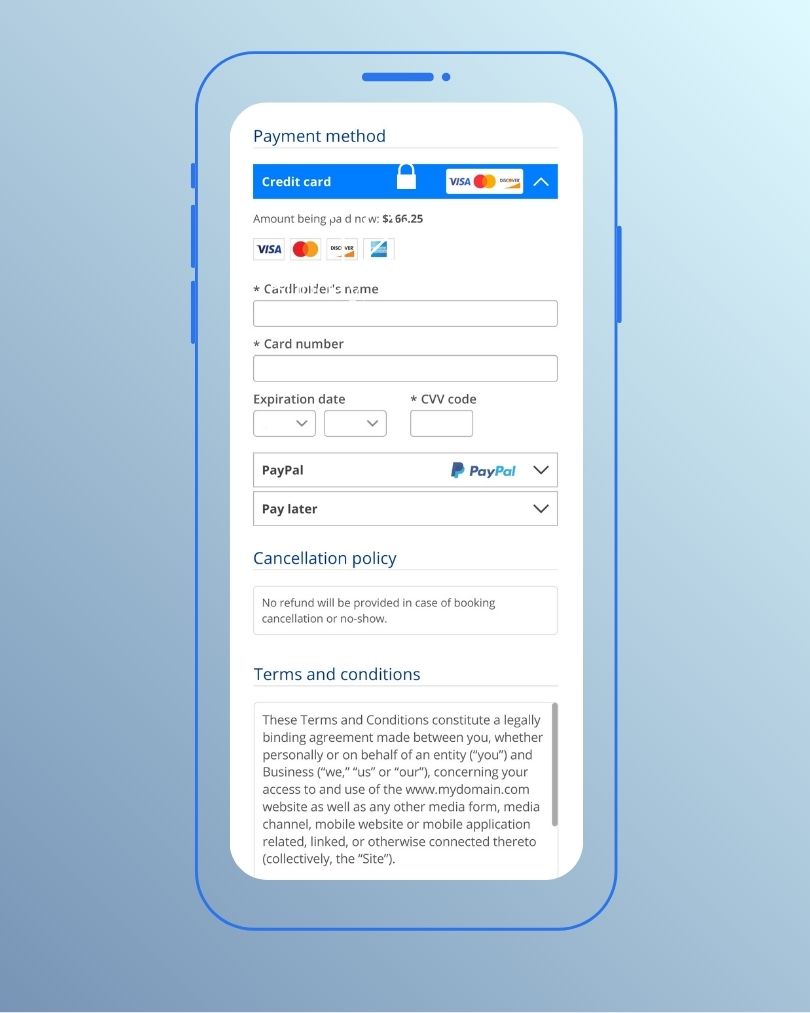
When booking is effortless, guests are more likely to follow through, and even rebook. Next, we’ll cover how to make sure your museum gets seen, shared, and talked about across every major platform.
Step 8: Market Your Selfie Museum
Marketing a selfie museum is unlike promoting most businesses, because your customers are your marketers. Every time someone takes a photo in your space, tags your location, and posts it online, they’re spreading awareness for you. But to get that momentum started, you need a smart, layered strategy that blends social media, local partnerships, and experiential promotion.
Build Your Social Media Presence Early
Start your social media accounts before opening day. Use platforms like Instagram, TikTok, and Facebook to:
- Share sneak peeks of sets in progress
- Introduce your brand identity and theme
- Build a following and create anticipation with giveaways and countdowns
- Post behind-the-scenes clips, artist interviews, and time-lapse videos
Hashtags matter, create a branded hashtag and encourage guests to use it with every post. Geo-tagging your location also helps new visitors find you via social search.
Collaborate With Influencers and Content Creators
Reach out to local influencers, photographers, and lifestyle bloggers with micro or mid-sized followings. Offer them early access in exchange for posts, stories, or YouTube walkthroughs. This kind of social proof is more powerful than paid ads alone, especially if the content feels authentic.
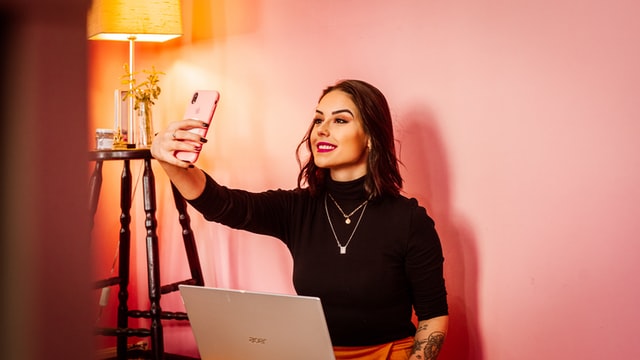
Host an invite-only soft launch for influencers and press. Encourage them to share real-time footage and reactions. Their posts can act as your first wave of exposure.
Use Paid Ads Strategically
Once your museum is live, boost your reach with geo-targeted ads on:
- Instagram and Facebook (targeting people interested in events, art, or photography)
- Google Ads (targeting terms like “fun things to do near me” or “Instagram spots in [City]”)
- TikTok Ads (great for reaching Gen Z audiences)
- Use short videos, bold visuals, and emotional calls to action like “Tag your squad and plan your next adventure.”
Optimize for Local Discovery
- Claim and verify your Google Business Profile
- Add high-quality photos, hours, location, and booking links
- Encourage reviews and respond to them promptly
- List your museum on TripAdvisor, Yelp, and local event calendars
- Run Seasonal Promotions
Around holidays, school breaks, and community events, offer limited-time deals or experiences. Flash sales and themed events (i.e., Valentine’s Day Date Night or Summer Glow Bash) create urgency and get people talking.
Marketing never stops, but when done right, it creates a snowball effect. Now let’s look at ways to bring in even more revenue beyond general admission.
Step 9: Monetize Beyond Tickets
Ticket sales may be your main revenue stream, but they shouldn’t be your only one. To truly maximize the potential of your selfie museum, you need to think beyond admission and explore multiple ways to generate income inside the same space. Diversifying your revenue ensures greater stability, more upsell opportunities, and a better return on your initial investment.

Here’s how to do it.
Sell Branded Merchandise
Your visitors already love your vibe, so give them a way to take it home. Selling branded merchandise not only brings in extra money but also acts as walking marketing when people wear or use your products.
Popular merchandise options include:
- T-shirts, hoodies, and tote bags with your museum’s logo or catchphrases
- Branded selfie sticks, ring lights, or phone accessories
- Stickers, posters, or postcards featuring your installations
- Water bottles, mugs, or keychains with playful, photo-ready graphics
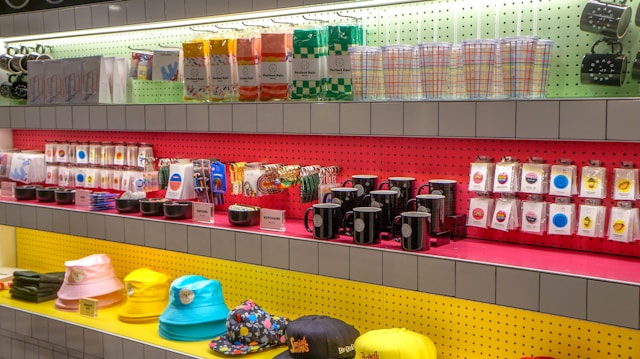
You can start with small inventory runs and test which items sell best. Use print-on-demand services to minimize upfront investment or work with local vendors for custom batches.
Offer Private Event Rentals
- Your space isn’t just a museum; it’s a highly aesthetic, ready-to-use event venue. You can rent out the full museum or select rooms for:
- Birthday parties
- Engagement or maternity photo shoots
- Brand launches and influencer events
- Corporate team-building sessions
School or club field trips
Create different packages for hourly rentals, after-hours events, or all-day buyouts. Include options for add-ons like a photographer, DJ, refreshments, or event host.
Make it easy to book by listing these services clearly on your website and offering a quote request form.
Host Sponsored Activations
Partner with brands that align with your audience and aesthetic. These companies may pay you to install a sponsored set or temporary pop-up activation inside your museum. For example:
- A cosmetics company could sponsor a “glam room” featuring its products
- A streaming service might theme a room around a trending show
- A fashion brand could hold a runway/photo launch in your space
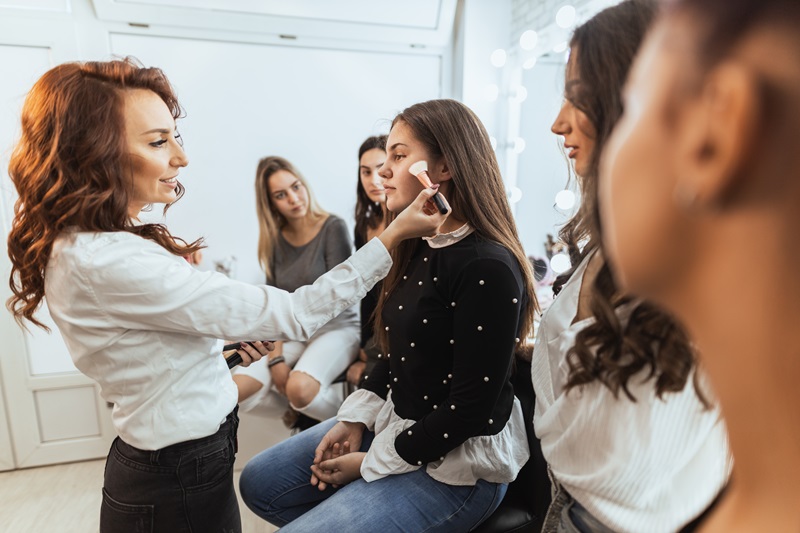
In exchange, the sponsor gets content, exposure, and visitor engagement, and you gain revenue while keeping your space fresh.
Launch Limited-Time Installations
Scarcity drives demand. Regularly introduce short-run themed rooms or collaborations with local artists that are only available for a few weeks or months. Promote them as “limited drops” to create buzz and repeat visits.
You can even charge a small premium for access to exclusive sets, especially if they’re built with high production value or involve unique technology (like projection mapping or AR filters).
Build an Online Store
- Not every visitor will buy something in person, but they may shop later. An online store lets you sell:
- Event tickets
- Merch
- Digital photo packages
- Gift cards
Add a Shopify or WooCommerce integration to your site, and promote it through post-visit email campaigns or QR codes inside your museum.
When you turn your museum into a multi-channel experience, you stop relying on walk-ins alone, and start building a sustainable, creative business.
Next, we’ll look at how to keep your momentum going and evolve your experience for the long haul.
How To Maintain and Evolve Client Experience
Great job! Your selfie museum is now live and running. Yet, it’s only the beginning. It takes more than a successful launch to keep a selfie museum going strong, what matters is being able to adapt to the needs of your audience.
Keeping and upgrading your experience is possible with these steps:
Keep Up With Social Media Trends
Everything that’s popular now may seem dated in a month because trends come and go so quickly. Staying in sync with what people desire to share on your museum’s page requires:
- Follow popular creators and trend forecasts on TikTok and Instagram.
- Be sure to maintain a content calendar that takes holidays, seasons, and online memes into account.
- Experiment with different forms, such as theme-related interactive games, augmented reality filters, or short-form video challenges.
- Keep your hashtags current in search by rotating them frequently.
Create at least one “trending room” that can be updated monthly with pop-culture references, color trends, or influencer collaborations.
Update Your Installations Regularly
Even the most eye-catching rooms lose their impact over time. Frequent guests need a reason to return, and newcomers want to feel they’re getting something unique.
- Plan for seasonal refreshes every 3–6 months
- Introduce temporary exhibits or limited-time rooms that create urgency
- Collaborate with local artists or digital creators for rotating murals or projection mapping features
Encourage customer input, run polls asking which rooms to bring back or themes to introduce
These updates don’t have to be expensive. Sometimes, a new coat of paint, prop swap, or lighting effect can give a room a fresh identity.
Monitor Guest Feedback
Use your booking system or post-visit email to gather customer reviews and feedback. Track:
- Which rooms are most photographed
- Where guests spend the most time
- Any bottlenecks or maintenance issues
- Suggestions for improvement or new themes
Even casual comments on social media can provide insights into how your experience is being perceived.
Treat this feedback loop as your internal guidebook, use it to refine the guest journey and spot patterns in what people love (or don’t).
Maintain the Space Daily
A dirty, broken, or disorganized room can undo all your marketing efforts. Make sure your team is trained in:
- Regular cleaning and sanitization
- Immediate prop repairs or touch-ups
- Managing crowd flow and enforcing time limits without ruining the vibe
- Keeping lighting, sound, and interactive elements in working condition
Routine maintenance and attention to detail are what turn a fun venue into a professional, five-star-rated attraction.
Host Community Events
- To strengthen your local presence, consider running monthly events:
- Creator nights or content boot camps
- Artist-led workshops or live murals
- Collaboration nights with DJs or food pop-ups
- Off-hours sensory-friendly sessions or quiet times for accessibility
By staying connected with your audience, and always offering something new, you create a space that feels alive, not static.
Up next, we’ll wrap everything up and walk you through the final motivation to get started on your own selfie museum journey.
Conclusion
Starting a selfie museum business isn’t just about renting a space and throwing up some neon lights, it’s about creating a walk-in world people can’t stop talking about. You’re not just giving them photos; you’re giving them stories, moments, and a reason to come back with friends. In an era where people crave experiences more than things, a well-designed, well-marketed selfie museum isn’t just trendy, it’s timeless in its appeal.
If you’ve made it this far, you’ve probably realized that this is a real business with real potential. Yes, it’s fun. But it also requires planning, branding, customer service, safety prep, and community savvy. Done right, it can become a staple of your city’s social scene, a place that shows up on feeds, in group chats, and on the must-do list for tourists and locals alike.
So don’t wait for perfect. Start small. Test ideas. Keep the camera rolling, the colors fresh, and the customer in focus. Because in this business, all it takes is one viral post to turn your dream into a destination.
Now it’s your shot, make it picture-perfect.