
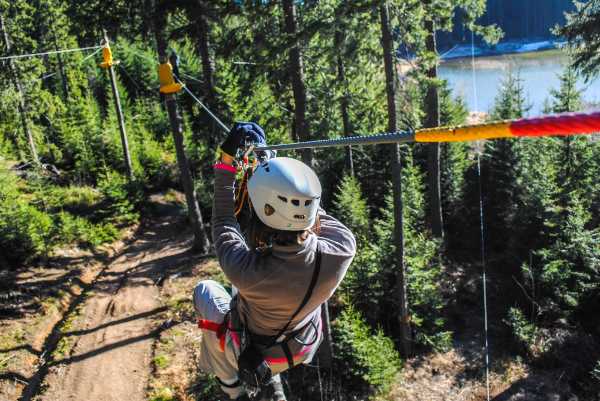
How to Start a Zipline Business: Safety Regulations & Investment Costs
The eco-tourism industry reached a staggering $185 billion in 2021 and expects annual growth exceeding 15%.
Zipline businesses have shown remarkable expansion across the United States. The numbers tell an amazing story – from just 10 ziplines in 2001 to more than 400 by 2020. This rapid growth creates a perfect chance for anyone looking to start a zipline business.
A zipline business means more than launching another venture. You’ll create a space where people push their limits, connect with nature and make lasting memories. The business requires careful planning with most important factors like the estimated starting cost of $190,000 and crucial safety protocols.
Safety forms the foundation of any zipline venture – not just an afterthought. Your original investment must cover premium equipment, proper construction and detailed training.
This piece guides you through everything needed to launch a successful zipline business. You’ll learn to create amazing experiences and handle bookings effectively. The right preparation helps you tap into the booming eco-tourism trend, which grows thanks to increased travel, global urbanization and affordable flights. Let’s begin your zipline business experience!
Visualize the Experience You Want to Offer
Your zipline venture starts with a clear picture of the adventure you’ll create for visitors. The original planning stage shapes everything from your marketing approach to the physical layout of your zipline course.
Define your brand’s adventure style
A distinct brand identity begins with your vision of the zipline experience. Will you focus on high-flying thrills or scenic nature tours? Maybe even both?
Your brand goes beyond just a logo, it tells the complete story of your zipline adventure.

Here’s what makes your vision special:
- What emotions should guests feel? (Excitement, wonder, accomplishment)
- What sets your zipline apart from others?
- How does your adventure complement the natural surroundings?
Your zipline business’s story becomes the life-blood of all your marketing materials. Your passion for the adventure must shine through, it spreads to every piece of content and guest interaction.
Different zipline styles create unique experiences. For example, a canopy tour combines the thrill of flying with an immersive environmental experience that appeals to more people. Adventure parks blend ziplines with physical challenges like aerial walkways, climbing walls, and bridges. Your choice sets the tone for everything you do.
Understand your target audience
Zipline adventures draw a surprisingly diverse crowd. Your target audience might include:
- Adrenaline junkies seeking their next thrill
- Families wanting memorable bonding experiences
- Corporate groups needing team-building activities
- Tourists discovering local attractions
- Local residents looking for weekend fun
Ziplines attract people of all ages, from families with children to young adults craving adventure. Understanding your likely visitors helps you tailor everything from safety briefings to marketing materials.
Tourists and locals both love ziplines as popular attractions. Some visitors see themselves as part of an exclusive thrill-seekers club, while others want a gentle introduction to adventure activities.
Choose a location that matches your vision
Site selection leads the way in the zipline planning process. The perfect location combines practical needs with that wow factor making a zipline unforgettable.
Locations near tourist hotspots or outdoor recreation areas benefit from existing traffic. Your site should feature natural beauty, suitable terrain for ziplines, and easy access for visitors.
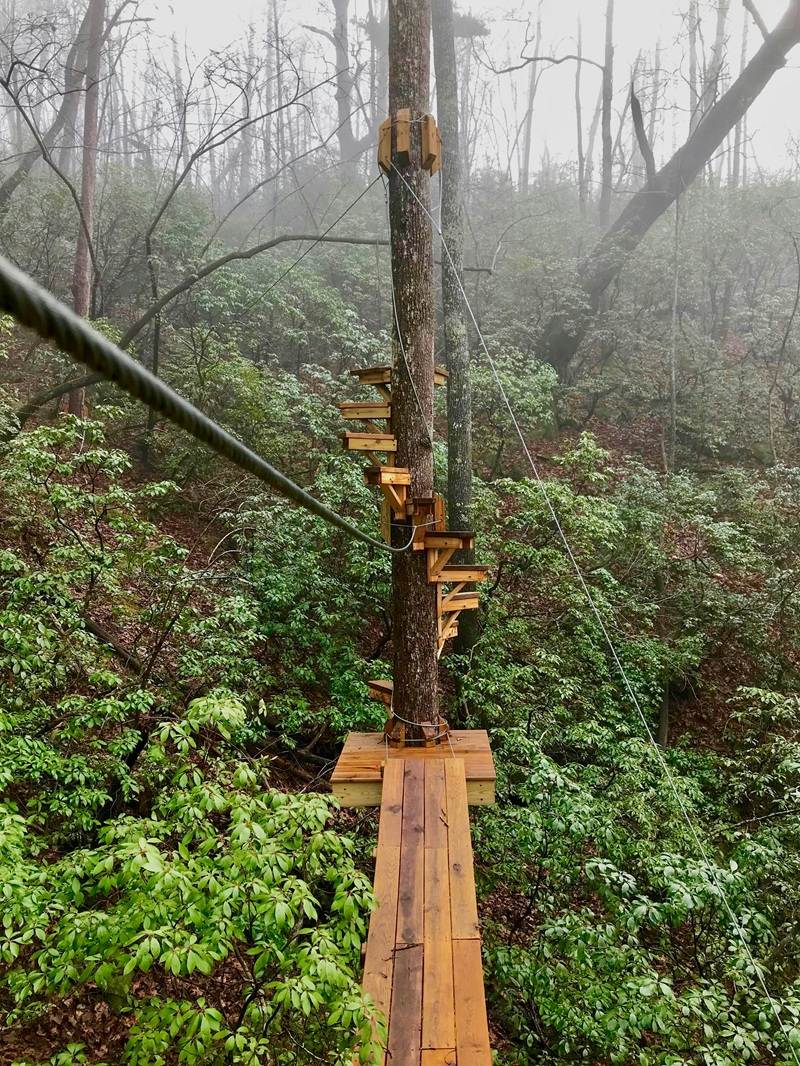
The four key factors for site selection are:
- Available anchor points (trees or structures) at each end
- Access points for riders to get on and off safely
- Elevation path or profile for a proper ride experience
- Potential hazards along the pathway
Anchors need sturdy attachment points, either living trees at least 12″ in diameter or posts/structures that handle heavy horizontal loading. A typical backyard zipline generates 800 to 3,000 pounds of tension.
Your zipline’s profile, defined by slope and sag, shapes the rider experience. A gradual descent needs a slope between 3-6% over the zipline’s length. The cable should have a minimum sag of 2% of the total length to prevent over-tensioning.
Safety demands at least 7 feet of clearance below and 5 feet on either side of the zipline cable when loaded. Whatever the height or terrain, proper safety riding gear protects against potential falls.
Site design kicks off your zipline development and business plan. Schematic drawings help map out zipline corridors, obstacles, and topographical considerations. This foundation helps finalize construction budgets, set profit targets, and establish ideal visitor throughput rates.
Smart planning and site selection can turn your zipline into the life-blood of local economic growth. It creates jobs and attracts tourists who support other businesses like hotels and restaurants.
Plan Your Investment and Budget Wisely
You need smart financial planning to build a zipline business. A clear understanding of costs helps you create a realistic budget and get proper funding before you start construction.
How much does a zipline cost to build?
Zipline construction costs vary based on scale and purpose. A simple backyard zipline might cost between $2,000 and $8,000. Commercial ziplines need much more money:
- Small-scale commercial ziplines (100-300 feet): $10,000 to $30,000
- Mid-sized zipline operations: $50,000 to $150,000
- Large commercial zipline parks: $500,000 to several million dollars
- Full canopy tours with multiple lines: $35,000 to $750,000

Length drives most of the cost. Longer ziplines (over 1,000 feet) can cost $30,000 to $100,000 or more. Different zipline types also change the price – simple setups cost less than sky cycle/zip cycle combinations or motorized options.
The good news? Your return on investment can be huge. Ziplines bring in strong revenue compared to their setup and upkeep costs. This makes them great additions to adventure parks, resorts, or standalone attractions.
Estimate construction and equipment costs
Your expenses go beyond just the zipline. Here are the main components:
- Design and Planning: This first phase shapes your zipline’s success. Expert designers ensure safety standards and smooth visitor flow.
- Land Preparation: Your terrain might need roads, paths, or clearing. Access and natural features determine these costs.
- Materials and Equipment:
- Cables, pulleys, and harnesses: $5,000+
- Platforms and towers: $15,000-$50,000
- Safety gear (helmets, harnesses): $5,000
- Emergency equipment: $2,000
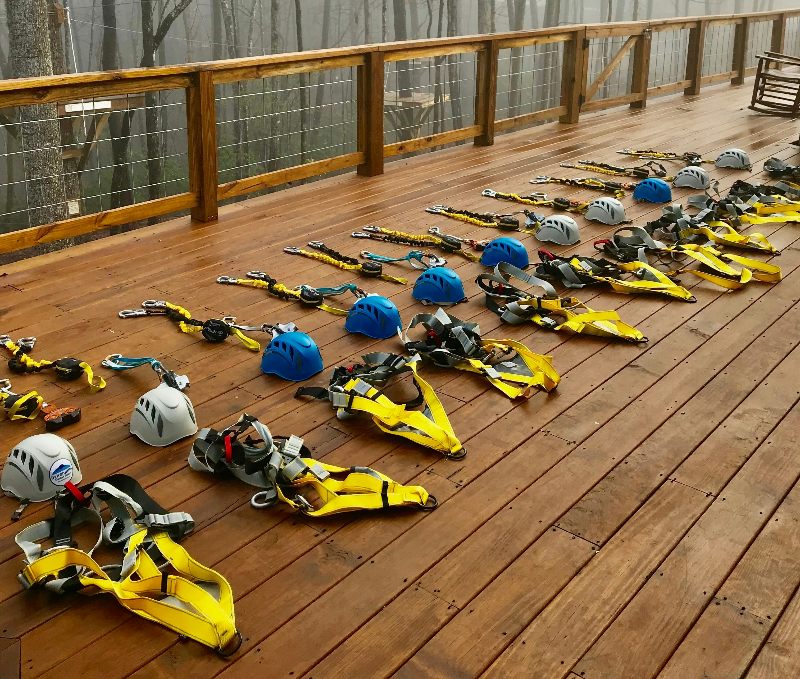
- Installation: Expert installation costs $5,000 to $20,000. Safety and longevity depend on proper installation, so this isn’t where you cut costs.
- Permits and Legal Requirements: Set aside $5,000 to $7,000 for business permits, licenses, and safety checks. Legal experts help you handle regulations quickly.
- Insurance: Your first-year liability insurance might reach $10,000. Full coverage protects against accidents and property damage.
Plan for marketing and staffing expenses
Your ongoing costs will shape your bottom line:
Staffing Costs:
- Safety instructors: $300+ per month each
- Cashiers: $300+ per month each
- Management: $350+ per month
- Security (if needed): $200+ per month
A park with four routes needs five safety instructors, two cashiers, and one manager – about $2,450 monthly for basic staffing.
Marketing Expenses:
- Website development: $3,000
- Online booking system: $12-$300 monthly
- Social media and local marketing: $5,000 original investment
- Signage and promotional materials: $75-$2,500
Additional Operational Costs:
- Land rent: Around $1,800 monthly
- Equipment depreciation: About $200 monthly
- Regular maintenance and inspections: Save 10-20% of initial installation cost yearly
- Utilities: $1,000-$1,500 monthly
Smart financial planning means separate budgets for one-time construction and ongoing costs. Keep a backup fund ($15,000) ready for unexpected expenses. This detailed budget approach helps avoid cash problems in your first year.
Build a Safe and Compliant Operation
Safety is the foundation of a successful zipline business. Your location might be perfect and your marketing spot-on, but safety violations can shut down your operation and permanently damage your reputation.
Follow ACCT and local safety standards
The Association for Challenge Course Technology (ACCT) sets and promotes professional standards that define how challenge course programs work. Their ANSI/ACCT 03-2019 Challenge Courses and Canopy/Zip Line Tours Standards serve as the current industry measure.

These standards cover three vital areas:
- Design and Performance: Requirements for zipline structures and equipment
- Operations: Minimum operational procedures and staff competencies
- Training: Requirements for staff training curricula and content
The surprising fact is that all but one of these eight states have specific zipline regulations: Colorado, Massachusetts, Michigan, New Hampshire, New York, Pennsylvania, Texas and West Virginia. Notwithstanding that, whatever your location, all zipline businesses should follow ACCT guidelines as they represent industry best practices.
To cite an instance, see both ANSI/ACCT standards and ASTM F2959 (Standard Practice for Aerial Adventure Courses) when selecting and evaluating safety systems. This dual approach helps create a complete safety framework.
Install passive and emergency braking systems
Braking systems directly affect rider safety. Two main categories exist: passive braking (automatic) and active braking (manual).
Active brakes need rider action and are a great way to get more control and allow stops at specific points. Passive brakes work automatically without rider input, perfect for younger participants who might not have braking skills.
ACCT standards require emergency arrest devices on all ziplines that go faster than 6 mph (10 kph). These secondary braking systems must work independently from the primary brake and engage without participant action.
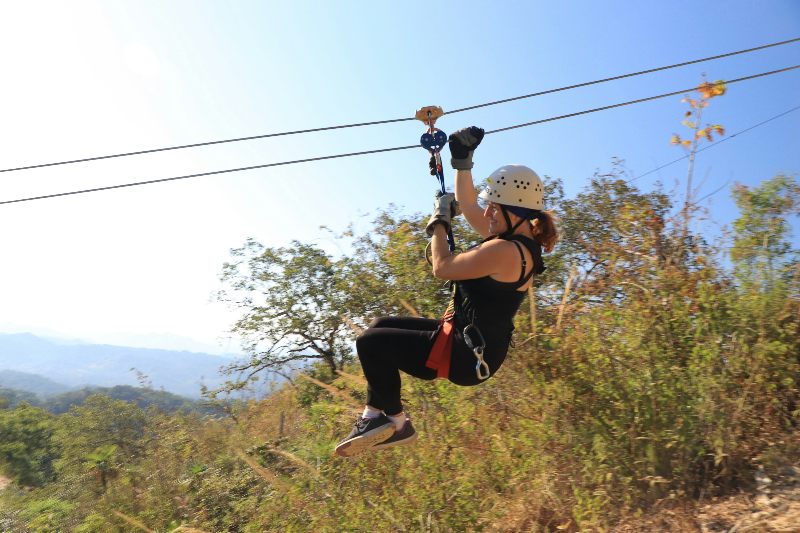
Common passive braking options include:
- Bungee Brakes: Uses a padded block connected to bungee cord that absorbs momentum and returns riders to the low point
- Spring Stops: Works like bungee brakes but uses springs instead of bungees
- Tire Stops: Creates no-pass barriers on cables, often used for over-water ziplines
- Capture Blocks: Works like bungee brakes but uses rope with applied friction instead of bungee cord
Safety demands that all ziplines should have a stop block as a no-pass point mounted directly to the cable.
Schedule regular inspections and audits
Laws require all ziplines to undergo inspection at least every six months by an advanced rigger. You also need extra inspections after:
- Exposure to severe storms
- Any incident on the zipline
A complete inspection schedule typically has:
- Daily visual checks before operations begin
- Detailed monthly examinations
- Professional reviews every six months
- Full annual inspections by external safety experts
Annual inspections mean more than just following the law, they’re crucial to keep everything safe and make equipment last longer. These inspections should check all components, including worn parts, verify maintenance procedures, and confirm compliance with industry standards.
Documentation is crucial. You must keep detailed records of all inspections, including any repairs or modifications. Laws state that qualified personnel must complete such changes. Ziplines also need certification for maximum participant weight, with testing done at twice the expected capacity.

Staff training is a vital safety component. All zipline operators must learn:
- The right way to use equipment to prevent damage
- The proper way to demonstrate for participants
- Rescue procedures and emergency protocols
Note that poor training breaks workplace duty of care. Then, putting money into complete staff training protects your customers and your business.
Design a Memorable Zipline Course
A great zipline course delivers more than just rides between two points. Successful zipline businesses create unique experiences that blend heart-pounding thrills with stunning natural beauty and unforgettable moments.
Incorporate natural scenery and elevation
The best zipline courses make use of their location’s natural features. Riders get breathtaking views as they glide across canyons, through forests, or over bodies of water – views they can’t get anywhere else.
Successful zipline operators say the best courses showcase local ecosystems. Riders at Zip NOLA soar through the Maurepas Swamp and spot wildlife like alligators, turtles, snakes, and waterfowl from their safe perch in the treetops. More than that, some courses feature unique bridges connected between century-old cypress trees as standout attractions.
Your ideal terrain for a zipline should include:
- Dramatic experiences come from canyon-to-canyon designs with natural elevation changes
- Treetop ecosystems become accessible through forest canopy tours
- Water features add visual appeal and excitement
- Natural speed comes from hill-to-hill setups that need less construction
Your course design depends heavily on the topography. Ground-level installations cost less but might not give riders the same rush. A better option might be courses that use natural slopes to create gravity-powered experiences with minimal construction while keeping the excitement level high.
Use high-speed or scenic ride options
Zipline courses usually fall into two categories: thrill-focused or scenery-centered. Let your target audience guide this choice.
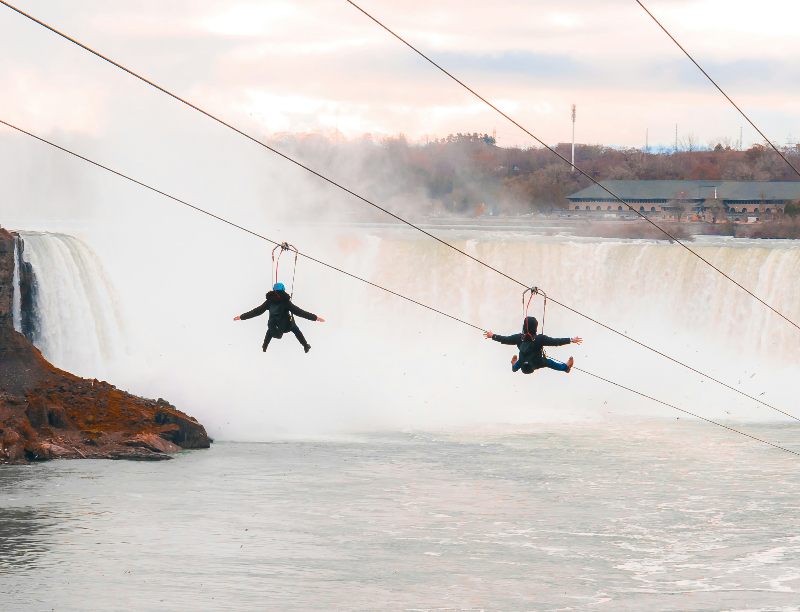
Speed-oriented ziplines excel with:
- Cables stretching beyond 1,500 feet
- Sharp descents that create higher speeds
- Safety-first mechanical braking systems
- Racing experiences on parallel lines
To name just one example, see how some courses build progressive experiences. Their ziplines get longer, faster, and higher as riders move through the course. This builds confidence and leads to an exciting final ride.
Scenic ziplines shine with:
- Platforms positioned for amazing views
- Several shorter segments showcasing different landscapes
- Local ecology or history lessons
- Relaxed speeds that let riders enjoy their surroundings
Many businesses successfully blend both approaches. Banning Mills offers a four-level zipline tour that builds up in length, speed, and height, giving visitors control over their thrill level. They also run specialty tours focused on lake views.
Add viewing decks and photo spots
A social-first approach means photo opportunities become marketing gold for your business. Well-placed viewing platforms turn physical experiences into shareable moments.
Zip NOLA’s massive 2,000 square foot elevated spectating deck serves two purposes – visitors can take in swamp views before or after tours, and those who can’t zipline still get to enjoy the experience. Platforms positioned to capture iconic views of mountains, water features, or unique landscapes boost the overall experience.
Professional zipline designers say natural elements in your course create better rider experiences. This might mean putting platforms near special trees, rock formations, or next to wildlife areas.
Great photo spots need:
- Sun angles that create perfect lighting
- Areas showing both riders and ziplines
- Photo stations at the fastest or highest points
- Dual ziplines for friends to share the moment
Colorado Zipline photographers suggest simple tips for great shots: face forward, keep legs together (cross those ankles), control body position, and always smile. These basics help guests capture photos worth sharing.
Your course design tells your business’s story. Whether you focus on teaching about nature, pure excitement, or family fun, every platform, cable, and viewing spot should support your main vision.
Train a Team That Boosts the Experience
A skilled team shapes every guest’s adventure at a top-notch zipline facility. Your staff represents your business and takes charge of safety while creating memorable experiences.
Hire passionate and safety-focused staff
The best zipline guides possess several key qualities. They need confidence at heights and with people. This helps them explain procedures while making guests feel secure.

What should you look for in potential hires?
- Focus and attention to monitor safety gear and guest behavior
- Patience with first-time zippers who need extra time
- Natural love for adventure and outdoor activities
- Knowing how to connect with guests from different backgrounds
Technical skills matter, but they’re not everything. Guides who love outdoor adventures pass their passion to customers. Their genuine excitement spreads, turning a simple zipline ride into an unforgettable experience.
Train guides in storytelling and guest care
Good training turns regular employees into zipline professionals. Each team member needs complete training in technical safety and customer service excellence.
Safety protocols come first. Guides must know harness fittings, equipment checks, and emergency responses. Regular drills make these skills automatic. This knowledge gives guides confidence to handle unexpected situations.
The best zipline operations take it further. Top guides learn to:
- Give engaging safety briefings that keep guests interested
- Build trust through thoughtful answers to questions
- Help visitors quickly when they need support or feel uncertain
Stories make zipline rides better. Guides can share local nature facts, history tales, or add humor to instructions. These touches turn a physical activity into something special.
Create a culture of safety and fun
A strong safety culture needs constant attention. Successful zipline operations make safety part of their company’s core values.
Staff meetings each day reinforce safety standards. Guides check all equipment and discuss special situations before opening. This daily practice keeps your team focused on guest safety.
Guests should feel comfortable asking about safety procedures. Staff should welcome these questions instead of rushing explanations. This makes guests feel secure and prevents issues.
Your team needs to know that guests should speak up about anything unusual during their ride, from equipment issues to physical discomfort. Open communication stops small problems from growing.
Your staff balances professionalism with friendliness through:
- Confident instruction delivery
- Respect for all guests
- Quick help when needed
- Support for nervous participants
Quality team investment builds a zipline business where safety and fun work together. Great guides turn first-time visitors into loyal customers who recommend your zipline for years.
Create a Brand That Stands Out
Your zipline business needs a distinct brand identity to stand out in today’s growing adventure tourism market. A strong brand becomes the visual and emotional connection that stays with visitors long after they’re back on solid ground.
Design a logo and visual identity
Your logo is the life-blood of your zipline’s visual identity. Great logos capture what your adventure offers through smart design. Think over adding a three-dimensional element to your logo, maybe inspired by the cable systems or the natural beauty around your course.

Colors can make or break brand recognition. Pick a palette that:
- Shows your zipline’s character (bright colors for family fun, natural tones for eco-tours)
- Looks good in both digital and print materials
- Makes safety instructions easy to read with good contrast
Font choices are just as important as your color scheme. Pick fonts that match your brand’s personality, bold, adventurous styles for thrill-seekers or clean, friendly ones for family operations.
Adding movement to your visual identity works great on digital platforms. These dynamic elements reflect what ziplining is all about.
Craft a compelling brand story
Every zipline has a unique story. Your narrative should grab potential visitors emotionally and give them reasons to pick your experience.
Start with your origin story, what made you build this zipline? Maybe you found that there was an amazing view that needed to be shared, or you wanted to bring green adventure tourism to your community.
Zipline branding usually takes two paths:
The first path focuses on positive emotions. Adventure tourism runs on optimism and excitement. Let this spirit shine through in everything you say, showing people a bright future ahead.
The second path keeps your story connected to community effect. Show how your zipline business helps create local jobs and works with small businesses, not just the thrills it offers.
Many zipline operators focus too much on specs (cable length, height, speed). Connect with emotions by mixing thrill factors and natural beauty in your message: “Feel the rush. See the spectacular”.
Use consistent messaging across platforms
Brand consistency builds trust and recognition. Your visual identity and story should show up everywhere, from your website and social media to signs and staff uniforms.
Consistency doesn’t mean everything looks exactly the same, it means being adaptable. Your brand should fit different situations while staying true to itself. Safety regulators need precision and professionalism. Family marketing needs fun and accessibility.
Photos can make or break zipline marketing. Skip the stock photos and develop your own visual style that shows real experiences on your course. Add branded elements like organic shapes or color overlays to make these images yours.
Note that your staff brings your brand to life. Train them to share your brand story when they interact with guests. This reinforces what your marketing promises.
Your brand’s power comes from being genuine. The best zipline brands don’t just talk about adventure, they deliver it in every customer interaction.
Promote Your Business with Smart Tools
Smart promotional tools can turn your zipline business from a hidden gem into a must-visit destination. Your marketing efforts will help you stand out in the competitive adventure tourism world.
Use social media and local partnerships
Social media platforms work perfectly to showcase zipline businesses. Breathtaking videos and photos of guests soaring through the air will sell the experience better than any words that ever spread.
Your content should be easy to share:
- Candid reactions of first-time zippers
- Seasonal changes in your course’s scenery
- Staff showing safety procedures
Local collaborations can multiply your reach beyond social media. Your business can team up with local hotels, travel agencies, and tourism boards to connect with adventure seekers already planning trips in your area. These partnerships benefit everyone, hotels can recommend an exciting activity, while you tap into their steady stream of thrill-seeking guests.
A partnership with complementary businesses like rafting companies could work well. Take Go Ape as an example, this successful adventure course operator runs cross-marketing campaigns and co-branded events to connect with families, corporate groups, and outdoor enthusiasts.
Offer early bird and group discounts
Smart discount offers can boost bookings without cutting into profits. Early bird specials help secure advance revenue in slower seasons, while last-minute deals attract spontaneous tourists looking for same-day fun.
Group discounts really work:
- 10% off for groups of 10 or more people
- Special rates for military personnel and organization members
- Package deals that combine zipline adventures with other local attractions
These pricing approaches help optimize booking flow throughout your season and fill capacity during both peak and off-peak times.
Collect and showcase customer reviews
Research shows 91% of consumers check reviews before making online purchases. Even more interesting, 84% of people trust online reviews as much as personal recommendations.

Reviews are easy to collect if you:
- Just ask, 7 out of 10 customers will write a review when requested
- Provide direct links to review platforms
- Send simple review requests in follow-up emails
- Create dedicated pages that guide customers through the review process
Search engines use reviews to rank local businesses. They influence about 10% of local search rankings. Good reviews help your zipline business appear higher in search results, which brings more website visitors who could become paying customers.
Streamline Bookings with Bookeo
A zipline business has many moving parts. The quickest way to run operations smoothly depends on a reliable online booking system.
Why online booking is essential for zipline tours
Online tour booking systems revolutionize zipline businesses by automating daily tasks that used to eat up precious time. Your customers can book adventures whenever they want – even when you’re closed. This 24/7 availability lets people lock in their spot right when they’re excited about your zipline experience.
You won’t have to deal with the back-and-forth phone calls that come with old-school scheduling. Digital systems also keep your calendar organized and prevent double bookings that could hurt your reputation.
Online booking systems give zipline operators several advantages:
- The team can focus on safety and guest experience
- Less paperwork through automation
- Guests see live availability
- Easy payment collection before guests arrive
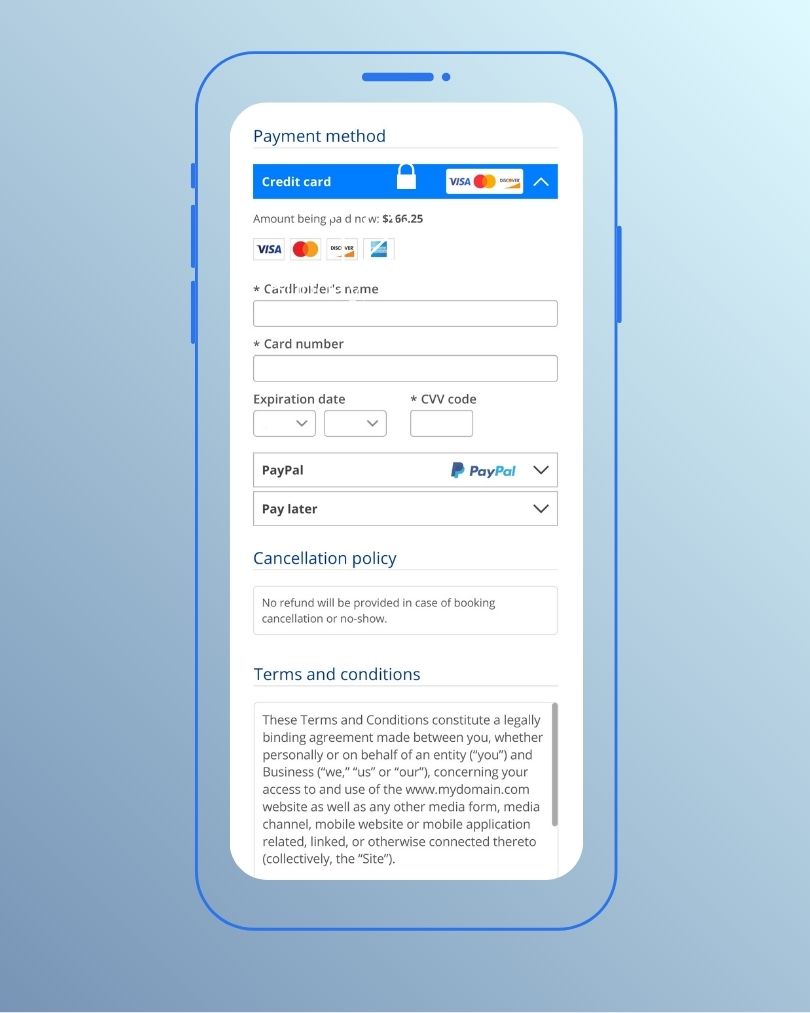
How Bookeo helps manage schedules and payments
Bookeo’s zipline booking software comes packed with features built for adventure businesses. Customers can check your schedule, pick their adventure, and pay from any device.
Your booking page can match your brand’s colors and style. You can put the booking widget right on your website or use Bookeo’s own booking page.

Bookeo lets you adjust prices based on seasons, busy times, or quiet periods. The system helps boost your revenue by selling extras and merchandise that go with your zipline experience.
Reduce no-shows and improve customer satisfaction
No-shows can hurt your zipline business’s profits. Bookeo tackles this problem by sending automatic email and text reminders before scheduled tours. These reminders cut down on expensive no-shows substantially.
Bookeo makes customers happier with practical features. They can change or cancel bookings online without picking up the phone. This self-service option makes everything smoother for your customers.
The paperless system collects participant information through online forms before they arrive. This prep work speeds up check-in, so guests start their adventure faster.
Online booking leads to happier customers who love the convenience, clear updates, and professional touch your zipline business provides.
Conclusion
A zipline business offers an exciting path into the adventure tourism industry. This piece covers everything you need to launch your own successful operation. Safety is the life-blood of your business. You just need proper equipment, regular inspections, and thorough staff training to build a strong foundation.
Your money matters too. The original investment of about $190,000 will give you the essentials – from construction and equipment to marketing and staff training. While it’s a big investment, the booming eco-tourism market promises great returns.
The best zipline businesses create memorable experiences. Your course should mix thrilling rides with beautiful natural views. Photo spots along the way turn happy customers into brand ambassadors.
Your team makes a huge difference to visitor experiences. When staff members blend safety expertise with storytelling skills, a simple ride becomes an unforgettable adventure. Their enthusiasm and professionalism directly affect customer satisfaction and your company’s reputation.
Smart marketing helps increase your visibility. Social media can showcase your stunning views, and partnerships with local businesses expand your reach. Customer reviews build trust, while well-timed discounts help fill spots throughout your season.
Bookeo’s booking system saves precious time and keeps customers happy. Features like automated reminders, self-service rescheduling, and digital forms cut down no-shows and make check-ins smoother.
Starting a zipline business takes careful planning, but the rewards are worth it. The right location, equipment, team, and systems will help you deliver exciting experiences and build a profitable business. The zipline industry keeps growing, making now the perfect time to jump into this thrilling market.