
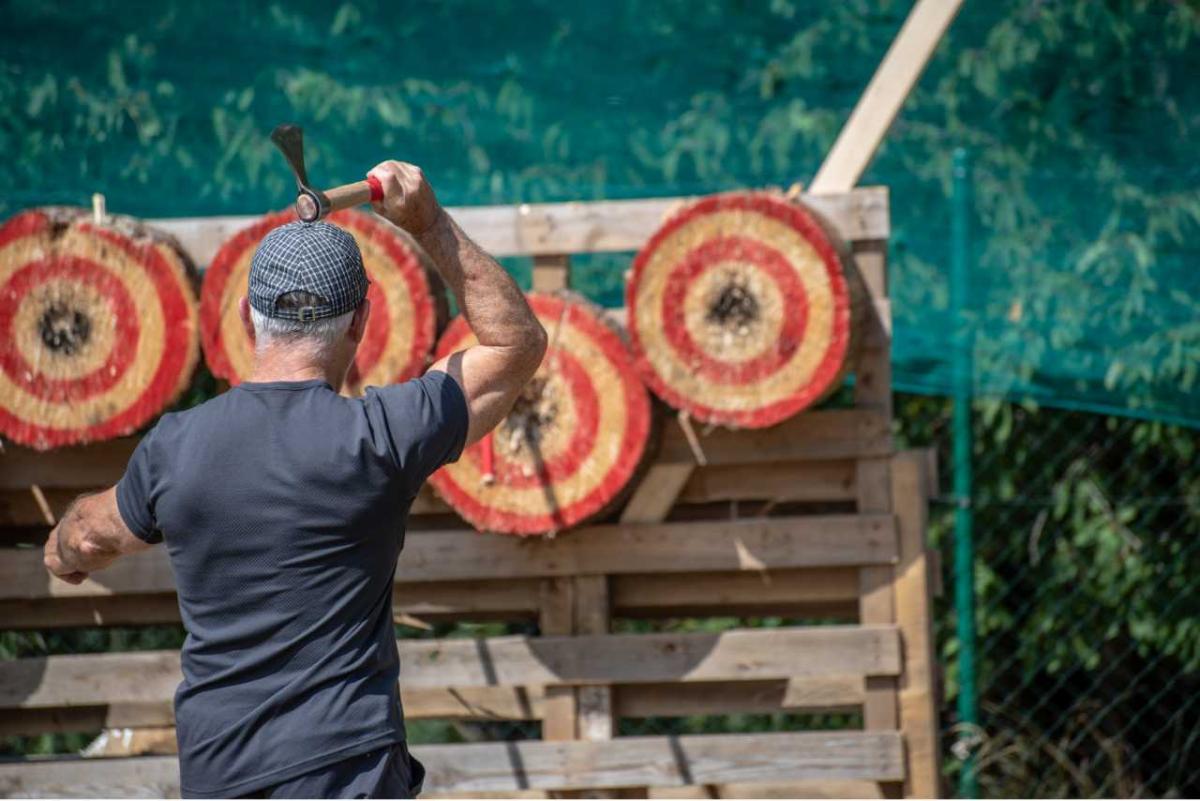
How to Start an Axe Throwing Business: Costs, Safety & Marketing
Starting an axe throwing business might be just what you are searching for if you have ever considered launching a company that mixes enjoyment, exercise, and a little friendly rivalry.
It’s not just a passing trend. From corporate team-building events and birthday parties to date nights and league competitions, axe throwing appeals to a wide range of customers. It’s active, it’s social, and it’s highly Instagrammable—which makes it easy to market and even easier to remember.
But while the activity itself is simple, building a successful business around it takes careful planning. You’ll need to consider costs, location, licensing, insurance, equipment, and—most importantly—safety. That’s why a solid strategy is key before launching.
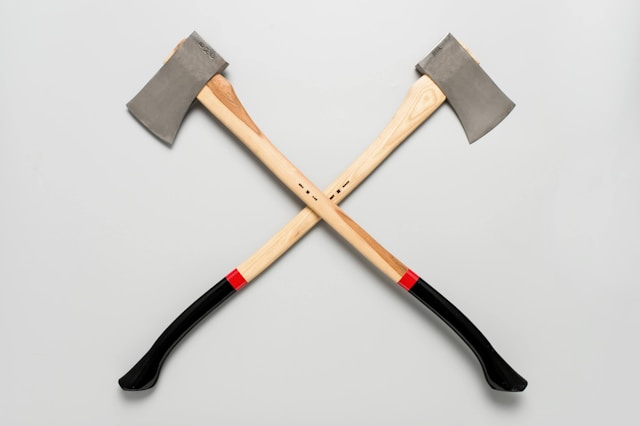
This guide will walk you through everything you need to know about how to start an axe throwing business, including:
- Understanding your business model: mobile, venue-based, or hybrid
- Startup costs and how to budget for equipment and insurance
- Safety protocols, staffing, and client education
- How to market the business and attract repeat customers
- How to use technologies to automate bookings, waivers, and payments
The ideas are the same whether you want to create a mobile unit that goes to corporate events and festivals or a downtown facility with many lanes: safety, enjoyment, and a distinctive consumer experience.
Your axe throwing company may be more than just a weekend pastime; with the correct strategy and execution, it can be a scalable, lucrative business that draws consumers back (with their friends).
Ready to get started? Let’s break it down step-by-step.
Understanding the Axe Throwing Business Model
Before you build your first lane or purchase your first target board, you need to decide what kind of axe throwing business you want to run. Your setup, services, and marketing strategy will all flow from this initial choice.
There are a few proven models that dominate the industry—and each comes with its own startup needs, strengths, and challenges.

Business Model Options
- Standalone Axe Throwing Venue
This is the most common setup: a dedicated facility with multiple throwing lanes, spectator areas, and optional food and beverage service.
Pros:
- High capacity = more bookings and larger group events
- Room to host leagues, tournaments, and community nights
- More opportunities for upsells (i.e., merch, drinks, snacks)
Challenges:
- Requires larger startup capital for rent, build-out, and permits
- Higher overhead (utilities, staff, insurance)
- May need alcohol licensing if serving beer/wine
- Mobile Axe Throwing Business
Bring the experience to the customer—fairs, festivals, weddings, or corporate events. Lanes are built into a trailer or pop-up unit that can be transported.
Pros:
- Lower real estate costs and flexible scheduling
- Ideal for private events and partnerships
- Faster startup timeline
Challenges:
- Transportation, towing, and trailer maintenance
- Must secure permits at each event location
- Limited capacity (2–4 lanes typical)
- Hybrid Model
Some entrepreneurs start with a mobile setup and eventually open a permanent venue—or run both to expand reach.
Who’s Your Target Customer?
Axe throwing attracts a wide range of customers, but these groups are especially profitable:
- Corporate teams (team-building, company parties)
- Friends and couples (date nights, birthdays, group outings)
- Tourists in high-traffic or downtown areas
- Competitive throwers interested in leagues and tournaments
- Event planners (weddings, festivals, private parties)
Knowing your audience helps you shape your services, set your prices, and build your brand voice. A high-energy venue that caters to young professionals on the weekends might promote very differently than a mobile unit focused on family-friendly festivals.
Revenue Streams Beyond the Lane
Most axe throwing businesses generate income from more than just the activity itself. Consider adding:
- Leagues and membership programs
- Private events and corporate buyouts
- Retail (branded axes, apparel, mugs)
- Food and beverage
- Photo booths or digital souvenir packages

The key to profitability is diversifying how you generate income—and optimizing your space and time for high-value bookings.
A clear understanding of your business model lays the groundwork for every decision that follows—from startup costs to staff training to marketing.
Startup Costs and Budget Planning
Launching an axe throwing business isn’t just about building lanes and buying axes—it’s a full-scale operation that requires thoughtful budgeting across construction, safety, legal compliance, and marketing.
Knowing your axe throwing business startup costs up front helps you avoid surprises, secure the right funding, and make smarter decisions from day one.
One-Time Startup Costs
- Facility Build-Out (Fixed Location):
- Lane construction (2–10 lanes): $3,000–$7,000 per lane
- Framing, backstops, and safety fencing
- Flooring, paint, ventilation, and lighting
- Viewing areas, seating, signage
Total estimated: $40,000–$150,000+ depending on size and finishes
- Mobile Setup (Trailer or Pop-Up):
Custom trailer with collapsible lanes: $20,000–$60,000
- Generator or power source
- Branded wrap or signage
- Towing vehicle (if not already owned)
Permits for public event operation
- Equipment:
Axes (dozens of sets): $20–$80 per axe
- Targets and wood (ongoing replacement)
- Protective gear, tool kits
Storage, cleaning supplies, display racks
- Technology & Software:
- Booking and scheduling software (like Bookeo)
- POS system and payment processor
- Security cameras and check-in tablets
- Website, domain, and branding
- Wi-Fi setup and customer access
- Legal, Licensing, and Insurance:
- Business registration and state licensing fees
- General liability and workers’ comp insurance
- Safety certifications and waivers
Legal counsel for contracts, leases, or franchise agreements.

- Marketing & Launch:
- Logo, brand design, and signage
- Social media setup and content
Google Business Profile optimization
Grand opening event and initial ads
Budget: $3,000–$10,000 for professional launch
- Ongoing Monthly Expenses
- Lease or trailer storage
- Staff wages and payroll tax
- Utilities (water, electricity, internet)
- Target material and axe replacement
- Software subscriptions
- Cleaning and maintenance
- Insurance premiums
- Advertising and promotion
Plan for $5,000–$20,000 per month, depending on business size and model.
Sample Budget Snapshot (Venue with 4 Lanes)
| Expense | Estimated Cost |
| Lane Construction | $24,000 |
| Equipment + Axes | $6,000 |
| Branding + Signage | $5,000 |
| Booking Software + Tech | $2,500 |
| Insurance & Legal | $5,000 |
| Launch Marketing | $7,500 |
| Initial Rent + Deposit | $8,000 |
Total Estimated: $58,000–$75,000+
Starting small with a few lanes and growing as demand increases is a common and effective strategy.
The key is balancing a professional, safe experience with smart cost control and scalable systems from day one.
Legal Requirements, Insurance, and Safety
Throwing sharp objects for fun may sound risky—and that’s exactly why safety and compliance need to be at the heart of your business. As exciting as axe throwing is, it also involves significant liability. That’s why it’s critical to protect your guests, staff, and business through proper legal setup, insurance, and ironclad safety protocols.
Let’s break down the essentials of axe throwing safety and insurance.
Business Licensing and Local Permits
Every city and state has its own set of requirements, but here are the common steps:
- Business License: Register your business with your state or municipality.
- Zoning Approval: Confirm that your venue is zoned for recreational/entertainment use.
- Building Permits: If you’re constructing lanes, you may need approval for modifications, fire codes, and safety compliance.
- Health Permits: If serving food or beverages, expect local health inspections.
- Mobile Operation Permits: If operating a trailer or pop-up, you’ll need permission to set up at public events or private properties.

Always check with your local small business office or zoning board before committing to a space.
Insurance Essentials
Axe throwing venues are considered high-risk by many insurers. You’ll need to be covered from every angle. Typical policies include:
- General Liability Insurance – Covers bodily injury or property damage that may occur on-site.
- Commercial Property Insurance – Protects your equipment and physical location from theft, fire, or natural disaster.
- Workers’ Compensation Insurance – Required in most states if you have employees.
- Liquor Liability Insurance – If serving alcohol, this protects you in the event of alcohol-related incidents.
- Event Insurance – Great for mobile setups or one-off public events.
Talk to an insurance provider with experience in recreational or adventure-based businesses—they’ll understand your risks better than a general broker.
Safety Protocols & Procedures
Here’s where your daily operations need to shine. Well-trained staff and clear safety rules reduce liability and improve the customer experience.
Core safety must-haves:
- Mandatory waiver and release forms signed before participation (digital or physical)
- Pre-throw safety briefing by trained staff before every session
- One coach per group to monitor technique and behavior
- Clearly marked safe zones and waiting areas
- Closed-toe shoe policy and axe handling rules
- Daily inspections of lanes, axes, targets, and barriers
Replace targets and damaged axes regularly to prevent splintering or ricochets.
Staff Training and Certification
Some states or insurers may require that your staff receive:
- CPR and First Aid certification
- Safety coach training for group instruction
- Internal checklists for lane safety inspections and incident reporting
Use scheduling and waiver tools—like those available with Bookeo—to store safety forms, and track participant compliance.
In this business, safety isn’t a bonus—it’s the brand. Clear rules, visible signage, trained staff, and the right insurance make your venue trustworthy and professional.
Choosing the Right Location or Setup
Where (and how) you operate your axe throwing business plays a huge role in your startup costs, marketing strategy, and long-term success. Choosing between a fixed venue, a mobile unit, or a hybrid model depends on your goals, budget, and local demand.
Let’s look at how to make the right call.
Fixed Venue Considerations
If you’re planning a brick-and-mortar location, foot traffic and zoning are key.
Ideal locations:
- Near bars, breweries, or food halls
- Inside entertainment districts or tourist areas
- Close to colleges or tech campuses
In warehouse-style buildings with high ceilings and open layouts
Things to evaluate:
- Zoning and compliance for recreational businesses
- Noise regulations or proximity to residential areas
- Parking availability and ADA accessibility
Room for future expansion (extra lanes, a bar, or events)
Look for buildings that already have industrial features like reinforced floors, large entrances, and warehouse-style ventilation—this reduces build out costs significantly.
Mobile Setup Considerations
Mobile axe throwing is growing fast—especially for private events, festivals, weddings, and pop-up activations.
You’ll need:
- A towable trailer built with secure, collapsible lanes
- Signage, lighting, and safe target setups
- Generators or access to venue power
- Travel insurance and road-ready certifications
- A simple, mobile-friendly booking system
You can charge a premium for on-site services, especially for weddings, corporate parties, and high-end events.
Bonus: You don’t need to commit to a commercial lease, which significantly lowers your startup costs.
Fixed vs. Mobile: Pros & Cons
| Type | Pros | Cons |
| Fixed Venue | High capacity, repeat traffic, leagues/events | Higher rent, zoning hurdles |
| Mobile Flexible | Low overhead, easy to start small | Lower volume, weather/event dependent |
Layout and Flow Tips (for Any Setup)
Regardless of format:
- Ensure safe separation between lanes and guest areas
- Post clear safety signage
- Provide viewing areas for spectators and photos
- Allow easy access to restrooms, waivers, and check-in
The layout should feel exciting, not intimidating—and the flow should guide guests from check-in to coaching to celebration with ease.
Equipment and Facility Setup
An axe throwing venue isn’t just wood and weapons—it’s an experience. From the moment guests walk in, they should feel a balance of rugged fun and structured safety. Whether you’re building a fixed location or a mobile unit, your equipment and layout will shape how guests perceive your brand—and whether they come back.
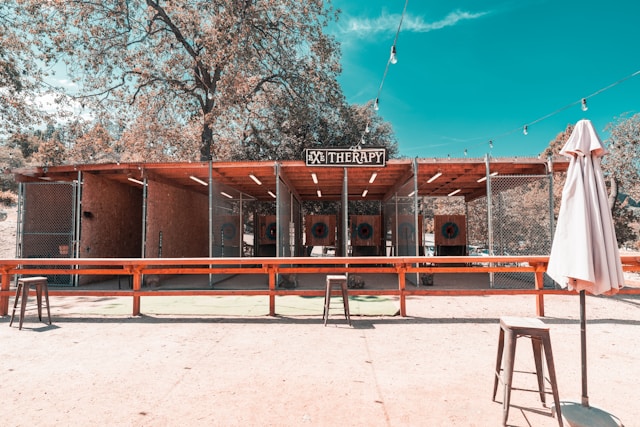
Here’s how to set up your facility the right way.
- Lane Design & Target Construction
- Most axe throwing businesses use guidelines from organizations like the World Axe Throwing League (WATL) or International Axe Throwing Federation (IATF) to build regulation-size lanes.
Standard lane specs:
- Lane width: ~6 feet
- Throwing distance: 12–15 feet
- Lane depth: 20 feet minimum
- Safety fencing or dividers on both sides
Target materials:
- End-grain wood targets (cottonwood or poplar preferred for durability)
- Multiple replaceable target boards per lane
- Clear bullseye and ring scoring zones
Include backboards and anti-bounce barriers behind targets to reduce the risk of rebounds.
Axe Selection
Not all axes are created equal. Choose axes that are:
- Light enough for all users (typically 1.25–1.75 lbs)
- Well-balanced with a secure, non-slip handle
- Easy to grip, throw, and retrieve
Stock a variety of handle sizes for different hand sizes and skill levels. You’ll also need extras on hand for replacements and practice.
Also, keep coaching axes available for teaching and safety demos.
Safety Equipment
- Secure dividers or steel mesh fencing between lanes
- Non-slip rubber floor mats in throwing zones
- First aid kits (required on-site at all times)
- Emergency exits and clear signage
- Security camera coverage for monitoring safety and liability

Facility Comfort and Style
This is where you can really set your venue apart.
Must-haves:
- Durable tables and seating for waiting areas and post-game hangouts
- Restrooms (clean, well-stocked, and ADA accessible)
- Sound system and lighting to create atmosphere
- Digital scoreboards or chalkboards for friendly competition
- Open storage for coats, bags, and personal items
Design tips:
- Use natural wood, steel, and rustic finishes to match the vibe
- Add custom signage, wall art, or local themes to reinforce branding
- Consider merch display areas near check-in or exit lanes
Mobile trailers should still create a branded, immersive feel—consider lighting, exterior signage, and a photo backdrop for social sharing.
Maintenance Routine
Axes and targets wear down fast, so maintenance is ongoing:
- Inspect axes daily for damage or loose heads
- Rotate and replace target boards weekly (or more with heavy use)
- Sweep and sanitize lanes after each group
- Keep a toolkit on hand for on-the-fly repairs
A clean, safe, and professional space—whether indoor or mobile—shows guests you take the experience seriously. Combine strong design with sharp operations, and your setup becomes a word-of-mouth marketing tool in itself.
Staff Training, Customer Experience & Liability Waivers
Your staff will make or break the experience. In an axe throwing business, they’re not just employees—they’re coaches, entertainers, and safety enforcers. A well-trained team ensures every guest has a great time and walks away injury-free.

Let’s look at what goes into hiring and training the right team, delivering a top-tier guest experience, and protecting your business through solid waivers and policies.
Hiring the Right Team
Great axe throwing coaches are:
- Outgoing and personable
- Calm under pressure
- Physically able to demonstrate throws
- Comfortable enforcing rules without sounding rigid
You don’t need licensed athletes—just people who are quick learners, love working with groups, and can keep energy high while managing safety.
Training Your Staff
All team members should be trained in:
- Proper throwing technique and grip
- Group safety briefings
- How to correct form without shaming guests
- Emergency response and first aid basics
- Opening/closing checklists and lane inspection routines
Offer refresher sessions and shadowing for new hires, and provide a clear script for delivering the pre-throw safety speech.
Delivering a Memorable Guest Experience
From first interaction to final bullseye, your goal is to make guests feel:
- Welcomed and hyped
- Safe and confident
- Encouraged and entertained
A typical experience should include:
- Check-in: Friendly greeting, waiver completion (digitally via Bookeo or in person)
- Orientation: Safety demo, how to throw, and rules of play
- Supervised Session: Coaches engage, joke, celebrate wins, and guide form
- Wrap-up: Photos, scoreboard summary, and upsell for leagues or merch
The more seamless and personalized the experience, the more likely guests are to leave 5-star reviews—and return.
Waivers & Legal Protection
Every guest should complete a liability waiver before throwing.
Digital waivers (via Bookeo) streamline this process and allow you to:
- Collect signatures ahead of time
- Store forms securely
- Reduce paper clutter and check-in time
- Capture emergency contacts and health disclosures
Make your waiver language clear and visible. Don’t hide behind legal jargon—transparency builds trust.
Staff, structure, and guest connection are your frontline defenses against both risk and bad reviews. Invest in people who elevate your experience, and your brand reputation will do the rest.
Pricing Models and Revenue Boosters
Setting the right pricing strategy is key to profitability—but it’s also a way to shape customer expectations and experience. Your goal should be to offer clear, fair pricing that encourages group bookings, repeat visits, and higher spending per guest.
Here’s how to structure your pricing—and what to offer on top to increase revenue.
Standard Axe Throwing Pricing Models
Most venues use hourly pricing, with flexible options for individuals and groups.
Typical pricing examples:
- $25–$35 per person for 1 hour
- $40–$50 per person for 2 hours
- Flat group rate: $200 for up to 6 people for 90 minutes
You may also offer walk-in rates during off-peak hours, and reservation-only blocks on weekends or evenings.
Pro tip: Offer discounted weekday rates to increase traffic during slower times.
Revenue-Boosting Add-ons
Your throwing lanes are your core product—but they’re just the beginning. Increase your revenue per guest with optional upgrades:
- Food and Drinks: Partner with local breweries or food trucks, or install your own concessions area
- Merchandise: T-shirts, hats, branded axes, stickers, water bottles
- Photo Packages: Add a digital photo booth or allow staff to snap photos for upselling at checkout
- Tournaments and Leagues: Charge for seasonal competitions with prize incentives and team names
- Gift Cards: Great for birthdays, holidays, or corporate team gifting

Memberships and Loyalty Programs
To encourage repeat visits, create value-driven memberships:
- Monthly League Pass: Unlimited throws during off-peak hours or one free group booking per month
- Punch Cards: After 5 sessions, the 6th is free
- Referral Discounts: Give $10 off to both the referrer and the new guest
Use an appointment booking system like Bookeo to manage memberships, apply discounts, and track customer engagement automatically.
Event & Corporate Pricing
Businesses love team-building experiences—and they’re willing to pay for them.
Event rates might include:
- $500+ for a 2-hour private lane rental with a coach
- Optional food + beverage packages
- Branded swag or trophies
- Custom scoreboard or trivia integrations
These large bookings are high-margin and excellent for weekday income.
Pricing smartly is about more than numbers—it’s about offering value and flexibility while gently nudging guests toward bigger bookings and memorable experiences.
Marketing Your Axe Throwing Business
You’ve built your space, trained your team, and stocked up on axes—now it’s time to fill those lanes.
Marketing an axe throwing business is about standing out in a crowded entertainment landscape while reaching the people most likely to book: groups, teams, and event planners. Whether you’re mobile or fixed-location, visibility, trust, and shareability are key.
Let’s explore how to market your business effectively from day one.
Build a Conversion-Focused Website
Your website is your digital storefront—and it should be:
- Easy to navigate on desktop and mobile
- Branded with your tone, photos, and logo
- Clear on hours, location(s), prices, and safety rules
- Integrated with Bookeo for instant online booking
Include a FAQ section with questions like:
- “Do I need experience to try axe throwing?”
- “Is there an age limit?”
- “Can I bring my own axe?”

The easier it is for someone to find answers and book, the more likely they’ll convert.
Local SEO & Google Business Profile
When someone searches “axe throwing near me,” you want to show up first.
Here’s how:
- Create a Google Business Profile and verify your location
- Add photos weekly (lanes, guests, events, signage)
- Collect and respond to Google reviews
Include your keywords in responses (i.e., “Thanks for booking your corporate event with us!”)
Use keywords on your website like “axe throwing in [city]” and “group event activities [city]”
Get Social—Visually
Axe throwing is made for Instagram and TikTok. Post engaging, authentic content:
- Slow-mo throws and first-time reactions
- Group celebrations and winner photos
- Coach spotlights and safety tips
- Behind-the-scenes videos of lane resets or trailer setups
- User-generated content from guests (repost with permission)
Boost engagement by:
- Running giveaways (“Tag your throwing crew to win a free session”)
- Promoting themed nights (ladies’ night, 90s night, date night)
- Hosting contests (bullseye challenges, axe trivia)
Make sure your profile includes your Bookeo link, so followers can book immediately.
- Partner with Local Businesses
- Cross-promotions can quickly expand your reach.
Ideas:
- Breweries: Bundle a “Throw & Pour” night
- Food trucks: Offer on-site eats for special events
- Gyms or martial arts studios: Tap into adrenaline-loving audiences
- Hotels and Airbnbs: Offer guest discounts for nearby bookings
- Colleges and corporate HR teams: Offer team-building packages
Host exclusive preview events for their teams at local locations using fliers or internet promotions.
Paid Advertising Options
Consider the following options to boost your growth:
- Google Ads for local keywords
- Facebook/Instagram ads targeting group organizers
- Seasonal packages for holidays, birthdays, bachelor(ette) parties
Be where your audience resides. Tell them what distinguishes your site and that it is safe and interesting. Also, make it ridiculously easy to book your venue.
Booking & Scaling with Bookeo
In a business built around group experiences, scheduling chaos can quickly become your biggest problem. Whether you’re running six lanes on a Saturday night or setting up your trailer at a festival, you need a system that handles the logistics—without the headaches.
That’s where axe throwing booking software by Bookeo becomes a powerful partner.
Why Axe Throwing Needs Smart Scheduling
Your customers expect:
- Real-time availability
- Simple group booking options
- Digital waivers and confirmation
- Easy payment—especially for events
And you need:
- Less time chasing deposits
- Fewer no-shows
- Waiver compliance before check-in
- Automation that frees you to focus on safety and fun
Bookeo helps deliver all of that—and more.
How Bookeo Supports Axe Throwing Businesses
Whether you run a mobile trailer, a full venue, or both, Bookeo gives you tools to:
Offer Online Booking 24/7
- Embed on your site, social media, or email
- Let customers choose party sizes, lane duration, or event types
- Display real-time availability so you never double-book
Collect Waivers and Forms Automatically
- Send digital waivers at the time of booking
- Store them securely—reducing paper and check-in delays
- Customizable per activity or age group
Manage Groups, Leagues, and Events
- Offer private bookings, tournaments, or recurring league nights
- Customize availability for peak vs. off-peak pricing
- Add services (like drinks or merch) as bookable add-ons
Reduce No-Shows and Late Cancels
- Send automated email and SMS reminders
- Require deposits or full prepayment
- Enforce cancellation windows with clear policies
Track and Scale Easily
- View insights on your busiest times, top-selling services, and customer history
- Run loyalty programs and gift vouchers
Bookeo Helps You Scale Without Chaos
As you grow—adding lanes, staff, or event types—Bookeo grows with you. It reduces friction, automates follow-ups, and ensures every customer journey is clean, professional, and efficient.
When your operations run smoothly behind the scenes, you’re free to focus on what matters: keeping guests safe, excited, and coming back for more.
Conclusion and Next Steps
Starting an axe throwing business takes more than building a few lanes and handing out axes—it’s about creating a memorable, safe, and repeatable experience that guests want to book again and again.
With the right plan, team, and tools, you can turn a niche recreational concept into a thriving, high-energy business that appeals to groups, teams, and event organizers alike.
To recap, you’ve learned:
- How to choose the right business model—fixed venue, mobile unit, or hybrid
- What your axe throwing business startup costs might look like
- How to keep guests safe through proper training, waivers, and insurance
- Ways to increase profits through smart pricing, add-ons, and memberships
- How to market effectively with SEO, social media, partnerships, and promotions
- Why automation with Bookeo simplifies everything from bookings to scaling
The next step? Start small, plan carefully, and build a brand people trust. Axe throwing isn’t just about hitting the target—it’s about hitting the mark with every customer interaction.
And when you’re ready to streamline your bookings, protect your time, and grow with ease, Bookeo is ready to help you take your business to the next level.