

How to Start a Music Lessons Business: A Proven Step-by-Step Guide for 2025
Musicians who run their own studios can double their income compared to working for others. This boost in earnings is something most professionals take years to achieve!
Starting a music lessons business might be easier than you think. The startup costs are relatively modest at around $10,500, which makes this business more affordable than many other ventures. You can earn up to $3,000 yearly from each student, and this creates reliable income once you build a solid client base.
Your music business will take time to grow. Most teachers spend six months to a year to fill their teaching studio. The investment and preparation you’ll need are nowhere near extensive, which makes this business available to musicians from all walks of life.
Quality music instruction remains in high demand since parents always search for educational activities for their children. The digital world has changed how people book these activities – 60% of parents now book activities on mobile devices. This shows why you need a strong online presence.
This piece walks you through everything about starting a professional music teaching business in 2025. We’ll cover practical steps to build your success – from choosing your business model to expanding your student base and possibly bringing more teachers on board.
Step 1: Define Your Music Teaching Business Model
Decide between in-person, online, or hybrid lessons
Each teaching format brings unique advantages. Students benefit from hands-on guidance during in-person lessons, especially for proper finger placement and technique. These sessions give them access to quality instruments in an environment designed for effective learning.
Online lessons eliminate travel time and let you teach from any location. You can continue teaching during travel, illness, or family emergencies. Students who lack access to qualified local teachers can now learn from you.

Many successful music teachers have adopted a hybrid approach. This strategy combines both formats through:
- Alternating between online and in-studio sessions
- Mixing individual and group instruction
- Recording lessons for student review
- Offering remote and in-person performances
Research from Kentucky reveals that students focus better during in-person lessons because home environments can distract them during online sessions. Your teaching style and your target students’ needs should guide this choice.
Choose between private, group, or school-based teaching
Private lessons typically run under an hour and give students personalized, one-on-one instruction. Teachers can tailor their approach to each student’s learning style and fix habits quickly.
Group lessons can last longer (up to 2-3 hours) with more students per teacher. These sessions create a social learning environment that promotes motivation and builds ensemble skills.
School-based teaching puts you inside educational institutions, often as an after-school activity provider. This option gives you built-in structure and student access.
A blend of these models might work best. Programs that combine private and group instruction help students get personal attention while developing teamwork skills. This mix can speed up progress and boost student motivation.

Your choice should depend on:
- Your teaching strengths
- Your target student demographics
- Your income goals
- Your available teaching space
Understand your time and income goals
Many music teachers struggle financially not from unprofitable teaching, but because they lack clear income targets. You should create a budget for your teaching studio and set specific goals for the coming year.
Setting your prices starts with your income target. Take your desired annual earnings, divide by 12 months, 30 days, and your expected number of students. This helps you set rates that will keep your business running.
Time management plays a crucial role. A music educator puts it well: “One of the most important words in the English dictionary is the word ‘no'”. Saying no to opportunities that don’t match your goals prevents burnout and protects your schedule.
You can broaden your offerings beyond one-on-one lessons. Group classes help you earn more while teaching fewer hours. Digital courses let you create content once and sell it multiple times.
Studies show people spend about one-third of their day looking at their phones, with some using devices for half the day. You can get more done by limiting phone time and setting specific work hours while maintaining a work-life balance.
Note that parents who pay fair rates often support their child’s practice better. Their financial investment makes them more likely to invest time, too. Fair rates benefit both you and your students.
Step 2: Create a Simple Business Plan
A business plan doesn’t have to be complicated. You need a simple plan that works as your roadmap and keeps you on track when you start your music lessons business.

Set your mission and goals
Your music teaching studio needs a clear mission statement. This short summary shows what your business stands for and what you want to accomplish. A mission statement that works should be memorable, clear, and brief. To name just one example, your mission could be: “To inspire and nurture the next generation of musicians through exceptional music education: promoting creativity and a lifelong passion for the arts”.
Once you have your mission, you should set both short-term and long-term goals. Short-term goals could include:
- Enrolling a specific number of students within your first year
- Developing your teaching curriculum
- Hosting student recitals
Long-term goals usually look 3-5 years ahead, like expanding to new locations or reaching certain student retention rates. The SMART framework helps you set better goals, making them Specific, Measurable, Achievable, Relevant, and Time-Bound.
Many music teachers find quarterly goal-setting better than annual plans. This lets them adapt quickly as priorities change. More importantly, after picking your main goals, create a “Not To Do” list for ideas that might pull you away from what matters most.
Estimate startup and monthly costs
A music lessons business needs less capital than other ventures. Original investments usually range from $5,000 to $20,000 for instruments, soundproofing, and educational resources.

Your startup budget should include:
- Facility costs (lease, renovation, soundproofing)
- Equipment and instruments
- Legal fees and business registration
- Insurance deposits and premiums
- Marketing expenses
- Working capital for the first few months
Business registration costs vary by state, but this step matters a lot. Most states require business registration and potentially LLC formation to protect your personal assets. You should also save about 25% of your monthly income for taxes and put this money in a high-yield savings account monthly.
Regular expenses include website maintenance, scheduling software, professional tax services, and insurance. This business has low overhead; you can start with under $500 if you use existing resources and grow step by step.
Identify your target audience
A precise definition of your target audience helps focus your marketing efforts and shape your teaching approach. Instead of trying to reach everyone, find specific students who will benefit most from your teaching style.

Start with demographic factors:
- Age groups (children, teenagers, adults, seniors)
- Skill levels (beginners, intermediate, advanced)
- Geographic location (primarily local residents within a certain radius)
Then look at psychographics, the attitudes, interests, and lifestyle characteristics of potential students:
- Parents seeking extracurricular activities for children
- Adults interested in learning an instrument as a hobby
- People passionate about music as self-expression
The more specific your niche becomes, the better your marketing works. Rather than targeting “music students” broadly, you might focus on “young adults interested in learning jazz piano”. This approach makes your marketing strike a chord and helps establish you as a specialist.
Watch successful teachers with similar offerings to learn about their audience. Look at their social media followers and see which locations attract people interested in your music style. Your current students give valuable insights, study your existing client base to better understand who values your teaching.
A well-defined target audience lets you create marketing messages that connect with the right people. This makes your studio’s growth more efficient and sustainable.
Step 3: Set Up Your Teaching Space and Equipment
Choose a location: home, studio, or mobile
Your teaching location shapes your budget, schedule, and results. Here are the most common options:
Home studio: A dedicated space in your home saves money and time. You won’t need to commute and can keep costs low. This works great if you have a clean space with the right equipment.
Rented space: A commercial space or room at a music store looks more professional but costs more. This fits best when your target students are in business districts. Look for spots that are central to areas where music students live, like between towns with strong music programs.
Student’s home: Going to students removes their travel issues but creates new challenges. You’ll spend more time on the road, pay for gas, and put miles on your car. Most teachers charge extra to cover these costs.
Online teaching: Teaching from home lets you connect with students worldwide. The catch? You need good tech and a proper setup for quality lessons.

Pick a spot that students can find easily with enough parking that feels safe. Take time to study the area’s demographics before you commit.
Get quality instruments and teaching tools
Your equipment makes a big difference in lesson quality. These items are the foundations of a good teaching space:
- Well-maintained primary instruments
- Extra instruments for demos
- Music stands and seating
- Recording gear for feedback
- Teaching materials and sheet music
- Metronome and tuner
- Pencils and notebooks
Keep your main teaching instruments close by. Piano teachers should invest in a quality instrument that shows proper tone. Guitar teachers need several guitars ready to go, plus spare strings and picks for unexpected needs.

For tech, you’ll want a good speaker for playback, recording equipment for student assessment, and maybe a second camera angle for online lessons. A Logitech webcam on a boom stand shows keyboard techniques clearly in virtual lessons.
Check your physical and digital tools often. Pack a “teaching kit” with must-have items for mobile lessons, including portable instruments, materials, and basic supplies.
Ensure a quiet and professional environment
Sound quality can make or break your lessons. Bad acoustics hurt student progress and might upset neighbors.
Sound travels through walls, doors, and windows. Here’s how to contain it:
- Put acoustic panels on walls, especially at “first reflection points”
- Add bass traps in corners
- Use sound-absorbing materials to cut echo
- Install rugs or special flooring to reduce vibration
- Close gaps around doors and windows
For serious sound control, try Mass Loaded Vinyl behind drywall with Green Glue compound. This combo adds mass and creates an air gap that cuts sound transfer. Even basic door seals can help keep sound in.
The space should help students focus. Natural light lifts the mood, but add adjustable lighting for evening lessons. Set up furniture so everyone can see clearly and sit comfortably.
Don’t forget about the waiting area. Parents often stay during lessons, so give them comfortable seats and something to read. This space adds to your professional image and supports your pricing.
For online teaching, pick a quiet room with a plain background and good lighting. Your camera should be at eye level, and you should test your audio regularly. Keep water handy for long teaching sessions.
Note that your space shows how serious you are about teaching. A tidy, comfortable environment tells students and parents they’re in good hands, exactly what you need to build a thriving music teaching business.
Step 4: Choose What and Who You Will Teach
Your music instruction business’s lifeblood depends on choosing what and who to teach. These choices shape how you market yourself, set your prices, and what resources you’ll need to succeed.
Pick age groups and skill levels
Each age group needs a different teaching style. Babies and toddlers learn best through creative play, movement, and simple songs that teach simple musical concepts. They respond well to short activities that build musical awareness through games and examples.
Kids (ages 6-9) are ready to start learning formal instrument techniques, music reading, and ensemble skills. Their lessons need more structure but should still be fun and let them explore music.
Pre-teens grow their focus and discipline through music study. You can give them more complex tasks and group projects that let them work with other students.
Teens do well with student-led activities and real-life connections in their music education. They grasp sophisticated musical concepts better and usually prefer lessons tied to their music interests.
Adult students often come with specific goals in mind. They like to discuss how concepts relate to what they want to achieve. Their maturity helps them progress faster in some areas, though they might face different physical challenges while learning instruments.
Here are some questions to help you pick your age groups:
- Do you enjoy working with children or prefer teaching adults?
- Are you comfortable managing groups of young students?
- Do you have patience for beginners or prefer advanced intermediate students?
- Can you adapt your teaching style for different developmental needs?
Select genres and instruments you specialize in
Students benefit from exposure to various musical genres. A complete program includes music from different time periods, regions, and cultural traditions.
You might want to teach these major genres:
- Classical: Builds technical foundation and music literacy
- Jazz: Develops improvisation and ear training
- Popular: Connects with students’ everyday listening experiences
- World music: Expands cultural understanding and rhythmic concepts
Your expertise naturally guides your instrument choices. Stick to instruments you play well since your demonstrations help students learn better. Teaching less common instruments might give you an edge in a competitive market.
Your instrument choice affects space needs and costs. Piano teaching needs a quality keyboard or piano. Guitar instruction needs less space but might require multiple instruments for demonstrations.
Plan your curriculum and teaching materials
A good curriculum shows students a clear path forward. Students should master simple concepts before moving to complex pieces. Start with basic rhythms and melodies, then introduce advanced musical structures later.

Strong music curricula blend several elements:
- Performance skills on specific instruments
- Music theory for understanding musical structure
- Music history for context and appreciation
- Opportunities to compose and improvise
Look for grade-specific resources that cover fundamentals like rhythm, meter, form, and pitch. Many free resources exist online, including lesson plans, activities, and assessments from places like Carnegie Hall.
The Orff Schulwerk, Kodály, or Suzuki methods offer proven frameworks for structuring your curriculum. You can adapt these systems to match your teaching style.
Digital tools can boost your teaching effectiveness. Music Will offers ukulele teaching resources. Other platforms provide composition tools, interactive lessons, and performance videos to support your instruction.
Your curriculum will evolve. Keep checking student progress and update your teaching materials. Let your curriculum grow with your business as you learn more about what works in music education.
By picking the right student groups, musical specialties, and teaching materials, you’ll create a focused approach that sets your music lessons apart and brings clear value to your students.
Step 5: Set Your Rates and Studio Policies
Your music teaching business’s foundations are clear rates and policies. Professional teachers set clear financial guidelines to avoid misunderstandings.
How to price your lessons competitively
Smart music teachers know pricing isn’t random. Your rates depend on four main factors: your confidence as a teacher, your local market, how much people just need your services, and your background.
Teachers with a music degree or similar experience can look at the industry standard in the United States. It works out to about $1 per minute – that’s $30 for 30 minutes, $45 for 45 minutes, and $60 for an hour-long lesson.
Your location affects your pricing by a lot. Teachers should set higher rates in places where living costs more:
- Minneapolis, MN: $65-70/hour
- Los Angeles, CA: $90-95/hour
- New York City, NY: $95-120/hour
Local research helps you stay competitive. A 2024 survey shows hourly rates for private music instruction range from $14 to $150, with most teachers charging around $40.
Group lessons work well at half your private lesson rate. Each student pays less, but teaching multiple students at once brings in more money per hour.
Most teachers raise their rates every 18-24 months for existing students and more often for new ones. New clients might find trial lessons at reduced rates or free first lessons appealing.
Create a clear cancelation and refund policy
A well-laid-out cancelation policy protects your income while keeping good relationships with students. Most teachers ask for 24-48 hours’ notice when students cancel.
Your guidelines should cover:
- Notice time for cancelations
- Makeup lesson availability
- Special cases like illness or emergencies
- Term cancelation limits
Students should get a written studio agreement when they sign up. Many teachers let students make up properly canceled lessons but charge for no-shows or late cancelations.
Most music teachers don’t give refunds for missed or canceled lessons. Some let students save unused lessons for 2-3 months before they expire.
Decide on payment methods and billing cycles
Modern payment options boost your cash flow and make you look more professional. Students have different priorities, so accept various payment types:
- Digital options like Venmo, PayPal, or Apple Pay
- Card payments through Square readers
- Automatic payments via direct debit
Regular payments create steady income. Monthly billing works well – students pay the same amount each month.
Here’s a simple calculation: $100 hourly lessons with 35 lessons per year equals $3,500. Spread over 11 months, that’s $318.20 monthly.
Term-based payments work too. Semester plans usually run 5 months, from September to January and February to June.
Music-specific software helps track payments, reminds students, and manages schedules. This gives you more teaching time instead of handling payments.
Your payment system should be crystal clear. Let parents and students know how monthly payments secure their time slot.
Early payment discounts and family rates help keep students coming back. Having both subscription plans and pay-as-you-go options lets students choose what works best for their budget.
Step 6: Build a Website and Set Up Online Booking
Your music lessons business needs a professional website that acts as your digital storefront. Students form their first impression of your teaching services through your web presence in today’s online world.
Why your website is your best marketing tool
A website puts you ahead of competitors who haven’t built their online presence yet. Your digital foundation shows your professionalism and credibility right away. A website attracts younger audiences who might have children or want long-term music lessons, while traditional advertising typically reaches older demographics.

Search engines help your well-designed website attract new students. Your site can appear in results when someone looks for music classes like yours. This creates a continuous flow of potential students who want what you teach.
You have complete control over your website, unlike social media platforms. It becomes your home base where you can highlight your offerings without competing content getting in the way.
What to include on your site (bio, pricing, contact)
A music teacher’s website should have:
- Professional bio and credentials – Your musical background and teaching philosophy
- Clear pricing and policies – Your rates and studio guidelines
- High-quality photos and videos – Your teaching space and student performances
- Testimonials from students – Positive feedback that builds trust
- Contact form – A simple way for future students to reach you
Your blog section can share lesson updates and teaching tips. Current students stay informed and your search visibility improves. A password-protected area lets current students access their lesson materials and resources.
Use Bookeo to automate bookings and payments
Bookeo’s class scheduling software helps music teachers handle bookings and payments. Students can book lessons directly from your website by checking real-time availability and paying securely.
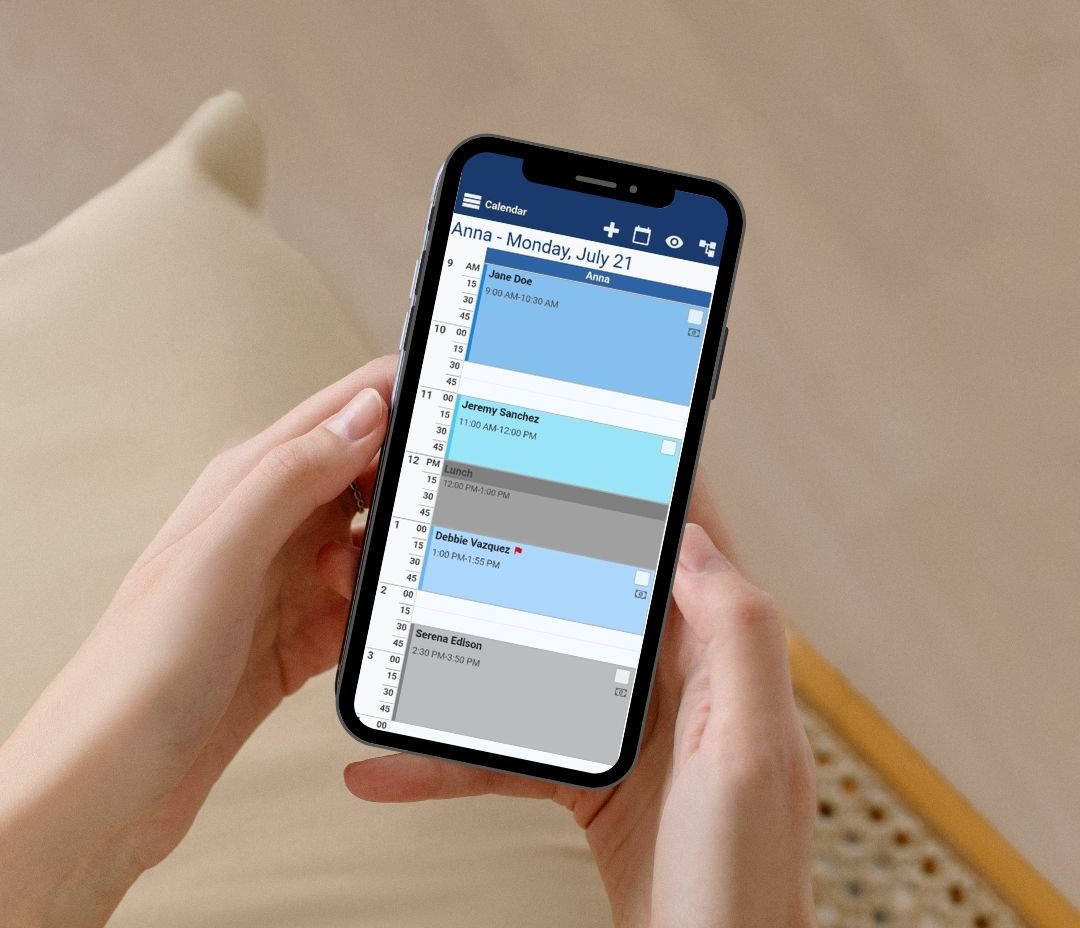
Bookeo setup is straightforward:
- Sign up for their free 30-day trial (no credit card required)
- Add your business details, courses, and lesson offerings
- Customize your booking page with images and descriptions
- Integrate the booking widget directly on your website
- Connect payment processing to accept online payments
Both you and your students get automatic reminders about upcoming lessons. No-shows decrease, and everyone stays organized.
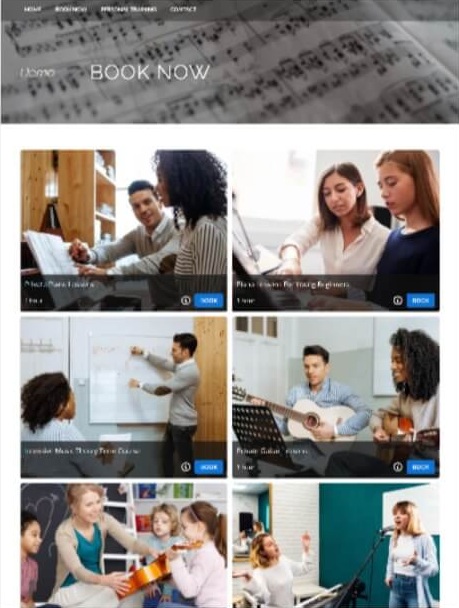
Bookeo’s music lesson scheduling software pricing starts at $39.95 per month. New music teachers find this affordable. Students get flexible payment options through recurring memberships and prepaid lesson packages.
Automated administrative tasks like scheduling and payments give you more time to teach music and grow your business.
Step 7: Get Your First Students Through Smart Marketing
Your next priority after establishing your music teaching foundation is attracting students. The right marketing strategies will help you fill your teaching schedule quickly.
Use local SEO and Google My Business
Your studio needs to appear in “near me” searches and Google Maps results through local SEO. Here’s how to optimize your local presence:
- Create a Google My Business profile with your exact business name, address, and phone number
- Add photos of your studio and teaching sessions
- Include city-specific keywords (like “piano lessons in Los Angeles” instead of just “piano lessons”)
- Ask students to leave Google reviews – research shows 42% of consumers trust online reviews as much as personal recommendations
- List your business on directories like Yelp, Bing Places, and Apple Maps

Each page on your website should serve a clear purpose. Specific lesson pages for each instrument you teach will help maintain high search rankings. Regular content updates are essential.
Run Facebook and Google Ads effectively
Well-executed pay-per-click advertising delivers immediate results. Your Google Ads should have narrow geographic targeting. Including pricing details in ads helps discourage unqualified clicks.
Facebook ads typically cost less than Google Ads. A daily budget of $10 targeting people interested in music lessons works well as a starting point. Your ads need persuasive copy with clear calls to action that direct visitors to specific landing pages.
Success metrics like click-through rates and conversion rates will help refine your targeting and budget strategies. Businesses typically earn $2 in revenue for every $1 spent on Google Ads.
Use flyers, referrals, and school partnerships
Word-of-mouth remains your most powerful marketing tool. Nielsen’s research reveals that 92% of people trust recommendations from friends and family more than other advertising forms.
Strategic collaborations with local schools and community organizations help reach new audiences. Mini-concerts or free workshops showcase your teaching style effectively.
A referral program that rewards current students brings in new ones naturally. Adding “We love referrals!” to your email signature serves as a gentle reminder.
Step 8: Grow Your Business and Hire Help
Your studio’s steady flow of students brings an exciting challenge: managing growth. Smart expansion lets you boost income without working extra hours.
The right time to hire other teachers
Student numbers will grow beyond your available teaching hours, and you’ll just need more instructors. Start with part-time teachers who work a few hours weekly, then scale up as student numbers increase. This approach gives you flexibility and keeps risks low.
Look for teachers who line up with your teaching philosophy. The best instructors will grasp your specific approach and support students with compassion and proper techniques. You can think over both experienced teachers and newer instructors who can learn your methods.
School of Rock, a major music education franchise, handles marketing, scheduling, booking, and administrative tasks so teachers can focus on instruction. You should set up clear systems for your teachers that include:
- Consistent curriculum guidelines
- Regular communication channels
- Transparent payment structures
- Performance expectations
Group classes or online lessons
Group instruction creates new revenue streams. Teaching multiple students at once helps you earn more per hour, even though each student pays less than in private lessons. Many music teachers build six-figure businesses in part through group theory classes.
Group formats promote valuable peer connections. Students often motivate each other, saying things like, “I want to sing your song next time” or “Maybe we should start a band”. Popular group formats include:
- Ensemble performances
- Theory clubs
- Specialized workshops
- Family music sessions
Online teaching reaches students beyond your local area. After pandemic adaptations, many studios now offer hybrid models that give students flexibility between in-person and virtual lessons. Students who move away can still take lessons from you.
New locations or services
Waitlists that grow steadily make physical expansion possible. Your waitlist data shows high-demand areas and class types. New locations should keep your distinctive teaching environment.
Administrative tasks can be outsourced as you grow. A virtual assistant manages emails, payments, and scheduling while you focus on teaching and business growth. One studio owner shares: “My stress levels are by a lot lower… tasks are being accomplished faster and with better results”.

Long-term growth needs variety. Beyond private and group lessons, you can add workshops, camps, or specialized masterclasses to attract new students. Some teachers create digital courses that they can sell multiple times.
Conclusion
Music lesson businesses offer an achievable dream with great rewards. This piece shows how you can build a teaching studio with modest startup costs that could double your income compared to working for others.
Smart decisions about your business model kick off your trip. Each teaching approach – in-person, online, or hybrid lessons – comes with unique benefits. The right choice of target students and teaching specialties helps direct your efforts where they work best.
Your teaching space showcases your professionalism. Simple solutions like door seals and room arrangements create an ideal learning environment without breaking your budget, even though the initial setup might look daunting.
Research shows successful teachers set their rates based on expertise while staying competitive locally. Clear policies and easy payment options build a professional foundation that draws committed students.
Modern music businesses need a strong online presence. Your website serves as a 24/7 marketing tool, and online booking systems like Bookeo handle schedules and payments automatically. These tools let you focus on what you do best – teaching music.
The right marketing approach fills your schedule quickly. Local SEO, targeted ads, and strategic collaborations help find your first students. Parents invest much time looking for quality activities for their kids.
Your growing studio brings exciting expansion choices. Group lessons, new teachers, and additional locations offer ways to scale without increasing your teaching hours.
Building a music lesson business needs time and dedication. A full teaching schedule typically takes six months to develop. The wait pays off when you stay committed to quality instruction. This creates both profits and meaningful musical experiences for students.
Note that success builds one lesson at a time. Keep learning and adjust your approach based on student progress. Your love for music combined with solid business practices, creates perfect harmony between artistic fulfillment and financial stability.