

How to Start a Sewing Business: A Beginner’s Guide to Teaching Classes
Sewing, once seen as a lost art, has made an amazing comeback. Many people want to learn this valuable skill, and starting a business to teach sewing could be your next smart move.
Young people, especially kids and teens, have shown fresh enthusiasm for sewing over the last several years. People want to be eco-conscious, connect with older generations, and save money. They do this by fixing clothes or turning old items into something new. This trend has created a great chance for sewing classes to thrive. A sewing business needs minimal investment to get started. You can begin with just $2,000-$10,000 and earn between $25-$35 per hour.
The numbers show growing interest in sewing. To name just one example, some teachers have seen such high demand from young students that they now run vacation camps focused on sewing. Teaching others could become your path to a rewarding and profitable business if you have sewing skills.
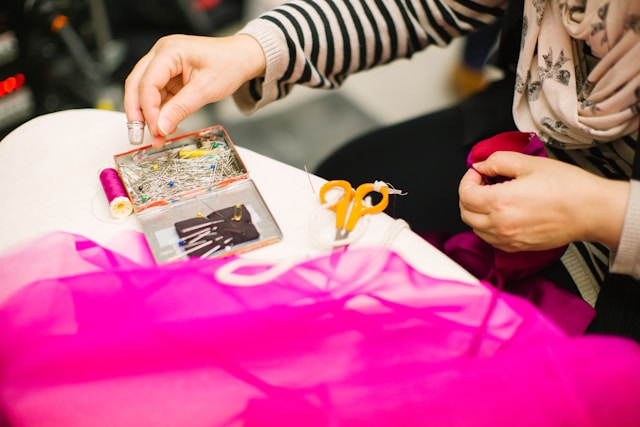
This piece guides you through the essentials of launching your sewing class business. You’ll learn about creating a solid business plan, setting up your workspace, designing engaging lessons, and attracting students. Some teachers start with small groups of 2-3 people working on simple projects, while others dream of opening a full sewing school. Either way, you’ll find practical tips to help you build a successful business.
Define Your Sewing Class Business Model
Starting a sewing business means picking a teaching model that matches your skills, resources, and target market. Your choice shapes everything from initial costs to daily routines. Let’s get into the key decisions you’ll need to make.
Teaching in-person vs. online
The choice between in-person or online sewing instruction goes beyond personal preference, students have clear preferences too. According to industry research, 68% of potential students prefer hands-on, in-person classes over virtual options. Students love in-person classes because they offer:
- Direct feedback and corrections
- Professional equipment access
- Quick answers as questions come up
- A chance to meet fellow craft lovers

Online tutorials give flexibility but can’t match what students get from face-to-face learning. Physical classes let you show techniques right there, guide students’ hands if needed, and build a community that supports each other.
All the same, a hybrid approach might work well. You could start with physical classes and add online options later to reach students outside your area.
One-time workshops vs. ongoing lessons
Your business structure depends on whether you pick single workshops or continuous classes. This choice affects your steady income and teaching style.
One-time workshops:
- Work great for specific projects or techniques
- Draw students who want short-term commitments
- Usually bring in more money per hour
- Need regular marketing to keep classes full
Ongoing lessons:
- Help build skills step by step
- Give you reliable income
- Promote stronger bonds with students
- Let you develop detailed lesson plans
Many successful sewing businesses use both approaches. You might run weekly regular classes plus special weekend workshops for seasonal projects or advanced techniques.
Some studios work in 9-week terms or offer monthly payments. Others charge by workshop, with rates ranging from $40 for children’s trial classes to $310 for six-week adult courses.
Local fabric stores could become partners for evening and weekend classes. This helps you tap into their customer base while keeping your costs low.
Targeting kids, adults, or both
Your most crucial business choice might be picking who you’ll teach. Your target age groups will guide your marketing, studio setup, and teaching approach.
Kids usually start classes at age 7 or 8 when they can safely use machines and follow instructions. Teaching children offers great growth potential, some instructors have grown so much they’ve added vacation camps.
Adult classes attract students between 25-40 years old, and 42% care about environmentally responsible fashion and reducing clothing waste. These students want more complex projects and flexible schedules.
Successful sewing businesses often work with both groups but differently:
- Kids learn through age-appropriate projects that build confidence safely
- Teens mix technique with creativity and fashion design
- Adults focus on precision, practical uses, and personal goals
Each group needs different pricing. Parents of young students like semester packages. Adult students prefer pay-as-you-go options or short series for specific skills.
Streamlining your business operations with booking software
Managing schedules, payments, and student communications can get complex quickly, whatever business model you choose.
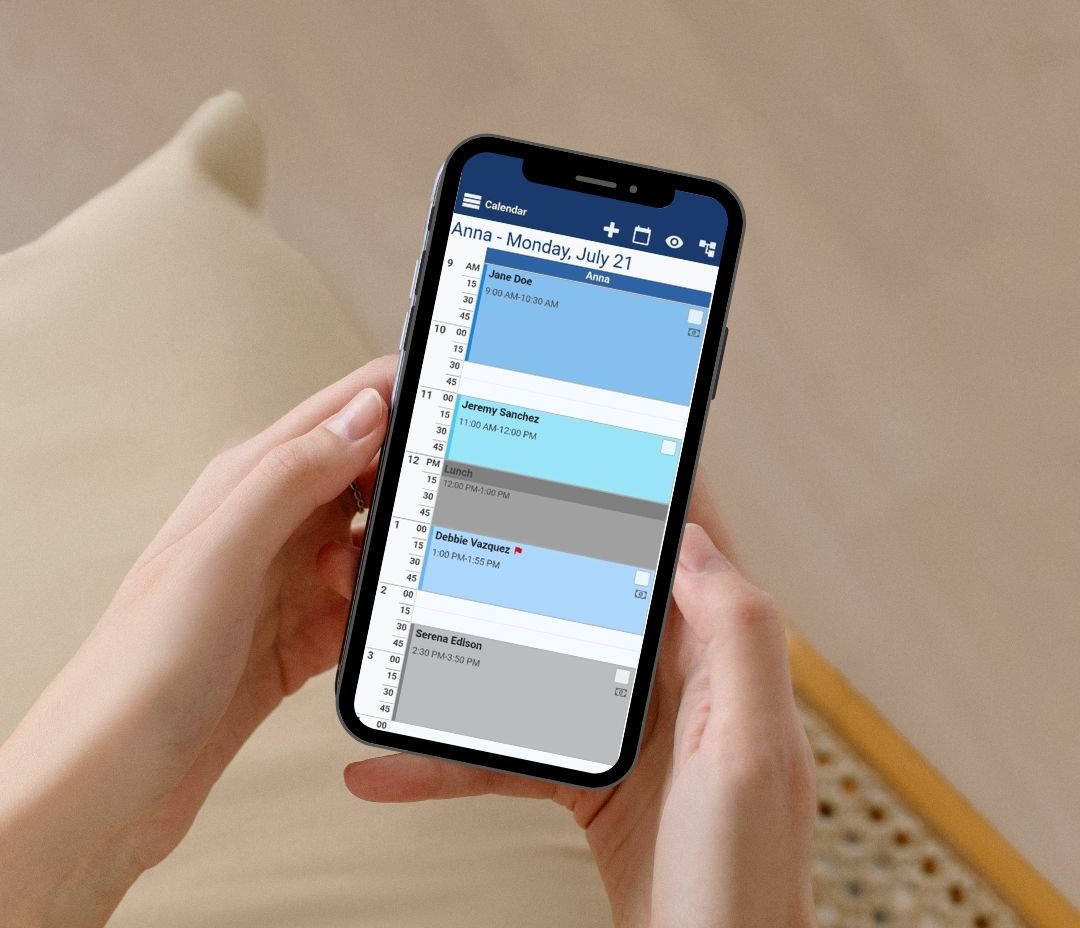
Online booking software like Bookeo is a great way to get your sewing business organized. The software helps schedule classes, handle payments, send reminders automatically, and lets students book their spots online, giving you more time to teach and grow your business.
These fundamental business model choices will help you create a sewing class business that lines up with your strengths and gives students what they just need.
Create a Business Plan for Your Classes
A good business plan works as your roadmap to success in the sewing class industry. This significant document helps you see your path forward and get any funding you need.
Setting goals and pricing
Your sewing business plan’s foundation starts with clear, achievable goals. Don’t set vague objectives. Instead, define specific targets – like matching a previous salary of $40,000 per year or getting a monthly net profit of $25,000 in your first year.
Your pricing strategy directly shapes these goals. Think about these factors to set your rates:
- Your yearly income target
- Fixed and variable business costs
- Number of classes you’ll teach each week
- What others charge for similar services in your area
Most successful sewing instructors charge $25-$35 per hour, but rates change a lot based on location and teaching style. City areas bring in higher prices than rural areas.
Your tax rate needs to be part of your pricing calculations. One experienced sewing business owner puts it this way: “Rather than just telling myself I need to somehow come up with $67,000 a year from sewing, I use the equation that includes my fixed expenses, desired salary, and tax rate to determine my hourly rate”.
Estimating costs and income
Every sewing class business has two main types of expenses: fixed and variable costs.

Fixed costs stay the same, whatever the number of classes you teach:
- Studio rent ($1,500-$3,000 monthly in high-demand areas)
- Equipment maintenance
- Insurance ($200-$500 monthly)
- Website hosting
- Software subscriptions
Variable costs change based on your class numbers:
- Fabric and materials
- Utilities
- Marketing expenses (usually 1-3% of your yearly turnover)
- Shipping and logistics
Your income projections come from multiplying your hourly rate by your predicted teaching hours. You might also add other money streams, like selling sewing patterns to students or offering alterations among other classes.
How much does it cost to start a sewing business?
Starting costs for a sewing class business vary widely. Small setups can start with just $2,000, while bigger operations might need up to $10,000. Running your business from home costs nowhere near as much as having a commercial space.

Your main startup costs usually include:
- Equipment: Good sewing machines, sergers, and embroidery machines can cost between $10,000-$30,000 for a full setup. Starting with simple equipment and growing step by step can cut initial costs by 15-30%.
- Location: Teaching from home saves rent money, but commercial spaces in city centers can cost $500-$15,000 per square meter yearly. Many teachers start at home and expand as their student numbers grow.
- Materials: You’ll need your first fabric and supplies inventory. Buy just what you need at first and build relationships with vendors to get discounts.
- Marketing: Keep some money for initial promotion. Digital marketing usually works better than old-school advertising for sewing businesses.
Some sewing instructors miss hidden costs like permits, insurance, and utilities, which can push up business expenses by 10-15%. On top of that, seasonal changes might lead to a 20% drop in students during slow periods. Adding these factors to your business plan helps create realistic money projections.
Streamlining operations with online booking software
Managing class schedules, payments, and student messages gets complex as your business grows. Bookeo’s specialized classes booking software helps sewing class businesses organize schedules, handles payments, sends automatic reminders, and lets students book their preferred times themselves. This smart system cuts down office work so you can teach more and grow your business.

Choose a Location and Setup
Your sewing class business needs the right location. The teaching space you pick will shape your students’ experience, affect your monthly costs, and determine how you comply with local laws.
Home-based vs. rented space
Teaching sewing from home can save you lots of money. Most teachers start by turning a spare room into their classroom. You won’t pay rent and can put that money into better equipment or marketing instead.

A home studio gives you these perks:
- No rent to pay
- No travel time
- Teaching hours that fit your schedule
- Less money is needed to start
- Teaching in a space you know well
Your growing student numbers might push you toward renting a commercial space. Urban studios cost about $2,500 each month. This cost will affect how much you charge students. A dedicated space, however, lets you grow in ways that home studios can’t.
Professional spaces let you:
- Teach more students at once
- Keep work separate from home life
- Look more professional
- Show and sell products
- Meet zoning rules better
Many successful teachers take a smart approach. They start at home and move to a commercial space as they get more students. Some find creative solutions like teaming up with local fabric stores to use their space on evenings and weekends. This gives them access to store customers and helps keep costs down.
Legal and zoning considerations
Home-based sewing businesses face zoning rules that surprise many owners. The good news is that you can legally run a sewing business from your home; you don’t need a special state license. Local rules might still limit business in residential areas.

Check these rules before you start teaching:
- Local zoning laws about businesses in homes
- Business licenses and permits you need
- Insurance that covers teaching
- Building occupancy limits and safety codes
Commercial leases bring their own challenges. Take time to break down:
- How long the lease runs and renewal options
- Who fixes what breaks
- What utilities cost extra
- How quickly landlords help tenants
- Signs of problems like water damage
Pick first-floor spaces if you plan to use heavy equipment like industrial sewing machines. This makes moving equipment easier and keeps floors stable.
Accessibility and safety
Students need enough room to work and learn safely. Each person should have a proper workspace and seating. Good lighting helps prevent eye strain during detailed work.
Keep these safety basics in mind:
- Good air flow, especially in shared buildings
- Well-maintained equipment in safe spots
- Clear paths to exits
- Easy-to-reach first aid kits
- Enough power outlets for all machines
Your space should welcome students of all physical abilities. Think about ground-floor access, wider doors, and tables that adjust in height.
Simplify your studio management with online booking software
Whatever location you pick, managing class schedules becomes crucial as you grow. Bookeo’s booking system makes running your sewing business easier. Students can see open slots, book classes, and pay online. The system sends automatic reminders to reduce no-shows. Bookeo handles the scheduling so you can focus on teaching great sewing skills.
Get the Right Equipment and Supplies
Your sewing classroom’s tools are the foundations of a successful teaching business. The right equipment will boost your teaching capabilities and help students learn without frustration.
Sewing machines, tables, and tools
You need to think over your sewing machine selection carefully. Ease of use ranks as the top priority when choosing machines for beginners. Students need models with straightforward threading and simple bobbin winding processes that they can master on their own.
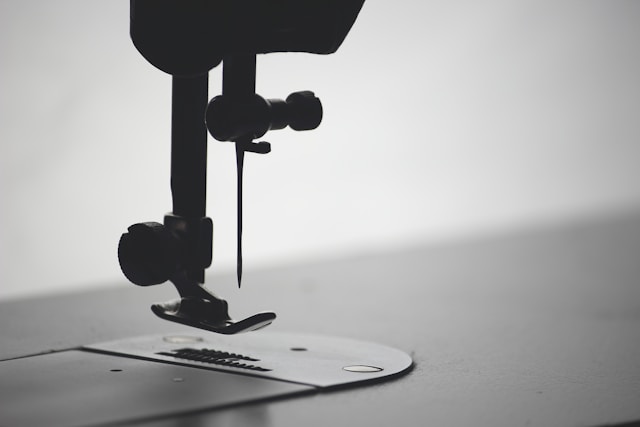
Speed control features are crucial for teaching beginners. This function lets the machine run slowly whatever pressure students apply to the pedal. It prevents the common beginner panic when machines race out of control.
Other important features include:
- Drop-in loading bobbins for better visibility
- Adequate throat space for larger projects
- Computerized stitch selection for consistency
- Metal frames for durability under heavy classroom use
The Brother CS7000X makes an excellent teaching machine with its 70 programmed stitches and 10 presser feet at an affordable price point. Children’s classes work best with lightweight beginner-friendly machines like the Brother SM-2700 (approximately $120). These machines provide essential functions without overwhelming new sewists.
Your classroom needs more than machines. Students need proper tables at comfortable heights, good lighting to protect their eyes, and basic tools. Each workspace should have fabric scissors, pins with cushions, measuring tools, and thread snips.
Budgeting for materials
A dedicated budget for sewing supplies helps avoid overspending while maintaining quality. Financial experts suggest using 10% of your take-home pay as a starting point for hobby spending. Teaching businesses should separate budgets between equipment (one-time purchases) and consumables (ongoing supplies).
Your spending patterns across 3-4 projects will establish average costs. These numbers help create realistic material budgets for classes. Check your existing inventory before buying new supplies.
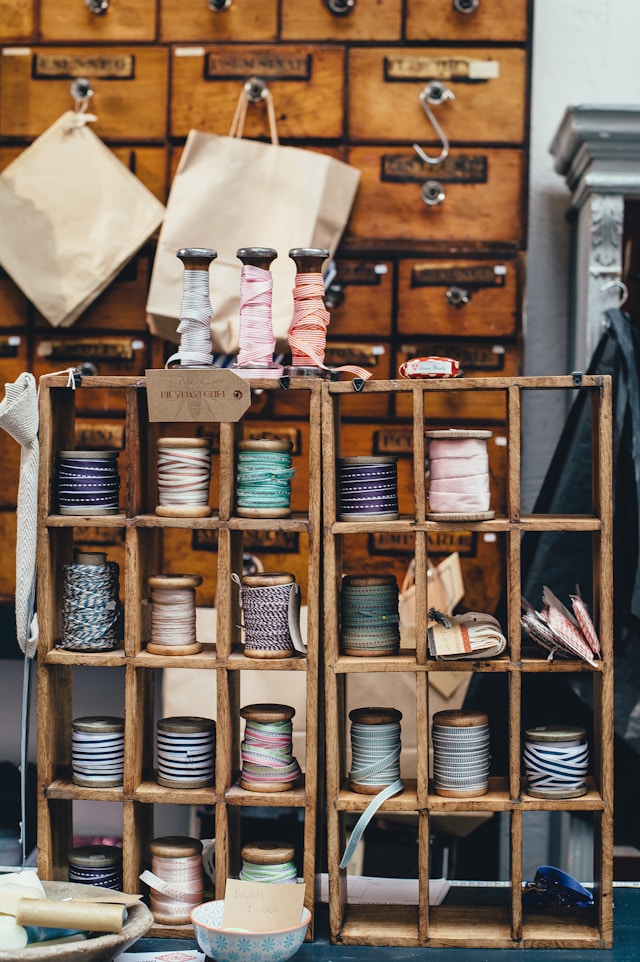
Major equipment purchases, like machines, need a cost-per-use calculation. Divide the total cost by the estimated uses over time. This calculation justifies investing in higher-quality equipment that lasts longer.
Quality matters more than quantity for essential tools. One instructor puts it well: “I am too poor to buy cheap things”. A single good pair of dressmaking shears will outlast multiple cheap scissors and save money long-term.
Where to buy in bulk
Bulk purchasing cuts material costs significantly when teaching multiple students. WAWAK supplies professional-grade sewing thread, zippers, and notions used by top retailers and designers. Big Duck Canvas offers factory-direct wholesale pricing on sewing essentials for bulk purchases.
Generic options work well for consumable supplies like thread. Many instructors find these notions perform just as well at half the price. This approach suits items students use often, such as thread, zippers, and basic fasteners.
Dedicated classroom kits with scissors, measuring tapes, and basic tools at each student station make sense. This setup prevents tool sharing and keeps classes running smoothly.
Streamline your sewing class management with online booking
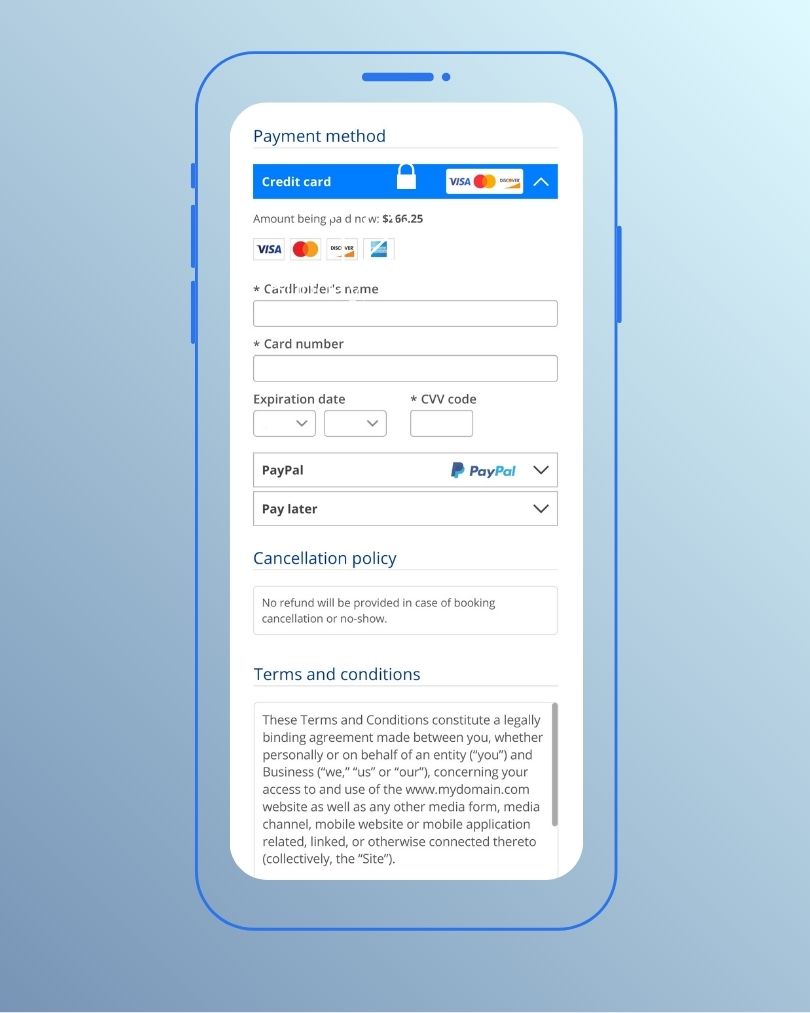
Class schedules, student registrations, and material preparations can become overwhelming. Bookeo’s specialized booking software helps sewing businesses organize schedules, process payments, and track attendance. Students can book their preferred times online and pay. Automatic reminders reduce no-shows. This gives you more time to teach rather than handle administration.
Design Your Class Structure
A solid class structure serves as the foundation of your sewing teaching business. A well-laid-out curriculum helps students learn skills in a logical way that keeps them confident and excited about their progress.
Lesson plans and project ideas
Your sewing curriculum works better when it’s organized into logical sections. Breaking your teaching content into two main parts makes sense: simple skills and specific projects. A proven approach has a first section on “Sewing Basics” (threading machines, understanding fabric, basic stitches) and a second section where students create actual garments or items.
Beginner curricula should have these key components:
- Understanding sewing machines and setup (40-50 minutes)
- Basic stitches and seam techniques (45-60 minutes)
- Fabric selection and preparation (30-40 minutes)
- Pattern reading and sizing (20-30 minutes)
- Cutting techniques (30-40 minutes)
- Hand sewing basics (10-15 minutes)
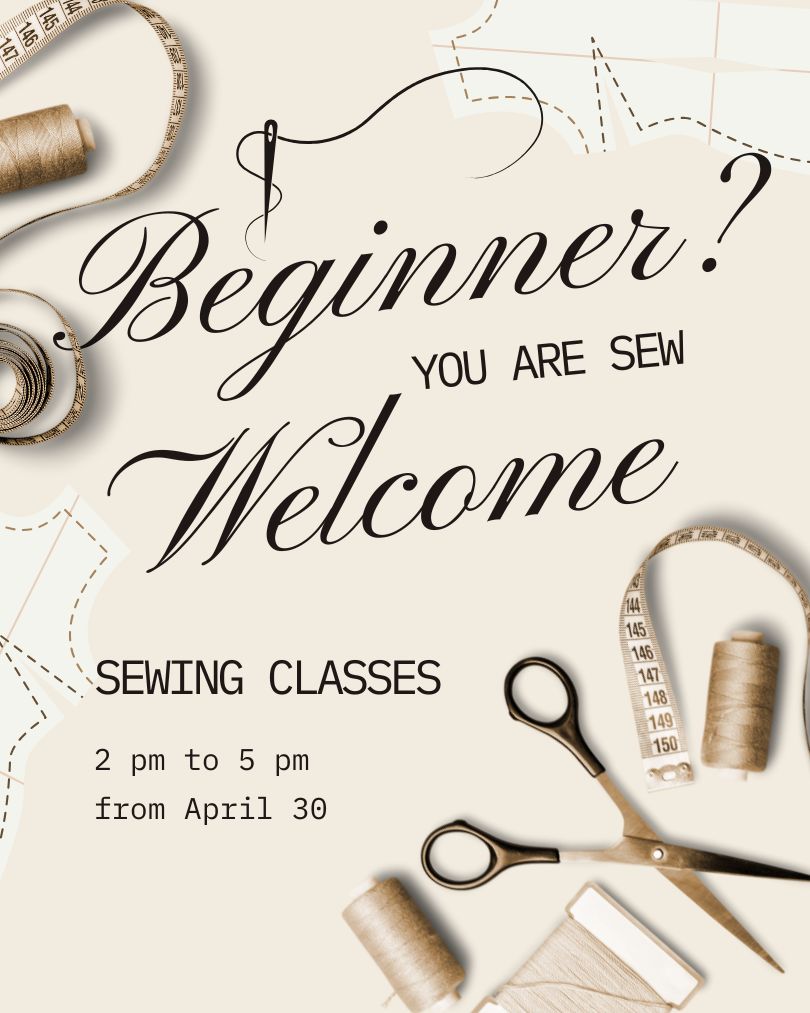
Once students grasp the fundamentals, simple projects help build their confidence. Drawstring bags, pillowcases, simple skirts, and tote bags work great for beginners. Children’s classes usually start with pin cushions or crayon rolls to build core skills before tackling more complex projects like zippered pouches.
Class duration and frequency
Sewing classes vary in length based on student age and project complexity. Adult beginners typically need 40-60 minutes per topic. The entire basics section usually takes about 5 hours spread across 9 lessons. Project-specific classes might need extra 1-2 hour sessions.
Kids learn best in week-long camps that meet 3 hours daily and finish at least one project each day. Weekly classes of 1-2 hours also help develop skills steadily over time.
These scheduling options work well:
- One-time workshops (2-3 hours) to complete specific projects
- Weekly classes (6-9 weeks) to build complete skills
- Intensive weekend workshops to progress faster
- Flexible self-paced options with set studio hours
Note that learning to sew takes time. Simple skills need about 2-3 weeks to master. Clean, consistent results usually take 6-9 months of steady practice. Plan your class offerings with both quick projects and long-term skill development in mind.
How to teach someone to sew step-by-step
The best sewing instruction follows a tested progression. Many expert teachers start with hand sewing before machine work. This helps students understand core concepts like securing thread, maintaining seam allowances, and working with fabric grain.
Complete beginners should follow these steps:
- Learn essential tools and their purposes
- See how to thread needles and make knots
- Practice basic hand stitches on scrap fabric
- Learn sewing machine parts and functions
- Practice straight stitching on paper first
- Move to simple seams on actual fabric
- Learn to turn corners and stitch curves
- Complete a small, useful project
Children’s classes should focus on building confidence rather than seeking perfection. Kids learn better with fewer rules and technical terms. Many teachers find that 6-9-year-olds make ideal students – they stay excited about learning new skills without doubting themselves.
Streamline your teaching with online booking software
Bookeo’s specialized booking software makes managing your sewing business easier. Students can view classes, sign up online, and get automatic reminders. The platform helps you track attendance, handle payments, and organize class materials. This gives you more time to create great sewing lessons instead of dealing with paperwork.
Build Your Brand and Online Presence
A strong brand identity helps you stand out from other sewing teachers and builds a professional image that your potential students will remember. Building a recognizable brand goes beyond picking a name, it needs a unified image that students can find on any platform.
Naming your business
The right business name should capture what your sewing classes are all about. Your name needs to reflect what students will learn, from general sewing to quilting or custom clothing creation. Students remember and share shorter, simpler names more easily.

Here are some approaches to naming your sewing class business:
- Theme-specific names like “Stitch Craft Studio” or “Tailored Threads Hub” work well for custom services
- Educational terms such as “Sewing Skills Studio” or “Learn To Stitch Loft” fit teaching businesses
- Names that include your city or neighborhood attract local students
After brainstorming options, search online to make sure your chosen name isn’t taken. This helps you avoid confusion and secure matching domain names and social media handles for your online presence.
Creating a website and logo
Your website acts as a digital storefront and shapes how potential students first see your business. The site should highlight your sewing expertise with quality images of your work and clear class descriptions.

Your logo design should include:
- Smooth curves instead of right angles that naturally reflect sewing patterns
- Soft colors for women’s sewing classes or deeper blues and browns for men’s apparel studios
- Simple icons like thread spools or needles that show what you do
A unified look across all branding materials is vital. Your logo, colors, and fonts should look the same on your website, social profiles, business cards, and class materials. This builds trust with your audience and makes your brand more memorable.
Using social media to attract students
Social platforms are a great way to get new sewing students. Each platform serves a unique purpose:
- Instagram and Pinterest excel at showing visual content like finished projects and color combinations
- Facebook lets you create groups where students share projects and ask questions
- YouTube gives you space for longer tutorials about products and techniques
Sewing businesses thrive on behind-the-scenes content. Students love seeing your creative process, fabric selection, and workspace setup. This openness creates stronger connections with your followers.

Posting regularly keeps your sewing business visible. Share news about upcoming classes, promotions, or student project photos. Quick responses to comments and messages help build a stronger community.
Whatever marketing strategies you choose, keep your brand voice authentic. Your genuine love for sewing will strike a chord with potential students more than any generic marketing speak.
Simplify class management with online booking software
Managing registrations by hand takes too much time as your sewing business grows. Bookeo’s specialized booking software makes this easier by letting students check availability, sign up online, and get automatic reminders. The system handles payments safely and reduces no-shows, so you can focus on teaching instead of paperwork. Students can book your sewing classes from any device at any time with Bookeo’s mobile-friendly pages.
Market and Grow Your Sewing Business
Smart marketing strategies that connect with potential students are essential to grow a thriving sewing business. Your business needs these proven growth tactics to expand its reach once you have built a strong foundation.
Referral programs and reviews
Word-of-mouth marketing remains the most powerful tool for sewing businesses. An affiliate program where promoters earn commission on referred sales could boost your growth. Successful sewing businesses have varied commission rates, from 50% for memberships and classes to 15% for pattern purchases.
Your business credibility grows with positive reviews. These approaches work well:
- Ask directly at checkout – Your core team should ask satisfied customers for reviews, which results in a 20% response rate
- Send personalized follow-up emails 24-48 hours after classes
- Use QR codes in your studio that link directly to review platforms

Quick responses to both positive and negative online reviews are crucial. Professional handling of concerns and thanking customers who leave positive feedback makes a difference. Mention specific details from their experience.
Collaborating with local businesses
Mutually beneficial alliances create valuable opportunities for sewing class businesses. Joint ventures with local fabric stores give you access to interested customers and help reduce overhead costs. Evening and weekend classes at an established fabric retailer’s location could work well.
Cross-promotion with complementary businesses helps expand your reach. Fabric stores could offer exclusive discounts to their customers through your partnership. A referral system with tailors or dry cleaners lets you send customers to each other for services you don’t offer.
Educational institutions make valuable partners. Schools and colleges look for engaging classroom instruction that encourages creativity and practical skills. Your offerings should match their educational goals while showcasing your expertise.
Hosting events and camps
New students are drawn to specialized sewing events. Sewing retreats take inspiration from summer camp experiences and offer immersive learning in a relaxed environment. Students gain confidence through kind praise and enjoy pressure-free creative exploration.
Summer sewing camps appeal to younger students. Kids and teens show such interest that some instructors now run dedicated vacation camps. Small class sizes (typically 4-6 students) create the best learning environment.
Simplify event management with online booking
Multiple classes and special events can make registration management complex. Bookeo’s specialized booking software helps sewing businesses organize events, handle payments, and send automatic reminders to participants.
Students can view available sessions and register online through Bookeo’s features designed for class-based businesses. This gives you more time to teach instead of handling administrative tasks.
Streamline Bookings with Online Tools
Running a sewing business gets complicated when you handle bookings by hand. The right online scheduling tools will make your administrative work much simpler.
Benefits of using online booking software
Online booking software takes care of tedious admin tasks so you can teach more and shuffle less paperwork. Here’s what you’ll get:
- No more double bookings, messy notes, or students who don’t show up
- Your booking system works around the clock while you teach or rest
- Students receive automatic confirmations and reminders
- You can track your customers’ priorities and revenue
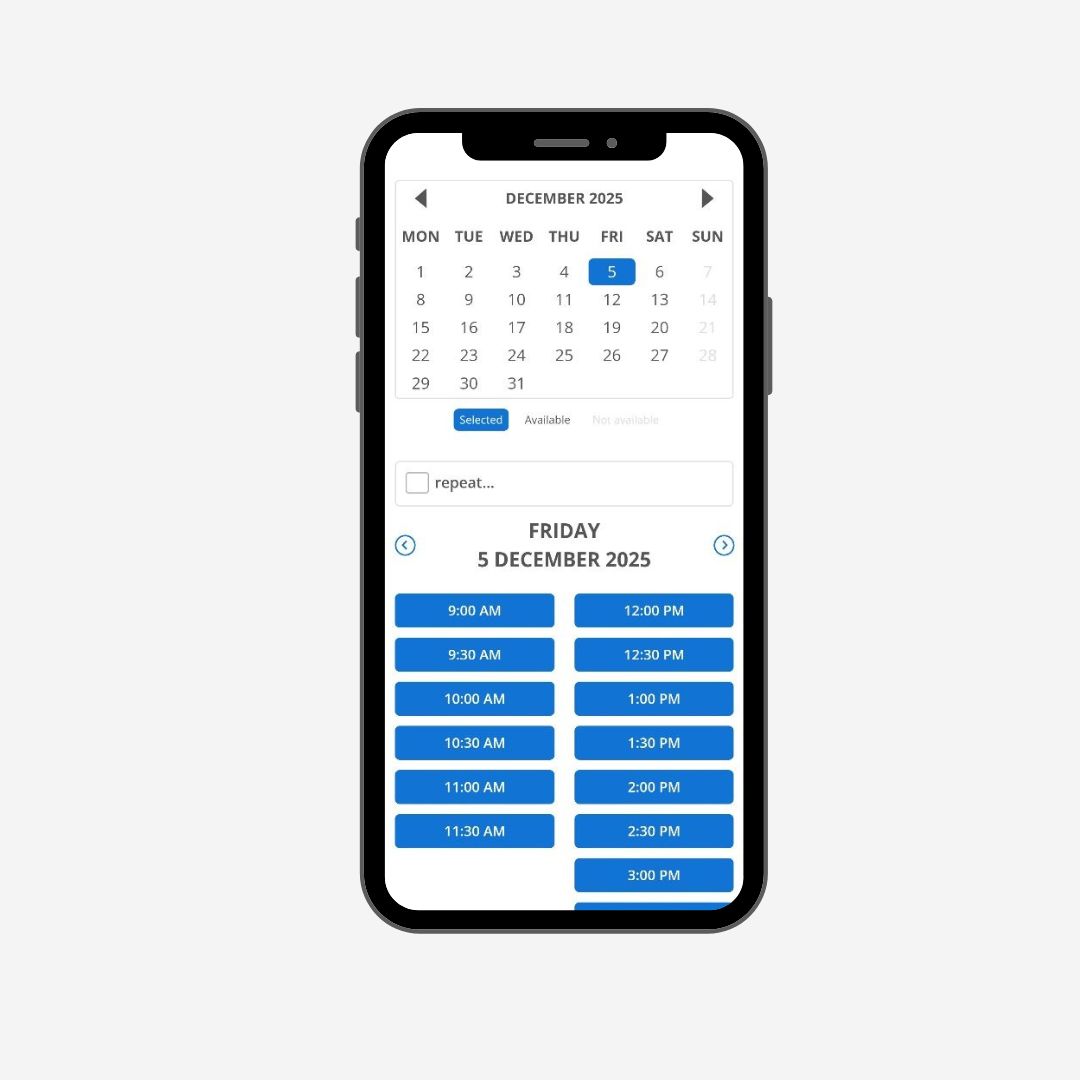
Students can book classes from any device they want. This means they’ll stick with you instead of looking elsewhere just because booking was too hard.
Why Bookeo is ideal for sewing class businesses
Bookeo works great for every type of sewing business – from individual teachers to studios with multiple locations. You can showcase your classes with detailed descriptions, photos, and videos. Your students can book through your personalized booking page or directly from your website’s widget.
Managing schedules, payments, and reminders
Setting up your business details, courses, and private lessons in Bookeo is straightforward. The system handles all booking confirmations without your input. You can match Bookeo’s colors and layout to your brand’s look. The software also connects with payment systems so you can take online payments safely.
Conclusion
Teaching sewing puts you ahead of a growing trend in this valuable skill. Teaching others to sew brings more than just money; it helps connect generations and promotes sustainability when people repair and upcycle clothing.
You can make your sewing education business successful by breaking it into simple steps. Choose between teaching in-person, online, or both. Decide if you want to run workshops or regular lessons. Pick your target students, kids, adults, or both groups.
A solid business plan will set you up for success. Work out your target income, add up all expenses, and price your classes right. Note that most sewing teachers earn $25-$35 per hour, though rates change based on where you teach and how you format classes.
Your teaching space will shape your students’ experience. Most teachers start from home and later move to commercial spaces. Whatever space you pick, buy good equipment, especially beginner-friendly sewing machines with speed control.
Building your brand needs a catchy name, a professional website, and an active social media presence. Student project photos and behind-the-scenes peeks help connect with future customers. Local fabric stores and schools can become great partners to expand your reach.
Running the business takes time away from teaching. Bookeo’s scheduling software helps sewing businesses handle this challenge. The platform manages bookings, payments, and reminders on its own, so you can spend more time teaching great sewing skills.
The chance to start is here now. Sewing instruction needs little money to start, and students of all ages want to learn. This business gives you both practical rewards and creative satisfaction. Pick up your needle, get your patterns ready, and start building your successful sewing business today.