
How to Start a Skating Business: Roller vs. Ice Rink Considerations
Did you know that inline skating rinks make more money than traditional roller skating rinks?
Starting a skating business is a great chance for entrepreneurs who want to join a community-focused industry. Your rink can become a gathering spot for families, friends, and athletes – whether you love the nostalgic feel of roller skating or ice skating’s graceful moves.
The upfront costs aren’t just big – they have many moving parts you need to think over. The total cost of opening a skating rink varies based on your facility’s size, equipment quality, and your choice between roller or ice skating.
Ice skating keeps getting more popular, making this a perfect time to plan your business. Success depends on smart planning and attention to many key pieces. Each choice shapes your business – from buying quality skates and maintenance gear to handling daily costs like utilities, the core team’s pay, and marketing.
This piece gives you all the details about starting a skating rink business and compares roller and ice skating venues. We’ll show you startup costs, business planning steps, legal rules, and marketing plans to help you build a skating business that your community will enjoy for years.
Understanding the Skating Business Landscape
The skating business continues to grow at an amazing pace in both roller and ice segments. A closer look at the market dynamics will help you start a skating business that lasts.
Trends in roller and ice skating
The roller skating market reached a value of USD 4.8 billion in 2024 and will expand to USD 7.9 billion by 2032, with a compound annual growth rate of 6.2%. This revival isn’t just a passing fad but shows a major change in people’s priorities toward active entertainment.
Social media has revolutionized skating’s popularity. TikTok, Instagram, and YouTube act as powerful drivers, where influencers show off skating techniques and create viral content that young audiences love. This online presence has created a thriving subculture around roller skating, particularly among youth who want stylish, customizable equipment.

The ice skating equipment market keeps growing and should reach USD 11.99 billion by 2029 with a 9.8% CAGR. This success comes in part from better access to ice skating facilities, Russia now has 5,944 outdoor rinks, while Canada maintains 2,860 indoor rinks.
Why now is a good time to start
Starting a skating rink business makes sense right now for several reasons. People’s behavior after the pandemic shows they want safe, fun ways to socialize and stay active. Many see roller skating as an enjoyable, low-impact workout that helps balance and heart health.
Skating attracts people of all ages. Roller rinks bring in families looking for screen-free entertainment and youth who enjoy themed events and custom gear. The market should keep growing because skating works both as fitness equipment and lifestyle accessories.
Skating rinks offer many ways to make money. Beyond entry fees, you can earn through:
- Birthday parties and group events
- Skate rentals and equipment sales
- Concessions and arcade areas
- Themed nights and special programs
Modern technology helps skating businesses run smoothly. Customers can book sessions online, which cuts down wait times and makes everyone happier. Bookeo’s scheduling software lets rink owners handle appointments, take payments, and keep track of customer data, all crucial for today’s skating businesses.
Common challenges for new rink owners
The market looks promising, but starting a skating business has its hurdles. The original investment is the biggest problem, with startup costs between USD 500,000 and USD 1.5 million for roller rinks. Ice rinks cost even more because they need special refrigeration equipment.

Safety and liability create ongoing headaches. Beginners and children face risks of falls and injuries. You’ll need complete insurance coverage since standard policies might not cover skating-related risks. Rink owners must follow building codes, health standards, and accessibility requirements.
New owners often feel surprised by day-to-day operations. They need to:
- Keep rental skates in good shape
- Keep bathrooms clean and plumbing working
- Fix arcade games when they break
- Watch young customers and enforce rules
Weather affects both types of skating businesses. Outdoor venues deal with weather limits, while indoor facilities see different crowd sizes throughout the year.
Smart facility design can make or break long-term success. Bad planning, like too little parking, poor floor layouts, or wrong color choices, can cause lasting problems. Getting experienced professionals to review plans before construction helps avoid these issues.
These market trends and challenges are the foundations of starting a skating rink business that succeeds in today’s competitive world.
Roller vs. Ice Rink: Key Differences to Consider
The choice between roller and ice facilities makes a significant difference when learning how to start a skating business. Each option brings its own benefits and challenges that will affect your original investment, target market, and long-term profits.
Startup and operational costs
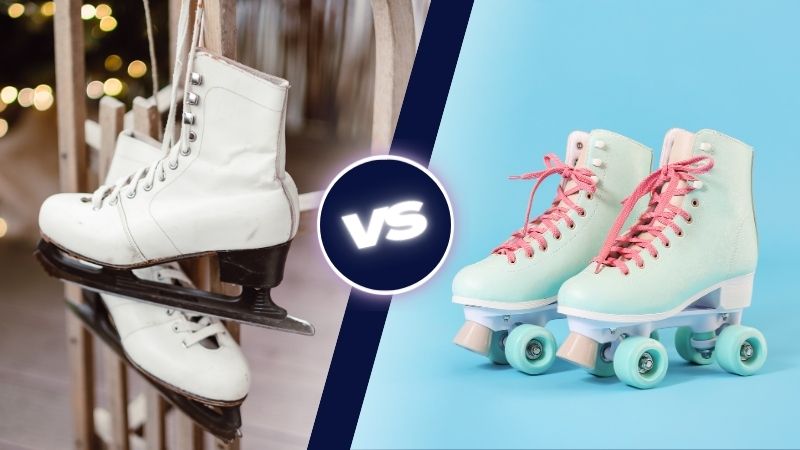
Roller and ice rinks have a big financial difference. Roller skating ventures need USD 500,000 to USD 1.5 million to start. This amount covers rental skates, sound systems, and flooring.
Ice rinks cost much more to build:
- Real ice surface: USD 150,000–USD 950,000
- Synthetic ice alternative: USD 14,000–USD 395,000
- Ice resurfacing machine (Zamboni): USD 10,000–USD 250,000
Daily running costs show another key difference. Ice facilities just need lots of electricity for refrigeration and water to maintain the skating surface. These utility bills can reach USD 2,500–7,500, plus extra costs for special maintenance gear.

Roller rinks need good maintenance but cost less to run daily because they don’t use cooling systems or water replacement. Therefore, many business owners find roller rinks earn back their investment faster.
Target demographics and usage patterns
Your facility’s success depends on knowing who will skate there. Studies show children aged 5-12 make up over 40% of roller rink customers, while teens (13-17) represent almost 25% of visitors. Women dominate roller skating numbers at about 60% of all skaters.
Ice rinks attract serious athletes who practice figure skating or hockey, plus casual skaters. Both types of rinks benefit from health-conscious customers, with 82% of skaters saying health benefits are their main reason to skate.
Roller rinks work great as community spaces that host:
- Birthday celebrations and family outings
- Adult skate nights that bring back memories
- Youth events with music and lights
Ice facilities excel at:
- Training competitive figure skaters and hockey players
- Teaching skating to different age groups
- Public skating sessions at set times
Space and facility requirements
Each rink type needs different amounts of space. Roller rink owners should plan for at least 17,000 square feet. The skating area usually measures 23 meters wide by 45 meters long, plus space for seats, food areas, and other amenities.

Ice facilities follow standard sizes:
- Hockey rinks need 85 feet by 200 feet (17,000 square feet)
- Olympic figure skating rinks measure 98 feet by 200 feet (19,600 square feet)
- Public recreational rinks can be smaller based on available space
Floor types make another big difference. Roller rinks use polished wood or treated cement that works well with wheels. Ice rinks need complex cooling systems under the surface and regular care with special equipment.
A good online booking system helps whatever rink type you choose. Bookeo’s scheduling software helps manage sessions, parties, and lessons smoothly. Customers can book their preferred times on their own, which reduces staff work and makes everyone happier. Their platform processes payments and tracks customer data, features that modern skating businesses need.
Your location’s demographics, available money, and skating experience should guide your final choice. These factors, plus market research, will help you pick the best skating business model for your situation.
Planning Your Skating Rink Business
A solid plan forms the foundations of any successful skating venture. Many rink businesses fail each year because owners didn’t create a strategy before opening their doors.
How to start a skating rink business
You need methodical preparation to start a skating business. Market research comes first to identify your target audience and local competition. This research shows whether people want a skating facility in your area.
The right location makes all the difference. Industry experts recommend a facility spanning at least 17,000 square feet. This space fits your skating floor, entrance area, concessions, birthday party rooms, and back-office operations.
Your next step is funding. Self-financing might not be an option, so you should think over these alternatives:
- Small business loans from banks or government programs
- Angel investors or private equity
- Franchise partnerships (if applicable)
- Business partners or co-owners
- Crowdfunding platforms
The startup costs catch many first-time rink owners off guard. Roller rinks typically need USD 43,000 to USD 134,000. This covers legal fees, stationery, brochures, consultants, insurance, rent, renovations, equipment, and website development.
What to include in your business plan
Your business plan works as a roadmap and helps secure funding. Here are the key elements your skating rink business plan needs.
- Executive Summary: Write a clear overview of your business concept, location, target market, and financial goals. This section shows your entire plan at a glance.
- Business Overview: Your skating rink’s concept needs a clear definition. You might create a retro-themed fun with disco nights, a modern family space, or focus on fitness skating and teen social events.
- Market Analysis: Your research should cover local demographics, competitors, and family entertainment demand in your area.
- Operations Plan: Map out your daily operations, staffing structure, safety protocols, training plans, equipment needs, maintenance schedules, and guest experience workflows.
- Financial Projections: List your startup costs, monthly expenses, and expected revenue. Many businesses target USD 400,000 in first-year sales with 5-9% growth in year two.
- Marketing Strategy: Your customer attraction plan should include grand opening events, digital campaigns, loyalty programs, and community partnerships.
- Revenue Model: Your income streams should include ticket sales, skate rentals, memberships, birthday parties, events, food and beverage, and retail options.
Setting realistic goals and timelines
Skating rinks usually take 12 to 24 months to become profitable. This timeline changes based on your startup costs, customer traffic, and management effectiveness. Location, pricing strategy, marketing efforts, and local competition play big roles too.
Construction and renovation projects need 3-6 months minimum from location securing to opening day. This timeline includes permits, construction delays, and equipment installation.
Successful rinks often reach first-year sales of USD 400,000, with 5-9% growth in year two. Some owners hit USD 1 million in revenue by their third year.
Online booking software advantages
Managing skating sessions, birthday parties, and special events is complex. Bookeo’s appointment scheduling software gives skating rink owners these benefits:
- Customers book sessions, parties, and lessons on their own
- Staff workload drops through automated scheduling
- Payment processing blends seamlessly
- Customer data tracking becomes easy
- Facility management runs smoothly

Bookeo’s scheduling solutions help skating businesses handle their unique needs. The easy-to-use interface manages everything from session timing to equipment rentals. This improves both operational efficiency and customer satisfaction.
A complete business plan and these guidelines will help your skating venture succeed in this growing industry.
Legal, Licensing, and Insurance Essentials
Starting a skating facility means dealing with many regulations, permits, and insurance requirements. These legal basics protect you and your customers from any risks that come with skating activities.
Zoning and building permits
Getting the right zoning approval is your first challenge. Most cities put skating rinks in commercial or entertainment zones. Some cities place skating rinks in Commercial C-2 districts meant for “commercial uses of medium intensity”. These rules often limit outdoor displays, light placement, and noise levels.
Check with your local government about zoning rules before you buy or lease any property. You’ll need to:
- Submit detailed building plans
- Pay application fees
- Attend zoning board meetings
- Handle community concerns
Building permits are just as important. Your local authorities want permits for construction, renovations, and equipment setup. They check your plans and inspect the site to make sure everything meets safety standards.
Health and safety regulations
Your skating business must follow several health and safety rules that keep both customers and staff safe. These rules cover:
Fire safety systems and regular inspections, Occupancy limits based on facility size, Accessibility requirements for disabled visitors Food service permits (if applicable)
Some areas have extra rules. Outdoor skating rinks in residential areas must keep equipment 20 feet from property lines and point lights away from nearby homes.
Your safety plan should include regular checks of skating surfaces, clean restrooms, and sanitized rental equipment. These steps keep you legal and help prevent injuries.
Roller rinks must register with USA Roller Sports or similar organizations to meet insurance laws. This shows you’re serious about following industry safety standards.
Types of insurance you’ll need
Regular business insurance doesn’t cover skating facility risks. You’ll want special coverage for recreational venues. Here’s what you need:
- General liability insurance: This covers injuries, property damage, medical costs, legal defense, and advertising issues. It helps when people fall or collide – common events at skating rinks.
- Property insurance: This protects your building, equipment, concession areas, and other assets from fire, theft, and natural disasters.
- Workers’ compensation: Most states require this if you have employees. It pays for medical bills and lost wages from workplace injuries.
- Business interruption insurance: This helps with lost income if storms or fires force your rink to close.

Ice rinks need extra coverage for ammonia leaks from cooling systems because they’re dangerous.
Smart risk management goes beyond insurance. Having customers sign clear waivers helps protect you. Digital waivers make this easier and keep better records.
Setting up these legal, licensing, and insurance requirements early creates a strong base for a safe, legal, and profitable skating business.
Budgeting and Funding Your Rink
Money management is the lifeblood of a successful skating rink business. You need a solid grasp of costs and funding sources before you buy your first pair of rental skates.
How much does it cost to open a roller skating rink?
Starting a roller skating rink needs serious money. Business owners spend between USD 500,000 to USD 1.5 million to launch their rink business. The final amount changes based on how big your facility is, where you put it, what quality of equipment you choose, and whether you build new or renovate.

Ice rinks cost even more money. Just the ice surface can set you back USD 150,000 to USD 950,000. You’ll also need special equipment like Zambonis.
New rink owners often miss some key startup costs. Your budget should have money for:
- Running costs for the first few months while people learn about your business
- Extra cash for surprise repairs or changes
- Marketing and opening day events
- Starting inventory and supplies
Breakdown of major expenses
Your spending plan should cover these big costs:
Property acquisition: Buying property ranges from USD 400,000 to USD 3 million. Yearly lease costs run between USD 50,000 to USD 250,000.
Flooring options: Your skating surface will be one of your biggest investments:
- Hardwood floor installation: USD 150,000–315,000
- Synthetic floor installation: USD 90,000–255,000
- Concrete floor installation: USD 90,000–315,000
- Modular tile floor installation: USD 15,000–45,000
Equipment and fixtures: Each pair of rental skates costs USD 75-250, and protective gear adds USD 30-150 per set. Sound and lighting systems range from USD 95,000 to USD 700,000, depending on how fancy you want to get.
Technology investments: Modern rinks need booking software, point-of-sale systems, and inventory tracking tools. These digital tools usually take up 10-20% of your startup money but help run things smoothly.
Funding options: loans, grants, and investors
External financing becomes crucial unless you have your own money. Here are your best options:
- Small Business Loans: Banks offer structured financing with clear payback schedules. A business plan, detailed expense sheets, and five-year financial projections will boost your approval chances. Shop around with different lenders to get the best deal.
- SBA-Guaranteed Loans: Small Business Administration (SBA) guaranteed loans might work if regular banks think your business is too risky. SBA makes loans safer for lenders by backing part of the money, which helps new businesses get approved.
- Private Investors: Angel investors or private equity groups might give you money in exchange for part ownership. You won’t have debt but will share control and future profits.
- Grants: Federal grants specifically for skating businesses are hard to find, but foundations and companies sometimes offer opportunities. Grants give you more than just money – they boost your reputation and help you network.
- Public-Private Partnerships: Some towns help build recreational facilities through partnerships. Cities might issue bonds to build facilities that private groups then run.
Calculate exactly how much money you need before you ask for funding. This homework shows you mean business and helps you get the financing you need for your skating venture.
Online Booking Software Benefits
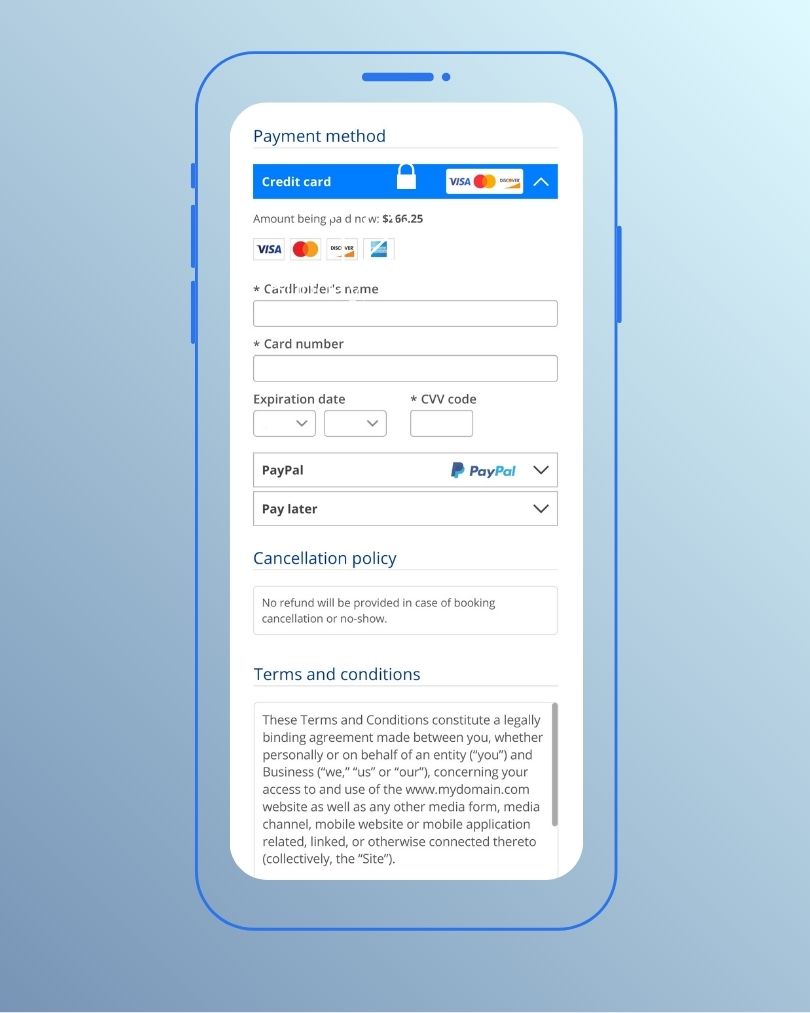
Bookeo’s appointment scheduling software makes life easier for new skating rinks. The system handles session bookings, party reservations, and lesson scheduling to maximize your facility’s use. You can track customer data, handle payments, and check business performance through a user-friendly system. These features cut down on office work and make customers happier, which helps your skating business make money faster.
Designing a Memorable Skating Experience
Your skating rink’s physical space shapes the customer’s experience. A well-laid-out facility keeps patrons returning, and one-time visitors become loyal customers.
Lighting, music, and ambiance
The right lighting is vital for safety and atmosphere. LED lighting gives superior color rendering index (CRI) and energy efficiency. Lighting at 4000K works best for training and recreational skating, while competitions and broadcasts need 5000-6500K lighting. Light positioning helps reduce glare, a common issue in rinks that have reflective surfaces.
Music acts as the heartbeat of any skating facility. The best-equipped rink would quickly empty out without a well-curated soundtrack. Your playlists should flow like a skilled DJ’s set. You need to know the time to raise the tempo for energy and slow down during cool-down periods. Themed music nights are a great way to keep the experience fresh and engaging.
Sound quality plays an equally vital role. Good acoustical tiles and wall panels help improve sound and reduce noise complaints from neighbors.
Seating, concessions, and rest areas
Smart seating arrangements create cozy spaces for skaters’ breaks and spectators. Benches or chairs along the rink’s perimeter or in designated lounge areas provide rest spots and encourage people to socialize.
Revenue boosters that have proven successful include:
- Party and meeting rooms
- Pro shops for equipment sales
- Dining options (coffee, yogurt, pizza)
- Arcade areas
- Climbing walls or indoor playgrounds
A well-designed concession area that’s available from the rink yet separate enough to minimize distractions can become a major attraction. Tables and chairs let guests enjoy refreshments at their own pace.
Accessibility and family-friendly features
Making your facility available isn’t just good practice; it’s the law. Your facility must have accessible routes that connect all accessible elements and spaces. The law requires at least 5% of locker rooms, dressing areas, and team seating to be accessible.
Locker rooms need accessible benches with clear floor space. This allows wheelchair users to approach parallel to the short end. Ice rinks specifically need accessible entry and exit points with clear paths to and from the rink area.
Family-friendly atmospheres help build a loyal customer base. Roller skating brings everyone together, from toddlers to grandparents, making it perfect for family outings.
Booking software for skating businesses
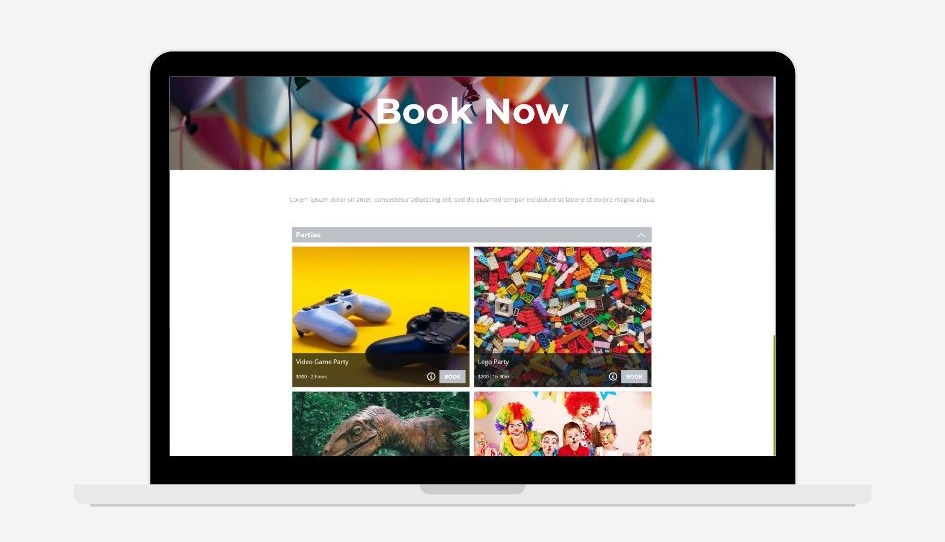
Bookeo’s appointment scheduling software manages the complex scheduling needs of skating rinks. Customers can book their preferred time slots independently for public sessions, private lessons, and birthday parties. Staff workload decreases while customer experience improves; these are vital factors when you start a skating business.
Marketing and Community Engagement
Mutually beneficial alliances are your secret weapon to grow your skating business. Good marketing does more than fill your rink, it builds lasting connections with your community.
Targeting schools, sports teams, and families
Skating businesses have a great chance to work with schools. U.S. Figure Skating’s high school program lets students create teams that represent their school or multiple schools. Students need just two skaters to start a team, which makes it available for most schools. Rink owners can secure regular bookings by reaching out to local schools about team formation.
Field trips create another revenue stream. Penn Ice Rink welcomes school groups ranging from 10 to over 300 people. These visits do more than generate income, they introduce your facility to future long-term customers.
Special PE sessions through local school partnerships are a great way to introduce skating. Many students might never try skating on their own, but these sessions can spark their interest.
Athletes from other sports can improve their skills through cross-training at your rink. Black Bear Sports Group runs successful youth and junior hockey leagues that create development paths for athletes.
Hosting events and parties
Birthday packages are the lifeblood of party offerings at most rinks. Penn Ice Rink has tiered packages:
- VIP Package (up to 50 people): USD 565.00
- Gold Package (up to 40 people): USD 460.00
- Silver Package (up to 25 people): USD 325.00
- Bronze Package (up to 10 people): USD 195.00
Theme nights attract different crowds. You can host 80s nights, Halloween skates, or holiday celebrations where people dress up. These events create excitement and experiences worth sharing.
Fundraisers are a chance for everyone to win. Many rinks give back 50% of admission fees when students mention their school. This builds community goodwill and boosts attendance.
Using social media and local ads effectively
Your social media presence should capture your rink’s fun atmosphere. Post exciting pictures and videos of people having fun. Young people spend most of their time on TikTok and Instagram, making these platforms essential.
Local micro-influencers (1,000-10,000 followers) or nano-influencers (under 1,000 followers) work better than expensive celebrity endorsements. Their followers match your target audience, local people who might visit your rink.
Monthly competitions for the best skating video encourage people to create and share content. This approach builds community spirit and gives you shareable material.
Streamline bookings with software
Online booking systems make event management easier at skating rinks. Bookeo’s appointment scheduling software helps you organize sessions, parties, lessons, and special events quickly. Customers can book and pay without staff help, which reduces workload. The system tracks customer information to help you spot trends and target your marketing. New skating rink owners can make use of this complete solution to improve operations from day one.
Using Technology to Streamline Operations
Technology powers successful skating businesses and takes away operational hassles. Modern software turns complex management into simple clicks.
Benefits of online booking systems
Online booking systems solve many skating business headaches. Digital tools handle your daily tasks like bookings, scheduling, payments, and customer reminders. You can now create memorable skating experiences instead of spending time with spreadsheets.
Digital systems also cut down on no-shows with automatic reminders.
Why Bookeo is ideal for skating businesses
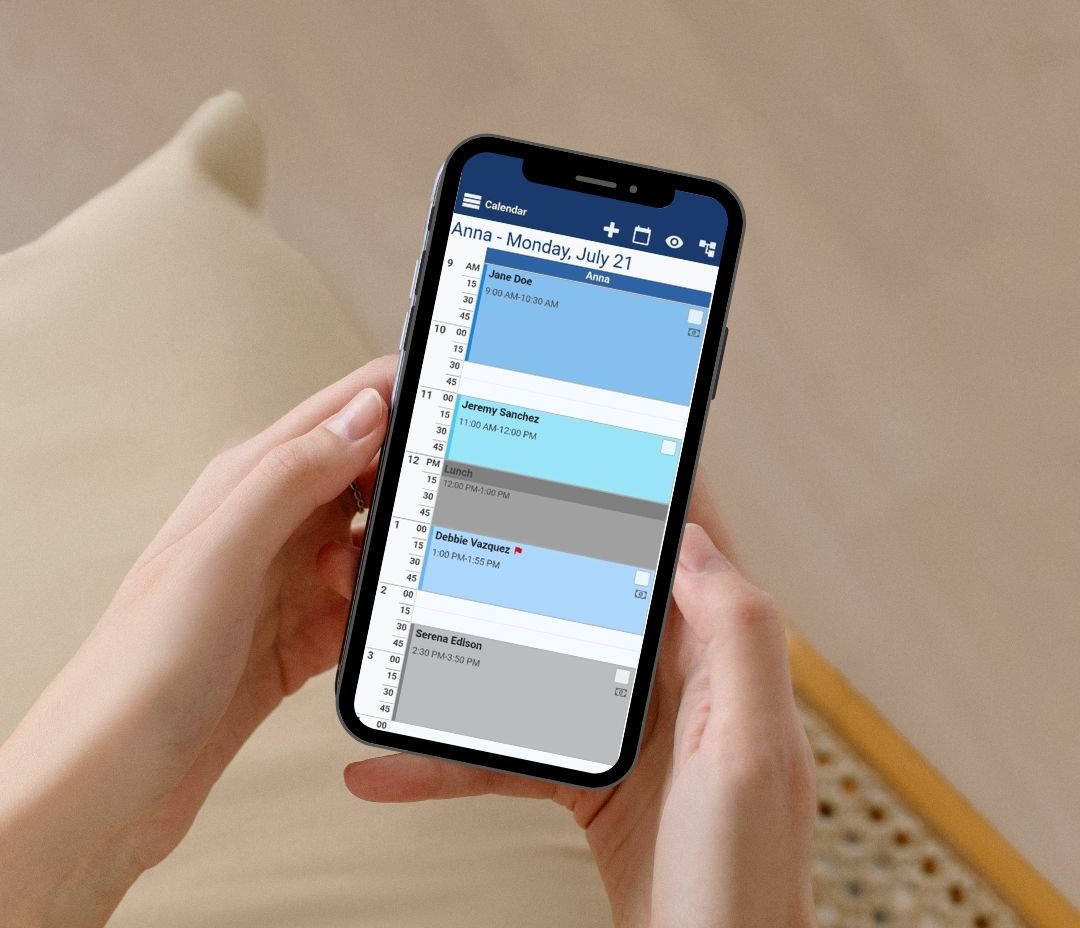
Bookeo’s activities booking software matches skating businesses’ needs perfectly. Their user-friendly platform manages everything from session bookings to birthday parties.
Customers can pick their preferred times and dates on their own, which reduces front-desk traffic. Payment processing integration helps you collect fees upfront and improves your cash flow.
Conclusion
The skating business market keeps growing and presents an exciting chance for entrepreneurs. Market projections show roller skating will hit USD 7.9 billion by 2032, and ice skating equipment markets are expanding faster than ever. These numbers make it clear why business owners are paying attention.
Your choice between roller and ice skating will substantially affect your original investment and how you run things. Roller rinks typically cost between USD 500,000 to USD 1.5 million to start up. Ice facilities need more capital because they use specialized equipment like refrigeration systems and Zambonis.
Both skating formats attract their own unique crowds. Roller rinks pull in families, kids between 5-12, and teens who want to hang out with friends. Ice rinks tend to attract competitive athletes, figure skaters, and hockey players among recreational skaters.
Good planning makes all the difference in success. Your business plan should cover market research, operations, money matters, and marketing plans. Most skating venues become profitable in 12-24 months, so realistic timeline planning is vital.
Legal requirements deserve careful attention. Getting zoning approvals, building permits, health certifications, and the right insurance are the foundations of a protected business. You’ll need several types of insurance – general liability, property, workers’ compensation, and business interruption to protect against common risks.
Smart design choices about your space shape how customers experience your rink. The right lighting, music, seating, food options, and easy access help turn first-time visitors into regulars. Family-friendly features bring people back often.
Building strong community ties helps grow your customer base naturally. Working with schools, sports teams, and youth groups brings steady foot traffic. Birthday packages and special events keep your schedule full, while social media helps reach new customers effectively.
Bookeo’s appointment scheduling software makes daily operations smoother. It handles automated bookings, processes payments, and tracks customer data – perfect for skating businesses. These features help your staff work better while keeping customers happy.
Starting a skating rink takes careful planning and money, but it gives back more than just profits. Your business becomes a place where people meet, celebrate, and make memories that last. With good preparation and smart use of these strategies, your skating business can thrive in this ever-changing industry.