

How to Start a Cat Café Business: Costs, Legal Considerations & Marketing
Want to open a cat café? You’ll need between $50,000 to $300,000 to start this unique business that brings together coffee lovers and cat enthusiasts.
A cat lover in Taiwan started the first cat café in 1998, and now these spots have popped up worldwide. Your success depends on a rock-solid business plan that takes care of both food service and cat welfare needs. The numbers show coffee shops typically see a 15% profit margin, but cat cafés face extra costs from special ventilation systems and cat spaces.
Poor planning leads many cat cafés to shut down. The path to a soaring win needs both smart business strategy and true dedication to cat welfare. U.S. health codes demand separate spaces for cats and food prep, which shapes your layout and budget choices.
This piece lays out your roadmap from the original plan to marketing your cat café. Ready to begin?
What is a Cat Café and How Does It Work?
Cat cafés combine coffee shop vibes with cat companionship. These unique spots let customers spend time with cats while enjoying their favorite drinks and snacks. A cat café goes beyond simple cat-themed decorations – cats roam freely in designated areas.
The first cat café, Cat’s Flower Garden (now Cafe Dogs & Cats), opened in Taiwan back in 1998. Japan embraced the concept and it became a huge hit. Asia now has more than 400 cat cafés, Europe has over 100, and North America is catching up fast. The United States has seen amazing growth, with over 200 cat cafés in 2024, up from just 75 in 2020.
American cat cafés keep their food prep areas separate from where cats hang out because of health rules. Customers usually pay to enter the cat area and buy their food and drinks separately.
Types of cat cafés you can open
Your cat café business can follow several different models:
- Adoption-focused cafés: These team up with local shelters and help cats find forever homes while reducing shelter numbers. North American cafés love this approach, and many have helped hundreds of cats get adopted.
- Permanent resident cafés: These spots keep their own group of cats that live there full-time. European and Asian cafés often choose this path, letting visitors build lasting bonds with specific cats.
- Themed or specialized cafés: Some places showcase certain cat breeds or create special themed spaces based on history or fiction. Asian cafés sometimes feature fancy breeds like Persians or Bengals.
- Hybrid models: Many successful cafés mix these approaches, starting with their own cats but also helping others get adopted.
How cat cafés generate revenue
These businesses make money in several ways:
- Entry fees: People pay $12-$25 per hour to hang out with cats, which brings in 40-50% of the total money. A café that fits 15 people and runs at 60% capacity for 8 hours could make $1,700 daily just from entry fees.
- Food and beverage sales: Regular café items make up 30-40% of income, with customers spending $8-$15 each visit.
- Merchandise: Cat-themed stuff like shirts, mugs, and toys add 10-15% to sales with profits that are a big deal, as it means that 50%.
- Special events: Cat yoga classes, workshops, and adoption events bring in extra money (5-10%) and help build community connections.

A cat café in the right spot with good management can make between 10% and 20% profit, with yearly revenue from $200,000 to $500,000 in the U.S..
Why the concept is growing globally
Cat cafés are becoming more popular everywhere, and here’s why:
Many apartment buildings don’t allow pets, especially in cities. People who can’t have cats at home love these cafés because they can spend time with cats without the long-term commitment.
The health benefits make these places special. Time spent with cats helps lower stress and blood pressure, and might even reduce heart disease risk. City dwellers just need this kind of therapy.

These cafés help animal shelters too. Most North American locations work with rescue groups and boost adoption rates. Cat Town in Oakland showed amazing results – their partner shelter saw that “the euthanasia rate declined from 41 to 21 percent” in just seven months.
The trend keeps growing stronger. Yelp shows searches for “cat cafes near me” shot up by 78,700% between February 2020 and 2024. More entrepreneurs see how they can mix coffee culture with helping animals while running a profitable business.
Step 1: Research Your Market and Audience
Starting a cat café requires solid research. The pet industry contributed $303 billion to the U.S. economy in 2023. This represents a 16% increase from 2022 and points to amazing opportunities for entrepreneurs looking to open a cat café.
Study local demand and competition
The local market needs a full picture before you make concrete plans. Your first step is to check if your community wants a cat café. The number of cat cafés in the U.S. has grown from 75 in 2020 to over 200 in 2024. This shows strong consumer interest, though market saturation varies by location.

You need to evaluate these key factors:
- Existing cafés: Look at direct competitors and analyze what works and what doesn’t
- Local demographics: Check if your area has enough potential customers
- Pet ownership rates: About 70% of U.S. households have at least one pet
- Regional trends: Florida, North Carolina, and Hawaii saw huge growth in cat cafés after the pandemic
Local coffee shops can teach you a lot about their operations, pricing, and menu items. This hands-on research gives you insights you won’t find online. Note that you’re running a café first; cats help you stand out, but great food and drinks are still essential.
Use surveys and focus groups
Direct feedback from potential customers is a great way to get insights. Your surveys should ask about:
- Interest in visiting a cat café
- How many people would pay to enter
- What food and drinks they like
- What amenities they want (Wi-Fi, reading materials)
- How long they’d stay in a cat café

Take Whisker and Bean as an example. They used surveys to test interest in their cat café in the Fargo-Moorhead area. They asked people about eating and drinking around free-roaming cats and what pricing would work best.
Focus groups give deeper insights than surveys. Get 6-10 potential customers together to talk about your concept. These chats often reveal concerns and opportunities that surveys miss.
Ask open questions: “What would make you choose a cat café over a regular café?” This works better than “Would you visit a cat café?”
Analyze trends in pet-friendly businesses
The pet industry shows exciting trends to add to your business plan:
Pet-friendly travel is growing faster, with Airbnb seeing 65% more searches for pet-friendly stays. People want to include pets in their daily activities, even when dining out.
Yelp searches for “adopt a cat” jumped 500% since 2019. This shows a huge interest in cat adoption. Your café could help with adoptions, which has worked well for cat cafés across North America.
The “humanization” trend in pet products opens up merchandise opportunities. Pet communication buttons, premium treats, and cat-themed goods can boost your revenue streams with margins over 50%.
Green-minded customers look for sustainable pet businesses. Eco-friendly toys, organic treats, and biodegradable products match what modern consumers want. This isn’t just about being green; it’s what customers expect now.
Pet care product sales are growing three times faster than other consumer goods. This suggests pet-related businesses have a bright future ahead.
Research into these areas builds strong foundations for your cat café business plan based on real market needs, not guesswork.
Step 2: Create a Cat Café Business Plan
A detailed business plan builds the foundation of your cat café’s success. Market research comes first, and then you need to map out how your business will operate and grow financially.

Define your business model
Your cat café’s business model should explain how you’ll make money. Most cat cafés combine two revenue streams: they charge entry fees to the cat area and sell food and beverages. Here are some models that might work for your vision:
- Pay-to-play model: Customers pay an hourly fee (usually $12-15) to spend time with cats. This can lead to repeat visits and steady income
- Adoption-focused: Working with local shelters to aid cat adoptions creates goodwill in the community
- Hybrid approach: You can mix permanent resident cats with adoptable ones to balance consistency and social impact
Your physical setup plays a big role in your business model. Some places combine café and cat areas completely, and often need reservations. Others keep these spaces separate, letting people visit the café and pay extra to enter the cat lounge.
Include financial projections
Your financial forecast should show both startup and running costs for at least three years. This helps you see if the business can work and gets investors interested.
Original capital needs usually range from $420,000 to $450,000, with typical costs including:
- Café design/build: $200,000
- Equipment: $50,000
- Cat supplies: $50,000
- Working capital: $120,000-$150,000 for marketing, salaries, and lease costs

Monthly operating costs should include:
- Staff wages
- Rent and utilities
- Cat food and care
- Marketing expenses
- Permits and licenses
- Cleaning supplies
Your revenue projections need to count all income streams: entry fees, food and beverage sales, merchandise, and special events. A cat café that runs well can reach profit margins between 10-20% after the startup phase.
Outline your marketing and staffing strategy
Good marketing brings in more customers and boosts adoption rates. Your plan should include these strategies:
Social media: Show off your resident cats, create engaging content, and use targeted ads to reach customers. Instagram and Facebook have helped many cat cafés build their customer base.
Partnerships: Work with local shelters, veterinarians, and animal welfare organizations to boost visibility and credibility.
Events: You can organize adoption days, themed nights, or cat care workshops to attract visitors and strengthen community ties.

Your staffing plan should list these key positions:
- Owner/Manager (runs operations)
- Assistant Manager (helps with daily tasks)
- Associates (takes care of cats, prepares food/drinks)
- Administrative support (handles operations, marketing)
- Shelter liaison (if you offer adoptions)
Use a SWOT analysis
Cat café owners who use SWOT analysis report 70% more customer traffic, making this tool essential. This analysis helps you spot:
Strengths: What works well inside your business, like loyal customers or animal care experience
Weaknesses: Internal challenges, such as high costs or limited marketing reach
Opportunities: External advantages you can use:
- Growing pet industry trends
- Potential for events and workshops
- Chances to work with local businesses
Threats: External challenges to watch for:
- Competition from other pet-friendly places
- Economic downturns that affect spending
- Changes in rules about animal welfare or food service
Looking at these factors helps you make smart decisions that improve your cat café’s success and profits.
Step 3: Understand the Costs Involved
You need a good amount of money to start a cat café. A clear picture of all costs will help you avoid budget problems that could sink your business before it takes off.
How much does it cost to start a cat cafe?
The money needed to open a cat café changes based on where you are, how big you want it to be, and your business model. Cost estimates vary quite a bit according to industry sources:
- Conservative estimates: $10,000 to $100,000
- Mid-range estimates: $50,000 to $300,000
- Premium urban locations: $400,000 to $650,000
These differences show how business models and market conditions affect costs. City locations get pricey because of real estate costs, but they usually bring more customers.
Here’s what a typical cat café budget might look like:
- Lease and renovations: $150,000 to $300,000
- Equipment and furniture: $10,000 to $50,000
- Licensing and permits: $1,500 to $3,000
- Initial inventory: $7,500 to $15,000
- Marketing and branding: $15,000 to $30,000
- Cat supplies: $3,000 to $7,000
- Staffing and training: $5,000 to $15,000
- POS systems and software: $10,000 to $15,000
Your location is the biggest cost factor. Suburban properties might cost $3,000 monthly while urban spots run around $5,000. Many owners find that trendy neighborhoods, even with higher costs, bring steady customers.
Breakdown of startup vs. ongoing costs
Your startup expenses are one-time investments to launch the business. Ongoing costs continue throughout your operation and affect your profit margin.

Startup costs include:
- Building renovations and specialized ventilation systems
- Cat furniture and play structures
- Kitchen equipment and café furniture
- Initial marketing campaigns
- Licenses and permits
Ongoing expenses cover:
- Monthly rent and utilities
- Staff salaries (baristas and cat caretakers)
- Food and beverage supplies
- Cat food, litter, and toys
- Regular veterinary care
- Marketing and social media management
The good news is that ongoing expenses stay nowhere near startup costs, since you can get many cat-related supplies cheaply or through donations. Veterinary care remains a vital recurring expense you must budget for each year.
Hidden expenses to plan for
Cat cafés usually fail because owners don’t plan for surprise costs. New owners often miss these significant expenses:
Emergency fund – Save 10-20% of your original investment for unexpected situations. Financial experts suggest keeping 3-6 months of operating expenses as backup. This means if monthly operations cost $10,000, you should have $60,000 ready.
Compliance costs – Special ventilation systems, zoning requirements, and animal welfare regulations can add 15% to your budget if you don’t plan ahead.
Marketing shortfalls – Poor promotion can cut customer traffic by 25%. Most owners don’t set aside enough money to launch successfully.
Equipment failures – Kitchen equipment repairs can get pricey and disrupt your business flow.
Seasonal fluctuations – Business changes with seasons, so plan ahead to maintain cash flow during quiet periods.
Financial modeling tools help project these numbers more accurately. Detailed financial projections for the first 3-5 years will spot potential cash problems before they happen.
Step 4: Legal Requirements and Permits
Starting a cat café requires you to navigate several legal requirements. A good grasp of these regulations during your planning phase helps you avoid delays and compliance problems that can get pricey.

Business registration and EIN
Your first legal task is picking a business structure for your cat café. Most owners choose Limited Liability Companies (LLCs) because they protect personal assets and offer tax flexibility. You could also go with a sole proprietorship if you want simplicity, or a partnership when working with others.
Once you pick your structure, register your business at your state’s Secretary of State office. Your state will then give you “Articles of Organization” or similar papers.
The next step is getting an Employer Identification Number (EIN) from the Internal Revenue Service. This federal tax ID serves as your business’s Social Security number. Your EIN lets you:
- Hire employees
- Pay taxes
- Apply for business loans
- Open business bank accounts
The IRS website lets you apply for an EIN online for free. This simple step remains vital to operate legally.
Food service and animal welfare licenses
Cat cafés need special licenses since they mix food service with animal care. You’ll need:
- A retail food service license from your local health department
- A food handler’s permit for staff who prepare or serve food
- Animal welfare permits you to house animals in your business
If you plan to aid adoptions, registering as a 501(c)(3) non-profit organization might give you tax benefits. Many cafés team up with local shelters instead of becoming adoption centers, which reduces regulatory hurdles.
Animal facility requirements vary by state. To name just one example, see Colorado’s Pet Animal Care Facilities Act (PACFA), which requires licenses for businesses sheltering or transferring pet animals. Federal rules from the Animal Welfare Act might also apply based on how you operate.
Zoning and health code compliance
Health departments worry about mixing animals with food service. Most areas require you to separate food prep from cat areas physically. This means you need:
- Complete walls between café and cat spaces
- Separate ventilation systems
- Different entrances for each area in some places
A health inspector put it well: “Think ‘doorway and wall’ not ‘open space and curtain'”. This physical separation stands as a must-have requirement across most U.S. locations.
Your location must comply with zoning laws, too. Local government offices can tell you if your chosen spot allows both food service and animal housing. Some cities have created specific zoning rules for cat lounges, so research your location thoroughly before signing a lease.
Health inspectors visit cat cafés twice yearly, with more frequent checks if they find violations. These visits look at both food safety practices and animal welfare conditions.
Your municipal government might have extra local rules beyond state and federal regulations. Requirements change a lot between locations, and many cities have developed specific guidelines for cat cafés as they become more popular.
Getting all permits and licenses before opening creates a strong foundation for your cat café business and protects you from fines and closures.
Step 5: Design Your Space for Cats and Customers
Setting up the perfect physical environment for your cat café needs thoughtful planning. The design should balance comfort between human customers and feline residents while following health regulations.

Separate café and cat lounge areas
Health regulations mandate complete separation between food prep areas and spaces where cats roam freely. This isn’t just a suggestion; most U.S. locations make it mandatory. Cat cafés typically include:
- Physical walls between café and cat areas
- Separate entrances for each section
- See-through dividers that keep a visual connection
Davidson Rafailidis, a design firm behind Buckminster’s Cat Café, created a layout that met health codes through “transparent, zig-zagged partitions”. Their design let people enter “from either end, which allowed both halves to work independently while staying physically and visually connected”.
Cat-friendly furniture and layout
Cats thrive in environments that match their natural behaviors. The space should let cats climb, hide, and watch from safe spots. Essential elements include:
- High spaces with shelves and climbing trees
- Quiet spots where cats can retreat
- Perches near windows for outdoor views
- Posts for scratching and features for enrichment
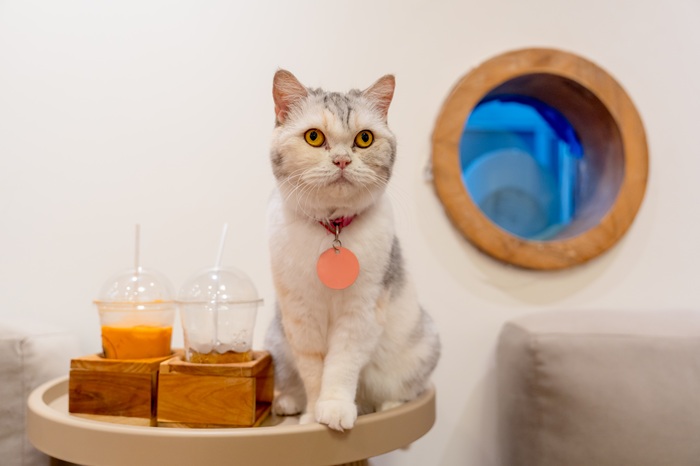
One cat café owner shared, “It’s really important to build out the space correctly so they can get under things and on top of things, and they can get away if they need to”. Safe spaces become even more vital for adoptable cats from shelters as they learn to trust humans.
Successful cat café designs use “resilient materials like terrazzo” for floors and counters that handle daily wear from cats and customers. They also feature clean, neutral colors to create a unified atmosphere.
Ventilation and hygiene considerations
Air quality management stands as a vital part of cat café design. A good ventilation system helps:
- Keep allergens away from customers
- Control litter box odors
- Keep cats healthy
Health departments usually want separate air systems for cat and café spaces. Systems that “pull stagnant air gently out” work best and let fresh air move continuously.
Smart litter box placement makes a difference. Many cafés build a cats-only room with a cat door for litter boxes. The HVAC systems vent straight outside. Some cafés put special ventilation in each cat housing unit to manage odors.
Clear cleaning routines should start day one. The Kitty Cat Café in Massachusetts follows an “extensive cleaning protocol” and “each day, our space is cleaned and disinfected with an approved cleaner that is safe for our cats and visitors”. They clean litter boxes three times daily.

Hand sanitizing stations belong at entrances and exits, along with a place for customers to wash hands before eating. These basic hygiene steps help keep germs from moving between cats and humans.
New café owners often don’t expect high ventilation costs. Quality systems cost more upfront but prevent bigger issues later. Bad air quality can harm cats and staff health, and customers won’t return if the air feels stale.
Step 6: Build Partnerships and Hire Staff
Your cat café’s success depends on two vital relationships: partnerships with animal shelters and the right team members. These connections will shape the foundations of your café’s future.
Partnering with local shelters
Most cat cafés across North America team up with shelters or rescue groups to bring in their feline residents. These mutually beneficial alliances work well for everyone, shelters showcase their adoptable cats while your café gets new cats without ownership expenses.
Building strong shelter relationships requires you to:
- Schedule several meetings to create detailed protocols for cat care and adoption processes
- Set up clear agreements about vaccination, spaying/neutering, and socialization needs
- Create systems to rotate and replace cats after adoptions
- Think about partnering with multiple rescue groups for diversity
“It’s very collaborative in an extremely positive way,” says Alisa Gray from Kentucky Humane Society about their cat café partnership. Many shelters offer health checks and vet care through their staff, which cuts down your operating costs.
Hiring baristas and cat caretakers
Your team needs two skill sets, food service expertise and genuine love for animals. Most cat cafés have staff members who handle both responsibilities instead of separate roles.

Great baristas should have:
- Customer service experience
- Food preparation skills
- Simple math skills for transactions
- No cat allergies
Cat caretakers must have:
- Past animal care experience
- Knowledge of cat behavior
- Sharp eyes to watch health and behavior
- Strength to lift 50-pound bags of food/litter
It’s worth mentioning that “95% of the job is making specialty drinks and cleaning up after people and cats”. Let candidates know they won’t spend much time with cats during busy hours.
Training for animal handling and customer service
Complete training programs keep accidents away and boost both animal welfare and customer happiness. Your training should include:
- Cat behavior recognition – Staff should spot stress signals and handle cats safely. “Clear understanding of cat behavior and handling practices” makes all the difference
- Health protocols – Learning to spot illness signs and know vaccination requirements. Simple first aid and emergency response steps
- Customer interaction – Staff should talk to visitors about each cat’s personality, priorities, and adoption status. Show staff how to “tell your favorite stories, take photos for guests, give tips on how to best involve with kitties”
- Cleaning procedures – Follow strict cleaning schedules, especially for litter boxes and food areas
Regular reviews help your team improve and keep standards high. New hires learn best when paired with experienced staff members for hands-on training.
Step 7: Promote Your Cat Café Business
A cat café’s success depends on how well it promotes itself. Your physical space is just the beginning – you need smart marketing to build a loyal customer base.
Social media and influencer marketing
Cat cafés are a natural fit for social media. Research shows customers spend 40% more time on Instagram than other platforms. This makes Instagram the perfect place to showcase your furry residents. The best time to post is between late morning and early afternoon when user engagement peaks. Each resident cat should have its own personality and backstory to create emotional bonds with future visitors.

Your customer base grows naturally as visitors share their experiences online. Every customer post works as word-of-mouth marketing.
Hosting events and adoption drives
Theme nights like “Meow-vie Mondays” with cat-themed films or “Caturday Morning Yoga” are great ways to boost revenue and create fresh marketing content. Adoption drives showcase your café’s commitment to animal welfare and build community goodwill.
Family-friendly workshops, meditation sessions, and holiday gatherings help create strong community bonds. These connections promote customer loyalty and bring visitors back again and again.
Selling branded merchandise
Cat-themed products are a valuable extra revenue stream. Most cafés sell t-shirts, mugs, pins, stickers, and tote bags. Merchandise typically brings in 10-15% of revenue, and this is a big deal as it means that profit margins often hit 50%.
Branded items turn your customers into walking advertisements while deepening their commitment to your business.
Conclusion
A cat café can be both a rewarding business venture and a chance to help improve animal welfare. This piece shows you everything from the original idea to running a successful operation. You need careful planning, good investment, and true passion to create spaces where people and cats can connect.
Market research builds the foundation of your business. You should know what local customers want, study your competitors, and understand customer priorities to create your unique approach. Once you have this information, a detailed business plan becomes your path to success. The plan must cover your revenue model, financial projections, staffing strategy, and marketing tactics.
Money matters are crucial on your business trip. You’ll need between $50,000 to $300,000 to start, based on location and size. You should also set aside money for emergencies and unexpected costs to protect your business during tough times.
Legal requirements are non-negotiable. You must get food service licenses, animal welfare permits, and proper zoning approvals before opening. Health departments require separate spaces for cats and food preparation, a rule that shapes your design choices.
Smart space design works for both customers and cats. Cat-friendly furniture, good ventilation systems, and strategic layouts create cozy spaces while keeping things clean. Strategic collaborations with local shelters benefit everyone. Shelters get visibility for adoptable cats while your café gets its feline residents.
Online booking software can be a game-changer for cat café owners by streamlining operations and enhancing the customer experience. With automated scheduling, guests can easily reserve time slots in advance, reducing wait times and helping you manage visitor flow, especially during busy weekends or events. It also allows you to set capacity limits to ensure a safe and stress-free environment for both cats and customers. By using appointment booking software, you not only improve efficiency but also create a smoother, more enjoyable experience that encourages repeat visits and builds customer loyalty.

Good promotion brings customers to your door. Social media marketing, special events, and branded merchandise help build your customer base and strengthen community ties.
Cat cafés keep growing worldwide because they fill real needs. They give cat companionship to people who can’t have pets at home, support animal welfare, and create special social spaces. Despite challenges, running a successful cat café means more than just profits. You’ll build a community hub and help hundreds of cats find forever homes.
You can start small, but begin with clear goals and genuine care for your business and animals. Note that your love for cats and coffee will shine through to customers. This becomes your best marketing asset as your café grows into a thriving business.