

How to Start a Photography Business: A Beginner’s Step-by-Step Guide
Starting a photography business can feel overwhelming without someone to show you the ropes. The biggest challenge lies in knowing where to begin, whether you’re a hobbyist ready to go pro or just stepping into photography.
Here’s something reassuring – you’re not the only one who feels this way. Every successful photographer once stood in your shoes, wondering about their first steps. The costs to start a photography business usually range from $2,000 to $10,000. This amount varies based on your equipment needs and studio space requirements. Many camera and computer companies provide payment plans to help you start quickly if you can’t pay everything up front.
Your photography business needs a clear niche and target market. This choice will shape your equipment investments and marketing approach. A solid roadmap that covers the basics of building a successful photography business should come first.
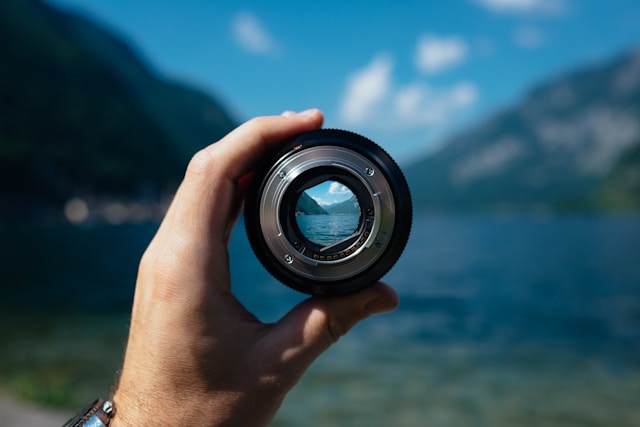
This piece walks you through the essentials of launching your photography business from scratch. You’ll find practical advice about legal requirements, must-have equipment, building your portfolio, and attracting clients. This guidance would have helped many photographers tremendously during their early days.
Define Your Niche and Target Audience
Your photography experience starts with a significant decision – picking your specific area of focus. Finding your specialty takes time and involves self-reflection and market research. Let’s see how you can select your photographic direction and find the people who will become your loyal clients.
Why choosing a niche matters
A specific photography area gives you several advantages over being a jack-of-all-trades. You can distinguish yourself in a competitive market. You’ll compete with a smaller pool of specialists in your chosen field instead of everyone who owns a camera.
Your signature style becomes recognizable to clients as you focus on one area. Your expertise will grow faster than that of photographers who work across multiple genres.
Specialization brings financial rewards, too. Clients pay more for photographers with specialized expertise. To cite an instance, wedding photographers earn around $95,000 annually across the US, with rates reaching over $112,000 in Massachusetts.

The most vital benefit lets you do work you truly enjoy. Photography should meet your passion rather than feel like a burden. One professional said it best: “Success is about letting go of the should and creating a business based on what YOU do and what works for YOU”.
Popular photography niches to consider
The photography industry has many specialties, each with unique opportunities and challenges:
- Wedding and Event Photography: Capturing special occasions from engagement sessions to wedding days. This field can be lucrative but needs excellent people skills and knowing how to work under pressure.
- Product Photography: Creating images of products for marketing purposes. This niche offers steady work with flexible scheduling but might need significant equipment investment.
- Portrait Photography: Capturing personality in individuals or groups. This has family, senior, and professional headshot photography.
- Social Media Photography: Producing content specifically for online platforms. With 1-2 posts recommended daily, demand stays high, and photographers earn about $44,000 annually.
- Fashion Photography: Working with designers and models in studio settings or during runway shows. This often involves travel and tight deadlines.
- Food Photography: Showcasing culinary creations for restaurants and publications. This needs styling skills alongside technical photography knowledge.
Wildlife, landscape, architectural, and photojournalism offer more options. Ask yourself these questions to select your niche: What do you enjoy photographing? What comes naturally to you? Does it match your personality and lifestyle? What equipment will you need?
How to identify your ideal client
Your next priority becomes finding exactly who will hire you after choosing your specialty. Write down specific characteristics of your target audience including age, demographics, socioeconomic status, and shared interests. To cite an instance, wedding photographers might target engaged couples between 25-35 years old.
Look at your existing clients’ patterns. What common traits do they share? What makes them hire a photographer? This information helps create detailed buyer personas.

Social media platforms give valuable data about your audience’s behavior and priorities. These insights help tailor your marketing approach. Your efforts should focus on Instagram if your potential clients use it most, with visually appealing content.
Bookeo’s photography scheduling software helps automate appointment bookings, accept payments, and send automatic reminders for managing your growing client base. This saves time so you can focus on your craft while giving clients a professional booking experience.

Note that your niche can evolve with experience. The goal isn’t permanent limitation but strategic focus. You create the foundation for a successful photography business that lines up with your strengths and passions by finding what you love shooting and who values that work.
Set Up Your Photography Business Legally
Your photography business needs a solid legal foundation. Finding your niche is just the start – you’ll need to set up your business the right way to protect yourself and your clients. Here’s a breakdown of the legal steps you need to take to turn your passion into a real business.
Choose a business name
Your business name shapes your brand identity and makes that crucial first impression. Most photographers use their own name (like “Jim Harmer Photography”). This gives you automatic trademark rights. It’s also easier for clients – they only need to remember one name when recommending you.
A creative business name needs proper research. Check USPTO.gov and do a TESS trademark search to make sure nobody else owns that name. Google similar business names to avoid any mix-ups. This helps you avoid legal issues and brand confusion later.

Your name should have these qualities:
- Stand out from other photographers
- Be easy to say and spell so people can spread the word
- Match your photography style and specialty
- Work as a domain name and social media handle
Some states require you to check with the Secretary of State about name registration.
Register your business and get an EIN
A legal business entity protects you well. An LLC (Limited Liability Company) is popular among photographers because it keeps your personal assets separate from business ones. If someone sues your business, they can’t touch your personal property.
After picking your structure, here’s what to do:
- Register with your state (usually through the Secretary of State’s office)
- Get local business permits
- Apply for an Employer Identification Number (EIN)
An EIN works like a Social Security Number for your business. You can get one free from the IRS website – watch out for sites that charge fees. The whole thing takes about five minutes, and you’ll get your EIN right away. You’ll need this number for business bank accounts, taxes, and clients who want a W-9 form.
Understand local licensing and tax rules
Tax requirements vary by location. Your state might see photography as either a service or a product. While photographers see themselves as service providers, many states treat photography as a retail product that needs sales tax.

Stay tax compliant by:
- Getting a state sales tax permit
- Learning which services need sales tax
- Creating systems to track and report taxes
Each state has its own photography tax rules. Washington state taxes photo licensing under B&O tax as Royalties but skips sales tax. Tennessee puts photographers in Classification 3 for business tax.
So photographers must keep detailed records of everything. Save all paperwork for at least four years – receipts, invoices, shipping docs, and tax returns.
Note that proper legal setup isn’t just about avoiding fines – it shows you’re professional and builds trust. One photography expert says, “By doing the work to get your business set up as an Actual Business, clients will feel more confident in the process, which will help you charge higher rates for your services”.
Get the Right Equipment Without Overspending
Your photography business needs smart decisions about gear to get the best quality without breaking the bank. Gear often makes up your biggest original investment when you start your business. Many beginners spend too much on equipment they don’t need right away.
Essential gear to start with
Your photography kit needs these simple foundations:
- Camera body: An entry-level DSLR or mirrorless camera works best for beginners. These give you more control than point-and-shoot cameras while staying affordable.
- Versatile lens: Start with a kit lens (typically included with camera bodies) as they give you a wide focal range for different shooting scenarios.
- Tripod: This key piece keeps your camera steady and helps you get sharper photos with slower shutter speeds.
- External flash: These pack more power than built-in flashes and help you take better photos in low-light situations.
- Camera bag: Keeps your equipment safe from damage while staying organized.

Quality beats quantity every time. “The best camera is the one that’s with you,” as photographer Chase Jarvis famously said. You’ll get better results by becoming skilled at using one good camera than by owning multiple average pieces of equipment.
Where to buy or rent affordable equipment
Brand-new gear at full price isn’t your only choice. Here are some smart alternatives:
Used equipment marketplaces help you save money. Platforms like KEH, MPB, or the used sections of B&H and Adorama give you peace of mind with warranties on pre-owned gear. These trusted sources test their equipment before selling.
Rental services make high-end equipment available for specific shoots. Companies like Lensrentals (formerly BorrowLenses) let you rent cameras, lenses, and accessories for short periods. This works great for specialized equipment you won’t use often.
Many photographers succeed with a mixed approach; they buy everyday items and rent specialized equipment for specific shoots. This lets them try different gear before buying.
Rechargeable batteries save money compared to disposables. Adding a battery tester helps improve your workflow.
Recommended beginner camera and lens combos
These affordable camera and lens combinations deliver professional results:
For Canon users: The Canon EOS Rebel SL3/250D with the EF-S 18-55mm kit lens gives great value. This entry-level DSLR has a 24.2MP sensor and 4K video capabilities. The Canon 50mm f/1.8 (around $200 used) adds better low-light performance and beautiful background blur.
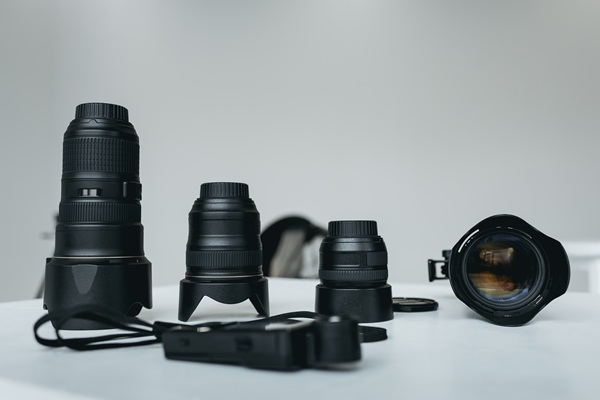
For Nikon fans: The Nikon D3500 with its 18-55mm kit lens delivers excellent image quality at a budget-friendly price. The Nikon Z6 (around $800 used), paired with the Z 24-50mm zoom lens, offers a mirrorless option with professional features.
For Sony enthusiasts: The Sony a6000 with 28-60mm zoom lens packs impressive performance with 24.3MP and 11fps continuous shooting, perfect for action photography. The Sony a6600 body with a 16mm f/2.8 prime lens costs around $800 used and makes another solid choice.
Keep in mind that skills matter more than gear. Learn to use your equipment well before adding more. You can add specialized lenses and accessories as your business grows and your needs change.
Learn Photography Skills and Editing Basics
Technical proficiency is the foundation of any successful photography business. Your images won’t impress clients if you lack simple skills, even with the best equipment. Let’s look at the core competencies you need to become skilled at.
Become skilled at manual mode and lighting
Camera settings control gives you creative freedom you can’t achieve in automatic modes. Manual mode might seem daunting at first, but the effort pays off. The “exposure triangle”, ISO, aperture, and shutter speed, shapes how your images turn out.
You can start by setting your camera to Manual Mode. Just rotate the mode dial to “M”. Here’s what each component does:
- ISO controls your camera’s light sensitivity. Lower ISO (100-400) produces cleaner images with less noise, while higher settings (800-3200) help in low-light situations.
- Aperture affects both exposure and depth of field. A wider aperture (smaller f-number like f/2.8) creates beautiful background blur, while a narrower aperture (larger f-number like f/8) keeps more elements in focus.
- Shutter speed determines exposure time and motion capture. Faster speeds freeze action but require more light; slower speeds allow more light but may introduce blur.

Beginners often overlook white balance, though it affects photo quality significantly. Wrong settings lead to unpleasant color casts, like yellowing indoor photos. The daylight setting (5260K) works best outdoors, and you can adjust based on your environment.
Lighting can make or break your images. Large windows provide great natural light for indoor shoots, as long as direct sunlight doesn’t hit your subject. Your subjects should be positioned so that light bounces evenly throughout the room.
Free and paid resources to learn photography
Photographers at every level have access to many learning resources:
- Visual Education gives you a free 90-page ebook and 10 video classes about manual mode mastery and understanding light.
- Photocritic has a one-year free photography course that’s perfect for beginners.
- Udemy features over 300 free digital photography courses that cover technical skills and business aspects.
- Library access to Lynda courses (over 900 photography courses) comes with most local library cards.
Canon’s website offers brand-specific training with practical tutorials for different photography scenarios. On top of that, Phlearn gives you free professional courses about advanced editing techniques.

Working with an experienced photographer gives you hands-on experience with equipment and real-life problem-solving that online courses can’t match.
Start editing with Lightroom and Photoshop
Post-processing turns good photos into exceptional ones. Adobe Lightroom Classic helps you organize photos and make simple adjustments.
The Develop module in Lightroom lets you make these fundamental edits:
- Adjust exposure to brighten or darken the entire image
- Use the Highlights slider for light areas and Shadows for dark areas
- Increase Clarity slightly to enhance detail and texture
- Fine-tune Contrast to improve the difference between light and dark
- Boost Vibrance to make colors more vivid without oversaturation
Photoshop works perfectly with Lightroom for complex edits. You can remove unwanted objects, combine multiple images, add text, or apply special effects filters. Most photographers make simple adjustments in Lightroom before moving to Photoshop for advanced editing.
Note that technical skills improve with practice. These fundamentals will help you develop your style as you work with more clients.
Build a Portfolio That Attracts Clients
Your portfolio works as your visual resume and a powerful sales tool that shows clients what you can do. A portfolio goes beyond just a collection of your “greatest hits.” It showcases your unique style and the value you bring to clients.
Offer free sessions to friends and family
New photographers often face a dilemma: they need clients to build a portfolio, but clients want to see their portfolio before hiring. This chicken-and-egg problem has a straightforward solution: free photoshoots.

Free sessions for friends and family bring multiple benefits:
- They provide content for your original portfolio
- You can practice your technical skills without pressure
- You’ll get word-of-mouth referrals as people share your work
Make sure you set clear expectations for free sessions. Let people know what they’ll receive and what you’ll get in return. A photographer suggests, “Free photo sessions should be part of your photography marketing strategy”.
These sessions work best when you:
- Tell clients your standard rate would be $X (state your actual pricing)
- Talk about styling beforehand so subjects come prepared
- Get a model release to use photos in your portfolio
- Ask for testimonials or Google reviews after delivering images
Create styled shoots to showcase your style
After mastering simple skills, styled shoots will elevate your portfolio. These creative sessions highlight your artistic vision and draw your ideal clients.
Styled shoots stand apart from regular sessions because they involve multiple vendors working together. Everyone contributes, florists bring arrangements, makeup artists create looks, and everyone gets images they can use.
Before you plan a styled shoot:
- Make a mood board with 15-20 inspiration images that show your vision
- Pick a theme that appeals to your target audience
- Select a date and location
- Find complementary vendors who match your aesthetic
“You must show what you want to attract,” one professional photographer points out. If rustic barn weddings interest you, design styled shoots with those elements.
How to organize and present your portfolio
Image arrangement matters just as much as quality. Group your photos by theme, mood, or lighting to create a unified look. Viewers will see the consistent elements in your work while appreciating your range.
Your portfolio options should include:
- Online galleries for maximum visibility and easy sharing
- Printed collections that create lasting impressions
- No more than 10-15 of your best images per category
Your portfolio should speak to your audience. “Play to your audience,” as experts say. Wedding photography clients won’t care about automotive photos unless they add meaningful context.
Bookeo’s photography scheduling software helps you manage appointments, payments, and automatic reminders as your portfolio brings in business. Its client management features track client priorities and session details. This creates a tailored service that turns new clients into regulars.
Keep your portfolio current by updating it quarterly to showcase your evolving skills and style. Fresh content shows growth and keeps your online presence engaging for potential clients.
Create a Photography Business Plan
Your photography business plan serves as a roadmap that charts a clear direction toward success. This plan goes beyond a simple to-do list and provides the structure needed to transform creative talent into a profitable enterprise.

Set short and long-term goals
Goals give your photography business direction and purpose. Research shows photographers who document their goals are 42% more likely to achieve them. Just writing down goals isn’t enough – you need a system that supports consistent action.
SMART goals work best:
- Specific: Clear outcomes rather than vague aspirations
- Measurable: Concrete metrics to track progress
- Achievable: Realistic given your resources
- Relevant: Arranged with your overall vision
- Time-bound: Defined deadlines to create urgency
Many photographers now prefer quarterly goals over annual ones after reading The 12 Week Year. This approach helps maintain focus and reduces procrastination. Business coach Marie Forleo puts it best: “If it’s not scheduled, it’s not real”.
Large goals need to be broken down into weekly actions and daily habits. To name just one example, see how “book more weddings” becomes “develop and implement a marketing plan” – something you can directly control.
Outline your services and pricing
A clear definition of photography services and pricing builds client confidence and prevents confusion. Start with a list of your core offerings. Think over what you’ll provide – wedding packages, family portraits, or commercial photography. Look for upsell opportunities like extra retouching or premium prints.

The cost-plus model helps calculate pricing by factoring all expenses before adding the profit percentage. Most photographers charge nowhere near enough, missing costs beyond their hourly rate. Total expenses should include:
Materials (equipment, software, prints) and labor costs (shooting time, editing, client meetings) come first. Next comes overhead (studio rent, website hosting, insurance). The final step adds your profit margin based on experience and market position.
Different price point packages accommodate various client needs. Note that “without understanding business costs, you risk charging too little and making nowhere near your planned profit”.
Plan your marketing and growth strategy
Marketing helps turn talent into bookings. Your photography business’s unique advantage might come from specialized expertise, exceptional service, or distinctive style.
Build your presence where ideal clients spend time. SEO optimization helps your website appear when potential clients search “photography studios near me”. Your homepage, services pages, and blog posts should include relevant keywords.

Social media becomes your portfolio and personality showcase. Recent work, behind-the-scenes content, and client testimonials create engagement. On top of that, partnerships with local event planners or wedding venues stimulate mutual growth.
Live booking software makes client management easier. Bookeo’s photography scheduling software organizes appointments, handles payments, and sends automatic reminders. This automation frees up time to focus on your craft while giving clients a professional booking experience – essential for small photography businesses juggling multiple clients.
Promote Your Business and Get Clients
Marketing photography services helps bring your vision to paying clients. A solid business foundation lets you focus on attracting people who value your artistic talents.
Use social media to showcase your work
Instagram stands out as the top platform for photographers. Many professionals get about 70% of their client work through this channel. Here’s how to maximize your Instagram presence:
- Write a cohesive bio that tells who you are, what you do, and your location
- Turn your feed into a professional portfolio, not just random images
- Make use of Reels since photos don’t get as much engagement anymore
- Connect with other professionals by joining photography groups on Facebook
Client testimonials on social media can turn future clients into bookings. When you share reviews, tag your clients, they might reshare and help their friends find you too.
Build a simple website with SEO basics
Your website gives you full control over how people connect with your content. Therefore, all marketing efforts should guide visitors there.
These SEO strategies will help improve your search engine visibility:
- Add relevant keywords to website titles, text, and image file names
- Write descriptive captions for all images
- Create backlinks by connecting to other websites
- Set up a Google Business Profile that syncs with search engines

Reviews on directories or social media are a great way to get social proof, which encourages new clients to book with you.
Network locally and ask for referrals
A photographer found a perfect chance when they joined their local Chamber of Commerce. They checked first that no other headshot specialists were members. Soon after, they became the city’s official headshot photographer.
Word-of-mouth remains powerful in photography. Create a referral program where past clients earn rewards for new customer referrals, like discounts on future sessions or bonus prints.
You can also attend industry events and photography workshops to meet fellow professionals who might refer clients. Give incentives that encourage your network to recommend your services.
Bookeo and similar photography scheduling tools make client management easier as your business grows. These tools help organize appointments, handle payments, and send automatic reminders, saving time while giving clients a professional booking experience.
Use Online Booking Software to Stay Organized
Running a photography business gets complicated when you handle client bookings by hand. The right scheduling system takes care of the business side while you focus on creating amazing images.
Why booking tools are essential for photographers
Manual appointment booking creates headaches: endless email chains, double-bookings, and missed appointments. Appointment booking software fixes these problems by putting your booking process on autopilot. These systems let clients book sessions at any time of day. The software keeps your calendar organized and sends automatic notifications to prevent booking mix-ups.
Benefits of using Bookeo for scheduling and payments
Bookeo’s photographer scheduling software makes your business run smoother. Clients can book their own sessions through your personalized booking page. The system handles secure online payments, full amounts or deposits, which cuts down on last-minute cancelations.
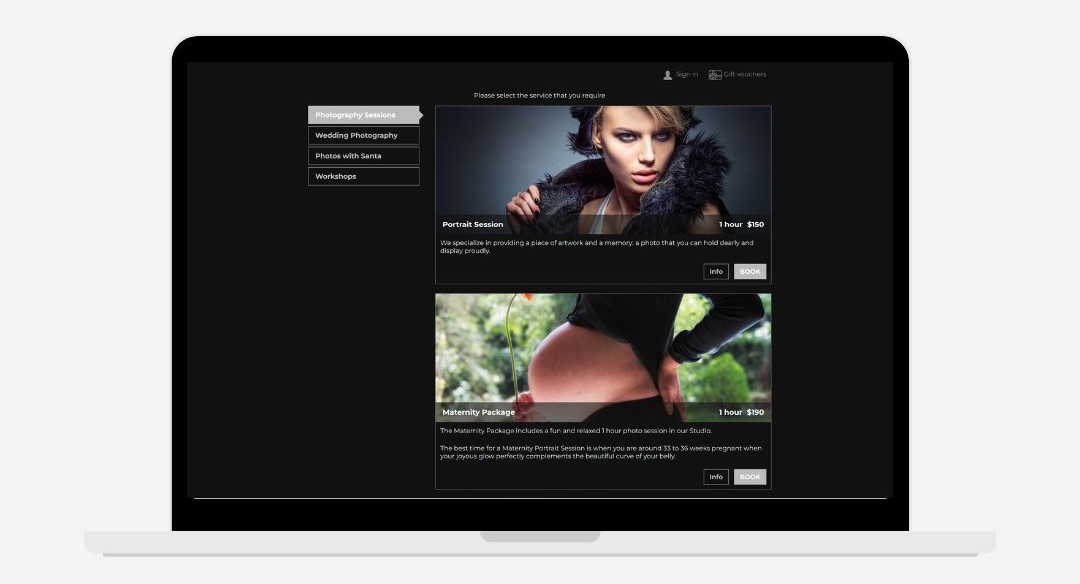
On top of that, Bookeo works smoothly with your existing calendars, like Google Calendar and Apple iCal.
How to automate client communication and reminders
Client no-shows cost you time and money. Automatic email and text reminders make these problems rare. Bookeo lets you customize messages with all the key details about upcoming photo shoots. This automation saves you about two hours per booking that you’d normally spend on admin tasks.
Online booking software proves its worth for any photography business that wants to grow without drowning in paperwork.
Conclusion
A photography business needs passion, skill, and smart planning. This piece shows you everything you need to turn your creative hobby into a money-making venture.
Your business’s success starts with finding your photography niche and ideal client. This focus helps you build specialized skills and market yourself to the right people. The proper legal setup will protect you and your clients while building your professional credibility.
Your early success depends on the right equipment choices. You should start with quality basics and grow your gear collection as your business expands. Note that great photography comes from the person behind the camera, not just expensive equipment.
Technical skills and portfolio development work together. You need to practice often, get honest feedback, and keep refining your style. Your portfolio becomes your most powerful marketing tool, so you should curate it carefully with your target clients in mind.
A solid business plan will guide your future decisions. Clear goals, defined services, and smart pricing create the foundation for steady growth. On top of that, regular marketing through social media, your website, and local networking brings in a steady stream of clients.
Bookeo’s photography scheduling software revolutionizes new photography businesses. This tool takes away booking hassles by automating schedules, handling payments, and sending client reminders. Automation saves time so you can focus on what really matters – creating beautiful images and building client relationships.
Building a photography business has its challenges, but doing this and being organized gives you a clear path forward. You should start small, stay steady, and grow as your skills and client base expand. Great photography businesses don’t appear overnight – they grow through hard work and smart decisions.
Your photography business is waiting. Take your first step today with this roadmap to turn your creative passion into a successful business.