

Tour Booking Software Features That Actually Matter
Quality tour booking software features prove surprisingly rare in an industry where all but one of these activity and tour companies use online booking systems. This gap persists even though travelers now prefer booking trips through smartphones. Mobile users generate about 60% of all online travel traffic.
Tour booking software features can substantially affect your revenue stream. Modern tour businesses thrive on powerful online booking systems. These systems help capture the expanding market of international tourist arrivals, expected to reach 1.53 billion travelers globally by 2025. Recent studies from 2024 demonstrate how quick-loading websites boost conversion rates. Multiple payment and communication options help customers complete their bookings seamlessly.
Quality tour booking software capabilities extend beyond simple reservation functions. The best tour booking platforms combine immediate availability with comprehensive analytics dashboards. These tools visualize monthly sales and booking patterns.
This piece examines the tour booking software features that deliver measurable results. Your business’s booking process, customer experience, and operational efficiency can improve through these essential capabilities.
Real-Time Availability and Inventory Sync
Real-time availability is the lifeblood of any effective tour booking software that solves a crucial industry challenge. Over half of tour and activity companies don’t use online booking systems, which leads to frequent errors and double bookings. This gap creates opportunities for businesses ready to utilize real-time inventory management.

Why real-time updates prevent overbooking
Overbooking can be devastating for a tour operator. Limited spots with multiple competing bookings create a ripple effect of problems that range from unhappy customers to operational nightmares.
A detailed booking system lets you handle your tour availability, pricing, and reservations from one platform across multiple channels. Real-time synchronization between these systems will significantly reduce the risk of double-bookings and overbookings. This becomes invaluable, especially when you have bookings coming from your website, OTAs, and local resellers.
Live availability tools put automatic updates right at everyone’s fingertips. Your team won’t need to call resellers about remaining spots. It also updates your available slots automatically whenever someone books or cancels, and these spots instantly appear on your website and distribution platforms.
How centralized inventory improves accuracy
Centralized tour management creates one source of truth for all your booking data. This unified system helps coordinate scheduling across platforms efficiently and brings several key benefits:
- Automatic manifest updates – Your team gets notifications about changes, which creates smooth business operations
- Reduced manual errors – Automation handles updates, processes bookings, and manages cancelations
- Improved operational efficiency – You can manage bookings immediately without jumping between systems

The centralization process combines data from multiple suppliers into one platform. This makes booking simpler and helps manage resources effectively. It also closes the gap between available spots and actual reservations.
Tour operators running complex travel itineraries use centralized dashboards as control rooms for each trip. These dashboards provide immediate visibility into traveler information, payments, itineraries, and reservations.
Examples of live calendar integrations
Google Calendar integration shows how real-time availability works in practice. Your bookings and customer details appear immediately in Google Calendar. The system syncs automatically, your booking page shows current availability and connects with all your calendars. Adding an event to any calendar updates your booking page right away to stop double-bookings.
Google Calendar integration does more than basic scheduling for tour businesses. It works as a staff scheduling tool that gives team members all the information they need for each booking. This setup makes it easy to manage schedules, track important dates, and handle booking changes.
Some calendar systems let you add current partners or providers to free agent accounts. Once you set up live availability, finding and managing extra resellers becomes straightforward. These integrations expand your travel agency partnerships while keeping inventory control centralized.
The bottom line: real-time availability saves countless hours and prevents headaches. The system organizes your inventory automatically, so you won’t need to cross-reference calendars to fit customers in. This feature isn’t just convenient for today’s tour operators, it’s becoming essential.
Mobile-First Booking Experience
Mobile booking has transformed the tour industry. Travelers now plan and book their experiences right from their smartphones.

Studies show that over 70% of travelers now use their mobile devices to plan trips and nearly 50% complete bookings directly from their phones. This move to mobile usage isn’t just temporary, it’s becoming the standard way to book tours and activities.
Importance of mobile optimization in 2025
Mobile optimization has evolved from an optional feature to a business essential in 2025. Recent data shows 80% of hotel website visits happen through mobile devices. This proves travelers want to plan while moving around. Mobile searches for activities jump to 54% when tourists reach their destination. This creates numerous last-minute booking possibilities.
Mobile users are more likely to complete bookings than desktop users. Numbers show 61.91% of mobile users finish reservations compared to 45.33% of desktop users. Mobile sessions last only 2 minutes and 20 seconds. Tour operators have a small window to secure these bookings.
Tour operators face both challenges and possibilities. Travelers want flawless experiences on smaller screens. Load times matter, a one-second delay can reduce conversions by 7%. This directly impacts revenue. A responsive design that fits any screen size is vital to capture mobile bookings.
- Book from anywhere: Travelers can reserve while commuting, standing in line, or exploring
- Better search rankings: Google’s mobile-first indexing rewards mobile-friendly sites
- Stand out from others: A smooth mobile booking system sets your business apart
Social media booking integrations
Social media platforms have become key booking channels for tour operators. People want to book experiences instantly while browsing Instagram, Facebook, and TikTok. Direct booking links in posts and videos create a smooth path from discovery to purchase. This matters because 72% of mobile bookings happen within 48 hours of last-minute Google searches. Travelers quickly turn interest into action.

Tour booking software with social media features helps turn casual browsers into confirmed bookings. This needs an intuitive design that puts speed and simplicity first throughout the booking process.
Mobile access for staff and customers
Modern tour booking software gives mobile tools to both customers and staff. Mobile access for team members creates major operational benefits, especially for guides in the field.
Staff can update schedules, check guest details, and get booking updates instantly. Guides can see current information on their phones instead of checking paper lists or calling the office. This improves service quality and makes operations more efficient.
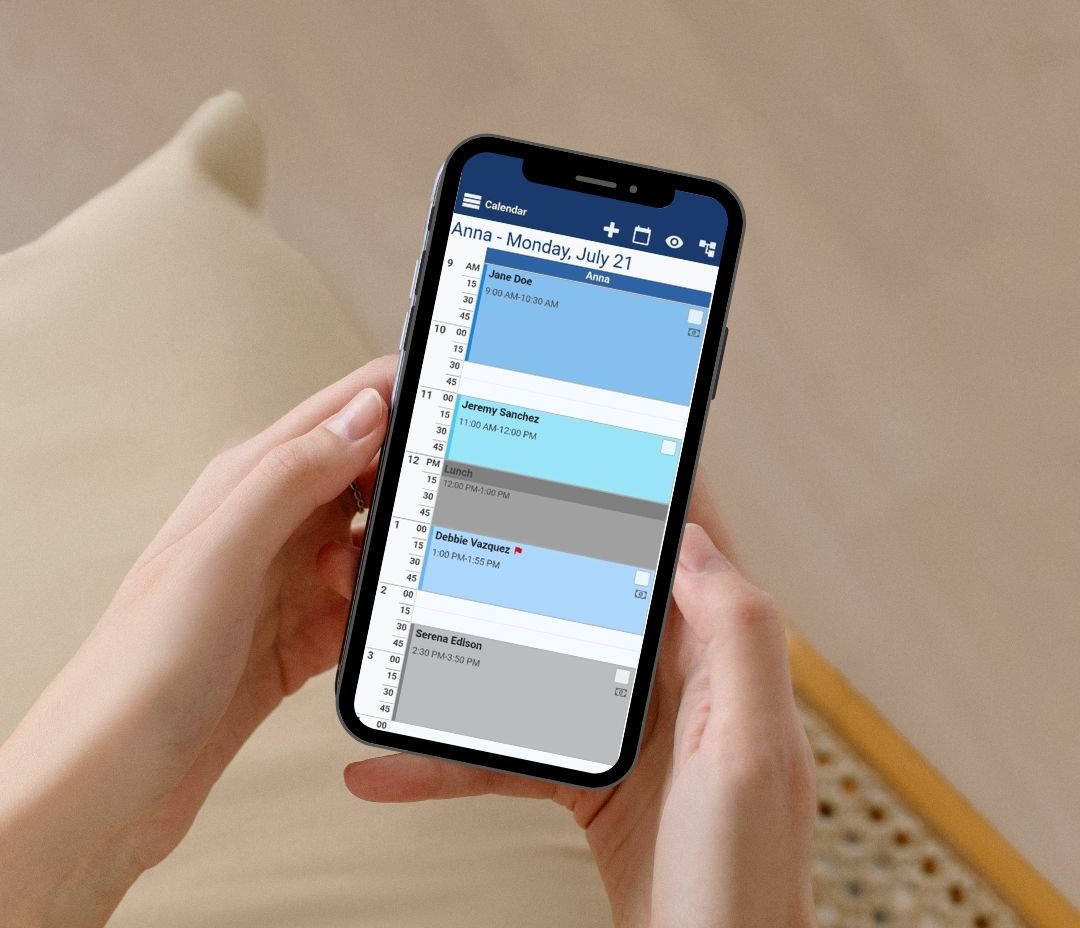
Customer mobile access provides a smooth booking experience built for small screens. Speed matters, 90% of travelers leave sites that load slowly on mobile. This convenience drives mobile usage, with 48% of tour and activity bookings happening after tourists arrive at their destination.
Flexible and Secure Payment Options
Payment flexibility is a key feature in any top-tier tour booking software. Recent data shows that 65% of revenue in the global travel and tourism market comes from online sales channels. This makes secure and diverse payment options essential for success.
Support for multiple payment gateways
The best tour booking platforms work with different payment processors to create a reliable infrastructure that prioritizes business continuity. When one gateway has problems, from cyberattacks, technical issues, or routine maintenance, another one naturally takes over. This backup system keeps money flowing without any breaks.
Tour operators get several benefits from using multiple gateways:
- Better global reach with gateways that work in different regions
- Less risk by spreading out payment processing
- Better compliance with local rules like GDPR in Europe
- Better customer experience by offering their preferred payment methods
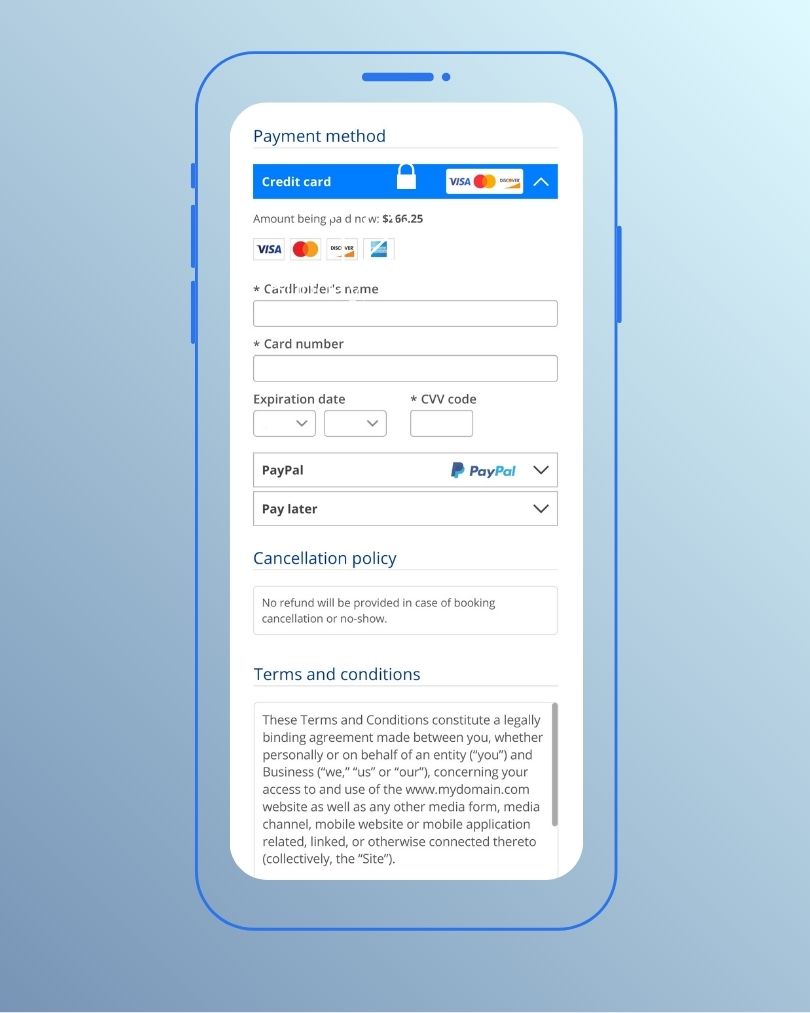
Stripe, PayPal, Square, Google, and Apple Pay are popular choices for tour businesses. Before you pick one, make sure it works in your country and supports the credit cards your target market uses. You should also look for bank-level security features like Payment Card Industry Data Security Standard (PCI DSS) compliance and built-in fraud protection.
Digital wallets are becoming more popular worldwide. By 2025, digital wallets will have become the foremost payment method globally. They made up 49% of transaction value in 2022 and should reach 54% by 2026. People love them because they’re secure with features like tokenization and biometric authentication.
Different age groups use digital wallets differently. About 68% of millennials and 70% of Gen X use them for international payments. Mobile convenience drives adoption, especially for last-minute bookings.
Modern booking software needs to work with popular wallets like Apple Pay and Google Pay. These three cover about 92% of smartphones worldwide. Travelers who use digital wallets spend more too, $44 per restaurant visit compared to $33 for traditional payment methods.
Deposit handling and refund automation
Deposit options make expensive tours more attractive because customers can book now and pay later. This feature helps during uncertain times. Travelers feel better knowing they don’t have to pay everything upfront.
An automatic deposit system lets customers save their spot with just part of the total cost. This stops potential customers from leaving your site when they find a great trip but can’t pay in full right away. Since 81% of travelers worry about cancelation risks, flexible deposits become even more important.
Refund automation has grown in importance, especially after new rules like the U.S. Department of Transportation’s automatic refund requirements. These rules say refunds must happen quickly, seven business days for credit cards and 20 calendar days for other payments, after major delays or cancelations.
Good tour booking software automates this process. It handles refunds based on preset rules and stays compliant with regulations. This saves staff time, makes customers happier, and reduces the work needed for manual refund processing.
Automated Confirmations and Notifications
Automated communication systems are essential for tour operators. Studies show they can decrease cancelations by up to 22.95%. These digital tools handle everything from original bookings to post-experience follow-ups. They create a smooth customer experience and reduce administrative workload.
Instant booking confirmations
Customers need immediate confirmation messages after making a reservation. Tour booking software automates this process. Your travelers get confirmation codes and essential details within seconds of booking.
A complete confirmation has:
- Customer details and number of participants
- Tour date, time, and meeting location
- Payment information and confirmation number
- Cancelation policy details
- Contact information for questions
This automatic response runs 24/7, so tourists can book experiences anytime. Tour operators who use instant confirmation features see much higher conversion rates than those who need manual confirmation. As one platform notes, “Tours with the ability to be instantly booked have much higher conversion rates than those that require manual confirmation”.
Pre-tour reminders and post-tour follow-ups
Your guests stay engaged through a well-timed reminder system. Most operators send notifications 24-48 hours before the tour. Some get better results with a three-touch strategy: booking confirmation, 48-hour reminder, and day-of message.

Good pre-tour reminders should:
- Confirm essential details (time, meeting location)
- Add personal touches that build excitement
- List what guests should bring
- Make it easy to ask questions
“Adding a personal touch to these text reminders and messages can enhance the overall customer experience,” notes one industry source. A culinary tour operator might send: “Can’t wait to explore the city’s tastes with you, [Name]!”.
Automated follow-ups help extend customer relationships after the tour ends.
Reducing no-shows with automation
No-shows cause major revenue losses for tour operators. Automated reminders help fix this problem. Research shows well-implemented reminder systems can slash no-shows by up to 80%.
These reminders work by addressing why no-shows happen, people forget or have scheduling conflicts. Timely reminders give customers a chance to reschedule instead of not showing up.
Using multiple communication channels helps reach more people. Email allows for detailed content, but SMS gets higher engagement rates.
Customer Profiles and CRM Tools
CRM tools are the backbone of successful tour operations. Tour booking software with CRM integration gets vital customer data that powers customized experiences and builds long-term loyalty.
Storing priorities and booking history
A complete CRM system works as a central hub for all client information. It has contact details, travel priorities, past bookings, and communication history. Your team gets instant access to everything they need to provide customized service.
The best tour booking software creates customer profiles automatically during booking. These profiles store:
- Complete booking history
- Contact information
- Activity priorities
- Special requests
- Payment methods
This information brings real benefits. The reservation staff can quickly rebook returning customers without asking for the same details again. These profiles create a single source of truth that connects reservation and operational teams.
Top-tier tour booking software captures and stores customer data automatically when travelers make bookings or reach out. Their system keeps organized contact lists in a central dashboard where tour operators can access all customer details easily. This makes operations smooth and lets you focus on creating great experiences instead of handling paperwork.
GDPR compliance and data security
The General Data Protection Regulation (GDPR) has changed how businesses handle European Union citizens’ data since 2018. This regulation affects tour operators serving European travelers, regardless of their location.
GDPR compliance needs several key practices:
You must get clear consent before collecting customer data. Standard terms and conditions are not enough; customers need to opt in through clear processes.
Strong data security measures are vital. Cybercriminals target the tourism industry more often due to its growing use of technology. Tour booking software must provide encryption and secure connections (SSL/TLS) to transmit personal information.
Customer data rights matter too. GDPR lets travelers access their information, ask for corrections, and request complete deletion from your systems. Your booking software should handle these requests quickly.
Breaking these rules can be expensive. Fines can reach €20 million or 4% of annual turnover, whichever is higher. A global hotel chain paid a $23.8 million fine after a data breach, plus legal costs and an 8.7% drop in stock value.
Trust grows when you follow GDPR rules. Customers share more information when they know you protect their privacy, which leads to better service.
Upselling, Add-ons, and Dynamic Pricing
Revenue maximization is a key feature of advanced tour booking software. Tour operators can add value to each booking through upselling features. This approach increases profits without the need to find new customers.
Offering travel insurance, meals, and gear
The best tour booking platforms let you add valuable extras at checkout automatically. Travel insurance proves highly profitable and gives travelers peace of mind during international trips or adventurous activities. Travelers often buy insurance right up until 24 hours before departure, which makes it perfect for last-minute sales.
Food experiences make another valuable upgrade option. Tour booking software should let you add meal upgrades that showcase gourmet options or local specialties. Equipment rentals save customers from bringing their own gear. Adventure tours can provide:
- Camera rentals to capture memories
- Hiking boots for outdoor trips
- Snorkeling equipment for water activities
Premium packages offer exclusive experiences at higher prices. Extra options shown during checkout raise average sales values.
Upselling encourages customers to buy premium versions of the tours they want. This could mean upgrading from simple walking tours to VIP experiences with special access. Cross-selling suggests related items like museum tickets or dining packages along with the main tour.
Both methods boost average order values by a lot while creating better customer experiences. Custom tours give complete freedom to change start dates, add activities, or upgrade accommodations based on what each person wants.
Bookeo’s tour booking software shines at handling these customization options. Its accessible interface helps tour operators set up various tours and add-ons. This gives customers the flexibility they want while creating more chances for businesses to increase revenue.
Advanced Reporting and Analytics
Smart decisions based on evidence separate successful tour operators from their competitors. Tour operators need visibility into their business performance through complete reporting tools. These tools help spot opportunities and tackle challenges before they become problems.

Tracking booking trends and revenue
Raw booking data transforms into applicable information through powerful analytics dashboards. Your tour booking software should generate detailed sales reports that show performance from all types of channels. The reports should also reveal customer data, marketing effectiveness, and resource utilization. This information becomes crucial for strategic planning.
The analysis of booking volume and daily/weekly patterns shows which days attract the most customers. This knowledge helps adjust pricing or run targeted promotions effectively.
Channel performance and ROI analysis
Business growth depends on understanding which marketing investments generate returns. Tour booking software should track performance metrics from direct website bookings to third-party resellers.
ROI analysis shows how efficiently each investment dollar works. Business travel ROI typically ranges between $10.00-$14.99 per dollar invested. Customer meetings produce the highest returns ($15.00-$19.99 per dollar), while conferences and trade shows follow ($4.00-$5.99 per dollar).
This analysis reveals which channels deserve more investment and which need adjustments. Some OTAs might generate volume but exceed your target customer acquisition costs.
Using data to improve operations
Analytics improve operational excellence beyond marketing insights. Dashboard reporting presents clear data with immediate updates on bookings and cancelations. This visibility helps manage staffing levels, resource allocation, and tour scheduling efficiently.
Conclusion
The tour industry keeps changing, and choosing booking software with features that matter affects your business growth directly. This piece shows how immediate availability helps you avoid getting pricey overbooking mistakes. Mobile-first designs are crucial since 70% of travelers now plan their trips on smartphones. Flexible payment options and automated communications reduce no-shows and administrative work by a lot.
Smart tour operators know that customer relationship management tools make experiences more personal. This can boost satisfaction rates up to 47%. You can maximize revenue from existing bookings without new customers through upselling features. Of course, evidence-based decisions from advanced reporting set successful tour businesses apart from those that struggle.
You’ll find many tour booking platforms out there, but online booking system by Bookeo stands out with its detailed feature set that tackles all these crucial areas. Bookeo’s booking software combines a user-friendly design with powerful back-end capabilities. The system manages everything from original bookings to post-tour follow-ups. It maintains strict data security and GDPR compliance, too.
The right booking technology ended up being more than just an administrative tool. It works as the engine that powers your entire operation and connects you with millions of potential customers worldwide. Your booking system might become your most valuable business asset as smartphone bookings rise and traveler expectations change.