

An Ultimate Guide to SEO for Fitness Centers
SEO has become crucial for fitness centers owners looking to expand their business in today’s digital world. Your membership numbers depend directly on your online visibility – a fact supported by striking statistics. About 88% of consumers who search locally on their smartphones visit a related store within a week. Most potential clients start their fitness trip by searching “gym near me”, “fitness centers near me” on Google. This makes search engine optimization a powerful tool to bring in new members.

SEO isn’t just another marketing tactic for fitness centers. It’s a vital business strategy that builds brand awareness and makes conversion easier. Gyms can reshape their online presence and increase foot traffic through effective SEO strategies. A properly optimized fitness website takes advantage of key consumer behaviors. The numbers tell the story: 46% of search users actively look for local businesses, while 89% check Google before making purchase decisions. Mobile devices generate 63% of all U.S. web traffic, which means your fitness center must appear where potential clients are searching.
Let’s explore everything about optimizing your fitness center’s online presence. You’ll discover practical steps to improve your rankings and attract more members through organic search. The topics range from keyword research to local SEO tactics, content creation to performance tracking.
Why SEO Matters for Fitness Centers
Your online presence can make or break your fitness center’s success in today’s competitive industry. Search Engine Optimization (SEO) isn’t just another buzzword – it helps fitness centers grow by attracting new members.
How SEO drives new memberships
Good fitness SEO helps your membership grow by connecting you with people who search for your services. Your optimized website appears at the top of search results when potential clients look for “gym membership” or “local gyms.” This increases your chances of turning browsers into members.

The numbers paint a clear picture: 89% of consumers use Google before they buy anything. Most of your potential members research online before they commit to joining. Fitness centers that use solid SEO strategies see better results – some gyms report up to 30% more leads within three months.
SEO does more than make you visible – it makes your gym an authority in the field. High Google rankings and good reviews make potential clients trust you more. They will likely visit and join your facility.
The change from walk-ins to online search
People no longer find fitness centers by walking past them. They turn to Google first before visiting any facility. This basic change in how people shop makes online visibility essential.
Here’s something to think about: 8 out of 10 U.S. customers look for local businesses online. Your digital presence creates the first impression for fitness centers – well before anyone sees your actual facility.
Mobile devices speed up this trend. 63% of all web traffic in the U.S. comes from mobile devices. People look for fitness options during their commute, lunch breaks, or whenever they feel motivated. You become invisible to these potential members if your website isn’t ready for these searches.
Key stats on local search behavior
Local SEO helps fitness centers because most people look for gyms near their home or workplace. These numbers show why it matters:
- 46% of all Google searches look for local information
- 88% of consumers who search locally on their smartphone visit a related business within a week
- 70% of gym members found their facility through local searches
- 76% of gym-goers use mobile devices to look for fitness classes
- Over 60% of local searches end in a phone call

These numbers show why local SEO should be your priority. People who search for “best gym in [city]” or “yoga classes near me” want to act – they’re ready to use your services.
The move toward online search affects your bottom line directly. SEO targets people already interested in fitness services instead of using broad traditional advertising. This makes it a budget-friendly marketing approach that pays off long-term.
Online reviews also play a big part in this process – 61% of people read gym reviews online before deciding. This makes managing your reputation a vital part of your overall SEO strategy.
Understanding the Basics of Fitness SEO
Search Engine Optimization (SEO) might sound complex, but gym owners need to know one simple thing – it helps people find your fitness center online. Let’s look at the basics to help you boost your online presence.
What is SEO for fitness centers?
SEO for fitness centers helps your gym’s website rank higher when potential members search for fitness services online. This connects you with people looking for workout options in your area.
Your gym’s ranking on search engine results pages (SERPs) brings in new leads. This happens through careful planning. Your website’s content, structure, and technical aspects need optimization to attract people searching for wellness services.
Fitness SEO differs from general SEO. It targets specific health and local service keywords. Your gym should show up when someone searches “best gym in [your city]” or “weight loss classes nearby”.
How search engines rank fitness websites
Google and other search engines use complex algorithms to decide which fitness websites deserve top spots. These algorithms look at several factors to rank your gym’s website:
- Relevance of keywords – Google looks at how you use fitness-related keywords on your site. Natural usage matters more than frequency.
- Website organization – A well-structured website that offers great user experience ranks better. Clear sections help search engines understand your content.
- Technical performance – Your site must load quickly and work well on phones since 63% of web traffic comes from mobile devices.
- Backlinks quality – Links from trusted websites to your gym’s site build credibility with search engines.
- Local signals – Your Google Business Profile, contact details, and customer reviews play a big role in local rankings.

Search engines reward websites that offer value and great user experiences. Your gym’s website should load fast, be easy to use, and share useful details about your classes, trainers, and facilities.
Common SEO terms explained
Here’s a simple guide to SEO terms you’ll often hear:
Keywords – Words and phrases people type when looking for fitness information, like “gym near me,” “fitness classes,” or “personal trainer in [city]”.
On-page SEO – Everything you optimize on your website: content, keywords, headers, title tags, meta descriptions, and images.
Off-page SEO – Things outside your website that boost rankings, mainly links from other trusted websites.
Local SEO – Tactics to show up in local searches and Google Maps – vital for physical fitness centers.
NAP consistency – Your gym’s Name, Address, and Phone number should match across all online listings.
Google Business Profile – A free tool to manage your fitness center’s information on Google Maps and local searches.
Backlinks – Other websites linking to your fitness center’s site, which search engines see as trust signals.
These basics will help you start your fitness SEO journey or work better with marketing professionals who promote your gym online.
Building a Strong Keyword Strategy
Keywords are the foundations of any soaring win in fitness SEO campaigns. The best-designed website won’t attract potential members without targeting the right terms. A strong keyword strategy helps your fitness center connect with people who actively search for your services.
How to find the right keywords
Keyword research helps you learn about terms people type while searching for fitness information online. The sort of thing I love is putting yourself in your customer’s shoes, what would they type into Google when looking for a gym or fitness center?

Start by brainstorming seed keywords related to your core services. These might include:
- General terms like “gym,” “fitness center,” “workout”
- Service-specific keywords such as “personal training,” “group fitness classes,” “yoga sessions”
- Benefit-focused terms like “weight loss gym,” “build muscle fast,” or “get fit for summer”
Your next step is to analyze what high-performing fitness businesses in your area rank for. This competitive research shows gaps and opportunities in your keyword strategy.
These factors help prioritize keywords:
- Relevance to your business offerings
- Search volume (popularity)
- Competition level (difficulty to rank)
- User intent (what searchers actually want)
Note that the best keywords aren’t always the most searched ones, they’re the ones your specific audience uses that you can realistically compete for.
Using long-tail and local keywords
Short-tail keywords are brief, general terms like “gym” or “fitness”. These terms generate high search volume but face tough competition and often convert nowhere near as well because they don’t target specific needs.
Long-tail keywords contain three or more words and target specific needs with clear intent, phrases like “postpartum core strength trainer in Portland”. These terms:
- Have lower search volume but higher conversion rates
- Face less competition, making them easier to rank for
- Connect you with people looking for exactly what you offer
Location-based keywords are a great way to get value for fitness centers. These geo-modified terms target people searching in specific areas, “yoga studio in Nashville” or “Denver boxing gym”.
Large city businesses should target both the wider location and specific neighborhoods. A New York City fitness studio should target both “boxing gym in New York City” and “boxing gym in SoHo”.
Beyond location, think about keywords that highlight:
- Special features: “gym with childcare near me” (20,000 monthly searches)
- Price considerations: “affordable gyms” (40,000 monthly searches)
- Business model: “24-hour gym” (50,000 monthly searches)
Tools for keyword research
Several tools help uncover valuable fitness keywords:
Google Keyword Planner comes free with a Google Ads account and gives data on search volume, suggested bids, and competition levels specific to your location. You can see how search trends evolve throughout the year and identify seasonal fitness interests.
SEMrush shows detailed competitor analysis, revealing exactly which keywords other fitness businesses rank for. Its keyword gap analysis helps identify opportunities your competitors missed.
Ahrefs Keywords Explorer delivers detailed data on keyword difficulty, click metrics, and analytical insights about top-ranking pages. The tool analyzes data from multiple search engines, not just Google.
Google Trends shows keyword popularity changes over time, perfect to identify seasonal fitness trends and keep your content relevant year-round.
Budget-conscious businesses can use tools like Ubersuggest or KeywordTool.io to find long-tail keywords with lower competition levels.
The right mix of these tools helps build a keyword strategy that connects your fitness center with potential members who actively search for your services.
Optimizing Your Fitness Website for Search Engines
Your next step after finalizing your keyword strategy is to optimize your fitness website’s key elements. These technical tweaks can make a big difference in how search engines see and rank your site.
Title tags and meta descriptions
Title tags are maybe the most important on-page SEO elements. They show users and search engines what your page covers and appear as clickable headlines in search results. Your fitness center’s title tags should be 50-60 characters long and follow this structure: [Primary Keyword] – [Secondary Keyword] | [Business Name].
“Fitness Center – Phoenix | Ironworks Gym” works better than a simple “Gym Services”.
Meta descriptions affect click-through rates by giving readers a preview of your content, though they don’t directly impact rankings. The best meta descriptions for fitness websites:
- Stay under 160 characters
- Include target keywords naturally
- Feature compelling calls-to-action like “Sign up today for only $5.00!”
These elements create your digital storefront and first impression in search results.
Header structure and keyword placement
Headers help organize content and signal importance to search engines. Your H1 heading matters most, it should:
- Be limited to one per page
- Include your main keyword
- Stay under 65 characters
Lower-level headings (H4, H5) need a logical structure. A personal training page might use “Expert Personal Training in [City]” as the H1, with H4s that detail specific services.
Place your target keyword in the opening sentences and scatter secondary keywords throughout your content. Remember to write for humans first and search engines second – readability beats keyword density.
Image optimization and alt text
Visual content attracts people, which makes image optimization crucial for fitness websites. Quality photos of your facility, equipment, and active classes help attract potential members.
Name your files descriptively – use “yoga-class-room.jpg” instead of “IMG_1234.jpg”. Compress your images to speed up page loading without losing quality. This matters even more since 63% of web traffic comes from mobile devices.
Alt text helps search engines understand your images and makes your site available to visually impaired users. Good alt text:
- Describes the image clearly
- Incorporates relevant keywords naturally
- Stays under 125 characters
“State-of-the-art cardio equipment at [Your Gym Name] in [City]” works better than just “gym equipment”.
Internal linking best practices
Internal links connect your website’s pages and help users and search engines direct through your content. They serve three key purposes:
- Distributing page authority throughout your site
- Establishing content relationships
- Improving user navigation
Your fitness center needs a logical internal linking structure by:
- Linking your homepage to key service pages through navigation menus
- Connecting topically related content (like different class descriptions)
- Linking parent pages to child pages and vice versa
A blog post about spinning benefits could link to your class schedule or member success stories to create a smooth user experience.
Keep internal linking reasonable – users should find any page within a few clicks. On top of that, it helps to use descriptive anchor text with relevant keywords instead of generic “click here” phrases.
Regular checks of your internal links keep your site structure healthy and prevent broken links that frustrate users and hurt rankings.
Mastering Local SEO for Fitness Centers
Fitness centers get their most valuable traffic from local searches. Most people won’t travel far from their homes or workplaces to work out.
Setting up your Google Business Profile
Your local visibility needs a claimed Google Business Profile (formerly Google My Business). This free tool can transform how your business shows up in Google Maps and local search results. Here’s what you need to do:
- Fill out every section completely – including name, address, phone number, website URL, and operating hours
- Select relevant primary categories like “Gym,” “Fitness Center,” or “Personal Trainer”
- Upload professional photos of your facility, equipment, classes, and trainers
- Create posts about special promotions, events, or fitness tips
- Answer frequently asked questions before they’re asked

A well-optimized Google Business Profile becomes your digital storefront and creates the first impression potential members get of your gym.
NAP consistency across platforms
Your Name, Address, and Phone number (NAP) should match exactly on all online platforms. Small differences can confuse search engines and make it hard for potential clients to find you. Your rankings might drop as a result.
Make sure your business details stay the same on your:
- Website (especially the contact page)
- Social media profiles
- Google Business Profile
- Online directories
- Review sites
Tools like Moz Local help fitness centers spot and fix these inconsistencies automatically across multiple platforms.
Getting listed in local directories
Your fitness center needs listings beyond Google, Yelp, and Bing Places. Local business directories create valuable citations that help your local search rankings.
Your Chamber of Commerce membership, local business groups, and fitness-specific directories can help. You should also add your business to general directories like Foursquare and health-specific platforms.
Search engines see each directory listing as a vote of confidence, which helps local people find your gym more easily.
Encouraging and managing reviews
Reviews can make or break your search rankings and influence potential members. Close to 50% of consumers trust online reviews as much as recommendations from friends and family.

You need a solid plan to gather reviews:
- Ask happy members right after good experiences
- Send follow-up emails asking for feedback
- Put QR codes around your facility that link to review profiles
- Give small rewards, like branded water bottle,s for honest feedback
Getting reviews starts the process. Quick responses to all feedback show you care about member satisfaction. Potential clients notice this engagement, and search engines pick up on your business’s activity level too.
Creating Content That Attracts and Converts
Quality content creation ranks among the most profitable marketing investments for fitness centers. Your content attracts new members and keeps existing ones engaged. This helps you build a loyal community around your brand.
Blog topics that drive traffic
The right blog content can establish your fitness center’s authority and attract organic traffic. Fitness enthusiasts spend time researching online before they commit to a gym membership. These blog topics have proven most successful:
- Weight loss guidance – This topic never loses popularity, with the weight loss industry valued at USD 224.27 billion in 2021
- Workout routines – From HIIT workouts to strength training guides
- Nutrition advice – Simple meal plans and healthy recipes
- Fitness myths vs. facts – Educational content that clears misconceptions
Local content works exceptionally well for fitness centers. Articles like “Best Post-Workout Smoothies Around [Your City]” connect with locals who search for nearby options.

Using video and tutorials
Video has emerged as the leading content format for fitness businesses. Video has become the #1 driver of new customers, according to marketers. Fitness centers should focus on:
Short-form videos – Quick, valuable clips work great on social media and get 1,200% more shares than text and image posts combined.
Workout demonstrations – Quick exercise tutorials that people can save for later use.
Behind-the-scenes content – Your gym’s daily life makes great content, from morning routines to client sessions.
Client success stories as SEO assets
Success stories serve as powerful social proof and boost your SEO. People connect better with transformation stories that show your methods work.
Physical and emotional transformations matter – “I finally feel strong again” often appeals more than weight loss numbers. Adding specific metrics and timeframes makes success stories more convincing: “In just 12 weeks of strength training, I lost 15 pounds”.
Ask clients to share their experience right after they hit a milestone. Guide them with questions about challenges they overcame and goals they achieved.
Content for different fitness niches
Your content should speak to specific fitness niches to connect with target audiences. You can create specialized content for:
Demographics – Content that addresses age-specific fitness concerns or goals
Specialized training – Information about yoga, strength training, or martial arts that shows your expertise
Seasonal interests – Fitness content linked to upcoming seasons, events, or holidays

Start by identifying your audience’s specific needs. Then create content that tackles their challenges head-on. This targeted approach gets better engagement than generic fitness content. People looking for specialized services often pay premium prices for solutions that address their specific needs.
Boosting Authority with Backlinks
Backlinks serve as digital votes of confidence that boost your fitness center’s website. These inbound links from other websites signal search engines about your content’s trustworthiness and help improve your rankings.
Guest posting on fitness blogs
Your gym can benefit from writing articles for other fitness industry websites while including a link back to your site. This approach helps you reach new audiences and build valuable backlinks. Here’s how to begin:
- Research fitness blogs that accept guest contributions
- Pitch unique article ideas relevant to their audience
- Create high-quality content that showcases your expertise
- Include a natural link back to your website
Research shows 73% of digital marketers write guest blog posts to build backlinks. Topics that resonate include workout tips, nutrition advice, and fitness trends, areas where gym owners excel naturally.
Partnering with local businesses
Mutually beneficial alliances with complementary local businesses create valuable linking opportunities. You could team up with:
- Nutritionists and health food stores
- Physical therapists and chiropractors
- Athletic wear retailers
- Massage therapists
- Juice bars or healthy cafés

These partnerships range from co-hosted fitness events to “wellness bundles” with shared services. Beyond generating backlinks, such collaborations introduce your gym to new health-conscious audiences.
Using directories and citations
Your fitness center’s presence in relevant directories creates citations that boost your local SEO. Start with your Google Business Profile and expand to:
- General business directories like Foursquare
- Fitness-specific directories such as FitLink
- Local business associations and the Chamber of Commerce
- Regional websites and community blogs
Citations on trusted sites help search engines understand and rank your gym better. The most valuable signals come from directories related to fitness and sports services.
Avoiding spammy link practices
Quality trumps quantity in backlink building. Stay away from these risky tactics:
- Private blog networks (PBNs)
- Link farms or cheap directory submissions
- Buying links from low-quality sites
- Excessive reciprocal linking
Google might penalize or remove your site from search results if it detects these manipulative practices. The data shows 12.1% of SEO professionals highlight PBNs as a major concern.
Build authority through valuable content, genuine relationships, and authentic outreach. A single link from a prominent fitness website carries more weight than multiple links from irrelevant or low-quality sources.
Tracking SEO Performance and Making Improvements
You can’t improve what you don’t measure. The right tracking shows what works in your fitness SEO efforts and helps focus your resources on strategies that get results.
Using Google Analytics and Search Console
Think of Google Analytics as your gym’s digital fitness tracker that monitors website traffic, user behavior, and conversions. Install it on every page of your fitness center’s website to get complete data. Google Search Console serves as your technical coach and shows how your site performs in Google searches, which keywords bring traffic, and spots potential problems.
These free tools are must-haves for any fitness business that takes SEO seriously. They work together to show the complete picture of how users find and interact with your website.
Key SEO metrics to monitor
Your fitness SEO performance needs monthly tracking of these core metrics:
- Organic traffic – Number of visitors from search engines
- Keyword rankings – Your position in search results for target terms
- Click-through rate – Percentage of searchers who click your listing
- Bounce rate – Percentage of visitors who leave right away
- Conversion rate – Percentage of visitors who take desired actions

Local fitness centers should also keep an eye on their Google Business Profile insights, including search views, map views, and actions taken. Watch “discovery searches” closely – these show people who find you while browsing options rather than searching directly for your gym name.
How to adjust based on data
Set clear SEO goals that tie to business objectives: “Increase organic traffic by 25% in six months” or “Rank in the top three for five target keywords.” Breaking large goals into monthly milestones helps maintain momentum.
Look at your performance each month. The strategies that work deserve more attention. Tactics that don’t deliver need adjusting. To cite an instance, a traffic surge on your ‘Yoga Classes’ page might suggest creating more yoga-related content.
Work out the ROI on your local marketing efforts to make the best use of your budget. Your specific fitness niche will likely respond better to certain marketing methods.
Note that SEO results build up over time – watch the trends rather than daily changes.
How Online Booking Software Supports SEO
Online booking software manages appointments and plays a vital role in fitness SEO performance. Your gym’s website can rank better in search results when you add digital scheduling features.
Improved user experience and lower bounce rates
Efficient booking keeps visitors on your site longer. Google looks at bounce rate as a key SEO metric when ranking sites. Members can book classes with just a few clicks using modern booking systems. This smooth experience shows search engines that your site offers quality content.

Pages that load quickly boost your site’s performance score. A score above 90 helps your fitness center rank better than competitors. Platforms like Wix or Squarespace usually score below 50.
Faster conversions and better engagement
Simple booking paths help turn website visitors into paying members. Mobile-friendly booking systems catch potential members whenever they feel motivated – 63% of bookings happen on mobile devices.
Why Bookeo is the best option for fitness centers
Bookeo’s fitness scheduling software helps fitness centers with their SEO needs. You can customize booking pages to match your brand’s style and colors. This consistent look builds trust and keeps users interested.
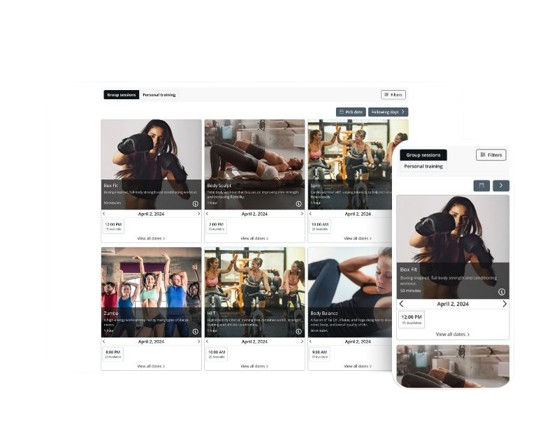
The online booking system fits right into your website without pop-ups that slow things down. Bookeo also helps you track class popularity and attendance. These analytical insights help with business choices and content planning, which makes your SEO stronger.
Conclusion
SEO helps gym owners grow their membership base and strengthen their market position. This piece explores how proper search engine optimization connects your facility with people who actively search for fitness options.
People’s way of finding fitness centers has changed in the digital world. Search has replaced random walk-ins – 88% of consumers who search on smartphones visit related businesses within a week. Your online visibility now serves as a direct pipeline to new memberships.
Smart keyword research builds your foundation. Long-tail phrases like “affordable personal training in [city name]” work better than competing for impossible terms like “gym.” These targeted keywords attract quality traffic that’s more likely to convert.
Website optimization impacts both search engines and human visitors. Clear title tags, proper headers, optimized images, and thoughtful internal linking create pathways that help Google and potential members find their way through your digital presence.
Local SEO tactics need your attention. Your Google Business Profile, consistent NAP information, and strategic directory listings help you show up when nearby fitness seekers search. On top of that, client reviews serve as social proof while boosting your local rankings.
Content creation delivers more than SEO benefits. Helpful blogs, engaging videos, and authentic success stories establish your gym’s authority while attracting organic traffic. This content works 24/7 to bring new members through your doors.
Backlinks from reputable sources show your credibility to search engines. Guest posting, local business collaborations, and quality citations build your domain authority without using risky tactics that could hurt your rankings.
Performance tracking helps you refine your approach based on real data. Google Analytics and Search Console teach you what works and what needs adjustment. These tools help direct your marketing budget toward strategies that deliver actual results.
Bookeo’s online booking software add practical functionality while supporting your SEO efforts. Fast-loading, mobile-friendly booking pages enhance user experience and reduce bounce rates. They also make it easier for interested visitors to become members.
SEO for fitness centers succeeds best as an ongoing process rather than a one-time project. Start with fundamentals, measure your results, and grow your digital footprint gradually. Fitness centers that adopt these strategies now will outpace competitors who still rely solely on traditional marketing methods.