
How to Grow Your Cooking Classes: A Chef-Proven Guide to Full Bookings
You might be surprised to learn that cooking classes are booming – growing at a compound annual rate of 18.9% and will be worth more than 2,300 million USD worldwide by the end of 2029?
The perfect time to expand your cooking classes is now. Students are eager to learn, but you’ll need smart strategies to stand out among competitors.
Marketing cooking classes has become crucial today. Customer reviews can make or break your business – 93% of customers say other users’ feedback affects their buying decisions. Nearly half of all consumers trust online reviews as much as personal recommendations.
Digital platforms now dominate the cooking class marketing scene. Social media influences 71% of purchasing decisions, while smartphones generate 57% of all website traffic. Businesses that blog regularly see up to 55% more traffic than their competitors.
This piece outlines proven methods to fill your cooking classes. You’ll learn to define your unique identity and create experiences that keep students returning. We’ll show you how to utilize online platforms and partner with influencers who inspire 61% more consumer confidence than brand-created content. Plus, you’ll discover ways to build a thriving community of cooking enthusiasts.
Ready to reshape your culinary teaching business? Let’s get cooking!
Define Your Class Identity
Creating a clear identity for your cooking classes builds the foundation for growth and success. You need to define who you are as a culinary educator before planning menus or booking venues.
Choose your niche and audience
Your first step toward building a successful cooking class business starts with finding your specific cooking niche. You might want to focus on a particular cuisine, dietary preference, or skill level that matches your expertise. To name just one example, see specialties like advanced knife skills, quick meals for busy professionals, or the intricacies of French pastry.
The design of your class should reflect your target audience. These factors will help define your ideal students:
- Age groups and skill levels (beginners vs. advanced)
- Dietary priorities (vegetarian, vegan, gluten-free)
- Cultural backgrounds and interests
- Income levels and lifestyle factors
- Professional goals (hobbyists vs. aspiring chefs)
You might feel passionate about a particular cooking style, but make sure there’s market demand. As one expert puts it, “Finding a niche you’re passionate about is vital, but there needs to be a demand for it”. You can identify what potential students want to learn through surveys, keyword research, and competitor analysis.
Line up your class with your cooking style
Your culinary identity sits at the heart of your cooking class appeal. You can define yourself as a chef by identifying your culinary philosophy – whether you support farm-to-table, love molecular gastronomy, or specialize in fusion cuisine.
A clear understanding of this identity helps create a cohesive brand message. Your class menu should reflect this culinary identity while staying approachable for home cooks. Your curriculum should feature recipes that showcase your expertise yet remain teachable and achievable.
Note that authenticity appeals to students. You don’t need to be a Michelin-starred chef to share your passion effectively. A relatable home cook with specialized knowledge often creates stronger connections with students.
Set clear learning outcomes
Every successful cooking class needs well-defined learning outcomes – statements that show what students will know or can do after completing your class. Students should be able to assess and observe these outcomes.
This simple formula helps create effective learning outcomes:
- Begin with a stem: “Upon completion of this cooking class, students will be able to…”
- Add an active verb describing observable activity: “demonstrate,” “prepare,” “identify”
- Include the object of that verb: specific cooking skills or knowledge
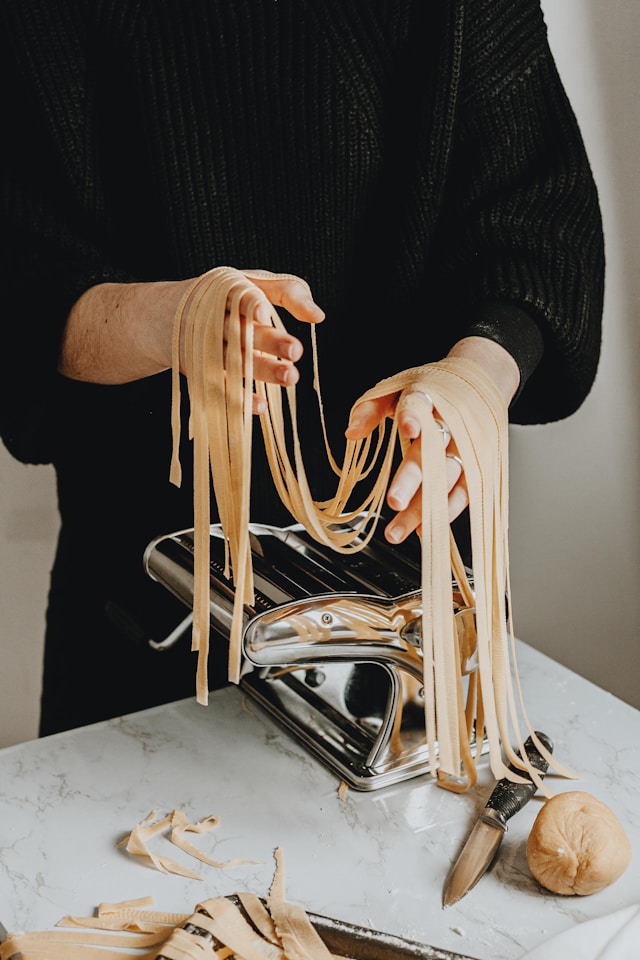
To cite an instance: “Upon completion of this pasta-making class, students will demonstrate how to prepare fresh pasta dough from scratch and shape three classic pasta forms.”
On top of that, structured objectives give your class purpose and guide content delivery. Make sure all steps and techniques focus on mastering that dish if your goal is teaching students a specific recipe.
Note that your class identity should evolve based on feedback and market trends. Starting with a clear definition of your niche, cooking style, and learning goals creates the structural framework that will help your cooking classes grow into a thriving business.
Design a Memorable Class Experience
Students remember great cooking classes long after they leave your kitchen. This matters a lot for growing your business. The perfect blend of visual instruction, hands-on practice, and a supportive atmosphere turns newcomers into loyal customers who tell their friends about your classes.
Use step-by-step visuals and demos
Visual demonstrations substantially improve learning outcomes for cooking class participants. Students retain information better when they see techniques performed before trying them. Simple, detailed pictures help most cooking students, even non-readers can follow directions without verbal prompts when visuals are clear.

These approaches work well for visual instruction:
- Show a demonstration video before students attempt a recipe
- Use step-by-step photos with brief descriptions for each technique
- Let students pause and discuss each step as needed
- Create your own visual recipe guides with photographs of the process
- Provide both visual and written instructions for a variety of learning styles
Many cooking instructors find success with brief video demonstrations of techniques. They pause to discuss each step, which prepares students well for hands-on practice. This method works best, especially when you have complex techniques or unfamiliar cooking methods.
Incorporate hands-on activities
Direct involvement in preparing food brings better improvement in cooking behaviors, attitudes, and beliefs compared to demonstration-based instruction alone. Hands-on learning activates multiple learning pathways. This gives information a better chance to stick in memory for useful retrieval.
Research shows that students who actively participate in cooking classes:
- Remember material better
- Experience a sense of accomplishment
- Transfer skills more easily to other cooking situations
- Stay on-task more consistently, especially those with language barriers or learning differences
Structure your class to maximize hands-on time. After showing techniques, give students plenty of time to practice while you guide them. Students should perform key skills themselves, grating cheese using a box grater, practicing safe knife handling, or learning microwave safety techniques.
Online cooking classes work best when you provide ingredient kits that students can pick up beforehand. This lets them replicate the cooking demonstration at home with proper tools and ingredients.
Create a welcoming environment
Your cooking class’s atmosphere directly affects student engagement and retention. Modern cooking instruction has moved away from the authoritarian “Yes, Chef” mentality toward a more available, supportive approach.
These elements help create a positive learning space:
First, keep your class engaged through varied activities. Give instructions, show demonstrations, share stories about recipe origins, and most importantly, put students to work in the kitchen.
Second, involve everyone equally. Make sure each participant gets a turn with limited tools, like specialty knives or equipment. This inclusive approach helps students of all backgrounds feel welcome.
Third, anxiety can make learning new skills challenging. A non-judgmental atmosphere where mistakes become learning opportunities helps students relax and enjoy the experience.
Pick a space with an open layout where all participants can see the instructor clearly. Each station needs enough room for movement, storage of ingredients and tools, and personal comfort.
It’s worth mentioning that empathy matters when designing your classes. New students might find professional cooking techniques unfamiliar. An approachable, supportive teaching style guides you toward better outcomes and reduces frustration for everyone involved.
Use Student Feedback to Improve
Student feedback is essential to grow your cooking classes. Your students’ opinions about your sessions can help turn average classes into amazing culinary experiences.
Collect feedback after every session
Students give their most honest responses right after each cooking class. You need a well-planned system to get feedback through several channels:
- Post-class surveys asking about ingredients, techniques, and overall satisfaction
- Comment cards for quick reactions
- Email questionnaires sent within 24 hours after class
- Social media polls to reach more people

Studies show that students point out more positive aspects of their experience if you wait a bit between the class and asking for feedback. You should send your detailed survey a day after the session instead of right at the end.
Your questions should focus on key parts of the class:
- How did you hear about our cooking class?
- What did you enjoy most about today’s session?
- Which techniques or recipes would you like to learn next?
- Were the instructions clear and easy to follow?
- Would you recommend this class to others?
Spot trends and adjust your content
After collecting feedback from several classes, look for common patterns. Pay attention to:
- Techniques students find hard to master
- Recipes that students love
- Common suggestions to make things better
- Recurring logistical problems
Reading online reviews helps you learn about what makes customers return and what doesn’t work. Even harsh criticism can teach you something about your teaching style or class structure.
Make specific improvements based on these patterns. If students often say they need more practice with knife skills, you could add a short knife skills session before the main class. If they want recipes to take home, create branded recipe cards as handouts.
Keep track of feedback responses to see if things improve. This long-term view shows if your changes work. Better ratings for “clear instructions” after adding step-by-step visual guides tell you you’re on the right path.
Showcase student success stories
Student achievements build credibility fast. Former students who use your techniques at home or professionally become your best promoters.
Get these success stories through:
- Follow-up emails asking how students use their new skills
- Social media hashtags for students to share their creations
- Special events where past students show their progress
A graduate from culinary school shares: “My time at cooking school began some of my fondest memories and was the foundations for some of my best culinary accomplishments. I learned not only the correct preparation of food but the ART of Cooking”.
Add these testimonials to your website and marketing materials. Short video interviews with successful students prove your teaching works better than any ad copy. New students trust real stories from past participants.
Student showcases work two ways – they celebrate achievements and inspire current students. Alumni events where former students share their knowledge create an ongoing learning community.
Offer a Variety of Class Types
Your student base grows when you vary the range of cooking classes you offer. Different class formats help you reach new audiences and get more bookings.
Beginner vs. advanced sessions
Students come to your kitchen with different skill levels. Classes that cater to various expertise levels make everyone feel welcome. You might lose beginners who feel overwhelmed or advanced learners who find classes too simple without this range.
For beginners, focus on:
- Simple knife skills and safety basics
- Easy cooking methods and ingredient prep
- Approachable recipes with clear techniques
A popular cooking school runs a 10-week after-school course for young chefs (ages 7-13) that builds essential cooking skills through hands-on lessons. This well-laid-out approach works great for newcomers of any age.
Advanced students need classes that showcase detailed and technical recipes. These students want to polish specific skills or learn complex dishes. An instructor points out that their advanced culinary program for teens explores sophisticated techniques and professional-level insights.
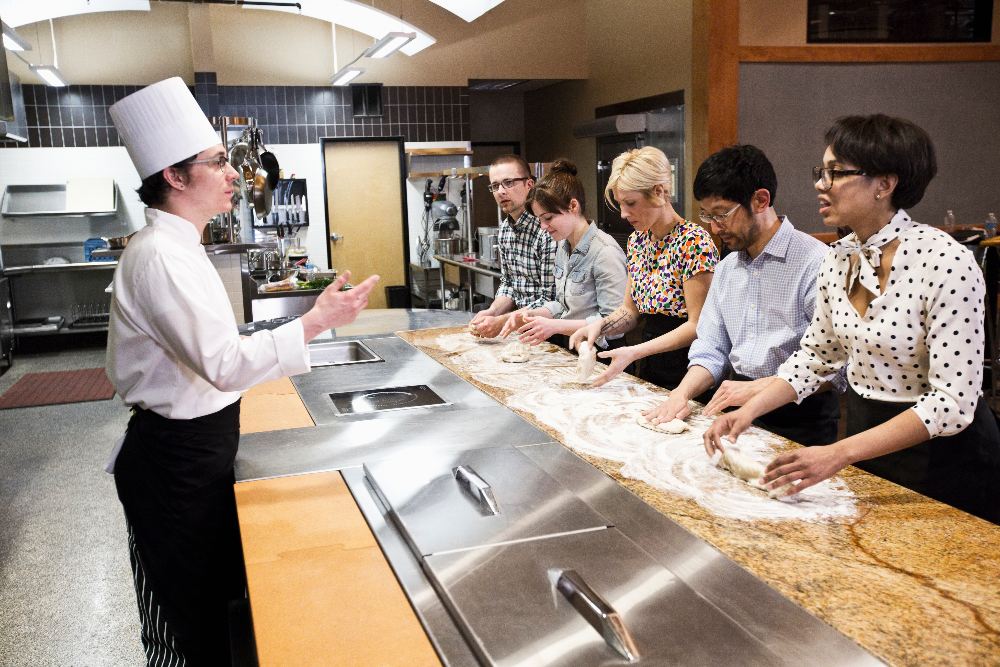
The skill level gap creates a chance for growth. Students who enjoy your beginner classes often return for advanced offerings. This natural progression keeps them coming back.
Seasonal and themed classes
Themed cooking classes spark fresh inspiration year-round. They connect with seasonal interests and cultural moments that draw students naturally.
Popular themed class options include:
- Holiday feasts and special occasions
- International cuisine explorations
- Farm-to-table cooking with seasonal ingredients
- Specialized techniques (cheese making, sourdough baking)
A cooking venue runs themes like “Around the World in Eight Dishes,” “Farm-to-Table Freshness,” and “Secrets of Sourdough”. Chef Kelly brings her global cooking experiences to classes, drawing from her travels studying cooking throughout Asia, North America, Europe, and more.
Seasonal workshops that target specific interests attract dedicated audiences. Students pay premium prices for specialized instruction in holiday cooking or regional cuisines. These classes often become yearly traditions that students look forward to booking.
Virtual and in-person options
The current cooking class world needs both physical and digital presence. Having both formats helps you reach more students.
Virtual classes break down location barriers. A cooking school caps their online classes at 13 participants to keep an intimate experience. Students get ingredient lists and equipment needs ahead of time so they can join fully from their kitchens.
In-person classes create direct connections. Many cooking schools keep physical classes small, some with just 6 participants. This setup allows personal attention and creates the social atmosphere students love.

Many successful cooking schools offer both options. Sur La Table holds in-store cooking classes in kitchens designed for teaching. They also host live online sessions where students can ask questions throughout the class.
Your cooking class variety creates multiple ways for new students to join and exciting paths for returning ones. Each class type becomes its own marketing channel that attracts different audiences to your culinary expertise.
Promote Your Cooking Classes Online
Social media platforms pack a punch in promoting cooking classes. 71% of people say social media shapes their buying choices**. This number jumps to 85% among younger generations. A solid online presence can transform casual browsers into eager students.
How to market cooking classes on social media
Facebook, Instagram, and TikTok shine as top platforms to promote cooking classes. Each platform plays a unique role in your marketing strategy:
- Instagram attracts photo enthusiasts of all ages
- TikTok connects with younger audiences through quick, dynamic videos
- Facebook provides broad reach and precise targeting options
Your social media calendar should include content that educates and sparks inspiration. Tools like Canva help create stunning graphics for classes and free resources. Each post should end with a clear path to your booking page.
Influencer partnerships can supercharge your reach. Studies show 61% of consumers trust influencer recommendations**, while only 38% trust brand content. Micro-influencers with smaller but dedicated followings might be your best bet, they generate up to 60% more engagement than bigger names.

Use short videos and behind-the-scenes content
Quick tutorial videos showing cooking techniques grab attention. Simple recipe demos often draw significant interest. Your content should spotlight:
- Quick recipe tutorials
- Cooking technique demonstrations
- Kitchen tips and time-saving hacks
Behind-the-scenes content lets future students peek into your class experience. A cooking class owner puts it beautifully: “As soon as you walk through the door at Culinary Works, your stresses melt away and you’re transported to a world of mouthwatering aromas and flavors”. Show this magic through:
- Chef instructors’ prep work
- Students learning and having fun
- Kitchen’s atmosphere and setup
- Detailed shots of techniques and ingredients
This approach builds trust and excitement that makes viewers feel like part of your community. Videos should stay brief but informative, highlighting specific techniques or ingredients instead of complete recipes.
Encourage user-generated content
User-generated content (UGC) works like digital word-of-mouth marketing. Students who share their experiences online create authentic promotions that new customers trust more than traditional ads.
Students can share their experiences through:
- A unique class hashtag
- Rewards for posting about the class
- Content resharing (with permission)
- Success story features
Resharing student content strengthens your community and boosts loyalty. New customers gain confidence in signing up after seeing others enjoy your classes.
Social media works best as a showcase for your brand’s personality rather than a pure sales tool. Share content that highlights your teaching style and expertise to attract students who align with your approach.
Partner with Influencers and Local Brands
Mutually beneficial alliances with food influencers and local brands help fill cooking classes fast. According to research, 61% of consumers trust recommendations from influencers, versus just 38% who trust content created by brands themselves.
Work together with food bloggers and chefs
Food blogger partnerships create better content when content creators join forces. The end result often becomes a big deal as it means that what each creator could achieve alone, similar to mixing complementary ingredients.

Your search for potential partners should focus on:
- Matching audience demographics and interests
- Complementary skills and knowledge
- Goals and values that line up
- Clear communication channels
These partnership-building steps will help you start:
- Research bloggers in your cooking niche
- Connect through thoughtful comments on their content
- Share their work on your platforms
- Join food-focused online communities
- Present specific partnership ideas
A practical approach targets micro and nano-influencers who match your brand’s values. One expert notes, “Most of the time, people making products don’t have a clue about how to sell it on social media. We need each other”.
Create co-branded events or giveaways
Cross-promotions with complementary brands expand your reach and customer base. Specialty food producers, kitchen equipment suppliers, or local restaurants make excellent partners to create joint experiences.
Co-branded cooking events bring fresh views. To cite an instance, a cooking school partnered with MAKER, a women-owned canned wine brand, to create a virtual tasting and cooking class for their wine club members.
Giveaways and contests shine with influencer partnerships. An influencer could invite their followers to your classes, with a special discount as an incentive. Another option lets contest winners earn a free spot in upcoming cooking sessions.
Make use of micro-influencers for niche reach
Micro-influencers, individuals with smaller but highly engaged followings, create authentic connections with targeted audiences. Their modest follower counts command dedicated communities within specific culinary niches like vegan cuisine, keto-friendly recipes, or gourmet cooking.
This targeted approach shows impressive results. According to data, micro-influencers can drive up to 60% more engagement than larger influencers. Their recommendations carry weight due to their authenticity and deeper connection with followers.
A panel of culinary influencers advised small and emerging cooking class businesses to “reach out to micro- and nano-influencers that appeal to their brand”. Hashtags prove vital, along with online groups of locally-focused bloggers who help target specific regions.
Note that successful influencer partnerships tell a story. An industry expert emphasized, “the story is central to both those interested in food and those who produce food”.
Optimize Your Website and Booking System
Your website acts as a digital storefront for your cooking classes. A well-laid-out site with the quickest way to book classes will boost your enrollment rates and stimulate business growth.
Make your site mobile-friendly
Mobile responsiveness has become crucial in today’s digital world. Research shows that 57% of all website traffic comes from smartphones. Take a look at how your current website appears on mobile devices. Users should read text without zooming, tap navigation buttons easily, and see properly sized images.
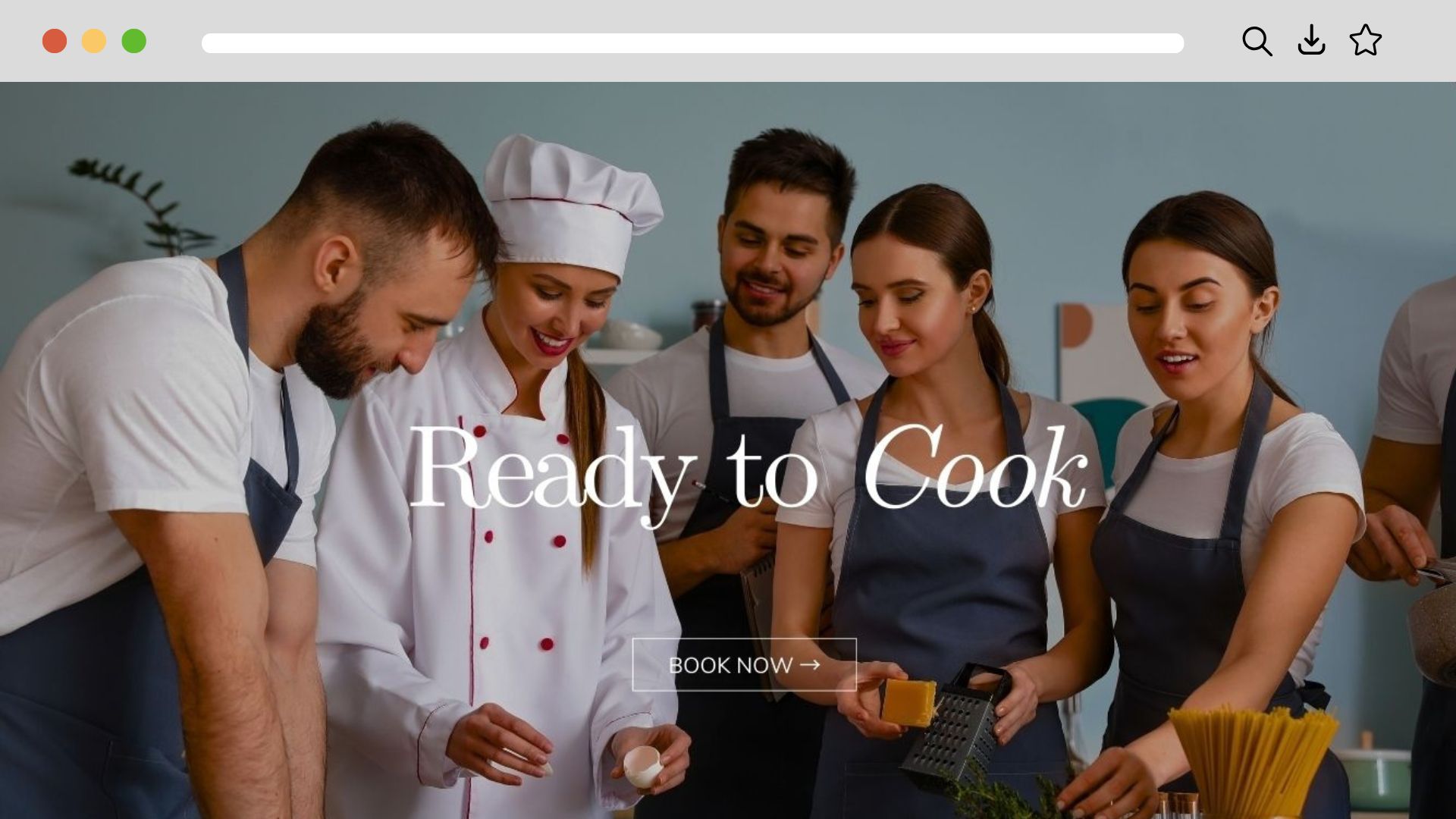
A professional cooking class website needs these elements:
- Homepage with attractive food imagery
- Clear instructor profiles and credentials
- Detailed class descriptions and schedules
- Simple navigation structure
- Fast loading times
Mobile optimization shapes both user experience and booking rates. Students browse classes during commutes or while waiting – times they use their mobile devices most.
Add testimonials and class previews
Testimonials create instant credibility. Research reveals 72% of customers say positive reviews make them trust a business more. The numbers speak volumes – testimonials on sales pages increase conversions by 34%.
Your cooking class website testimonials should:
- Show customer photos next to reviews (with permission)
- Include testimonials of all types (text, video, social media shares)
- Appear near booking buttons
- Feature recent feedback regularly
Class previews let future students experience your teaching style. Students often book after watching short videos of simple techniques or classroom settings. These glimpses help them picture themselves learning from you.
Use Bookeo for uninterrupted online booking
The right booking system makes class management a breeze. Bookeo’s cooking class booking software comes packed with features tailored for culinary instructors:
Bookeo’s class booking software lets you design your booking page to reflect your brand. You can add images and videos that showcase your classes and create a professional look.
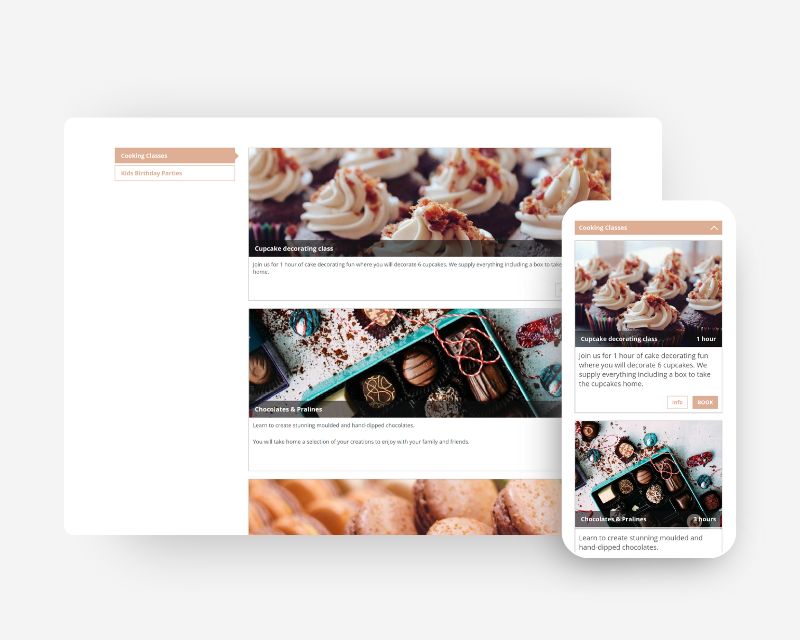
The system blends with your website. Students book classes without dealing with pop-ups or redirects to other sites.
Bookeo processes payments securely through multiple gateways, sends automatic confirmation emails, and tracks class capacities. This eliminates the need for manual administrative work.
Getting started with online booking software by Bookeo takes just a few steps: create an account, add your class details, customize your booking page, and set up payment options. The system works round the clock and takes bookings even while you rest.
Build a Loyal Community
Your cooking classes can turn casual students into loyal promoters. People naturally gather and connect in the kitchen, which makes cooking classes perfect for building lasting relationships.
Create a private group or email list
Private events and groups bring significant advantages to your cooking class business. Students gain exclusivity when they join these specialized cooking experiences. This special access creates a sense of belonging that keeps them coming back.
Here are some private group ideas:
- A members-only Facebook group for recipe sharing
- A VIP email list with special class announcements
- A private messaging platform for cooking questions

A restaurant expert notes, “A well-executed program gives people a reason to talk about you and a tangible reward for doing so”. These private communities help casual students become co-founders of your brand, which creates a self-sustaining cycle of growth.
Host alumni events or advanced classes
Alumni events help you stay connected with past students. Culinary graduates can share memories of their experiences and find new opportunities for growth at these gatherings.
You could start a mentorship program that connects experienced students with newcomers. The program should begin with an introductory event and provide ongoing support. Regular alumni gatherings strengthen bonds and create a sense of belonging.
One instructor reveals, “My whole mission is getting people into the kitchen to cook. I wanted to make cooking approachable to everyone”. Alumni events should align with this mission while delivering value to graduates.
Encourage referrals and word-of-mouth
Students who bring new people to your cooking classes deserve discounts or free meals. This approach adds structure to the natural flow of recommendations.
People trust their friends’ recommendations more than any advertising. A formal referral program recognizes your most powerful marketing tool – satisfied students who love your food and teaching style.
Conclusion
Your cooking classes need a smart mix of strategy, creativity, and business sense to grow. This piece shows how your unique culinary identity forms the base for everything else. Students look for authentic experiences that align with what they want to learn.
Step-by-step visuals, hands-on activities, and a welcoming space turn first-time students into regulars. On top of that, student feedback helps you make your classes better. Their success stories build your credibility.
Different class types boost your appeal to various groups. You can offer beginner to advanced levels, seasonal themes, and both virtual and in-person options. Your online presence fills these classes quickly. Social media marketing, short videos, and content from students boost your visibility by a lot. New students trust you more when they see this content.
Working with food influencers and local brands helps you reach more people. Micro-influencers connect you with specific food communities. A well-designed website with quick booking options makes it easy for interested people to sign up.
Bookeo’s cooking class booking system manages all administrative tasks. It handles registration, payments, capacity management, and sends automatic reminders. You get more time to teach and create exceptional culinary experiences.
A strong community around your cooking classes creates lasting bonds. Private groups, alumni events, and referral programs help casual students become passionate supporters who tell others about your classes.
Note that growing your cooking classes takes time. Pick a few strategies from this piece to start with. Add more as you build momentum. Stay true to your culinary passion but adapt to what students need and market trends. Mix these ingredients right and your classes will be full, creating a recipe for lasting success.