
Hair Salon Waiver: Protect Your Stylists and Set Client Expectations
Legal claims against salons have become increasingly common these days. The beauty industry faces real-life risks every day – from nail service infections to allergic reactions triggered by chemical treatments. Without proper protection, these situations can get pricey when clients file complaints.
A salon waiver form acts as a legal document that lets clients know about services and their risks. Clients who sign these forms agree to release your salon from liability if they get injured or face damages during their service. Your business needs this protection, especially after hearing the horror stories. Some hairstylists got sued because their clients didn’t mention using box color before, and skipped consultations before processing.
This piece walks you through what makes a hair salon waiver work, how to create one that stands up legally, and ways to make these forms part of your daily operations. You’ll also see how digital waivers can make your processes smoother while keeping your business protected.
What is a Hair Salon Waiver and Why It Matters
A salon waiver form protects your business from potential liability claims. Learning how to use and implement it properly can save you from expensive disputes and legal battles.

Definition of a salon waiver form
A salon waiver form is a legal document that your clients sign to show they understand the risks of their services. You can call it a written agreement that sets clear expectations between you and your clients. This document lists potential risks, aftercare instructions, and clearly states that clients accept these risks when they proceed with the service.
The waiver does more than just protect you legally. It makes your services transparent and shows your steadfast dedication to client safety. It also creates an open dialogue about treatment processes and needed precautions, which leads to better client experiences and fewer misunderstandings.
A well-constructed salon waiver works as both a communication tool and a legal safety net. It proves that clients know about the services and their risks, and they’re making an informed choice to move forward.
How waivers protect your business and stylists
Salon waivers are a vital shield that protects your business from potential lawsuits. Clients who sign a waiver acknowledge the risks and agree to release your salon from liability if something goes wrong. While this doesn’t make you immune to lawsuits, it makes your legal position substantially stronger.
To name just one example, see what happens without a waiver – a client with an allergic reaction might blame you, even if the reaction couldn’t be predicted. A signed waiver acknowledging such possibilities gives you documented proof that the client knew about potential risks.

Businesses offering close-contact services benefit the most from waivers. During health concerns like COVID-19, waivers helped salons reduce liability if someone got the virus during service. They also protect against claims about:
- Allergic reactions to products
- Minor injuries during service
- Dissatisfaction with results
- Aftercare negligence by clients
These waivers can keep you from claiming on your salon liability insurance, which helps avoid higher premiums later.
Common risks in salon services
Hair salons face many inherent risks that make waivers necessary. In the beauty industry, even small incidents can lead to costly complaints if you haven’t taken proper precautions.
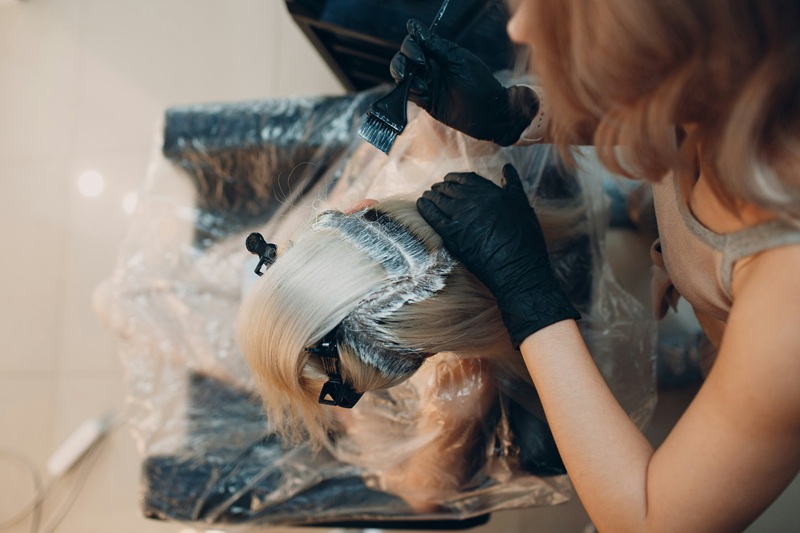
Chemical treatments create some of the biggest risks. Hair coloring, perms, and relaxers can cause allergic reactions, scalp irritations, or hair damage. Many stylists have faced lawsuits because clients didn’t mention previous box color use or refused strand tests before chemical processing.
Physical risks exist, too. Sharp tools like scissors and razors might cause minor cuts or abrasions. Hot styling tools can burn if mishandled or if a client moves suddenly. Even washing stations can create slip hazards or neck strain.
Other risks include:
- Infections after improper sanitation
- Skin irritations from product ingredients
- Bad reactions from mixing salon services with client medications
- Hair breakage or damage from chemical incompatibilities
Note that asking clients to sign waivers might seem off-putting since it reminds them of potential risks. Notwithstanding that, presenting waivers professionally, explaining they’re standard practice for quality salons, helps maintain client confidence while protecting your business.
Types of Waivers Used in Hair Salons
Salon owners need several different types of waivers to protect their business. Each type has its own role and deals with specific liability issues that might pop up in a hair salon.
General liability waivers
These waivers give broad protection to your salon and shield you from common incidents that could happen on your premises. You’ll find several forms that give different levels of protection.
A unilateral hold harmless agreement works one way, clients give up their right to sue your business for services you provide. This simple form suits regular salon visits well. A reciprocal agreement, on the other hand, protects both sides from lawsuits. To name just one example, if a client has an allergic reaction to hair products and wants to sue, this two-sided waiver would protect your salon and the client.

You might want to think over a limited hold harmless agreement for more specific protection. Courts will hold only guilty parties responsible with this option, and the fault percentage determines who pays what. An intermediate agreement gives you stronger protection by shielding your salon unless you’re solely responsible through gross negligence. The broad hold harmless agreement tries to protect your salon from all liability, whatever the fault. While this sounds great on paper, courts don’t always enforce it.
Service-specific waivers
Service-specific waivers are different from general forms because they target risks tied to particular treatments. Since salon services of all types come with their own risks, these focused documents protect you better.
Chemical treatment waivers spell out risks that come with coloring, perming, or relaxing services. These papers usually point out:
- Possible allergic reactions to chemicals
- Risk of hair damage or texture changes
- Scalp irritation risks
- What you need to do for aftercare
These specialized waivers can save your business from getting pricey disputes, since many lawsuits come from clients who didn’t mention their home coloring jobs or skipped strand tests. Each service like massages, facials, or special hair treatments needs its own custom waiver that covers specific risks.
Photo/video release waivers
Photo release waivers are a must if your salon shows off work on social media or marketing materials. These documents let you use pictures of clients’ hair transformations without worrying about privacy issues or unauthorized use claims.

Your standard photo release should clearly state that clients allow your salon to post videos or photos of their services, plus any related details, on your social media and website. For clients under 18, you’ll need a parent’s or guardian’s signature.
These forms usually say the photos become your salon’s property, and clients can’t approve the final product or ask for payment when you use them. Though straightforward, these releases let you build your portfolio and market your work without issues.
COVID-19 and health-related waivers
Health-related waivers have become normal in salons since the pandemic started. These documents go beyond usual salon risks and focus on disease spread and broader health issues.
A COVID-19 waiver tells clients about your salon’s safety measures while they agree not to sue if they catch the virus in connection with your business. Many salons now check temperatures and need signed waivers before letting clients in.
Remember that these waivers won’t protect you if you don’t follow state or county health rules. Gross negligence, like putting styling stations too close together, would still leave you open to lawsuits even with signed waivers.
Health-related waivers usually include spots for clients to list medications, allergies, and bad reactions they’ve had to hair treatments before. This helps your stylists adjust their services and stop dangerous situations before they happen.
Using all these different waivers together gives your salon detailed protection. It safeguards your business interests and keeps client relationships strong through clear communication about risks and responsibilities.
How to Create a Waiver That Holds Up Legally
A legally sound salon waiver needs specific components that protect your business and clients. A random waiver won’t do, your document must contain essential elements to hold up in court if challenged.
Business and client names must be clear
Your salon waiver form should start with a clear identification of everyone involved. The document must list your full business name, location address, and the client’s legal name who signs the waiver. This simple step shows who agrees to the terms and creates a binding relationship between specific parties.
Legal guidance for salon owners states that “The names of the businesses and/or people entering into the agreement, such as the salon and the guest” are the foundations of any valid waiver. Courts might consider your waiver incomplete or unenforceable without proper identification.
Note that you should update this information whenever your business structure changes. Your salon’s protection could become invalid if you sell it or change your business entity because many waivers don’t mention “successors and assigns” language.
Services and their risks need clear listing
The waiver should outline specific services and what it all means. Courts can easily challenge vague statements like “all risks”, so you need to be specific yet thorough.
Your service details should list:
- The exact type of service (chemical treatment, coloring, cutting)
- The service location
- The service date
- How long the agreement lasts
Each service should come with its risks explained in plain language. A hair coloring waiver might mention potential allergic reactions, scalp irritation, or unexpected color results. Legal sources say you must clearly present “The range of possible risks, dangers, injuries, and losses that could happen by receiving the services”.
A liability release clause is crucial
The release clause stands at your salon waiver’s core. This part clearly states that clients give up their rights to sue your business for ordinary negligence related to provided services.
Your release clause needs to stand out, not hide within other text. Legal experts suggest making it “clear and conspicuous by putting it into a standalone document”. Many businesses worry this approach scares clients away, but visible clauses actually strengthen legal protection.
The client should “release, discharge, and hold harmless” your salon from liability claims that come from described services. Direct language about these terms makes your legal position stronger than hiding them in fine print.
Client consent matters
Your waiver needs documented informed consent beyond liability release. This part proves clients understand the risks and still choose to get services.
A good consent agreement shows:
- The client read and understood the waiver
- The client accepts outlined risks voluntarily
- The client agrees to get specific services
One legal template says: “By signing below, I confirm that I have read and understand the information provided, have been offered a patch test, had all my questions answered to my satisfaction, and accept the potential risks”.
Local laws must match
Your waiver should match your location’s laws. Generic templates don’t work well because what’s valid in one state might not work in another.
Legal experts strongly suggest asking a local attorney to review your waiver. They emphasize that “your waiver language should follow both state and local laws and not violate any state or local policies”.
Some states have specific rules about waiver language, where key clauses go, or even font size. The document should mention which state’s laws apply, usually your operating state.
Special rules apply to children under 18, only a parent or legal guardian’s signature makes the waiver valid. This becomes extra important if your salon serves younger clients.
Best Practices for Writing a Salon Waiver Form
Writing effective salon waivers needs to be clear and precise. Poor wording or confusing language can void your waiver, leaving your business exposed to liability claims.
Use simple, clear language
The best way to create effective salon waiver forms is using language that anyone can understand. Your client’s grandmother should be able to read and understand your waiver easily. The form should have logical sections with clear headings and subheadings that guide readers through the document.
To get the best results:
- Create short paragraphs with 2-4 sentences each
- Use bullet points for listing potential risks
- Include only essential information without unnecessary details
As one industry guide explains, “Break the form into sections with headings and subheadings to make it easier for clients to skim and find relevant information”. This approach helps clients quickly grasp key information without feeling overwhelmed.
Avoid legal jargon
Legal terminology creates more confusion than clarity. A waiver full of complex legal language might not hold up in court if it’s “written in ‘mumbo jumbo’ and nearly impossible for a reasonable person to understand”.
Here’s a better way:
Instead of: “The undersigned hereby indemnifies and holds harmless the salon from any claims, losses, or damages.”
Use: “By signing, you agree to release the salon from responsibility for any injuries or allergic reactions that might occur during your treatment”.
The second version does the same legal job but uses plain English that clients can understand. Keep in mind that “clear and unambiguous” language makes your waiver more likely to hold up in court. Font size plays a role too, tiny print that’s hard to read might make your waiver invalid.
Tailor waivers to specific services
Generic waivers don’t address specific risks that come with particular services. Chemical treatments have different risks than simple haircuts, yet many salons use similar forms for both. This oversight can leave gaps in your protection.
“A one-size-fits-all waiver may not cover all the necessary risks,” notes one industry source. Courts look more favorably on customized forms that show you’ve really thought about potential hazards and informed clients about them.
A hair coloring waiver might highlight risks of:
- Chemical reactions on scalp
- Potential allergic responses
- Unexpected color results
A hair spa treatment form would focus on different concerns like scalp sensitivity issues. This level of detail shows you’ve done your homework in informing clients about service-related risks.
Review with a legal professional
Getting your waiver reviewed by a qualified attorney is vital. Even well-written forms might have blind spots or fail to meet local legal requirements.
“It’s important to have your waiver reviewed by a lawyer to make sure it’s enforceable in your jurisdiction,” advises one expert source. Another expert says that “having a lawyer review your intake form” helps ensure the wording meets local regulations.

Legal requirements change by location, so professional review is essential. What’s valid in California might not work in New York. A lawyer can check if your form meets all applicable standards while giving you maximum protection.
Your forms should be updated regularly. Annual reviews help ensure your waivers stay current with changing laws and industry standards.
Digital Waivers: Streamlining the Process
Moving from paper to digital salon waivers is one of the most practical ways to improve your client onboarding process. This simple switch can reshape how you collect and manage important legal documents.
Benefits of digital over paper waivers
Digital waivers are better than paper ones in several ways:
- Simplified organization – You can find a specific waiver in seconds by searching a client’s name. This eliminates the frustrating “needle in a haystack” search through paper files.
- Improved security features – Digital platforms include identity verification tools like Auto Photo Capture that takes snapshots as users sign. This provides better authentication than paper signatures.
- Professional branding – Your salon’s logo, colors, and fonts can customize digital waivers. This creates a cohesive brand experience that makes your business look more professional.
- Cost reduction – Salons typically spend about $200 each month on paper and printing costs alone, not including staff time spent filing documents.
- Environmental friendliness – Less paper usage makes your venue eco-friendly and saves storage space.

Digital waivers help you collect complete information. The platforms let you set mandatory form fields, which prevents the incomplete submissions that often happen with paper forms.
How to integrate waivers into your booking system
Your booking software and digital waivers can work together to create a smooth experience for everyone. Here’s what you need to know:
The system sends automatic emails or SMS reminders with waiver links after a client books. This gives them time to review and sign before they arrive.
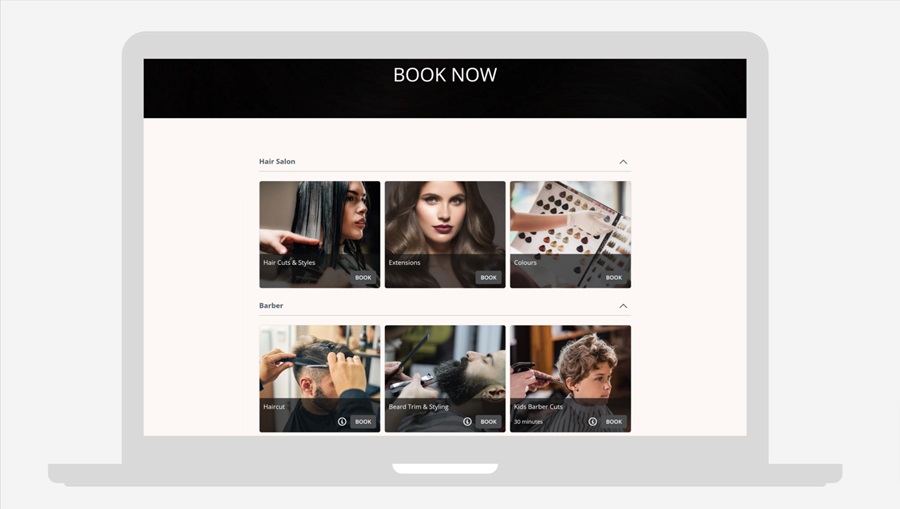
Modern booking platforms now include built-in waiver features. Bookeo lets clients complete waivers right after booking their appointment on your salon booking site.
Data synchronization shows the real value of integration. Each completed waiver and guest information updates your database automatically. This removes the need for manual data entry.
Clients get a smooth experience too. They receive a personalized message with their digital liability waiver after booking. The system pre-fills their information, and they just need to sign.
This method results in better quality waivers. The system already has guest data, so clients can’t provide incomplete or wrong information.
Using QR codes, Kiosks and email links for pre-signing
Pre-signing options help you avoid those awkward moments when clients arrive ready to relax but face legal documents instead.
QR codes and Kiosks work great for busy salons. Clients can scan your waiver’s unique QR code with their smartphones and fill out the form on their devices. Or search for their booking in the Kiosk, then sign their waiver. This speeds up check-in and removes the need for a central signing station.
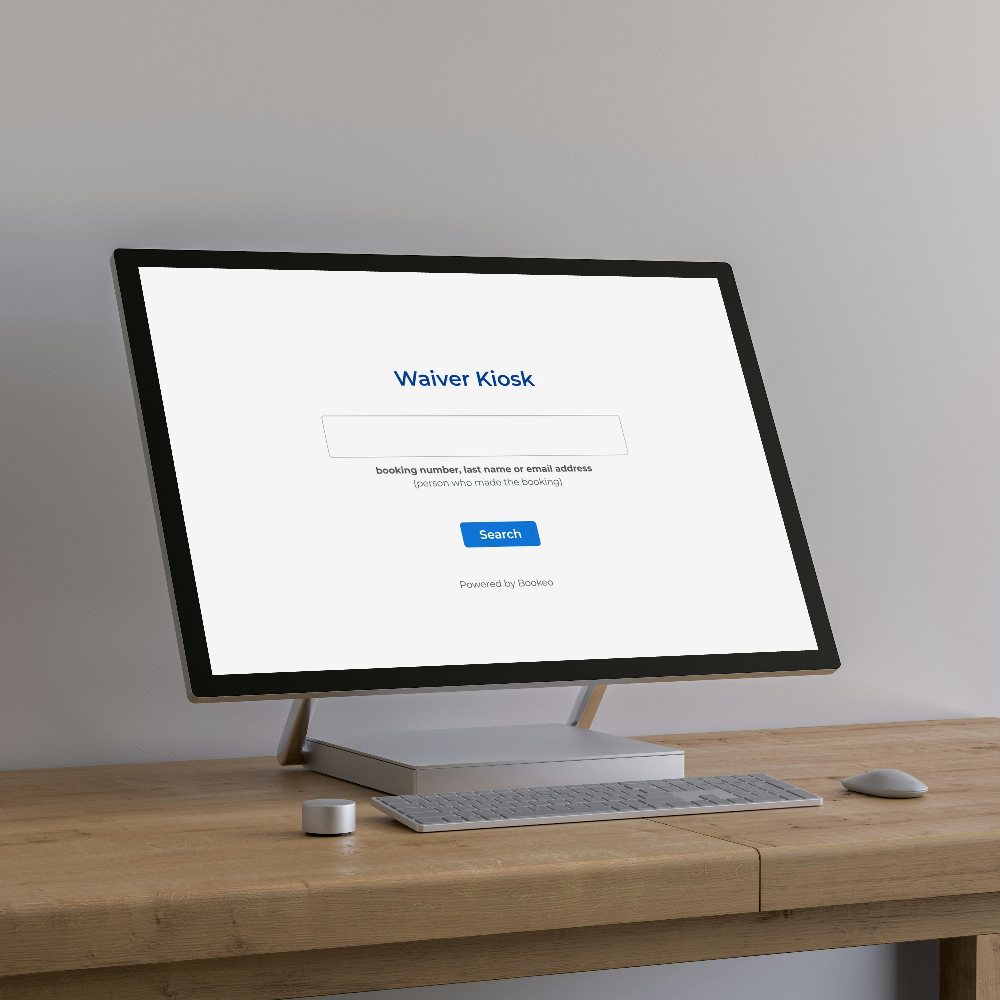
You can place QR codes:
- Near your reception desk
- In your waiting area
Email links work great for advanced signing, too. Booking confirmations or dedicated emails can include waiver links a few days before appointments. Clients can review and sign at home without feeling rushed.
These digital options let your stylists concentrate on great service instead of paperwork. Your salon also looks more tech-savvy to clients who expect digital convenience in their daily lives.
Setting Client Expectations Through Waivers
Salon waivers do more than protect you legally – they work as powerful communication tools that help both your business and clients. A well-laid-out waiver creates opportunities to discuss services, aftercare instructions, and concerns before treatment starts.
How waivers improve communication
Salon waivers create a natural way to share information with clients. These documents are great at setting clear boundaries and putting everyone on the same page about liability. You can address concerns before they become problems by taking this proactive step.
Your waiver helps you explain your policies in a professional way, from cancelation rules to no-show policies and service requirements. Clients see that you care about safety and value openness in how you run your business.
Clients feel more confident about their services as a result. They like knowing what to expect before they commit to treatments, especially when those treatments use chemicals or have other risks.
Educating clients on risks and aftercare
Waivers protect your business from legal claims, but they also teach your clients important information. Your waiver should include helpful details about:
- Safety protocols your salon follows
- Best practices for specific treatments
- Service benefits and potential risks
- Aftercare instructions for the best results

Let’s say you offer a new hair spa treatment with advanced chemicals. Your waiver should explain both the benefits and possible risks. This helps first-time clients understand the process better and feel less nervous about trying new services.
A detailed explanation in your waiver helps clients understand why you ask certain questions and how their answers affect their treatment. This creates stronger relationships based on mutual understanding.
Building trust and professionalism
A well-designed waiver shows your steadfast dedication to client safety and business integrity. Clients notice when you take time to explain risks and get proper consent. They recognize your high professional standards.
Clear communication through consent forms promotes trust between clients and service providers. Clients who feel informed and involved in decisions usually stay more satisfied and loyal to your salon.
A thoughtfully prepared waiver tells clients that their safety is your top priority. The document proves you understand the risks and work hard to provide the safest possible environment.
A comprehensive, easy-to-read waiver reflects your salon’s professionalism. It shows clients you follow industry best practices and meet established standards. This professional image sets your salon apart from others who might be more casual about client safety and communication.

Your salon waiver becomes more than just legal protection – it turns into a valuable tool that builds stronger client relationships through clear expectations, education, and professional care.
Using Online Booking Software to Automate Waivers
The task of collecting and managing salon waivers becomes simple when it merges with your booking system. Salon owners struggle with paper-based waiver processes that waste time and lead to mistakes. The good news is that modern software tools are a great way to get better results.
Why automation matters for salons
Your salon’s waiver collection saves precious time when you automate it. The system works quietly in the background instead of your staff sorting through paper stacks or tracking client signatures manually.
The practical benefits are worth noting:
- Reduced wait times – Online waivers cut down check-in delays because clients sign forms before they arrive
- Eliminated paperwork – Salons typically spend $200 each month just on paper
- Instant accessibility – You can find specific waivers with quick searches
- Higher completion rates – Required form fields stop incomplete submissions
- Boosted client experience – Customers value quick processes that save their time
Every minute counts in a busy salon. Automation lets your team focus on delivering great hair services and gives clients a smoother experience.
How Bookeo simplifies waiver collection
Bookeo’s waiver system add-on lets you build custom templates that link directly to specific services. This setup helps track the right documentation for each treatment type.
The system lets you pick whether all participants need waivers or just the main customer after creating your template. You can also set waivers to work for single bookings or longer periods – perfect for regular clients.

Clients can scan QR codes with their phones for in-person signing. This feature speeds up check-ins without shared devices. The waiver kiosk resets itself after each use, ready for the next person.
Bookeo’s salon booking system makes it easy for parents and guardians to sign for minors. The platform needs parent signatures for anyone under 18, adding extra protection for your salon.
Integrating waivers into the client trip
The best salon waiver forms blend smoothly into your client’s experience. Bookeo sends waiver links through several channels.
A “Sign waiver” button shows up right after booking at checkout. Clients tend to complete forms right away while the booking is fresh. Booking confirmations and reminder emails also include waiver links as backup options.
The QR code option works great for walk-in clients. A code at your front desk lets clients sign forms on their phones while they wait.
Signed waivers link to client profiles and booking details automatically. This creates a complete digital record without extra staff work. Both you and your clients get PDF copies by email.
A salon that uses automated waiver collection creates a professional environment. This protects your business while keeping the client experience smooth and hassle-free.
Common Mistakes to Avoid When Using Waivers
A salon waiver’s effectiveness can drop due to basic mistakes. Good management matters just as much as creating it right.
Not updating waivers regularly
Your salon waivers need regular reviews to work. Your forms must adapt as your services grow and new risks show up. Make it a point to review all waivers yearly and update them right away when you add new treatments. You should also change your documents quickly when local salon rules change. Old waivers might have outdated info or miss new legal rules that could put your business at risk.
Using generic templates without customization
Going with a one-size-fits-all plan creates risky gaps in protection. Each salon service brings its own risks that basic templates don’t deal very well with. To cite an instance, see how a hair spa waiver needs to focus on scalp sensitivity, while chemical treatment forms must highlight allergic reaction risks. Courts see customized waivers as proof that you really thought over all service-specific hazards.
Failing to store signed waivers securely
Bad storage can make a perfect waiver worthless. Many salons miss the mark on secure storage, yet these documents have sensitive client data. You must store all forms based on local rules. Digital waivers need encrypted systems with solid backup plans. HIPAA rules might apply to forms with health details. You should also set clear rules about how long to keep waivers – keeping them too long creates extra risk.
Conclusion
Proper waivers protect your hair salon and form a crucial part of business management, not just a legal formality. Well-crafted waivers shield your salon from liability and help improve client communication while setting clear expectations.
Waivers act as your primary defense against legal issues. You need different types of forms – from general liability documents to service-specific releases for particular treatments. Photo release forms help protect your marketing efforts, and health-related waivers address modern concerns like infectious disease transmission.
Creating effective waivers takes careful attention to detail. Your forms should include business and client information, list specific services with their risks, have clear liability release language, and follow local laws. These elements combine to create documents that stand up in court.
Digital waivers make this process much simpler. They get rid of paperwork hassles, make organization easier, and merge naturally with your booking system. Clients can pre-sign forms using QR codes and email links, which creates a smoother check-in experience.
Bookeo’s waiver system shows these benefits by connecting custom templates directly to specific services. The system sends automatic links in confirmation emails, reminder messages, and at checkout to provide multiple signing opportunities. This automation creates a professional experience that protects your business without affecting client satisfaction.
Note that waivers do more than just provide legal protection. They help educate clients about risks, share aftercare instructions, and show your dedication to transparency. Clients who know what to expect before treatment often report higher satisfaction and become more loyal to your salon.
Your salon should make secure storage of updated, customized waivers a standard practice. This small administrative task brings substantial returns by preventing disputes before they happen.
A good waiver strategy works as both protection and connection – it safeguards your business while building stronger client relationships through clear, honest communication.