

Massage Waiver 101: Consent, Health Disclosures, and Client Expectations
A massage therapy business needs more than skilled hands and a relaxing environment, proper massage waivers protect you and your clients. These documents are the foundations of professional practice and client safety.
Your business’s protection system combines client intake forms and massage liability waivers. A massage therapy waiver helps clients understand what it all means and agree not to hold you legally responsible. Consent forms show that clients understand and agree to specific treatments. A proper massage waiver template saves time while providing your practice with legal safeguards.

This piece shows you everything about massage waivers, from their core components and legal requirements to implementation strategies. These documents help you create individual-specific service, manage risks, streamline processes, and secure legal protection for your massage practice. The right implementation of these forms creates valuable tools that benefit you and your clients.
Understanding Massage Waivers and Consent Forms
Paperwork might feel like a distraction from your hands-on work as a massage therapist. Yet paperwork serves as your first line of defense against potential legal issues. Two documents are at the vanguard of this protection: massage therapy waivers and consent forms.
What is a massage therapy waiver?
A massage therapy waiver (also called a liability waiver or release of liability) is a legal document where clients give up their right to sue you in certain circumstances. This document shows that clients understand the risks of massage therapy and agree not to hold you legally responsible if something goes wrong during their session.
A well-laid-out massage liability waiver has:
- A general liability waiver clause
- An outline of the client’s rights
- Specific types of negligence claims the client is waiving
- Known risks associated with massage therapy
But massage liability waivers aren’t foolproof legal shields. They don’t protect against claims of gross negligence, malpractice, or intentional harm. Standard liability waivers might not apply if a catastrophic injury occurs.
How consent forms differ from liability waivers
People often mix them up, but consent forms and liability waivers serve different yet complementary purposes. A massage consent form proves that a client understands and wants to receive specific massage services after learning what those services involve. A liability waiver, on the other hand, focuses on the client’s agreement not to pursue legal action in specific circumstances.

The difference is practical: informed consent forms basically say, “I know the risks and want treatment, and won’t claim you treated me without permission.” Liability waivers say, “I know the risks, and won’t blame you if something goes wrong”.
Consent forms let providers treat clients, while liability waivers release them from certain responsibilities. The consent form shows the client understands services and risks, but you need a signed release section or separate liability waiver to protect yourself.
Why both are essential for your practice
Using both documents creates a detailed risk management strategy for your massage practice. These documents help set clear expectations between you and your clients before treatment starts. Disputes can arise without proper documentation, especially about massage areas, pressure, or expected outcomes.
These forms create a written record of agreements. Having signed documentation can protect your practice if a client verbally agrees but later disputes what was said. Some state licensing boards and insurers require these written records too.
These documents help build trust and professionalism with clients. Using well-crafted forms helps you:
- Reinforce your credibility as a thoughtful, professional therapist
- Show that you take client health and safety seriously
- Encourage open communication about boundaries and comfort
Both documents work as different layers of protection. Consent forms prove clients have all necessary information and agree to treatment. Liability waivers show their agreement not to sue based on outlined risks. Together, they are the foundations of any professional massage practice.
Key Elements of a Massage Consent Form
Professional massage therapy practice depends on proper documentation. A complete massage consent form helps establish clear understanding with clients. Let’s look at what your massage consent form needs.
Client contact and health history
Your massage consent form starts with simple client information. You’ll need their full name, contact details, birth date, and emergency contact information. The detailed health history section serves a bigger purpose.

Clients should list all medical conditions, injuries, medications, allergies, and massage contraindications in the health history section. This information acts as a safety net that lets you:
- Identify potential contraindications to treatment
- Customize techniques based on individual needs
- Create appropriate treatment plans
- Avoid techniques that might cause harm
The health history section needs a confirmation statement where clients verify they’ve shared all relevant health information. This statement protects everyone since clients might not know which conditions affect their massage treatment.
Pro tip: Add space for clients to note specific areas of discomfort or treatment goals. This helps you target their main concerns from the start.
Treatment description and risks
Your consent form should spell out what clients can expect during their massage session. A good treatment description section has:
- Definition of the massage modality being offered
- Explanation of specific techniques you plan to use
- Expected benefits of the treatment
- Possible adverse reactions that may occur
You should outline potential risks like muscle soreness, minor bruising, or flare-ups of unknown injuries. This honest approach builds trust and sets realistic expectations.
The form must state that massage therapy can’t replace medical examination or treatment. This difference matters for legal protection and helps clients understand what massage therapy can and cannot do.
Your description should also cover practical details like:
- Session specifics including disrobing and draping expectations
- Products you might use during treatment
- General session flow
Client rights and knowing how to stop treatment
Client rights form the life-blood of a massage consent form. Clients must know they can stop treatment anytime for any reason. This right builds client trust and comfort.
The form should clearly state that clients can:
- Give feedback about pressure, techniques, or discomfort
- Ask questions about any part of the treatment
- Feel safe throughout the session
- Decline, modify, or stop the massage whatever their prior consent
These rights on your form show respect for client autonomy and build trust. The American Medical Association says informed consent means involving patients in their health and wellness choices, this applies to massage therapy too.
A complete statement about client rights could read: “I understand that I or the massage therapist may terminate the session at any time. I have been given the chance to ask questions about massage therapy and my questions have been answered”.
Your consent form shows your professionalism and commitment to client safety. A well-crafted form does more than provide legal protection, it shows your dedication to ethical practice.
What to Include in a Massage Liability Waiver
A well-laid-out liability waiver is the foundation of legal protection for your massage business. Unlike consent forms that focus on treatment understanding, liability waivers specifically address risk assumption and legal protections.

Inherent risks of massage therapy
A complete massage liability waiver must clearly outline what it all means associated with massage treatments. You need to identify common reactions like temporary soreness, bruising, or skin sensitivity that clients might experience. Specific statements work better than vague ones.
The waiver should clearly state that massage may worsen existing injuries or conditions. This transparency helps educate clients about real possibilities and strengthens your legal protection if complications arise.
Note that you should separate general massage risks from those specific to your particular services. To cite an instance, deep tissue massage carries a higher chance of soreness compared to gentler techniques.
The words you use to describe these risks make a big difference. Complex medical terms confuse clients, while vague language weakens legal protection. Clear, straightforward descriptions help an average person understand what they’re signing.
Waiver of legal claims
The heart of a liability waiver contains language where clients agree not to hold you responsible for certain outcomes. This section needs precise wording to work.
Your waiver should include:
- A general liability waiver clause that releases you from liability
- Specific types of negligence claims the client waives
- Confirmation that the client understands and voluntarily accepts the outlined risks
Even the best waivers have limitations. They don’t protect you from claims about gross negligence, intentional misconduct, or fraud. To cite an instance, a waiver won’t help if a client suffers injury due to assault or battery.
Courts in several states only honor waivers that are clearly worded, properly signed, and applicable to the specific claim filed. Legal review becomes vital, an attorney should review your waiver to confirm it meets your area’s legal standards.
Emergency authorization and disclosures
Emergency authorization stands as a vital component, language that lets you seek medical help on the client’s behalf if needed. This protects everyone if a client needs immediate medical attention.
The waiver should include a section where clients confirm they’ve shared all relevant health information. This statement makes clients responsible for providing complete medical history and protects you if they hide vital information.
On top of that, it should clarify that you don’t diagnose or treat medical conditions. This sets proper scope-of-practice boundaries and prevents claims about medical advice beyond your qualifications.
Well-managed massage liability waivers build trust and protection for your practice. Combined with proper insurance coverage and ongoing education, these documents let you focus on what truly matters, giving exceptional massage therapy without worrying about legal exposure.
Common Mistakes to Avoid in Waiver Design
The best massage waiver templates won’t protect your business if they have critical design flaws. I’ve created dozens of forms for clients and noticed patterns that leave massage therapists legally vulnerable. Let’s look at the most common pitfalls and ways to avoid them.
Using vague or legal-heavy language
Courts consistently rule that businesses lose when their waivers contain any ambiguity. Legal loopholes from vague clauses can completely invalidate your massage liability waiver.
Take phrases like “any and all injuries” that don’t specify actual risks. Legal experts say these catch-all terms rarely hold up in court because they don’t properly inform clients about specific risks.

The other extreme – filling your massage therapy waiver with legal jargon – creates its own problems:
- Clients skip reading what they don’t understand
- Clients sign without really knowing the risks
- You can’t explain the document clearly
- Courts might rule that there was no true informed consent
The solution lies in plain English that ordinary people understand while keeping necessary legal protections. One insurance provider puts it well: “You might need a new liability waiver if you struggle to explain its details or your clients can’t understand what’s in it”.
Failing to update forms regularly
Most massage therapists create a waiver once and never change it. This puts them at risk because:
- Medical understanding of contraindications evolves
- Service offerings change over time
- State regulations and case law about waivers change
- Industry experience reveals new risks
Old forms might not cover current treatments or known risks, which could void their legal protection. Your once-solid waiver might not meet today’s legal requirements in your area.
Set a yearly reminder to review your massage waiver templates. Update your forms right away when you add new services or techniques.
Not explaining forms to clients
The biggest mistake happens when therapists don’t explain waiver forms properly. Many just hand over a form and say “Sign here,” knowing clients won’t read before signing.
This hurts both legal protection and client trust. A legal expert emphasizes: “Be ready to answer your client’s questions about the language in your massage liability waiver agreement”.
These practices help manage forms better:
- Walk first-time clients through key sections
- Tell them they can ask questions
- Give them enough time to read before the session
- Send forms electronically ahead of time
Specialized booking software makes document management easier. Clients get time to review documents before arriving, which reduces pressure and helps them understand better.
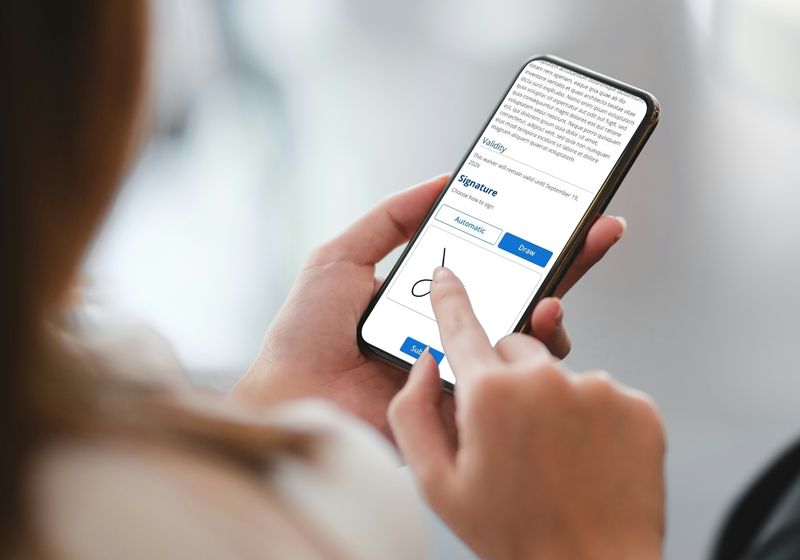
A properly executed waiver shows professionalism and protects everyone involved. Vague language, outdated forms, and poor explanations can void these important protections.
How to Use Massage Waiver Templates Effectively
Ready-made massage waiver templates save time, but knowing how to adapt them properly gives your practice solid protection. The difference between adequate and exceptional documentation lies in how you customize and implement these forms.
Customizing templates for your services
Your massage waiver template must match your specific services. Your forms need as much detail as possible about the services you offer. As one expert notes, “Be as specific as possible: Your forms should cast a wide safety net across your practice, so detail every potential risk or language that could ‘cover’ them”.
These points matter when adapting templates:
- Match risks to services – Deep tissue massage carries different risks than hot stone treatment
- Use clear language – Complex terminology might confuse clients
- Add service-specific sections – Specialized sections help with specialty treatments like prenatal or sports massage
Balance thoroughness and readability as you modify templates. Overly complex forms often go unread and defeat their purpose.
Combining consent and waiver in one form
Many massage professionals now combine consent forms and liability waivers into a single document instead of overwhelming clients with multiple papers. “You can combine the consent form and liability waiver into one document, but clearly label each portion with bold lettering”.
This approach works better. Your clients need to sign just once, which improves compliance rates. The sections for consent and liability must remain distinct and clear.
A well-combined form needs:
- Contact information and health history
- Treatment descriptions and expectations
- Clear consent statements
- Distinctly labeled liability waiver section
Each section needs complete information and proper formatting to stay legally effective, even in combined forms.
When to reissue forms to returning clients
Waiver management includes knowing when clients should complete new forms. “Keep them updated: Have clients sign before their first appointment and then again every year or whenever your practice has service changes”.
A verbal review of existing forms works for short absences under a month. In stark comparison to this, longer gaps between visits need new paperwork.
Best practices for returning clients include:
- Annual renewal whatever the visit frequency
- New forms for additional services or technique changes
- Updated documentation after major health changes
- Fresh paperwork after significant breaks (3+ months)
Proper form management creates a professional experience that respects your practice’s needs and your client’s time.
Legal Considerations and State Compliance
State laws that govern massage therapy differ in each state. This creates a complex legal world for massage professionals. Your massage liability waiver might work perfectly in one state but could be unenforceable in another. This shows why learning about the legal framework is just as vital as becoming skilled at massage techniques.

Understanding local laws and exceptions
States have specific rules about what you can include in massage therapy waivers. Some jurisdictions don’t allow liability waivers for certain activities. Virginia changed from certification to mandatory licensure for massage therapists. This created a defined scope of practice where none existed before.
Local regulations can add to or override state requirements. Texas law shows that while state regulation “supersedes any regulation adopted by a political subdivision of this state relating to the licensing or regulation of massage therapists,” local governments can still require zoning and background checks for massage establishments.
Running multiple locations means you need different versions of your massage waiver template. Each must comply with local rules. Here are some regional differences:
- Some states fully recognize liability waivers
- Others limit what claims waivers can cover
- Some jurisdictions might not accept massage therapy waivers at all
When waivers may not protect you
Well-drafted massage therapy waivers still have major limitations. Standard liability waivers typically don’t apply when negligence or catastrophic injuries occur. Courts consistently rule that waivers can’t protect against:
- Gross negligence or complete disregard for client safety
- Intentional actions resulting in harm
- Fraudulent or illegal activities
- Catastrophic injuries, even with simple negligence
Legal experts point out that “waivers are not bulletproof. In fact, they often do not stand up against legal claims of negligence”. Notwithstanding that, they can prevent some legal actions against you.
Licensed massage therapists should know that a waiver only creates a potential defense, not guaranteed protection. Therefore, professional liability insurance remains essential as backup when waiver protections fail.
Why legal review is critical
These complexities make attorney review of your massage liability waiver vital. Legal expertise helps find potential loopholes that personal injury attorneys might use.
A qualified attorney can:
- Create massage waiver templates for your specific practice
- Update forms based on new laws and court decisions
- Make language clear yet legally effective
- Check compliance with state and local regulations
Note that “a signed form does not ensure complete protection from liability, especially in cases of negligence or malpractice”. This makes professional legal review necessary.
Legal resources emphasize that these documents “are not to be construed as legal advice. Always have a local attorney review any legal document that you use in your business to be sure they comply with your state and local laws”. This warning shows why regular legal review remains essential for massage therapists who want maximum protection.
Integrating Waivers into Your Booking Process
The administrative tasks in massage therapy can take precious time away from client care. Modern solutions make this work easier while you retain control over professional standards and legal protection.
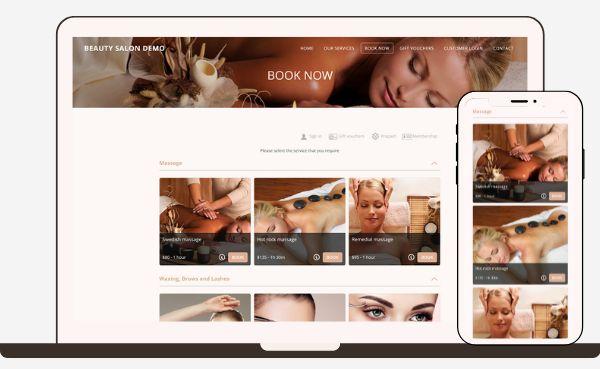
Digital vs paper forms
Paper forms served their purpose for decades, but digital options now bring clear benefits. Research shows clients fill out digital massage waivers more quickly and accurately than paper versions. Most clients actually prefer using digital forms instead of dealing with clipboards and pens.
Digital massage liability waivers solve many common problems:
- No more unreadable contact details from rushed handwriting
- No lost paperwork between appointments
- No storage cabinets filled with folders
- No time wasted searching through drawers of paper forms
Digital forms help both you and your clients. Your clients can complete their massage therapy waiver before they arrive, which cuts down wait times and lets sessions begin on time.
Using online booking software like Bookeo
Massage booking systems like Bookeo combine smoothly with waivers as part of your appointment process. Clients can sign required forms right after they book, which makes everything run more smoothly.
Bookeo’s waiver management feature connects your massage waivers directly to specific bookings and customer profiles. Your team gets instant notifications when clients complete their forms, so there’s no need to check manually. Walk-in clients can use Bookeo’s “waiver kiosk” feature on a tablet or PC at your reception desk to find their booking and fill out the required paperwork.
Bookeo also offers a QR code option. Clients scan it with their phones to sign waivers on their own devices. This works great in busy reception areas or small waiting rooms that lack space for a physical kiosk.
Tracking and storing signed forms securely
Storing massage liability waivers properly isn’t just smart, it’s essential for legal protection. Digital storage systems keep all signed documents safe and encrypted in the cloud. This keeps your client’s sensitive information protected from data breaches or unauthorized access.
Digital storage makes finding specific forms a breeze. You can locate any client’s massage waiver in seconds with simple search functions. Only authorized team members with proper account permissions can access documents, creating a perfect balance of security and ease of use.
Benefits of Using Online Tools for Form Management
Paper-based massage waivers create needless hassles for busy therapists. Digital tools are becoming the preferred choice for massage professionals who want to focus more on client care and less on paperwork.
Time-saving automation
Digital forms cut down administrative work. Massage businesses have reduced their intake time by 75% after switching to digital waiver systems. This boost lets clients spend less time filling out forms and more time getting therapy.

Digital automation brings several benefits beyond paperwork:
- Automatic tracking of attendance, no-shows, and cancelations
- Real-time updates for bookings, rescheduling, and cancelations
- No more endless copying and checking of paperwork
- Smart reminders that help prevent costly no-shows
These systems connect intake forms with treatment records. Therapists can access their client’s health information from any device. This quick access helps them prepare for each session before clients arrive.
Improved client experience
Modern clients expect convenience at every step. Digital tools let them book, cancel, and reschedule appointments any time without calling your office. This flexibility fits today’s lifestyle perfectly.
Clients can fill out massage waiver forms at home. This eliminates front desk lines and reduces wait times. New clients appreciate taking their time with forms instead of rushing through paperwork in your waiting room.
Digital interactions create valuable data that helps you learn about client priorities and enhance your services. Each submission gives you insights to fine-tune your approach.
Why Bookeo is ideal for massage businesses
Bookeo’s online scheduling software meets the unique needs of massage therapy practices. The system sends booking confirmations and reminder emails to clients. Everyone stays informed without extra work from your team.
Bookeo’s calendar uses color-coded service categories that show what’s booked at a glance. The core team gets updates about new, rescheduled, or canceled appointments even when they’re out of the office.
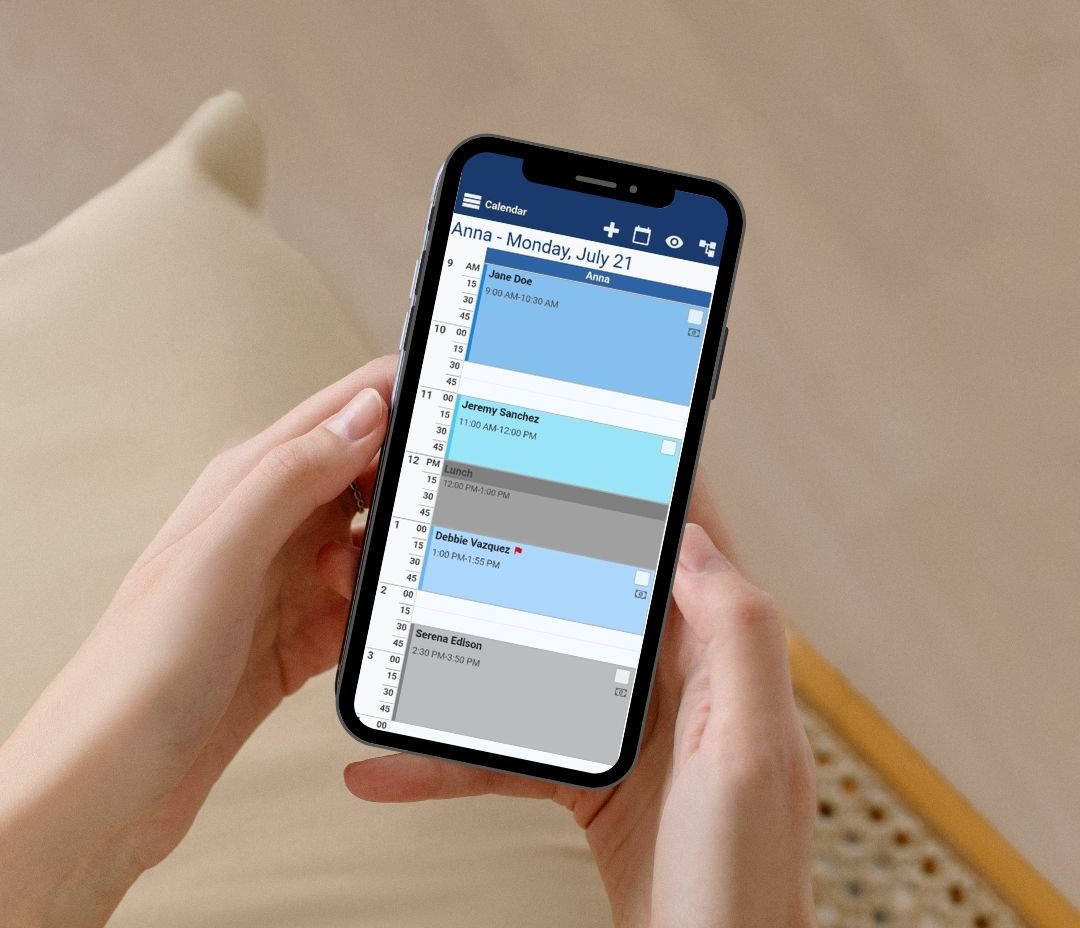
Massage businesses with multiple therapists can manage staff schedules through Bookeo’s customized viewing permissions. The platform works naturally on any device without extra app downloads. This creates a smooth experience for everyone involved.
Conclusion
Professional massage therapy practices need properly implemented massage waivers as their foundation. In this piece, we’ve gotten into how these vital documents protect you and your clients while setting clear expectations for treatment. It also highlights the key difference between consent forms that document permission and liability waivers that release you from certain responsibilities.
Massage liability waivers have their limits. No document can fully protect you from claims of gross negligence or intentional harm. Your strongest defense against potential legal issues comes from combining well-drafted waivers with professional liability insurance.
Paper forms are becoming obsolete quickly. Digital solutions now make the entire process smoother while meeting legal requirements. Bookeo’s appointment scheduling software offers massage therapists a practical way to reduce their administrative work. The system sends appropriate forms to clients automatically before appointments, stores completed documents securely, and alerts you when renewals are needed.
Note that your forms must be clear, specific, and current to work. Vague language or outdated information makes them nowhere near as protective. Legal review costs money, but the protection it provides is worth the investment.
Massage waivers are more than just paperwork – they show your professionalism and care. Clients who see thorough, well-designed forms know they’re working with a therapist who values safety and transparency. This attention to detail often leads to better client retention and fewer misunderstandings.
These waiver best practices deserve your attention now. The right documentation, managed efficiently through Bookeo’s booking platform, lets you focus on what matters most – delivering exceptional massage therapy and building a thriving, protected practice.