

Must-Have Features to Look for in a Modern Online Booking System
Booking systems with resilient infrastructure are reshaping the scene of reservation management in 2026. Statistics show that 83% of US adults book their trips and travel through online systems. Travelers can finalize their plans in minutes with just a credit card. The right booking software becomes crucial to business success.
Businesses need to know what makes booking software effective. Customer experience now drives competition for 89% of businesses. This makes the best features of online booking systems more crucial than ever. Live availability lets customers see and book open time slots. Advanced analytics dashboards show monthly sales and booking trends. The right system can optimize your operations by a lot. These features matter even more since international tourist arrivals should hit 1.53 billion travelers globally in 2026.
This piece gets into the must-have features that will keep your booking software competitive. We’ll cover eight capabilities that can reshape your booking process. These features boost customer satisfaction and ended up generating more revenue.
Why Online Booking Systems Matter in 2026
The online booking market is changing faster than ever. By 2026, online bookings will make up 65% of all travel bookings globally, compared to 61% in 2023. These numbers show how customers are changing the way they interact with businesses and what matters most in their booking experience.

Changing customer expectations
Customer priorities have seen dramatic changes over the last several years. Travelers now lean towards booking directly through supplier websites instead of online travel agencies. Speed, immediacy, and smooth experiences top the list of what modern customers want. The numbers back this up – 73% of consumers say customer experience drives their buying decisions.
Customers now demand full transparency and live information before they book. They don’t want to submit requests and wait – they need actual availability right away. The data shows that 80% of consumers choose brands that offer tailored experiences. Customization isn’t just nice to have anymore – it’s essential.
Easy booking has become crucial. Customers want to book services 24/7, regardless of business hours. This round-the-clock service is a great way to get customers from different time zones.
The rise of mobile-first bookings
Mobile devices now beat desktops as the go-to booking tool. Recent data shows that 7 out of 10 U.S. consumers prefer mobile devices to book local travel. Long-distance travel and rental cars see similar trends, with 6 out of 10 consumers choosing mobile booking.
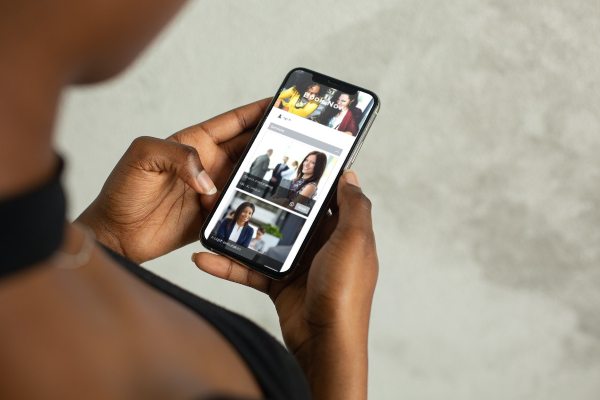
This trend keeps picking up speed. Ireland saw 59% of bookings come from smartphones in April 2025, up from 52% in 2024. Statista projects that mobile phones will handle about 75% of all online travel bookings by 2025.
Businesses need to take note:
- Mobile optimization is crucial
- Pages must load in under 3 seconds
- Mobile payment options are a must
A poor mobile experience hits revenue hard. Users will jump to competitors or online travel agencies if your mobile experience isn’t up to par.
Advantages of automation for businesses
Online booking systems slash administrative work. These systems handle routine tasks like confirmation emails, reminders, and updates automatically. The core team can focus on delivering great service instead of juggling booking details.
Smart scheduling helps manage resources better. Businesses can avoid booking conflicts and reduce downtime to improve efficiency. On top of that, these systems spot gaps in your calendar and help fill them, boosting potential revenue.
The financial rewards are clear. Businesses can take bookings 24/7 without extra staff costs. Companies that focus on personalization – a key feature in modern booking systems – see their revenue jump by 40%.
Last-minute booking trends highlight why automation matters. April 2025 saw 27% of bookings made within seven days of arrival – up 4% from the previous year. Capturing these spontaneous bookings would be impossible without automated systems.
Customer satisfaction makes or breaks success in today’s market. A solid online booking system with the right features isn’t just helpful – it’s vital to stay competitive in 2025.
1. Real-Time Booking and Availability
Live booking is leading the essential features needed in online booking systems today. Your customers can see what’s actually available and book instantly. No more waiting for manual confirmation or dealing with old information.
Instant confirmations for customers
Manual booking approvals are becoming a thing of the past. Today’s customers want their reservations confirmed right away. They get automatic email notifications as soon as they complete a booking. This gives them a vital sense of security. They know their spot is guaranteed and can plan the rest of their schedule with confidence.
Data shows businesses that use automated booking confirmations get more bookings for their rooms and appointments. This creates a perfect scenario where customers feel secure, and businesses see better results.
The system runs day and night. Customers can book whenever they want. This 24/7 availability is particularly helpful for those who need last-minute bookings.
Quick confirmations give customers several benefits:
- They feel good about securing their spot right away
- They can add the appointment to their digital calendar on the spot
- They can make other plans with confidence
Live calendar syncing to avoid double bookings
Double bookings frustrate everyone involved. A booking system with live calendar syncing eliminates this problem almost entirely. The system updates availability everywhere as soon as someone makes a booking.
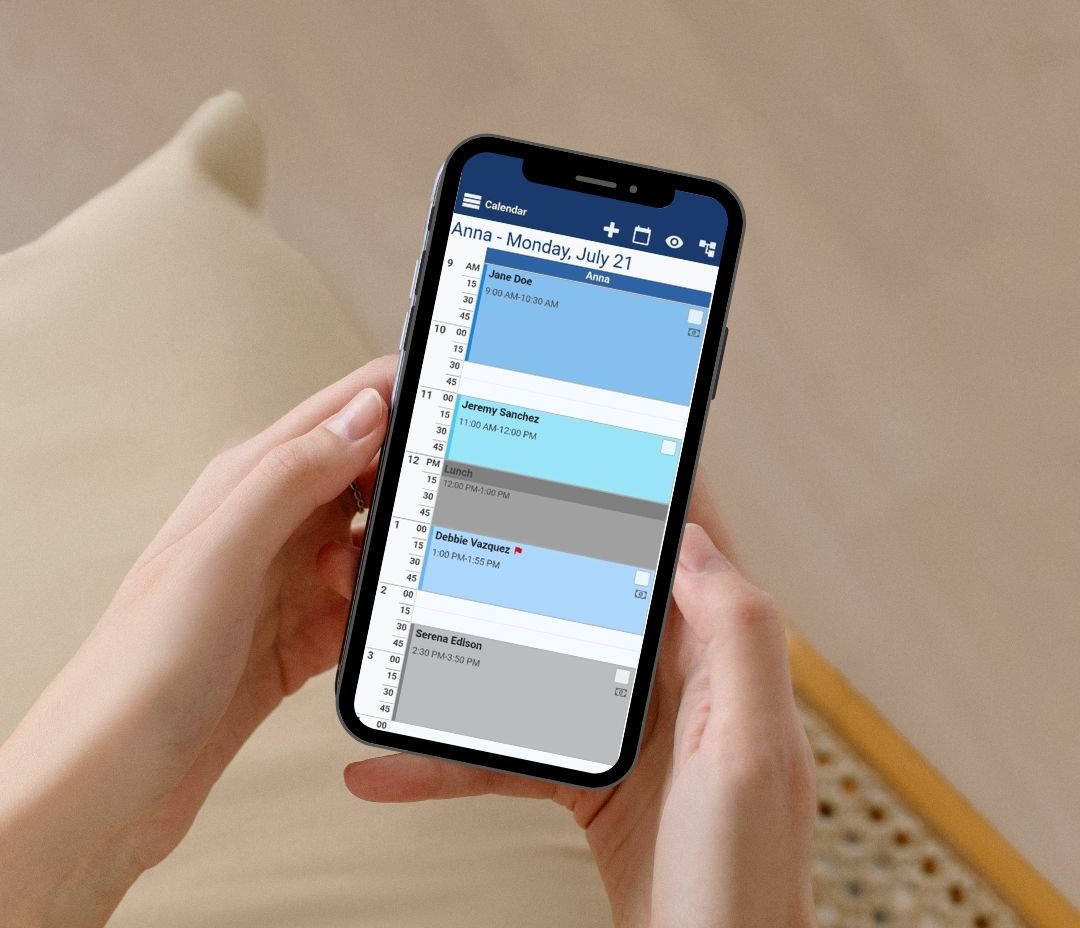
Tech issues and human mistakes often lead to double bookings. Modern booking software prevents this through several features:
- Live availability displays that show only open slots
- Automatic syncing with Google Calendar
- Controls over who can make and change bookings
Calendar updates happen quickly – usually within minutes. This speed becomes essential during busy periods when bookings happen more frequently.
Live calendar syncing makes operations smoother. The core team gets notifications about schedule changes right away. Interactive floor plans show current room availability across locations in real time.
Time-slot management for services and events
Smart time-slot management lets businesses control their schedule precisely. Modern systems let you customize time blocks based on service length, prep time, and available resources.
Buffer time between appointments stops schedules from overlapping. Some systems include grace periods – if clients don’t show up within a set time, the slot opens up for new bookings.
The system manages more than just time. It tracks equipment, rooms, and staff availability. This all-encompassing approach ensures customers book slots only when everything needed is actually available.
Advanced systems manage waitlists and fill cancellations automatically. This helps businesses use their capacity better and gives waiting customers a chance to get their preferred times.
These three aspects of live booking form strong foundations for any online booking system. This core functionality streamlines operations and makes customers happier – making it essential for businesses wanting to stay ahead with their booking software.
2. Integrated Payment Processing
A payment processing system that works smoothly is the life-blood of any online booking solution. Customer trust and business security depend on your payment processing choices, especially since data breaches have affected over 10 billion consumer records since 2005.
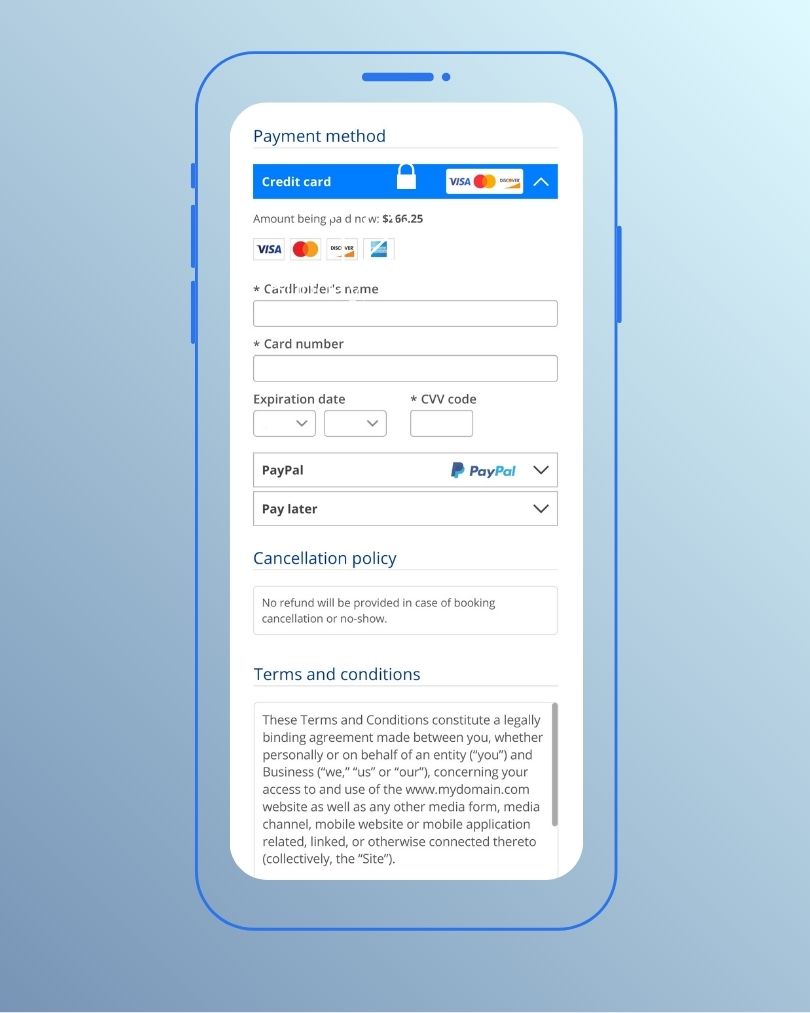
Support for multiple payment gateways
Your booking system needs to work with different payment gateways. This gives customers more choices and helps you make more money. Stripe, PayPal, and Square are some of the best options out there, each with its own benefits.
Stripe makes life easy for developers and charges fair rates (2.9% + $0.30 per transaction). It works with more than 135 currencies. This makes perfect sense if you deal with customers from around the world. PayPal costs about the same and comes with built-in ways to handle disputes. People trust PayPal right away because they know the name.
Square works great if you need to handle both in-person and online bookings. You get free point-of-sale software and your money the next day. This makes it simple to track all your sales in one place.
Look at these factors before you choose:
- What you’ll pay in fees
- Which payment methods and currencies work
- How hard it is to set up
- How quickly you get your money
More payment options mean better business. One source puts it simply: “It’s become essential for businesses to offer a variety of payment methods” because that’s what customers want now.
Secure transactions with PCI compliance
Every business that handles credit cards must follow Payment Card Industry Data Security Standard (PCI DSS) rules. These rules keep everyone safe by setting security standards across the board.
PCI compliance has three main parts:
- Safe ways to collect and send card data
- Secure storage with proper safety measures
- Yearly security checks
Breaking these rules can cost you big time. PCI DSS violations can lead to fines up to $100,000 each month. Data breaches are even worse – they cost US companies $7.91 million on average.
You need good encryption, regular updates, strict access rules, and constant security checks to stay compliant. On top of that, an SSL certificate on your website creates secure connections. Customers see this as a padlock icon in their browser.
Many booking systems use tokenization to make compliance easier. This means sensitive payment data gets replaced with special codes. You can process payments without keeping actual card numbers, which is a big deal as it means that your security risks go down.
Deposit and partial payment options
Partial payments are a great way to handle expensive services or advance bookings. Customers can save their spot with a deposit instead of paying everything upfront.
You can set deposits as fixed amounts or percentages. For example, customers might pay 30% first and 70% later. This makes big purchases more available and ensures customers are committed.
Partial payments mean fewer cancellations because customers have money on the line without paying everything at once.
3. Mobile-Friendly and Responsive Design
Mobile adoption has changed the booking world dramatically. Mobile devices now generate over 70.5% of global online travel traffic in 2024. Businesses must adapt or risk losing a big chunk of their market share. A responsive booking platform has become an operational necessity rather than just a competitive edge.

Why mobile optimization is non-negotiable
The numbers tell a compelling story. Mobile devices generated 68% of online traffic for travel and hospitality websites in 2023. Many booking systems fail to convert this traffic effectively. Desktop still dominates actual sales at 62% despite mobile accounting for about 60% of online travel traffic. This gap shows untapped revenue potential that businesses can’t ignore.
Mobile wallet usage for travel bookings saw a 30% growth in 2024. This reflects customers’ changing payment priorities. The mobile booking market value stands at USD 228.40 billion now. Experts project it to reach USD 526.40 billion by 2032, with an 11% annual growth. These numbers highlight the financial risks of poor mobile optimization.
Load times play a crucial role in conversion rates. Users abandon websites quickly – 53% leave if pages take more than 3 seconds to load. Even minor delays can substantially reduce bookings.
North America dominates 35% of the mobile booking market. This leadership comes from high smartphone usage, reliable internet access, and a well-developed mobile commerce system.
Booking on-the-go: customer and staff benefits
Mobile booking offers substantial advantages to customers. Research shows 39% of users prefer apps over mobile websites for speed, while 30% value apps’ enhanced functionality. The convenience factor matters – 76% of global travelers value travel apps that minimize stress.
Mobile users have shown growing purchasing power. Their average online order value has jumped 29% since 2020. This makes them an increasingly valuable customer segment.
Mobile optimization creates several key benefits:
- Accessibility anywhere: Customers can book services while commuting, waiting in line, or learning about a destination
- Improved user experience: Responsive design adapts to different screen sizes for easy navigation on all devices
- Competitive advantage: Mobile-optimized booking gives businesses an edge through simplified processes and faster responses
Staff members benefit from mobile access too. They can view bookings, make changes, and answer customer questions from anywhere. This flexibility makes operations more efficient and speeds up response times.

The technical side of mobile optimization needs:
- Responsive design that fits different screen sizes and resolutions automatically
- Simplified interfaces with larger tap targets and simplified forms built for smaller screens
- Accelerated loading through optimized images and efficient code
- Secure payment options built for mobile transactions
The data paints a clear picture. Direct digital channels should overtake OTAs as the main hotel distribution method by 2030. They could generate over USD 400 billion in hotel gross bookings compared to USD 333 billion from OTAs. Businesses that focus on mobile optimization now will capture this growing market share.
4. Multi-Language and Multi-Currency Support
Your booking system’s global reach matters more than its technical features when attracting international customers. Multi-language and multi-currency features change a simple booking platform into a worldwide sales channel. This opens new markets beyond geographical boundaries.
Serving a global audience
International travelers expect services in their native language and currency. Research shows that 72.4% of consumers prefer to make online purchases when websites display content in their mother tongue. Companies that use localized content see their revenue grow by 26% on average.
The psychology behind this makes sense – customers feel safer when they receive service in their own language. This sense of security shapes booking decisions. Studies show 55% of global consumers buy only from websites that provide information in their native language.
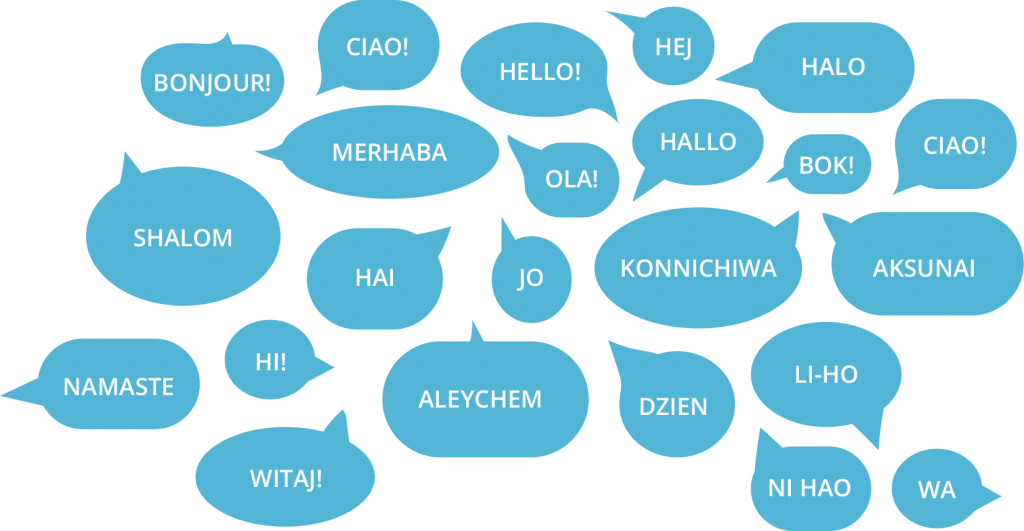
Companies operating in multilingual regions like Belgium, Switzerland, and India must offer multiple language options. Modern booking systems let you customize language at the service level instead of the entire booking page. This detailed approach helps you:
- Match your staff’s language skills with customer priorities
- Create services for different language groups
- Keep communication clear throughout the booking experience
Localized booking experiences
Localization means more than just translation. Your booking system should consider cultural differences that shape user experience. Essential elements include date formats (MM/DD/YYYY vs. DD/MM/YYYY), time displays (12-hour vs. 24-hour), and regional payment priorities.
Setting up these features needs careful planning. Best practices include using Unicode (UTF-8) encoding to support characters from all languages. Language-specific URLs improve SEO performance.
These changes boost conversion rates. Localized booking sites see conversion rates up to 70% higher than their non-localized counterparts. This improvement happens because customers can complete their bookings without confusion.
The core team management becomes easier when you assign members who speak the requested language to specific services. Multilingual staff can handle multiple services while keeping their calendar free across all offerings.
5. Customizable Booking Forms and User Interface
Custom experiences are central to modern booking systems. Your system becomes uniquely yours with customized booking forms and interface options. The ability to adapt ranks high among the most important features that online booking systems need.
Tailoring forms to your business needs
You can create the perfect way to collect information with custom booking forms. Each business needs different things, which makes adjustable forms essential. The forms let you add text inputs, dropdown menus, checkboxes, and number fields.
The system gives you full control over how customers move through booking steps. This creates a natural flow that customers can follow without getting confused.
These benefits make a real difference. Hotels can collect check-in dates, guest numbers, and special requests. Service businesses need to know what services customers want, when they want them, and their background. The form can take specific actions based on what customers choose.
Brand consistency throughout the booking process
Your brand should shine through every step of the customer’s booking experience. Good systems let you have complete branding customization without showing their logos or branding. This creates an experience that feels connected.
You can match your website’s colors perfectly to create a unified look. Many platforms also let you customize layouts, fonts, and graphics to make your brand stand out.

Look for systems that show your brand everywhere customers interact:
- Booking confirmation pages
- Email notifications and reminders
- Post-booking follow-ups
Your brand becomes stronger when customers see it consistently. This goes beyond just looking good; customers feel more confident booking when they see professional branding.
Collecting relevant customer data
Good data collection turns simple bookings into valuable customer information. Your forms should get important details without asking too much. The sweet spot is getting what you need while keeping forms short enough that people complete them.
Smart systems let you choose which fields must be filled out. Fields can become required only in specific situations. To cite an instance, customers might need to enter voucher numbers only for certain rates.
This information serves many purposes. Staff learn about customers before appointments. Marketing teams can send personalized messages. You can spot trends and find ways to improve your business.
Well-designed forms help you learn about your customers while keeping booking completion rates high.
6. CRM and Automated Communication Tools
CRM integration with booking systems turns regular platforms into valuable business tools. Your booking system and CRM working together centralizes customer data. This setup simplifies operations and adds a personal touch throughout the booking process.
Customer profiles and booking history
Booking systems connected to CRM software allow customer information to flow automatically between platforms. Each reservation adds contact details, priorities, and booking history to create a detailed profile. Staff members can access critical information instantly during customer interactions.
Modern CRM systems show past and future bookings with other valuable data points like product purchases, contact details, and newsletter priorities. This complete view helps make smarter business decisions based on real customer behavior instead of guesswork.
The business effect is significant. Combined booking and CRM tools help identify important milestones in the customer’s lifecycle based on behavior patterns and demographics. This data helps create targeted marketing campaigns and personalized service experiences.
Automated emails and SMS reminders
Missed appointments hurt revenue and waste resources. Automated communication tools can reduce no-shows by up to 90%. These systems send timely messages before appointments without extra work from your team.

Flexible systems let you customize messages across multiple channels:
- Email reminders (48 hours to 1 hour before appointments)
- SMS text messages (typically sent closer to appointment time)
- App notifications with confirmation options
The system’s timing flexibility stands out. You can set reminders from one week to just a few hours before appointments. Most platforms allow multiple reminder sequences – an email two days before and a text message three hours before the scheduled time works well.
Advanced systems provide unlimited text reminders without monthly limits or hidden fees. This freedom lets businesses create communication plans that fit their specific needs.
Post-booking follow-ups and review requests
Automated follow-ups after service keep customers engaged and collect valuable feedback. Review requests sent right after service completion catch customers when they’re most likely to respond.
Studies show 34% of customers will leave reviews when asked through email. The best systems send an original request followed by a gentle reminder one week later if customers haven’t responded.
Using multiple communication channels increases engagement rates. Email, text, and app notifications help reach customers through their preferred method. This approach shows respect for customers’ choices and increases feedback responses.
The best systems work smoothly with your existing tools and automatically send review requests when appointments finish. This integration removes manual tracking needs and creates a consistent review process across your business.
7. Reporting, Analytics, and Business Insights
Smart reporting tools can convert raw booking data into useful business insights. Advanced analytics help you make better decisions based on real evidence, going beyond basic features.
Track revenue, occupancy, and booking trends
Evidence-based classes booking systems create detailed dashboards that show key performance metrics. You can spot seasonal patterns, find peak booking days, and see when customers book most often.
The best systems let you analyze booking pace by comparing current activity with past data to predict future performance. These predictions help you adjust your pricing strategies.

Time-based analytics show exactly when customers make bookings. Recent studies show Fridays generate the most bookings, which makes them perfect for last-minute promotions. The data also shows that 2:00 PM is peak party time for family entertainment centers.
Exportable reports for accounting and marketing
Modern booking platforms let you export data in many ways for deeper analysis. Good systems allow downloads in various formats like TSV, CSV, XLSX, and PDF. You can then work with this information using familiar tools like Excel or Google Sheets.
The best platforms offer customizable reports covering:
- Financial performance by day, unit type, and market segment
- Staff productivity and service metrics
- Booking source effectiveness
- Client contact details for targeted marketing campaigns
These exportable reports are the foundations of a single source of truth that connects your booking data with accounting, marketing, and operations teams.
Using data to improve operations
Analytics can create real operational improvements. You can optimize staffing levels by finding booking patterns – adding more team members during busy times and fewer during quiet periods.
Analytics highlight empty calendar slots that you can fill through targeted promotions. On top of that, booking data shows which services bring in the most revenue, helping focus your marketing efforts.
These analytical tools ended up turning regular booking platforms into strategic business tools that accelerate growth through smarter decisions.
8. Third-Party Integrations and Channel Management
Your booking system’s capabilities expand through integrations that connect it to other business tools and sales channels. This creates an ecosystem where data moves automatically between systems.
Connecting with OTAs and resellers
Channel management tools make it easy to sell your inventory through online travel agencies (OTAs). These systems create two-way communication paths between your property and popular booking sites like Booking.com. The system updates availability on all platforms automatically whenever a customer makes a booking.

Numbers show why OTA connections matter. Up to 80% of global travelers use OTAs to book, and about 56% come from North America.
API access for custom workflows
APIs (Application Programming Interfaces) connect different software systems together. API access lets you:
- Store booking data in external databases
- Create custom checkout experiences on your website
- Design unique booking workflows that match specific needs
Businesses can set up their systems exactly how they want without restrictions.
Syncing with CRM, accounting, and calendar tools
Your booking system’s integration with other business tools eliminates duplicate data entry. Studies show that more than 66% of businesses spend five days each month processing invoices. Calendar updates happen within minutes, and CRM systems create customer profiles automatically with each new booking.
These connections reduce mistakes, save valuable time, and help track finances live – key benefits for businesses of all sizes.
Conclusion
Your business success in 2025 depends on picking the right online appointment booking system. These key features work together. They create a booking experience that your customers expect and make your operations run smoothly.
Your customers won’t have to wait with up-to-the-minute availability and instant booking confirmations. They can pay the way they want with multiple payment gateway options. Mobile-friendly design isn’t optional anymore – smartphones now generate over 70% of global online travel traffic.
Your business can reach international markets with support for multiple languages and currencies. Custom booking forms help you collect specific information while your brand identity stays consistent throughout the customer’s trip. Automated messages cut down no-shows. Up-to-the-minute data analysis turns booking information into applicable information for better decisions.
The system becomes even more powerful when it connects with other business tools through third-party integrations. This complete approach creates a smooth flow of information between systems automatically.
Today’s customers want everything fast, easy, and personalized. An online booking system with these features delivers all three. The right system does more than just take bookings – it becomes a valuable tool that accelerates growth, improves efficiency, and makes customers happier.
Online bookings rule the market now. Your choice of booking software will affect how well your business adapts to changing customer priorities. Think over these key features carefully when you pick your next online booking system. Your business’s future might depend on it.