

What Is an Online Booking System? A Beginner’s Guide for Business Owners
Statistics show that 70% of customers prefer to book online. Your business growth now depends on understanding and implementing online booking systems. Modern consumers demand convenience, and 40% of online bookings take place after business hours.
Smart devices allow your potential customers to reserve and pay for services through websites or social networks using online booking systems. These digital tools have evolved from luxury items into business necessities. Local businesses report a 120% revenue increase after implementing booking software. The systems help cut down time, money, and effort needed to manage appointments.
This piece covers everything about online booking platforms. You’ll find why traditional methods limit your growth, how these systems operate, and which features matter most for your business. Your competitors who provide 24/7 scheduling options often win customers who can’t reach you during office hours. Your business needs to adapt quickly to stay competitive.

Why traditional booking methods are holding you back
Traditional booking methods feel familiar and comfortable, but they quietly hold back your business growth. Studies show that outdated appointment management creates major issues for businesses and customers.
Manual scheduling inefficiencies
Do you still use paper logs, spreadsheets, or simple computer software for appointments? These traditional methods bring serious drawbacks that hurt your bottom line.
Your staff wastes too much time handling phone calls, emails, and paperwork, tasks that automation could handle. This lowers efficiency and increases the chance of human error by a lot. Manual data entry creates several problems:
- Double bookings and lost reservations happen more often
- Staff members miscommunicate frequently
- Information stays trapped in physical records or on-site computers
- Nobody can access booking information remotely
These problems grow worse as your business expands. Manual systems become harder to manage, which makes growth difficult. Missing immediate schedule updates creates conflicts and confusion between staff and customers.
Team members develop inconsistent practices without centralized scheduling. Managers and schedulers end up trapped in administrative work instead of core business activities.
Money losses add up quickly. Healthcare settings that optimize scheduling show a 38% reduction in patient wait times compared to old methods. Every business loses revenue and growth opportunities through these inefficiencies.
Customer frustration with phone/email bookings
Customers grow tired of old-fashioned booking methods. Research shows 78% of people feel frustrated when they deal with customer service. Phone and email booking limitations cause most of this frustration.

A notable 59% of consumers say phone booking inconveniences cause their biggest scheduling headaches. They hate:
- Waiting on hold (42% call it a huge time-waster)
- Restricted booking hours (17% hate waiting for business opening)
- Limited time slots (20% can’t find convenient times)
Your business should worry most about this fact: potential customers who wait on hold will hang up and choose your competitors. Customer service satisfaction has hit its lowest point in ten years, with 24% of 15,000 survey participants reporting bad experiences.
Today’s consumers expect to book services whenever they want. Americans spent more than 1.6 trillion hours on mobile phones in 2020, which shows why old booking methods fall short. Phone booking will soon disappear; you must adapt or risk losing the 70% of customers who prefer online booking.
Many businesses miss how much customers want control over booking. Nobody likes depending on your business hours or limited phone staff. This gap creates poor experiences that damage your company’s reputation.
Online booking systems solve these problems. Customers can schedule services whenever they want without waiting, which makes the process quick and available to everyone.
What is a booking system and why it matters
Online booking systems serve as a digital bridge between your business and customers. These systems eliminate barriers associated with traditional scheduling methods and create smooth connections between service providers and their clients.
Definition of online booking system
Digital tools let customers schedule appointments or reserve services through a website or app. A booking system’s software solution enables potential guests to self-book and pay through your website and other channels.
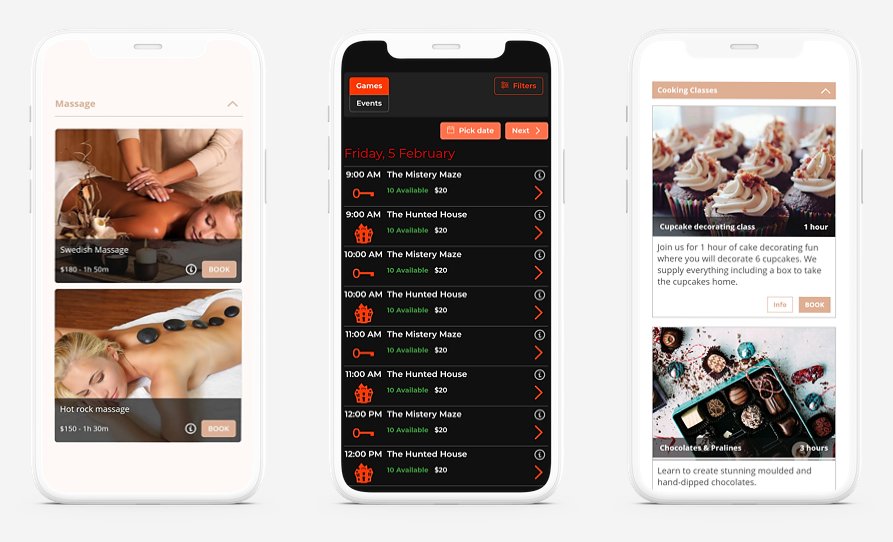
These systems manage everything from simple reservations to complex scheduling needs. They adapt to businesses of all types and sizes. The software eliminates manual scheduling work and saves valuable time.
A detailed booking system has several key components:
- Self-service scheduling interface – Customers view available time slots and select their preferred appointment time without staff assistance
- Payment processing – Secure payment gateways enable customers to pay online when booking
- Automated communications – Confirmation emails and reminder notifications reduce no-shows
- Back-end management dashboard – Business owners track all bookings live
Manual methods often create isolated information silos. Booking systems synchronize data across platforms. This all-encompassing approach minimizes data gaps while protecting customer privacy.
Why it’s essential for modern businesses
The transformation from “nice-to-have” to “must-have” happened faster than expected. Research shows 90% of customers prefer booking their appointments online. Numbers reveal that 35% schedule appointments during non-business hours. Your business could miss over a third of possible bookings without an online option.
Here are compelling reasons why booking systems have become vital:
Booking systems improve customer experience significantly. Modern consumers expect convenience. They want to book services on their terms without waiting for business hours. One industry report states, “the easier you make it for clients to book appointments with you, the more appointments will get booked. It’s really that simple”.
The core team can focus on delivering exceptional service instead of answering phones and managing schedules. Businesses save approximately 15 hours monthly with an online booking system, not counting time saved on rescheduling and cancellations.
These systems work as round-the-clock sales representatives. They accept bookings at any time, even during holidays or late at night. This constant availability matters, especially when you have younger demographics who expect digital convenience.

Operations become streamlined through automation. These systems act as a central hub for business management – from scheduling to payment processing to customer management. One expert notes, “res-tech has evolved to the point that it’s become a central hub for managing every aspect of your business, from marketing to distribution to operations”.
Double-bookings and scheduling conflicts become nearly impossible with booking software. The system updates availability live, which prevents customer frustrations.
Business owners get useful intelligence from these systems. Live reports show which products generate most revenue, customer demographics, and business growth trends. This data enables smarter decisions about pricing, staffing, and marketing.
The message rings clear: online booking systems dominate today’s digital marketplace. Businesses must implement quality booking systems to stay competitive and meet customer expectations.
How online booking software works behind the scenes
A sophisticated system works behind the scenes to create a smooth booking experience. Let’s look at how these systems really work.
User interface and customer experience
Your business’s digital storefront is the front-end of an online booking system. A clean layout, accessible interface, and clear instructions guide customers through each step. Customers should find what they need in just 3 clicks and book and pay right away.
Quick loading times matter. Each booking page loads in under one second to keep users happy. This speed helps customers complete their bookings instead of giving up.
Customers go through these steps on your booking page:
- Browse available options and time slots
- Select desired services or resources
- Choose suitable dates and times
- Complete personal information
- Process payment securely
- Receive immediate confirmation

This happens on different devices – 4 out of 10 visits to travel or tourism websites come from mobile devices. Booking systems must work perfectly on smartphones, tablets, and computers. About 94% of travelers switch between devices while planning and booking trips.
Modern systems merge with social media platforms and other digital touchpoints. Customers can book directly through Facebook, Instagram, or Google without visiting your main website.
Backend automation and data handling
Backend automation makes online booking systems work smoothly. These systems track service, resource, or personnel availability immediately to prevent double-bookings and conflicts. Hotels and tour operators can sync their inventory across all sales channels – from direct website bookings to third-party platforms.
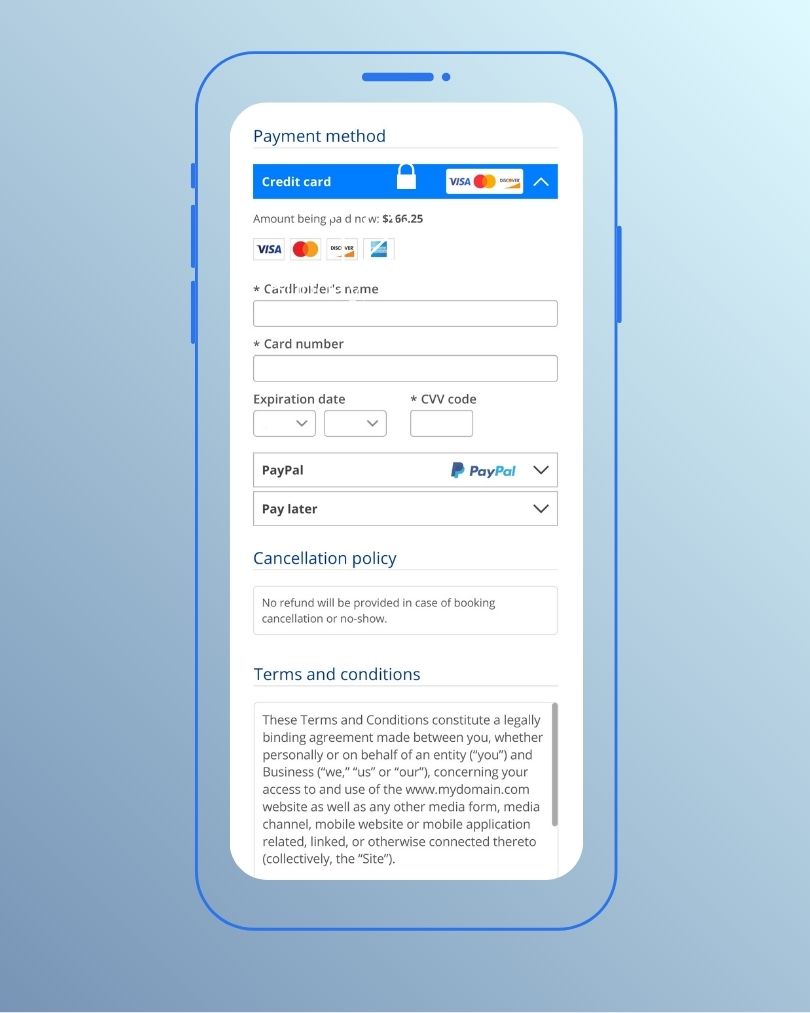
Secure payment processing is crucial. The system handles transactions automatically through payment gateways like credit cards, PayPal, or other digital payment methods. The system creates and sends detailed invoices and receipts automatically after payment.
Automated communication keeps everyone in the loop. Confirmation emails go out right after booking, with scheduled reminders as the appointment date gets closer. These messages help reduce no-shows and keep customers informed.
Data security is vital for booking systems. They handle sensitive information like names, contact details, payment information, and sometimes medical records. These systems protect data through:
- Data encryption
- Access controls
- Secure data storage protocols
- Anonymization techniques, when needed
Booking systems must also follow privacy regulations like GDPR. This means collecting only essential information and deleting it after its purpose is complete. Users should have dashboard controls to view, change, or delete their personal information.
The backend provides useful business insights. Business owners can make smart decisions about staffing, marketing, and service offerings by analyzing booking patterns, customer priorities, and operational data.
Benefits of online appointment booking systems
Online booking systems offer advantages that old-school scheduling just can’t match. The practical benefits explain why businesses everywhere switch to digital scheduling solutions.
Better time management
An online booking system cuts down admin work by a lot. Businesses save 5–10 hours weekly on scheduling tasks alone. Your team can focus on what really matters – taking care of customers.
The system removes common hassles:
- No more playing phone tag with clients
- Fewer schedule mix-ups to fix
- Less paperwork and manual entry
- Fewer scheduling follow-ups needed

Automation becomes even more valuable as your business grows. Traditional scheduling might force you to hire more admin staff. A booking system helps you expand without adding too many overhead costs.
BeatBoxClub learned this lesson firsthand. They looked at their booking patterns and tweaked class schedules based on what customers wanted. The result? A 22% booking increase in just two months. Time saved quickly turned into more revenue.
Improved customer retention
Customer loyalty depends on making things easy. Today’s clients love knowing how to book, change, or cancel appointments on their own terms. This freedom makes them feel valued and respected.
The numbers tell the story – 35% of bookings happen after hours. Without round-the-clock booking options, you’ll miss out on clients who like scheduling services at night or on weekends.
Automatic reminders give you another edge. These systems send confirmations and timely nudges that cut no-shows by a lot. Healthcare providers who use reminders see no-shows drop by up to 70%. More kept appointments mean steady revenue and happier client relationships.

Messages after appointments help build stronger connections. The system sends thank-you notes and asks for feedback without any extra work. Regular contact keeps your business fresh in customers’ minds.
Companies using digital booking platforms see up to a 30% jump in repeat customers. This shows how much convenience matters in today’s market.
Data-driven decision-making
The hidden gem of online booking systems lies in the information they collect. These platforms track customer priorities, booking patterns, and how well things run.
Old-school scheduling meant digging through appointment books to spot trends – a task that rarely got done. Digital systems track popular services, peak times, and changing client needs automatically.
This data helps you make smart moves. You might find certain slots book up fast, showing where to add more capacity. Or you might notice some services rarely get booked, pointing to pricing or marketing changes.
Hard data beats gut feelings every time. You can make changes with confidence because you have complete information backing you up. Business decisions become less risky and more likely to work.
This creates a real edge over competitors. While others guess what customers want, your business knows exactly based on real booking patterns. You can target resources, marketing, and new services more effectively.
Must-have features in a booking platform
The success of your business’s digital presence depends on picking the right booking platform. Let’s look at the core features that will make your online scheduling system work.
Customizable booking pages
Your booking page represents your business online. You need pages that reflect your brand perfectly. A good system helps you adjust visual elements to match your brand identity.
Most platforms allow you to:
- Upload your business logo for brand recognition
- Select color themes that match your brand identity
- Add background images and customize page layouts
- Create detailed service descriptions with images
- Develop custom questions for customers at booking time
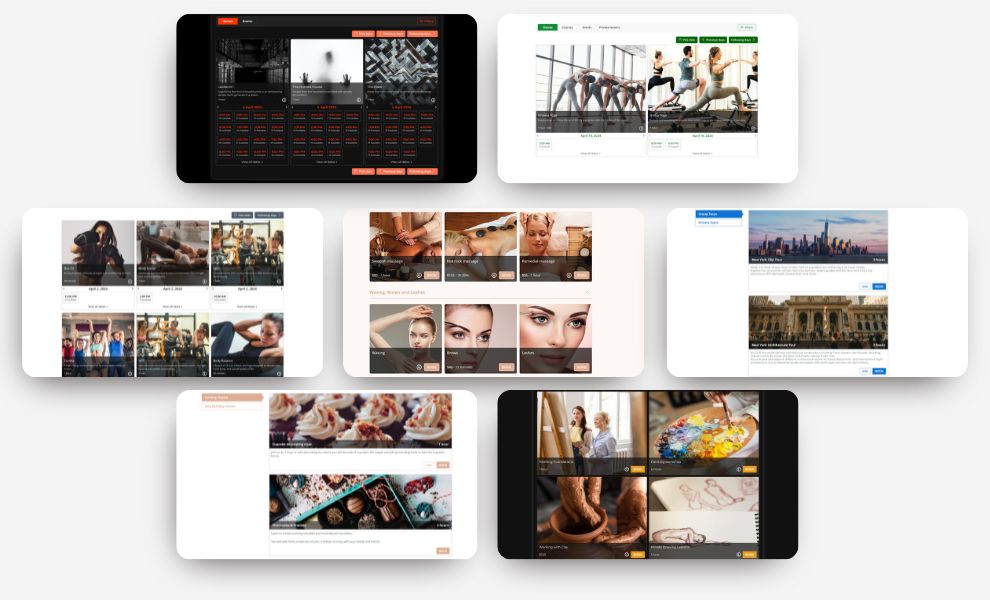
The way customers see your business depends on your level of customization. Studies show that 96% of reviewers rated booking management customization as “important” or “highly important”. These personal touches help maintain your brand’s consistency everywhere customers find you.
On top of that, it needs to load fast, under one second, to keep customers from leaving. Speed becomes even more crucial as your business grows.
Multi-channel access (website, social, mobile)
Modern customers want to book through different platforms. A good booking system merges with channels of all types to capture appointments wherever customers find your business.
Quality booking systems offer:
- Website embedding options that blend naturally with your existing site
- Social media booking capabilities through platforms like Facebook and Instagram
- Mobile-optimized interfaces that work across all devices

This matters because 40% of travel and tourism website visits come from mobile devices. Plus, 89% of reviewers thought mobile access was critical for reservation systems.
So, a system with strong multi-channel features helps you capture bookings anywhere your customers want to participate. This prevents missed opportunities and helps you reach more customers.
Secure payment gateways
Taking payments during booking makes your business run smoother but needs careful attention to security and ease of use. Your booking system should offer safe, flexible ways to process payments.
The core team should look for:
- Multiple payment method support (credit cards, digital wallets, etc.)
- Integration with trusted payment processors like Stripe and PayPal
- Deposit and full payment options
- Automatic invoicing and receipt generation
- Support for promotional codes and discounts
Security remains the top priority, 96% of reviewers rated secure payment processing as “important” or “highly important”. Modern systems protect sensitive data through encryption and secure protocols that build trust.
Many platforms now support Apple Pay and Google Pay for customers who prefer these options. Digital wallet options can boost conversion rates by speeding up checkout.
Analytics and reporting
Informed decisions help you optimize scheduling, staffing, and marketing. Advanced booking systems offer detailed analytics tools that turn raw booking data into applicable information.
Everything in reporting includes:
- Visual dashboards showing booking patterns and trends
- Revenue tracking across different services or time periods
- Staff performance metrics
- Customer booking behavior analysis
- Exportable reports for deeper analysis

These analytics prove valuable in practice, business owners using booking data reported major improvements in resource allocation and marketing effectiveness. To cite an instance, a kayak tour provider boosted sales by focusing marketing on popular sunset tours after analyzing their data.
Good reporting tools help you understand your best services, typical booking times, and schedule optimization for maximum revenue. These insights let you make strategic changes based on real customer behavior instead of guessing.
Choosing the best booking software for your needs
Choosing the right booking software means taking a good look at what your business needs. Each type of business has its own scheduling requirements. Your technical needs must match both what you’re doing now and where you want to go.
Industry-specific tools
The market offers booking software designed for specific business sectors. Your industry has unique scheduling needs that basic platforms might not handle well.
Take beauty salons – they need systems that can track staff specialties and client priorities. Medical practices must have HIPAA-compliant systems that protect patient information. Educational institutions do better with tools that handle group bookings and course signups.
Here are some industries that get great results from specialized booking solutions:
- Retail businesses managing in-store appointments
- Financial institutions scheduling client consultations
- Real estate companies organizing property viewings
- Studios and gyms offering private and group classes
- Recruitment firms handling interview scheduling
- Tour and activity providers
- Sports venues managing facility reservations
These systems come with features built specifically for your type of business. A salon’s booking system tracks stylist specialties and product inventory. Medical scheduling platforms focus on privacy controls and flexible appointment lengths.
When you pick industry-specific software, you get pre-built templates and workflows that match your business processes. Your staff learns the system faster, and the setup takes less time.
Scalability and flexibility
Business owners often make one big mistake. They pick software that works for now but can’t grow with them. Your scheduling needs change as your business gets bigger.
Here’s what to think about for scalability:
The system should handle multiple locations well. Growing businesses often add new sites that need synchronized scheduling.
Your software must stay fast even when you add more staff. Speed shouldn’t suffer as user numbers go up.
Look for tiered subscription plans that let you add features when needed. You won’t pay for extras now but can access them later.

The way your booking system connects with other tools matters a lot. It should work smoothly with Google Calendar, CRM systems, and payment processors.
As one expert explains: “As your business grows and expands, you don’t want to be caught piecing together multiple technologies and systems to operate your business, which can ultimately create inefficiencies and a poor client experience”.
Support and documentation
Even the best software needs help sometimes. Take a good look at support resources before you pick any booking platform.
Good support comes in several ways:
- Complete documentation for setup and troubleshooting
- Quick email support with clear response times
The platform should have self-help resources like knowledge bases, how-to guides, and FAQ sections. These help solve problems quickly without waiting for support staff.
Response time makes a huge difference. Send some questions before you buy and see how fast they answer. This shows what kind of support you’ll get as a customer.
Check if support comes with the basic subscription or costs extra. Some providers charge more for priority support or help outside business hours.
Documentation quality varies between providers. Some give basic guides while others offer detailed manuals for every feature. Look through the documentation to make sure it works for your team.
The right support resources help your team learn the new system faster and use all its features better over time.
Common challenges and how to overcome them
Online booking systems offer amazing benefits, but you might face some challenges when setting them up. A good understanding of these common hurdles will help create a smoother transition for your business.
Original setup time
Have you ever rushed through software setup and later regretted it? The setup of an online booking system needs proper time and attention. You should set aside at least 24 hours to configure everything properly. Technical problems often pop up when you rush through this process.
The setup process works better as an investment rather than just another task. Your booking system needs a strong foundation that comes from properly setting up everything – from service listings to payment options. The urge to speed through exists, but a detailed original setup prevents future operational problems.

Staff resistance to change
Employee pushback remains one of the biggest hurdles, even with the best booking software. Staff resistance usually comes from valid concerns rather than stubbornness:
- Fear about job security – Employees worry automation might make them less valuable
- Comfort with existing methods – Learning new systems feels daunting after mastering current processes
- Perceived loss of control – The change from manual to automated scheduling makes staff feel less influential
Companies that deal with these concerns head-on see 60% faster technology adoption rates. Open communication channels help staff express their worries freely. The system reduces administrative work rather than replacing jobs – this message builds confidence among employees.
A peer champions program helps when enthusiastic early adopters support their colleagues during the transition. Companies that offer specialized training based on different skill levels see 70% faster proficiency in their users.
Data migration issues
The switch from traditional to digital booking systems often needs existing appointment data transfer – a process that can get complicated. Data migration problems usually involve incompatible formats, corrupted data, and security risks.
Your data needs analysis and cleanup before migration. Finding and fixing corrupted information first makes the transfer easier and reduces mistakes. A backup of everything before migration starts gives you peace of mind and a safety net.
The best time to migrate data is during quiet hours. This timing helps maintain good customer service during the transition and gives your team space to handle unexpected problems.
How Bookeo helps you grow your business
Looking for a booking solution that truly fits your business needs can be challenging. Bookeo stands out in the digital world with features that help businesses like yours stimulate growth.
All-in-one solution for small and medium businesses
Bookeo offers a complete stack of booking systems built for businesses of all types. The platform comes in three custom versions: appointment scheduling for service providers, class registration management for schools and studios, and tour/activity booking for experience-based businesses. This targeted approach ensures you get tools that match your business model’s needs.
The system never sleeps. Your clients can see your live availability and book services 24/7. Your dashboard updates happen instantly with booking details and payment information.
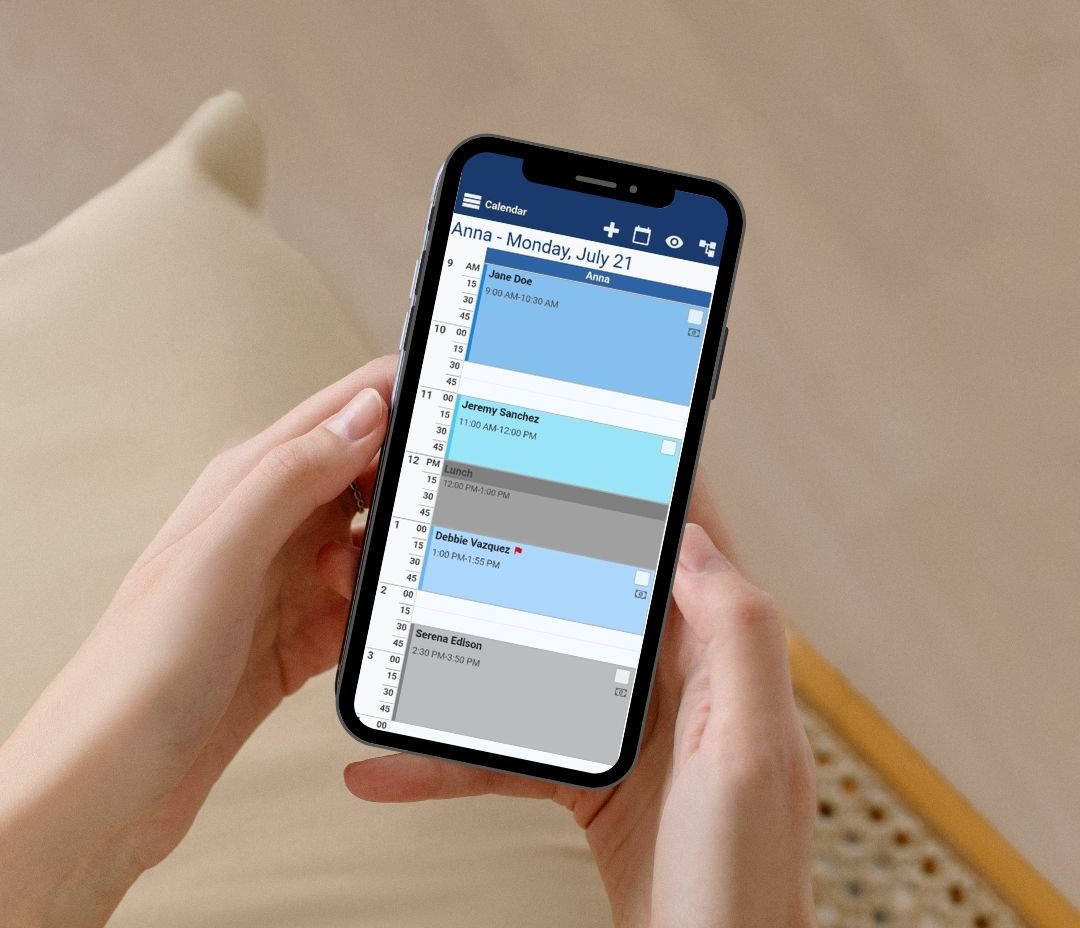
Bookeo takes care of automatic email confirmations and reminders to clients. This feature helps you avoid pricey no-shows. The core team receives instant updates about new, changed, or canceled appointments, even away from the office.
Affordable pricing with powerful features
Bookeo’s straightforward pricing model sets it apart from competitors. The platform charges a flat monthly fee without any commissions or percentage fees on bookings. You can plan your budget without unexpected costs.
Your customers pay exactly what you set, no extra fees added to their bills. This clear pricing builds trust and keeps your services competitive.
The platform lets you subscribe month-to-month without any lock-in contract. You can adapt as your business evolves.
Trusted by thousands of business owners
Bookeo supports thousands of businesses in more than 120 countries and 35 languages. This shows its capability to help businesses of all types worldwide.
Success stories from real businesses are impressive. One company saw 20% year-on-year growth “due to Bookeo’s efficiency”. A photography business eliminated roughly 4,000 annual phone calls, which gave them more time to focus on their core work.
Conclusion
Online appointment booking systems have evolved from optional tools into vital business assets. This piece shows how these digital solutions overcome traditional booking limitations and create new growth opportunities.
Businesses must adapt quickly to online booking trends. Customer preferences tell the story clearly – 70% want to book online, and 40% make reservations outside business hours. Your team saves time on administrative work while customers enjoy a better experience.
The booking system’s data collection capabilities give an explanation that manual methods can’t match. Up-to-the-minute data analysis helps make smarter decisions about staffing, pricing, and service offerings based on actual customer behavior instead of guesswork.
Your specific business type should determine the booking platform choice. Look for systems with customizable booking pages, multi-channel access, secure payment processing, and detailed reporting tools. A proper setup takes time but prevents future complications.
Your core team needs proper training. Address their concerns openly and show them how the system simplifies their work rather than threatens their positions. A careful data transfer prevents transition problems.
Bookeo proves to be a practical solution with specialized versions for service providers, class instructors, and tour operators. The platform operates continuously and manages bookings, reminders, and team updates. The straightforward pricing structure without commissions ensures customers pay exactly what you charge.
Businesses report impressive results with online booking systems – 120% revenue increases and fewer no-shows. Your business can’t afford to miss these advantages. The modern customer expects convenience, so choosing the right online booking system becomes crucial to business success.