

What is Tour Booking Software? A Simple Guide for Travel Businesses
Ever wondered about tour booking software? This technology emerged less than 20 years ago and changed how travel businesses operate. You might be one of the estimated 500,000 to 1 million tour operators worldwide who need a better way to manage reservations while expanding their business.
Tour booking software lets your customers make reservations around the clock. This feature boosts customer satisfaction and brings more repeat business. The technology makes your reservation process smoother and lets you sell through multiple channels while you retain control of a centralized booking system. Tour operators with high booking volumes use this software to avoid problems like overbooking and team burnout. The right booking platform does more than handle reservations, it improves your whole operation. You can boost revenue and spend time on other crucial tasks like marketing and hiring.

This piece covers everything about tour booking software, from simple definitions to advanced features that can help your travel business succeed in a competitive market.
What is Tour Booking Software?
Tour booking software is a digital system that makes the entire booking process easier for tour operators. This technology helps travel businesses handle reservations, collect payments, and optimize daily operations – all from one platform. Picture it as your business’s digital command center that manages everything from scheduling to customer communication.
Definition and core purpose
A tour booking software replaces manual booking processes with automated solutions. Travel companies use this detailed management tool to process new reservations and handle various back-office tasks.
The software serves three main purposes:
- Automating booking processes and workflows
- Managing daily business operations quickly
- Selling tour experiences through multiple channels
Traditional booking methods rely on phone calls, emails, and spreadsheets. The software creates a centralized hub for all reservation details. This saves countless hours and reduces booking mistakes.
How it works for travel businesses
Tour booking software turns your website into a direct sales channel. Once merged with your site, customers can book their experiences without your direct involvement.
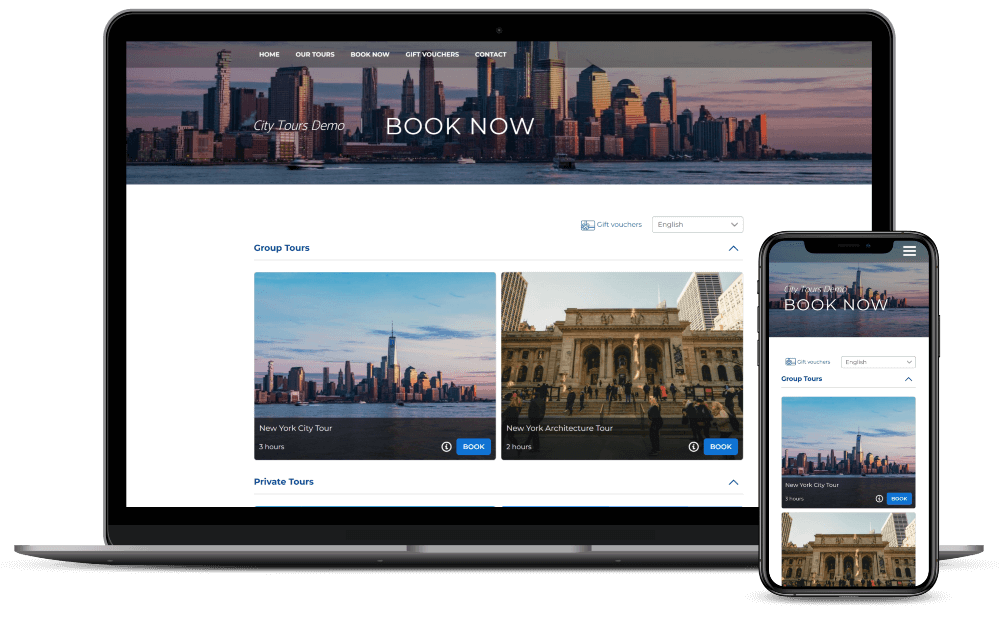
The online booking process lets customers:
- Select their preferred dates and times
- Choose the number of tickets needed
- Add optional extras or special requests
- Apply discount codes or coupons
- Complete payment through secure payment gateways
The system sends confirmation emails, reminders, vouchers, and itineraries to guests after booking. Your availability calendar updates immediately to prevent double bookings that often happen with manual systems.
The software does more than just accept bookings. Modern systems handle inventory management, guide scheduling, customer data collection, and financial reporting. This creates a fully integrated business management system.
Difference between booking software and booking platforms
Travel businesses often mix up booking software with booking platforms – but they serve different purposes.
Booking software integrates into your website and lets customers book directly with you. You control your booking process, customer data, and product presentation.
Booking platforms work differently. These third-party marketplaces list products from multiple tour operators. The biggest difference is that booking platforms act as middlemen between you and your customers and charge commission fees for each booking.
Tour operators should understand this difference because:
- Booking software makes your website your own sales channel
- Booking platforms help you reach more customers through external distribution
- The best strategy often combines both: your booking software plus strategic connections to booking platforms

Quality tour booking software helps you manage bookings across your website and various booking platforms. Its channel management features keep all your inventory in sync across different sales channels.
Why Tour Operators Need Booking Software
Running a tour operation with manual booking systems is like trying to bail water from a leaky boat. Tour businesses learn this lesson the hard way when they grow beyond a few daily bookings.
Manual booking challenges
Spreadsheets and old-school booking methods can get pricey and directly affect your bottom line. Manual processes create bottlenecks that slow down your entire operation. Customer bookings, reservations, and payment tracking become a nightmare. These outdated systems lead to mistakes – from wrong quotes that drain your money to missed details that leave guests without confirmed reservations.
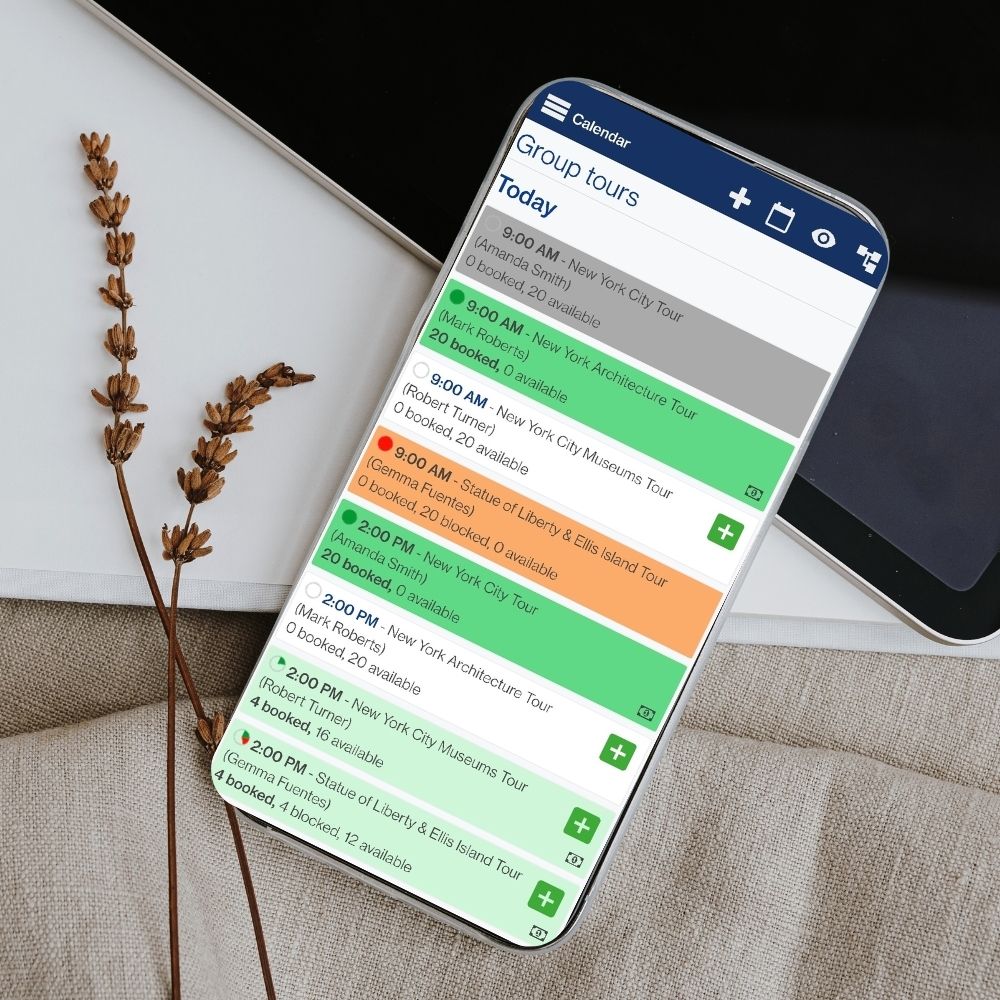
Here’s what happens daily with manual bookings:
- Double bookings that hurt your reputation and create needless stress
- Missed payments and wrong availability tracking
- Time-consuming phone calls that require more follow-ups
- Lost bookings while you’re busy conducting tours
Money losses add up quickly. Customers will go elsewhere if they can’t book online or get quick responses. These error-prone processes often lead to wrong quotes, lost documents, and missed payments that could cost thousands.
Customer expectations in 2026
Travelers today want something completely different than a few years ago. By 2026, nearly 65% of all global travel bookings will happen online. Before COVID-19, 82% of all travel bookings took place online through mobile apps or websites.
Mobile devices now generate more than half of all travel website traffic. Numbers paint a clear picture: 86% of Millennials (now aged 30-45) and 76% of Gen Xers want to book their experiences online.
Modern travelers just need:
- Immediate booking options
- Simple payment choices
- Customized experiences
- Quick responses
Your business looks outdated and hard to reach without the right tools. Travel companies that don’t offer direct booking options through integrated technology see their satisfaction scores drop by 3% or more.
Scalability and automation benefits
Manual systems show their limits as tour operators grow. Higher booking volumes increase the risk of errors, delays, and staff burnout. Tour booking software fixes this basic problem through automation.

Good booking systems help you grow without adding more work or staff. This becomes extra valuable during busy seasons or when you expand to new markets.
These practical benefits make a difference:
First, boosted efficiency through faster booking processes and fewer manual entry errors. Second, better accuracy with minimal human error in bookings and money matters. Third, improved customer service with faster responses and round-the-clock booking options.
Numbers make a strong case for automation. Technology isn’t just another expense, it helps you make more money by simplifying processes, reducing mistakes, and securing more bookings. Studies show automation can save travel companies between 40-70% in operating costs.
Automation lets you focus on what really counts – creating amazing experiences for your guests instead of drowning in paperwork. One operator said it best: “With an online booking system, your clients can customize and book their tours on their own schedule, without needing help from you or your staff”.
Tour booking software isn’t just a tech upgrade – it’s a smart move that helps your business grow in this competitive industry.
Key Features to Look For
Your travel business success depends on choosing the right features in your tour booking software. Not all solutions deliver the same value, and picking the right capabilities will save you time, money, and prevent future problems.
Online checkout and payment processing
A well-designed booking software needs a smooth checkout process that converts visitors into customers. Research shows businesses with optimized checkout systems achieve higher conversion rates and increased revenue.
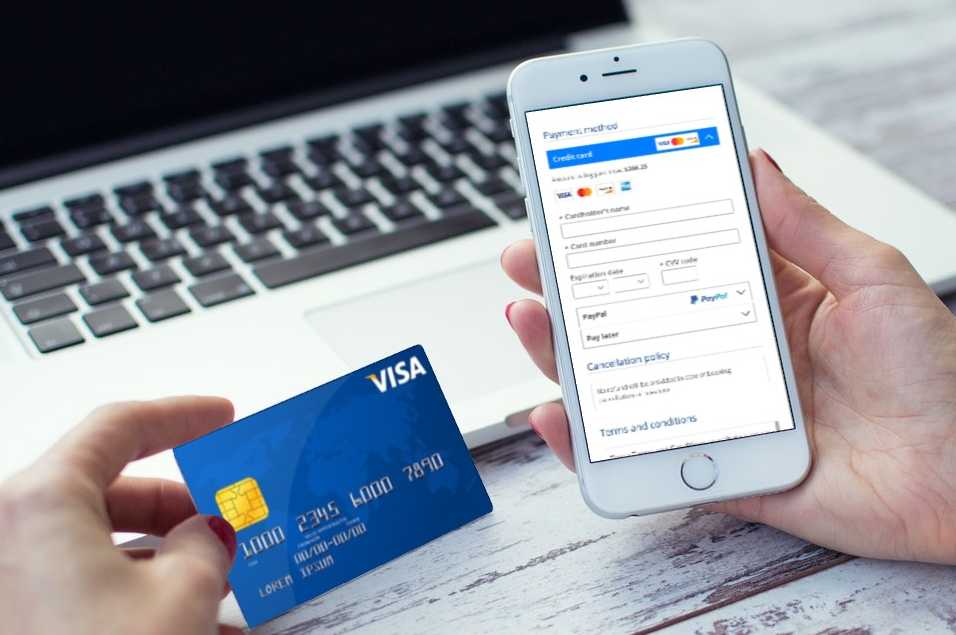
The best solutions offer:
- Lightning-fast processing – Simple forms without URL redirects that might put off potential customers
- Multiple payment options – Support for various payment gateways like Stripe, PayPal, and credit card processors
- Cart recovery tools – Automated emails that can recover abandoned bookings and boost revenue by up to 20%
Your checkout should include promotional tools such as customizable coupons, vouchers, and gift cards. The system should also let you create packages and add-on sales to increase your average booking value.
Real-time availability and scheduling
Live availability management helps you avoid double bookings. Good tour booking software gives you real-time calendar updates that show changes across all your sales channels.
The right scheduling features let you:
- Track bookings as they happen
- Update resellers about available spots
- Access live reports on booking trends
- Make bulk updates to postpone trips or convert them to gift cards when needed
This sync keeps you and your staff updated. As one feature emphasizes, “With automatic updates at everyone’s fingertips, you can stop calling up your resellers to tell them how many spots you have left”.
Mobile responsiveness
Over half of all travelers now book their trips via smartphones. Your booking interface must work perfectly on mobile devices.

A responsive booking system helps customers view availability, pick options, and buy tickets on any screen size. The best software creates an optimal mobile experience with:
- Quick loading times that boost conversion rates
- Simple navigation built for touch interfaces
- Integration with social media platforms for direct booking from Facebook and Instagram
This mobile-first approach helps your bottom line since faster loading websites lead to higher conversion rates.
Digital waivers and customer forms
Digital waivers make your operations smoother while protecting you legally. Paperless waiver systems in your booking process bring key benefits:
They make the customer experience better by allowing signatures before arrival. They cut down on paper management and boost compliance through automated email reminders to guests who haven’t signed yet.
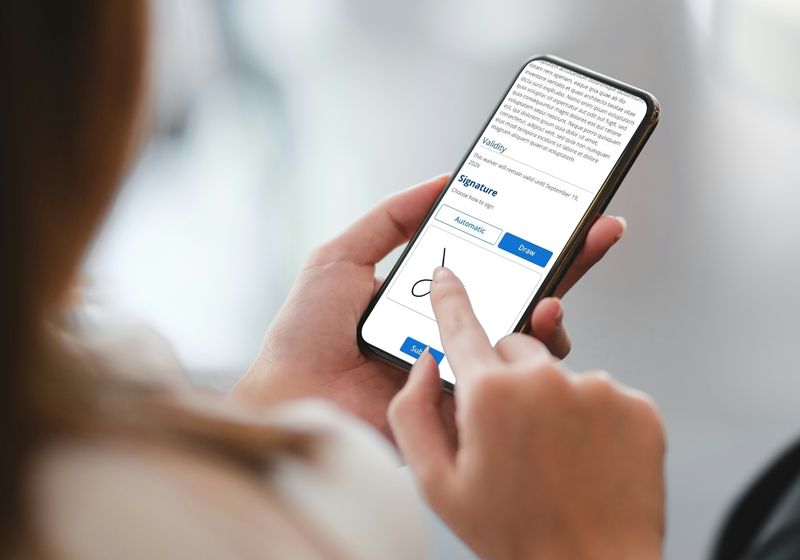
Pick software that gives multiple signing options:
- Pre-arrival signing via confirmation emails
- On-site signing using customers’ personal devices
- Facility tablet signing for walk-ins
Creating different waiver templates for specific activities adds flexibility to your risk management strategy.
CRM and customer data tracking
A central customer relationship management system turns one-time visitors into loyal clients. Effective CRM features include:
One main file for each customer that stores all their details, past trips, conversations, priorities, and special notes. The system should also track leads from website questions and social media interactions.
The best systems give you evidence-based insights about trending tours, booking patterns, and customer preferences. These insights help you adjust your offerings based on real customer behavior instead of guesswork.
Choose booking software that helps you exploit customer data for targeted marketing campaigns to boost reviews, build loyalty, and create repeat business.
When to Invest in Tour Booking Software
The perfect time to invest in tour booking software feels like playing the stock market. Early investment might waste resources, but waiting too long means missing out on opportunities. This decision ranks among your travel business’s most important tech investments, and its impact goes well beyond the original costs.

Signs your business is ready
Several clear signs show it’s time to upgrade your booking processes:
- Too much spreadsheet juggling – Multiple spreadsheets and simple software for managing bookings and customer data lead to mistakes and inefficiency.
- Hours spent on manual scheduling – Your team spends several hours each week coordinating appointments, sending confirmations, and managing schedules. Automation can give you this time back.
- Frequent cancelations or no-shows – Automated reminders can reduce these expensive problems by a lot when customers often forget appointments or cancel last-minute.
- Multi-employee coordination struggles – Businesses with multiple staff members don’t deal very well with scheduling customer appointments without proper software.
- Customer friction points – Modern travelers want instant results. Many will book elsewhere if they need to call or email.
Recent industry analysis shows 73% of travel businesses underestimate the total cost of ownership for booking systems by at least 40%. This leads to budget issues and reduced functionality. The timing of your investment becomes even more vital.
Booking volume thresholds
Your booking numbers are the clearest sign that you need software. Manual processes become harder as booking volumes grow.
Small businesses (startups or companies with revenue under $3M) should add software after reaching 20-30 bookings weekly or when current management becomes too difficult. Mid-sized operations ($3M-$10M) should think over implementation after 50-100 weekly bookings.
Research shows online booking systems let customers book around the clock. This feature alone justifies the investment once you hit these numbers.
Look at the time spent on booking tasks. Automation makes financial sense when these activities take up more than 15-20% of your operational time.
Growth planning and future-proofing
Smart tour operators know booking software isn’t just about today’s needs; it forms the foundations for expansion. Your growth strategy should determine when you invest.
Buying booking software brings positive ROI 4.1x faster than building custom solutions. This saves about $658,000 over three years. You can reinvest these savings in market expansion and better experiences.
Your implementation timing should factor in:
- Competitive positioning – How fast you adopt affects your market position
- Time-to-market requirements – Speed needed for new offerings or markets
- Core business focus – Whether tech development matches your expertise
Good tour operator software helps you handle more questions and manage booking spikes during busy seasons or growth periods. One operator mentioned that “keeping track of bookings, customer details, and financial data across multiple platforms can lead to errors, inefficiencies, and significant wasted time”.
The right software investment timing lets you grow without adding more admin work or staff.
Advanced Tools That Drive Growth
Modern tour booking software goes beyond simple reservation tools and provides powerful features that can expand your business reach dramatically. Let’s look at the advanced features that make exceptional systems stand out from good ones.
Marketing automation and promo codes
Marketing automation works around the clock and guides potential customers from their original inquiry through post-tour follow-up. Quality systems automatically collect leads from your website and send well-timed emails that build trust with future guests.

Promotional codes are versatile marketing tools that bring several benefits:
- Time-limited offers create urgency for seasonal bookings
- Unique code usage helps track marketing campaign results
- Special discounts for returning customers build loyalty
The best systems allow complete customization of promo codes with validity dates, usage limits, and specific inventory restrictions. You could create a summer discount that works only for certain activities or give codes just to newsletter subscribers.
Upselling and cross-selling features
Tour booking software helps boost your average order value through strategic suggestions. Upselling encourages customers to buy premium versions of tours. A customer might upgrade from a simple walking tour to a VIP experience with exclusive access.
Cross-selling suggests complementary products – like offering airport transfers to someone booking a city tour. The best systems make these suggestions at the right moments during booking, similar to Amazon’s product recommendations at checkout.
Channel manager and OTA integrations
Your booking system’s connection to Online Travel Agencies (OTAs) expands your market reach. Advanced software shares your tours through more than 50 platforms, including TripAdvisor, Viator, GetYourGuide, and Expedia, while keeping inventory in sync.
This feature lets you:
- Share current inventory with public and reseller channels
- Set different rates for various distribution partners
- Generate commission statements automatically from bookings
The best systems support wholesale, retail, and commission rate structures. Travel agents and affiliates can sell your products while earning their share.
Analytics and reporting dashboards
Evidence-based decisions help tour businesses grow. Complete analytics dashboards give you insights into every part of your operation, from sales numbers to marketing results.

Advanced reporting tools help you:
- Compare how products perform across different periods
- Monitor revenue by offerings, channels, and marketing campaigns
- Spot trends and opportunities in booking patterns
The best dashboards show quick business summaries and let you examine specific metrics in detail. A tour operator recently said, “The reporting system is fantastic… I can extract different types of information to suit our marketing and our needs”.
These analytics link directly to your marketing efforts. You can see which ad campaigns, keywords, and channels boost your sales, information that speeds up growth. Custom reports let you focus on what matters most to your business model.
Why Bookeo is a Top Choice for Tour Operators
Bookeo emerges as an exceptional choice when tour operators need to balance functionality with simplicity. This tour booking platform caters to the travel and tours industry. It delivers features that meet tour businesses’ core needs without becoming overly complex.
Quick setup and ease of use
The online booking platform makes implementation straightforward, so you can start quickly. You’ll access the cloud-based system from any device without technical hassles. Pre-built booking workflows and templates eliminate the need for complex setup.
Your Bookeo setup takes just a few steps. Simply add your business details, services, and team information. Then customize your booking page with brand elements and layout templates for a professional look. Customers can book right away through your website’s widget – no popup windows or overlays disrupt their experience.
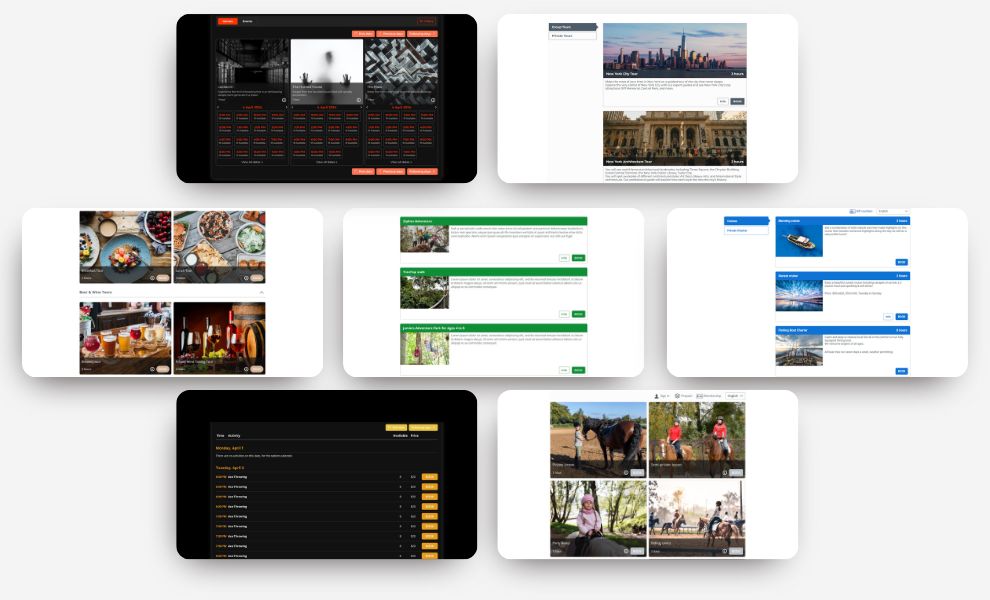
Daily operations become simple with a user-friendly interface. Many users find it “straightforward to set up and operate”. The platform’s simplicity saves you time that goes directly into growing your business and creating better experiences.
All-in-one features for small and growing businesses
The platform packs everything you need to manage a tour business while keeping things simple:
- Real-time availability management – Customers see current seat availability and book instantly from any device
- Customizable booking experience – Choose from various layouts and style options that match your brand identity
- Multiple booking channels – Your bookings work through a website widget or shareable standalone booking page
- Flexible resource management – Guides get individual accounts with calendar syncing capabilities
- Multi-language support – The system helps you reach international customers
Bookeo strikes the right balance between detailed features and accessibility. Rather than taking a generic approach, it offers specialized products for specific business types, including a dedicated solution for tour and activity providers.
Affordable pricing and no hidden fees
The platform’s pricing gives you exceptional value compared to competitors. Most platforms charge high monthly fees plus booking commissions. Bookeo asks for a flat monthly rate without additional payment commissions.

You’ll find budgeting easier with this transparent pricing model.
Seasonal businesses benefit from Bookeo’s practical options. The platform lets you “freeze” your account during the off-season with a 70% reduction in monthly fees. New users get a 30-day free trial, plus a 30-day money-back guarantee. This gives you 60 risk-free days to test everything.
Trusted by thousands of travel businesses
The platform serves thousands of businesses worldwide. Its versatility draws users from businesses of all sizes, from small tour operators to medium-sized enterprises.
Long-term users stay loyal to the platform. Their experience highlighted Bookeo’s exceptional resource management, multi-language capabilities, and flexible tour configuration options.
Tourism businesses value how well the software handles their complex operations. The platform excels at managing multiple booking scenarios, making it a top choice in the tourism sector. Consistent performance has made Bookeo a trusted name for businesses that need an effective yet straightforward booking solution.
How to Choose the Right Software for Your Business
Picking the right tour booking software feels like buying a new car – you need to take it for a spin and make sure it has everything you want. Here’s how to pick the perfect fit for your tour business after learning about numerous options.
List your must-have features
Start with a list of functions your business needs. These questions will help you:
- Which operational issues do you need to fix?
- What booking scenarios should your software handle?
- How will the software work with your current business tools?
Your requirements should match your business model – a kayak rental company needs different features than a multi-day tour operator. The core features like itinerary planning, reservation management, and financial tracking matter most.
Test the user experience
Get into both aspects of the software: your customer’s view and your daily workspace. A smooth mobile experience makes all the difference since phones handle more than half of all bookings now. Your customers should complete their bookings with just a few clicks from start to finish.

Assess long-term value and flexibility
Look past your current needs. Quality support becomes crucial when issues pop up. Think over how your software handles growth – will it adapt as your business expands to new tours or locations? The pricing model should arrange with your financial plans, whether you prefer monthly subscriptions or booking-based fees.
Conclusion
Tour booking software has evolved from a luxury to a necessity for travel businesses of all sizes. This piece shows how the right software turns tedious manual tasks into efficient, automatic workflows. These changes save time, cut down errors, and improve your profits.
Today’s travelers want convenience. They expect to book at any time through their preferred channels. Your business risks losing customers to competitors without a proper booking system in place. Your manual methods become harder to maintain as your business expands. This leads to mistakes, staff frustration, and lost opportunities.
Quality booking software goes beyond taking reservations. The system handles payments, manages your calendar across multiple sales channels, collects customer data, and delivers immediate analytics. These features combine to help you make smart decisions about tour offerings and marketing strategies.
You should identify the features that matter most to your business model before picking software. The system needs to be user-friendly for you and your customers. Focus on long-term value instead of upfront cost. Tour operators often find that investing in detailed software costs less over time than struggling with basic tools.
Note that your choice isn’t set in stone. Pick a platform that fits your current needs and can expand with your business. Most providers have tiered plans that let you add features as you grow.
The digital world of the tour industry keeps evolving rapidly. Tour operators who accept new ideas in booking technology now will be ready for success as market conditions shift. Your booking software isn’t just another expense – it’s an investment that pays off through more bookings, satisfied customers, and a smoother operation.