
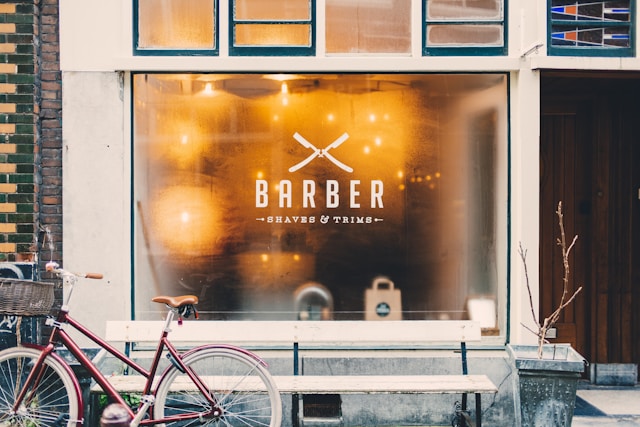
How to Start a Barbershop Business: A Guide for Entrepreneurs
The barbershop industry in the United States alone was estimated to be worth $5 billion in 2023 and is still expanding annually. Barbershops continue to serve as much more than simply places to have your hair cut; they are social centers, community pillars, and economic engines in communities large and small. There has never been a better moment to open a barbershop than right now, considering the increasing demand for men’s personal care products and services.
Opening a barbershop, however, entails more than just cutting hair. Constructing a company that satisfies all three criteria, legal compliance, financial sustainability, and cultural relevance, is the goal. Whether you’re a trained barber dreaming of independence or an entrepreneur seeking a high-demand service to invest in, this guide will walk you through every critical step.
Here’s what you’ll learn in this article:
- What qualifications and licenses are needed to start a barbershop
- How to create a business plan tailored to your goals
- How to choose the perfect location for success
- What permits, insurance, and structure you’ll need to register your business
- How to design and equip a barbershop that draws customers in
- How to price your services competitively and create a winning customer experience
- The best strategies to market your business both locally and online
- Tools to automate appointments, scheduling, and payments
- Common mistakes to avoid and ways to boost profitability
Whether you want a modern grooming lounge or a traditional corner shop, success starts with knowing what it takes, before picking up the clippers.
So let’s get into the first cut, because before you open the doors, you need to master the trade… or know who to hire.
Step 1: Learn the Trade or Hire Licensed Professionals
If you’re serious about learning how to start a barbershop business, the very first decision is whether you plan to cut hair yourself or hire licensed barbers to do the job for you. Either path has legal and operational implications, especially since the barbering industry is regulated in every U.S. state.
Get Licensed as a Barber
To operate as a professional barber, you’ll need to complete an approved barbering program at a licensed school, which typically takes between 1,000 to 1,500 hours of instruction. These programs teach sanitation, hair cutting techniques, skin care, shaving, and client communication. After that, you’ll need to pass your state’s barber licensing exam, which may include both written and hands-on components.

Licensing requirements vary by location, so it’s important to check with your state’s Board of Barbering or Cosmetology. Some states may also require ongoing education or license renewal every few years.
For Non-Barber Owners: Hire Qualified Staff
If you’re starting a barbershop as an entrepreneur without barbering experience, your focus will be on building a strong team. Hiring licensed barbers is not optional, it’s required by law. You’ll need to:
- Verify their licenses and experience
- Understand wage structures (commission, booth rental, hourly pay)
- Consider offering incentives like flexible schedules, benefits, or retail commissions
Your reputation will hinge on the quality of service your barbers deliver. Taking the time to recruit talent that aligns with your brand and values is crucial to long-term success.
Compliance and Insurance
Operating without properly licensed professionals can lead to fines, closures, or lawsuits. You should also make sure your business liability insurance covers each staff member and that you’re adhering to OSHA regulations regarding sanitation and safety.
In short, the people behind the scissors are your most valuable asset. Whether that’s you or your team, your barbers must be licensed, trained, and professional.

Next, we’ll turn that vision into a solid plan. Because no barbershop succeeds without a roadmap.
Step 2: Create a Business Plan for Your Barbershop
Before you sign a lease or buy your first barber chair, you need a business plan. It’s the blueprint for how to start a barbershop business that’s not just stylish, but sustainable. A solid plan helps you secure funding, clarify your goals, and stay on course as you grow.
Why You Need a Business Plan
A business plan is more than just paperwork, it’s your strategic foundation. Investors, lenders, and even potential business partners will want to see it. More importantly, it forces you to define your mission, understand your customers, and think critically about your market positioning.

What to Include in a Barbershop Business Plan
Here are the essential sections you’ll need:
- Executive Summary: A snapshot of your business, what you do, who you serve, and why you’ll succeed.
- Company Description: Explain your barbershop’s concept, whether it’s a luxury grooming lounge or a walk-in-friendly neighborhood shop.
- Market Research: Who is your ideal customer? What’s the local competition like? Include demographic data and pricing trends in your area.
- Service Menu: Will you offer just cuts and shaves, or include grooming packages, beard treatments, or facials? List your offerings here.
- Marketing Strategy: How will people find your shop? Discuss your approach to social media, local advertising, and word-of-mouth marketing.
- Operations Plan: Detail your hours, staffing plan, vendor relationships, and workflow.
- Financial Projections: Include startup costs, projected income, break-even analysis, and funding needs. Lenders will pay close attention to this.
Tools and Templates
You don’t have to start from scratch. Use free tools from the Small Business Administration (SBA) or platforms to build your document. And if you’re unsure where to start, consider hiring a business consultant who specializes in service-based businesses like salons and barbershops.
A business plan not only keeps you focused but also helps you avoid common mistakes like underestimating expenses or overpricing your services. It’s your playbook, and skipping it is like cutting hair without a mirror.
You’ve mapped the mission. Now let’s find the perfect spot to bring it to life.
Step 3: Choose the Right Location
Finding the right location is one of the most important decisions when learning how to start a barbershop business. A great cut means nothing if no one knows you exist or can find you easily. Your barbershop’s location directly affects customer volume, revenue, and brand identity.

What Makes a Location “Barbershop-Friendly”
Start by identifying the type of clientele you want to attract. Are you targeting walk-ins from high-foot-traffic areas? Or are you building a boutique grooming lounge for appointments only?
Here’s what to consider when scouting locations:
- Foot Traffic: Busy streets, shopping strips, or areas near colleges or office buildings bring in more walk-in clients.
- Accessibility: Your shop should be easy to find and convenient to get to, with available parking or public transportation access.
- Demographics: Choose a neighborhood that aligns with your target market, consider age, income level, and style preferences.
- Nearby Businesses: A barbershop does well near complementary services like coffee shops, gyms, or fashion retailers. These increase visibility and can create partnership opportunities.
- Competition: Research existing barbershops within a few miles. Too many similar businesses can saturate the market unless you offer something truly different.
Renting vs. Buying
Most new barbershop owners lease a commercial space to reduce upfront costs. However, if you’re confident in the area and have the capital, buying property can be a long-term investment. Before signing anything, make sure the space is zoned for personal services and complies with health and safety codes.
Renovation Considerations
Does the space already have plumbing hookups for barbers sinks? Is there enough room for multiple chairs and a waiting area? Renovation costs can quickly add up if the space isn’t built for a grooming business.
In short, your location should match both your brand and your business model. It’s not just real estate, it’s part of your customer experience.
You’ve found the spot. Now let’s make it official.
Step 4: Register Your Business and Get Licensed
Once you’ve secured your location, it’s time to make your barbershop legal. This step is essential, not just for compliance, but to build trust with clients, vendors, and financial institutions. Whether you’re a solo barber or hiring a full team, your business needs to be properly registered and licensed to operate.
Choose a Legal Structure
Your business structure affects your taxes, liability, and paperwork. Common options for barbershop owners include:
- Sole Proprietorship: Easiest to set up and ideal for solo operators, but it doesn’t offer liability protection.
- Limited Liability Company (LLC): Offers personal asset protection and is a popular choice for small service businesses.
- Partnership: If you’re starting the business with a co-owner, this structure allows shared responsibilities and profits.
You can register your business with your state’s Secretary of State office, often through an online portal.
Register a Business Name
If you plan to operate under a name other than your own, you’ll need to file for a Doing Business As (DBA). Make sure the name is unique in your state and reflects your brand identity. You should also check domain availability if you want a matching website URL.
Apply for an EIN
An Employer Identification Number (EIN) from the IRS is necessary for opening a business bank account, hiring employees, and filing taxes. It’s free and easy to apply online via the IRS website.
Get Required Licenses and Permits
Every state requires barbershops to meet health and safety regulations.

Depending on your location, you may need:
- Barbershop establishment license
- Individual barber licenses for staff
- Health department permits
- Sales tax permit (if selling retail products)
Make sure your space is ready for state inspections, which often include checks for proper sanitation, waste disposal, and equipment safety.
Business Insurance
Don’t overlook insurance. At a minimum, get general liability and property insurance. If you have employees, you’ll also need workers’ compensation insurance.
This step might feel like paperwork overload, but it’s the backbone of your business. Once you’re legal and licensed, you’re ready to bring your barbershop vision to life.
Now, let’s talk about how to make that vision stand out, starting with design.
Step 5: Design a Barbershop That Stands Out
In a competitive industry, great design can be the difference between a one-time visit and a loyal customer. Your barbershop’s layout, ambiance, and branding shape the customer’s first impression, and ultimately, their decision to return. When figuring out how to start a barbershop business that people love, design is not decoration; it’s strategy.
Choose a Theme That Reflects Your Brand
Start by defining the vibe you want to create. Is your shop a modern, upscale grooming lounge with dark wood and leather accents? A minimalist space with sharp lighting and concrete finishes? Or a throwback barbershop with vintage posters and classic checkered floors?
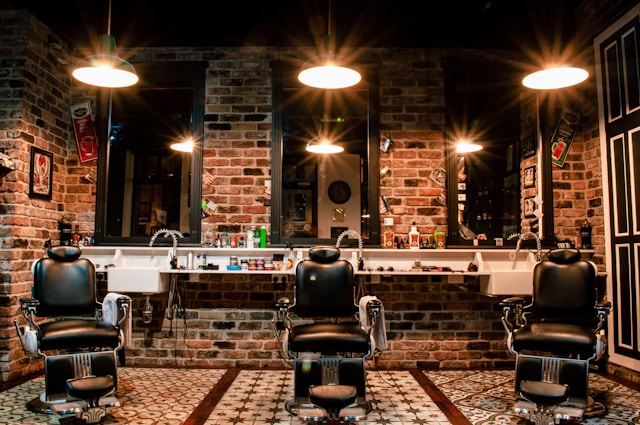
Whatever you choose, consistency matters. Your visual identity should match your service style, pricing, and target audience.
Plan the Layout
A functional layout keeps your space efficient, comfortable, and compliant with health codes. Most barbershops include:
- Cutting Stations: Each with a chair, mirror, tool storage, and proper lighting
- Waiting Area: Comfortable seating, magazines, maybe a coffee station
- Reception Area: A clear space for check-in, booking, and product sales
- Wash and Sanitation Area: Sinks with proper plumbing and sanitation stations
- Storage: Cabinets for towels, tools, cleaning supplies, and retail inventory
Allow enough space between barber chairs to meet local spacing and safety requirements. This also makes the environment feel more relaxed and premium.
Select the Right Furniture and Fixtures
Durability and comfort are key. Barber chairs are a major investment; expect to spend $500–$1,500 each, depending on features and quality. Mirrors, lighting, shelving, and counters should all contribute to a cohesive and functional look.
Don’t forget ventilation, especially if your services include hot towel treatments or hair washing. Poor airflow makes for an unpleasant experience and may affect health inspections.
Add Personal Touches
Consider custom art, branded aprons, or local music playlists that reflect your shop’s identity. These small elements help create a memorable experience that customers want to share online and in person.
Next, let’s dive into what tools and products you’ll need to get started.
Step 6: Buy Equipment and Inventory
Once your barbershop design is mapped out, it’s time to equip it. The tools of the trade are more than just scissors and clippers, they’re the foundation of your service quality and efficiency. Investing in the right equipment early on helps avoid frequent repairs, poor results, or frustrated staff.
Essential Equipment for a Barbershop
Here’s a breakdown of must-have items for every barbershop:
- Barber Chairs: Hydraulic chairs are the industry standard. Look for durability, comfort, and adjustable height.
- Mirrors and Lighting: Full-length mirrors for each station and proper lighting to ensure accuracy during cuts and shaves.
- Hair Clippers and Trimmers: Buy professional-grade tools from trusted brands like Wahl, Andis, or Oster.
- Straight Razors and Blades: If you’re offering shaves, you’ll need high-quality razors and disposable blades.
- Sanitation Stations: Barbicide jars, UV sterilizers, and cleaning supplies for compliance and hygiene.
- Towel Warmer and Shampoo Bowl: Enhances services like hot towel shaves or hair washing.
- Reception Desk and POS System: For handling bookings, payments, and retail transactions.
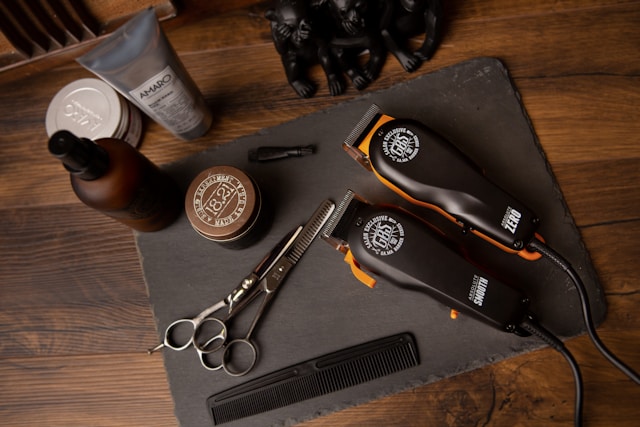
Make sure you buy duplicates of high-use items like clippers, combs, and scissors, especially if you’re hiring multiple barbers. Having backups can save you from lost time and angry clients if something breaks.
Stocking Inventory
In addition to equipment, you’ll need product inventory, both for service use and retail sales. This includes:
- Hair gels, pomades, beard oils, and shaving creams
- Aftershaves, tonics, and skin-care items
- Branded merchandise like combs or T-shirts (optional but great for marketing)
Offering retail products can generate additional revenue and reinforce your brand. Clients often trust their barber’s recommendations, making it easier to sell products they already use in-store.
Where to Buy
You can source equipment from specialty suppliers, local distributors, or online retailers. Some barbers also buy gently used equipment to save on startup costs, but always inspect items for wear and sanitation compliance.
Now that your shop is fully stocked, it’s time to talk money, how much to charge and how to structure your services.
Step 7: Set Your Prices and Service Menu
Pricing your services correctly is one of the most important decisions you’ll make when figuring out how to start a barbershop business. Your price points influence everything, your brand perception, your profitability, and your customer base. Too low, and you risk undercutting your worth. Too high without the right experience or branding, and clients may not even walk in the door.
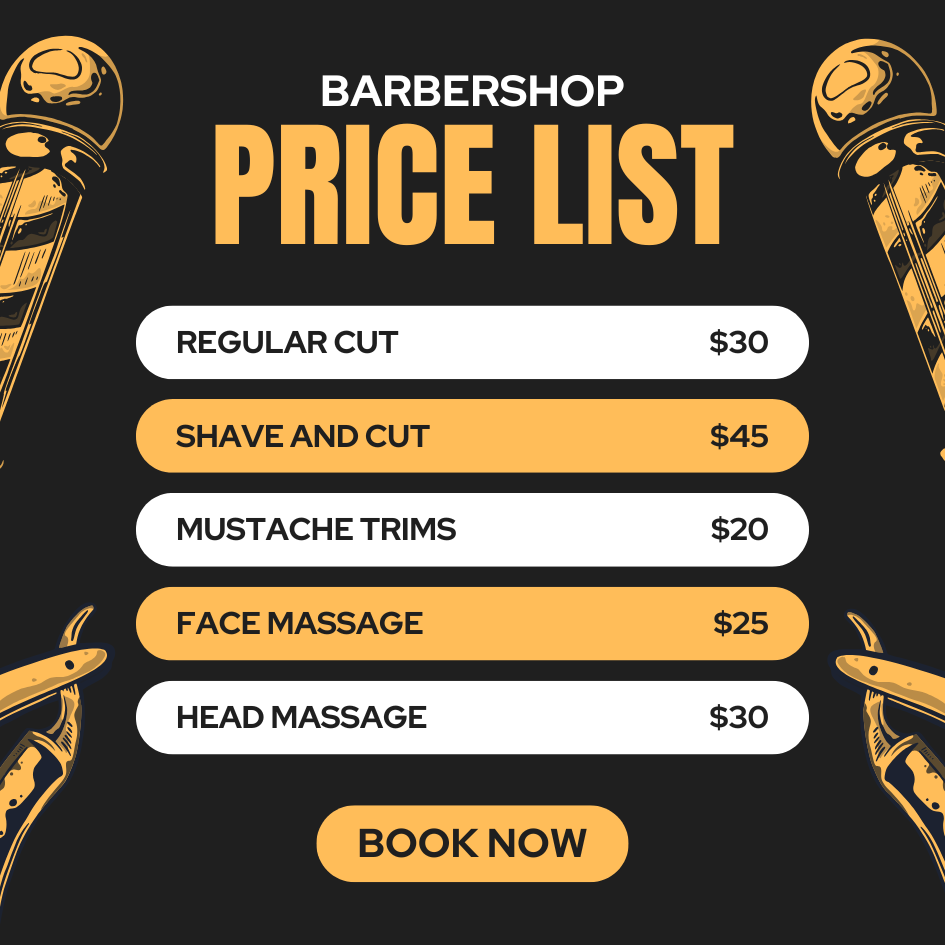
Start with Market Research
Begin by researching other barbershops in your area. What are they charging for a standard cut? A beard trim? A hot towel shave? Consider:
- The demographics of your neighborhood
- Your location (urban, suburban, rural)
- Your service level (basic cuts vs. luxury grooming)
- Your experience or the skill level of your staff
Document local competitors’ service menus and identify where you can match, undercut, or premium-price based on value.
Build a Clear, Flexible Service Menu
Your menu should be easy to understand and tailored to your clientele. Common services include:
- Standard haircut
- Skin fade or specialty cut
- Beard trim
- Hot towel shave
- Line-up or edge-up
- Kids’ cut
- Hair wash and style
- Head massage
- Some shops also offer scalp treatments, facials, or eyebrow grooming.
Group services into tiers if you want to create a more dynamic pricing structure:
- Basic: Quick cuts, trims
- Standard: Haircut + beard or shampoo
- Premium: Full grooming with consultation, hot towel, and massage
Offer Packages and Loyalty Incentives
To boost retention, consider offering membership packages (i.e., unlimited monthly cuts), prepaid bundles (i.e., 5 cuts for a discounted price), or loyalty punch cards.
You might also include referral discounts, student rates, or first-visit specials to attract new clients.
Factor in Costs and Time
Each service price should cover more than just time; it should factor in:
- Product usage
- Equipment wear
- Staff wages or commission
- Overhead like rent and utilities
- Your goal is to strike a balance between value for your clients and profitability for your business.
Next up: You’ve built the shop, now you need people to find it. Let’s get into marketing strategies that actually bring in clients.
Step 8: Market Your Barbershop Effectively
Marketing isn’t just about getting people in the door, it’s about making sure your barbershop becomes their go-to spot. With new grooming brands and shops popping up every year, learning how to start a barbershop business includes knowing how to stand out in a saturated market.
Build a Strong Brand Identity
Start with the basics: What does your barbershop stand for? Is it a modern men’s grooming lounge, a vintage-inspired corner shop, or a family-friendly spot for all ages? Your branding should reflect your vibe across every platform.

- Name and Logo: Memorable, professional, and aligned with your aesthetic.
- Color Scheme and Style: Use consistent colors and fonts on your signage, website, and promotional materials.
- Voice: Keep your messaging consistent, whether it’s witty, classic, or luxury-focused.
Your brand is how people remember you, so make sure it’s authentic and intentional.
Create a Local Buzz
Word-of-mouth remains incredibly powerful in the barbershop industry. To kickstart it:
- Host a Grand Opening Event: Offer free or discounted cuts, product giveaways, and light refreshments.
- Partner with Local Businesses: Collaborate with gyms, clothing stores, or coffee shops for cross-promotions.
- Join Community Events: Sponsor a local sports team or rent a booth at a street fair.
Don’t underestimate the power of flyers, posters, and well-designed business cards in your neighborhood, especially for foot traffic areas.
Dominate Social Media
Instagram and TikTok are especially powerful for barbershops. Showcase:
- Before-and-after photos
- Time-lapse videos of fades and transformations
- Staff spotlights and client testimonials
- Trending styles and grooming tips

Use hashtags and geotags to expand your reach. Engage with followers, repost user-generated content, and encourage check-ins or reviews.
Claim Your Online Real Estate
Make sure your business is easy to find online:
- Google Business Profile: Create or claim your listing with accurate hours, location, photos, and reviews.
- Yelp and Facebook: Encourage happy clients to leave reviews.
- Website: Include your service menu, pricing, booking options, and contact information. A clean, mobile-friendly design is essential.
You’re not just building a barbershop, you’re building a brand experience. And the more consistently and creatively you promote it, the faster it grows.
Now let’s simplify how clients can actually book those haircuts, with online scheduling.
Step 9: Choose Booking and Scheduling Software
Why You Need Online Booking
An online booking system makes your barbershop more efficient, and more professional. It gives clients the flexibility to schedule appointments anytime, without having to call or wait in line. This not only improves customer satisfaction but also reduces no-shows and scheduling errors.
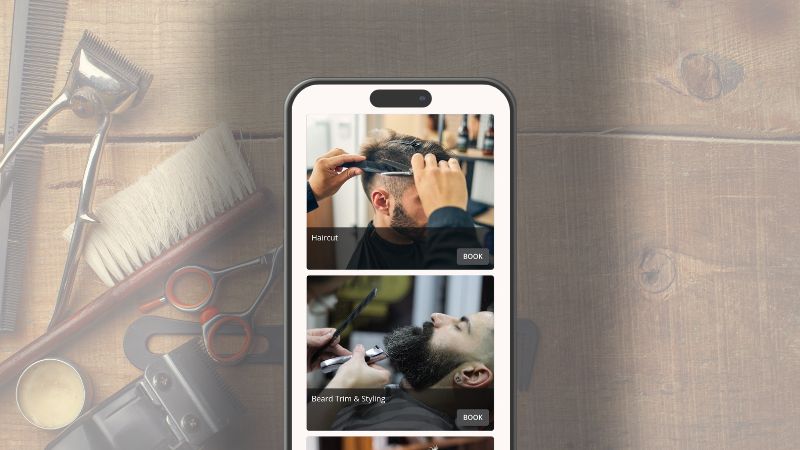
For you, it means fewer interruptions during cuts, better time management, and more insight into how your business is running.
What to Look for in a Scheduling Tool
Not all booking systems are created equal. Look for software that offers:
- 24/7 online booking
- Automated reminders via text or email
- Staff scheduling so each barber manages their own calendar
- Payment processing for deposits or full prepayments
- Client profiles with appointment history
- Integration with your website and social media
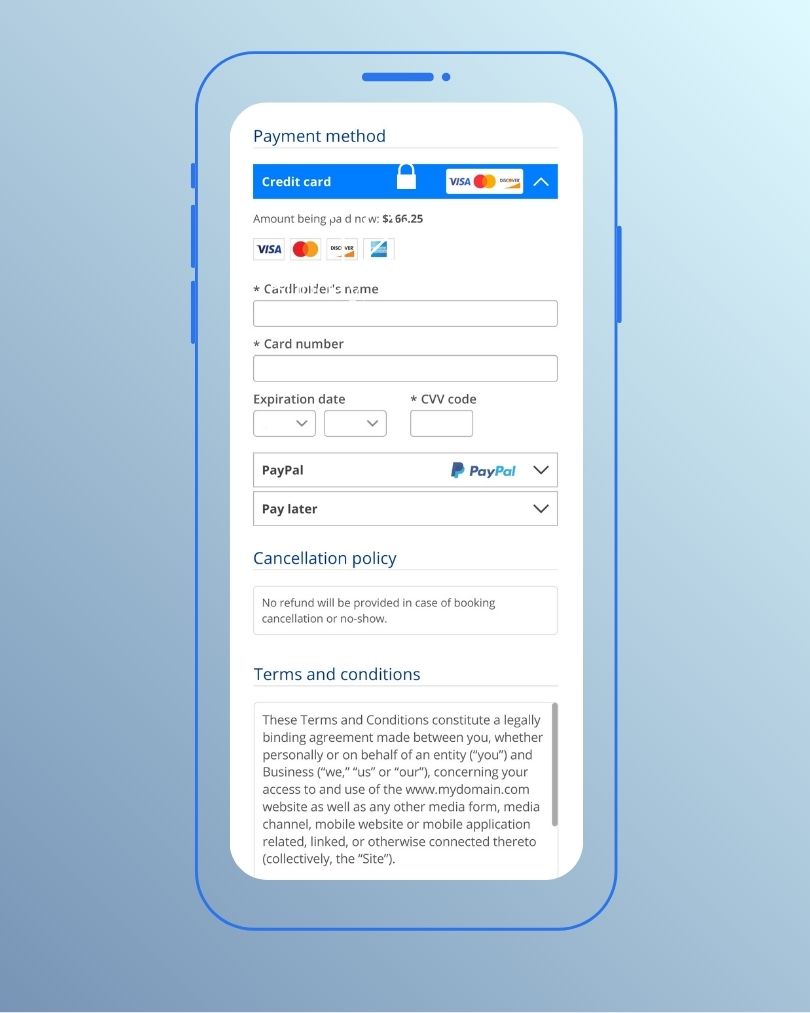
Appointment scheduling systems like Bookeo are designed specifically for service-based businesses like barbershops. Bookeo is easy to set up, affordable, and packed with features that help you grow.
Save Time, Serve More Clients
An efficient barber scheduling system isn’t just about convenience; it’s about control. It allows you to fill your calendar intelligently, block off breaks, and make adjustments without scrambling. Some systems even help you track revenue and manage retail inventory.
As you grow, having the right tools in place will free you up to focus on what you do best: delivering great haircuts and building loyal relationships.
Step 10: Craft a Memorable Client Experience
A great haircut might bring someone in once, but a great experience brings them back again and again. In the barbershop industry, how your customers feel matters just as much as how they look. If you’re figuring out how to start a barbershop business that truly lasts, your focus should go beyond the clippers.
First Impressions Matter
From the moment a customer walks in, every detail contributes to their overall impression. Is the space clean and welcoming? Is the music at a comfortable volume? Was their appointment ready on time?
Even small touches, like offering a beverage, remembering a client’s preferred style, or greeting them by name, can set your shop apart.
Consistency Builds Loyalty
Customers value consistency. If they receive a perfect fade one week but a rushed cut the next, they’re unlikely to return. Make sure your barbers follow standard operating procedures and communicate clearly about styles, preferences, and wait times.
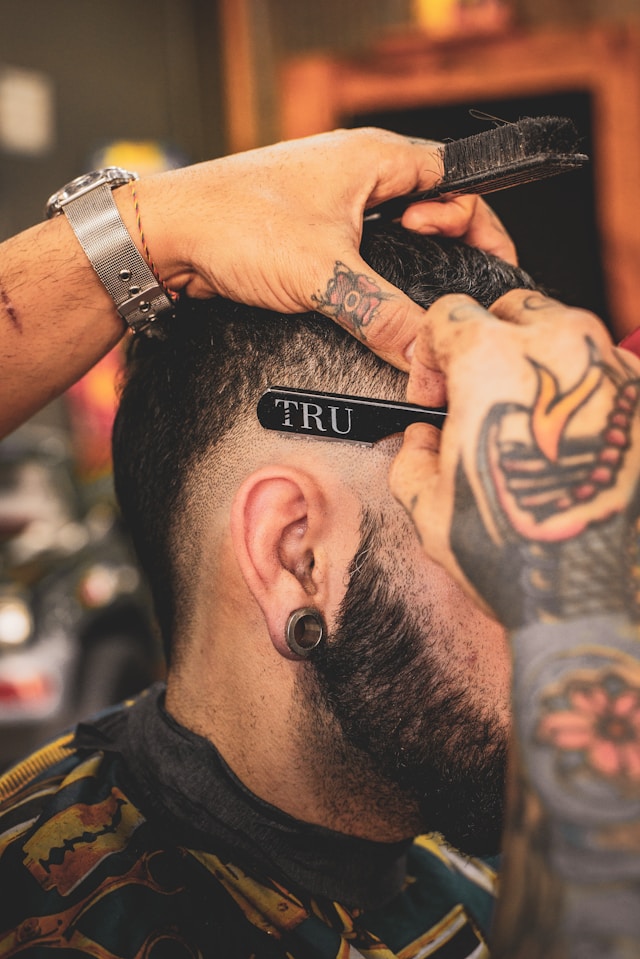
Providing training and feedback for your team helps ensure every client gets the same high-quality service, no matter which chair they sit in.
Create a Space People Want to Talk About
Encourage check-ins, selfies, and online reviews by designing a shop that’s Instagram-worthy. A unique wall mural, vintage lighting, or stylish waiting area can inspire posts and conversations.
Happy clients become your best marketing channel. Incentivize referrals, respond to feedback, and never underestimate the power of a genuine compliment or thank-you.
Ultimately, great service isn’t just about skill, it’s about connection. Your clients should walk out feeling sharper, more confident, and more appreciated than when they came in.
Ready to avoid the common pitfalls that trip up first-time shop owners? Let’s cover the biggest mistakes to watch out for next.
Step 11: Identifying Mistakes That Can Derail Your Barbershop Launch
Even the most passionate entrepreneurs can make costly missteps when starting a barbershop. Avoiding these common mistakes can save you thousands of dollars, and just as many headaches. If you’re serious about learning how to start a barbershop business successfully, knowing what not to do is just as important as knowing what to do.
Underestimating Startup Costs
It’s easy to focus on chairs, clippers, and rent, but the real expenses go far beyond that. Many first-time owners overlook costs like:
- Licensing and inspection fees
- Business insurance
- Security deposits and utility setup
- Marketing materials and website design
- POS systems and booking software
When the budget gets tight, quality often suffers. Plan for hidden expenses and always keep a cash buffer for emergencies.
Hiring Too Quickly, or Too Slowly
Some barbershop owners rush to fill chairs, only to realize later that they hired the wrong people. Others take too long and miss out on potential income. Aim for balance: build a strong team that reflects your brand, but don’t wait for the “perfect” barber to get started.
Always check licenses, review portfolios, and prioritize professionalism and attitude over just technical skill.
Skipping the Business Side
Barbers who are great with scissors sometimes struggle with spreadsheets. But ignoring your finances, tax obligations, and appointment data can hurt your growth. Track everything, from sales trends to client retention, so you can make informed decisions.
If managing money isn’t your strong suit, consider hiring a part-time bookkeeper or using simple accounting software.
Ignoring Online Presence
Even the best barbershop can stay empty if no one knows about it. An inactive Google listing, outdated Instagram, or missing online booking option can drive clients away. In today’s world, visibility is currency.

By steering clear of these common traps, you’ll give your barbershop a stronger foundation from day one.
Now let’s explore a few powerful ways to boost your profits and stand out even more.
Step 12: Unlocking More Profit from Your Barbershop
A steady stream of clients is great, but profitability isn’t just about volume. It’s about maximizing every chair, every service, and every minute. As you learn how to start a barbershop business, it’s crucial to think about the long-term earning potential built into your daily operations.
Here are a few practical ways to boost revenue without burning out:
Offer Retail Products
Selling grooming products like pomades, beard oils, razors, or shampoos can generate consistent passive income. Most clients are already using hair products, why not give them the option to buy right from your chair?
- Choose products that match your brand style (classic, modern, eco-friendly, etc.)
- Train your barbers to make soft recommendations, not hard sells
- Display items neatly near the front desk or at each station
Retail sales can add up quickly, especially if your team earns commission on each item sold.
Rent Out Chairs
If you have more stations than barbers, consider a chair rental model. Independent barbers pay you a weekly or monthly fee to use the space, giving you income without payroll taxes or scheduling headaches.
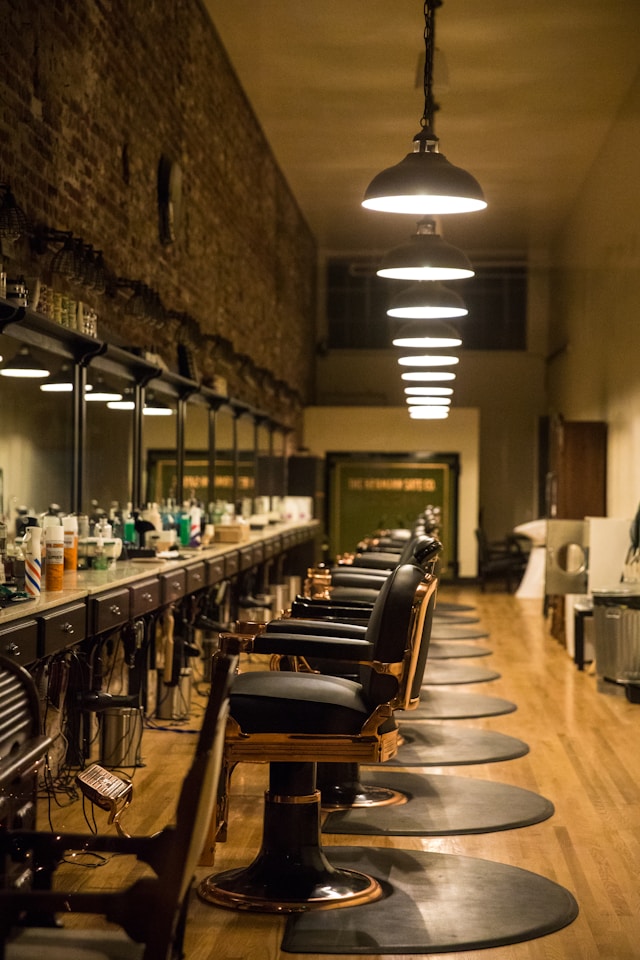
Make sure to use written agreements that define expectations, rules, and the use of equipment or supplies.
Offer Membership Packages
Give loyal customers a reason to commit. Monthly packages or prepaid haircut bundles provide upfront cash flow and create consistent appointments.
Example:
- $90/month for unlimited basic cuts
- 5 haircuts for the price of 4 when purchased in advance
These packages can help smooth out income during slow periods.
Host Events or Workshops
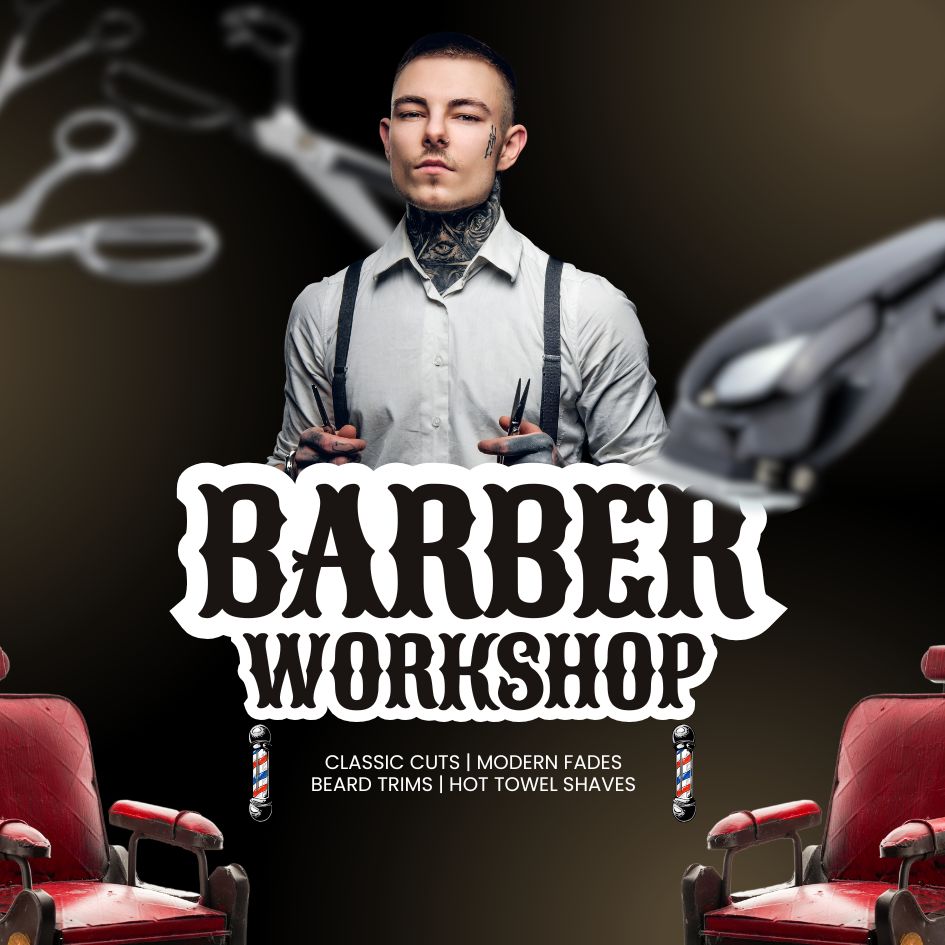
Transform your barbershop into a community space by offering grooming classes, pop-up markets, or brand collaborations. These events bring in new faces and open up opportunities for content creation and local press.
Increasing profit doesn’t always mean working harder, it’s often about working smarter with the space and clients you already have.
Now, let’s bring it all together and look at the big picture of your barbershop journey.
Conclusion
Starting a barbershop is more than a business venture, it’s a chance to build something personal, creative, and lasting. From shaping community culture to helping people feel confident in their appearance, a great barbershop does more than cut hair, it creates connections.
Throughout this guide, you’ve explored every key step on how to start a barbershop business, from licensing and location to branding, pricing, marketing, and growth. You’ve learned how to avoid the pitfalls that sink many new businesses and how to turn your space into a profitable, trusted destination for grooming.
It takes more than talent with clippers to run a successful shop. It takes planning, professionalism, and a focus on the full experience, what your shop looks like, how it operates, how clients book, and how they feel when they leave.
Whether you’re just starting to explore the idea or you’re preparing to open your doors, now is the time to put your plans into action.
Barbershops will always be in demand, but the ones that thrive are those that evolve, invest in service, and stay rooted in community.
If you’re ready to simplify your bookings, streamline your schedule, and create a seamless client experience from day one, consider using Bookeo, a flexible, professional online booking system designed for service-based businesses like yours.
Your chair is waiting. Now, take the first step and start building the barbershop you’ve always envisioned.