
How to Start a Pilates Business: Studio Setup & Client Growth
The Pilates market will hit $409 billion by 2032. Starting a Pilates studio has never looked more promising.
You might think the market is saturated with 10,000 Pilates studios already operating in the United States. The reality shows otherwise! Pilates has become increasingly popular as a complete approach to health and wellness. Millions of Americans take classes every year.
A new studio needs proper planning and smart investment. Opening costs range from $50,000 to $200,000. The final amount depends on your location, size, and equipment choices. Some smart entrepreneurs have started with just $25,000. The original investment pays off well – studio owners make $70,000 on average each year. This makes it an attractive business opportunity.
This piece takes you through every step to create your Pilates business. You’ll learn about studio concepts, costs, space design, and client growth strategies. These elements will help you turn your Pilates passion into a successful business. Ready to begin?
Define Your Studio Concept and Business Model
You should know exactly what type of Pilates business you want to create before you invest in equipment or sign a lease. Your studio’s identity will shape everything from your pricing to layout and marketing strategies.
Decide on mat, reformer, or hybrid classes
The first big choice you’ll make is the type of Pilates classes to offer.
Here’s what you should know about each option:
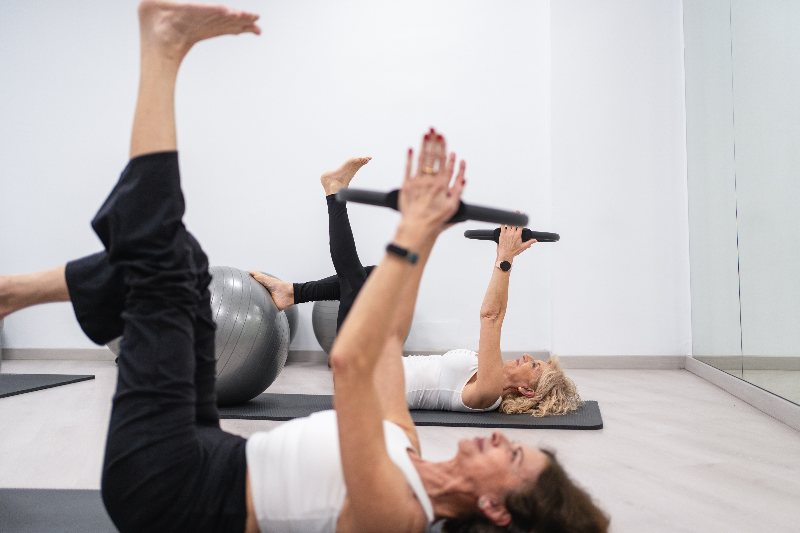
Mat Pilates is the simple form Joseph Pilates created. You’ll just need mats, and classes focus on using body weight for resistance to build core strength, flexibility, and muscular endurance. Most instructors say mat classes work best for beginners, and students usually start reformer work after three months of weekly mat practice.
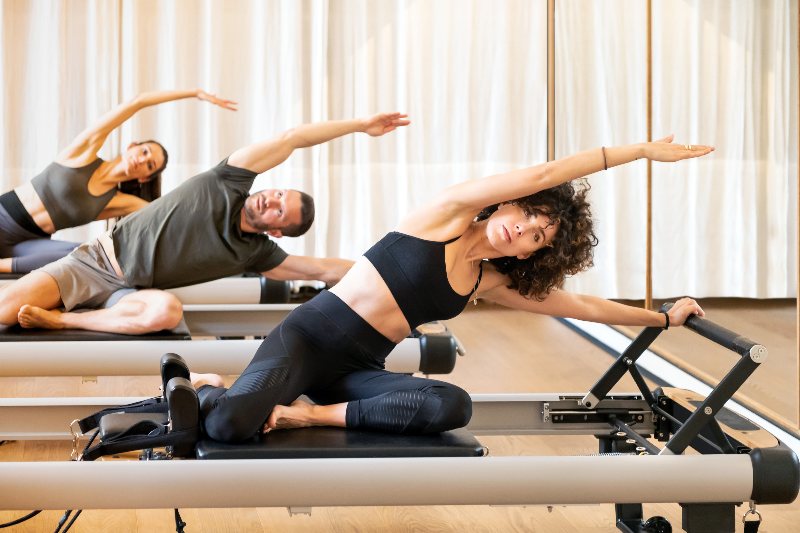
Reformer Pilates uses specialized equipment with a sliding carriage, platforms, handlebars, straps, and springs. The equipment lets you do more exercises with targeted resistance. Students often see results faster with reformer classes than mat work, arms, legs, and abs typically look firmer after about twelve regular sessions.
Hybrid Studios let clients choose between mat and reformer options. This setup attracts more people but costs more upfront and needs extra space.
Your target market should guide this choice. Mat classes work better for beginners and budget-conscious clients. Reformer sessions attract people who want intensive training or specific physical rehabilitation.
Target private sessions, group classes, or both
Next up is a vital decision about your service model.
Private Sessions give clients one-on-one time with a certified instructor who creates exercises for their specific needs and goals. These sessions work best for clients who:
- Are new to Pilates
- Are older or have injuries
- Have specific fitness goals
- Like individual attention
- Need special modifications
Private sessions cost more, usually $60-$90 per hour-long session, but take more instructor time per client.
Group Classes create a motivating community feel. They cost less than private sessions and offer flexible scheduling. These classes suit:
- People with Pilates experience
- Those without injuries
- Students who enjoy group energy
- Clients looking for affordable options
Many studios offer both options. New clients often start with private sessions to learn the basics before joining group classes. You might also want to add semi-private “duets” where two clients train together, offering middle-ground pricing.
Consider virtual and on-demand options
Online fitness has grown by a lot, with subscription numbers up 16.8% from 2020 to 2021. Adding online classes helps you reach beyond local customers.
You could offer:
- Live-streamed classes that match your in-studio schedule
- On-demand libraries of recorded workouts
- Subscription services for ongoing virtual content access
Take Saran Pilates as an example. They offer subscription access to reformer and mat workouts through their website and app, reaching clients in the US, Australia, Canada, and Europe.
Teaching online needs a different approach. For virtual classes without reformers, focus on mat work, bodyweight exercises, and ways to use household items as props.
Using booking software for your Pilates business
Whatever business model you pick, you’ll need a quick way to handle scheduling and payments. Bookeo helps manage your Pilates classes, private sessions, and client relationships in one place. Here’s what you can do with Bookeo:
- Let clients book classes anytime through your website
- Send automatic reminders to cut down no-shows
- Take online payments for classes and packages
- Keep track of attendance and class sizes
Start with a clear studio vision and build your business model around formats that match your goals, expertise, and target market. Note that successful studios often start small, maybe just mat classes or a few reformers, and grow as clients ask for more.
Understand the Costs of Starting a Pilates Studio
Starting a Pilates studio needs smart financial planning. Let’s get into the real costs of turning your Pilates passion into a thriving business.
How much does it cost to open a Pilates studio?
The money needed to open a Pilates studio changes based on your vision and scale. A simple studio that we focused on reformer-based workouts can start from approximately $50,000. Mid-sized operations need around $100,000, while a premium studio with high-end equipment and custom interiors might need $150,000 to $500,000 or more.

The National Association of Pilates Professionals (NAPPI) says a standard Pilates studio costs between $50,000 and $100,000 to open. A complete breakdown shows startup costs range from $100,000 (essential equipment and simple renovations) to $383,000 (premium equipment and extensive customization).
Your business plan must cover one-time startup expenses and ongoing operational costs. You’ll need money for equipment, space renovation, permits, and marketing right away. Monthly expenses like rent, instructor salaries, utilities, and maintenance need steady cash flow.
Breakdown of equipment, rent, and staffing
Equipment Costs: Equipment is one of your biggest upfront investments, usually $10,000 to $30,000 for a simple setup. Professional-grade reformers, the life-blood of most studios, cost $2,000 to $6,000 each. A small studio with 5-10 reformers could cost $10,000 to $50,000 just for these.

Other essential equipment has these costs:
- Pilates mats: $22-$100 each
- Cadillac/Trapeze tables: $10,000+ each
- Wunda chairs: Around $2,500 each
- Barrels: About $2,000 each
- Spine correctors: $300-$750 each
Rent and Space: Location affects your monthly expenses by a lot. Premium spots in high-traffic areas can cost $15,000 to $20,000 monthly. Commercial spaces cost less than retail units but don’t get as much foot traffic.
Most studios need about 1,500 square feet, though smaller ones work fine in 400-800 square feet. Monthly rent runs $20-$40 per square foot, based on location. Financial experts say to save 3-6 months of rent upfront to help during your growth phase.
Staffing Expenses: The core team makes up much of your ongoing costs. Junior instructors make $15-$30 hourly depending on location, while senior instructors earn $25-$50 per hour. Front desk staff usually make $12-$33 hourly.
Small studio owners often wear multiple hats at first. As you grow, plan about 20 billable hours weekly for instructors and 30 hours for front desk work.
Tips to reduce startup expenses
Start Small and Scale: A minimalist approach might work best. A simple studio with basic equipment could cost as little as $5,000 to $15,000 to launch. You can add more as your client base grows.

Equipment Strategies: Buying used or refurbished equipment from trusted sellers can cut initial costs without losing quality. Start with must-have items and grow your inventory as money comes in.
Space Optimization: Make the most of every square foot. Some Pilates businesses do great in spaces as small as 400-800 square feet. Pick a spot that balances cost with foot traffic.
Minimize Renovation Costs: Team up with your renovation crew and choose good quality materials without premium prices. Simple upgrades like flooring, painting, and basic lighting cost around $20,000, compared to $75,000 for custom work.
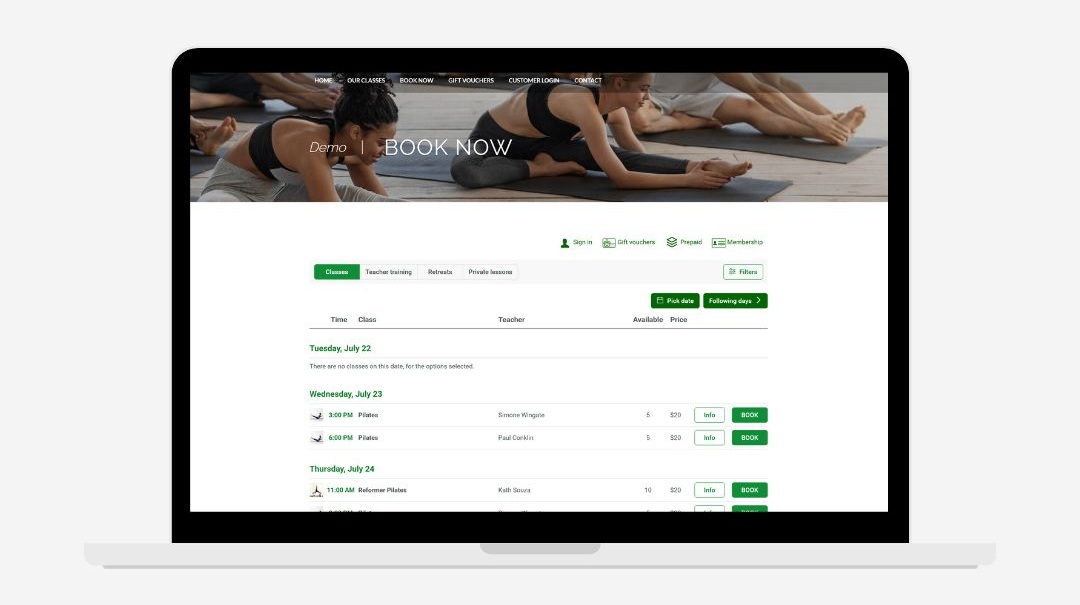
Use Booking Software: Good Pilates studio scheduling software like Bookeo cuts staff needs and administrative work. Bookeo’s online booking lets clients schedule classes anytime, handles payments automatically, and gives valuable business insights, all while cutting down office work. This means lower costs and happier clients.
Smart planning and decision-making help create a successful Pilates studio that balances quality with money matters. Note that your original investment shapes your studio’s future, but smart management drives its success.
Pick the Right Location for Your Studio
Your Pilates studio’s location plays a huge role in its success. This choice impacts everything from how easily clients can reach you to your running costs. The right spot draws your target audience and fits your business model without breaking the bank.
What makes a location ideal?
The best spots make life easy for your target clients. People usually pick studios they can reach within 15 minutes from where they live or work. Even great teaching won’t keep clients coming back if they have to fight traffic to get there.
Parking ranks high on everyone’s wish list. Free parking is great, but clients just need easy and affordable options, especially when they visit several times a week. Urban studios should be close to public transport – this is just as important.
The neighborhood’s demographic profile is vital. Look into the area’s:
- Average household income (can locals afford your rates?)
- Age distribution (does it match your target market?)
- Population density (are there enough potential clients?)
- Residential vs. commercial mix
Your real estate broker should run a radius search of these demographics. The number of competing studios nearby could limit your growth potential.
Balancing visibility with affordability
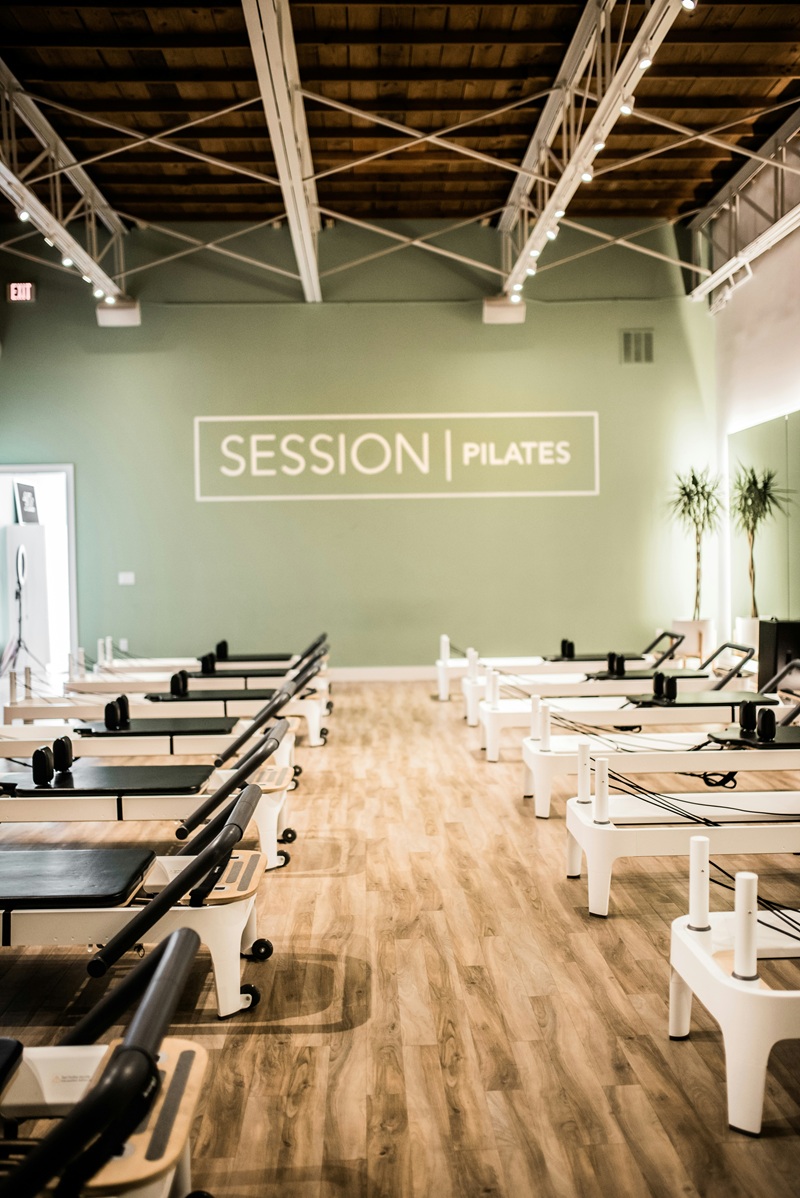
High-traffic spots like shopping centers give great exposure but they get pricey. Street-level spaces with good visibility help cut marketing costs since people see your studio every day. These prime locations are a big deal as it means that rents can hit $15,000 to $20,000 monthly.
Interior spaces in commercial buildings give you a budget-friendly option. You’ll find lower rent and better lease terms here. These spaces need more marketing muscle to attract clients, but they work well if you already have loyal followers.
Your business neighbors make a difference. Look for spots near places like health food stores or restaurants that attract similar clients. This creates natural foot traffic by your door.
Here’s a key number to remember: your sales-to-rent ratio shouldn’t go above 15%. This means if you expect $20,000 in monthly revenue, keep your rent under $3,000. Going over this ratio could strain your finances.
Zoning and lease considerations
Pilates studios must meet specific zoning rules that change by location. Most cities classify these businesses as:
- “Sports and Recreation” uses
- “Personal Services” categories
- “Medical Services” (for rehabilitation-focused studios)
Check zoning rules before signing any lease. Chicago’s wellness businesses deal with complex rules about where they can operate. New York has specific rules for yoga and similar studios – teaching areas can’t exceed 1,500 square feet and must hold fewer than 74 people.
Studio owners often face unexpected costs from zoning issues. Common hurdles include:
- Parking requirements based on studio size
- Sound insulation rules (key for fitness centers)
- Operating hours limits
- Building accessibility standards
Commercial leases pack more complexity than residential ones. Extra costs include:
- Maintenance fees
- Property taxes
- Utility responsibilities
- Signage allowances
Streamline your location management with Bookeo
After securing your studio space, managing it well becomes key. Bookeo’s online booking system helps you unlock your studio’s full potential through:
- Space usage tracking for different classes
- Room and equipment capacity management
- Smart scheduling that prevents double-booking
- Detailed reports to optimize your layout
Bookeo’s booking pattern analysis shows your peak times, helping you make smart decisions about class schedules and future expansion plans.
Buy or Lease Pilates Equipment
Your Pilates studio’s equipment is the life-blood of your business. You just need to select it carefully based on your business model and budget. Smart decisions about buying or leasing can maximize your return on investment and give your clients the best experience.
List of essential equipment
Professional-grade reformers are the life-blood investment for most studios. They cost between $2,000 to $6,000 each based on features and brand quality. A small studio with 5-10 reformers might need $10,000 to $50,000 for this investment alone.
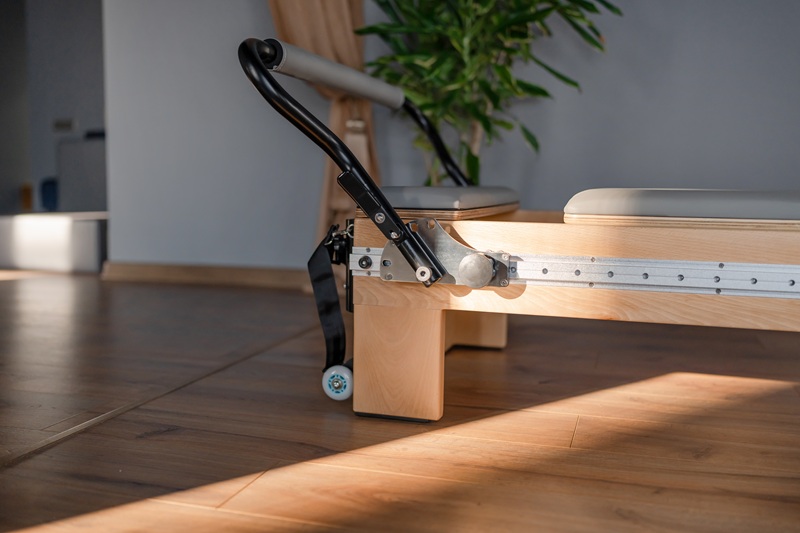
A well-equipped studio has these items:
- Cadillac/Trapeze tables: $4,000-$10,000+ each
- Wunda chairs: $1,600-$2,700 each
- Ladder barrels: $1,300-$2,200 each
- Spine correctors: $300-$800 each
- High-quality mats: $25-$100 each
- Small props: Resistance bands, magic circles, foam rollers, etc.
A standard studio’s total equipment investment ranges from $10,000 (simple setup) to $30,000 (detailed setup), based on quantity and quality level.
Top brands and where to buy
Several manufacturers lead the industry with their quality and reputation:
Balanced Body makes premium equipment known for exceptional durability and smooth operation. Their Studio Reformer stands out as “the smoothest, quietest, most versatile machine on the market.” The Allegro 2 Reformer works great in commercial settings because of its accessible adjustability and ease of use.
Merrithew (makers of STOTT PILATES equipment) builds machines that are “built to last” with “the highest quality and finest manufacturing materials.” Their Professional Reformers adapt to different needs and work well for various clients.
Gratz creates authentic classical Pilates equipment that matches Joseph Pilates’s original specifications. Their reformers showcase exceptional craftsmanship and attention to detail.
Other prominent brands like Peak Pilates, Core Collaborate, and AeroPilates offer various price points and features.
Manufacturers sell directly through their websites with detailed specs and customization options. Many offer flexible payment plans or bulk order discounts for studio setups. You can also get expert help to design your ideal studio layout.
Pros and cons of leasing vs. buying
Buying Pros:
- You own and control the equipment
- You can modify or customize as needed
- No monthly payments after purchase
- Your business assets grow
- You can sell if you want to upgrade
Buying Cons:
- High upfront costs can strain your original budget
- You handle all maintenance and repairs
- Equipment might become outdated as technology advances

Leasing Pros:
- Lower initial investment saves capital for other startup needs
- Maintenance and repair services often included
- You can try different equipment before buying
- Access to latest equipment models
- Tax advantages with lease payments as deductible expenses
Leasing Cons:
- Costs more long-term than buying outright
- Limited equipment control
- No ownership equity builds up
- You might face usage restrictions or extra fees
Many studio owners choose a mixed approach. They buy some pieces and lease others. A popular strategy starts with leasing reformers and buying them later when business stabilizes.
Simplify equipment management with Bookeo
Whatever you choose – buying or leasing – managing your equipment is vital. Bookeo’s online booking system tracks maintenance schedules and class sizes.
Hire and Train Your Pilates Instructors
Your Pilates instructors are the backbone of your studio’s success. The quality of your teaching team affects client retention, studio reputation, and your bottom line. Building a skilled team that shares your studio’s values takes the right approach, even though finding qualified instructors might seem daunting at first.
Where to find certified instructors
The Pilates Method Alliance (PMA) job board helps you connect with qualified Pilates professionals. You can post open positions, send job listings directly to members, and search through candidate resumes as an employer.
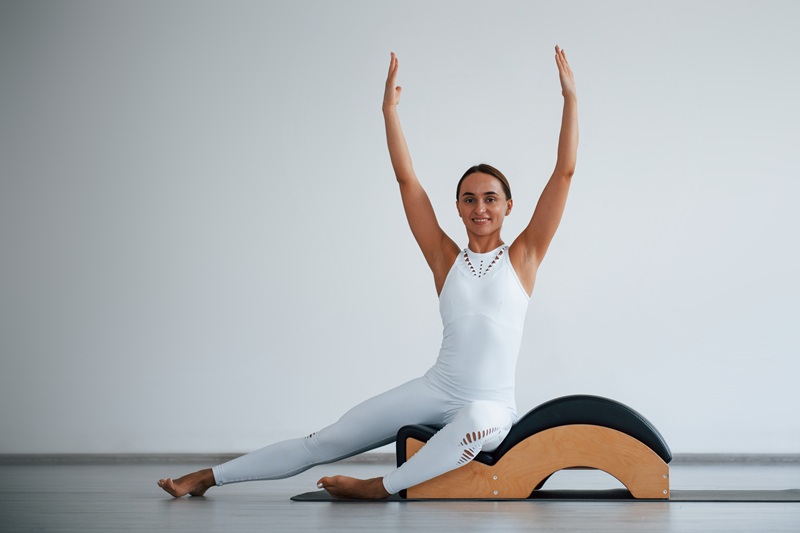
Several valuable directories can help you find the right instructors:
- The National Pilates Certification Program directory lets you search specifically for Nationally Certified Pilates Teachers (NCPT) or Pilates Mat Certified Teachers (PMC)
- The Pilates Method Alliance Teacher Member Directory lists thousands of professionals you can search by location
- Brand-specific directories like Merrithew’s instructor finder help you locate STOTT PILATES certified teachers
Professional organizations like the PMA give you access to technical resources, networking opportunities, and expert guidance to expand your connections with potential instructors.
Trial classes and teaching evaluations
A trial class or teaching demonstration gives you the best insight into an instructor’s capabilities. You should participate in part of the class and observe the rest to get a full picture. This approach lets you experience technical aspects firsthand while watching instructor-participant interactions objectively.
Look beyond credentials when evaluating potential hires:
- Critical thinking skills, avoid instructors who teach “because that’s what I was taught”
- Knowing how to modify exercises based on clients’ abilities and limitations
- Teaching language and communication style
- Adaptability and willingness to grow with your studio
Take some basic Pilates mat classes yourself. This hands-on experience with alignment, breathing principles, and foundational techniques will sharpen your evaluation skills.
Meet with each instructor after their evaluation. Discuss their reasoning behind exercise modifications or progressions. These conversations reveal their knowledge depth and dedication to client safety.
Creating a positive team culture
Your studio needs a positive culture to keep talented instructors and deliver consistent client experiences. Everything runs smoothly when instructors share values and communication styles, from class substitutions to client interactions.

Start by hiring for character alongside credentials. Great instructors should show:
- Passion for teaching and continuous learning
- Knowing how to connect with a variety of clients
- Integrity and positive attitude
Put resources into ongoing professional development through workshops, conferences, or mentorship programs. This investment improves your instructors’ skills and adds value through specialized offerings like pre/postnatal Pilates or rehabilitation.
Regular team meetings give instructors space to discuss client feedback and teaching challenges. One-on-one check-ins help you understand each team member’s goals and concerns.
Remember to celebrate achievements and milestones to promote camaraderie. Simple recognition during meetings or group outings strengthens team bonds.
Streamline instructor management with Bookeo
The right booking software makes managing your teaching team much easier. Bookeo helps optimize your Pilates instructor scheduling and performance tracking in several ways:
- Instructors can manage their availability and view upcoming classes
- You can track instructor performance through client booking patterns and attendance
- Class substitutions become more efficient
- Detailed reports show class popularity by instructor
This complete system prevents scheduling conflicts and shows which instructors bring back the most clients, key insights for building your studio’s reputation.
Design a Studio That Clients Love
Your Pilates studio’s physical space plays a huge role in how clients feel and what they experience. A well-laid-out studio shows your commitment to quality and helps clients stay focused during their practice.
Studio layout and ambiance tips
A successful Pilates studio needs plenty of open space and good flow. Larger equipment like reformers work best along the walls, which leaves the middle free for mat work. This setup lets instructors easily move between clients and keeps the room’s sightlines clear.
Natural light makes a big difference in people’s mood and energy levels. Big windows brighten up the space and create a peaceful atmosphere that fits perfectly with Pilates principles. Studios with limited sunlight can benefit from full-spectrum lights that give off a natural daylight feel.
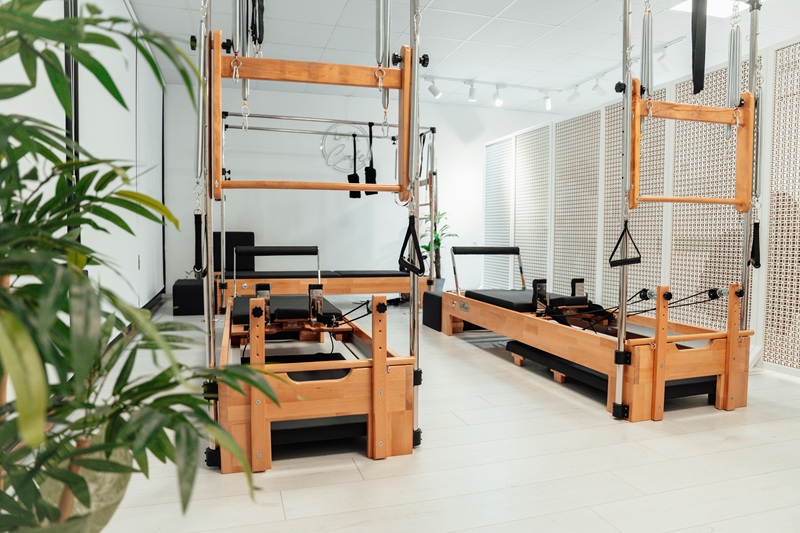
Wooden floors come with several practical benefits, they’re simple to clean and equipment glides smoothly on them. Carpet might help with noise reduction but can trap allergens and makes cleaning harder.
Wall colors should help people stay calm and focused. Soft whites, beiges, and light grays provide a peaceful background. Mirrors help make spaces look bigger and let clients check their form while exercising.
Reception, waiting area, and amenities
The way clients feel when they first walk in shapes their entire experience. Your reception area should have simple, cozy seating that helps people switch from their busy day to a Pilates mindset.
A small, welcoming seating area outside the studio gives clients a place to relax before their sessions. This space adds to the studio’s friendly feel and helps people avoid feeling rushed.
Little extras can make a big difference. You might want to add:
- A water station with fresh water and cups
- A spot for shoes and personal items
- Fresh towels ready to use
- Lockers for valuable items
Creating a welcoming environment
Clean spaces rank high on clients’ priority lists. Hand sanitizing stations work best near doors and other key spots. Pick surfaces you can easily wipe down and sanitize, from vinyl equipment covers to smooth floors.
Good air flow is vital, especially in studios with lots of classes. Fresh air helps keep the space healthy and odor-free. Opening windows between sessions is an easy way to refresh the room.

Personal touches can turn an ordinary studio into something special. Client testimonials, community event boards, or wellness-related inspirational quotes can add character to your space.
Streamline studio management with Bookeo
Bookeo’s online booking system makes running your beautiful studio easier. Your clients can book classes any time, while the system handles capacity management and sends reminder messages to reduce no-shows. The calendar view helps you see all your daily operations at a glance, which keeps everything running smoothly in your thoughtfully designed space. Bookeo’s booking pages can match your studio’s style, bringing your welcoming atmosphere into the digital world.
Launch Your Marketing and Client Growth Plan
Your Pilates studio can become a thriving business with a solid marketing plan. The key lies in creating strong connections with potential clients, both online and in person.
Build a website with online booking
Your studio’s website acts as your digital storefront. A clean, scannable layout with vivid photos and concise paragraphs will give visitors a quick sense of your brand. Large, user-friendly booking buttons placed throughout your site will guide visitors to schedule classes.

Modern Pilates businesses need online booking software. Bookeo lets clients schedule sessions 24/7, which streamlines the booking process and cuts down on administrative work. Bookeo helps you:
- Display your services, availability, and fees online
- Accept payments ahead of sessions
- Automatically sync client contact information
- Increase customer loyalty with class passes
Use social media and Google My Business
Social media drives revenue for 41% of small businesses, and 77% of businesses are active on these platforms. Each platform brings its own advantages:
Instagram excels at visual content like client spotlights and instructor features.

Facebook lets you share studio information, class schedules, and client testimonials.
TikTok works great for short-form videos that show exercises, all but one of these businesses using TikTok ads see positive ROI within six months.
The 80/20 rule works best, dedicate 80% of posts to educational, non-promotional content and 20% to promote your studio. Regular posting helps maintain engagement and brings in new clients.
Host a grand opening and offer promotions
Events boost your studio’s visibility. An open house with workshops and taster classes lets potential clients experience your space firsthand. Your existing clients can bring friends and family to double the impact.
Trial classes at no cost or reduced rates are powerful marketing tools. This “try before you buy” approach shows potential clients your value before they commit to memberships. A free 15-20 minute session for private clients or a “first class free” deal can attract newcomers effectively.
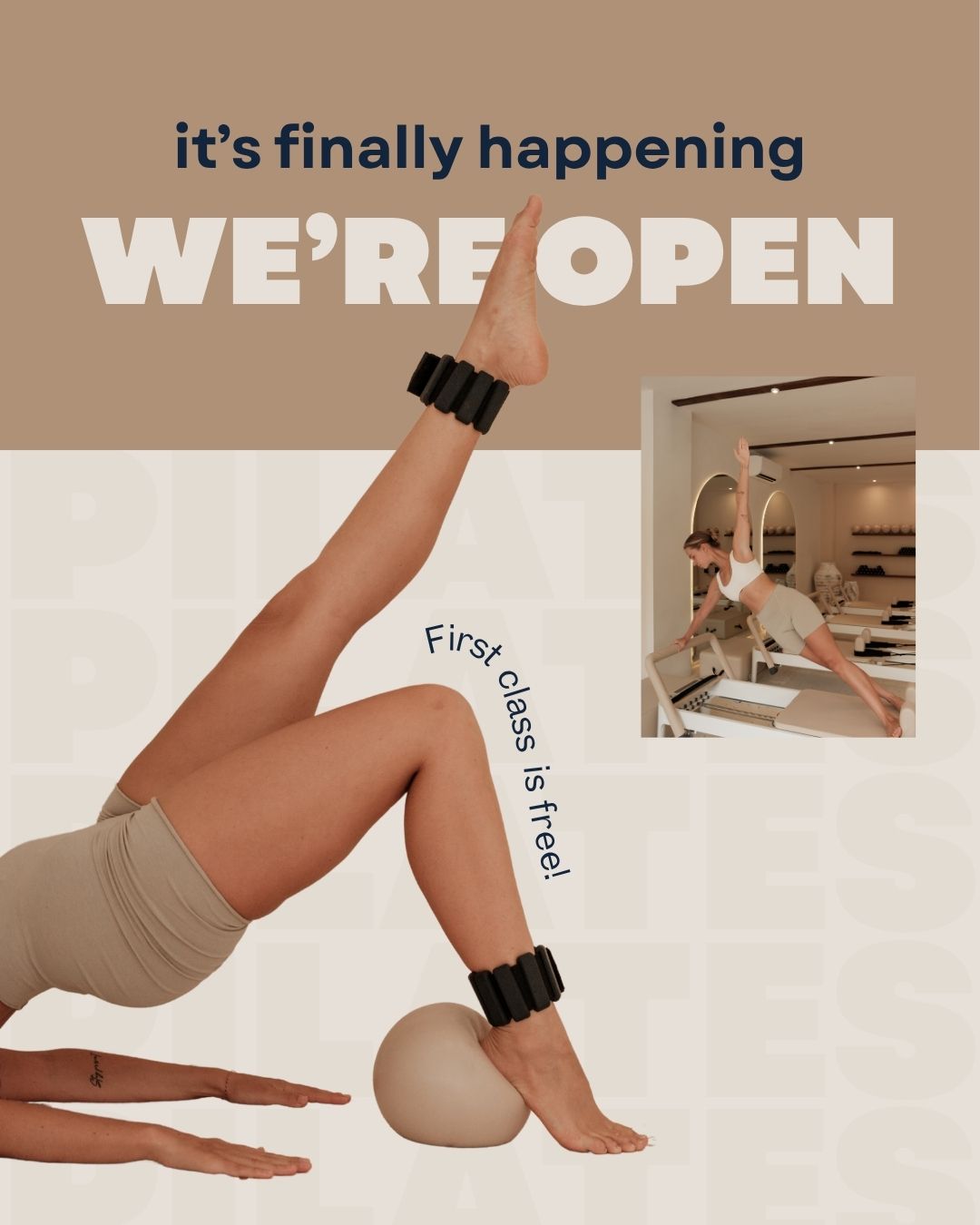
Note that word-of-mouth remains one of the best marketing strategies. A referral program that rewards current members who bring in new sign-ups can significantly boost your client base.
Automate Bookings and Payments with Bookeo
Running a successful Pilates studio takes more than just expert instruction. Administrative tasks can eat up your time if you don’t have the right systems. A good booking system can revolutionize how Pilates studio owners handle their day-to-day operations.
Why online booking software is essential
New Pilates studio owners can eliminate administrative headaches with the quickest way to manage bookings. A quality system handles your daily operations automatically – from bookings and scheduling to payments. This frees up your time to teach and build client relationships. Studio owners who use booking software save about 30 minutes per member each month on administrative work.
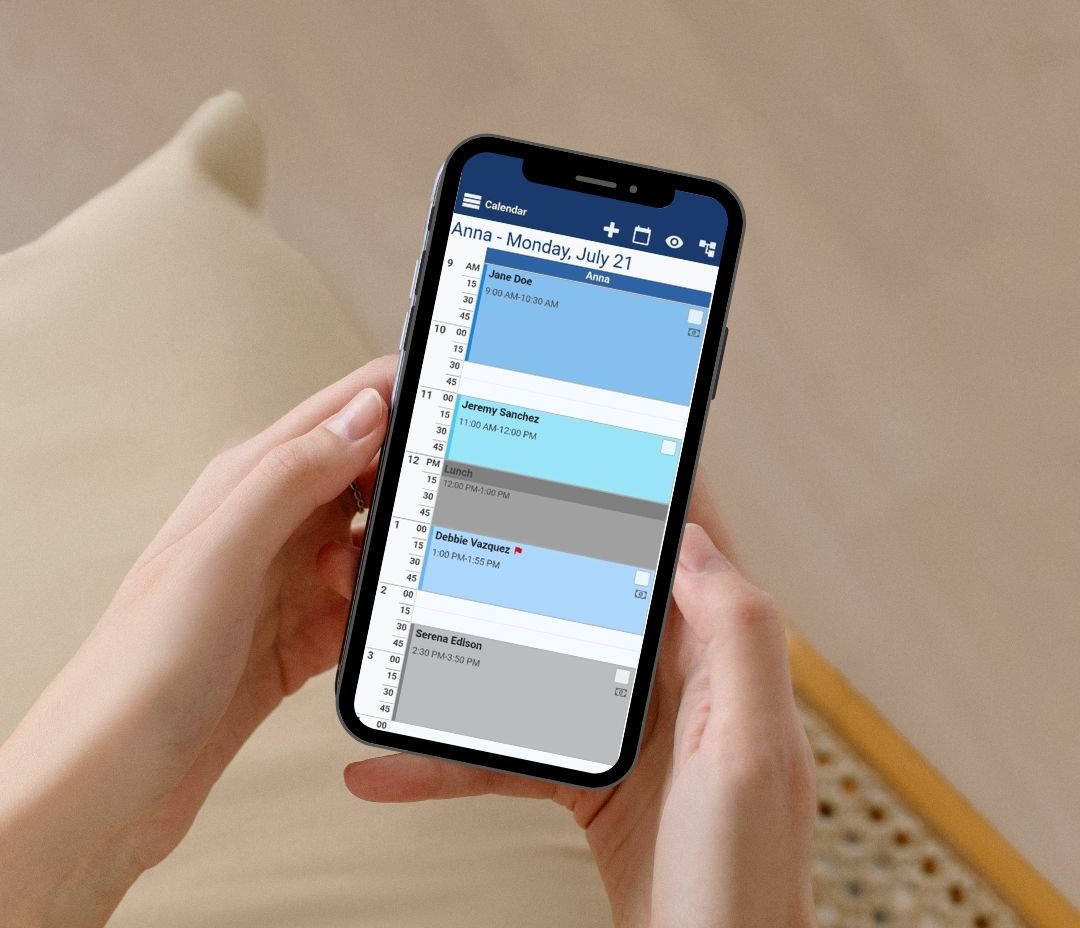
Manual scheduling often leads to double-bookings and no-shows. An online booking system fixes these issues quickly. This precise scheduling becomes a great way to get the most value for Pilates studios with limited reformers and equipment. Every slot means potential revenue you shouldn’t lose to scheduling mistakes.
How Bookeo helps manage classes and clients
Bookeo’s Pilates studio scheduling software makes setup simple:
- Start with a free 30-day trial (no credit card needed)
- Add your Pilates classes and private lessons
- Upload images showcasing your sessions
- Integrate the booking widget on your website
- Connect payment gateways for online transactions
Bookeo takes care of bookings 24/7 once you set it up. Your clients can schedule classes while you sleep. The system’s dashboard shows all your current bookings so you never miss appointments. This reliability helps build client trust right from the start.
Improving customer experience with automation
Modern clients want convenient online booking options. Bookeo boosts their experience through several features:
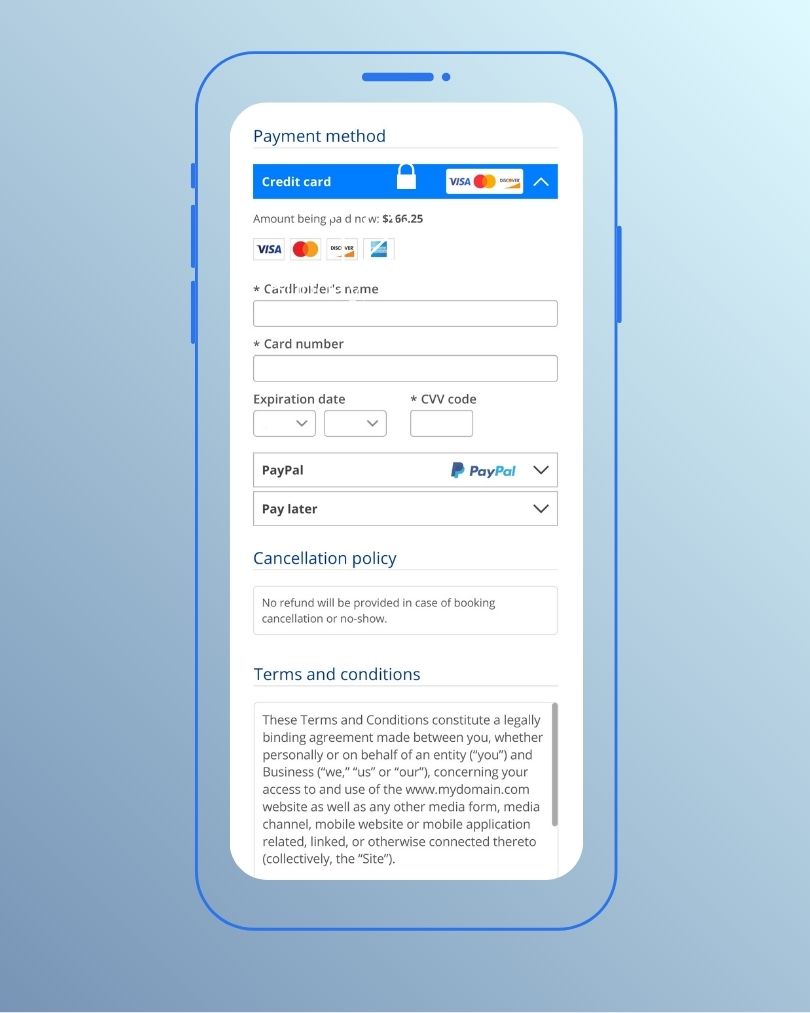
The system lets you customize booking pages to match your studio’s brand, which creates a professional look. Automatic email and text reminders reduce no-shows by a lot and keep your classes full. Secure online payments remove the awkward money collection during sessions.
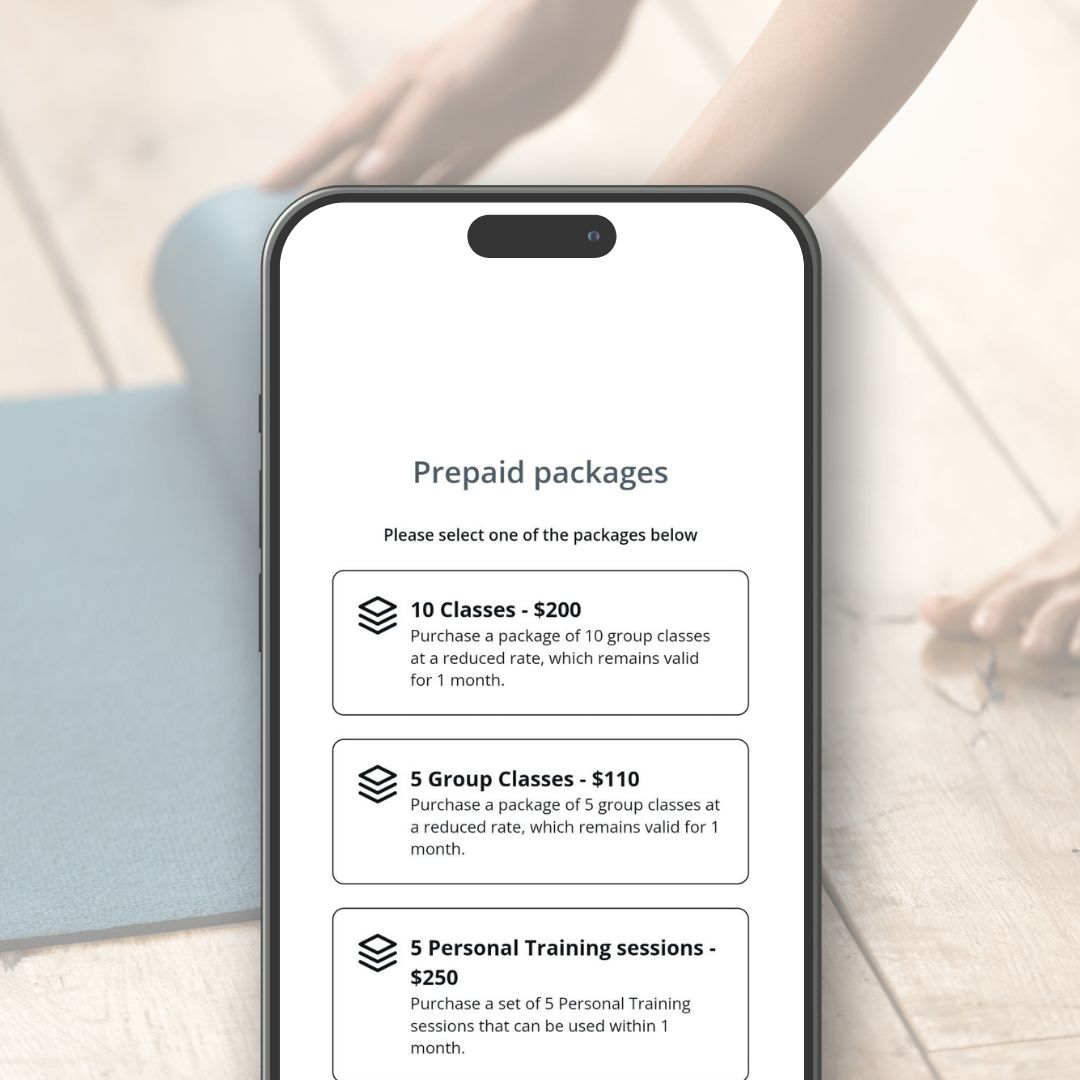
Bookeo helps boost client loyalty with prepaid service packages like “5 classes for the price of 4”. These packages bring in advance revenue and encourage regular attendance. On top of that, gift vouchers sold through Bookeo create extra income and bring new clients.
When you automate administrative tasks, you create time to build personal connections that turn newcomers into loyal Pilates practitioners.
Conclusion
The wellness market’s growth makes starting a Pilates studio an exciting chance right now. This piece has shown you how to turn your passion into a money-making venture. Smart planning paves the way from initial concept to a bustling studio, and the rewards make every effort count.
Your studio’s concept serves as your business foundation. Your choice between mat classes, reformer sessions, or both shapes your equipment needs and marketing approach. A clear understanding of costs, from equipment and rent to staffing, helps create a solid budget without surprises.
Your studio’s success largely depends on its location. The right spot strikes a balance between visibility, client convenience, and cost. Equipment choices need careful consideration too, buying or leasing based on your budget and future plans.
Your instructors become your business’s face. Certified professionals who share your studio’s values create a team culture that clients appreciate. A well-laid-out studio design with the right lighting and amenities improves client satisfaction.
Marketing brings in your first clients. A professional website with online booking, strong social media presence, and attractive promotions build your client base quickly.
Bookeo’s online booking system makes running your Pilates studio smoother. This system handles scheduling automatically, cuts down no-shows through reminders, and processes payments quickly. With Bookeo’s class scheduling software you can focus on teaching and building relationships instead of paperwork.
The Pilates industry keeps growing and should reach $409 billion by 2032. Your studio can tap into this growth through careful planning and great service. Successful studios combine business smarts with genuine passion to help clients reach their fitness goals.
Take your first step toward owning a Pilates studio today. Each planned step brings you closer to creating a studio that draws loyal clients and generates steady income. Note that today’s most successful studio owners started just like you, with a vision and determination to succeed.