
How to Start a Dance Studio Business: A Proven Path to Profit
Want to turn your love for dance into a thriving studio business? Starting a dance studio can be both rewarding and profitable when you take the right steps.
A solid business plan serves as your roadmap through this exciting journey. This crucial document outlines your business goals and charts your path to achieve them. A new dance studio needs time, effort, and careful planning. Your business plan will help you launch your studio successfully, so it deserves your full attention.
Running a dance studio goes beyond teaching dance steps. You’ll save countless couples from awkward wedding dance moments and prevent stage performance disasters. The best part? You’ll build lasting relationships. The people you connect with might become more than business contacts – they could enroll their kids in your classes.
Let us guide you through a proven strategy to build a profitable dance studio business. We’ll cover everything from shaping your vision to launching your grand opening. Your dream of owning a dance studio is closer than you think.
Start with a Clear Vision and Purpose
Starting a dance studio takes more than technical expertise – you just need clarity about your purpose and vision. Your “why” must be clear before you pick a location or hire instructors. This foundation will shape every future decision in your dance studio business.
Why do you want to open a dance studio?
Most people begin their dance studio journey because of their personal connection to dance. Many studio owners say dance is their “truest passion and first love” – something they’ve spent countless hours perfecting. This passion comes with sacrifices. They gave up normal teenage experiences for ballet rehearsals, spent summers at intensive training programs, and missed social events to perfect their technique.
Your personal dance story shapes everything. Your training and experiences in classical ballet, jazz, tap, or contemporary styles will influence your teaching philosophy. Many successful studio owners describe dance as “the very air they breathe” – it’s vital to their identity.
Your community matters too. Think about what you want to offer them. Will your studio create professional dancers? Maybe your mission makes dance available to everyone? Your answer will affect how you structure your business.
Define your goals and values
A mission statement is a vital step to establish your dance studio. This statement explains your studio’s purpose and core values clearly. It guides your internal decisions and tells students what they can expect.

A strong mission statement covers:
- What you want to achieve through dance education
- How you’ll help your community
- What makes your teaching approach unique
Atlanta Ballet’s mission focuses on “sharing the power and joy of dance” through performance excellence, superior education, and community participation. Other studios focus on building self-confidence, discipline, and appreciation for performing arts.
Your vision statement works with your mission. It shows where your studio is headed long-term. You might want to become “celebrated globally” or build “a facility where dancing dreams are shared throughout the community”.
Your studio’s values are its foundations. Successful dance studios often value:
- Integrity and excellence in instruction
- Inclusivity and diversity
- Student-centered approach
- Community involvement
- Positive, supportive environment
These values help during tough times. They guide your decisions about programs, hiring, or expansion with clarity and consistency.
Identify your target audience
Knowing exactly who you serve boosts your success chances. The 2024 Global Entrepreneurship Monitor report shows 43% of entrepreneurs worldwide fear failure. A clear target audience reduces this risk by helping you create specific offerings.
Your studio might serve these groups:
- Children (ages 3-12)
- Teenagers and adolescents
- Adults seeking fitness
- Adults interested in social dance
- Aspiring professional dancers
- Senior citizens
You can serve multiple groups, but having a main focus helps direct your marketing. Create detailed customer personas for each group you want to reach. Include their demographics, interests, motivations, and challenges.

Your class offerings help identify your target audience. Ask yourself: Which age groups will you teach? What dance styles will you specialize in? What extra services might you offer?
Understanding your audience helps you design programs that meet specific needs. Children’s classes need different structures and teaching approaches than professional training. This focused approach makes marketing more effective and builds a loyal community.
Your vision, goals, values, and audience create the foundation for your entire dance studio business. This clarity guides everything from picking a location to hiring instructors and developing programs.
Research the Market and Find Your Niche
Market research makes the difference between dance studios that thrive and those that fail. The dance industry has seen remarkable growth in the last 20 years. This growth means you need solid research before you open your doors.
Analyze local demand and competition
Big cities naturally attract dance studios because they have more people and greater interest in arts. States like California and New York lead the industry thanks to cities like Los Angeles and New York. But smaller markets can still offer great opportunities.
Start by asking potential students about their background, priorities, and what makes them want to dance. Look for patterns in this data that show what your future clients might want. It also helps to study successful dance studios nearby, figure out which age groups, skill levels, and dance styles bring in students.
Do a SWOT analysis for each competitor:
- Strengths: Experienced instructors, variety of classes, well-equipped facilities
- Weaknesses: Limited marketing, seasonal enrollment fluctuations, staffing issues
- Opportunities: Online classes, school partnerships, specialized workshops
- Threats: Economic instability, competition, technological disruptions
Look for what’s missing in your area. Maybe no one teaches ballroom dancing to adult beginners. Read customer reviews to see what people love about existing studios and what frustrates them.
Choose your dance styles and age groups
Dance studios welcome everyone from preschoolers to retirees. Rather than trying to reach everyone, pick your target groups:
- Children (ages 3-12)
- Teenagers and adolescents
- Adults seeking fitness
- Adults interested in social dance
- Aspiring professional dancers
- Senior citizens
You can work with several groups, but having a clear focus helps target your marketing better. Right now, preschool and early elementary-aged children make up the biggest market for dance studios. Starting strong with young dancers creates opportunities for future growth.
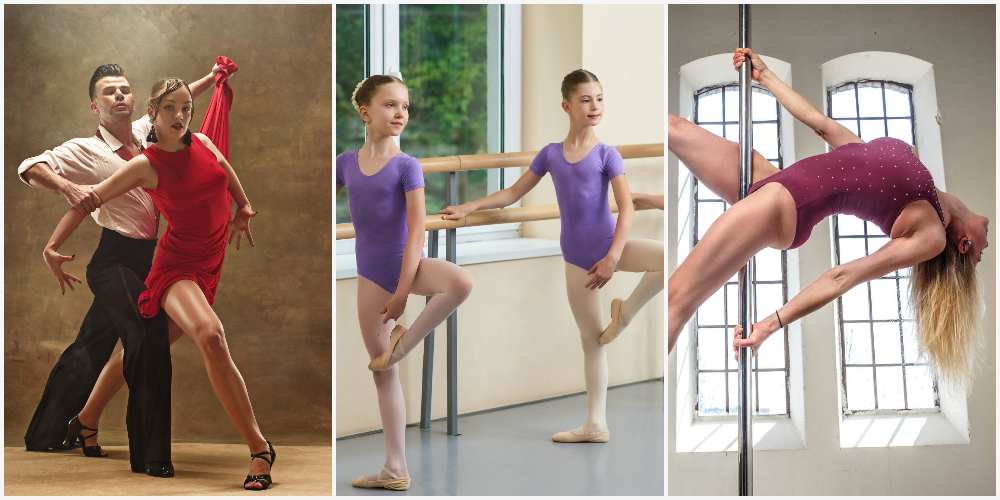
Dance styles can include ballet, ballroom, contemporary/lyrical, hip-hop, jazz, Latin/salsa, and tap. Ballet provides excellent foundations since its basics help with many other styles. Hip-hop draws people who love modern dance moves from music videos. Jazz appeals to music lovers and natural athletes, while ballroom works great for any age.

Studio owners often choose between competition-focused training and traditional dance education. Competition studios emphasize tournaments, while traditional schools focus on cultural and mental growth.
Position your studio uniquely
Students have plenty of choices when picking dance studios. Studios must keep great reputations and fair prices to attract and keep members.
Find what sets your studio apart. You might excel at customer service or specialize in teaching unique dance styles. Your focus could be building a supportive community rather than just teaching technique.
Your studio’s physical aspects matter too. Location plays a huge role, you want to be close to your target audience. The studio’s atmosphere shapes student experience significantly. Some students prefer competitive environments, while others like relaxed, social settings.

Think about special programs that could make you stand out. Some studios host community events or fundraisers to build stronger local connections. Others give performance opportunities through recitals, competitions, or conventions.
Careful market research and finding your niche helps you create a dance studio that fills real community needs instead of just adding to existing competition.
Plan Your Finances and Understand Costs
A solid financial plan serves as the foundation of any successful dance studio business. You can turn your passion into profit by mastering startup costs, pricing strategies, and funding options.
How much does it cost to start a dance studio?
Starting a dance studio costs between $10,000 and $200,000, depending on location, size, and specific needs. Small studios need $10,000-$50,000 to get started. Premium locations with larger spaces are a big deal as it means that costs can reach $300,000.
Here are the main expenses you’ll face:
| Expense Category | Typical Cost Range |
| Rental/Lease | $1,000-$5,000 monthly |
| Renovations | $5,000-$50,000 |
| Dance Equipment | $5,000-$20,000 |
| Staffing | $20,000-$100,000 annually |
| Marketing | $500-$5,000 monthly |
| Insurance | $2,250 annually (average) |
| Business Licenses | $50-$400 |
| Maintenance | $3,000-$5,000 annually |
Your studio’s floor needs special attention. Professional dance flooring prevents injuries and provides the right resistance for movement. Quality flooring is worth the investment and lasts up to 15 years with proper maintenance.
Some often-missed costs include music licensing fees ($200-$3,000 yearly based on studio size), studio management software ($30-$100 monthly), and utility bonds/connections.
Break-even analysis and pricing strategy
Break-even analysis shows how many students you need to cover costs.

Here’s the formula:
Break-even point = Total annual expenses ÷ (Average monthly membership fee + Average monthly additional sales per student)
To name just one example, with annual expenses of $100,000, a monthly membership fee of $50, and extra student spending of $10 monthly, you’d need 1,667 students to break even.
Your pricing choices affect both profits and market position. Calculate all studio costs first – direct, indirect, fixed, variable, and overhead expenses. This shows your minimum revenue requirements.
Key pricing factors include:
- Local market demand and competition
- Your area’s cost of living
- Class types (group classes: $40-$150 monthly; private lessons: $50-$100 hourly)
- Extra fees (registration: $25-$100; recital: $50+)
Don’t fall into the underpricing trap. Studio owners often charge too little to be inclusive, but this hurts business sustainability. Your prices should increase yearly as operating costs rise.
Funding options and budgeting tips
You have several options to fund your dance studio:
- Personal savings – Shows your steadfast dedication to the business
- Family and friends loans – Offer flexible terms, but require formal agreements
- Bank loans – Standard business loans with rates from 5-15%
- SBA loans – Government-backed loans offering better terms (5-8%)
- Grants – Available through government agencies and private foundations
- Crowdfunding – Platforms like Kickstarter let you offer rewards
After securing funding, create a detailed monthly budget. Set specific amounts for each expense category and follow them strictly. Pay yourself regularly – this helps balance personal and business finances.

Monitor your cash flow carefully. Most studios reach break-even through tuition alone and make profits from extras like costumes, dancewear, and recitals. Smart markup on these items becomes crucial.
Check your financial performance every three months. Small budget changes of 1-2% can determine your studio’s profitability. Dance studio management software helps track finances quickly and spots trends affecting your bottom line.
Design a Business Plan That Works
A good business plan lays the groundwork for your dance studio’s success. It turns your ideas into useful steps and helps you avoid getting pricey mistakes.
Here’s a breakdown of everything in a dance studio business plan that will lead you to success.
Outline your services and operations
Your business plan should spell out the services your dance studio will offer. Think about including:
- Private lessons for one-on-one instruction
- Group classes divided by age and skill level
- Specialty workshops or seasonal programs
- Performance opportunities through recitals
- Facility rental options for events
Be clear about class length, pricing, and how you’ll arrange different dance styles. On top of that, map out your daily operations with class schedules, safety protocols, and administrative procedures.
Each service should show how it meets your market’s needs. If you offer late-night adult classes, this works great for working professionals who want to learn dance.
Your plan needs to answer these practical questions about your studio:
- What hours will you operate?
- How many instructors do you need per shift?
- What safety measures will you implement?
- How will you manage registration and payments?
This framework helps investors see how your studio runs day-to-day.
Include marketing and staffing plans
The marketing section should follow the four Ps framework:
- Product: The specific dance classes and services you’ll offer
- Price: Your pricing strategy based on market analysis
- Place: Your studio location and marketing area
- Promotion: Strategies to attract new students
Your marketing plan needs specific goals using the SMART approach (Specific, Measurable, Achievable, Relevant, Time-bound). Facebook and Instagram are powerful tools for dance studios, so include social media strategies.

Create an organizational chart for staffing that shows roles and responsibilities. List out:
- Management positions (business manager, artistic director)
- Instructor qualifications and hiring criteria
- Administrative staff needs
- Training programs for consistency
Describe your ideal instructors – they should be motivated, enthusiastic, professional, punctual, and organized. Explain how you’ll assess staff performance and build a positive studio culture.
Use your plan to secure funding
A detailed business plan helps you get financial support. You can get funding from:
- Personal savings – shows your commitment
- Family and friends loans – with formal agreements
- Bank loans – needs detailed business plans
- SBA loans – government-enhanced with favorable terms
- Grants from agencies and foundations
- Crowdfunding campaigns with incentives
Your financial section should show projected startup costs, monthly expenses, and revenue forecasts for 3-5 years. This shows lenders you’ve thought through your business’s financial side carefully.
Highlight these aspects of your plan when talking to lenders:
- Market demand backed by research
- Your qualifications and dance experience
- How you stand out from competitors
- Realistic financial projections with break-even analysis
Note that your business plan isn’t just for getting funding, it guides your studio’s growth. Use it to clarify your vision and turn it into specific actions. Check it regularly to track your goals. Update it as your business grows and market conditions shift.
A well-laid-out plan gives you a clear direction and helps you make smart decisions while building your business.
Pick the Perfect Location and Studio Layout
The location and layout of your dance studio space will affect your business success and your students’ experience. This is a vital decision you’ll make when starting a dance studio business.
What to look for in a studio space
A perfect location starts with easy access and high visibility. Studios in central areas near your target demographic with plenty of parking naturally draw more clients. Good foot traffic helps boost your potential client base.
Your neighbors matter a lot. Stay away from businesses that create strong smells, too much noise, or aren’t suitable for families. A studio next to public transport that shakes the building or a nail salon’s chemical odors can really mess up your classes.
Space requirements vary by dance style and class size:
- Small studio (20×20 ft): Accommodates up to 16 students
- Medium studio (20×30 ft): Handles up to 24 students
- Large studio (30×40 ft): Fits up to 48 students

Students need about 25 square feet each. Tap dancers need less room than ballet dancers. Good instruction requires at least 6 square meters per student, though 9 square meters works best.
High ceilings are essential, 16 feet minimum, with 20-24 feet being ideal. Dancers need this height for safe lifts and jumps.
Designing for safety and comfort
Your floor choice can make or break your dancers’ joint health. Basement or garage concrete floors won’t work. Wooden sprung floors give the best support with a slight bounce that reduces impact.
Professional studios should look into specialized marley flooring, the gold standard for ballet studios. Home studios with tight budgets can work with portable laminate floors that function like mats.
Room temperature plays a huge role in dancer comfort. Keep your studio between 20-26°C (68-79°F). Good ventilation should cycle the air 6-10 times per hour during heavy use.
Essential safety features include:
- Mirrors: Safety-backed, raised 15cm from floor, flush with walls
- Barres: Set 15-20cm from walls at elbow height (82-110cm)
- Lighting: Even, soft lighting with some natural light
- Sound system: Quality speakers with good acoustics
Online vs. in-person class setup
Physical studios offer clear advantages over online learning, even as virtual dance education grows. Students get proper flooring, enough space, and live feedback from teachers.
Online classes have their limits:
- Restricted space for full movements
- Floor issues (carpet creates friction, slick tiles pose hazards)
- Hard to give personal corrections and spot technique
- No way to practice floor craft and proper spacing
Students pay about half as much for online classes compared to in-person sessions. If you offer virtual classes, give your students clear guidelines about setting up their home dance space. They should:
- Clear a 2×2m space minimum
- Use portable mirrors
- Choose proper flooring
- Set up devices at eye level
Your studio setup shows your professional standards and business values. The right location and layout help you attract and keep students. Focus on safety, comfort, and functionality to create a space where dancers can grow and excel.
Use Technology to Simplify Operations
Dance studio management today needs more than just physical spaces and talented instructors. The right tech tools can cut down your administrative work so you can spend more time teaching dance.
Benefits of online booking software
Dance studio owners must handle multiple administrative tasks that eat up valuable time. Online booking software can be a game-changer by automating routine operations.
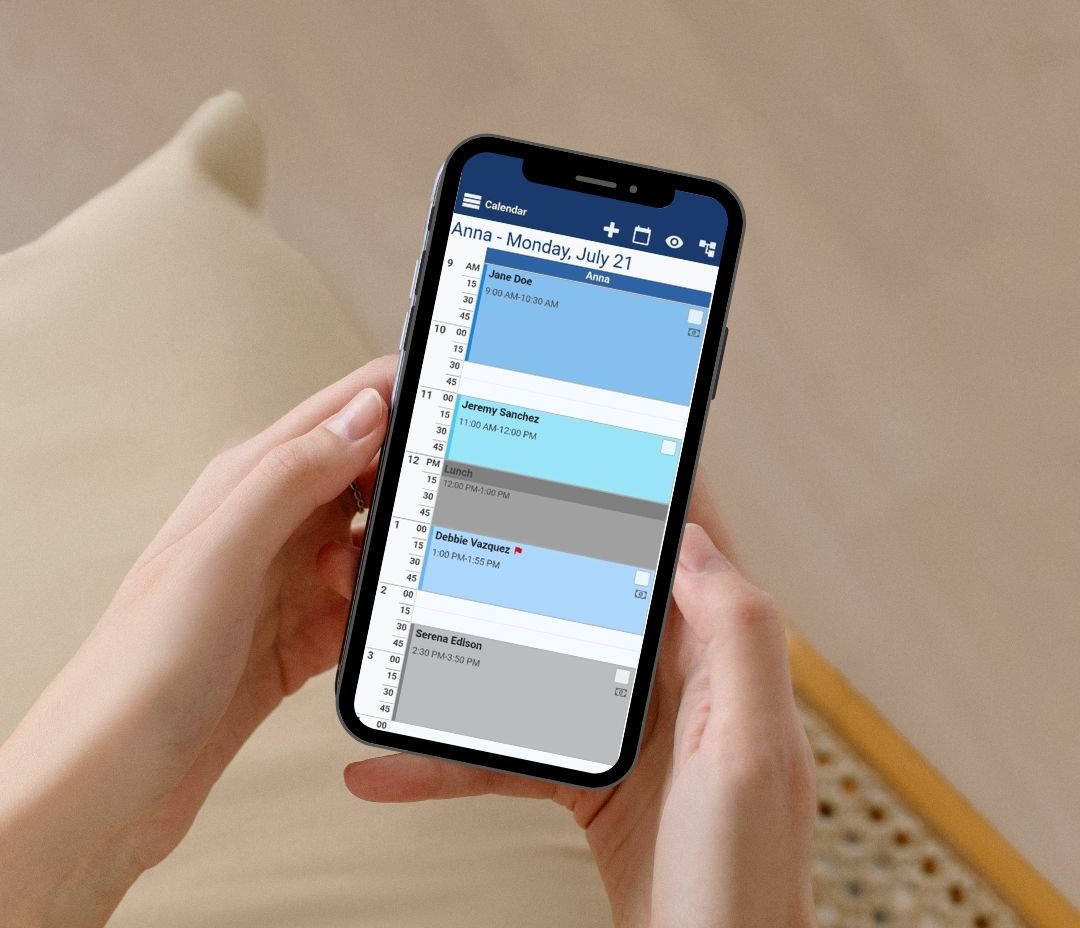
A good system helps you:
- Save up to 100 hours monthly on administrative tasks
- Cut costs
- Process registrations without paperwork
- Fill classes quickly
- Track attendance automatically
- Organize your studio schedule
Dance studio software removes the burden of manual processes that once needed lots of human effort. Your systems grow with your studio, which means you won’t need extra staff just to handle more students.
Why Bookeo is ideal for dance studios
Bookeo stands out among options for dance studios that want to run smoother operations. The platform merges with your existing website. Students can book dance classes right from your site without any distracting overlays or popups.
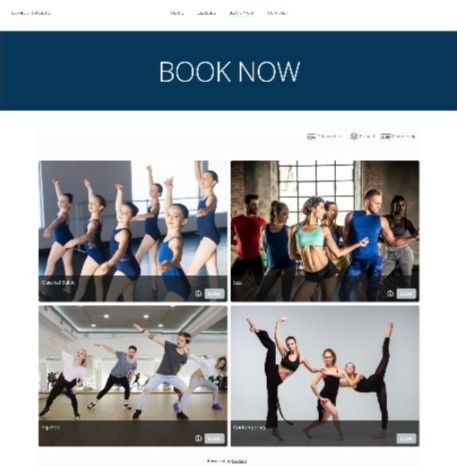
Starting with Bookeo takes just a few steps:
- Sign up for a free 30-day trial (no credit card required)
- Add your business details and dance classes
- Upload images and videos showcasing your classes
- Customize your booking page to match your brand
Digital.com named Bookeo the Best Dance Studio Software after a detailed 40-hour review of over 80 solutions. The dance studio scheduling platform shows up-to-the-minute availability of both live and online classes. You can sell single classes or class passes and manage your students well.
Automate scheduling, payments, and communication
Scheduling automation changes how dance studios operate. Students can sign up for classes based on current availability instead of calling or emailing. This stops double-bookings for staff, rooms, and time slots.
Payment processing becomes simple with integrated systems. Quality dance studio software lets you:
- Accept multiple payment methods (credit cards, PayPal, etc)
- Set up auto-pay options for recurring charges
- Sell class bundles

The right tech solution puts everything in one place, from student registration to payments. You won’t waste time switching between different systems that don’t work together.
Using these tech solutions when you start your dance studio business creates efficient operations from day one. This setup helps you grow without adding too much administrative work, a crucial part of staying profitable long-term.
Build a Team That Shares Your Vision
Your dance studio’s success relies on your team’s quality. The right instructors and staff can raise your business to new heights. They create memorable experiences for students and help build your studio’s reputation.
Hiring instructors and admin staff
Finding teachers who match your educational philosophy should be your priority when opening a dance studio. You need instructors with both technical expertise and teaching ability. Many studio owners succeed by hiring teachers they’ve worked with before. These individuals already know your style and what you expect.
Administrative roles need candidates who can strengthen your organization and run a social-first presence. Office assistants or studio managers take care of significant tasks like bookkeeping, scheduling, and customer relations.

Here are some ways to find quality staff:
- Former students or colleagues
- Other studio owners’ recommendations
- Interviews that focus on teaching philosophy
- Trial classes to review teaching style
Your job postings should include detailed descriptions of typical duties, qualifications, time requirements, and location. Clear expectations help attract talented people who share your vision.
Training for consistency and quality
Once you have your team, make sure all classes follow consistent teaching methods. Regular training sessions help maintain quality standards as your studio grows.
Meet one-on-one with team members to support them and get their feedback. These talks help you spot issues early and make quick adjustments. Watch classes regularly to ensure instructors follow your 10-year-old procedures correctly.
Training should cover more than dance technique. Include customer service, safety protocols, and administrative processes. This detailed approach creates a smooth experience for your students whatever instructor teaches their class.
Creating a positive studio culture
Your studio’s culture starts with you. Think over why you started your studio, maybe to nurture talent, provide safe learning spaces, or build children’s confidence. Share these values with your team so they can show them while working with students.
Give public recognition for outstanding work. Acknowledge your staff’s efforts privately and during team meetings when they excel. This recognition lifts morale and encourages everyone to keep high standards.
Encourage a supportive environment where mistakes become chances to learn rather than reasons for judgment. This approach helps staff and students feel comfortable taking creative risks.
Show your studio’s values clearly, on walls, in marketing materials, and through social media. This steadfast dedication reinforces your studio’s identity and attracts families with similar principles. These values will become part of your studio’s reputation and appeal to your target audience.
Launch, Market, and Grow Your Studio
Your dance studio launch needs a clear vision, solid financial plan, and the right team. Let’s look at how to launch and grow your business successfully.
Create a launch plan and timeline
The right preparation time determines your grand opening’s success. Early planning makes your marketing efforts more successful. Start building excitement by placing “Coming Soon” banners at your studio location.

Set up promotional booths at community spots like parks, preschools, swim clubs, and local events. Build your contact list through raffles or giveaways that collect email addresses.
Your dance expertise shines best through demonstrations. Give free demo classes at schools and community centers. Quick and professional responses to questions will show potential clients your exceptional customer service.
Make your Grand Opening event the highlight of your initial marketing with:
- Free sample classes that showcase different styles
- Tours showing off your studio’s features
- Face painting or craft stations for kids
- A dedicated space for new sign-ups
Use social media and local outreach
Facebook, Instagram, and TikTok lead the way in dance studio marketing. These platforms help you showcase dance routines, studio life behind-the-scenes, and student achievements.
Daily content keeps your audience engaged, especially smartphone videos that feel authentic. Create video answers to common questions about your studio. This helps new students feel more comfortable.

Build strong community ties while managing your digital presence. Local schools welcome free after-school programs or workshops. Your visibility grows when you perform at sports events, charity runs, or fairs.
Track performance and adapt
Keep an eye on important numbers like student enrollment, class attendance, and financial results. Look at which classes stay full and which ones need more marketing.
Your social media numbers tell you what your audience likes. Platform analytics tools show which posts grab the most attention.
The data helps you spot successful strategies. Put more resources into marketing channels that work best. Try different approaches until you find the perfect mix for your studio.
Conclusion
A dance studio can turn your passion into a thriving business if you plan and execute carefully. This trip needs dedication, but the rewards go beyond making money. Your studio will become a place where people find joy through movement and self-expression.
Your clear vision and purpose are the foundations for everything else. Market research helps you spot gaps where your studio can excel. Good financial planning prepares you for both expected and surprise costs. Your business plan works as a roadmap that guides decisions from day one through years of growth.
The right location with proper flooring, mirrors, and space creates an environment where dancers feel safe and inspired. Class scheduling software like Bookeo help save time by handling bookings, payments, and communications automatically. This lets you focus on teaching instead of paperwork.
Your studio’s success depends on instructors who share your vision and values. These team members become your studio’s heart and deliver consistent quality that builds reputation. Your marketing should showcase what makes your studio unique – from teaching philosophy to the supportive community you build.
It’s worth mentioning that success takes time. Keep track of your progress, listen to feedback, and adjust your approach when needed. Challenges will come up, but your love for dance will help you push through tough times.
Opening a dance studio takes work, but few businesses give such deep personal satisfaction. You’ll see students grow in confidence, skill, and joy while running a profitable business that enriches your community. With the right approach, your dance studio can thrive as both a creative space and a successful business for years ahead.