

Expert Guide: Essential Fitness Marketing Strategies for Success
The fitness marketing world has changed at a rapid pace in the digital world. Global advertising spend is forecast to hit $646 billion U.S. dollars by the end of 2026. Your fitness business faces tough competition in a packed market, as the US hits a new milestone of 55,000 fitness facilities in 2026. Many fitness entrepreneurs find it hard to make their mark despite the growing opportunities.
Marketing leaders seem hesitant about their data. About 61% of them don’t use return on investment (ROI) to make strategic decisions. This lack of confidence comes at a time when fitness digital marketing needs both precision and creativity. The global fitness industry is set to exceed $9 billion by 2029, which means you need a marketing plan that stands out. On top of that, 81% of marketers feel concerned about privacy issues when using third-party data. This makes first-party data strategies crucial in today’s market.
This piece offers proven fitness business marketing approaches to help you succeed in 2026. You’ll find ways to revolutionize your marketing efforts by utilizing key insights. Nearly half of all Google searches focus on location, and businesses earn $2 to $8 for every $1 they spend on Google Ads. These strategies will help gym owners, studio managers, and personal trainers attract and keep more clients in an industry growing over 8% each year.
Understand the New Fitness Marketing Landscape in 2026
The fitness industry looks completely different as we head into 2026. New technologies and changing client priorities have reshaped how businesses market their services. Traditional promotional methods alone can’t meet what modern clients expect anymore.
Why traditional marketing is no longer enough
Print media, TV commercials, and billboards struggle to deliver results that modern fitness businesses need. These channels still reach wide audiences but lack the targeting capabilities today’s segmented fitness market needs. They offer limited flexibility to reach specific demographics and provide little data to measure how well campaigns perform.
Today’s fitness landscape needs two-way communication with customers. Digital platforms enable real-time interaction through comments, messages, and reviews, unlike one-way traditional advertising. This change matters because fitness consumers want tailored experiences and quick responses.

To cite an instance, see how gym owners who mix digital and traditional marketing get better results reaching potential clients. Local event sponsorships and flyers still help with neighborhood visibility, but they work best alongside digital strategies. A fitness marketing expert puts it simply: “Businesses that prioritize blogging and social media marketing are 13 times more likely to see positive ROI compared to those that don’t”.
The rise of digital-first fitness businesses
Digital-first and hybrid fitness models have exploded since the pandemic changed how people work out. The American Council on Exercise reports strong demand for virtual and hybrid fitness programs. Trainers now need digital tool skills to create effective online workout formats.
Technology applications dominate the fitness industry. The 2025 ACSM Worldwide Fitness Trends survey of 2,000 industry professionals shows Wearable Technology ranks as the #1 trend, with Mobile Exercise Apps at #2. Mobile apps jumped impressively from #20 just two years ago.
Numbers paint a clear picture. People downloaded fitness apps 850 million times in 2023, reaching nearly 370 million users. Analytical Training Technology jumped from #18 in 2024 to #7 in 2025. Dr. A’Naja Newsome, ACSM Certified Exercise Physiologist, explains it well: “Digital technologies are becoming more critical to the way we design, deliver and assess health and fitness services”.
Key trends shaping fitness marketing today
Several key trends shape fitness marketing strategies in 2026:
- Technology-driven experiences: Wearables, mobile apps, and AI-powered training tools create tailored fitness trips that traditional marketing can’t match. These tools give real-time feedback and let trainers adjust programs based on individual progress.
- Specialized programming: Exercise Programs for Older Adults (#3), Exercise for Weight Loss (#4), and Exercise for Mental Health (#8) all rank in the top 10 trends. This shows people want targeted solutions instead of generic fitness offerings.
- Social media development: Short-form video rules platforms like Instagram Reels, TikTok, and YouTube Shorts. Fitness content – from technique tips to workout demos and transformation stories – thrives in these formats.
Health club numbers back this up. Membership grew by 6% to approximately 77 million members in 2025, while club visits increased by 8%. This growth matches changing demographics and priorities, as Gen Z and Millennials look for tailored, purpose-driven fitness experiences.
Fitness now means more than just physical exercise. Mental wellness, recovery, and social connection have become vital parts of modern fitness. Many gyms now offer recovery services like cold plunges and red light therapy to meet clients’ needs for complete wellness solutions.
Fitness business owners must adapt to this changing scene. Online booking software like Bookeo helps modernize operations and create smooth customer experiences. Scheduling tools help you manage classes, reduce no-shows, and keep clients coming back as part of your fitness marketing strategy.
Know Your Audience Before You Market
Success in fitness marketing starts with knowing your target audience. You need to identify and understand who you want to reach before spending money on ads or campaigns. The fitness industry gets more competitive each day, and generic marketing doesn’t work anymore – but targeted strategies get results.

How to define your ideal fitness client
A clear client profile helps you focus your marketing efforts. Look at your current and past clients – which ones did you love working with? Who got the best results? Which clients made you feel energized?
Try this simple exercise – set a timer for 90 seconds and answer these questions about your best clients:
- What benefits did they get from working with you?
- What would they have missed without your help?
- What’s their story? (where they live, what they love, what they do)
Take your best clients out for lunch and listen to how they talk. Ask them why they chose you and what their “snap point” was – that exact moment they decided to take action. Their answers will be pure gold for your marketing.
It’s worth mentioning that being picky about clients isn’t just good business – it’s crucial for your wellbeing. Bad client-trainer matches drain your energy and affect the results you deliver to everyone else.
Using data to segment your audience
Data collection is the foundation of effective audience grouping. You can gather information through membership forms, check-ins, fitness apps, and surveys. This data reveals patterns among your members.
Your audience segments should consider:
- Workout habits (exercise types, class attendance, busy gym hours)
- Location (distance from your facility)
- Member value (loyalty and spending patterns)
Email lists are a great way to get valuable data. Give something useful in return – like monthly tips or free virtual coaching – to encourage sign-ups. You can then survey your list to learn about their goals, what drives them, and what services they want.
Your grouping efforts should end up creating custom strategies for each segment. Gyms of all sizes see better member satisfaction and retention after using analytical segmentation.
Psychographics vs demographics in fitness marketing
Demographics group people by measurable traits – the “who” of your audience. This includes age, gender, income, job, marital status, and education. Demographics alone tell only part of the story since people with similar backgrounds often have different needs and priorities.

Psychographics dig into the “why” behind how people act. This includes:
- Lifestyle patterns: Daily habits and spending
- Values and beliefs: Core decision-making principles
- Interests and hobbies: Free time activities
- Personality traits: Whether they’re quiet or outgoing, scholarly or artistic
Fitness businesses can use psychographics to understand what motivates clients. A stay-at-home mom might want to set a healthy example for her kids, while a senior might want to stay active to play with grandchildren.
The best approach combines both methods. As one marketing expert puts it, “It’s not really a question of psychographic vs demographic… It’s about finding synergies between them”. This combined approach helps create marketing messages that strike a chord with potential clients.
Bookeo’s online booking software puts this knowledge to work. You can create different membership types, classes, and promotions for each audience segment. The customizable booking pages let you design unique experiences for different client groups while collecting data that helps fine-tune your marketing.
Build a Strong and Consistent Fitness Brand
A solid fitness brand serves as the foundation of your marketing efforts. Research shows 73% of consumers are more likely to spend money with brands they trust. Your fitness brand goes beyond just a logo; it’s a detailed strategy that shapes how potential clients see your business.

Making your online and offline presence line up
First impressions count everywhere your brand appears. Your digital and physical presence must stay consistent to build trust with potential clients. Any disconnect between these two worlds can damage credibility and leave your audience confused.
Most fitness businesses face this challenge. Picture this: a potential member finds your energetic Instagram post about a new class, but then gets a stiff, formal email from your customer service team. This mismatch weakens your brand message and breaks down trust.
To create smooth alignment:
- Check all parts of your gym’s brand identity, from website to printed materials, regularly
- Train staff to live your brand’s philosophy, from the front desk team to instructors
- Run campaigns that connect your online and offline presence
“Your fitness branding needs to trigger an emotional response in your target audience and communicate who you are + what you stand for authentically,” explains branding expert Bethany Works. Yes, 82% of smartphone users indeed check their phones for purchases they make in-store, which shows how digital and physical experiences connect.
Building a brand voice that appeals
Your brand voice shows your fitness business’s personality. It has the words, language, and emotions in all your messages. This voice comes through in every social media post, website update, and advertisement.
A steady voice helps customers spot your content anywhere they see it. Without this steady approach, you might get lost in the crowded fitness market.
To build an effective brand voice:
- Look at your mission statement and core values
- Check if your current messages match across platforms
- Give clear content rules to all team members
Your tone might be friendly and relaxed or professional and authoritative; the key is keeping it the same everywhere. Whether you choose to be funny, quirky, serious, or emotional, your personality drives brand awareness.
Creating visuals that match your values
Visual elements make the first impression of your fitness brand. A successful gym brand brings together multiple pieces: positioning, target audience, brand voice, and visual identity.

Key visual brand assets include:
- Main and secondary logos that show your gym’s personality
- Colors that bring out specific emotions
- Fonts that fit your brand personality
- Photo style that matches your identity
- Design elements like icons or patterns
“Your visual style includes your brand’s logo, color palette, typography, and design elements. Consistent visual branding creates a recognizable and memorable image,” notes industry research. Colors do more than look good; they stir emotions, trigger memories, and shape decisions.
Managing these brand elements becomes substantially easier with the right tools. Fitness businesses that use Bookeo’s online booking software get ahead by keeping their brand consistent through the booking experience. Bookeo lets you customize booking pages with your brand colors, logo, and images, keeping your visual identity strong at every step. The accessible interface builds credibility with potential clients who want a smooth digital experience.
Note that your fitness brand should look the same across different platforms and interactions. Social media, email marketing, in-person sessions, everything should feel like one brand so your values and identity stay clear, building trust over time.
Top 8 Fitness Marketing Strategies for 2026
The fitness industry has become fiercely competitive. Your business needs solid marketing strategies to thrive rather than just survive in 2026. Here are eight proven ways to attract new clients and keep your existing ones coming back.
1. Referral programs that actually work
Your existing clients can help grow your gym membership through referrals. Friends’ recommendations are the most trusted form of advertising – 83% of people trust them. A well-laid-out program rewards both your business and clients. They stay loyal, take part more, and spread the word about your gym.
Here’s how to build an effective referral program:
- Define specific program goals (monthly sign-ups, revenue targets)
- Give attractive rewards to both the referrer and the new member
- Set up easy tracking methods
- Share your program across all channels
The best gyms use tiered rewards. Referring members can earn free months, account credits, or training sessions. You should recognize members who bring in referrals regularly. Try running referral contests with visible leaderboards to boost results.
2. Influencer partnerships with local impact
Local fitness influencers often bring better results than celebrity endorsements. TikTok and Instagram will prioritize “nearby” content in feeds during 2026. Videos shot inside your gym by local creators rank higher than polished ads.

Small influencers with engaged followers work best for conversions, while micro-influencers help reach more people. The numbers back this up – 82% of marketers say influencer campaigns bring higher-quality customers than other channels.
Longer partnerships of 3-6 months work better than single posts. Most influencers prefer getting paid through:
- Sales percentage (53%)
- Free gym access or services (21%)
- Fixed rates (19.6%)
3. Short-form video content for social media
Short videos have become crucial for fitness marketing. Almost 7 in 10 marketers say these are among the most engaging content types. These 5-90 second clips quickly deliver what viewers want – perfect for people watching on phones.
HubSpot ranks short videos #1 for getting leads and engagement. Instagram Reels, TikTok, and YouTube Shorts work especially well for fitness content. You should focus on three types: motivational videos, how-to content showing your expertise, and fun clips revealing your personality.
4. Email marketing with automation
Automated emails help fitness businesses nurture leads and keep members engaged. You can send perfectly timed messages to specific clients without constant manual work.
Good fitness email campaigns include:
- Welcome series for new members
- Check-in messages when someone hasn’t visited in 20-30 days
- Expert tips and advice
- Special offers during peak seasons
Split your email list based on how members behave and what interests them. Automation tools can send messages based on specific triggers – like missed classes or unopened welcome emails.
5. User-generated content for trust
User-generated content (UGC) creates real connections with potential clients. About 92% of consumers trust organic, user-created content more than traditional ads. Fitness brands that use UGC see conversion rates 4.5% higher than those that don’t.
Ask your members to share:
- Workout photos and videos tagged at your location
- Before-and-after transformation pictures
- Written success stories
- Challenge updates with your unique hashtags
UGC strategies really work – one fitness company’s average order value jumped 21.76%, and users who saw UGC were 3.7 times more likely to convert.
6. Paid ads with geo-targeting
Geo-targeted ads reach people based on where they are and what they do. You can create virtual boundaries around parks, trails, and other gyms to connect with fitness-minded people.
This focused approach saves money by targeting people within driving distance who already care about fitness. You’ll spend less per lead and get better returns.
Google Ads works great for fitness businesses through location targeting. More people search for “gyms near me,” and strategic ads can bring these searches to your business.
7. Free trials and limited-time offers
Free trials let potential members try your gym without risk. Longer trials lasting two weeks to a month work best. People can develop habits and see results in this time.
Make your trials count:
- Give full access to everything
- Include personal tours and one-on-one time
- Add special signup bonuses for trial members
- Follow up systematically
Limited-time deals create urgency. Early bird discounts reward quick decisions, while flash sales generate buzz fast.
8. Community-building through online groups
Strong fitness communities help businesses grow and last. Members stay loyal, take part more often, and tell others about your gym.
Private Facebook groups make great community spaces. Members can ask questions, join discussions, watch live streams, and share success stories. These groups feel exclusive. The numbers show it works – 90% of Instagram users follow business profiles, making social platforms perfect for building communities.
Bookeo’s online booking software helps make these marketing strategies work better. It simplifies class scheduling, reduces no-shows, and keeps members coming back. The user-friendly system matches your brand while giving fitness consumers the smooth digital experience they expect.
Leverage Technology to Automate and Scale
Technology tools are the foundations of modern fitness businesses that want to grow without adding more staff. Smart automation creates expandable marketing systems that convert prospects into loyal members with minimal effort.
Using CRM tools to nurture leads
Customer Relationship Management (CRM) systems act as command centers for fitness marketing operations. Fitness-specific CRMs help organize member data, track leads, and streamline processes to boost business results. Most boutique studios lose potential clients within the first 72 hours without proper follow-up.

A quality fitness CRM helps you:
- Auto-capture leads from web forms, social media, and walk-ins
- Tag leads by interest and source for proper segmentation
- Create automated follow-up sequences
- Route leads to the core team members
Research shows leads convert 4x more often with follow-up in the first 10 minutes. CRMs make this possible through instant alerts and automated responses. Leading fitness CRMs also segment clients based on trial status, visit count, and response activity.
Marketing automation for email and SMS
Automated marketing campaigns connect with clients at the right moments, eliminating the need for constant manual intervention. Fitness businesses that utilize marketing automation experience a 14.5% increase in sales productivity and a 12.2% decrease in marketing costs.
Successful fitness email campaigns include welcome sequences, re-engagement messages for absent members, educational content, and strategic promotions during seasonal peaks. Many fitness businesses now combine email with SMS to maximize impact. Emails deliver detailed information while texts ensure immediate visibility.
Automated marketing creates tailored experiences that boost client satisfaction. Companies that use automation see a 30% increase in campaign ROI through predictive analytics.
Tracking user behavior for better targeting
Modern fitness technology offers detailed behavior tracking that shapes marketing strategy. Wearable technology, fitness apps, and automated check-in systems help monitor attendance, class bookings, and participation patterns immediately.
This data reveals what works and what doesn’t, which allows adjustments before member loss occurs. Activity tracking combined with direct feedback through in-app surveys or post-class follow-ups gives a complete picture of member experience.
Online booking software like Bookeo helps fitness businesses implement these automation strategies by simplifying class scheduling and gathering valuable user data. Bookeo’s system cuts down no-shows through automated reminders and improves retention by creating a professional, smooth booking experience for members.
Why Online Booking Software is a Game-Changer
Online booking software changes how fitness businesses work. It’s a crucial part of successful fitness marketing strategies. The right scheduling system lets you concentrate on growing your business rather than getting bogged down in paperwork.
Streamlining class and session scheduling
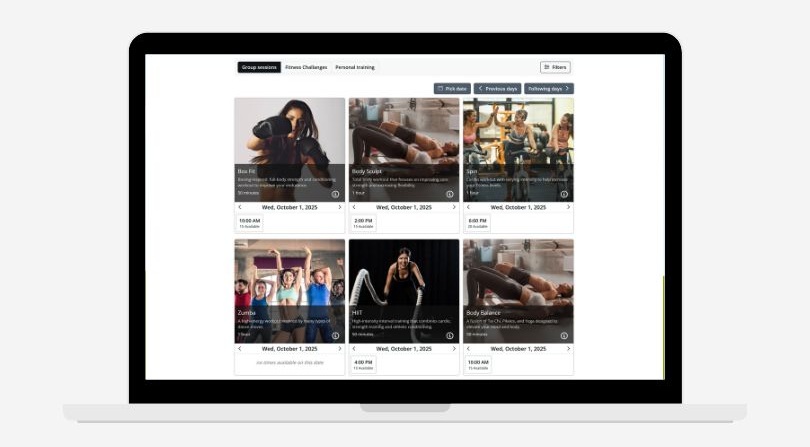
The old days of managing appointments through spreadsheets or phone calls are over. Your clients can now schedule, cancel, and reschedule classes on their own, any time of day, from anywhere. This makes it easier for potential clients who might not want to call or email.
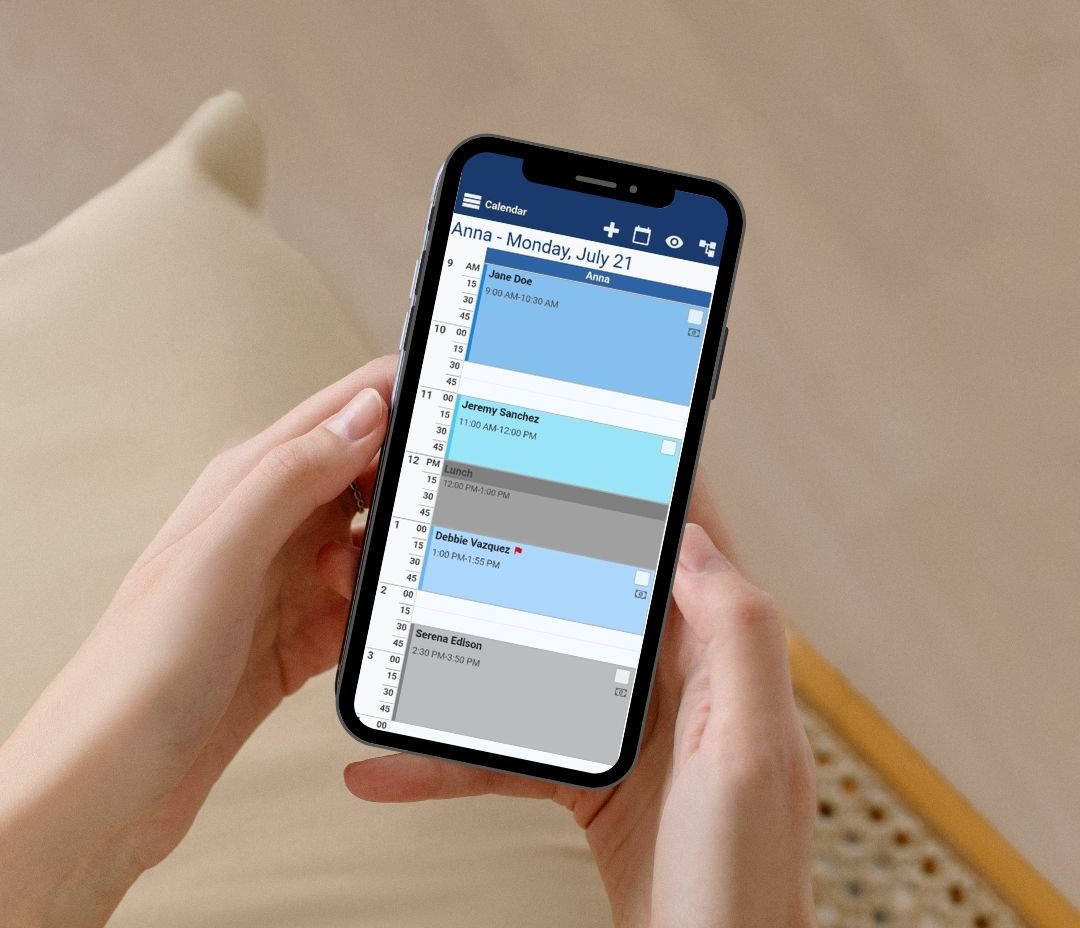
A quality booking system gives you:
- Booking pages you can customize to match your brand
- Easy integration with your website
- Knowing how to set class sizes and times
- Ways to assign trainers and spaces quickly
The right system shows clients all available sessions in one calendar. They can pick times that work best for them. You can control how far ahead members book, limit bookings per member, and assign staff to appointments smartly.
Reducing no-shows and improving retention
No-shows and late cancelations hurt your bottom line. They waste time and create problems for other customers. Online booking software helps solve this problem.
Automatic reminders substantially cut down missed appointments. Research shows SMS reminders brought down no-shows by 38% compared to having no reminders. These reminders help participants remember their upcoming sessions.
Clear cancelation policies with online booking create better accountability. Even small fees make people think carefully about booking classes they might miss. One fitness business started charging a small fee for late cancelations and no-shows, so these dropped by about 75%.
Why Bookeo is the best option for fitness businesses
Bookeo stands out for fitness businesses that want better scheduling. The platform works great for fitness professionals and lets you create booking pages that match your brand.

Bookeo helps fitness businesses:
- Take bookings straight from their website without extra windows or pop-ups
- Use payment systems for safe online transactions
- Create their own business rules, including cancelation policies
The original design focused on fitness centers, but Bookeo’s fitness and gym scheduling software works just as well for personal trainers, small groups, or franchises. The system makes scheduling easier while helping your business grow and cutting down on office work.
Bookeo ended up giving fitness businesses the smooth, professional booking experience modern customers expect. This creates an edge over competitors in your fitness marketing plan.
Measure What Matters: Key Metrics to Track
The difference between guessing and knowing if your fitness marketing works comes down to tracking the right metrics. Successful fitness businesses track specific KPIs that directly affect their growth and profits.
Lead growth and conversion rates
Your conversion rate shows how well you turn interested prospects into paying members. Most gyms measure around 12-15% conversion rate, while the best performers reach up to 20%. This number reveals how well your sales process works at key decision points.
Here’s how to calculate your conversion rate:
- Take new memberships divided by total leads generated, then multiply by 100
- Use a CRM system to see which marketing channels convert best
The lead-to-customer conversion rate shows what percentage of people who ask about your services (through calls, emails, or forms) end up becoming paying members. You should first define what makes a “lead” for your business: someone who reads your content, tries a free session, or books a consultation.
Engagement and click-through rates
Many potential members get their first impression from your website. While websites across industries convert at 2.35%, the best gym websites hit 5-10%. Poor design, unclear calls-to-action, or slow loading times often cause low rates.

Your social media engagement rate shows how your audience connects with your content. Posts that engage well help you reach more people naturally. This matters because 71% of consumers prefer buying from brands they follow on social media.
Class attendance and participation rates give you a clear picture of your most popular offerings. You can find the participation rate by dividing attendees by class capacity and multiplying by 100.
Return on ad spend (ROAS) and cost per lead (CPL)
ROAS tells you how much revenue each advertising dollar brings in. Sports and fitness equipment companies saw a median ROAS of 4.55 on Google Ads in April 2025.
CPL shows how much you spend to attract each new prospect. The fitness industry’s average CPL stands at USD 57.00, though many businesses achieve USD 25.00. Calculate it by dividing your total ad spend by the number of leads you get.
Bookeo’s online booking software helps fitness businesses collect data on conversions, attendance, and client acquisition costs automatically. This makes tracking these important metrics easier without extra effort.
Future-Proofing Your Fitness Marketing Plan
Success in fitness marketing requires you to spot tomorrow’s trends today. Your business will become a leading industry innovator when you look beyond current strategies.
Adapting to AI and voice search trends
Smart speakers have grown 78% in just one year. Voice commands will control most searches by 2025, as 30% of searches now happen without screens. Fitness businesses must optimize their content to match how people actually speak.
Your business can appear in voice search results with FAQ pages that provide brief answers (around 29 words) written simply. Local keywords like “gym in [your city]” work best since people usually search for fitness options nearby.
AI tools analyze millions of data points about customer priorities. These tools boost customer retention rates by 20% through customized marketing. Fitness chatbots handle 65% of questions automatically and collect valuable data.
Personalization at scale
Smart systems use up-to-the-minute customer data to give each client relevant experiences. Revenue typically increases 10-20% with this approach.
The 24GO platform uses machine learning to fine-tune recommendations for each member based on changing priorities. Members can track progress and share achievements with trainers and workout partners through this “single, fluid, unified view”.
Staying ahead of consumer behavior changes
The marketplace keeps evolving with wellness trends. GLP-1 medications affect how consumers eat, while wearable devices show sleep quality and recovery patterns.
Different generations have unique priorities. Millennials focus on wellness through better eating and sleep habits. Gen Z just needs proof behind health claims. Mental health drives 35% of people to exercise – their main reason for working out.
Bookeo’s online scheduling system helps fitness businesses adapt. The system makes class booking simple and shows valuable user behavior data. This helps businesses spot new patterns early.
Conclusion
The fitness industry is changing faster as we move through 2026. Being proactive with marketing trends isn’t just helpful, your survival depends on it. This piece shows you how traditional marketing methods work best with digital strategies, and why knowing your audience builds the foundation of successful campaigns.
Your brand voice needs consistency on all platforms. Your online presence should naturally match your in-person experience, which creates trust with potential clients. A complete marketing toolkit includes referral programs, local influencer partnerships, and short-form video content that strikes a chord with your target audience.
Email automation and geo-targeted advertising help you reach the right people at the perfect moment. User-generated content builds authenticity that paid advertising can’t match. Free trials and community-building efforts help turn curious prospects into loyal members who support your business.
Technology is a vital part of growing your fitness business. CRM tools, marketing automation, and behavior tracking give you valuable insights without taking more time. These systems let you create individual-specific experiences that keep members active and returning.
Online booking software proves especially valuable for fitness businesses. Bookeo’s specialized fitness scheduling platform lets clients schedule classes and sessions 24/7. This substantially reduces administrative work and improves customer experience. The system’s automated reminders cut no-shows, protect revenue and maximize class attendance. Bookeo blends with your website and arranges with your brand to create a professional impression that builds trust with potential clients.
Measuring the right metrics shows exactly what works. Lead conversion rates, engagement statistics, and return on ad spend guide your decisions. These numbers show opportunities that gut feeling might miss.
Get ready for future trends by optimizing voice search and AI technologies. Individual-specific experiences at scale will matter more as consumers expect tailored experiences that anticipate their needs.
Success in fitness marketing needs constant adaptation. The digital world changes quickly, but the basics stay the same: know your audience, communicate authentically, measure results, and use helpful technology. These strategies will help your fitness business thrive in 2025 and beyond.