

How to Start Your Independent Golf Coaching Business: A Pro’s Guide to Success
Want to become an independent golf coach but feeling lost about where to start? The path might surprise you. The PGA of America stands as the most recognized route for U.S. coaches, but many successful instructors choose different certification paths that focus on teaching and player development.
You have options when planning your coaching career. The PGA Associate Program takes 3-5 years and costs about $4,000, while the PGA University Program runs 4-5 years with standard tuition plus PGA fees. Students care more about how you improve their game than your credentials. This opens up many paths to start your golf coaching business without traditional certifications.
Great golf coaches need deep expertise in several areas. Top instructors understand golf swing physics, human body biomechanics, and performance measurement technology. Your teaching business’s growth depends on three essential marketing elements: a solid customer base, consistent repeat visits, and smart pricing strategies.
This piece walks you through the essentials of launching your independent coaching career – from certification choices to effective marketing. Let’s get your business ready for success on the fairway!
Is Independent Golf Coaching Right for You?
Golf coaching needs more than just playing skills. A unique mix of abilities, knowledge, and personality traits makes independent coaching work. You should think over whether you’re better suited to teach rather than just play.
What makes a great golf coach
Great golf coaches have unique skills that make them stand out from skilled players. Communication is the life-blood of effective coaching. Knowing how to break complex movements into clear, simple steps helps students learn essential techniques faster.
Communication and adaptability go hand in hand. The best coaches tailor their teaching style to match their students’ priorities, whether visual, auditory, or hands-on. Golf coach Paul Foston says, “People learn in different ways. Knowing how to understand a person’s learning style is significant. You’ve got to adapt your coaching style to meet your pupil’s needs”.
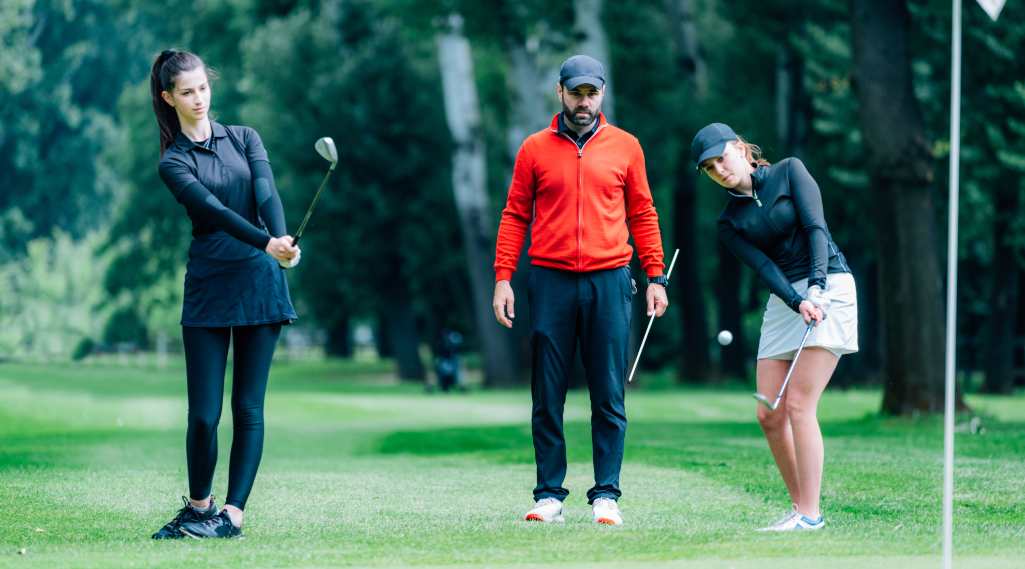
Passion and enthusiasm help distinguish outstanding coaches. Their energy and genuine investment in student progress creates an environment that motivates players. Great coaches stay curious and keep learning about new techniques, technologies, and approaches. “You’ve always got to watch players and different techniques and be open to learning because the game is evolving,” Foston points out.
The best coaches know their role isn’t about showing off their own skills. One experienced coach puts it this way: “The most important thing about being a golf coach is realizing that this job is never about you, but that your student is the core focus”.
Common misconceptions about coaching
Many aspiring coaches hold misconceptions that can derail their career plans. The biggest myth is that excellent players automatically become excellent coaches. Many PGA Tour players actually struggle to explain their shot execution, while some top instructors aren’t known for their playing abilities.
There’s another reason why coaches often fail. Many think there’s one “correct” way to swing a club. Forcing cookie-cutter techniques on every student, regardless of age, physical ability, or body structure, creates frustration for everyone. Golf swings vary in shape and size, and personalization matters more than conformity.
New coaches often think practice alone guarantees improvement. The truth is that “bad practice is often worse than no practice”. Better results come from practice sessions with clear goals and purpose rather than hours of mindless repetition.
Some coaches believe they should wait for students to develop “good swings” before suggesting quality equipment. Modern technology has changed this; today’s clubs can substantially help players develop proper mechanics.
Signs you’re ready to go independent
Look for these indicators that suggest you’re well-suited for independent coaching:
- Teaching excites you more than discussing your own swing
- You explain complex movements in simple steps
- You stay patient and enjoy seeing others improve
- You’re curious about new tools and training methods
- You create lesson plans, track data, and measure success naturally
- You love connecting with people, not just analyzing mechanics
On top of that, it’s a good sign when people seek your advice or praise your listening skills. Your life experience, especially when you’ve overcome challenges, helps you connect with struggling students.
Successful independent coaches are self-motivated. You’ll handle the business side of coaching well if you stay organized without pressure and tackle interesting projects consistently.

Note that coaching requires more than technical knowledge. One professional explains, “Coaching is about communication and consistency. If you love solving golf puzzles, you’ll love the career”. Nothing beats the joy of helping others tap into their potential through your guidance and support.
Choose Your Coaching Path
The right certification path plays a crucial role as you begin your golf coaching experience. Each option comes with different costs, time investments, and recognition levels.
PGA vs alternative certifications
PGA certification remains the gold standard for golf instruction. It combines intense training with detailed education in teaching methodology. This certification dominated the field until alternative paths emerged in the 1990s.
PGA certification requires completing the PGA Golf Management Program (a 4-year bachelor’s degree at select universities) or the PGA Associate course. You’ll need to pass several assessments:
- 25-question golf fundamentals test (80% passing grade)
- 40-question written rules test (70% passing grade)
- One-on-one verbal teaching test (75% passing grade)
- 18-hole playing ability test
Organizations like the USGTF (United States Golf Teachers Federation) and PGTAA (Professional Golf Teachers Association of America) provide programs that zero in on teaching skills. PGTAA’s program includes over 750 pages of written materials and video resources that focus on teaching methodology.
The WGTF (World Golf Teachers Federation) runs an optimized program. You can qualify in as little as 7 days while learning both technical coaching skills and teaching psychology.
Pros and cons of each route
PGA Certification Advantages:
- Highest industry recognition and credibility
- Access to a network of 30,000+ golf professionals
- Exclusive training and tournament discounts
- Many clubs require PGA status for employment
PGA Certification Disadvantages:
- Costs approximately $4,091 for certification
- Takes 3-8 years to complete
- You must work at golf courses, often handling pro shop and business tasks
- The program covers many aspects beyond teaching
Alternative Certification Advantages:
- PGTAA certification costs $995 for home study (versus $5,000+ for PGA)
- You can qualify faster (some programs take just 7 days)
- Programs focus on teaching rather than facility management
- Entry requirements are more available (no elite playing standard needed)
- WGTF operates in 40+ countries, offering international recognition
Alternative Certification Disadvantages:
- People recognize the PGA name more readily
- Member benefits are fewer
- Traditional facilities might limit your employment options
How to become a golf instructor without PGA
Several solid options exist to teach golf without PGA certification:
- PGTAA Certification: The home study program lets you learn at your own pace with lifetime access to updated materials. After graduating, you can attend a 5-day onsite course in various cities. PGTAA’s program includes USKids Golf certified coach opportunities.
- USGTF Certification: The program requires you to pass specific tests on golf fundamentals, rules, and teaching ability. They emphasize developing teachers who can effectively instruct all game phases.
- WGTF Certification: This program opens doors to international teaching opportunities with lower entry requirements than traditional paths.
- Independent Learning Route: Some instructors build their reputation through specialized training in biomechanics or video analysis. Programs like Golf Smart Academy provide practical teaching skills that working coaches value.
U.S. law doesn’t require an official license to teach golf. However, certification builds your credibility with students and employers significantly.
Your personal goals should guide your choice of path. PGA certification fits well if you want traditional club roles or pro shop management. Alternative certifications work better for building independent teaching businesses or coaching part-time.
Define Your Niche and Audience
The life-blood of your golf coaching business lies in picking the right target audience. A skilled golfer picks the right club for each shot, and a smart coach identifies specific groups of golfers they can help best.

Junior golfers, seniors, or competitive players?
Each audience segment offers unique opportunities and requirements for coaches:
- Junior golfers – Young players give you a chance to shape fundamental skills right from the start. Junior programs focus on intensive development with customized practice plans, specialized training for course management, and mental game techniques. This market typically teaches middle to high school students who prepare for competitive play, with programs built around 90-minute weekly sessions.
- Competitive players – This segment needs advanced expertise in tournament preparation and high-performance training. Elite juniors looking for college scholarships need complete guidance about the recruiting process, creating standout golf resumes, and understanding NCAA rules. Specialized coaching programs show over 70 juniors have earned college scholarships through focused competitive training.
- Adult recreational golfers – Retired individuals want to break scoring barriers (like 90) or casual players aim to boost their weekly games. This audience values convenience and clear improvement metrics.
- Specialized segments – Ladies-only clinics or intensive short-game workshops can help you separate yourself from competitors.
How to find your coaching sweet spot
Your coaching sweet spot emerges from honest self-assessment and market analysis. Start by thinking about your personal strengths and passions within golf instruction. Do you excel at teaching the mental game? Are you great at explaining swing mechanics to beginners?
Next, assess potential audiences for viability. A coaching business consultant points out: “Most coaches start out not knowing who is a viable target audience for their coaching business”. Look at factors like their ability to pay, availability during your preferred teaching hours, and how badly they need help.
To name just one example, a coach named Deborah found her sweet spot working with “future leaders” – but she found that her original target audience (young adults just starting careers) didn’t have enough money for coaching. She adapted by targeting parents of students approaching graduation, marketing to those “holding the purse strings” who felt emotionally invested in their children’s success.
Your sweet spot emerges where these three elements meet:
- What you love teaching
- What you excel at teaching
- What specific audience needs this expertise and can afford it
Why niche clarity helps you grow faster
A specific audience focus stimulates your business growth. An industry expert notes: “The more targeted you can get… the easier it will be to grow and the more profitable”. This happens for several key reasons.
Niche clarity lets you craft targeted marketing messages. You can create content that strikes a chord deeply when you know exactly who you’re talking to. The way you’d market to parents of junior golfers differs greatly from how you’d approach retired recreational players.
Specialization builds your reputation faster. Being known as “the go-to coach for junior competitive golfers” creates stronger word-of-mouth than being just another general instructor.
A niche focus helps you spot gaps in the market. A marketing expert suggests: “Stepping back and looking at the marketplace to find the gaps” creates opportunities. Maybe no one locally offers specialized short game clinics or pre-tournament preparation sessions.
A clear niche also lets you develop specialized offerings at premium prices. Programs tailored to your audience’s unique challenges justify higher rates than generic lessons.
Set Up Your Coaching Business
You’ve picked your coaching path and know your target audience. Now it’s time to build the foundation of your golf coaching business. A solid framework needs the right structure, location, and equipment.
Legal structure and insurance basics
Setting up a Limited Liability Company (LLC) gives you great advantages for your golf coaching business. Your personal assets stay protected from business-related lawsuits or debts. This protection helps because coaching comes with risks. Students might get hurt during swing demonstrations or damage property on the course.

An LLC does more than protect you. It gives you tax flexibility and makes your business look more professional. Once you’ve formed your LLC, set up a separate business bank account to keep your finances clean.
You’ll need insurance no matter what legal structure you choose. Here are the most important types of coverage:
- General liability insurance: Guards you against client injuries and property damage claims. Most golf courses and clients won’t let you teach without it.
- Professional liability insurance: Known as errors and omissions insurance, this protects you if students hurt themselves while following your instructions.
- Commercial property insurance: Keeps your equipment safe from damage, theft, or natural disasters.
Mobile coaches should add inland marine insurance to protect equipment on the road. If you hire employees, your state probably requires workers’ compensation insurance.
Finding a location or going mobile
Your teaching location shapes both convenience and your professional image. Here are your options:
Golf courses and driving ranges come with ready-made facilities and a professional setting. Course managers like to hear how your business can bring more traffic or create shared marketing opportunities.
Private facilities at sports complexes or golf academies give you exclusive spaces with specialized equipment. Make sure these spots have indoor hitting bays or swing analysis tools.

Teaching from home cuts your costs but needs enough space and proper zoning permits. This works great if you have a big enough yard for practice.
Mobile coaching lets you travel to different facilities or meet clients where they prefer. You won’t pay facility rent, but you’ll need portable equipment and reliable transportation.
Tools and equipment you’ll need
Good equipment shows professionalism and helps you teach better. Start with these basics:
Golf clubs and practice balls are must-haves for demonstrations. Experienced players bring their own gear, but beginners love having quality clubs available during lessons.
Video analysis tools can be as simple as your smartphone and a tripod to record sessions and track progress. Advanced coaches might want portable launch monitors like TrackMan or FlightScope for precise feedback.
Training aids like alignment sticks, putting mirrors, and resistance bands help students learn fundamentals and polish their techniques. Keep first-aid kits and sunscreen handy to create a safe teaching environment.
Smart shopping helps balance cost and quality. Look for gently used items on eBay, Craigslist, or golf forums to save money early on. Put your money into tools that make you a better coach rather than fancy extras that don’t help much with teaching.
Use Technology to Improve Results
Modern golf technology changes teaching methods and student learning patterns. Golf coaches who embrace these tools can deliver precise, tailored instruction that leads to better student results.
Video analysis and launch monitors
High-speed video analysis captures swing mechanics beyond what human eyes can see. Systems like TrackMan and Foresight GCQuad give frame-by-frame playback that helps you analyze complex movements with students. You can show players exactly what happens in their swing with up to four synchronized video streams.
Launch monitors measure critical data points that reveal the mechanisms of ball flight issues:
- Ball speed, spin, and carry distance
- Club path and face angle at impact
- Launch angle and swing speed
These tools take the guesswork out of coaching. An instructor puts it this way: “Having solid data has transformed how we coach. Instead of relying on what players think they’re doing, or what we think we’re seeing, we’ve got the hard numbers right there”.
Mobile coaches should think about portability and purpose when choosing technology. Systems like Garmin Approach R10 or FlightScope Mevo+ are compact and provide professional-grade analysis at lower price points.
Wrist sensors and swing data tools
Wrist-based sensors like HackMotion give insights into a critical yet often overlooked aspect of the golf swing. The clubface controls 80% of ball direction, so understanding wrist angles throughout the swing becomes vital for consistent ball striking.
HackMotion measures wrist positions 800 times per second and highlights areas that need improvement. Students get instant audio feedback when they achieve correct positions. This immediate guidance speeds up learning by connecting proper feel to proper function.
Allen Terrell, PGA Director of Coaching at the Dustin Johnson Golf School, says: “HackMotion is one of the most multi-dimensional teaching aids you can find. Wrist movements are quite difficult to measure through a camera, and HackMotion has simplified this illusion for the instructor, but more importantly, for the student”.
These tools are also valuable:
- Blast Golf: Measures swing tempo, transition, and attack angle
- Arccos Caddie: Sensors attach to clubs to track on-course performance
- Swing Catalyst: Integrates pressure plate data with video analysis
How tech builds trust and retention
Technology builds credibility with new students who expect modern coaching methods. Students get clear visual targets when they see their swing analysis next to professional golfers’ swings.
Traditional teachers now see technology’s value. “I always go by trusting my eyes first,” one coach explains. “Technology is incredible, but there’s no substitute for that trained eye. The data is there to support what you’re seeing – kind of like having a smart second opinion”.
The success of technology implementation depends on balancing data with practical application. Students need specific, actionable feedback rather than overwhelming numbers. “It’s so easy to get lost in all the numbers and data available now,” one professional warns. “The key is to understand exactly what you’re trying to achieve in each practice session”.

Apps like V1 Coach let you review students’ rounds remotely and provide support between lessons. This ongoing connection strengthens relationships and makes you an invested partner in their improvement.
Starting your golf coaching business requires understanding that technology helps but doesn’t replace fundamental teaching skills. The best coaches blend technological insights with clear communication to create an experience that keeps students coming back.
Build Your Brand and Online Presence
A strong online presence works like a modern business card in the golf coaching world. Your digital footprint helps students find your services and builds trust before they meet you.
Creating a simple website
Your professional website serves as your virtual home base where future students can learn about your coaching style, services, and credentials. Your site should have:
- Service details about individual lessons, group classes, and specialized workshops
- Your teaching philosophy and methods
- Qualifications and expertise areas
- Clear contact information and location details
Golf-specific templates are available on many website builders that don’t need coding knowledge. Clean layouts make information easy to find on your site. Students should quickly see your services and pricing details.
Pick a domain name with your name plus “golf” or “golf coach” to show up better in searches. This helps build your personal brand and makes you easier to find online.
Online booking features can take your professionalism to the next level. Students love booking lessons without making calls or sending texts.
Using social media to attract students
Golf coaches who stay active on social media grow their business faster than those who don’t. Start by picking the right platforms – you don’t need to be everywhere. Focus on one or two places where your target students spend their time.
Your profile should:
- Show a clear, professional headshot of you in golf attire
- Use a username with your name and “golf” or “golfcoach”
- Have a simple bio using the “I help” formula: “I help amateur golfers lower their handicap in 90 days”
Golf content works best with videos – they get 1200% more shares than text and images combined. People engage most with:
- Quick tips for common problems
- Behind-the-scenes looks at your coaching
- Questions that get followers talking
Your content should target local audiences. Many coaches forget that most students come from nearby areas.
Sharing before-and-after success stories
Student success stories build trust better than anything else. These stories turn followers into paying clients.
Get short video testimonials or written reviews with photos from your students. Show these alongside before-and-after swing videos to prove your coaching works. Stories about tournament wins and milestone achievements showcase real results.
About 88% of consumers trust user reviews as much as personal recommendations. Golf coaches who share student victories get more questions from potential students.
Add a “Success Stories” page to your website where new students can see real transformations. This proves you get results and supports your pricing.
Building your online presence through these channels creates multiple ways for students to find and connect with your coaching business.
Streamline Scheduling with Online Booking
Paper appointment books and phone tag with potential students are now things of the past. Online booking systems have reshaped the scene for independent golf coaches. Business management has become simple and professional.
Why online booking boosts professionalism
Manual scheduling creates many headaches, double bookings, forgotten appointments, and endless back-and-forth communications. Your personal calendar might work for tracking lessons at first. This approach falls short as your client base expands.
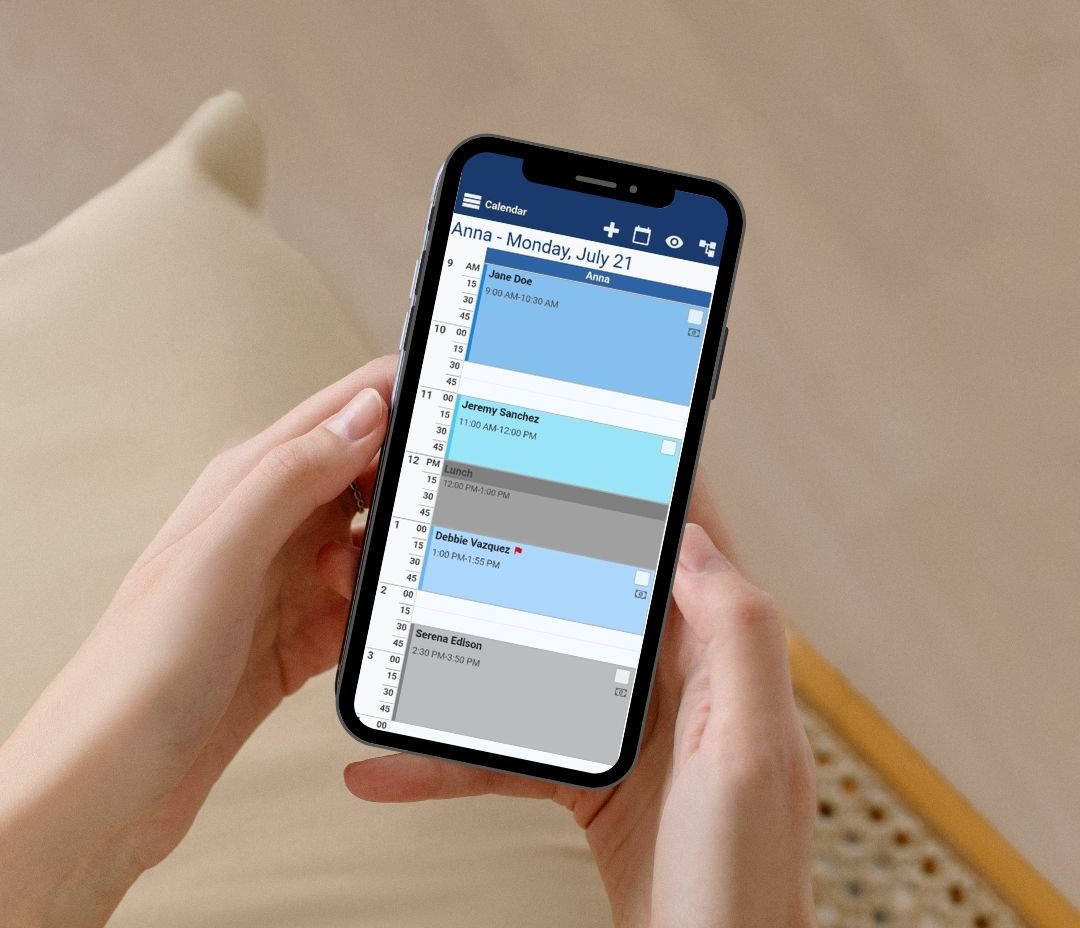
Your business image gets an immediate lift with online scheduling. First impressions count, especially with tech-savvy clients who want modern, convenient booking options. Students can book lessons around the clock, not just during business hours. This captures their interest right when they feel motivated.
Online booking’s automated nature solves several operational challenges:
- Double bookings vanish with a schedule that updates live
- Automatic appointment reminders cut down no-shows
- You can focus on coaching instead of administrative work
Benefits of using Bookeo for golf coaches
Bookeo’s classes booking software stands out as a detailed scheduling solution built for class-based businesses like golf coaching. Independent coaches get several advantages from the system.
The system’s customizable booking page blends with your website. Students book directly without going through third-party portals. The colors and layout match your brand identity for a consistent look.
Bookeo’s golf lesson scheduling software has tools that go beyond simple scheduling to build client loyalty. Virtual punch cards work as prepaid lesson packages, and gift certificates encourage repeat business. The system handles confirmations, reminders, and follow-up messages automatically. Communication stays strong without extra work.
Live analytics help track business performance through revenue patterns and customer priorities. This data helps you optimize your coaching schedule and marketing efforts.
How to set up lesson packages and availability
Starting with Bookeo takes just a few steps. Create a free 30-day trial account with no credit card needed. Add your golf business details and lesson offerings next. You can showcase your teaching approach with descriptions, images, and videos.
Set which days and times you’ll teach to configure your availability. Bookeo blocks bookings outside these hours or when your schedule is full.
Lesson packages should have different options for various student needs. You might offer 30-minute evaluations for new students, standard 60-minute private lessons, and group lessons for specific skills like short-game techniques. Each session type can have unique duration, pricing, instructor availability, and location settings.
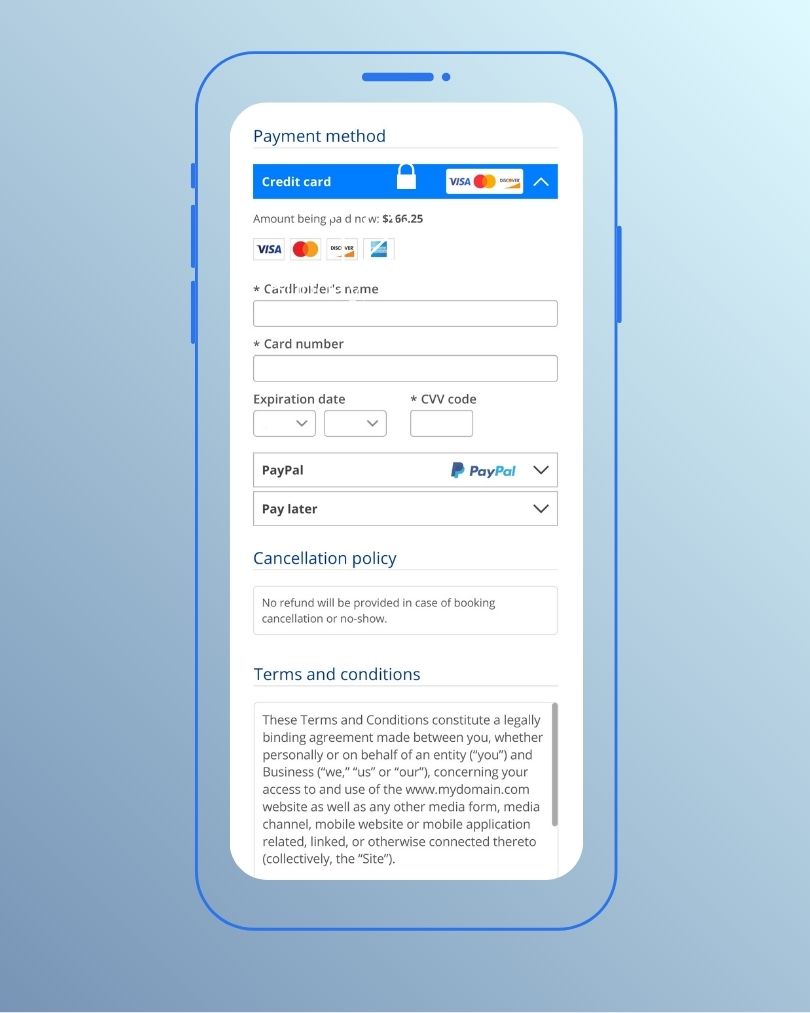
The final step connects payment processing through supported payment gateways. Students pay while booking, which eliminates payment collection hassles later.
Grow Your Business with Smart Marketing
Smart marketing strategies will help you expand your client base and build an environmentally responsible golf coaching business.
Referral programs and local partnerships
Your existing students can become your best growth engine when you reward them for bringing new clients. A well-designed referral program with tangible benefits works wonders – successful referrals can earn students a free one-hour lesson or a $50 gift card. Coaches who offer longer commitments can boost retention by giving one week of additional lessons when referrals sign up for three-month programs.
Mutually beneficial alliances can multiply your reach significantly. Golf courses welcome coaches who provide reasonably priced beginner clinics as part of their efforts to grow the game. You can showcase your coaching expertise through corporate clinics that help businesses tap into the potential of golf as a professional development tool.
Running clinics and group sessions
Group lessons provide an available entry point for new students while maximizing your hourly income. Your offerings should follow a logical structure – to cite an instance, a six-lesson beginning series teaches swing basics, short game fundamentals, and etiquette in a supportive group setting. Students can transition smoothly from range practice to on-course play through follow-up programs like a “Beginning Series II”.
Daily clinics that focus on specific skills deliver great results. You can create focused 50-minute sessions that target distinct skill areas: full swing fundamentals, chipping techniques, or bunker play. Small groups of 3-4 students create the perfect balance between customized attention and group dynamics.
Email marketing and client follow-ups
Email marketing helps you stay connected with students between lessons effectively. Your messages should include program updates, upcoming events, technical tips, and educational content. Golf instructors have a unique advantage – students genuinely welcome golf-related emails that combine enjoyment and improvement.

Automated email sequences work great for common scenarios, such as welcoming new students or reconnecting with those who haven’t attended in 4-6 weeks. This systematic approach helps maintain relationships without requiring constant manual effort.
Conclusion
Starting your own golf coaching business needs more than just being good with a club. This piece shows you how different certification paths can kick off your teaching career – whether you choose traditional PGA routes or quicker alternative programs.
Your success depends on knowing your target students. When you focus on specific groups like juniors, seniors, or competitive players, you can create specialized services that earn higher rates and boost your reputation quickly.
The practical side of your business needs careful planning. An LLC structure keeps your personal assets safe, and proper insurance protects you from coaching risks. The right teaching location should look professional while meeting your practical needs.
Modern technology has changed how coaches get results. Video analysis tools, launch monitors, and wrist sensors give evidence-based feedback that helps students improve faster. These tools make premium pricing easier to justify and help keep clients coming back.
A strong online presence builds credibility before students meet you in person. Your expertise and teaching philosophy shine through a basic website and active social media accounts. Nothing markets your services better than stories of student success.
Online booking systems like Bookeo streamline your schedule and make you look more professional. They handle appointments, payments, and client messages without endless administrative tasks.
Smart marketing tactics like referral programs, mutually beneficial alliances, and targeted email campaigns bring in new students while keeping current ones engaged.
Building a thriving coaching business takes time. Focus on the basics, give exceptional value to your students, and grow your services as your reputation builds. Keep exploring new teaching methods and technologies that could help your students improve.
The best part of being an independent golf coach is watching your students get better. Their achievements become your wins, creating a rewarding career that mixes your love for golf with the joy of helping others reach their goals on the course.