
How to Start a Tennis Business: Coaching, Courts & Revenue Streams
The cost to start a tennis business might surprise you. A moderately luxurious club needs $905,000 to $2,285,000. The numbers climb higher when you add indoor courts, fitness centers, or tennis academy dorms.
A tennis coaching business might get pricey at first. Smart planning can turn it into a profitable venture quickly. The digital world gives you many options – from coaching services to full-scale clubs with multiple revenue streams. A solid plan must identify your main income sources and what your facility needs.
Memberships are the foundations of any tennis business that succeeds. Tennis clubs typically offer different membership tiers. These provide steady cash flow while other revenue streams develop. Your business plan should spell out your exact offerings. The facility design must match what your target market wants.
We’ll explore everything about starting a tennis business in this piece – from your initial vision to your grand opening day. You’ll learn the crucial steps to build a tennis operation that works for your community and meets your financial goals.
Define Your Vision and Services
A tennis business needs a clear outline of its services and target customers. This foundation shapes your decisions about facilities, the core team, and marketing strategies.
Decide what you will offer: coaching, leagues, rentals
Memberships are the life-blood of financial success for most tennis businesses. You need a steady income and services that make your business unique. Here’s what you could include:
- Private or group lessons: Personalized instruction for players at all skill levels
- Clinics: Specialized training sessions focused on specific skills
- Leagues: Competitive or recreational play that builds community
- Court rentals: Availability for independent practice
- Pro shop: Equipment and apparel sales
Tennis facilities now include pickleball as an option. Tennis courts need minimal changes to host pickleball games, which brings in new customers.
The USTA Tennis Venue Services team helps with facility development through technical services, business guidance, and management support. They also offer financial help for court resurfacing projects through programs like the US Open Legacy Initiative.
Clarify your target audience and goals
Your tennis business needs a clear target audience. You should know if you’re serving young professionals, families, retirees, or a mix. This helps you create effective marketing campaigns based on what your audience wants.

To cite an instance, a social-first approach works best for younger players. Traditional marketing might suit facilities near retirement communities better, though 43% of adults over 50 use social media daily.
Your coaching business needs a specialty. You might excel at teaching beginners, advanced players, juniors, or adults. Maybe you’re great at teaching serves or mental conditioning. A clear specialty makes marketing easier.
Surveys, interviews, and competitor research give you insights about your target audience. This helps you build tennis programs that match your clients’ needs.
Set your brand tone and values
A brand goes beyond logos and business names, it shows your value to clients. Tennis coaches and facilities need distinctive brands to stand out from competitors.
Your core values are the foundations of your business. These principles guide your coaching practice and influence how clients see you. Clients who share your priorities will naturally gravitate toward your business.

These questions help shape your brand:
- What is your coaching philosophy?
- What makes your services different from competitors?
- How do you want your customers to feel?
- What is your personal tennis story?
Strong brand values should matter to you personally, match your approach, and stay consistent. Your brand becomes stronger when you live these values, which attracts ideal clients.
Note that your visual brand (logo, colors, typography) and verbal brand (tone of voice, key messages) must resonate with your target audience. This all-encompassing approach positions your tennis business for success.
Research the Market and Competition
A full picture of the market is the foundation of any successful tennis business plan. You must understand the tennis world and your area’s needs before investing time and resources.
Analyze local demand and demographics
The tennis industry has grown impressively over the last several years. In 2023 alone, there were 4.8 million new tennis players, showing a 14% increase from 2022 and a remarkable 133% growth since 2019. These numbers point to strong market potential for new tennis businesses.

Your market analysis should start with local demographic trends. You need to look at:
- Age distribution of potential players
- Income levels and spending capacity
- Population density and growth projections
- Existing participation rates in tennis and similar activities
To cite an instance, tennis has become very popular among youth segments, which makes junior development programs a great business opportunity. The global tennis equipment market grew to approximately $3.77 billion in 2021 and experts project it to reach $4.59 billion by 2030.
Recent studies show the overall tennis market should reach $8.9 billion by 2032, with a compound annual growth rate of 6.14% from 2024 to 2032. These numbers highlight the financial potential within the tennis industry.
Location matters a lot. North America leads the tennis equipment market, and youth adoption drives this growth. Europe holds the second-largest market share, thanks to strong government support for youth tennis participation. Asia Pacific grows fastest at 2.5%, which opens up chances in emerging markets.
Identify gaps in existing tennis services
After looking at broad market trends, focus on specific opportunities in your area:
- Review existing tennis facilities by visiting competitor clubs and courts
- Talk directly with local tennis enthusiasts about what they feel is missing
- Check the condition, availability, and amenities of public courts
- Watch peak usage times and potential demand-supply gaps
Many successful tennis businesses have grown by meeting specific community needs. The Tennis in the Parks program expanded from just 9 sites in 2019 to 75 locations by 2024 after finding a need for affordable tennis opportunities.
Think beyond traditional tennis services. Many facilities now add pickleball to attract more customers with minimal court changes. Some programs succeed by focusing on underserved groups like adult beginners or specialized training.
Review pricing and offerings
Setting the right price for tennis services means understanding both your costs and what the market expects:
Tennis lesson prices vary by a lot based on location and instructor expertise. U.S. prices typically range between $40-$90 per hour, while premium coaching in high-demand areas costs more than $100 hourly.

These factors affect pricing:
- Local cost of living
- Quality and exclusivity of facilities
- Instructor credentials and reputation
- Session frequency and duration
Study similar clubs nearby to learn what players will pay for various services. Include your operational costs to ensure healthy margins. You might want to offer tiered pricing options for different customer groups.
Keep track of tennis equipment and facility trends. Innovative technology in racket materials and smart features shapes what customers expect. Growing interest in eco-friendly materials and manufacturing creates chances to stand out.
Note that good market research happens continuously. The tennis industry keeps changing as health and wellness trends shape product development and service offerings. Regular market reviews help maintain your competitive edge.
Plan Your Revenue Streams
Setting up multiple income sources is crucial to any tennis business’s long-term financial health. Multiple revenue channels help handle seasonal changes and create stability for your operation.
Memberships and court rentals
Membership fees are the foundations of tennis business income and make up over 60% of total revenue. Tiered membership options maximize both accessibility and profitability. You can structure memberships based on:
- Usage frequency: Casual players, semiregular players, and dedicated enthusiasts
- Access timing: Peak hours (evenings/weekends) vs. off-peak (weekday mornings)
- Age demographics: Junior, adult, senior, and family packages
- Skill level: Beginner-friendly vs. competition-focused memberships
A well-laid-out membership model provides stable cash flow and reduces member acquisition costs. Research shows retaining existing members can cost 25 times less than finding new ones. A single member with monthly dues of $10 generates $120 annually, against approximately $67 in acquisition and retention costs. This means $53 profit per member each year.
Court rental fees create another steady income stream. Prices usually change based on:
- Time of day: Prime time (evenings) vs. economy (afternoons) vs. non-prime (early mornings)
- Season: Indoor courts bring higher fees during winter months
- Surface type: Premium surfaces justify higher rates
Indoor tennis court rentals cost between $14.65-$29.30 per hour, depending on season and time of day. Outdoor courts typically cost $6.25 per hour year-round. Some facilities offer premium rates for advanced booking privileges. To name just one example, see one club’s “Ace Court Booking Pass” that allows bookings up to 72 hours ahead instead of the standard 24 hours.
Private/group lessons and clinics
Tennis instruction creates substantial revenue without much inventory. Tennis facility owners earn $30,000-$100,000 annually, with coaching services as a key income source.

Structure your lesson offerings to get the most from court usage and instructor time:
- Private lessons: Higher per-hour rates for customized instruction
- Semi-private lessons: 2-3 players at moderate per-person rates
- Group clinics: Lower per-person rates but higher total revenue per court hour
- Specialized workshops: Premium pricing for targeted skill development
Tennis lesson prices vary widely based on location and instructor credentials. Rates typically range from $40-$90 hourly, with premium coaching going above $100 in high-demand areas. Seasonal promotions during slower periods help maintain steady instruction revenue.
Pro shop, events, and sponsorships
A well-managed pro shop adds substantially to your tennis business profits. The Tennis Master Pro Shops model projects $6.8 million in first-year revenue, growing to $23 million by year three. Your inventory should focus on high-margin items that complement your coaching services.
Tennis tournaments bring in money through multiple channels:
- Entry fees: Collect directly from participants
- Spectator tickets: Keep prices affordable to maximize attendance
- Refreshment sales: Simple food and beverage offerings
- Merchandise: Tournament-branded items
Major tournaments like Wimbledon show how sponsorships can work, generating over $95 million in sponsorship revenue alone. Your local operation won’t match these numbers, but even small events can attract local business sponsors who want exposure to your tennis community.
The American Express partnership with Wimbledon ($37.5 million over five years) shows how brands value tennis event associations. Start small by reaching out to local businesses for court advertising, tournament naming rights, or program sponsorships.
Your revenue streams should work together, offer member discounts on pro shop items, combine lessons with court time, and create special member-only events. This comprehensive approach builds customer loyalty and boosts your tennis business’s overall profitability.
Design Your Facility and Equipment Needs
Your tennis facility’s physical design affects player experience and operational costs. A well-planned facility draws more clients. Poor design choices can result in maintenance problems down the road.
Court surface types and lighting
Here are the main options to think about for court surfaces:
- Hard courts (concrete/asphalt): These are popular for public courts because they last long and need less upkeep. Players get faster gameplay, but the surface is harder on their bodies.
- Clay courts: Players get slower ball bounce on these courts, which professional settings prefer. They need regular upkeep, including watering and leveling.
- Grass courts: Players experience fast gameplay with low ball bounce. You’ll rarely find them outside professional venues because they need extensive maintenance.
- Artificial turf: This surface gives players both cushioning and durability. It works well for recreational and competitive play.
The International Tennis Federation (ITF) created a facilities working group to develop tennis court construction best practices. Their guide includes expert knowledge from major tennis-playing nations worldwide.
Good lighting lets players use courts longer and play safely. Standard recommendations include 8 light poles for a single court, with poles at least 12 feet high. LED lighting cuts energy costs while giving bright, even light throughout the facility. A well-designed lighting system eliminates shadows and dark spots on courts. Players and spectators get the best visibility.
Everything in tennis equipment and tools
Your facility needs several equipment must-haves beyond the courts:
High-quality nets and posts should be your first investment. These are your court’s centerpiece and must handle constant tension and weather.
The right maintenance tools protect your investment. You’ll need brushes, rollers, and tools specific to your court surface. Clay courts need leveling tools, while hard courts require crack repair supplies.
Ball machines make excellent training tools. Players can practice consistently, and coaches can focus on technique instead of ball feeding. Today’s machines can launch balls at different heights, directions, and speeds.
A pro shop with racquets, balls, and accessories creates more revenue. Your shop should offer racket stringing, customizing, and re-gripping. The core team should help clients pick equipment that matches their skill level.
Comfort amenities: locker rooms, parking, seating
The right amenities turn a simple court into a premium tennis destination. Players need space to refresh after intense matches.
Players want spacious locker rooms with plenty of storage. Clean facilities are a must – nobody enjoys dirty spaces after a sweaty match. Shower areas need good water pressure, reliable hot water, and privacy partitions.
Court-side seating improves the spectator’s experience. Large cabanas between courts with water coolers, cup holders, and enough seating work well. Fans can enjoy matches comfortably without distractions.
Water stations throughout help players stay hydrated. Place water coolers with cup holders and trash bins nearby to keep things clean. Player’s performance and safety depend on proper hydration.
Good parking makes clients happy. Enough spaces close to courts prevent frustration before players start their game.
You should get a full picture of the site before finalizing construction plans. Check drainage conditions, existing services (power, water, etc.), site levels, and construction machine access. Green practices should include water capture and reuse options.
The International Tennis Federation states: “Whether to attract new participants or to help them reach their potential, facilities play a vital role in the growth of sport. Get it right, and people will enjoy visiting; get it wrong and attendance and attitudes may be negatively affected”.
Set Up Legal, Insurance, and Compliance
A secure tennis business needs proper insurance and legal compliance as its foundation. Starting with these elements helps you avoid costly issues later and protects your business and personal assets.
Business registration and zoning
You need to think about the right legal structure before launching your tennis operation. Incorporation creates an independent legal structure for your organization. This means you won’t be personally liable for the club’s debts and obligations. Your business stays intact whatever changes happen in membership.
Here’s why incorporating your tennis business makes sense:
- You get protection from personal liability for club actions
- You can raise funds more easily
- You become eligible for more grants (local councils often require incorporation)
- You get better chances to borrow money, open accounts, and sign leases
You need at least five members to become an incorporated association. The business must operate as non-profit, but you can still provide member services and benefits. You’ll need a written constitution or set of rules that explains your association’s purpose.
Tennis facilities must follow local zoning rules. Check these points with municipal authorities:
- Allowed court surfaces (some areas limit certain types due to runoff issues)
- Fence height rules (often 10 feet max with specific setbacks)
- Light restrictions (pole height, brightness, hours of operation)
- Required distance from property lines
Liability and property insurance
Tennis facility insurance usually combines different coverages to protect against business risks. This includes staff mistakes, destructive member behavior, injuries, property damage, and weather events.

The USTA gives special insurance options for Community Tennis Associations:
- Master Liability Insurance Program: Up to $3 million coverage for negligence claims that cause bodily injury or property damage
- Directors & Officers and Employment Practices Insurance: $1 million liability limit with no deductible
Community tennis associations pay $275 yearly for Master Liability Insurance if their annual budget is under $25,000. Organizations with larger budgets pay $700 per year.
Your tennis business insurance should include:
- General liability (covers common accidents)
- Professional liability (covers coach errors)
- Property insurance (protects buildings and contents)
- Equipment breakdown coverage
- Workers’ compensation (required with employees)
You might also want participant liability (player injuries), spectator liability, product liability (pro shop items), and sexual abuse/molestation coverage.
Health and safety certifications
Your tennis facility needs strict health and safety standards. Regular court maintenance helps prevent common hazards like:
- Slip-and-fall accidents from water and cracks
- Heat exhaustion from poor shade
- Dehydration from too few water stations
- Sharp edges on damaged fences
- Unsafe nets and posts
Your safety checklist should include:
- Red Cross-approved first aid kits
- Lightning warning and evacuation plans
- AEDs (Automated External Defibrillators) with trained staff nearby
Your location might require specific staff and coach certifications. Background checks become crucial if you work with children.
Health certifications often need regular court maintenance, good lighting, and emergency plans. These build trust with new customers and show your steadfast dedication to player safety.
Keep in mind that compliance goes beyond meeting rules – it builds credibility and protects the business you’ve created.
Hire and Train Your Team
Your tennis business’s success depends on building a skilled and dedicated coaching team. Professional tennis coaches do more than teach technique, they inspire players, build your brand reputation, and end up driving revenue growth.
Qualifications to look for in coaches
Technical expertise and teaching ability should be your focus as you hire tennis coaches. The United States offers two main certification paths through the United States Professional Tennis Association (USPTA) or the Professional Tennis Registry (PTR).
These organizations differ in their approach:
- USPTA certifies coaches to teach all skill levels and age groups, allowing progression based on experience
- PTR certifies coaches for specific age or skill levels with specialization options
USPTA now requires new certification candidates to complete 1,500 hours of education or a 1-year apprenticeship, starting from 2021. This extensive training ensures your coaches have both technical skills and teaching methodology.
Teaching experience matters as much as certification. Great coaches balance technical knowledge with communication skills. Successful tennis businesses look for coaches who connect with players in a variety of skill levels, from beginners to competitive athletes.
Background checks and certifications
Tennis professionals working with youth must undergo background screening. The USTA Safe Play program requires a complete screening for all coaches who regularly interact with minor athletes.

The Safe Play approval process consists of two primary steps:
- Complete training from the U.S. Center for SafeSport and acknowledge the USTA Safe Play policy
- Submit to a thorough background check application
Background screening searches reveal criminal offenses including felonies, sexual crimes, drug-related offenses, violence against persons, and harm to minors. This process protects vulnerable participants and shields your business from liability.
Local laws and industry standards govern criminal background checks for youth-focused roles. Most tennis organizations also need proof of CPR and First Aid certification from all coaching staff, adding extra safety measures.
Retention strategies and team culture
A strong team culture keeps your best coaches engaged and reduces turnover. The core team consists of individuals who share common goals, objectives, and strategies.
You can build this culture by:
- Developing individual improvement plans for each team member
- Creating standards of excellence that lift your program
- Investing in continuing education for all staff
Professional development plays a key role in retention. USPTA coaches must earn six education credits every three years to maintain certification. Supporting these requirements shows your commitment to their growth.
Top coaching talent gravitates toward tennis businesses that offer complete benefits. Health insurance, retirement plans, paid time off, and professional development allowances make a difference. Clear advancement opportunities and performance-based bonuses help retain ambitious coaches.
Your team becomes the face of your tennis business. One industry expert puts it well: “It takes outstanding tennis professionals who are also great leaders to run a successful business”. Investing in your coaching team directly impacts your business success.
Launch and Promote Your Business
A successful launch puts your tennis business on the local map and builds momentum right from the start. Your planning at this stage will lay the groundwork for long-term growth.
Create a launch campaign and grand opening
Your tennis facility’s grand opening should highlight what makes it unique. The event should have free clinics, food trucks, live music, and equipment demonstrations. This celebration lets potential clients experience your services while building excitement around your brand.
A VIP guest can lift your opening day experience. Local tennis stars, influencers, or politicians can attract crowds and create buzz. Their presence adds credibility to your new business.
Your community involvement should start before opening day. Social media updates with photos and videos of your construction will build anticipation. This behind-the-scenes content helps people feel connected to your business from day one.
Offer free trials and early bird discounts
Free trial lessons are a great way to get your coaching expertise noticed. These sessions should include all equipment so new players can join without buying gear. Help participants improve specific skills – players who leave with better tennis skills often return as paying customers.
Early bird discounts create urgency and boost cash flow. Research shows urgency-based promotions can boost conversion rates by 226%. Tiered discounts based on signup timing reward the earliest registrations. This strategy brings immediate revenue while your business finds its footing.
A referral program should follow, rewarding new members who bring friends. Rewards could include coaching session discounts or pro shop merchandise.
Use SEO, PPC, and social media ads
Digital marketing connects your tennis business with target audiences. Your professional website should load fast, work well on mobile, and answer common questions. A blog section improves search rankings and shows your expertise.
Social platforms give you excellent ways to showcase your tennis business. Action shots, drill videos, and client success stories help build an engaged following. Facebook lets you target specific audiences – research their challenges and create 30-second ads showing how your tennis business helps.
Local tennis-related keywords boost your search engine visibility. This targeted approach helps local potential clients find you when they search for tennis lessons or court facilities.
Leverage Software to Grow Efficiently
Tennis businesses can save countless hours on administrative tasks by modernizing their operations with the right software. Your time should focus on coaching and growing the business, not paperwork. Automated daily operations make this possible.
Why online booking is essential
Staff and clients both struggle with manual booking systems. Here’s how online booking systems make operations smoother:
- Players can book courts 24/7 without phone calls or visits
- Double-bookings and scheduling conflicts disappear
- Available time slots fill up faster
- Financial management and payment processing become simple
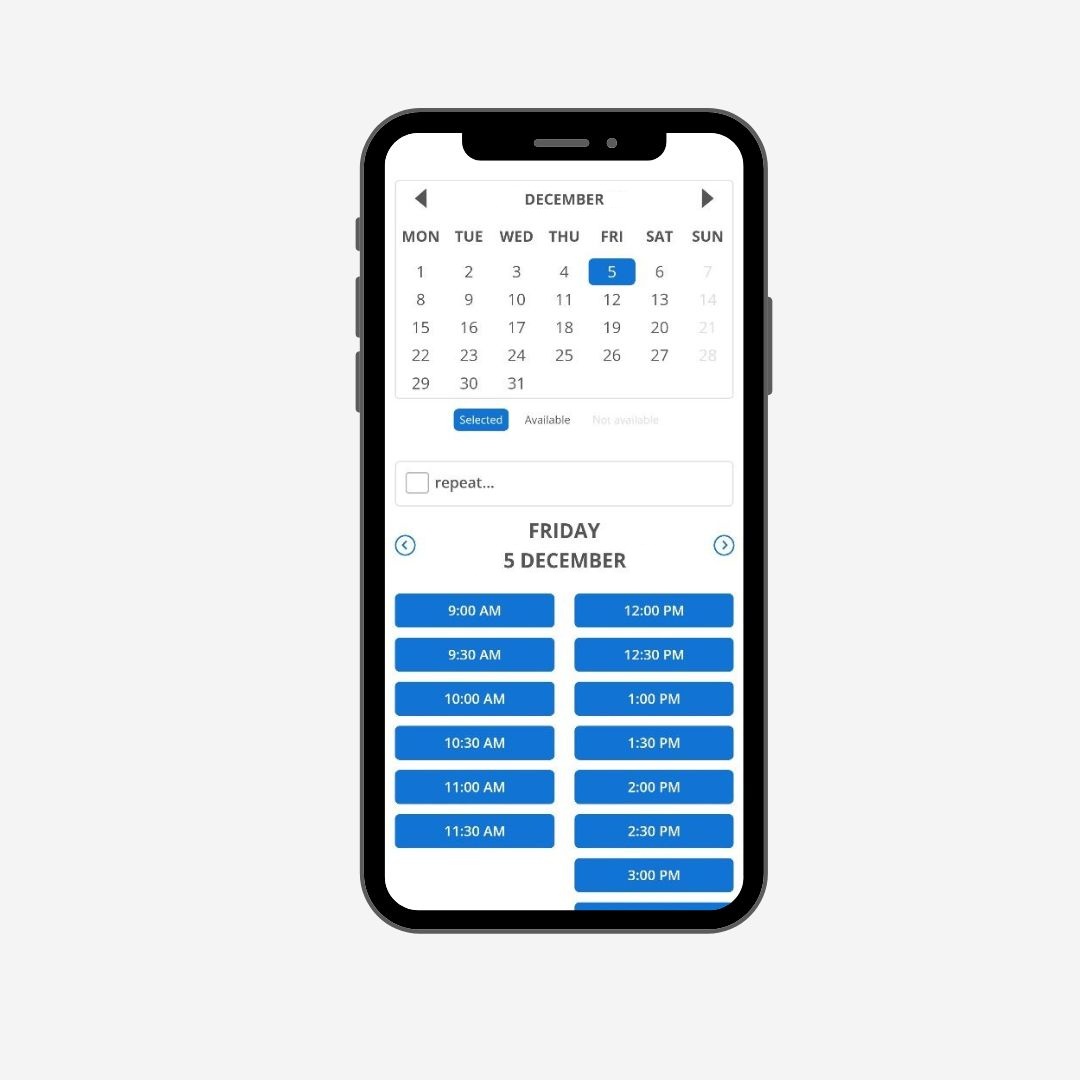
The numbers speak for themselves. Tennis businesses using automated booking systems see 80% attendance rates, compared to just 2% no-shows. Players love the convenience of checking availability and booking whenever they want.
How Bookeo simplifies scheduling and payments
Bookeo gives tennis businesses tools that work perfectly for class-based services. Here’s what you get:
Your brand colors and style shine through a customizable booking page that looks professional. Players check live availability, schedule appointments, and pay from any device.
The integrated payment system takes the hassle out of transactions. You can process online payments, generate automatic invoices, and create attractive packages like “10 lessons for the price of 8” that boost your advance revenue.

New tennis coaches find Bookeo quick to set up. Add your business details, classes, and private lessons, then start taking bookings through your website or Bookeo’s booking page.
Track attendance, send reminders, and manage waivers
Attendance tracking is the foundation of tennis program management. Digital systems help you:
Keep tabs on player commitment and progress while making coach payroll easier. Parents get automatic updates when their child checks in or misses a session.
Reminder systems are a great way to reduce no-shows. Your clients get automatic email and text reminders about upcoming appointments, which helps maintain a steady income.
Digital waivers create a smooth check-in experience without paperwork. Everything from scheduling to legal documentation combines smoothly into one system, making your daily operations run faster.

Conclusion
Starting a tennis business needs careful planning, but it rewards you well if you do it right. This piece covers everything from defining your vision to running daily operations with smart technology.
Tennis businesses make money in different ways. Memberships bring steady income. Court rentals, coaching services, and pro shop sales create extra profit centers. Your success depends on how well you balance these income sources.
Research becomes your best friend in this competitive field. Understanding what local players want helps you create services that fill real market gaps. Players stay loyal when you offer exactly what they’re looking for instead of generic services.
Your facility’s design affects both player experience and profits. Smart choices about court surfaces, lighting, and amenities are the foundations for success. Players value comfort as much as quality instruction.
Legal protection keeps your business safe. The right business registration, complete insurance coverage, and safety certifications protect your assets and reputation. These might not be as exciting as coaching, but they’re crucial.
Your team ended up becoming your business’s face. Hiring certified coaches who connect with clients creates marketing that money can’t buy. Regular background checks and education keep your standards high.
A powerful launch builds momentum. Free trials, early bird specials, and targeted digital marketing help introduce your tennis business effectively. First impressions make a huge difference in this industry.
Training booking software like Bookeo makes operations smoother. Online booking cuts down no-shows. Automated payments, attendance tracking, and digital waivers save hours of work. This lets you focus on what counts, creating exceptional tennis experiences.
Running a tennis business lets you combine passion with purpose. By doing this and being organized, you’ll build a successful operation that serves your community and meets financial goals. The experience takes work, but helping others find and enjoy tennis makes it worth it.