
The Complete Guide to SEO for Service-Based Business
Almost half of all Google searches are local, and more than 60% of these searches happen on mobile devices. SEO for service based business has become critical for attracting customers who need immediate help. Search intent is different by a lot for service businesses; customers searching for plumbing repairs or HVAC maintenance require quick solutions. This piece covers everything you need to know about service area business SEO, from local optimization and technical requirements to content strategy and reputation management. You’ll learn practical strategies to appear on the first page of search results, where most clicks happen, and build long-term visibility for your service business.
What is SEO for Service-Based Businesses?
SEO for service based business helps search engines understand your services and connects you with customers who just need those services right now. Selling products online differs from selling professional expertise and demands a specialized approach.

Your beauty salon, photography studio, or hairdresser business faces different challenges than an e-commerce store that sells thousands of products.
How Search Engines Work for Service Businesses
Search engines use three fundamental processes to deliver results: crawling, indexing, and ranking. Crawlers, also called bots or spiders, browse the web to discover your service pages. These bots follow links from one page to another and build a map of available content across the internet.
Search engines need to understand what you offer after crawlers find your pages. Indexing organizes and stores this content in a massive searchable database. Your service pages get analyzed for keywords, structure, and relevance. Search engines get into title tags, headings, and actual page content to determine what services you provide and where you provide them.
Ranking determines which businesses appear first. Search engines prioritize businesses that provide clear, verified signals showing they match a user’s specific needs. Google became the dominant search engine by understanding the meaning behind queries rather than matching keywords. The algorithm evaluates content quality, relevance, and how well your page answers what someone wants.
Proximity plays a critical role for service businesses. Physical distance between your verified address and the user’s location influences rankings. Search engines also analyze semantic alignment, the linguistic match between customer reviews and services listed in your Google Business Profile. Search engines trust you to deliver that specific service if customers mention “emergency furnace repair” in reviews.
Service Area Business SEO vs Traditional SEO
The core difference between service area business SEO and traditional SEO comes down to the audience. Traditional SEO wants to increase visibility for national or international audiences. Service area business SEO narrows its focus to a county, city, or even a neighborhood.
Service businesses serve customers face-to-face, either at your location or theirs. Restaurants, retail shops, and banks serve customers at their premises. Plumbers, electricians, and housekeeping services travel to customer locations. Both models qualify for local SEO tactics.
Geographic targeting changes how you approach keywords. Traditional SEO targets broad terms like “best pizza in the US”. Service area business SEO focuses on geo-specific phrases: “emergency plumber in Austin” or “HVAC repair Houston”. Over 90% of people use the internet to find local businesses.
Link building strategies differ between the two approaches. Service businesses build links from local directories, chamber of commerce websites, and review platforms. Traditional SEO seeks backlinks from high-authority websites, regardless of the location. Reviews and reputation management become priorities for service businesses, whereas traditional SEO campaigns may not emphasize customer feedback as much.
The Role of Search Intent in Service Industries
Search intent explains the purpose behind someone’s query. Every search tells a story about what a person wants to accomplish. This intent becomes critical for service businesses because only 0.44% of Google users visit second-page results.
Four main types of search intent exist: informational, navigational, commercial, and transactional. Someone wants to learn something during informational searches, which often start with “how to” or “what is”. Navigational intent occurs when users already know which website they want to reach. Commercial investigation sits between learning and buying, users research and compare options before committing. Transactional intent appears when someone is ready to take action and contains words like “buy,” “order,” or “hire”.
Service industries benefit from a fifth type: local intent. This blends informational and transactional purposes. Someone might want to know your business hours before deciding to visit. Google reports that 76% of people who search for a local business visit within 24 hours, and 28% make a purchase.
Service-related queries carry urgency. Someone searching “roof repair” needs immediate help, not inspiration. This higher intent translates to better conversion rates compared to general research queries. You can create content matching where customers are in their decision process when you understand search intent. Informational content educates potential clients, while transactional pages make hiring decisions easier.
Google’s algorithm determines whether users need a nearby service provider, general information, or a specific treatment based on location signals and entity verification. Actual search results reveal what users expect and how Google interprets keywords.
Why SEO Matters for Service Business Growth
Service businesses face a simple reality: customers can’t hire you if they can’t find you. Your technical expertise, years of experience, and quality workmanship mean nothing when competitors dominate search results. SEO for service based business changes this equation by putting your company in front of customers who search for your services.
Increased Online Visibility and Discoverability
Search engines drive more than half of all website traffic, with 53% of visitors arriving through organic search. This channel outperforms every other traffic source. People who search for services in their area show clear intent. Someone typing “emergency plumber near me” needs help now, not next week.
Google’s first page establishes noticed authority when you appear there. Users trust search engines, and high rankings signal credibility. Your ranking position affects whether potential customers even see your business. Businesses that boost their Google Business Profiles can experience an average rise in foot traffic by up to 30%.

Local searches convert at exceptional rates. Nearly half of all internet users seek local information daily, and 46% of Google searches pertain to specific areas. Mobile devices account for more than half of these local searches. Customers who find your business through local search are already qualified prospects and look for exactly what you offer.
Higher Conversion Rates from Qualified Leads
SEO delivers pre-qualified leads because searchers have clear intent. The average conversion rate across fourteen industries stands at 2.9%. Professional services and finance achieve even higher rates, with paid search conversion rates reaching 3.2%. These numbers reveal a pattern: people who search for services convert better than casual browsers.
Service businesses benefit from commercial and transactional search intent. Organic search leads demonstrate 23% higher lifetime values compared to paid channels. That’s 60% of marketers reporting their highest-quality leads come from SEO. Forms account for 1.7% average conversion rate, while phone calls convert at 1.2%. Calls matter for service businesses selling complex solutions because buyers need detailed discussions before they commit.
Bottom-of-the-funnel content drives these conversions. Qualified traffic increases when you target keywords that match customer problems. Someone searching “how to fix a leaking faucet” might become a DIY enthusiast or realize they need professional help. Either way, you’ve connected with a potential customer at exactly the right moment.
Building Trust and Credibility
Trust determines whether visitors become customers. Google’s Experience, Expertise, Authoritativeness, and Trustworthiness framework guides how search engines evaluate sites. Google interprets these signals as trust indicators when other websites link to you and users engage with your content before returning to search results.
High rankings create better click-through rates because users recognize brands they see in search results and choose them. Lower bounce rates follow when visitors trust your content enough to explore your site. This compound effect works both ways: better rankings drive more engagement, and more engagement sends positive trust signals that improve rankings further.

Reviews play a critical role in this trust equation. Research shows 92% of B2B buyers are more likely to purchase after reading a trusted review. More, 93% of shoppers report that reviews affect their purchasing decisions, and 64% read Google reviews before visiting a local business. Customer testimonials function as social proof and show new visitors that others have had positive experiences with your company.
Cost-Effective Marketing with Long-Term ROI
SEO costs 61% less per lead than paid advertising while delivering higher conversion rates and customer quality. Your content continues driving traffic without burning your ad budget once it ranks. A blog written today might still bring in leads a year later. One backlink earned can raise your site across multiple search queries.
Traditional marketing channels stop working the moment you stop paying. Organic search rankings promote your business 24/7. Your organic search results serve as a continuous advertisement for your brand. Companies that invest between $3,000 and $8,000 monthly in SEO see 300-500% ROI within 24 months.
Sustained organic visibility over months and years boosts returns. Even smaller businesses can compete with big names by targeting long-tail keywords and building local SEO strength. The beauty lies in compounding results: your content library, backlinks, and site authority all retain value.
Competitive Advantage in Your Local Market
Local SEO levels the playing field against larger corporations. A local plumber can outrank national chains for “emergency plumbing repair” in their city. Mobile searches like “near me” increase constantly, and showing up in local search results can mean the difference between landing a customer and losing them to a competitor down the street.
Companies featured in Google’s Local Pack experience visibility boosts, with 42% of nearby searchers clicking on these results. This visibility becomes valuable because 76% of people who search for a local business visit within 24 hours, and 28% make a purchase. You don’t need a massive marketing budget to win local markets. You need strategic SEO execution that targets your community and addresses customer needs better than competitors.
Understanding Local SEO for Service Area Business
Local SEO for service area businesses operates on three distinct signals that tell search engines where you are and what you do. Think of these as three legs of a stool. Miss one, and your strategy collapses. The proximity signal defines your physical location or service area through your Google Business Profile address and website location data. The relevance signal demonstrates what you offer through location-specific content on your site. The prominence signal establishes trust through local business links and customer reviews from your service areas.
What Makes Local SEO Different
Local SEO prioritizes Google Business Profile optimization, service area pages, reviews, and citations. This approach attracts users ready to book or contact a business in a specific location. Traditional SEO targets broader national keywords without geographic modifiers.
Geographic relevance and proximity determine your visibility. Someone searches for emergency roof repair, and Google shows the best roofer within 10 miles with good reviews who’s open right now. You don’t need to rank globally. You need to be the clear, trusted choice for people in your service radius.

Geo-targeted SEO focuses on revenue rather than vanity metrics. Broad terms like “best interior design” attract low-intent traffic from people browsing or seeking DIY ideas. Narrowing your focus to specific cities or neighborhoods increases relevance. Relevance is king for Google. Your click-through rate skyrockets when results feel local and personal. Lead quality improves because you stop getting questions from outside your service area. Conversion becomes easier since local leads already trust you more than national competitors.
Google Business Profile Optimization
Seventy percent of online customers use Google to find local businesses. Your Google Business Profile functions as a decision surface where users compare options, assess trust, and choose who to contact without leaving the interface. A complete, accurate, and optimized profile boosts visibility in Google Maps and local search results.
Most business owners claim their profiles and forget them. Treat your GBP like an active communication channel. Use the Q&A feature by posting common questions and answers yourself. This helps users and provides valuable data to Google. Upload photos of your team, projects, and happy clients. People buy from people, not logos.
Categorization matters more than you think. Are you a remodeler? Don’t just list “Contractor.” Use “Kitchen Remodeler” or “Bathroom Remodeler” as secondary categories to capture niche searches. Fill out all relevant sections, including business name, phone number, website, service areas, hours of operation, social links, payment options, accessibility, amenities, languages supported, and photos.
Reviews substantially boost your local ranking and build trust with potential customers. Service area businesses need to prove coverage, and getting reviews from customers in your defined service area strengthens your position. Have you included 10 specific areas within a two-hour driving distance? Get reviews from satisfied customers in each area.
Service Area Settings and Geographic Targeting
Service area businesses travel to customers without serving them at a physical address. Plumbers, electricians, and mobile pet groomers fall into this category. Google allows these businesses to hide their address and define service areas in their Google Business Profile. Ranking depends on relevance, proximity to the searcher, and trust signals.
Leave the business location field blank if you don’t serve customers at your physical address when setting up your profile. Define your service area using city names, postal codes, or geographical identifiers. You can specify up to 20 different service areas. The outer boundaries should remain within about two hours of driving time from where your business is based. This maintains a practical and focused service range.
Create dedicated pages for each location you serve with original, relevant content, contact information, and keywords oriented to that location. Write about local landmarks like parks, lakes, and popular neighborhoods. Talk about your company’s connection with the area. Are you part of the Chamber of Commerce? Do you donate to a local charity? Do you sponsor events in the city? Add external links to all relevant local websites.
NAP Consistency in Online Directories
NAP stands for name, address, and phone number. This information matches in all online locations, and search engines trust your business more and show it to local searchers. Accuracy matters more than perfect consistency these days. Google understands that “St” and “Street” are the same, or “5th” and “Fifth” are equivalent. Accuracy is key. Consistency remains important, but use common sense.
Your NAP should match exactly on your Google Business Profile, website contact pages and footer, social media profiles, and major local directories like Yelp and Yellow Pages. Search engines encounter inconsistencies, and they may interpret them as separate businesses, potentially diluting your local search visibility. Research shows 52% of people will leave a negative review after finding false or incorrect online information on assets like local business listings.
Audit your current listings to check all online mentions for discrepancies. Choose one format and stick to it. Decide whether you’ll use “St.” or “Street,” abbreviate your business name or spell it out. You move or change phone numbers? Update every platform at the same time.
Essential On-Page SEO Elements for Service Businesses
On-page SEO changes your website into a lead-generation machine. Your service pages need proper optimization to attract customers who are ready to hire, not just browse. Get these elements right, and you can boost click-through rates by 10% to 30%, depending on how well they match searcher intent.
Keyword Research for Service-Based Business
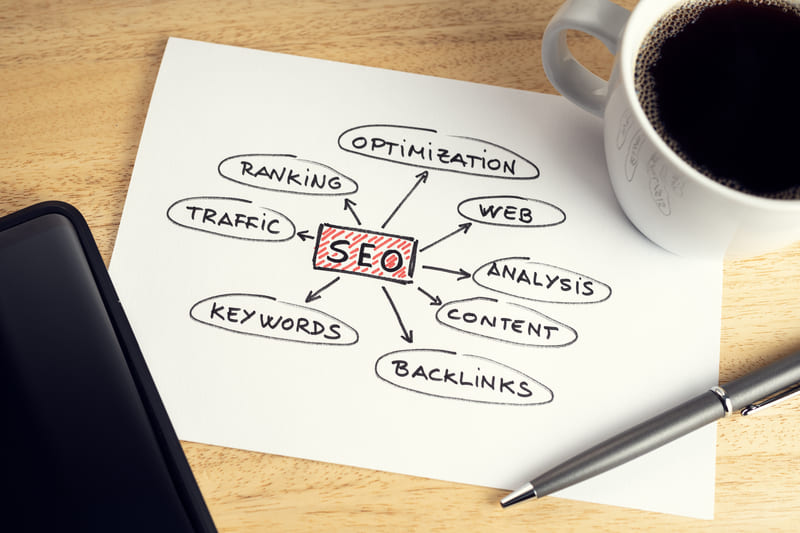
Keyword research identifies the exact phrases your potential customers type when searching for your services. Local keywords include location markers like city names, neighborhoods, or terms like “near me”. Sometimes local intent is implied without a location; someone searching “pizza delivery” while their phone knows they’re nearby demonstrates this pattern.
Start with seed keywords. These are short, generic terms related to your business: “window repair,” “dog groomer,” or “HVAC maintenance”. Add location modifiers by combining seed keywords with places you serve and create phrases like “window repair in Murrieta” or “dog groomer near Old Town”.
Free tools work well for service businesses. Google Keyword Planner remains the gold standard and pulls data from Google while showing exact search volumes. Ubersuggest offers 40 free searches daily. AnswerThePublic generates question-based keywords. ChatGPT can generate keyword ideas when prompted with your topic and audience.
Prioritize keywords with decent search volume but manageable competition. Target easier wins early on. Focus on keywords that attract qualified prospects who will become customers, not just traffic. A keyword with only 10 searches monthly can be very valuable if the user intent is high.
Optimizing Title Tags and Meta Descriptions
Your title tag is the clickable headline that appears in search results. It’s also what shows up in browser tabs. Title tags help search algorithms understand your page’s content and determine relevance for specific queries. They remain a ranking factor, even if their influence has evolved.
Keep title tags between 50-60 characters (about 580 pixels) so they display in full on desktop and mobile devices. Front-load your most important keywords at the beginning. If truncation happens, you want the critical message to survive. Make every title distinctive. Duplicate titles confuse search engines and make your site look less professional.
Meta descriptions appear below your title in search results. While they don’t affect rankings, well-written descriptions influence click-through rates by a lot. Keep them within 140-160 characters. Include a clear call-to-action with phrases like “Learn more,” “Get started,” or “Discover how”.
Google rewrites 60-70% of meta descriptions to better match specific search queries. This doesn’t mean you shouldn’t write them. Focus on clarity and relevance. Avoid characters that break displays, like quotation marks and ampersands.
Creating Service-Specific Landing Pages
Each major service deserves its own optimized page. Combine everything into one generic “Services” page, and ranking becomes difficult while visitors get confused. A plumbing company should create dedicated pages for “Water Heater Repair” and “Drain Cleaning” rather than lumping everything together.
Service area landing pages target transactional intent with keywords like “dentist in Austin” or “emergency plumber near me”. These pages should promote specific locations you serve. Create distinctive URLs for each landing page that include the city name and core service.
Strong service pages capture traffic because they match how people search. They work for home services brands like plumbers and mobile providers like notaries. Usefulness and distinctiveness should guide your development.
Content Optimization Best Practices
Place your primary keyword in these spots: title tag, meta description, URL slug, opening paragraph, at least one H2, and several times throughout body copy. Use close variations and related terms too, such as “service page SEO” and “local service SEO”. This helps you capture a broader range of searches and reads more naturally.

Address ground concerns and objections. Ask yourself what first-time buyers need to know to feel comfortable contacting you. What are the top three objections keeping people from booking? What makes your process or guarantees different? Build these answers into your copy and FAQ sections.
Balance keywords with readability. Modern SEO rewards content that reads well and addresses user needs in a complete way. Avoid keyword stuffing, which makes content unreadable and hurts performance. Search engines penalize sites that overuse keywords.
Technical SEO Requirements for Service Websites
Technical infrastructure determines whether customers can access your site and whether search engines rank it. Google uses your mobile version to rank and index, making mobile optimization mandatory rather than optional.
Mobile-First Design and Responsiveness
Over 60% of global web traffic originates from mobile devices. Google crawls and indexes the mobile version of your site first. Your desktop version becomes secondary. Service businesses lose rankings when mobile experiences feel cramped, slow, or difficult to navigate.
Responsive design adapts your layout fluidly to screen sizes of all types. All content must remain available on small screens, including service descriptions and contact buttons. Mobile sites need click-to-call buttons that load immediately. Touch targets require proper sizing to ensure accuracy. Intrusive overlays that hide contact information damage user experience and rankings.
Website Speed and Core Web Vitals
Google uses Core Web Vitals as ranking factors. These three metrics measure real user experience. Largest Contentful Paint should occur within 2.5 seconds. This measures how quickly the main content loads. Interaction to Next Paint must stay under 200 milliseconds. This tracks responsiveness after users click buttons. Cumulative Layout Shift needs to remain below 0.1. This prevents elements from jumping around during page load.
Research shows 96% of websites fail at least one Core Web Vitals metric. Google Search Console reveals which pages need improvement. PageSpeed Insights gives specific recommendations to fix issues.
SSL Certificates and Website Security
HTTPS has been a ranking signal since 2014. More than 89% of pages loaded by Chrome now use HTTPS. SSL certificates encrypt data between browsers and your website, protecting login credentials and contact form submissions.

Modern browsers flag non-HTTPS sites as “Not Secure”. These warnings damage credibility and increase bounce rates. Implementing SSL requires acquiring a certificate from your hosting provider, often for free.
Schema Markup for Local Services
Schema markup helps search engines understand your business details. LocalBusiness schema communicates your name, address, phone number, business hours, and service areas directly to Google. This structured data enables rich results like star ratings appearing in search listings.
Sites using schema markup experience up to 40% higher click-through rates. Rich results receive 58% of user clicks compared to 41% for standard results. JSON-LD format remains Google’s preferred implementation method.
Building Your Online Reputation Through Reviews and Citations
Reviews and citations function as external validators that search engines trust more than self-promotion. You control your website content, but customer feedback and directory mentions come from independent sources. This makes them powerful ranking signals.
The Effect of Customer Reviews on Rankings
Reviews account for about 10% of how search engines determine rankings. This matters because 90% of consumers read reviews before visiting a business, and 98% think they’re essential to make decisions. Research shows 45% of users won’t purchase without any reviews.
Review quantity drives conversions. When you accumulate 11-30 reviews, conversion rates double compared to zero reviews. Reaching 101 reviews can boost conversions by 250% or more. Reviews also get 500% more views than company websites. They become critical touchpoints in the customer experience.
How to Encourage and Manage Reviews
Timing determines response rates. Request reviews when customers feel happiest about your service. Ask within days while the experience remains fresh for physical services. Personalize every request using customer names and specific service details.
Automate review requests through email campaigns that trigger after service completion. Simplify the process by providing direct links to your preferred review platforms. Respond to all reviews within 24-48 hours. Acknowledge feedback and incorporate keywords in your responses.
Creating Local Citations and Directory Listings
Local citations mention your business name, address, and phone number in online directories. Consistent NAP information signals credibility to search engines. Start with major platforms like Google Business Profile, Yelp, and Yellow Pages before expanding to industry-specific directories.
Industry directories deliver targeted visibility. Dental practices benefit from American Dental Association listings, while home service providers should target Angi. One healthcare client experienced a 40% increase in local pack appearances after building citations through health insurance provider directories.
Content Strategy for Service-Based Business SEO
Content strategy separates service businesses that dominate search results from those that remain invisible. Strategic content positions your company as the solution customers need.
Blogging for Service Industries
Companies that blog receive 55% more website visitors. Blogs expand keyword targeting beyond high-intent service pages. Your HVAC repair page targets “HVAC repair San Antonio,” while blog posts capture informational queries like “best HVAC maintenance tips in San Antonio”. Long-tail keywords often convert better because they match specific user intent.
Each blog creates internal linking opportunities to service pages and reinforces topical authority. A post about local ranking factors can link to your SEO service page and strengthen its understanding of how to rank.
Creating FAQ Pages and How-To Guides
FAQ pages provide quick answers to common questions your business anticipates. They deflect support inquiries and improve SEO through question-based keywords. Popular FAQ topics span account management, orders, payment methods, and service details.

Monitor page traffic to determine when updates are needed. Content needs refreshing when traffic declines.
Video Content and Visual Optimization
Pages with video drive 157% more organic traffic than text-only pages. Video increases dwell time, which signals content value to Google. Users spend 2.6 times longer on pages with video.
Include video transcripts so search engines can read and index the content.
Seasonal and Location-Based Content
Plan seasonal content six months to one year ahead. Target keywords with seasonal intent and update existing content with seasonal information. DIY improvement articles maintain consumer interest during off-seasons.
Tools and Resources to Streamline Your SEO Efforts
The right tools multiply your SEO efforts without multiplying your workload. Manual tracking and optimization drain time that should go toward serving customers.
Keyword Research and Analytics Tools
Google Keyword Planner pulls data from Google and shows search volumes with forecasting features for free. Semrush offers 10 analytics reports daily on its free plan with granular keyword data and SEO content templates that grade your writing live. KWFinder provides 5 searches daily, each packed with searcher intent data and keyword analysis that shows weak points in top-ranking results.
SEO Audit and Monitoring Platforms
Semrush’s Site Audit crawls up to 100 pages monthly for free and organizes issues into errors, warnings, and notices with a trackable Site Health score. Google Search Console remains free forever and reveals indexing status, crawl issues, and Core Web Vitals performance. Screaming Frog crawls 500 URLs free and surfaces broken links, duplicate content, and missing meta descriptions.
Online Booking Software for Service Businesses
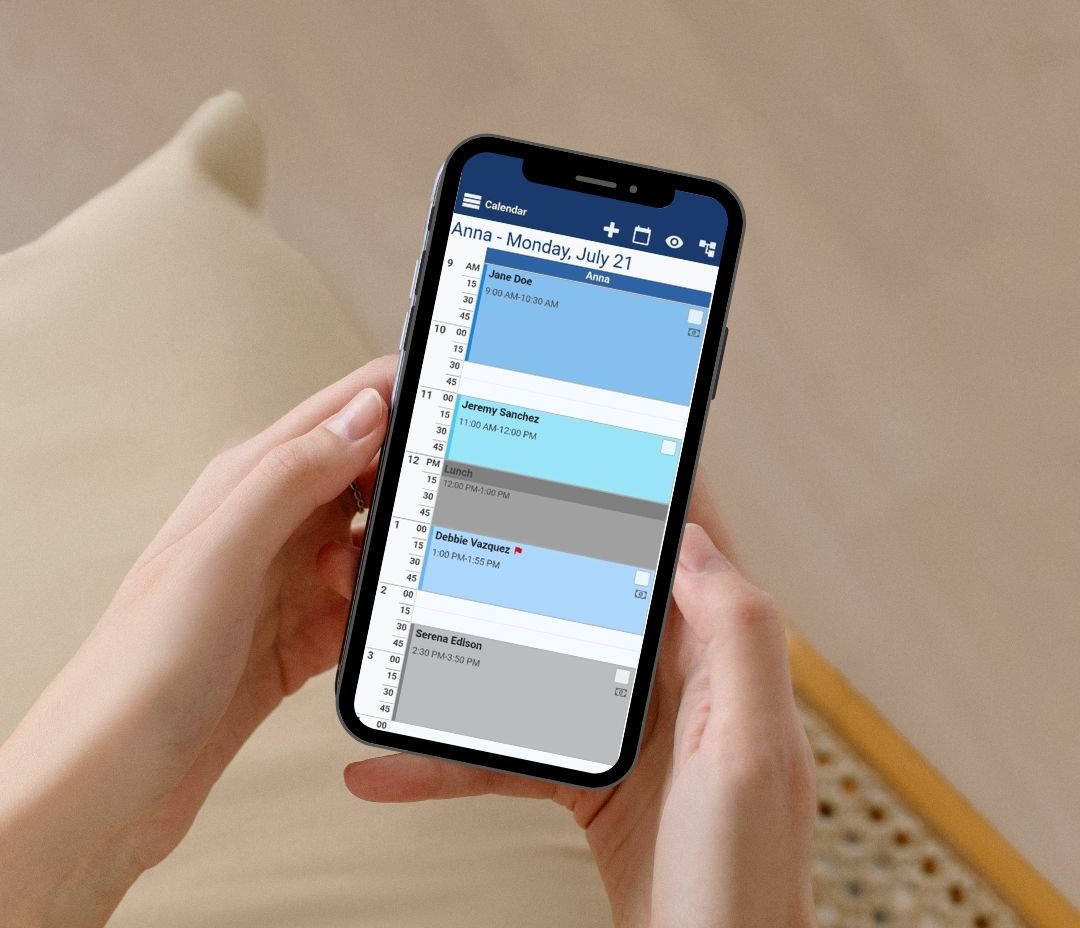
Scheduling software eliminates phone tag and captures bookings 24/7. Customers book appointments without calling. You maintain calendars and avoid double-bookings.
How Bookeo Helps Service Businesses Grow
Bookeo offers a booking system for appointments, classes and courses, and tours and activities. You can customize booking pages to match your brand, integrate payment gateways, and accept bookings from your website.
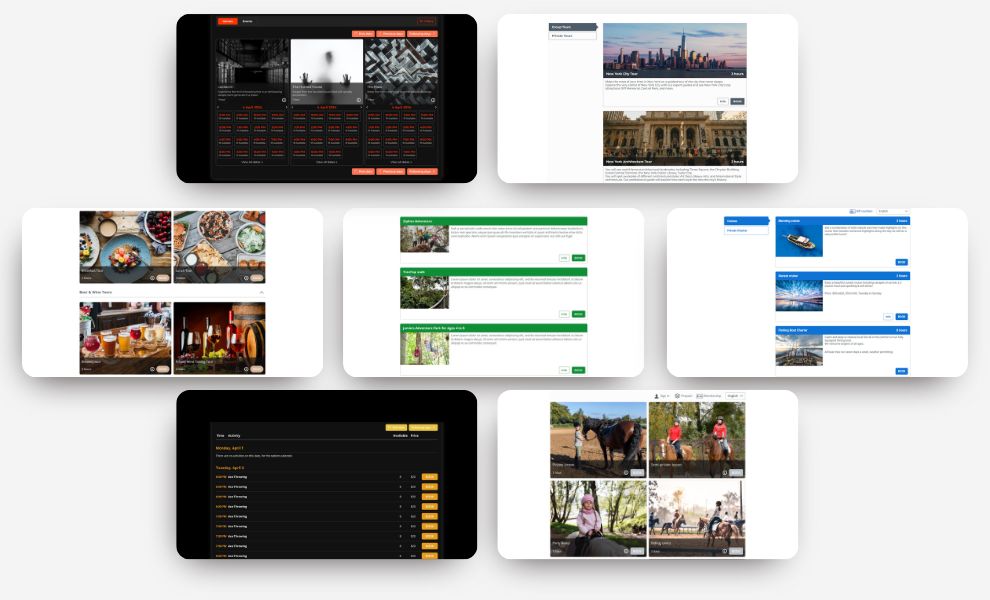
The service business scheduling platform handles automated renewals for memberships and waitlist notifications when classes fill up. It tracks prepaid credits automatically.
Conclusion
SEO for service based business might seem overwhelming, but you can break it down into manageable components that make implementation straightforward. Focus on your Google Business Profile, build consistent local citations, and create service-specific pages that address what customers need.
Reviews matter more than you think. Request them actively and respond promptly.
These strategies work for plumbers, dentists, and mobile pet groomers alike. Note that SEO is a marathon, not a sprint. Quick wins like optimizing your Google Business Profile and fixing technical issues are good starting points. You’ll typically see results within weeks, though long-term dominance takes consistent effort over months.