
The Complete Tour Operator Business Plan
A comprehensive tour operator business plan is essential for turning a travel passion into a sustainable, thriving enterprise. In today’s ever-evolving tourism landscape, having a well-structured plan is more than just a roadmap, it’s a critical tool for achieving growth and staying competitive. A “tour operator business plan” outlines your strategy for entering or expanding within the travel market, detailing everything from your value proposition and target audience to your operational structure and financial projections. Similarly, the “tour operator business model” defines how you create, deliver, and capture value through your tours, combining aspects like revenue streams, cost structures, and key partnerships.
For 2026, the tourism industry faces a mix of emerging trends and persistent challenges. Digital transformation continues to reshape customer expectations, while sustainability and personalized travel experiences are taking center stage. At the same time, market uncertainties, ranging from economic shifts to changing travel restrictions, underscore the need for robust strategic planning. A well-crafted business plan provides tour operators with the clarity to navigate these uncertainties, refine their strategies, and capitalize on new opportunities. It serves as a living document that can be adapted as market dynamics evolve, ensuring that your business remains agile and resilient in a competitive environment.
This guide is designed for a diverse audience: aspiring tour operators launching new ventures and established companies looking to refine or update their strategies in light of current market trends. Whether you’re starting from scratch or reimagining your existing operations, this guide will provide practical insights and actionable tips to help you build a strong foundation for success.

Brief Roadmap of What’s to Come:
- Executive Summary: A concise overview of your business vision, mission, and key objectives.
- Company Overview: Detailed insights into your company’s background, structure, and competitive advantages.
- Market Analysis: An examination of current industry trends, target market segmentation, and competitive landscape.
- Business Model: A breakdown of your tour operator business model, revenue streams, and service offerings.
- Marketing and Sales Strategy: Effective strategies to attract and retain customers.
- Operational Plan: Day-to-day management, logistics, and technological integration.
- Financial Plan: Revenue forecasts, budgeting, and funding requirements.
- Appendices: Supporting documents, templates, and additional resources.
By the end of this article, you will have a complete understanding of how to develop and execute a robust tour operator business plan in 2026. Let’s dive into the details in the next section, starting with a compelling Executive Summary.
Executive Summary
The Executive Summary is a concise yet powerful snapshot of your entire tour operator business plan. It should capture the essence of your business idea and set the tone for the detailed sections that follow.

Here’s how to craft an effective Executive Summary:
1. Snapshot of the Business
- Business Idea:
Begin by succinctly summarizing your business concept. Explain what your tour operator business does, the types of tours you offer, and the unique experiences you provide. - Mission and Vision:
Clearly state your mission (the purpose driving your business) and your vision (what you aspire to achieve in the long term). This should reflect both the passion behind your tours and your strategic goals. - Core Objectives:
Outline your primary objectives. These might include goals such as increasing market share, delivering exceptional customer experiences, or achieving specific revenue targets. Emphasize the key drivers that will lead your business to success.
2. Key Highlights
- Target Market Overview:
Describe your ideal customer segments. Identify the demographics, geographic areas, or niche markets you plan to target. This helps readers quickly grasp who your tours are designed for. - Unique Value Proposition:
Explain what sets your tour business apart from competitors. Highlight the distinctive experiences, specialized itineraries, or exclusive partnerships that create a competitive edge. - Anticipated Revenue Streams:
Provide a brief overview of your expected revenue sources. This might include direct bookings, commission-based sales, or partnerships with travel agencies. Mention any innovative pricing strategies or upselling opportunities that you foresee.
3. Template and Best Practices
- Keep It Concise and Impactful:
Aim for clarity and brevity. The executive summary should be engaging enough to hook potential investors or partners while providing a clear picture of your business model. - Use Clear Headings and Bullet Points:
Organize your content with headings for each major element (business idea, mission, target market, etc.). Bullet points can help break up information and highlight key details. - Tailor It to Your Audience:
Think about who will read your business plan. Adjust the tone and content to appeal to investors, partners, or internal stakeholders. - Reference Your Supporting Documents:
If applicable, mention that a detailed “tour operator business plan pdf” and sample “tour operator business plan example” are available for further insights.
By following this guide, you’ll create a robust Executive Summary that serves as a compelling introduction to your tour operator business plan. Use this section as a template to ensure all essential components are covered, making it easier for readers to understand your business vision and strategy at a glance.
Company Overview
The Company Overview section provides a comprehensive picture of your tour operator’s background, current organizational structure, and what sets you apart from the competition. Here’s how to structure and craft this section:
1. Background and History
Describe the Origin:
-
- Start by outlining the inception of your business. For established companies, detail when and why the company was founded, and for startups, describe your envisioned background or founding story.
- Explain the inspiration behind starting the business. This might include personal passion for travel, identifying a gap in the market, or the desire to offer unique, immersive travel experiences.
Core Values and Mission:
-
- Clearly state your core values, what principles guide your business decisions and customer interactions?
- Describe your mission: What is the overarching purpose of your tour operator business? This helps set the tone and communicates your commitment to quality, sustainability, or cultural immersion.
Historical Milestones:
-
- For established businesses, include significant milestones (e.g., key achievements, expansion, awards) that demonstrate growth and credibility.
- For startups, discuss your development roadmap, including planned milestones and early traction if available.
2. Organizational Structure
Leadership Team Overview:
-
- List key team members and their roles. Include brief profiles for the founders, executives, and other essential personnel.
- Highlight their backgrounds, expertise, and how their experience supports the business’s vision.
Roles and Responsibilities:
-
- Explain the functional structure of your organization. Describe how departments (such as operations, marketing, finance, and customer service) are organized and how they work together.
- Mention any advisory boards or strategic partnerships that add value and expertise to your business.
3. Competitive Advantage
Unique Selling Propositions:
-
- Identify what makes your tour operator business unique. This could be a niche market focus, innovative tour experiences, exclusive partnerships, or superior customer service.
- Explain how these strengths provide a competitive edge in the marketplace. For example, emphasize your local expertise, customized itineraries, or sustainable travel practices that distinguish you from competitors.
Market Positioning:
-
- Describe how your business is positioned within the market. Are you a luxury provider, a budget-friendly option, or a specialist in adventure travel?
- Highlight any awards, recognitions, or customer testimonials that validate your competitive advantage.
Tips for Writing This Section
- Keep it Clear and Concise: Aim for 400–500 words that present a well-rounded narrative without overwhelming the reader.
- Use Subheadings and Bullet Points: Organize the content under clear subheadings (Background and History, Organizational Structure, Competitive Advantage) to enhance readability.
- Be Authentic: Let your passion for travel and commitment to quality shine through. Your story should resonate with potential investors, partners, or customers.
By following these guidelines, you can craft a compelling Company Overview that not only tells your business’s story but also establishes credibility and highlights your unique position in the market. Use this section as a template to ensure all critical aspects of your company are clearly communicated in your tour operator business plan.
Market Analysis
The Market Analysis section is a critical component of your tour operator business plan. Typically around 600–700 words, this section should provide a deep dive into the current state of the tourism industry, clearly define your target market, and analyze your competitive landscape.

Use the following guidelines to structure and write an effective Market Analysis:
1. Industry Overview
Current Tourism Trends:
-
- Begin by outlining the most relevant trends in the tourism industry for 2026. Discuss shifts such as increased demand for sustainable travel, personalized experiences, and digital transformation in booking processes.
- Include insights into how factors like post-pandemic recovery, changing consumer behaviors, and economic conditions are influencing the market.
Market Size and Growth Projections:
-
- Provide data on the current market size (e.g., total tourism revenue or number of travelers) and forecasted growth for 2026.
- Highlight relevant statistics and growth drivers, such as increased disposable incomes, emerging markets, or technological advancements that support the tour operator industry.
Data and Sources:
-
- Reference reputable industry reports and market research (e.g., from Skift, Statista, World Tourism Organization, or similar sources) to lend credibility to your analysis.
- Mention any recent publications or government statistics that back up your claims.
2. Target Market & Customer Segmentation
Defining Customer Personas:
-
- Clearly describe the primary customer segments you intend to target. Consider factors like age, income, travel preferences (adventure, luxury, cultural immersion, etc.), and lifestyle.
- Create detailed personas that represent the ideal customers for your tours. For example, “Young Adventure Seekers,” “Luxury Leisure Travelers,” or “Family Vacation Planners.”
Geographic Focus:
-
- Identify the key regions or markets where your tours will have the most impact. Are you focusing on domestic tourism, international travelers, or a specific niche market?
- Discuss any regional nuances that might affect booking behavior, such as local economic conditions, cultural preferences, or seasonal travel patterns.
Segmentation Strategies:
-
- Explain how you plan to segment your market beyond basic demographics. This could include psychographic segmentation (attitudes, values, lifestyles) or behavioral segmentation (booking patterns, repeat purchase behavior).
- Use bullet points or tables if necessary to illustrate the segmentation framework.
3. Competitive Analysis
Identifying Main Competitors:
-
- List your direct and indirect competitors. Provide a brief description of their market positioning, service offerings, and key differentiators.
Conducting a SWOT Analysis:
-
- Break down your competitors’ strengths, weaknesses, opportunities, and threats.
- Discuss how these factors affect your business model and where you can capitalize on market gaps.
- Use a clear, bullet-point format to present each element of the SWOT analysis.
Market Gaps and Opportunities:
-
- Identify areas where competitors may be lacking, such as niche tour offerings, superior customer service, or innovative technology integration.
- Explain how your unique value proposition fills these gaps, giving you a competitive advantage.
4. Data Sources & Research
Primary and Secondary Research:
-
- Briefly explain the research methods you have used or plan to use, such as surveys, interviews, or focus groups, to gather first-hand data on your target market.
- List secondary sources, including industry publications, market reports, academic research, and government tourism data.
Supporting Documentation:
-
- Mention any downloadable resources, like a “tour operator business plan pdf” or examples of market analysis templates, that can help the reader develop their own analysis.
Best Practices
Be Data-Driven: Ensure that every claim is supported by relevant data. Use charts, graphs, or tables if necessary to visualize market trends and competitor comparisons.
Stay Focused: Maintain clarity by keeping your analysis focused on the aspects most relevant to your business model and strategic goals.
Tailor Your Analysis: Customize the section to reflect the specific context of your tour operations. For instance, if you target eco-tourism, emphasize trends and data related to sustainable travel.
Using this structured approach, you’ll craft a comprehensive Market Analysis that not only informs your business plan but also provides actionable insights to help you position your tour operator business for success in 2026 and beyond.
Tour Operator Business Model
This section should provide a comprehensive exploration of your tour operator business model, framed within a business model canvas. Detail the key components of your model, value proposition, customer segments, channels, revenue streams, cost structure, and key partners, and explain your service offerings, revenue sources, and unique tour experiences. Below is a guide to help you craft this section:
1. Business Model Canvas Overview
Start by presenting a concise overview of your business model using the business model canvas framework. Address the following components:
Value Proposition:
-
- Explain what makes your tours unique. Describe the distinctive experiences, such as cultural immersion, adventure travel, or sustainable tours, that set your offerings apart from competitors.
- Emphasize benefits like personalized itineraries, exclusive access to local attractions, or innovative technology integration for seamless booking.
Customer Segments:
-
- Define the different customer groups you serve. For instance, target segments might include “adventure seekers,” “luxury travelers,” or “family vacation planners.”
- Use demographic and psychographic details to paint a clear picture of each segment.
Channels:
-
- Outline the distribution channels you will use to reach your customers. This can include digital channels such as your website, mobile apps, social media, and online travel agencies (OTAs), as well as traditional channels like travel agents or offline events.
- Discuss how each channel contributes to both customer acquisition and retention.

Revenue Streams:
-
- Detail the primary ways your business will generate income. Include direct bookings, commissions from OTAs, partnerships with travel agents, and ancillary services such as add-on experiences or customized tours.
- Explain how your pricing strategy and upselling tactics will help maximize profit margins.
Cost Structure:
-
- Identify your major cost drivers, including marketing expenses, technology investments (CRM, booking software, channel management), operational overheads, and supplier costs.
- Discuss how you plan to manage these costs to maintain healthy profit margins.
Key Partners:
-
- List strategic partners that will help you deliver and enhance your tour offerings. These might include local suppliers, travel agencies, technology providers, and financial institutions.
- Explain the role of each partner in your overall business model and how they contribute to your value proposition.
2. Revenue Streams in Detail
Dive deeper into the specifics of your revenue streams:
Direct Bookings:
-
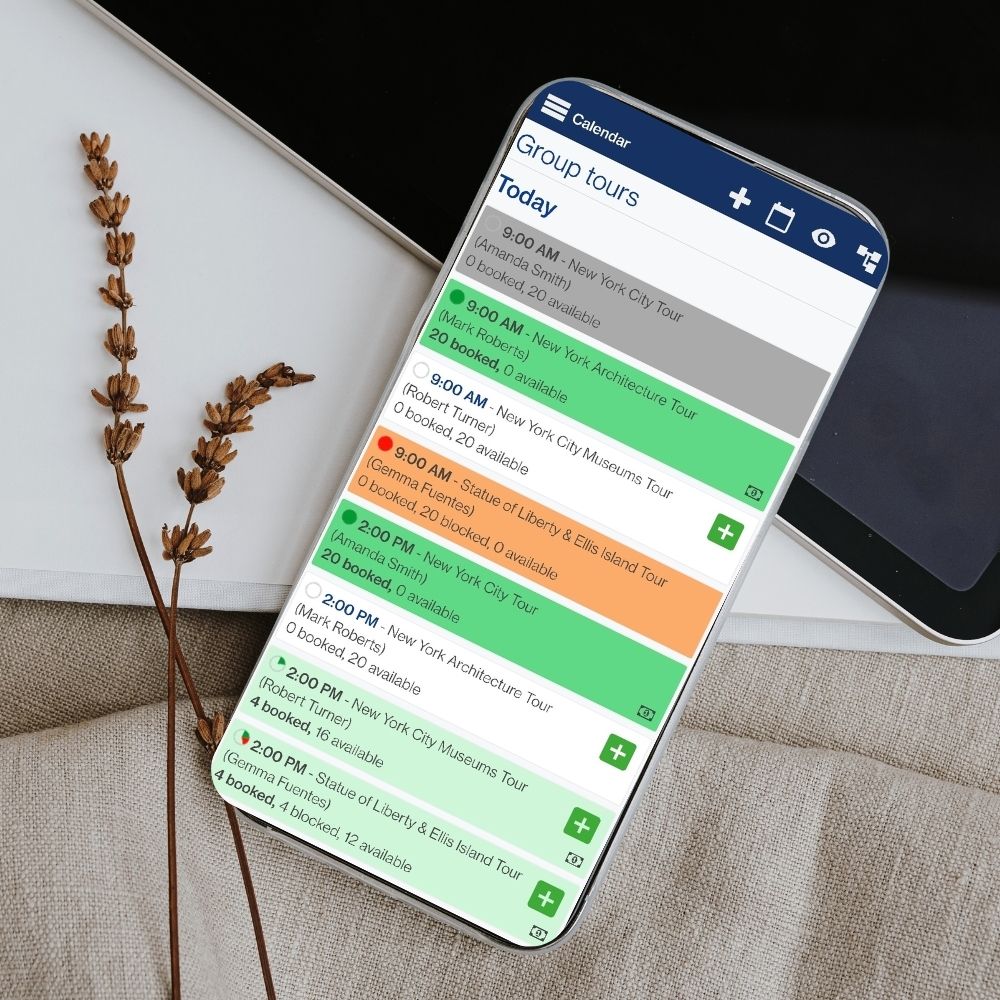
- Highlight the benefits of customers booking tours directly through your website or mobile app. Emphasize that direct sales eliminate commission fees and allow for personalized customer interactions.
OTA Commissions:
-
- Explain how online travel agencies (OTAs) will contribute to revenue, despite the commission fees involved. Describe strategies to balance OTA bookings with direct sales to optimize overall revenue.
Partnerships and Bulk Sales:
-
- Describe revenue generated through B2B partnerships, such as agreements with corporate travel planners or wholesalers who book in bulk.
Ancillary Services:
-
- Include additional income from upselling extra services such as guided excursions, travel insurance, or premium add-ons.
- Provide real-world examples if possible, for instance, citing a case where an operator increased revenue by offering exclusive local experiences.
3. Service Offerings and Unique Experiences
Explain what tours and services your business will offer:
Types of Tours:
-
- Detail the range of tours available, cultural, adventure, luxury, eco-tourism, and customized private tours.
- Describe how these tours cater to different customer needs and market segments.
Customization Options:
-
- Discuss how your business model allows for tailored itineraries and personalized experiences.
- Highlight any innovative approaches, such as AI-driven recommendations or flexible scheduling, that enhance customer satisfaction.
Real-World Examples:
-
- Reference successful tour operator business models that have distinguished themselves through unique offerings. For instance, mention how companies like Intrepid Travel or G Adventures have built their brands around distinctive, immersive travel experiences that resonate with modern travelers.
4. Integrating Keywords and Best Practices
Keyword Integration:
-
- Ensure the phrases “tour operator business model” are naturally integrated throughout the section.
- Reference downloadable resources like “tour operator business plan pdf” or “tour operator business plan example” as templates for readers to customize based on your model.
Best Practices:
-
- Use subheadings, bullet points, and tables to organize complex information.
- Be data-driven: back up your revenue projections and cost estimates with market research or industry benchmarks.
- Focus on clarity and strategic insights to illustrate how your business model supports sustainable growth and competitive differentiation.
By following this structured approach, your Tour Operator Business Model section will present a detailed, comprehensive view of how your business creates, delivers, and captures value.
Marketing and Sales Strategy
The Marketing and Sales Strategy section is critical in demonstrating how you plan to attract, engage, and retain customers for your tour operator business. This section should comprehensively detail your marketing channels, sales tactics, brand positioning, and the metrics you will use to measure success. Here’s how to structure and write this section:
1. Marketing Plan
Start by outlining your digital marketing strategies and the mix of channels you’ll use:
Digital Marketing:
-
- Describe your approach to search engine optimization (SEO), pay-per-click (PPC) campaigns, and content marketing. Explain how these tactics will drive traffic to your website and increase direct bookings.
- Include email marketing strategies that leverage automated campaigns to nurture leads and maintain customer engagement.
Social Media:
-
- Identify the social platforms (e.g., Facebook, Instagram, Twitter, LinkedIn) that resonate with your target market.
- Explain your content strategy, such as posting engaging visuals of tour experiences, live Q&A sessions, and customer testimonials.
- Detail any influencer partnerships or sponsored posts that can expand your reach.

OTA Partnerships:
-
- Outline how you plan to collaborate with online travel agencies (OTAs) like Expedia, Booking.com, or niche-specific platforms.
- Describe the benefits of OTA exposure versus the commission costs, and how you’ll optimize your listings for better visibility.
Direct Sales Strategies:
-
- Discuss the importance of direct channels such as your own website or mobile app.
- Explain strategies to convert website traffic into bookings, including user-friendly booking processes and exclusive direct-booking promotions.
2. Sales Channels
Detail the sales strategies you’ll use to both acquire new customers and retain existing ones:
Acquisition:
-
- Highlight lead generation tactics, including targeted advertising, referral programs, and participation in travel trade shows or events.
- Mention any strategic partnerships with local travel agents or complementary service providers to broaden your customer base.
Retention:
-
- Explain how you plan to build customer loyalty through personalized communications, repeat booking incentives, and loyalty programs.
- Emphasize the role of customer relationship management (CRM) systems in tracking interactions and ensuring high-quality service.
3. Brand Positioning
Clearly define what sets your tour operator business apart:
Unique Selling Proposition (USP):
-
- Identify the key features and benefits that make your tours unique (e.g., authentic cultural experiences, sustainability, exclusive access to local events).
- Explain how these elements address customer needs and differentiate you from competitors.
Market Perception:
-
- Discuss how you plan to shape your brand image and build a reputation for reliability, quality, and innovation.
- Include any branding initiatives or storytelling techniques that reinforce your identity.
4. Tactics & Metrics
Finally, outline the specific tactics you will implement and the metrics you will track to measure performance:
Key Performance Indicators (KPIs):
-
- List measurable goals such as conversion rates, customer acquisition costs, average booking value, and customer lifetime value.
- Set benchmarks for website traffic, social media engagement, and OTA performance.
Analytics and Reporting:
-
- Explain the tools (like Google Analytics, CRM dashboards, or OTA analytics platforms) that you’ll use to monitor these KPIs.
- Detail how you will use these insights to adjust strategies and improve your marketing and sales efforts continuously.
By following these guidelines, you will create a Marketing and Sales Strategy section that not only outlines a robust plan for customer acquisition and retention but also clearly communicates your unique brand positioning and provides measurable tactics for growth.
Operational Plan
The Operational Plan section is where you detail the day-to-day workings of your tour operator business. In 500–600 words, this part of your business plan should provide a clear view of how your business functions on a daily basis, ensuring potential investors or partners that you have a solid operational framework in place. Here’s a guide to structuring and writing this section:
1. Daily Operations
Begin by describing the core activities that keep your tour operator business running smoothly on a day-to-day basis. This includes:
Tour Planning and Scheduling:
-
- Explain how you design and schedule tours. Detail the process for creating itineraries, determining tour frequency, and managing seasonal variations.
- Highlight any systems or methodologies you use to plan tours effectively, whether through specialized software or manual planning processes.
Logistics Management:
-
- Describe how you handle transportation, meals, and activities.
2. Technology Integration
Next, illustrate how technology underpins your operational efficiency. Cover the key systems that support your business:
Booking Systems:
-
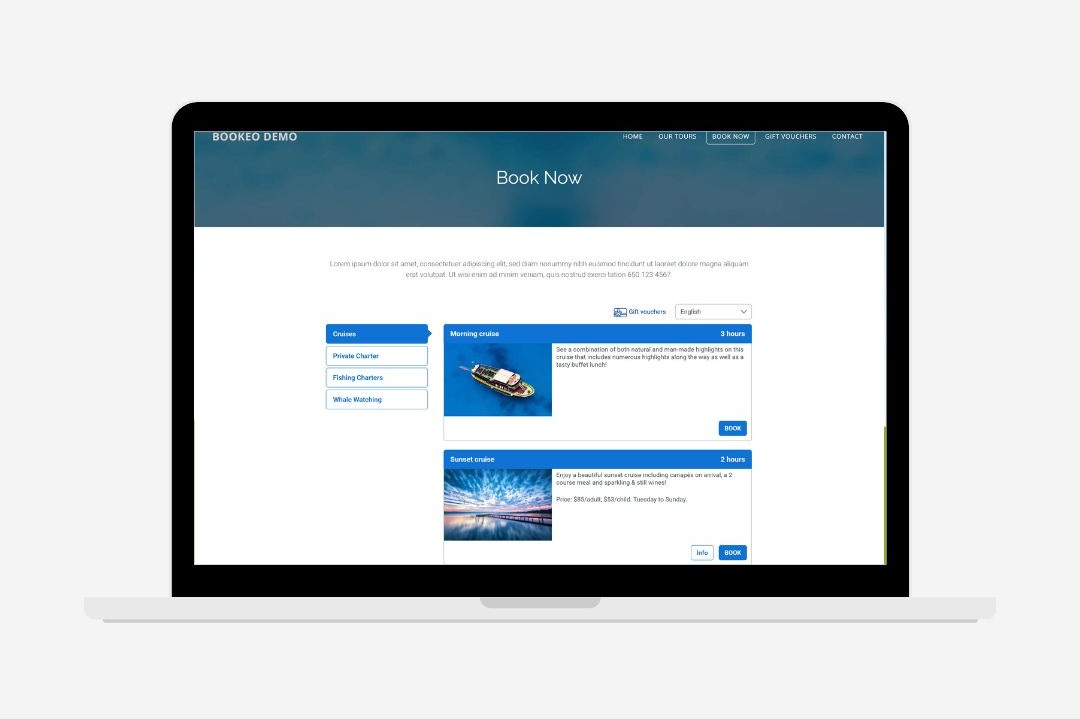
- Detail the online booking engine that facilitates reservations. Explain how it integrates with your website and mobile platforms, and its role in managing availability and pricing.
CRM Systems:
-
- Describe the customer relationship management (CRM) tools you use to handle customer inquiries, manage leads, and nurture client relationships. Emphasize automation features like follow-up emails and personalized communications.
Channel Management Tools:
-
- Explain how you use channel management software to synchronize bookings across multiple distribution platforms (such as OTAs, your website, and mobile apps) to maintain consistent inventory and pricing.
Customer Support Platforms:
-
- Outline the tools or software (such as helpdesk or live chat systems) that you employ to provide real-time support to customers, resolve issues quickly, and maintain high satisfaction levels.
3. Workflow & Process Management
Finally, focus on your internal processes and how you ensure efficiency and quality control:
Internal Processes:
-
- Describe your standard operating procedures (SOPs) for tasks such as tour preparation, customer follow-ups, and handling emergencies or cancellations.
- Explain how tasks are assigned and managed within your team, and highlight any project management tools used to track progress and deadlines.
Quality Control Measures:
-
- Detail the steps you take to ensure that every tour meets your quality standards. This might include regular supplier evaluations, customer feedback loops, and performance reviews of operational staff.
Operational Efficiency:
-
- Discuss any initiatives or technologies implemented to streamline operations, reduce costs, or improve service delivery. For instance, you might describe process automation, staff training programs, or continuous improvement practices.
Metrics and Performance Monitoring:
-
- Mention the key performance indicators (KPIs) you monitor daily or monthly to assess operational success. This can include metrics such as on-time tour performance, customer satisfaction scores, and supplier reliability rates.

Best Practices for Writing This Section
- Be Detailed but Concise: Aim for clarity by providing enough detail to show you have robust processes in place, while avoiding overly technical jargon.
- Use Subheadings and Bullet Points: This helps break the information into digestible parts, making it easier for readers to follow your operational framework.
- Tailor to Your Business: Customize the narrative to reflect the unique aspects of your tour operations, whether you focus on luxury, adventure, cultural, or niche tours.
- Integrate Real Examples: Where possible, include examples or anecdotes that illustrate how your systems and processes have successfully managed challenges or enhanced customer experience.
By following these guidelines, your Operational Plan section will convey a well-organized, efficient, and technology-driven approach to daily operations.
Financial Plan
The Financial Plan section of your tour operator business plan is vital for demonstrating the financial viability of your business. This section should be comprehensive, spanning 500–600 words, and cover revenue projections, budget and funding requirements, sample financial statements, and references to additional resource templates. Below are the key components and guidelines for writing this section:
1. Revenue Projections
Forecasting Sales, Bookings, and Profit Margins:
-
- Sales Forecast: Start by estimating the total sales expected for the upcoming year. Consider factors such as seasonal variations, market trends, and historical performance if applicable.
- Booking Volume: Project the number of bookings you expect to secure. Use data from market research or industry reports to set realistic targets.
- Profit Margins: Estimate your gross and net profit margins based on anticipated revenues and cost structures. Discuss how your pricing strategy and cost management will drive profitability.
Presentation Tips:
-
- Use tables or charts to present your numerical forecasts clearly.
- Clearly state the assumptions behind your projections (e.g., expected growth rates, conversion rates).

2. Budget & Funding Requirements
Startup Costs:
-
- Initial Investment: List the one-time costs required to launch your business (e.g., website development, marketing launch, office setup, initial technology investments).
- Breakdown: Provide a detailed breakdown of these costs by category.
Operating Expenses:
-
- Recurring Costs: Outline ongoing expenses such as salaries, technology subscriptions (CRM, booking engines, channel managers), marketing, and administrative expenses.
- Fixed vs. Variable Costs: Differentiate between fixed costs (e.g., rent, salaries) and variable costs (e.g., commission fees, travel expenses).
Funding Sources:
-
- Internal Funding and Investments: Explain any personal investments or savings used to start the business.
- External Funding: Detail potential funding sources such as bank loans, angel investors, or venture capital.
- Usage: Describe how the funds will be allocated across different areas of your business.
3. Financial Statements
Sample Income Statement:
-
- Overview: Provide a summary of your projected revenues, cost of goods sold, operating expenses, and net profit.
- Key Metrics: Highlight important figures such as gross margin and net margin.
Cash Flow Statement:
-
- Cash Inflows and Outflows: Outline expected cash inflows (e.g., sales, investments) and outflows (e.g., operating expenses, loan repayments).
- Importance: Emphasize maintaining positive cash flow, especially during the early stages of the business.
Break-even Analysis:
-
- Calculation: Determine the point at which your revenues will cover all your fixed and variable costs.
- Assumptions: Clearly state the assumptions used in your break-even calculations (e.g., average booking value, fixed cost estimates).
Visual Aids:
-
- Incorporate graphs or tables to help visualize financial data and trends. This makes complex financial information easier to digest.
4. Resource Templates
Reference Downloadable Resources:
-
- Mention that you provide or recommend downloadable resources, such as a “tour operator business plan pdf” and sample financial plan templates.
- Utility: Explain that these resources can serve as a practical starting point or benchmark for readers to customize based on their specific needs.
Additional Tools:
-
- Suggest financial planning software or spreadsheet templates that can assist in managing projections, budgeting, and tracking performance over time.
Best Practices
Data-Driven Approach:
-
- Ensure your financial forecasts and projections are supported by credible industry data, market research, and historical performance (if available).
- Clearly articulate your assumptions and methodologies.
Clarity and Organization:
-
- Use subheadings and bullet points to break up sections and improve readability.
- Organize information logically so that each subsection flows naturally into the next.
Regular Updates:
-
- Mention that your financial plan is a living document and should be updated regularly to reflect changes in market conditions and actual performance data.
By following these guidelines, you’ll create a robust Financial Plan section that outlines a clear path to profitability, demonstrates sound financial management, and provides a strong foundation for strategic decision-making. This section is crucial for building confidence among investors, partners, and other stakeholders in your tour operator business.
Appendices and Supporting Documents
This section provides supplementary materials that enhance and validate your tour operator business plan. In 200–300 words, clearly compile additional resources that support the main body of your plan.
Additional Resources
Templates and Legal Documents:
-
- Attach sample business plan templates, legal documents, and standard contracts that are relevant to the tour operator industry.
- Include documents such as risk analysis reports, supplier agreements, and employment contracts. These help validate your strategy and provide proof of due diligence.
Risk Analysis:
-
- Summarize key risks identified in your planning process and attach a more detailed risk management document if available.
- Provide mitigation strategies and contingency plans to demonstrate preparedness for potential challenges.
References & Tools
Recommended Software:
-
- List tools that aid in financial planning, CRM, channel management, and bookings.
- Mention any project management or accounting software you use that supports your operations.
Market Research Sources:
-
- Cite reputable industry reports, such as those from Statista, Skift, or the World Tourism Organization, which informed your market analysis and financial projections.
- Include links or references to downloadable “tour operator business plan pdf” examples if available.
Industry Tools:
-
- Provide a brief list of additional tools, such as SWOT analysis templates, budgeting spreadsheets, or CRM integration guides that readers can leverage.
- These resources can serve as a practical reference to ensure your plan remains dynamic and data-driven.
Best Practice:
Keep the appendices organized with clear labels and a table of contents. This makes it easy for readers and potential investors to locate specific documents. By offering these supporting documents and references, you reinforce the credibility of your business plan and provide valuable resources for further exploration.
Conclusion
In summary, a diverse and well-researched business plan is the cornerstone for any successful tour operator. This guide has underscored the importance of crafting a plan that not only outlines your vision and strategy but also delves into every critical aspect of the business, from market analysis and financial forecasting to robust operational processes and integrated marketing strategies. A comprehensive business plan equips you with the insights and tools needed to navigate the competitive tourism landscape, ensuring that every decision is data-driven and aligned with your long-term goals.
Final thoughts emphasize that an integrated approach is essential for sustained success. By combining strategic planning, robust operations, and effective marketing, tour operators can create a resilient framework that adapts to evolving market dynamics. Whether it’s leveraging technology for seamless booking and customer support or refining your service offerings to meet emerging trends like sustainable and personalized travel, every element of your business plan should work in harmony to build a strong market presence.
Now is the time to review and update your current business plan. Even if you already have an established model, the rapidly changing landscape of the travel industry in 2026 demands a fresh perspective. Regularly revisiting your plan ensures that you remain agile, can quickly respond to new challenges, and seize emerging opportunities.