

Service Business Marketing: Everything You Need to Know
Service business marketing has become critical as the service sector factored in approximately 70% of the US GDP in 2023. Service-based revenue growth has therefore outpaced manufacturing each quarter since 2020. Marketing a service business requires a different strategy than promoting physical products. Promises are what you sell rather than tangible items, and this presents challenges. We cover what you need to know about marketing for service based business in this piece, from building credibility and defining your brand to leveraging digital tools and avoiding common mistakes that drain your budget.
What is a service business?
A service business delivers intangible products. It sells expertise, time, or specialized skills instead of physical goods. These companies solve problems for clients who lack the knowledge, time, or knowing how to complete tasks themselves.
Four characteristics separate services from products. Intangibility means you cannot see, touch, or smell services before purchase. Inseparability occurs because services are produced and consumed at the same time, with customers often present during delivery. Variability reflects how service quality moves depending on who provides it and where. Perishability means services cannot be stored for later sale or use.
Service business vs product business
The differences between service and product businesses extend beyond what they sell. Startup capital requirements differ significantly. Product businesses need funding for equipment, warehouse space, retail locations, and inventory before generating revenue. Service businesses can launch with minimal investment and require only simple equipment to deliver services to clients.
Scalability presents another contrast. Product businesses can manufacture items repeatedly and sell them without tying revenue directly to hours worked. Service businesses face limitations tied to available working hours. You can hire additional staff, but growth remains constrained by how many hours your team can work. A survey from Clutch shows that 61% of small service business owners cite overwork and client churn as their top barriers to growth.

Customer relationships follow different patterns. Product businesses build brand reputation and market position to increase sales. Service businesses focus on personal relationships with individual clients, especially in smaller markets where dissatisfied customers switch to competitors easily. This relationship-building becomes critical for credibility and revenue growth.
Revenue models vary considerably. Service businesses charge hourly rates, retainer fees, or project-based pricing. Product businesses use one-time sales or recurring subscriptions. Service businesses benefit from recurring revenue as clients prefer staying with familiar providers. This allows companies to predict income more accurately.
Examples of service businesses
Service businesses span seven main sectors. Health and wellness has dental offices, medical clinics, hair salons, spas, personal training, and massage therapy. IT and technology services cover cybersecurity firms, software development, and tech support. Hospitality services include event planning, catering, and travel agencies.
Professional or business services include digital marketing agencies, law firms, accountants, and business administration. Transportation covers ride-sharing services, taxis, airlines, and buses. Home services address lawn care, plumbing, and HVAC needs. Personal services handle pet sitting, childcare, and food delivery.
Beyond these categories, service businesses include business consulting, financial advising, academic tutoring, auto mechanic shops, landscaping companies, pool servicing, house painting, and graphic design. Athletic trainers, housekeepers, maintenance services, car washes, and massage therapists also operate as service businesses.
Why service businesses matter in today’s economy
Service businesses represent 77% of GDP in the United States alone. Small and medium-sized businesses account for nearly half of this figure. The sector employs 50 million people. Services account for over 75% of GDP in most developed countries and employ approximately 80% of the workforce.
Service businesses outnumber product businesses by generating more than 75% of the country’s gross domestic product. The United States has approximately 33 million small businesses that created 63% of net new jobs between 1993 and mid-2013.
Several factors drive service sector expansion. Technological advancements created new service industries and improved existing ones. People spend more on healthcare, education, and leisure activities as affluence increases. Businesses outsource non-core functions and create demand for professional services. Globalization expanded market opportunities for trading services across borders. Changing consumer priorities reflect growing demand for experiences over physical goods.
Service businesses prove more resilient and adaptable than product-based companies. Services can be tailored to individual customer demands, while products maintain fixed designs. Turnaround times shorten because services are delivered faster than manufacturing items. Lower overhead costs and higher profit margins make service businesses attractive for entrepreneurs, especially those starting with limited capital.
How service marketing differs from product marketing
Marketing a service business presents obstacles that product marketers never face. You can’t display your offering in a store window or let customers test it before purchase. This fundamental difference reshapes your marketing strategy for a service business.

Intangibility challenges
Services exist only as experiences. You can’t touch, smell, taste, see, or hear them before purchase. Customers face uncertainty because they must buy first and assess later. A cosmetic surgery patient can’t preview results before the procedure. Airline passengers have no guarantee their baggage will arrive safely.
This intangibility creates measurement problems. Quality remains subjective and depends on customer perception and expectations. The same service delivered by the same expert can produce vastly different reactions from different customers. Your anti-dandruff shampoo either works or it doesn’t. But did your lawyer draft a solid divorce agreement? You might not know for years.
Customers respond to this uncertainty by searching for tangible signals. They assess the people delivering your service, your communications, pricing, equipment, and physical environment. These signals substitute for the product inspection they can’t perform. Services also can’t be returned once delivered. This irreversibility amplifies purchase anxiety and makes your marketing for service-based businesses require different tactics than selling returnable products.
The role of trust and expertise
Trust is the foundation of professional services marketing. Potential clients won’t retain you without trusting you first. The pinnacle of success arrives when you become a trusted adviser, someone clients instinctively consult for problems in your area.
Two distinct paths lead to trust. The traditional model follows this sequence: meeting, personal relationship, familiarity with expertise, trust, and then client. This approach works through networking events, nonprofit boards, and conferences. It’s slow and labor-intensive while effective. Senior people must invest most of their time, making it expensive and focused on local areas.
The online path operates differently: issue, education, expert, trust, and client. A business executive faces a challenge, searches Google, and finds your overview article explaining the issue. She recognizes your expertise and adds you to her consultant shortlist. This model works 24 hours daily across all geographies and costs less to implement.
Trust has three components. Expertise demonstrates your capability to deliver what you promise. Display your know-how early and often, especially when customers can’t gauge quality themselves. But balance expertise with clarity. Don’t overwhelm prospects with insider jargon.
Reliability means performing at your expertise level with consistency. Clients want assurance you’re not a one-hit wonder. Each successful engagement becomes a deposit in your trust bank and builds a track record that withstands occasional performance slips.
Benevolence involves acting in your customer’s best interest. Service relationships are asymmetrical with high credence values. Customers often can’t judge whether you performed well, which creates vulnerability. Sometimes, the most trustworthy move is recommending that they don’t need your service. That restraint builds powerful credibility.
Customer decision-making process
Service purchases follow a five-stage process. First, customers acknowledge a need through internal or external stimulus. Second, they research options by reading reviews, speaking with current users, or viewing advertisements. Third, they get into alternatives based on price, quality, and features.

Research behavior is different for services. Since customers can’t test your offering beforehand, they rely on testimonials and reviews. Word of mouth carries more weight than advertising because consumers trust each other more than businesses. Fourth, they choose and purchase. Fifth, they reflect on whether the purchase satisfied their needs and whether they’re happy with you as the provider.
This reflection stage matters more for service based business marketing than product marketing. Satisfied customers leave reviews, recommend you to others, and make repeat purchases. Your marketing must account for this extended assessment period and relationship-building focus.
Core elements of successful service business marketing
Successful service business marketing starts with elements that cannot be faked or fast-tracked. You build these foundations methodically, and they compound over time.
Building credibility from day one
Follow through on every promise you make. Your actions must demonstrate accountability when you tell clients you’ll send an email, meet a deadline, or deliver a specific outcome. This consistency matters more than flashy campaigns. Discussions about promises should clarify what customers want, how you’ll satisfy requests, and any constraints that could derail fulfillment.
Empathy separates trusted service providers from forgettable ones. Express sincere interest in client challenges. Ask questions to understand their situation fully. Clients see you as human rather than another faceless brand when you approach interactions genuinely. This human connection builds trust faster than any marketing tactic.
Transparency plays a critical role in credibility. Research shows 72% of consumers think transparency is important or very important when choosing businesses. Share updates on initiative successes and failures. Answer questions openly about pricing and policies. So businesses that displayed empathy and transparency during challenging times saw trust increase.
Display customer reviews prominently on your website and social platforms. This feedback proves you deliver on promises. Potential clients establish trust in your services when they see positive reviews. Your expertise should show through consistently high-quality work, maintaining cohesive brand identity across platforms, and staying true to core values.
Defining your brand values
Brand values are foundational beliefs that guide your company’s actions, messages, and operations. They reflect what’s fundamentally important to your organization and constitute the meaning you want your work to have. 77% of customers purchase from brands that share the same values as them.
These guiding principles serve multiple functions. They line up employees and stakeholders toward common goals. They distinguish your company from competitors when audiences identify with your values. Strong values attract like-minded customers who share similar points of view and encourage loyalty.
Define your brand values by gathering input from voices in a variety of departments. Start by identifying themes among submissions, then refine them down to a manageable set of three to five core values. Write value statements explaining what each means in your context. To name just one example, if “transparency” is your value, specify how it influences customer complaint handling, pricing, and communication.
Living your values matters more than displaying them. Your values aren’t real unless you implement them across all brand assets. Any action misaligned with brand values can negatively affect your reputation. Build values into onboarding, team meetings, and performance reviews.
Creating effective messaging
Sharp, honest messaging turns invisible experts into recognized authorities. Your messaging strategy covers who you serve, what transformation you deliver, what makes your approach distinct, and how you talk about it authentically.

Clarity accelerates sales cycles because buyers easily see the benefit of choosing you. Consistency builds trust, and trust closes clients. Your LinkedIn post, sales page, and podcast interview should sound like the same person.
Focus on results clients get rather than processes you use. Clients aren’t buying your process. They’re buying the version of themselves that exists after working with you. Avoid industry jargon customers don’t understand. Use words your ideal clients already use.
Personalization and customer relationships
Research reveals 71% of consumers expect companies to deliver tailored interactions, and 76% feel frustrated when expectations go unmet. These aren’t nice-to-have features. They’re baseline requirements to market a service business.
Personalization means treating customers as individuals and adapting content and experiences to meet specific needs, behaviors, and priorities. It creates meaningful connections that build trust and drive long-term growth when done correctly.
Identify customer priorities across channels. Some clients prefer emails while others want text messages or phone calls. Craft an omnichannel strategy focusing on communication formats that appeal to them. Tailor your tone and voice based on what strikes a chord with your audience.
Continue engaging prospects through the sales process with high-scale automation. Don’t stop after conversion. Jump back in with relevant follow-up content after service completion. Marketing can’t happen in one channel anymore. Conversion and loyalty happen across multiple channels at the buyer’s preferred pace.
Essential marketing strategies for service businesses
Strategic implementation separates thriving service businesses from those struggling to gain traction. Fundamentals matter, but how you execute your marketing strategy for service business determines your market position.
Develop a strong brand identity
Your brand represents your most valuable asset. The strength of any professional services brand follows a simple formula: Reputation X Visibility. Reputation alone won’t drive growth if prospects can’t find you. High visibility means nothing when people don’t value what you offer.
Brand development splits into three phases. First, line up your brand strategy with business objectives. Second, develop delivery tools including your logo, tagline and website. Third, strengthen your brand over time. High-growth, high-profit firms focus on clearly defined target clients rather than trying to serve everyone. The narrower your focus, the faster you grow.

Systematic research on your target audience accelerates growth and profitability. Research helps you understand client points of view, anticipate needs and create resonant messaging. Your website serves as your single most important brand development tool. Audiences learn what you do, how you do it and who you serve there. Content marketing increases both visibility and reputation at the same time.
Build community and connections
Community building transforms casual customers into loyal advocates. You create spaces where people connect around shared interests. This promotes genuine relationships that extend beyond transactions.
The numbers prove community value. Research shows customer communities improve engagement rates by up to 21%. Similarly, 66% of companies with online communities report positive effects on customer retention. Even more compelling, 90% of brands with communities use member suggestions to improve products or services.
Multiple relationships across your firm lower client flight risk. Clients know several team members and develop deeper business connections that increase efficacy and appreciation. Customer-to-customer collaboration happens naturally in communities. This improves product adoption and expands knowledge.
Communities provide spaces where customers find answers to questions. This reduces support costs by decreasing inquiry volume. Members who feel heard stay more loyal and recommend your brand to others. Involving core members means promoting ownership through decision-making participation, leadership roles and contribution recognition.
Prioritize quality over price
Consumers maintain minimum standards for price, quality and service. Drop below these standards and they’ll switch to competitors without hesitation. The dangerous myth suggests you only need two of three elements. That gives permission to fail in one area and potentially damage your business.
Excel at quality or service. Make the other better than your competition. Work hard managing your business to drive down costs and price competitively. You must sell prospects on why you’re better, which requires mastering your story. Reputation takes 20 years to build and five minutes to destroy. Continuous effort delivers on promises consistently.
Position yourself strategically using price and quality as decision-driving attributes. Look for underserved market regions valued by your target segment, such as mid-price with high perceived quality. Line up price moves with quality enhancements to maintain credibility.
Make customer service your competitive advantage
Customer experience drives purchasing decisions. Research shows 73% of customers think about experience as an important factor when buying from companies. So 80% of organizations expect to compete through customer experience.
Personalization gets measurable results. The fastest-growing businesses drive 40% more revenue from personalization than slower-growing counterparts. But 79% of respondents prefer speaking to people rather than AI when contacting businesses. Also, 86% of customers expect companies to know their personal information during service interactions.

Surprising customers creates memorable moments. Research indicates 61% of U.S. adults say surprising them with offers or gifts ranks among the top three ways brands can interact with them. The key involves making gestures personal and meaningful.
Employee empowerment amplifies service quality. Build teams of problem solvers who receive training for expected tasks and are happy to go beyond requirements. You want your team to resolve issues without customers requesting managers. J. Willard Marriott captured this philosophy perfectly: “Take care of your associates and they’ll take care of your customers”.
Digital marketing tools for service businesses
Digital tools multiply your reach without multiplying your workload. Mobile devices account for more than 62% of global website traffic as of 2025. Your service business needs the right technology stack to meet clients where they spend their time.
Create a mobile-friendly website
Google shifted to mobile-first indexing, meaning it uses your website’s mobile version for ranking and indexing. Your search visibility suffers if your site fails on smartphones, whatever how polished your desktop version looks. A mobile-friendly website adapts its layout, navigation, and functionality across all devices.
Choose website templates with responsive design built in. WordPress, Squarespace, and Wix offer mobile-responsive themes that adjust to any screen size. Page load speed determines whether visitors stay or leave. Research shows 53% of mobile users abandon sites taking longer than 3 seconds to load. Compress images and host videos on third-party platforms to improve speed.
Keep paragraphs short on mobile screens. Long text blocks discourage scrolling. Design for touch gestures rather than mouse clicks. Your call-to-action buttons should fit on one line and scale across devices.
Email marketing for client retention
Keeping existing customers costs less than acquiring new ones. Increasing customer retention by 5% increases profits by 25% to 95%. Email marketing builds on relationships you’ve established rather than chasing cold prospects.
Automated emails generate 119% higher click rates than broadcast emails. Emails with relevant content drive 18x more revenue than generic blasts. Personalization matters because 71% of consumers expect it, and 76% feel frustrated when companies miss the mark [Core elements section reference carried forward with new application].

Segment your audience based on purchase history, browsing behavior, and priorities. Send thank-you emails after first purchases. Trigger replenishment reminders for consumable services. Request reviews a few days after service completion when experiences remain fresh. Win-back emails with special offers can reignite relationships with dormant clients.
Marketing automation to save time
Marketing automation software handles routine tasks so you can focus on strategy. These platforms execute personalized campaigns and manage social engagement while providing performance analytics.
Automated workflows trigger based on specific user actions. Timed emails encourage completion when someone abandons a booking form. Your automated tools adjust content and timing as customers move through their trip. This approach nurtures leads at a comfortable pace while growing their interest.
Integration with CRM systems amplifies automation benefits. Connected tools help you tailor messaging and nurture leads throughout their trip.
Collect and showcase customer testimonials
Customer testimonials shift purchasing decisions. Research indicates 66% of customers mentioned they’re more likely to purchase when social proof appears. Video testimonials prove effective because 79% of individuals rely on them to learn about businesses.
Simplify feedback submission. Lengthy forms discourage participation. Time requests by reaching out within days of positive interactions. Display testimonials across your website to show commitment to satisfaction.

Testimonials work across multiple formats. Direct quotes with customer names and photos add authenticity. Social media mentions provide real-time feedback. Before-and-after stories demonstrate your service delivers on promises.
Utilize online booking software like Bookeo
Online booking systems deliver convenience customers expect. Bookeo puts your appointment book online 24/7 and updates your schedule in real time. Clients book faster without phone tag or double bookings.
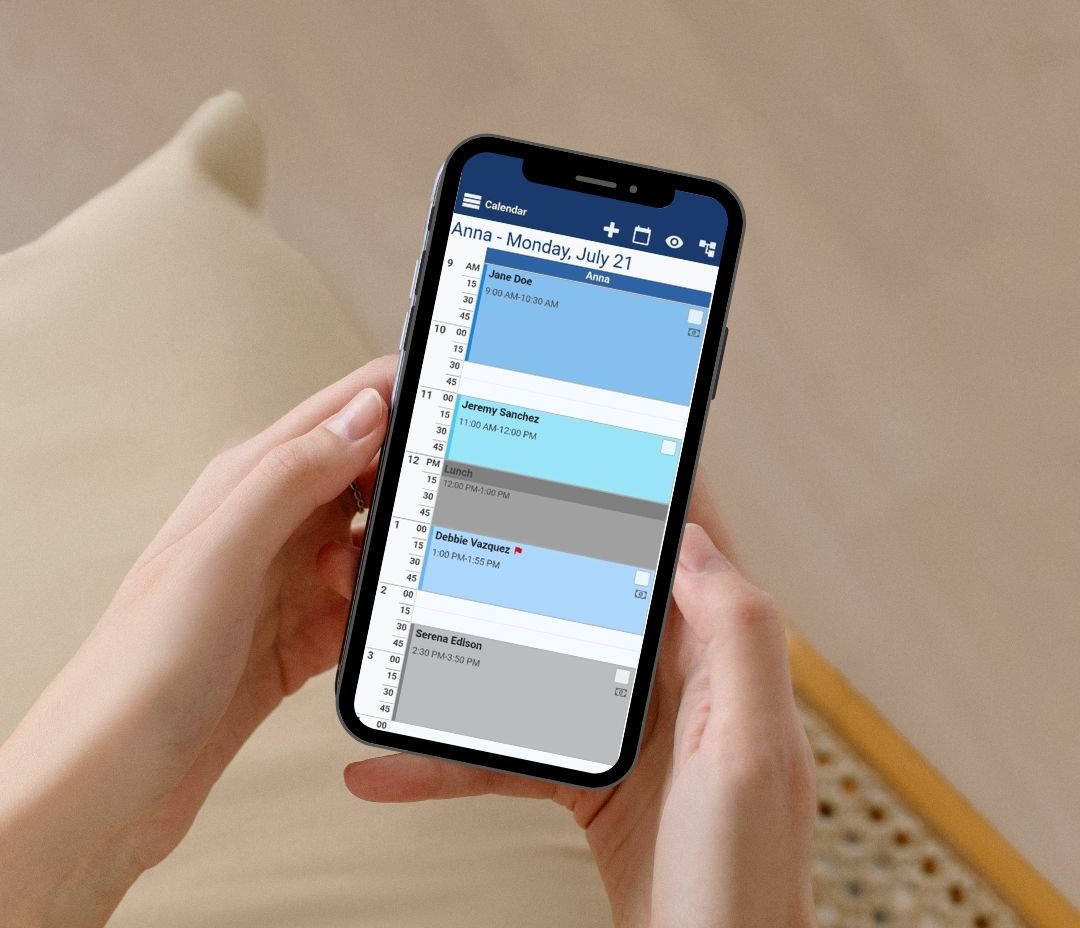
Bookeo sends booking confirmation emails and reduces no-shows through reminders via email or text. The system syncs with Google Calendar, iPhone, iPad, Android devices, and Outlook Calendar. You stay informed with notifications about new, rescheduled, or canceled appointments.
The platform handles secure online payments through major gateways worldwide. You can require payments or deposits to confirm bookings, and Bookeo tracks balance payments. Color-coding services, setting business hours, and printing schedules with client details keeps operations organized. On top of that, Bookeo’s online service business booking software offers gift vouchers and prepaid packages.
Local SEO and visibility strategies
People searching for services in their area generate the highest intent traffic. Over 90% of people use the internet to find local businesses. Top platforms include Google at 66%, Google Maps at 45%, and business websites at 36%. This search behavior just needs targeted local SEO tactics to market a service business in your geographic area.
Optimize for local search keywords
Local keyword research identifies terms people use at the time of searching for services in specific areas. Your core term describes what you do, such as “plumber” or “accountant.” Extend this with modifiers like “emergency” or “affordable,” then add location components including city names, neighborhoods, or postal codes.
High-intent keywords signal conversion readiness. A search for “barber near me” shows stronger purchase intent than “mens haircuts 2025”. Include local keywords in title tags, meta descriptions, headers, content, and image alt text to improve local rankings. Create dedicated pages for each service area with unique content and location-oriented keywords when serving multiple locations.
Set up and manage your Google Business Profile
Google Business Profile is your main local SEO asset. Research indicates 60% of smartphone users contacted businesses using search results. Claim your profile and select relevant categories that reflect your services. Fill out all sections including business name, phone number, website, service areas, hours, and photos.
Service area businesses can add up to 20 locations, though boundaries shouldn’t extend beyond two hours of driving time. Post regular updates to keep your profile active. Answer questions people ask on your profile. Upload photos weekly because businesses with more images get more clicks.
Encourage and respond to online reviews
Reviews influence rankings and purchasing decisions. Statistics show 86% of consumers read reviews for local businesses, and 95% of people ages 18-34 read them before purchasing. Consumers read an average of 10 reviews before trusting a business, whereas 57% only buy from businesses with four or more stars.
Ask satisfied customers to leave reviews that mention specific services and locations received. Respond to all feedback within 24-48 hours. Your responses demonstrate you value customer input and can turn negative situations into trust-building opportunities.
Use local directories and listings
Citations verify your business’s legitimacy across the web. Research reveals 31% of top 10 organic results for local searches are business directory pages. List your business on directories like Yelp, Better Business Bureau, and industry-specific platforms. Maintain NAP consistency across all listings because discrepancies confuse search engines and customers.
Offline marketing tactics that still work
Face-to-face interactions still close deals that digital channels cannot. Online marketing for service based business dominates today’s conversations, but offline tactics deliver relationship depth that screens rarely match.
Business cards and local networking
Your business card remains a tangible reminder after conversations end. Include your name, title, company name, phone number, email, website, and social channels. Use your logo and brand colors to create a professional presentation. Quality printing matters. Flimsy cards leave poor impressions.
Your local chamber of commerce connects you with other business owners through networking events, discounted services and free marketing opportunities. Business Network International operates more than 11,000 chapters worldwide where members meet to share referrals. SCORE provides free mentoring from experienced business professionals. Show up because regular attendance helps you build relationships.
Partner with local media and influencers
Local influencers with 500-5,000 followers deliver engagement rates around 7% compared to just 1.6% for larger influencers. Their recommendations feel like advice from neighbors rather than paid promotions. Partner with local media to demonstrate you care about community connection. These strategic collaborations build trust while enhancing civic discourse.

Sponsor community events
Over 90% of U.S. companies incorporate sponsorship in their marketing strategies. A booth at festivals or trade shows puts you in contact with hundreds or thousands of potential customers. Sponsorship shows your community involvement and casts your business in a charitable light.
Common mistakes to avoid in service marketing
Budget constraints make every marketing dollar count, yet service businesses fall into expensive traps over and over. Here’s how to avoid the most common pitfalls in service business marketing.
Don’t overspend on the wrong channels
Not all marketing channels suit your audience. The wrong platform wastes money on advertising that never reaches your target market. LinkedIn won’t deliver results if you sell consumer services because people go there to network, not buy consumer products. Selling business-to-business on Facebook requires substantial advertising spend to work. Know where your audience spends time in large numbers before you commit budget. Boosting social posts without aim sends content to random people who may never call. Low returns signal that your chosen channel doesn’t match your target audience.
Avoid copying big company strategies
Big companies operate with resources you don’t have. Each channel in isolation creates inconsistent messaging and fractured experiences. Confusing multichannel presence with omnichannel integration wastes effort as well. Focus on doing fewer things well rather than spreading thin.
Don’t neglect existing customers
New customer acquisition costs five to seven times more than retention. The probability of selling to an existing customer reaches 60-70% compared to just 5-20% for new prospects. Customers are 90% more likely to trust recommendations from friends and family. Retention strategies cost less and deliver better returns than chasing cold leads.
Never compromise on service quality
Your operations shape customer experience and influence whether clients become loyal advocates or warn others away. Quality lapses destroy reputations built over decades.
Conclusion
Marketing a service business just needs patience and consistency. You’re selling trust before expertise and relationships before transactions. So focus on what separates successful service companies from struggling ones: credibility through delivered promises and quality that justifies your pricing.
Start with foundations that compound over time. Build your local presence and collect testimonials. Maintain genuine connections with clients. Digital appointment scheduling tools like Bookeo streamline operations while you focus on what matters most, serving customers well.

Retention beats acquisition every time. Get these fundamentals right, and your marketing investment will deliver returns that grow year after year.