
Small Business Marketing: The Essential Guide That Actually Works
Small business marketing just needs more than good intentions. Think this over: 66% of customers expect companies to understand their unique needs and expectations, yet many businesses struggle to deliver. The challenge isn’t creating a marketing strategy for small business—it’s implementing marketing strategies that generate results. This piece provides practical small business marketing strategies that work, from optimizing your local presence to building customer relationships. You’ll find proven marketing ideas for small business owners and practical tactics while learning how to avoid common pitfalls that waste your budget.
What is small business marketing?
Marketing fundamentals apply to businesses of all sizes, but execution varies based on your resources and reach. Small business marketing is the process of promoting products or services by businesses with fewer resources, using specific strategies to target audiences. The goal remains the same—connecting businesses with consumers—but the path to get there looks different.
Why small business marketing is different
Your audience size shapes everything about your marketing approach. Enterprises have much larger, more diverse, and more geographically varied audiences than small businesses. This difference isn’t just about scale. It changes how you communicate.
Small businesses rely on narrowcasting, which appeals to a more specific group of consumers by addressing their particular interests and attitudes. Rather than casting a wide net, you focus your energy on people most likely to buy from you. Instead of competing for expensive, high-volume terms like “men’s coats,” you target longer-tail, lower-volume terms such as “men’s black trench coats size 40 long” to build authority.
This focused approach brings advantages. Small businesses move much faster and build direct relationships with customers. Rigid marketing plans or extensive approval processes don’t bind you. You can test new ideas and adjust strategies based on immediate feedback. Half of small and midsize companies have a CRM system, with 15% implementing these systems within the last year.
There’s another area where small businesses excel: personalization. Good personalization requires collecting customer data to know your clients well. Larger companies struggle to get this data firsthand and often rely on metrics, tracking, and analytics. Small businesses involve themselves in a form of personalization that’s more personal. You can have actual conversations with customers instead of analyzing their behavior through dashboards.
Your marketing should emphasize in-person connections over digital approaches. Building strong relationships with your customers and your community proves necessary for sustained growth. This relationship-focused approach creates loyalty that paid advertising can’t buy.
The core elements of effective marketing
Effective marketing for small businesses starts with knowing your audience in detail. You need to understand their age, location, gender, income level, occupation, interests, pain points, and buying behavior. This information allows you to tailor your marketing strategy to meet the needs of your potential customers.
Clear goals give your marketing direction. What do you want your marketing plan to accomplish? Build brand awareness, generate sales leads, grow revenue, or bring more traffic to your website or physical location? These goals should be specific, measurable, achievable, relevant, and time-based.
Your brand identity sets you apart from competitors. It’s how you present your business to consumers. Brand identity establishes whether you position your business as upscale, budget-minded, or middle-of-the-road. Consistent branding across all channels reinforces your messaging and makes it easier for customers to recognize and involve themselves with your brand.

Marketing channels require careful selection based on your audience and budget. You need to know how your customers spend their free time, what social media channels they use, what publications they read, and whether they prefer online or printed content. Digital marketing channels include your company’s website, email marketing campaigns, blogs, and social media marketing.
Measurement closes the loop. You know if your marketing dollars are being used properly by determining whether your messages or platforms appeal to potential customers. Track each marketing piece with vanity phone numbers, website addresses, special tracking codes, or promo codes to identify which campaigns brought in the most sales.
Small business marketing strategies that actually work
Five marketing strategies consistently deliver results for small businesses without draining budgets. They work because they reach customers where they already spend time and build relationships that encourage repeat business.
Local search marketing with Google Business Profile
Your Google Business Profile (formerly Google My Business) controls your visibility in local searches. 46% of all Google searches are for local businesses, and 50% of those searchers click on a Map Pack listing before visiting a website. This makes optimizing this free tool non-negotiable.
Claim and verify your profile first. You won’t appear in Google Maps or the Local Pack without verification. Complete every section: business name, address, phone number, website, hours and services. Choose your primary category carefully since Google uses this to match your profile with relevant searches. Add up to 9 secondary categories to capture additional search intent.

Physical proximity heavily influences your visibility. Google prioritizes businesses closest to the searcher. Your NAP (Name-Address-Phone) must match exactly across your website footer, directory listings, and social profiles. Inconsistent information confuses Google and weakens your rankings.
Reviews work as ranking signals, not just social proof. Businesses with multiple reviews and solid star ratings dominate the Local 3-Pack. Request keyword-rich reviews and respond to everyone using keywords in your replies. Post updates monthly or quarterly about offers, events, and announcements to keep your profile active.
Social media marketing for small businesses
Platform selection depends on your audience demographics and content format. Facebook works well for community building, Instagram for visual product showcases, and YouTube for long-form educational content. The average person spends nearly 2.5 hours daily on social platforms. This creates powerful opportunities for small businesses.
Content should tell stories that make your brand relatable. Share behind-the-scenes footage, customer testimonials, product tutorials, and team profiles. Maintain a regular posting schedule using built-in scheduling tools available on most platforms. Consistency beats frequency.
Hashtags expand reach without cost. These keywords, preceded by #, categorize content and make it searchable. Users who search for a hashtag see all posts using it. This gives you access to new audiences.
Organic content feels authentic and encourages interaction, but growing your following organically requires patience. Paid promotions let you target specific audiences based on demographics, location, interests, or behavior. A combination of both maximizes reach while maintaining authenticity.
Email marketing
Email delivers an average return of $36 for every $1 spent. This makes it one of the highest-ROI marketing channels available. Unlike social media, where algorithms control visibility, email lands directly in your customer’s inbox.
Website sign-up forms, lead magnets like free guides, and first-purchase discount incentives help you build your list organically. Never buy email lists, as this damages your sender reputation and violates privacy regulations.
Segmentation significantly boosts engagement. Group subscribers based on purchase history, interests, or email opening behaviors to send relevant content. Not every subscriber should receive the same emails.
Automation triggers emails when someone joins your list, makes a purchase, or hasn’t engaged recently. This saves time while maintaining consistent communication. Track open rates, click-through rates, and conversions to identify what strikes a chord with your audience.
Content marketing and SEO
Content keeps bringing leads long after publication, unlike paid ads that stop when budgets end. For small businesses, content marketing levels the playing field against competitors with larger advertising budgets.
Address real questions and pain points your customers face. Creating content that directly answers these generates engagement and positions you as an authority. Target locally relevant keywords in your website’s title tags, meta descriptions, and body content.
Repurpose high-performing content across multiple channels to maximize ROI without creating everything from scratch. Transform blog posts into social media content, infographics, and email newsletters.
Word of mouth and referral programs
Ninety-two percent of consumers trust recommendations from people they know above all other advertising forms. This trust makes word-of-mouth marketing exceptionally effective for small businesses.

Referral programs turn word-of-mouth into a system by incentivizing customers to share your business with their networks. Structure programs to benefit both the referrer and the new customer. Offer discounts, cash-back, free products or VIP perks as rewards.
Provide custom referral links and social sharing buttons to make referring easy. Set clear terms defining what constitutes a successful referral and any limitations. Track referral sources and conversions to identify your best advocates and optimize your program over time.
Essential marketing tools for small businesses
The right tools turn marketing ideas into measurable results. Even the best small business marketing strategies fall flat without proper software. These four tool categories are the foundations of effective marketing for small businesses.
CRM platforms
Customer relationship management software centralizes every interaction with your customers in one searchable database. The value becomes clear when 63% of small and mid-size business leaders say a CRM helps them provide better or faster customer service.
CRM platforms store contact details like names, phone numbers, addresses, and billing information. This keeps teams organized and prevents tasks from slipping through the cracks. Sales teams use this contact management to follow prospects through the sales cycle, from initial engagement to purchase. Marketing teams assess campaign effect and design new efforts based on CRM data.
The operational benefits extend beyond organization. Sales teams spend less time on account management. They spend more time contacting leads and building relationships. CRM systems help generate, track, and assign leads with scores to improve conversion. Automation handles deprioritized tasks like sending follow-ups and maintaining data compliance.
Several platforms cater to small businesses. HubSpot offers a free CRM supporting two users and 1,000 contacts, with email templates, scheduling tools, and an AI writer. Freshsales provides a free plan for up to three users with 24/5 phone, chat, and email support. Monday CRM features over 100 app integrations and notifies sales reps when emails are opened automatically. Buffer serves 190,000+ creators and small businesses monthly with its simple interface.
Pricing varies a lot. Buffer starts at $6 per month per channel. Hootsuite and Sprout Social both begin at $199 per month per user, offering advanced features for teams. SocialPilot starts at $30 monthly, while Zoho Social begins at $15 per month.
Email marketing platforms
Email marketing platforms handle everything from campaign creation to performance tracking. These tools provide drag-and-drop editors, customizable templates, automation features, and detailed analytics.
MailerLite stands out for beginners with its clean interface and free plan covering up to 1,000 subscribers. Brevo combines email, SMS and CRM features in one affordable service. MailChimp offers robust automation capabilities tailored for small businesses. Moosend packs advanced automation and personalization tools at the lowest price point. ActiveCampaign pairs email marketing with sales CRM features and over 900 customizable workflow templates.
Key features separate adequate platforms from excellent ones. Automation triggers emails when someone joins your list, makes a purchase, or hasn’t engaged recently. Segmentation divides audiences into focused groups for customized messages. Deliverability determines whether your emails land in inboxes or spam folders. Integration capabilities connect email platforms with your CRM, website, and other tools.
Social media management tools
Managing multiple social accounts manually drains time and energy. Social media management software helps create, publish, schedule, manage, and analyze content across platforms like Facebook, Instagram, LinkedIn, and Pinterest from a single dashboard.
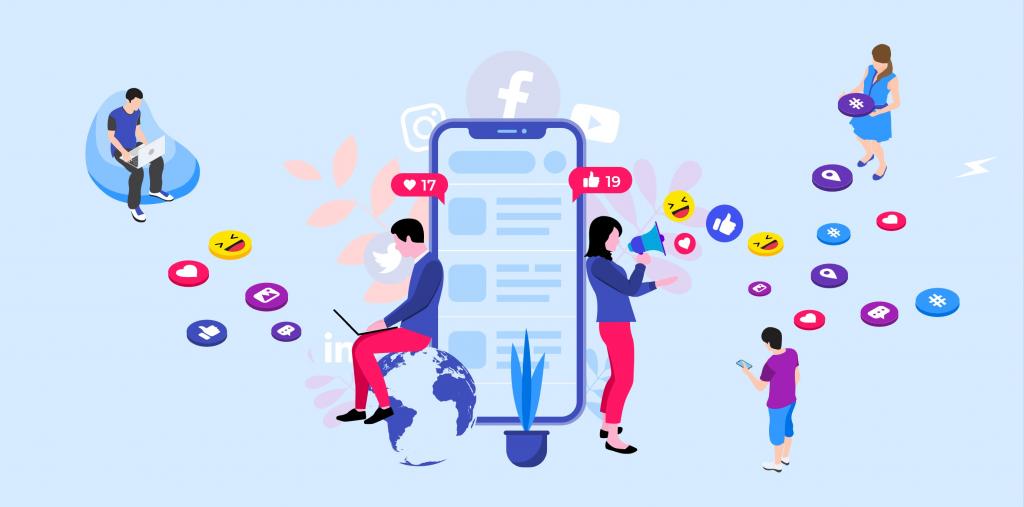
Buffer remains the top choice for small businesses due to its simplicity and affordable per-channel pricing starting at $6 monthly. Its smart scheduling, universal comment inbox, and AI assistant streamline daily tasks. Hootsuite excels at social listening with powerful features, though it costs $199 per user monthly. Tailwind specializes in Pinterest as an official partner, with paid plans beginning at $29.99 monthly.
Loomly offers post generation using templates and videos, coupled with a content calendar for visual planning. Canva helps design professional visual content without hiring a graphic designer, using AI-powered features and customizable templates. Mention tracks brand mentions, keywords, and competitors across social media, blogs, and websites immediately.
Analytics and tracking tools
Google Analytics provides essential customer insights free of charge. It helps you understand how customers interact across sites and apps throughout their entire lifecycle. The platform uses machine learning to uncover new insights and anticipate future customer actions. It integrates with Google Ads, Search Console, and other Google solutions for complete marketing measurement.
Marketing analytics dashboards should track page views, visitors, leads, and visits from each page and campaign, engagement metrics, and conversion rates. Immediate data collection allows marketers to address issues right away rather than waiting for quarterly reviews. Customizable reports and visualizations let you track what matters most to your business.

Attribution modeling determines which touchpoints in the customer’s journey drive conversions, providing accurate ROI measurement across channels. Predictive analytics uses machine learning to spot patterns, make predictions, and personalize experiences automatically.
Building your marketing foundation
Your marketing foundation determines whether your campaigns succeed or fail. Even the best tools and tactics produce disappointing results without clear direction and strategic groundwork.
Define your target audience
Your target audience represents the specific group of people most likely to buy from you. This goes beyond basic demographics. You just need to understand their size, demographics, traits, and trends that relate to demand for your business.
Analyzing your existing customer base is where you start. Look for patterns among current customers, such as demographics, buying behaviors, and priorities. Your five to ten favorite customers reveal characteristics that help define your target market. Think about why they spend money with you.
Demographic factors are the foundations. Age, gender, income level, job title, and geographic location shape purchasing decisions. A dog treat business targets people who own dogs, but a more specific audience within that market has people located near your business who can visit your store.
Psychographic information adds depth. Behaviors, attitudes, personality types, lifestyle choices, and communication priorities explain why people buy. What drives them to make purchases? What pain points does your product solve?
Create detailed buyer personas that represent different segments. Each persona should have demographic information, psychographic traits, behavioral patterns, goals, and pain points. Verify these personas by gathering feedback from existing customers, stakeholders, and internal teams.

Competitor analysis reveals overlooked opportunities. Study who your competitors target and their marketing strategies. Look at the strengths and weaknesses in their techniques. Research their current advertisements and which audiences interact with them on social media.
Set clear marketing goals
Marketing goals should focus on building awareness and improving customer experience. They should also grow your audience. Describe your marketing and sales goals for the next year. Common objectives have increasing email subscribers, growing market share, or increasing sales by a certain percentage.
SMART criteria make goals actionable when you apply them. Specific, measurable, actionable, relevant, and time-bound objectives drive better results than vague aspirations. Rather than “get more customers,” you want to “increase customer retention by 25% within six months through monthly satisfaction surveys”.
Specific examples show what works. Launch a social media marketing campaign on Facebook or Instagram to attract new clients. Expand into new regions within the first three years to improve brand awareness. Send customer surveys with each purchase to identify where you can improve customer experience.
Search engine ranking represents a long-term goal. Make use of search engine optimization terms and internal links in your online content to improve page rank and reach the first page of search results. Brand reputation requires you to focus on marketing and listen to customer feedback while you maintain good relationships with loyal customers who spread the word.
Create your brand identity
Your brand accounts for 30 to 50 percent of your company’s value. Brand identity has more than your logo. It’s how your brand looks, feels, and speaks to customers. It influences the entire customer experience and affects how others view your credibility and business.
Research is the starting point. Develop personas that define your audiences’ likes, dislikes, hobbies, and values. Study how other companies in your industry position themselves through visual elements and personalities. Interview your employees for their point of view on how the company should be portrayed.
Visual components accelerate recognition. Your logo should be recognizable and consistent. It should evoke a positive reaction every time. Color palettes spur emotional responses. Bold reds convey passion while blues tend to be calming. Typography matters because ornate fonts annoy customers. Select imagery that represents what your brand stands for and conveys your personality.
The 3 Cs of branding guide your approach. Clarity means customers shouldn’t work to interpret your message. Consistency demands that your billboard has the same voice as your website and Twitter account. Commitment recognizes that great branding takes great time, so don’t get discouraged when ads don’t go viral right away.
Establish your online presence
Over 90% of consumers search for local businesses online before making a purchase. Statistics show 56% of consumers don’t trust a business without a website. Your online presence has your website, social profiles, and online directory memberships. It also has other places on the Internet where customers find you.
Your website serves as the foundation for digital marketing. It should offer your business’s core information and work well on laptops, tablets, desktops, and smartphones. An SSL certificate verifies your website’s identity and enables encrypted connections for financial transactions and customer information protection.

Claim your free Google Business Profile to appear in Google Searches and Maps. This customized profile displays essential information customers just need about your business. Therefore, set up social media accounts on Facebook, Instagram, or Twitter where your audience spends time.
An email list provides direct communication with customers when you build it. Offer incentives such as exclusive discounts or valuable content in exchange for email addresses. Send regular newsletters and personalized offers to keep your audience involved.
Marketing channels to reach your customers
Reaching your customers requires selecting channels where they actively spend time and attention. Digital platforms have dominated marketing budgets for over a decade as consumers shifted from stationary media to perpetual media on the go. But the physical world still matters for small business marketing strategies.
Digital marketing channels
Social media, websites, and email represent the most popular digital channels for small businesses. Nearly three-quarters of small businesses participate in social media marketing, while a similar proportion use websites to market their firms. Email marketing reaches 57% of small businesses. SEO captures 49%, video marketing attracts 34%, and other content marketing forms engage 32%.
Small businesses can reach broader audiences and compete with larger companies through economical digital marketing. The online realm provides access to thousands of potential customers without breaking budgets, provided you have a well-crafted marketing strategy for small business. Search engines, social platforms, email campaigns, and content creation allow precise targeting based on demographics, location, interests, and behavior.
Younger demographics respond especially well to digital approaches. Sixty-six percent of Gen Z use social media to find new local businesses, and 68% purchased through these platforms in the last year. Social media proves most effective for promoting offerings to people aged 18 to 54.
Traditional marketing channels
Traditional marketing includes techniques used before the digital era began. Television, radio, newspaper ads, print media, billboards, direct mail, and event sponsorships still hold ground and with good reason, too. These channels reach audiences who aren’t constantly connected online and offer a tangible presence that digital ads cannot replicate.
Traditional media builds trust with local consumers. People see these channels as more credible information sources compared to online ads. Most people click on the company whose jingle they heard on the radio rather than one they saw advertised online when searching for a local plumber. The reason comes down to trust.
Local targeting represents another strength. Traditional channels like local newspapers, radio stations, and community events provide opportunities to connect with consumers in specific geographical areas.
Choosing the right marketing mix
Successful small businesses don’t implement every tactic at once. Start with 2-3 marketing channels that match your audience and budget. Focus on mastering these before expanding.
Gen Z balances priorities, with 61% shopping both online and offline, and 32% finding businesses at events. This demands uninterrupted experiences across channels. Traditional marketing builds trust while digital remarketing strengthens it. Match messaging between mediums and let your advertising content crossover platforms.
Combine social media promotion with traditional tactics like flyers or trade shows for balanced marketing strategies, based on your target age group. Older demographics respond better to SEO, direct mail, and print advertising.
Creating your small business marketing plan
A marketing plan transforms your strategy into scheduled actions with measurable outcomes. Marketing takes time, money, and preparation. One of the best ways to stay on schedule and on budget is to make a marketing plan.

Step 1: Research your competition
Identify your main competitors. Search Google, check websites like Crunchbase or Product Hunt, or ask potential customers what services they’re using. Analyze their website, the content they publish, and their social media presence. Sign up for their email list so you get an idea of how they communicate. Track your findings on a spreadsheet. Divide competitors into direct and indirect customer columns. Read their social media reviews, comments on their blogs, case studies, and Google reviews to understand both their strengths and weaknesses.
Step 2: Set your marketing budget
B2B companies should spend between 2 and 5% of their revenue on marketing, while B2C companies typically allocate 5 to 10%. Small Business Trends reports that the average business spends 1.08% of its revenues on advertising, with variations from industry to industry. Contact your industry trade association or read industry trade publications to see if they offer any standards to set a budget. Include a complete breakdown of the costs of your marketing plan and be as accurate as possible.
Step 3: Choose your marketing strategies
Describe how you’ll achieve your marketing and sales goals. List the marketing channels you’ll use. Write down your monthly marketing budget and think over what resources you have. Figure out which strategies are easiest to implement based on where you stand, whom you want to target, and your available resources. If your company has a dedicated social media following and a low monthly budget, then referral marketing may be the best choice, as it requires little upfront investment.
Step 4: Create a content calendar
A content calendar is a strategic planning tool that helps organize and schedule your content to publish on platforms of all types. It sets a timeline for content release and details the dates and times content items will go live. It helps schedule when and where you plan to publish upcoming content. Include publication dates, content types, titles or topics, and target keywords for each piece. Leave some open slots in your calendar for timely or reactive content.
Step 5: Measure and adjust your approach
Plan to compare your marketing and sales costs to the revenue it generates to make sure you’re getting a positive return on investment. Track KPIs such as conversion rates, customer acquisition cost, and ROI. Use analytics tools to adjust and optimize your strategy. Marketing plans should be managed on an annual basis, at a minimum. Measuring ROI will help you know which part of the plan is working and which part needs an update.
How online booking software streamlines your marketing
Booking software bridges the gap between service delivery and marketing execution. The system handles tasks like tracking customer information and sending follow-up messages on its own while you focus on running your business. No manual work needed.
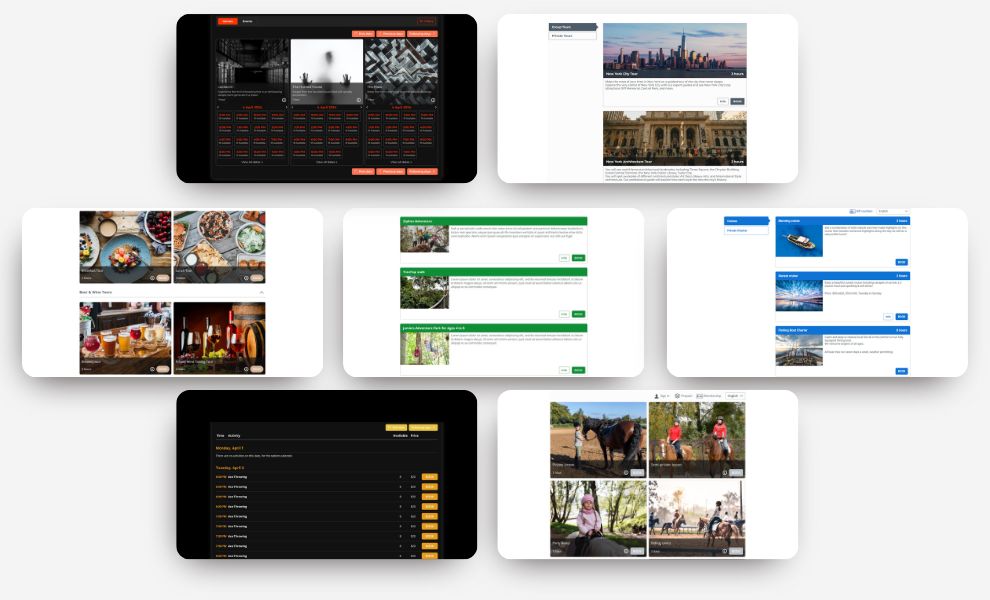
Capture customer data automatically
Every booking creates a customer profile that includes contact details, birthdays, and other information. This information populates without data entry. You can access transaction history and past appointments from one dashboard. The system stores everything you need to personalize future marketing without spreadsheets or manual updates.
Send automated marketing messages
Bookings trigger customizable email and SMS messages for confirmations and reminders. You can set up automatic follow-up emails asking clients to rate their experience or publish reviews.

Abandoned booking emails entice customers who don’t finish checkout to return and complete their reservation. These automated touchpoints maintain consistent communication without manual effort.
Turn bookings into repeat business
Gift vouchers sold online or in person bring customers back at no extra cost. Prepaid packages function as virtual punch cards that boost customer loyalty. Promotional tools let you increase sales during slower periods.
Why Bookeo is the best booking solution
Bookeo integrates marketing tools into your scheduling system. The small business scheduling platform has promotions, voucher management, and abandoned booking recovery. You learn about your business by comparing bookings and revenues to focus on what works best.
Common small business marketing mistakes to avoid
Most small business marketing strategies fail because of preventable mistakes. You save money and accelerate growth when you avoid these pitfalls.
Trying to be on every platform
Spreading your efforts across every social media platform dilutes your effect. You lack the time and resources to maintain quality content everywhere. Pick 2-3 channels where your audience spends time and master those first.
Ignoring your existing customers
Many small businesses pour marketing dollars into attracting new customers while neglecting current ones. A new customer costs anywhere from five to 25 times more to acquire than retaining an existing one. Customer retention rates that increase by 5% boost profits by 25% to 95%. More, 80% of your future revenue will come from just 20% of your existing customers. Create marketing plans that stay in touch with current customers and improve their loyalty.
Not tracking your marketing results
You won’t know if your marketing works without tracking. Research shows 37% of marketing budgets are wasted when tracking and attribution are ignored. Results get skewed when you focus on short-term gains or include sales not driven by your marketing spend. Use analytics tools to monitor which campaigns generate actual conversions.
Inconsistent branding and messaging
Inconsistent branding erodes consumer trust. Potential customers move to competitors rather than sorting through confusion when messages conflict across channels. Consistent branding can boost revenue by up to 23%. Maintain uniform messaging, tone, and visual identity across all platforms.
Conclusion
Small business marketing doesn’t need massive budgets or complex strategies. Success comes from focusing your energy on tactics that improve results. Local search optimization and email marketing should be your starting point, given that they deliver the highest ROI to invest. Build relationships with existing customers rather than chase new ones constantly.
Track everything. You can’t improve what you don’t measure. Pick two or three channels and become skilled at them before you expand. The businesses that win aren’t those with the biggest budgets. They’re the ones that show up consistently, deliver value, and adapt based on ground data. Your marketing should work for you, not the other way around.