

How to Start a Hot Air Balloon Business: Licensing, Costs & Safety
Hot air balloon rides are classic and will never go out of style. The experience is tranquil, otherworldly, and memorable for all on board. For entrepreneurs, it’s also a powerful business opportunity—especially as the demand for experiential travel continues to rise.
From scenic sunrise flights to romantic proposals, hot air balloon rides offer something few other businesses can: a chance to literally elevate the customer experience. Across the world, balloon companies are tapping into tourism, weddings, adventure seekers, and social media moments to create a service people will travel for—and pay top dollar to enjoy.
But behind every dreamy ride is a grounded plan. Starting a hot air balloon business requires more than just a love of flight. It involves FAA licensing, serious safety planning, equipment investments, weather strategy, and customer experience systems. Done right, it’s a rewarding and scalable business. Done wrong, it can be risky and short-lived.
In this complete guide, we’ll walk you through everything you need to know to launch your balloon business safely and profitably.
Here’s what you’ll learn:
- How to get certified as a hot air balloon pilot
- What equipment you’ll need and how much it costs
- Where and how to operate legally and safely
- How to build a safety-first business model
- How to set up booking, waivers, and scheduling
- Ways to attract clients—and keep them coming back
- Tips to earn revenue beyond just ticket sales
You don’t need to be a daredevil or engineer to launch this business. You just need preparation, passion, and the right systems.
Let’s start with the basics: what a hot air balloon business actually looks like.
What Is a Hot Air Balloon Business?
The basic tenet of a hot air balloon company is providing paid rides in an aircraft piloted by a licensed pilot. But in practice, it’s so much more than that. It’s part tourism company, part event planner, part weather forecaster, and part adventure guide. And with the right setup, it can become a thriving, high-margin experience business with year-round demand.

Types of Hot Air Balloon Services
Most balloon businesses fall into one or more of the following categories:
- Sightseeing Flights – The most common offering. Perfect for weekend warriors and sightseers, these flights take 45 to 90 minutes and take place in picturesque locations either sunrise or sunset.
- Private Charters – Exclusive rides for couples, families, or small groups. Often marketed as proposal, anniversary, or birthday experiences.
- Tethered Rides at Events – The balloon is anchored to the ground, rising and lowering repeatedly. A lower-cost, higher-volume option perfect for fairs, school events, or festivals.
- Corporate and Group Packages – Team-building rides or large group bookings often with custom branding or add-ons.
- Flight Training Services – Some experienced operators offer pilot training as an advanced revenue stream.
Depending on your niche, you might focus on luxury tourism, budget adventure seekers, or even commercial clients. The key is knowing who your audience is—and tailoring your pricing, marketing, and experience to match.
Why the Demand Is Growing
Hot air ballooning has always carried a sense of magic. But it’s become more popular in recent years due to:
- Social Media Appeal – The visual nature of ballooning makes it perfect for Instagram, TikTok, and travel vlogs.
- Experience-Driven Travel – Travelers today want more than just destinations. They want stories, photos, and moments that feel unique.
- Bucket List Mentality – Ballooning checks a box for many people. It’s once-in-a-lifetime, and they’re willing to spend for that experience.
- Outdoor and Open-Air Safety – Especially post-COVID, many customers feel safer booking outdoor experiences.

Whether you operate one balloon or a full fleet, this business is built on delivering unforgettable views, smooth logistics, and absolute safety. And if you’re wondering how to actually start one from the ground up—your first step begins with certification.
Step-by-Step: How to Start a Hot Air Balloon Business
Launching a hot air balloon business is equal parts adventure and precision. You’re not just offering a ride—you’re offering trust, safety, and a once-in-a-lifetime memory. That means every detail matters, from your licensing and gear to how you book flights and handle unexpected weather.
In this section, we’ll break down the entire startup journey into practical, manageable steps—so you can go from dreamer to operator with clarity and confidence. Whether you’re aiming for weekend flights or building a full-scale tourism venture, these are the building blocks to get your business off the ground.
Step 1: Get Licensed as a Balloon Pilot
Before you can lift off with passengers—or even legally fly a balloon for profit—you’ll need to get certified as a hot air balloon pilot. In the U.S., this means meeting the training and examination requirements set by the Federal Aviation Administration (FAA). It’s not as complicated as getting a traditional airplane license, but it does require time, commitment, and skill.

Start with a Private Pilot Certificate (Balloon)
To begin, you’ll need to earn your private pilot certificate with a balloon rating. This allows you to fly a balloon legally, but not for hire.
Minimum FAA requirements include:
- Be at least 16 years old
- Log at least 10 hours of flight training in balloons
- Complete at least 6 flights, including one solo
- Make one controlled ascent to 2,000 feet AGL
- Pass a written knowledge test on airspace, weather, safety, and regulations
- Pass a practical exam (check ride) with an FAA-designated pilot examiner
Training is typically done under the supervision of an experienced instructor. Many students complete it over a few months, depending on the weather and availability.
Upgrade to a Commercial Pilot Certificate (Balloon)
To operate a hot air balloon business, you must have a commercial pilot certificate. This allows you to fly paying passengers, advertise your services, and hire out your balloon for events or charters.
Additional requirements include:
- Be at least 18 years old
- Hold a private pilot certificate
- Log at least 35 hours of flight time in balloons, with 20 flights and at least 10 as pilot in command
- Complete a second-class FAA medical exam
- Pass an oral and flight test with an FAA examiner
Some commercial operators also choose to pursue instructor ratings, especially if they plan to offer training services.
How Long Does It Take?
If you train consistently, you can earn both your private and commercial balloon pilot certificates in 6–12 months. However, flight time depends heavily on weather and geography, so flexibility is key.
How Much Does Training Cost?
- Private license: $3,000–$5,000
- Commercial upgrade: $2,000–$4,000
- Total estimated investment: $5,000–$9,000 (plus study materials and exam fees)
While the process may seem intimidating at first, most balloon pilots say the experience is as rewarding as the business itself. Once you’re licensed, the next step is understanding what it takes to buy or lease the gear—and how much it will cost.
Step 2: Understand Startup Costs and Equipment Needs
Starting a hot air balloon business is capital-intensive—but unlike many tourism ventures, much of that investment goes directly into long-lasting equipment. From the balloon itself to the vehicle chasing it on the ground, every piece plays a crucial role in delivering safe, smooth flights.

Knowing the real costs upfront helps you budget properly, avoid shortcuts, and plan for sustainable growth.
Balloon System Costs
Your largest upfront purchase will be the balloon system, which includes:
- Envelope (the balloon itself): $15,000–$30,000
- Basket (gondola): $3,000–$8,000 depending on passenger capacity
- Burner system: $5,000–$10,000
- Fuel tanks (propane): $500–$1,000
- Inflation fan: $1,000–$2,000
A brand-new complete system can cost anywhere from $30,000 to $50,000. Used systems are available for $15,000–$25,000 but should be thoroughly inspected and meet FAA airworthiness requirements.
Ground Crew Equipment
Ballooning isn’t a solo job. You’ll need gear to manage inflation, follow the flight, and retrieve passengers at the landing site. Essential items include:
- Chase vehicle (truck, SUV, or van): $10,000–$30,000
- Balloon trailer: $2,000–$5,000
- Two-way radios or GPS: $300–$1,000 for communication between pilot and crew
- Crew uniforms or safety vests
- First aid kit and fire extinguisher
You’ll also need to budget for training and compensating your ground crew—especially for weekends or early mornings.
Recurring Expenses
- Propane fuel: $30–$60 per flight depending on duration
- Maintenance and inspections: Annuals and periodic repairs are required
- Insurance (more on this later): $5,000–$10,000 per year
- Storage or hangar fees if you don’t have your own facility
- FAA registration and inspection fees
Optional Add-Ons
- Weather tracking software or mobile apps
- Onboard cameras or GoPros for customer content
- Custom branding on envelope or basket
Altogether, plan for $40,000 to $70,000 to launch a basic but professional balloon operation. The good news? Once you’re up and running, the cost per flight remains relatively low—especially compared to your potential per-passenger revenue.
Now that you understand the financial side, it’s time to talk about where you’ll fly—and what it takes to do that legally.
Step 3: Choose a Location and Understand Airspace Regulations
Where you choose to operate your hot air balloon business can make or break the entire experience. A breathtaking view is only part of the equation—equally important is finding a safe, legally compliant airspace with reliable weather, open landing zones, and solid demand.

Ballooning is tied to geography in a way few other businesses are, so picking the right place is a strategic decision, not just a scenic one.
What Makes a Good Launch Location?
The best hot air balloon launch sites check several boxes:
- Scenic views — Think vineyards, mountains, lakes, or open countryside. The more visually stunning, the more marketable.
- Open landing zones — You need large, unobstructed areas (like farmland or fields) to land safely and avoid power lines, trees, or buildings.
- Light wind conditions — Ideal ballooning areas experience low and steady morning wind patterns.
- Accessibility — Easy to reach for both passengers and your crew, with space for parking and equipment setup.
- Local tourism appeal — Proximity to hotels, resorts, or other attractions boosts demand and opens up partnership opportunities.
Popular U.S. locations include Napa Valley, Sedona, Albuquerque, and the Carolinas—but balloon businesses also thrive in overlooked rural areas with beautiful terrain and open skies.
Navigating FAA and Airspace Rules
Operating in U.S. airspace means complying with FAA regulations at every step. Balloons are considered aircraft and are subject to:
- Airspace classifications (Class A, B, C, D, E, and G) — Most commercial flights operate in Class G or E airspace, away from controlled areas like airports.
- Restricted zones — These include military bases, national parks, major airports, or sensitive urban infrastructure. Flying here without authorization can result in fines or license suspension.
- Temporary Flight Restrictions (TFRs) — Issued for large events, wildfires, VIP travel, or security concerns. You must check NOTAMs (Notices to Airmen) daily before flights.
- Altitude and visibility — Balloons must maintain visibility rules and yield to other aircraft. Night flights are typically not permitted without special approvals.
Working with Local Landowners
Since you’ll need to land somewhere that isn’t always predictable, building relationships with nearby landowners and farmers is critical. Many balloonists get permission to land on private property in exchange for small gifts, courtesy calls, or formal agreements. Always respect land use, close gates, and avoid livestock or crops.
You may also need permits from city or county authorities if you launch from public land or parks. Start by contacting local planning departments to understand what’s required in your region.
Once you’ve found your airspace and launch area, the next step is making it official—legally registering your business and putting safety protocols in place.
Step 4: Register Your Business and Meet Legal Requirements
Before your first balloon even inflates, your business needs to be legally grounded. From business registration to insurance, this step is about protecting your operation, your customers, and yourself. Ballooning is fun—but it’s also high-liability. Laying the right legal foundation early will save you major headaches (and expenses) down the line.

Choose a Business Structure
Pick a legal structure that fits your long-term vision and protects your personal assets:
LLC (Limited Liability Company): Ideal for most small operators. It offers personal asset protection and pass-through taxation.
- Sole Proprietorship: Simpler to start, but riskier—your personal assets aren’t protected if the business is sued.
- Corporation (S-Corp or C-Corp): Better for larger operations with employees, investors, or plans to scale.
Consult with a business attorney or CPA to choose the right setup. Then register your business name with your state’s Secretary of State and apply for a Doing Business As (DBA), if needed.
Get an EIN and Open a Business Bank Account
An Employer Identification Number (EIN) from the IRS is required for filing taxes, hiring employees, and opening a bank account. You can apply for one free online. Use it to separate your business and personal finances—this is crucial for bookkeeping and legal protection.
Apply for Local Licenses and Permits
Requirements vary by state and city, but you may need:
- A general business license or operating permit
- A sales tax license if you sell tickets or merchandise
- A zoning clearance if you launch from your own land
- A special use permit if operating on public land
Check with your local small business office or planning department for specifics.
Secure Insurance Coverage
Hot air ballooning is considered high-risk by insurers, so coverage is essential. At a minimum, you should have:
- General liability insurance (covers injury, property damage, and legal defense)
- Commercial aircraft insurance (covers the balloon, equipment, and third-party claims)
- Workers’ compensation (if you have employees or ground crew)
- Passenger liability insurance (required for commercial operations)
- Work with a broker experienced in aviation or ballooning businesses to tailor your policy.

Draft Legal Waivers and Booking Agreements
Every passenger should sign a liability waiver acknowledging the risks of balloon flight. These waivers don’t make you lawsuit-proof, but they help reduce your liability.
You should also create clear booking policies outlining refunds, weather cancellations, rebooking terms, and passenger responsibilities. These can be automated through online activity booking software like Bookeo.
Once your business is legally set up, it’s time to get serious about training, certification, and FAA approval.
Step 5: Get Certified and Trained as a Balloon Pilot
Operating a hot air balloon isn’t like hopping in a car or even a small plane—it’s a specialized skill, one that requires serious training and federal certification. Whether you plan to fly the balloon yourself or hire a pilot, someone on your team must hold a valid FAA pilot certificate with a balloon rating.
Enroll in a Reputable Balloon Flight School
Training typically includes both classroom instruction and flight hours. You’ll learn about:
- Aerostat controls and inflation procedures
- Weather patterns and wind currents
- Emergency handling and passenger safety
- Navigation, flight planning, and altitude control
- Airspace regulations and FAA procedures
Training programs are offered by FAA-certified instructors across the U.S., often through balloon companies or independent schools. Expect at least 10–20 hours of supervised flight time, though many pilots do more before testing.
Pass the FAA Knowledge and Practical Exams
To become a licensed pilot, you’ll need to:
- Pass a written knowledge test administered by the FAA.
- Complete the minimum required flight training hours.
- Pass a practical flight test (checkride) with a designated FAA examiner.
There are two main types of certificates:
- Private Pilot Certificate (Balloon): Lets you fly recreationally but not for hire.
- Commercial Pilot Certificate (Balloon): Required to operate paid flights or start a commercial business.
If you’re starting a business, you or your lead pilot will need a Commercial Balloon Pilot Certificate.
Get a Second-Class Medical Certificate (Optional)
Unlike fixed-wing aircraft pilots, balloon pilots aren’t required to hold an FAA medical certificate—but maintaining good physical health is essential. Some companies voluntarily get examined and carry second-class medicals to reassure passengers and insurers.
Stay Current and Compliant
- To stay active as a balloon pilot, you must:
- Log at least three flights within the last 90 days to carry passengers.
- Complete a biennial flight review (every two years) with a certified instructor.
- Stay up to date with FAA airworthiness directives and local regulations.
Hire Qualified Pilots If You’re Not Flying
If you plan to manage the business and not fly, you’ll need to hire a certified commercial pilot. Be sure to:
- Verify credentials and flight history
- Check insurance eligibility
- Require safety training and periodic evaluations
- Keep records for all flights, incidents, and maintenance logs
Your business revolves around trust and safety. FAA certification isn’t just a box to check—it’s your foundation.
Step 6: Purchase Your Balloon and Flight Equipment
Buying a hot air balloon setup is one of the biggest investments you’ll make—and it’s also the heart of your business. From the balloon envelope to the basket and burner system, each part plays a critical role in safety, performance, and guest experience. Choosing the right gear upfront helps avoid downtime, maintenance issues, or safety concerns later.

Core Components of a Hot Air Balloon System
When buying your balloon setup, make sure you’re getting all the essentials:
- Envelope: The balloon itself, made of heat-resistant nylon or polyester. Sizes vary depending on how many passengers you plan to carry.
- Basket (Gondola): Usually made from wicker or composite materials. Baskets can hold 2 to 20 people depending on size.
- Burner System: Heats the air in the envelope. Multiple burners may be used for larger balloons.
- Fuel Tanks: Propane tanks, usually stainless steel or aluminum, power the burner.
- Instruments: Altimeter, temperature gauge, variometer, GPS, and communication radio.
- Inflation Fan: A powerful fan to inflate the balloon with cold air before heating.
- Ground Crew Gear: Radios, gloves, tie-downs, chase vehicle with trailer, first aid kits.
New vs. Used Equipment
Buying new ensures warranty coverage and current safety standards—but it comes at a premium, often between $30,000 and $100,000+ for a commercial rig.
Used balloons can be cost-effective, but only if:
- The fabric has no major wear, sun damage, or patching
- The system passes a full inspection by a certified repair station
- The balloon still meets FAA airworthiness standards
- Logs are complete, and maintenance is up to date
Always check how many “hours” are on the envelope. Much like aircraft, balloon envelopes have a lifespan based on usage and UV exposure.
Choose the Right Size for Your Business Model
- Small (2–4 passengers): Ideal for solo operators or scenic flights with couples
- Medium (6–8 passengers): Good for group flights and maximizing per-hour revenue
- Large (10–16+ passengers): Works well for busy tourist areas or high-volume charter services
Factor in your pilot experience, local market, and staffing when choosing balloon size. Larger balloons require more crew and insurance.
Work With Certified Dealers and Manufacturers
Only buy FAA-certified aircraft components. Trusted manufacturers in the U.S. and Europe include:
- Cameron Balloons
- Ultramagic
- Kubicek Balloons
- Lindstrand Technologies
They can help with configuration, sizing, and ensuring your equipment meets commercial requirements. Some also offer training or financing plans.
Set Aside a Maintenance Budget
Balloons require regular inspections and periodic overhauls. Plan for:
- Annual inspections by FAA repair stations
- Envelope repairs or replacement every 400–600 flight hours
- Burner and basket maintenance every 100–200 hours
Having a reliable maintenance provider is key. Preventative upkeep keeps your flights safe and your schedule running smoothly.
Step 7: Handle Safety, Weather, and Risk Management
Running a hot air balloon business isn’t just about giving people a magical view from above—it’s about keeping them safe while they’re up there. And let’s be real: when you’re working with fire, fabric, and the unpredictability of the sky, safety isn’t optional—it’s the backbone of your entire operation.
Safety Starts Before the Balloon Ever Leaves the Ground
As a commercial operator, you carry a lot more than passengers—you carry their trust. That trust starts with routine and discipline.
You’ll need to follow FAA safety protocols closely. That includes:
- Giving a pre-flight safety talk before every launch
- Having a written emergency plan (just in case)
- Running through your checklist before every flight—no shortcuts
- Keeping detailed maintenance and inspection logs
- Making sure every guest signs a liability waiver before boarding
It’s not about paranoia—it’s about professionalism. When people see you taking safety seriously, they’ll feel more relaxed and confident in your care.
Get Obsessed With the Weather (No, Really)
Weather isn’t just a factor—it’s the deciding factor. You could have the most stunning sunrise on the calendar, but if the winds are wrong, you’re grounded.
Here’s what you’ll need to do:
- Use real aviation weather tools—not just weather apps
- Understand wind at different altitudes, not just at the surface
- Learn how things like fog, thermals, and storms can pop up fast
- Accept that sometimes, canceling a flight is the safest call
Most balloon flights happen just after sunrise, when the winds are calmest and most stable. It’s early—but that early light? Totally worth it. And your passengers will feel the same.
Your Ground Crew Is Your Safety Net
No balloon flies without a strong team on the ground. Your chase crew handles just about everything behind the scenes—from setup to landing to packing things up again.
A solid ground team will:
- Help inflate the balloon and double-check your gear
- Follow you closely during flight in a vehicle
- Be ready to meet you wherever you land
- Coordinate with local property owners if needed
- Help deflate and secure the balloon quickly and safely
Communication is everything here—so invest in radios, tracking tools, and plenty of training. You’ll want everyone on the same page when you’re floating above fields or farmland with guests in tow.
Don’t Skimp on Insurance
Even with the best planning, ballooning comes with risk. That’s why getting the right insurance isn’t just smart—it’s essential.
At a minimum, you’ll need:
- General liability coverage
- Passenger insurance for everyone onboard
- Property coverage for your balloon and gear
- Workers’ comp if you hire a team
Yes, insurance can be pricey—sometimes over $10,000 a year—but it’s the safety net your business needs. If something ever goes wrong, you’ll be glad you’re covered.
Be Honest About Weather Cancellations
You’re going to cancel flights. That’s just part of the deal with ballooning. The important thing is how you handle it.
Set clear policies upfront, and make sure they’re easy to find on your website and booking system. Let people know:
- What happens when weather forces a cancellation
- Whether they’ll get a refund or be rescheduled
- How they’ll be notified (email, phone, etc.)
Guests appreciate transparency. It shows that you care about their safety more than squeezing in a flight. And in the long run, that builds trust—and good reviews.
Step 8: Build a Booking and Scheduling System That Works
Once your balloon is ready and your licenses are in place, the next challenge is something far less thrilling—but just as critical: making it easy for customers to book a flight.

If your reservation system is confusing, outdated, or slow, you’ll lose bookings before you ever meet your clients. People expect seamless, instant options. And when they’re spending hundreds of dollars on a once-in-a-lifetime experience, that first interaction really matters.
Go Digital From Day One
Online booking isn’t optional—it’s expected. Your website should let people:
- View available flight dates and times
- Choose a balloon package (sunrise flight, private ride, etc.)
- Pay securely online with a credit card
- Receive automatic email or SMS confirmations and reminders
- Reschedule or cancel (based on your policies)
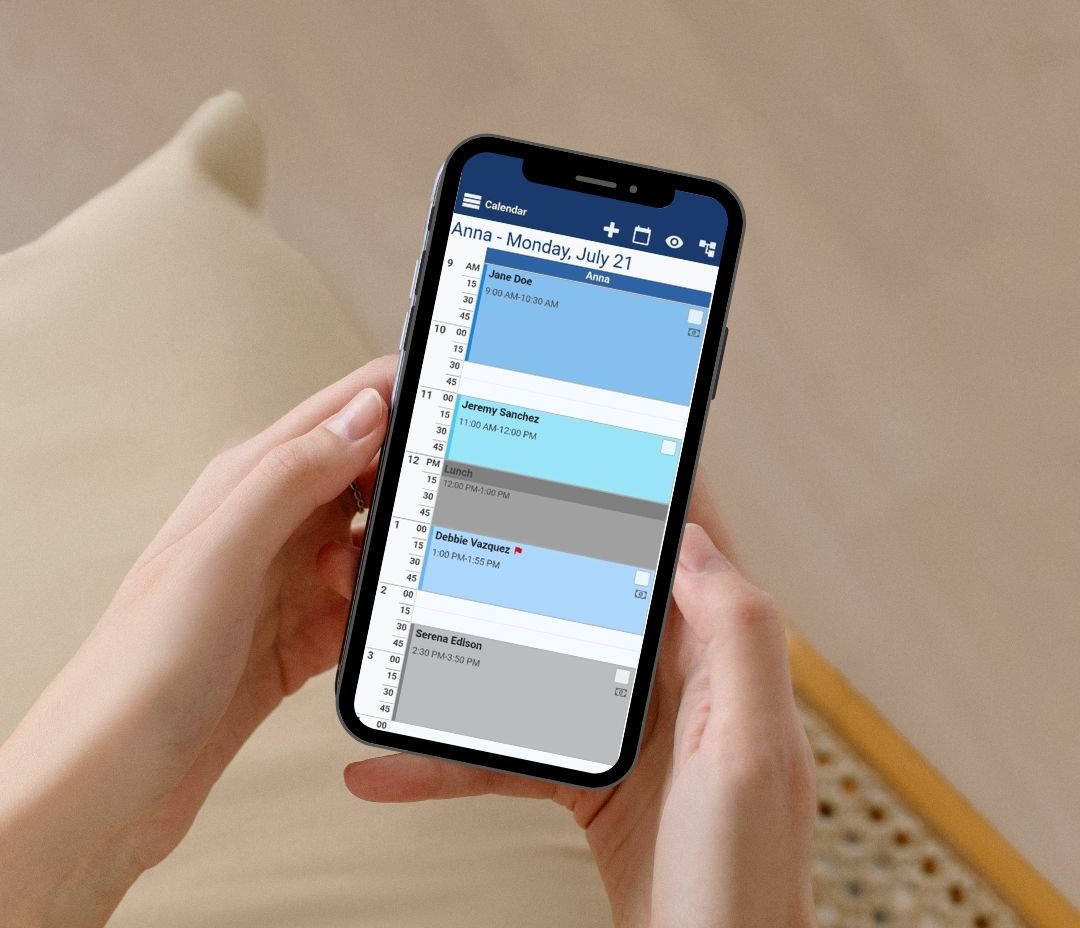
A system like Bookeo helps you manage all of that in one place. It keeps things organized while giving your customers a smooth, professional experience.
Make Scheduling Work for You
Balloon rides aren’t like escape rooms or salons. You can’t run them every hour—and you’re working with nature’s schedule.
Most businesses offer flights:
- Once per day, typically at sunrise
- Sometimes again near sunset, if weather permits
- Only on days with stable weather and low wind
Using a flexible calendar lets you adjust availability based on forecasts. If you see poor weather ahead, you can block out slots and avoid last-minute chaos.
Set Up Tiered Packages and Add-Ons
A good booking system doesn’t just fill your calendar—it helps increase your revenue.
Offer different flight options:
- Shared flights with other passengers
- Private couples’ packages
- Group events for birthdays or anniversaries
- Proposal flights (with extras like banners or champagne)

You can also offer upsells like:
- Photo and video packages
- “Balloon pilot for a day” experiences
- Merchandise (t-shirts, mugs, hats)
The more you personalize the journey, the more your guests are willing to pay—and the more memorable the ride becomes.
Make Cancellations and Policies Crystal Clear
Balloon rides are expensive. Guests need to know what happens if plans change.
Be upfront about:
- Refund policies for customer cancellations
- What happens in case of bad weather
- How far in advance guests can reschedule
- The process for rebooking canceled flights
If your policies are easy to understand and clearly written on your site, people will feel confident booking—and you’ll avoid miscommunication or negative reviews.
Let Guests Book From Anywhere
Don’t expect people to sit at a computer to book a flight. Make sure your system is mobile-friendly, loads fast, and works across devices.
Also, include your booking link on:
- Your Google Business Profile
- Facebook and Instagram bios
- TripAdvisor and other listing platforms
- Email campaigns and blog posts

If someone gets inspired after seeing a video of your balloon soaring over mountains, they should be able to book a spot with one tap.
Step 9: Create a Marketing Strategy That Gets You Booked
You’ve got the balloon. You’ve got the license. You’ve got the breathtaking views. But none of it matters if no one knows you exist.
A smart, consistent marketing plan is the difference between a fully booked season and a balloon that stays grounded. The good news? You don’t need a big budget to make a big impact—just a strategy that puts your story in front of the right people.
Start With a Solid Website
Your website is your digital home base. It should:
- Tell your brand story in a friendly, clear voice
- Include high-quality photos and videos of your balloon in flight
- Offer pricing, flight options, FAQs, and clear contact info
- Feature online booking with just a few clicks
- Be mobile-optimized and fast-loading
Think of it as your 24/7 salesperson.
Lean Into Visual Content
Balloon rides are inherently photogenic. Take advantage of that. Invest in a photo or drone shoot early on. Then post consistently on:
- Instagram for stunning aerial shots and behind-the-scenes prep
- TikTok for rider reactions, timelapses, and trending audio
- YouTube for longer videos like “What It’s Like to Fly With Us” or “Our Sunrise Balloon Ride”

Don’t just show the view—show the emotions. The laughter, the nerves, the champagne clinks.
Leverage Local SEO
Hot air balloon rides are a local or tourist-based purchase. You want to show up when someone searches:
- “Hot air balloon ride near me”
- “Sunrise balloon tour [your region]”
- “Romantic things to do in [city]”
To do that:
- Create and verify a Google Business Profile
- Ask guests to leave reviews (and reply to each one)
- Get listed on local blogs, tourism boards, and event sites
- Add schema markup to your website for structured data
Run Paid Ads With a Targeted Touch
If you want to scale up fast, paid ads help. Focus on:
- Google Ads targeting searches related to hot air balloon rides
- Meta (Facebook and Instagram) ads that retarget site visitors or promote special offers
- Pinterest, if your audience includes couples planning proposals or weddings
Video ads work incredibly well—especially clips that capture the “lift-off” moment or wide shots of your balloon floating over landscapes.
Offer Seasonal Promotions and Partnerships
Run campaigns for:
- Valentine’s Day couples’ packages
- Birthday or anniversary discounts
- Holiday gift cards
- Graduation flight experiences
Partner with:
- Local resorts, hotels, and bed-and-breakfasts
- Wedding planners and proposal coordinators
- Tourism boards and adventure bloggers
- Travel agents or Airbnb hosts
These relationships can bring in referral traffic and help cement your business in the local experience economy.
Never Stop Gathering Content
Every guest = a marketing opportunity.
Encourage people to:
- Tag you in their social posts
- Use a branded hashtag
- Leave a review on Google or TripAdvisor
- Opt in for your email newsletter
Then use that content—photos, quotes, videos—to keep your feed fresh and relatable.
Final Thoughts
Launching a hot air balloon business isn’t your average entrepreneurial move—it’s bold, thrilling, and a little bit magical. But behind the views and adventure lies a serious operation. You’re not just lifting people into the sky—you’re lifting expectations, emotions, and once-in-a-lifetime memories.
To do it right, you need to balance dream-chasing with precision planning.
You’ve learned how to:
- Understand the business model and customer base
- Handle FAA licensing and safety regulations
- Choose the right balloon and equipment
- Hire certified pilots and support crew
- Set pricing that reflects both value and sustainability
- Implement a seamless online booking and scheduling system
- Market your experience in a way that speaks to hearts—and search engines
There’s no one-size-fits-all blueprint for success in this industry. But if you stay focused on safety, storytelling, and customer experience, your business will stand out—and your balloon will stand tall.
Whether you’re catering to couples, tourists, thrill-seekers, or families, the sky isn’t just the limit—it’s the canvas.
Now go paint it.