

How to Start a Coaching Business: A Proven Path to Your First Client
The coaching industry has reached $6.25 billion in 2024. A 15.43% annual growth rate makes this field ripe with opportunities for people who want to become coaches.
The numbers paint an impressive picture. Certified coaches have doubled from 55,200 to 109,200 between 2019 and 2022. Business coaches pull in around $184,000 per year, while parenting coaches earn about $105,000. The potential jumps out whether you’re looking to coach full-time or start it as a side gig.
The idea of launching your own coaching practice might seem daunting at first. But you can build a thriving coaching business from the ground up with proper strategies and tools. This piece guides you through every step of your coaching journey – from landing your first client to managing sessions with Bookeo’s class scheduling software.
Ready to create a coaching business that draws clients and builds steady revenue? Let’s dive into the details.
Find Your First Client
Getting your first coaching client needs outreach that works and real relationship-building. Your network is the quickest way to find paying clients. The people who know you – friends, family, and old colleagues – already trust you and know what you can do.
Where to look for clients
Look for places where your ideal clients hang out. Groups like Chambers of Commerce and Rotary Clubs need speakers all the time. These are perfect chances to show what you know. On top of that, social media platforms are great places to connect with future clients.

Here’s where you’ll find your first clients:
- LinkedIn and Instagram for business coaching
- Facebook groups in your coaching niche
- Professional networking events
- Speaking engagements at local organisations
- Podcast interviews as a guest expert
Speaking events help you stand out as an expert. Local groups always need presenters, and you’ll get direct access to rooms full of potential clients. Regular activity in relevant Facebook groups builds trust over time.
How to approach potential clients
You’ll win more clients by building relationships instead of pushing sales. Start talks by asking about their goals and what’s holding them back. To name just one example, see:
“Tell me about your current situation and what you’d like to achieve in the next 6 months.”
Free coaching sessions are a great way to get your value across. Keep these sessions short (15-30 minutes) and well-laid-out. Help potential clients see the gap between where they are and where they want to be.
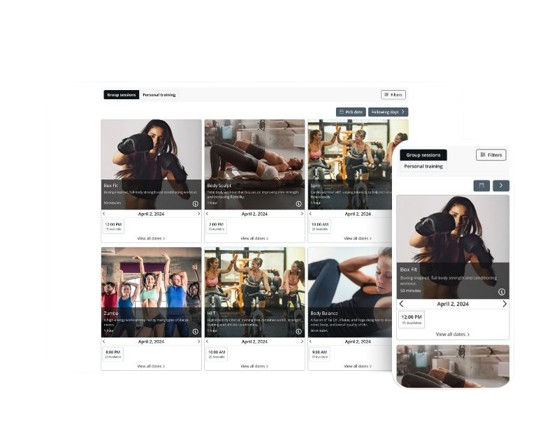
Bookeo’s class scheduling software makes booking simple. This setup lets prospects easily find time with you.
Social proof builds trust faster. Get testimonials from happy clients and share their success stories. More than that, working with professionals in related fields creates referral networks that benefit everyone.
Note that quick follow-ups after the first talks matter. Send a welcome packet that shows your coaching process and next steps. This touch proves you’re organised and care about client success.
An email list becomes gold as you grow. Add a simple prompt in your messages: “Wondering how this advice applies to your situation? Book a free consultation today”.
Define Your Coaching Style
Your success as a business coach depends on choosing the right coaching approach. Each client needs a different coaching method, and you must adapt your style to meet their needs.
Different coaching methods
Expert coaches use several proven approaches. Directive coaching helps clients who need immediate guidance or face major challenges. This style offers quick solutions but might limit how much clients can find out on their own.
Non-directive coaching lets clients control their experience. This approach helps develop independent thinking and works especially when you have self-motivated people. Results take longer to show, but clients develop better problem-solving skills.
These coaching approaches lead to business success:
- Democratic coaching: Lets clients shape their learning path
- Transformational coaching: Creates deep personal growth
- Situational coaching: Adapts to changing client needs
- Collaborative coaching: Makes shared accountability possible
Each method has its purpose. Democratic coaching encourages engagement in leadership development scenarios. Transformational coaching helps clients break through limiting beliefs and connect with their core values.
Pick what works for you
Your coaching style should reflect both your personality and your client’s needs. Great coaches connect with people at their level. Some clients need more guidance early in their experience, while others excel with minimal direction.

Start by understanding your strengths. Ask yourself:
- Do you excel at giving direct advice?
- Are you skilled at asking thought-provoking questions?
- Can you adapt your approach based on client feedback?
Trust and empathy are the foundations of effective coaching. Active listening helps you understand your client’s views and adjust your methods. Bookeo’s class scheduling software helps organize sessions.
Clear expectations matter in every coaching interaction. Each session should begin with questions about your client’s desired outcomes. “What would you like to achieve today?” helps focus the conversation.
Note that flexibility in your approach matters. Expert coaches switch between different techniques based on each client’s goals. Client feedback helps you improve your coaching style over time.
Create a Simple Business Plan
A clear, straightforward business plan serves as your roadmap to coaching success. Your coaching business plan needs simplicity and clarity, unlike complex corporate plans.

Set clear goals
Financial targets should be your starting point. Three tiers of goals need calculation: minimum survival income, comfortable living wage, and dream earnings. Monthly targets emerge from breaking down these numbers. The math works like this – to earn $75,000 annually, you’ll need $6,250 monthly revenue.
Your business plan must cover these core elements:
- Value you bring to clients
- Target audience specifics
- Revenue streams and pricing
- Marketing channels
- Strategic collaborations
- Client communication systems
Your original focus should target the problems your ideal clients need to solve. Creating services that sell comes from matching these problems with your expertise. Bookeo’s class scheduling software helps organize your service delivery.
Plan your first 90 days
Your coaching business foundation takes shape in the first quarter. Start with 3-4 most important goals, such as:
- Securing 15 new clients
- Creating a referral system
- Increasing conversion rates
- Building strategic collaborations
Weekly tasks should break down each goal. You need an exact mapping of what happens and when. Creating realistic timelines becomes easier when you work backwards from your financial goals.
High-touch strategies for quick client acquisition should be the priority in your 90-day plan. Direct outreach and personal connections take precedence before you invest in broader marketing efforts.
Weekly progress tracking is essential. You must stay flexible to adjust your approach based on what works. Note that your business plan evolves as you gain experience.
Test clients can provide valuable feedback and testimonials. This approach helps refine your services while building social proof. So you’ll have real-life results to show potential paying clients.
Professional development deserves dedicated time. Coaching communities, workshops, and mentorship strengthen both your expertise and business sense. These investments pay off in multiple ways.
Set Your Coaching Rates
The right price for your coaching services depends on careful market analysis and strategic planning. BetterUp data shows coaching can boost strategic planning abilities by 16% and motivation skills by 40%.

Research market rates
Life coaches charge between $75 to $250 per hour. Business and executive coaches earn more with monthly rates from $200 to $3,000. These rates vary based on experience, target markets, and location.
Your location matters even in online coaching. A New York-based coach typically charges more than one in Nebraska because of the different living costs. Virtual coaching platforms have altered the map of service delivery, yet market rates still relate to local economic conditions.
Calculate your costs
Direct and indirect expenses need careful tracking. Basic business costs include:
- Coach training and certification
- Professional liability insurance
- Business licensing
- Technology tools and software
- Marketing expenses
- Professional memberships
A spreadsheet helps monitor monthly and annual expenses. You should review costs every six months to cut unnecessary spending. Bookeo’s class scheduling software makes appointment management easier and reduces administrative costs.
Price your services
Package-based pricing works better than hourly rates for both coaches and clients. Here are effective pricing strategies:
Value-Based Pricing: Rates change based on client seniority and effect. For example:
- C-suite executives: 100% of base rate
- Directors: 72% of base rate
- Managers: 43% of base rate
Package Structure: Three-month or six-month programs encourage long-term commitment and create steady income. Monthly retainers range from $500 to $1,500 for personal coaching and work well for experienced coaches.

The U.S. life coaching market hit $1.4 billion in 2022. This means coaches have great earning potential. Your initial rates should match your experience while leaving room to grow.
Client management systems help track your results. Better outcomes justify higher rates. CoachHub research reveals that coaching guides organizations to 65% lower employee turnover and 21% higher productivity. These numbers help show your value to potential clients.
Your prices should evolve with your experience. Most successful coaches adjust their rates in their first year. The transformation you provide matters more than the time spent with clients.
Build Trust With Clients
Trust serves as the life-blood of successful coaching relationships. The International Coaching Federation highlights how coaches must earn and nurture trust as time progresses.
Share your story
Your personal experience adds authenticity to your coaching practice. Clients select coaches based on their lived experiences, not just credentials. Specific challenges you’ve overcome and lessons learned along the way create transparency that helps prospects connect with you deeply.
Your story should include:
- Relevant experiences that relate to client challenges
- Growth moments that showcase your development
- Specific outcomes that demonstrate results
- Personal insights that add value to client’s experiences

We focused on stories that move from challenges to solutions. A business leadership coach might share experiences handling team conflicts or leadership transitions. Bookeo’s class scheduling software helps organize client sessions where you can share these experiences effectively.
Show your expertise
Knowledge combined with authentic practice builds coaching credibility. Research shows “82% of consumers develop positive impressions” after consuming custom content from professionals.
Trust grows through these proven methods:
- Demonstrate genuine interest in client goals
- Practice active listening and empathy
- Maintain strict confidentiality
- Create psychological safety in sessions
Coaching credentials distinguish you from unqualified practitioners. Your professional background and certifications demonstrate your steadfast dedication to ethical practice and skill development.
Valuable content showcases your expertise effectively. Blog posts, webinars, and social media updates establish your authority. Systematic tracking of client progress reveals that 99% of individuals report satisfaction with professional coaching experiences.
Note that trust develops gradually. The International Coach Federation (ICF) emphasizes a safe, supportive environment where clients share openly. Client feedback systems help refine your approach and strengthen relationships over time.
Client success stories highlight your expertise. Testimonials from satisfied clients showcase specific improvements and outcomes. These ground examples prove you deliver results and attract new clients facing similar challenges.
Design Your Coaching Process
Professional coaching needs well-laid-out systems and clear agreements. A good coaching process protects you and your clients while delivering consistent results.
Create client agreements
Client agreements are the foundations of professional coaching relationships. Clear agreements boost client satisfaction rates by 70% according to research. Your coaching agreement should include these essential parts:
- Service description and deliverables
- Payment terms and schedules
- Confidentiality clauses
- Session cancelling policies
- Communication boundaries
- Progress tracking methods
- Termination conditions

The International Coach Federation highlights how coaching agreements should outline specific goals for each session. You should include a section where clients can write their objectives before meetings.
We focused on creating agreements that protect both parties. A solid contract stops any confusion about expectations and responsibilities.
Set up feedback systems
Feedback systems improve coaching relationships. Studies show almost 70% of employees find structured feedback useful in organizations.
A good feedback loop has four key stages:
- Collecting client responses after sessions
- Analyzing feedback patterns
- Making needed changes
- Reviewing results of adjustments

Regular check-ins make client relationships stronger. Companies that switched to ongoing feedback conversations saw better employee satisfaction. You should schedule brief feedback sessions after every third coaching meeting to keep momentum.
Documentation helps track progress effectively. Detailed session notes and updated client files show patterns that help adjust your coaching approach.
These feedback collection methods work well:
- Post-session surveys
- Progress review meetings
- Goal achievement tracking
- Client satisfaction assessments
The Center for Creative Leadership suggests adding ‘Intent’ discussions to feedback conversations. This turns feedback into two-way talks where clients explain their thought processes and goals.
Automated tools make feedback collection easier without extra work. Systems that automatically ask for client input after sessions help maintain quality as your coaching business grows.
Note that coaches who keep detailed records see 21% better client retention rates. This data helps improve your coaching process and shows value to future clients.
Progress journals and check-in surveys should be part of your routine. These tools show client progress clearly and help justify your coaching fees. On top of that, they are a great way to get social proof for marketing.
Manage Client Sessions
A thriving coaching business needs well-managed sessions. The right systems for scheduling, tracking, and documentation will create a strong foundation for client success.
Schedule appointments
Automated scheduling eliminates back-and-forth emails and phone calls. Bookeo’s class scheduling software streamlines appointment booking and lets clients self-schedule based on your availability. This automation saves countless hours of administrative work.

Your scheduling system should have:
- Buffer time between sessions
- Automatic reminders
- Calendar syncing
- Time zone adjustments
- Rescheduling options
The biggest priority is preventing double bookings and no-shows. Yes, it is true that automated reminders reduce missed appointments by 67%. Clear policies about cancelations and rescheduling will support your scheduling tools.
Track client progress
Client assessments are the foundations of effective coaching. Progress tracking reveals skill gaps and helps create solutions. Measuring outcomes shows your coaching value to clients clearly.
Progress tracking needs these key components:
- Regular evaluations at key intervals
- Quantitative metrics for objective data
- Client feedback collection
- Goal achievement monitoring
You can combine this data to adjust your coaching strategy. Research shows that coaches who maintain detailed records see 21% better client retention rates. Progress review meetings every three sessions help maintain momentum.
Handle session notes
Good note-taking shows your active participation and tracks client development. Take notes while clients speak, but keep more eye contact than writing time. Expand your notes with detailed observations right after each session.
Your session notes should record:
- Main discussion points
- Client insights and breakthroughs
- Action items and commitments
- Follow-up points for next session
- Progress toward goals
Digital tools provide secure storage and quick retrieval of session notes. Many platforms have features like tagging and categorization that make information readily available. A centralized system stores notes for smooth collaboration and review.
A consistent template works best for session documentation. Add client identifiers, session dates, and progress updates. This structure helps you spot patterns and prepare future sessions well.
Notes review before each new session refreshes your memory about previous discussions and client commitments. This practice helps you prepare relevant materials and questions for upcoming meetings.
Good documentation leads to long-term client success. Tangible outcomes show progress and give reasons to celebrate achievements. This data justifies your coaching fees and gives valuable social proof for marketing.
Make feedback collection part of your session management. Client input refines your coaching approach and shows your steadfast dedication to their success. Simple surveys or brief discussions can gather this feedback regularly.
Grow Your Business
A successful coaching business grows through social proof and mutually beneficial alliances. These elements help expand your reach and attract ideal clients.

Get client testimonials
Meaningful testimonials show real transformation stories. Studies indicate that 92% of consumers trust recommendations from others over any form of advertising. Getting great testimonials depends on perfect timing and the right approach.
You can gather compelling testimonials by asking the right questions at the best moments. Send requests after your client’s big breakthroughs or when they achieve their goals.
Eight questions that generate powerful testimonials:
- What challenges did you face before our coaching?
- What specific results have you achieved?
- What hesitations did you have at first?
- How did the coaching process help with your needs?
- What specific aspects of the coaching did you find most valuable?
- What surprised you about working together?
- What tangible improvements have you seen?
- Would you recommend this coaching to others? Why?
Try to record video testimonials whenever you can. These carry more weight than written ones. Keep testimonial forms simple and tell people upfront how long they’ll take to complete.
Build referral systems
A well-laid-out referral program helps accelerate business growth. Client ambassadors who believe in your coaching value become passionate supporters of your services. An effective referral system needs several key components.
Look for potential ambassadors among your happy clients. Watch for those who often express appreciation or share positive feedback. You can track referral sources with simple spreadsheets or CRM systems.
Create clear incentives for both referrers and new clients. Popular options include:
- Session discounts
- Exclusive content access
- Complementary coaching tools
- Special workshop invitations
Make the referral process simple. Give ambassadors ready-made materials they can share easily. Create email templates and social media content that showcase your coaching value.

Keep an eye on your referral program metrics. Watch these key indicators:
- Referral rates
- Conversion percentages
- Client lifetime value
- Net Promoter Score
Referred clients typically stay longer and invest more in services. Build strong relationships with your referral network through regular check-ins and showing appreciation.
Think about expanding into new markets or creating more offerings for existing clients. Research shows four strategic growth paths:
- Increasing market share in the current niche
- Expanding into adjacent markets
- Developing new services for existing clients
- Creating new offerings for new markets
Choose the path that matches your strengths and business goals. Regular evaluations help improve your approach. Client feedback helps identify areas for improvement.
Be an example in your industry. Show accountability, inspire others, and match your words with actions. You can also utilize your intellectual property to develop new products, from online courses to certification programs.
Building a referral-rich reputation takes time and strategic effort. Deliver exceptional value because satisfied clients naturally become your strongest supporters. Bookeo’s online booking software helps maintain professional service delivery and track referrals.
Note that word-of-mouth recommendations matter greatly. Make referral requests part of your standard business practice, especially when clients express satisfaction with their progress. Authentic referrals build sustainable growth through trust and proven results, unlike aggressive marketing tactics.
Conclusion
A coaching business can open amazing doors in today’s expanding market. Your path to success lies in picking the right niche, setting fair rates and bringing consistent value to your clients.
Building real connections with your first clients should be your top priority. Their wins and recommendations will stimulate your business. Bookeo’s class scheduling software makes your operations smooth so you can concentrate on what truly counts – helping clients reach their goals.
You should begin modestly but dream big. Clear goals, progress tracking and adapting to client feedback are essential. A well-laid-out coaching business with solid systems attracts more clients and creates a steady income.
Your client’s transformations become your strongest marketing assets. Their success proves your worth as a coach. Take that first step into coaching today because your future clients are ready for you.