
How to Start a Skydiving Business: Safety, Costs & Thrill-Seeking Clients
Here’s a surprising fact: Men make up 90% of skydivers, yet some drop zones have achieved a perfect 50/50 gender split. This unique market dynamic shapes how you should approach starting a skydiving business.
The startup costs are nowhere near what you might expect. You can launch a skydiving venture for just $62 to $35,923. A small home-based operation needs only $5,000 to get started, but larger commercial setups might require up to $500,000. The industry keeps growing year after year and has shown remarkable stability even during economic downturns.
A skydiving business sells more than just adrenaline rushes – it creates moments of “unbridled freedom”. Success depends on careful planning. Your aircraft should reach 10,000 feet in about 15 minutes. Quality equipment matters too, with used skydiving gear costing between $10,000 to $50,000.
Let’s take a closer look at what you need to launch your skydiving operation. We’ll explore legal requirements, safety regulations, and marketing strategies that attract adventure seekers. The thrill of skydiving entrepreneurship awaits!
Understand the Skydiving Industry
The skydiving industry stands out from regular businesses because it sells an experience, not a product. It blends the thrill of free fall with stunning aerial views and creates strong emotional bonds with customers. Skydiving businesses must balance safety rules with heart-pumping adventures, unlike typical entertainment venues.
What makes skydiving a unique business
Skydiving surpasses regular recreational activities by giving participants something special, pure freedom in the air. The sport pulls in people from all walks of life, from thrill-seeking young adults to professionals who need a break from daily stress. People are happy to share their lasting memories on social media, which turns them into natural brand ambassadors.
Running a skydiving business comes with unique challenges:
- Weather dependence, rain, wind, or poor visibility can lead to cancellations
- Strict aviation regulations and airspace restrictions
- High-quality equipment requirements for safety
- Specialized staff training and certification needs
The sport remains attractive because it gives people life-changing experiences. First-time jumpers often say their experience changed their life, beating fears builds confidence that goes beyond the drop zone. This mental boost separates skydiving from other tourism activities and creates loyal customers who keep coming back.
Trends and growth in adventure tourism
Skydiving market numbers show impressive growth in all industry reports. According to RationalStat, the global skydiving market was valued at $4.10 billion in 2023 and should grow at a CAGR of 16% through 2030. Dataintelo’s market analysis valued the industry at $3.5 billion in 2023, predicting 5.2% yearly growth to hit $5.7 billion by 2032.

Several factors stimulate this growth:
People have more spending money now to try premium adventure activities. Social media has turned skydiving into a must-share achievement, with videos and photos working as powerful marketing tools. Digital technologies have made customer involvement and operations better.
Indoor skydiving facilities with vertical wind tunnels have made the sport more available. Now, children, older adults, and people with physical limitations can join in. These venues work year-round, whatever the weather, creating extra money streams for businesses.
New technology keeps making the sport better. Better parachute designs, GPS tracking, digital altimeters, and automatic activation devices have made skydiving safer. These improvements cut risks and help newcomers feel more confident about trying the sport.
Is skydiving recession-proof?
The skydiving industry shows amazing strength during economic changes. Industry experts say skydiving businesses remain “relatively recession-proof”. This stability comes from several key factors.
Skydiving attracts customers with bigger budgets who don’t feel the economic downturn as much. Many see it as a bucket-list experience they’ll save for, whatever the economic situation.
The psychology of adventure experiences plays a part, too. When times get tough, people look for meaningful experiences instead of things to buy. Skydiving offers an escape and a sense of achievement that becomes more valuable during hard times.
Skydiving businesses also benefit from different income sources. They offer more than first-time tandem jumps, training programs, gear sales, photography services, and special events add to the mix. This variety helps keep money flowing even as spending habits move around.
Skydiving business owners need good booking systems to work well. Online booking software like Bookeo helps run things smoothly. Customers can schedule jumps, fill out waivers online, and pay ahead of time.
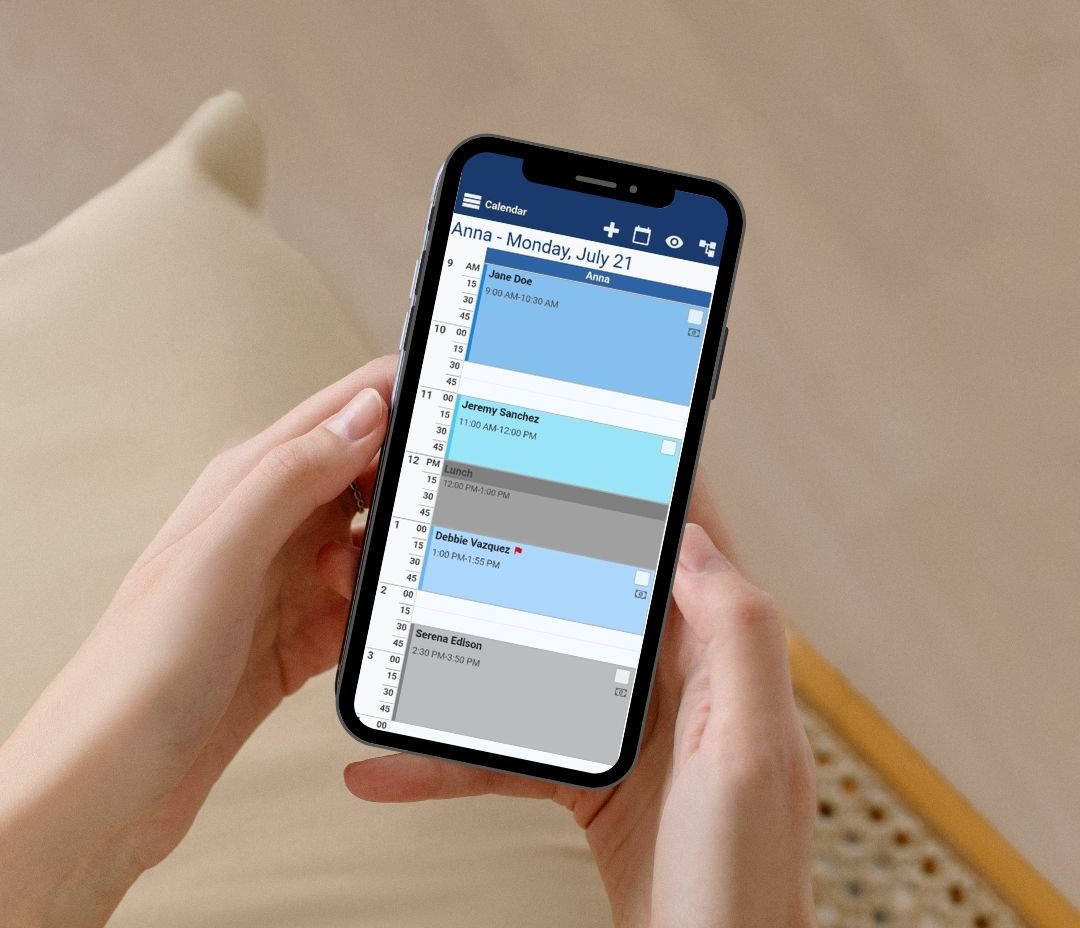
This cuts down office work and reduces no-shows. Bookeo’s features help adventure sports businesses with weather-related rescheduling, managing capacity, and sending automatic reminders.
Legal Requirements and Safety Regulations
Regulations form the foundation of every skydiving operation. You must understand the legal requirements that protect your business and customers before starting your parachuting venture.
Licenses and permits you need
Your skydiving business needs several vital permits and certifications. You could face big fines or even be shut down if you don’t get these documents.
The federal level requires:
- Business license and Employer Identification Number (EIN)
- Aviation Operator’s Certificate
- Drop Zone Permit
- Pilot’s License (commercial certification required)
- Skydiving Instructor Certification
- Parachute Rigger Certification

On top of that, you might need state-specific permits based on your location. Each state has different business operation requirements, so you should check with your local Small Business Administration office. You might also need environmental permits based on your drop zone’s location and how it affects surrounding areas.
FAA and USPA compliance
The Federal Aviation Administration (FAA) and the United States Parachute Association (USPA) oversee skydiving operations in America together. The FAA controls airspace usage and relies on USPA guidelines for safety standards.
Your skydiving business must follow these FAA regulations:
Federal Aviation Regulation (FAR) Part 105 governs parachute operations. This regulation spells out requirements for aircraft maintenance, pilot certification, equipment standards, and jump procedures. The FAA requires all skydivers to follow restraint system rules during aircraft movement, takeoff, and landing.
You must tell Air Traffic Control (ATC) about jumps in controlled airspace between one and 24 hours before operations start. Jumps in Class A, B, C, and D airspace need explicit ATC permission. Local Flight Standards District Offices (FSDO) check skydiving operations regularly to ensure they follow these regulations.
Becoming a USPA Group Member builds your credibility. Member businesses agree to:
- Follow all USPA Basic Safety Requirements
- Hire commercially certified pilots with second-class medical certificates
- Keep aircraft maintained to commercial standards
- Employ qualified staff with current USPA ratings
- Set clear landing procedures
Insurance and liability coverage
Insurance protection helps manage skydiving’s inherent risks. A single accident could ruin your business financially without proper coverage.
Skydiving businesses typically need several types of insurance:
General liability insurance protects you against bodily injury, property damage, medical payments, legal defense, and advertising injury. Coverage costs run from $400 to $1,100 yearly for $1 million in protection. Your location, deductible amount, employee count, and coverage limits affect premium rates.

Commercial property insurance safeguards your equipment, while workers’ compensation takes care of employee injuries. Professional liability insurance protects you from claims about instructional mistakes or negligence.
USPA membership includes liability insurance up to $50,000 per incident for damage to carrying aircraft. This covers you from aircraft exit through landing. Commercial umbrella policies add protection beyond your primary liability limits.
Liability waivers can’t fully protect your business by themselves. Courts sometimes overturn these waivers, and legal defense costs pile up no matter what happens.
Bookeo’s scheduling system makes managing these complex requirements easier. The software helps skydiving businesses by allowing customers to sign waivers that are automatically linked to their bookings.
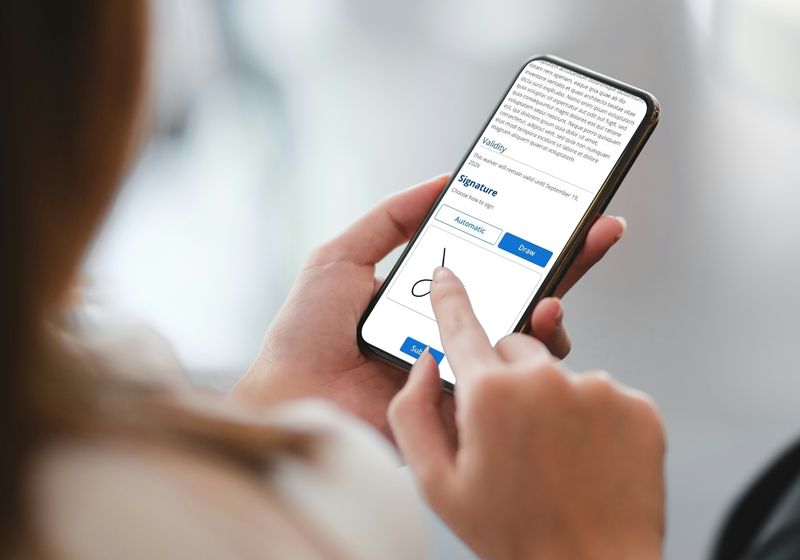
Bookeo combines a waiver functionality with scheduling features to create one system that handles both operational and regulatory needs.
Choosing the Right Location
The right location can make or break your skydiving business. You need to think about weather patterns, geographical features, and regulatory rules to find the perfect spot.
Weather and visibility considerations
Good weather conditions are the foundations of a green skydiving operation. The Federal Aviation Administration (FAA) has specific rules about visibility for parachute operations. Jumps below 10,000 feet need at least 3 miles of flight visibility. Those above 10,000 feet require 5 miles of visibility.
Cloud clearance rules leave no room for interpretation. You must stay:
- 500 feet below clouds, 1,000 feet above, and 2,000 feet horizontally for jumps below 10,000 feet
- 1,000 feet below clouds, 1,000 feet above, and 1 mile horizontally for jumps above 10,000 feet

Wind speeds play a big role, too. Operations stop when winds exceed 14-15 mph for tandem students. Skilled jumpers with USPA C, D, or E certifications can handle winds up to 25 mph.
“Perfect skydiving weather consists of temperatures between 75-85°F, light winds around 5 mph, and minimal cloud cover,” says an experienced operator. This explains why Florida and California’s businesses often do better than those in seasonal weather locations.
It’s worth mentioning that temperatures drop about 3 degrees for every 1,000 feet up. At 10,000 feet, the temperature could be 30 degrees colder than ground level.
Proximity to airports and cities
In stark comparison to this, the best spots for skydiving businesses are usually away from big cities. Rural areas give you vital advantages: bigger landing zones with fewer obstacles and clearer skies without heavy commercial traffic. Many successful operations team up with smaller regional airports or private airstrips.
Being far from cities means fewer walk-in customers. Tourist destinations nearby can make up for this shortfall. Vacation spots attract thrill-seekers who don’t mind traveling for the experience.
A location within a 1-2 hour drive from major cities strikes the right balance. This keeps you close to customers while giving you the space and clear skies you need for safe operations.
Zoning and airspace restrictions
Airspace rules limit where you can run a skydiving business. The FAA doesn’t allow parachute operations in overcrowded areas without special permission. Airport management must approve any jumps over or onto airports.
Each class of airspace comes with its own rules. Operating near major commercial airports is tough because of their extensive controlled airspace. Industry experts say, “Major city airports have other private and general aviation traffic that gobble up airspace like you wouldn’t believe”.
You must file a Notice to Airmen (NOTAM) before jump operations. Regular operations can have a permanent notification on aeronautical charts to alert other pilots about your activities.
Cost to Start a Skydiving Business
Starting a skydiving operation needs different levels of financial investment based on scale, location, and business model. Let’s get into the actual numbers behind this high-flying venture.
How much does it cost to start skydiving?
You need substantial capital to start a skydiving business. The original investment ranges between $150,000 and $500,000 for a full-scale commercial operation. This amount changes based on whether you buy or lease equipment and facilities.

Smaller operations need less money to start. Some micro-scale operations need only $62 to $35,923, but these are just simple setups rather than full commercial ventures.
Your choice of location makes a big difference in costs. Areas near tourist spots in cities cost more but could bring in higher revenue. Rural spots have cheaper land costs but might see fewer customers.
Choosing between a franchise and an independent operation affects how much money you need to start. Franchises need extra fees but come with proven systems. Independent operations let you control your spending more.
Breakdown of startup and monthly expenses
Startup Costs:
- Aircraft acquisition: $250,000-$750,000
- Facility and infrastructure: $50,000-$200,000
- Equipment and gear: $10,000-$50,000
- Licenses, permits, insurance: $20,000-$75,000
- Staffing and training: $25,000-$75,000
Monthly Operating Expenses:
- Rent/lease payments: $10,000-$30,000
- Salaries and wages: $20,000-$50,000
- Utilities: $2,000-$5,000
- Marketing and advertising: $5,000-$20,000
- Equipment maintenance: $15,000-$40,000
- Aircraft expenses: $25,000-$60,000
- Insurance: $3,000-$10,000
Monthly operating expenses usually run from $80,000 to $215,000. Tracking fixed expenses (like rent and salaries) separately from variable costs (such as fuel and maintenance) helps predict financial needs better.
Budgeting for aircraft, gear, and staff
Aircraft Considerations:
Aircraft are your biggest investment. Skydiving planes cost from $230,000 up to $3 million. Smaller operations often start with a Cessna 182. This plane carries four jumpers and costs $40,000-$60,000 used.
Maintenance adds high ongoing costs. FAA-required 100-hour inspections for piston-engine aircraft like the Cessna 182 start at $800-$1,200 but often reach thousands when repairs are needed. A single cylinder costs around $1,700 to replace, and these planes have six cylinders.
Turbine aircraft (like King Airs at $350,000 used or PAC 750s at $1.3 million) can carry more people but have higher insurance premiums, sometimes up to $60,000 yearly.
Gear and Staff Budgeting:
Quality equipment creates the foundation of safety. Tandem systems cost $12,000-$16,000 each, and solo-student container systems cost $6,000-$7,000 per complete rig. You’ll also need jumpsuits, helmets, altimeters, goggles, and radios.
The core team is your biggest asset and ongoing expense. Most dropzones need instructors, pilots, ground crew, and administrative staff. Instructors usually earn $30-$55 per jump, plus extra for multiple ratings and seniority.
Bookeo’s online activity booking software makes operations smoother and reduces costs. It helps skydiving businesses handle scheduling and process payments. The system prevents overbooking while making the most of aircraft usage, which improves profits. Automatic reminders cut down on costly no-shows, and digital waiver integration handles legal documentation smoothly, a key way to control administrative costs in a skydiving operation.

Building a Skilled and Safe Team
Your skydiving operation’s success relies on putting together the right team of professionals. A group of skilled people who work together creates a safe and efficient environment needed for your business to thrive.
Hiring certified instructors and pilots
Your instructors are the heart of your operation. Tandem instructors must meet strict rating requirements because they’re responsible for their clients’ safety. The United States Parachute Association (USPA) requires tandem instructors to complete 500 skydives, get a USPA D-License, spend 3 years in the sport, secure an FAA Class III Medical certification, and earn a USPA Coach Rating.
AFF Instructors (AFF-I) face different but equally demanding qualifications. These experts help students make their first solo jumps into the skydiving world. Students work with coaches after their original training with AFF instructors until they earn their license.

Pilots need an FAA Commercial Pilot Certificate at a minimum, which requires at least 250 hours of flight time. Your aircraft type might need extra ratings, multi-engine certification suits planes like Twin Otters or Skyvans. Pilots must keep a Second-Class FAA Medical Certificate current, with yearly renewals.
Training programs and safety culture
Safety culture doesn’t just happen; it grows through careful planning. Each drop zone builds its unique culture that evolves continuously. Like a garden, safety culture needs constant care and attention.
A strong safety culture needs:
- An inclusive, cooperative environment that reduces incident rates
- Clear communication about safety goals
- Leadership that shows dedication to safety
- Clear roles and responsibilities
Everyone shares responsibility for safety in training. Your team nurtures healthy safety practices through good decisions and positive examples. Safety culture suffers when people ignore rules or take unnecessary risks.
Peer influence works especially well. Team members who speak up respectfully about unsafe behavior can stop risky patterns before they become normal. Small daily interactions create feedback loops that shape behavior and strengthen safety norms.
Roles of ground crew and office staff
The operation needs several key positions beyond instructors and pilots:
Ground crew keeps the dropzone running behind the scenes. They manage fuel, prepare aircraft, help with loading, and handle various maintenance tasks. Their careful attention ensures smooth and safe operations.
Packers ready parachutes for jumps. This role offers newcomers a way into the industry without previous jump experience. Packing for students or tandems requires a Packer B certification.
Manifest staff keep operations organized by creating jumper lists for each plane load. They handle schedules, take payments, and welcome customers. This job needs great organizational and customer service skills.
Dropzone managers work as the owner’s key support, handling daily logistics. They connect different teams and keep operations flowing smoothly.
Bookeo’s online booking software makes team management easier for skydiving businesses. It offers features that suit adventure sports operations, staff scheduling tools, an automatic instructor, and waiver management.
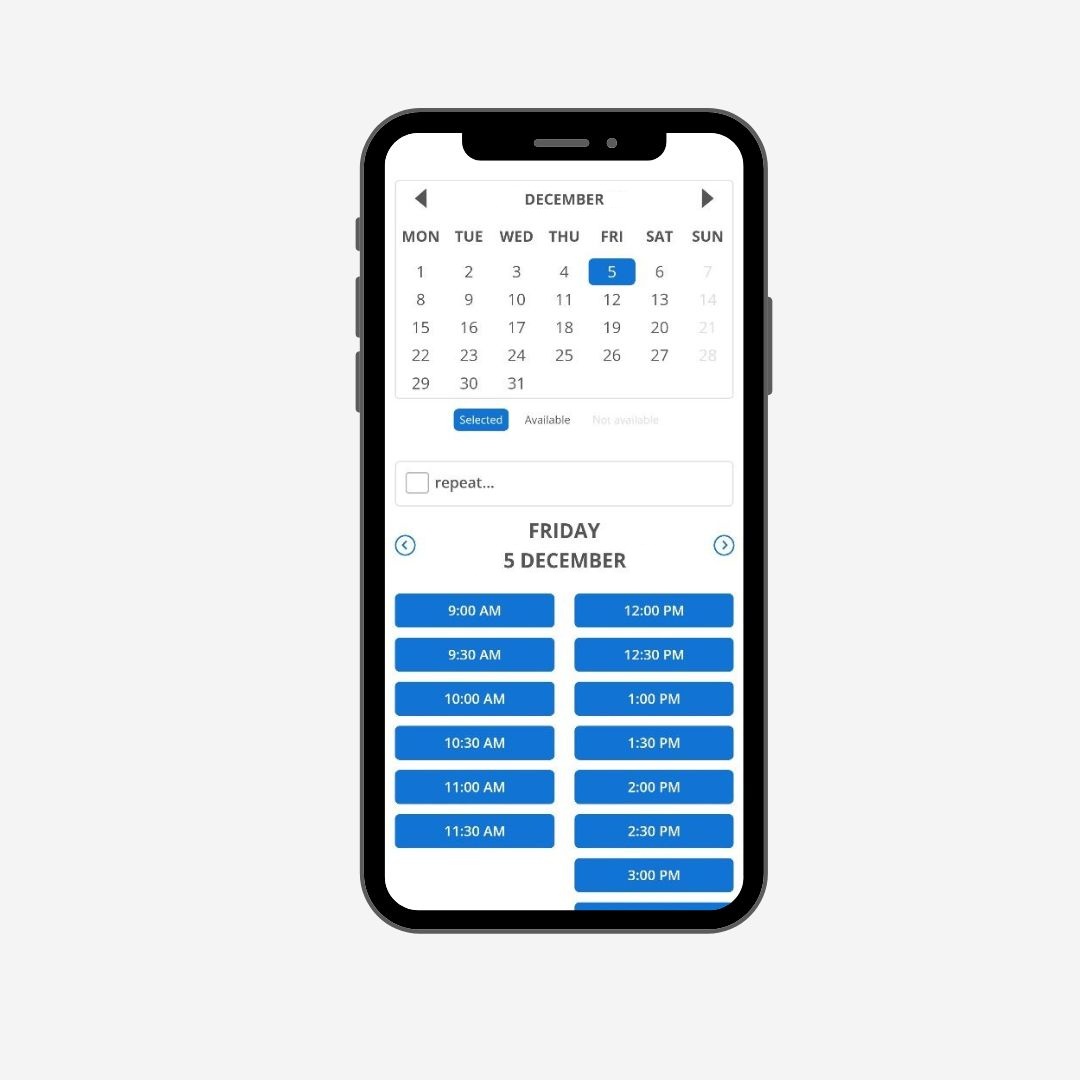
The system tracks instructor certifications, handles weather-related rescheduling, and coordinates team resources. Your staff can focus more on creating great customer experiences and less on paperwork with Bookeo.
Creating Unforgettable Customer Experiences
A profitable skydiving business needs more than just aircraft and gear. The heart of success lies in creating amazing customer experiences. People who jump for the first time aren’t just paying for thrills – they’re investing in lifelong memories.
Customizing the jump experience
Great skydiving operations make each client’s experience unique. Customer satisfaction depends heavily on friendly, attentive instructors. Many reviews specifically mention instructors by name and praise their “warm, friendly, and calming presence”.
“Seek out talented, personable instructors with plenty of experience,” industry experts suggest. These professionals do more than keep customers safe – they build connections that turn regular jumps into extraordinary adventures.
Your team should adapt their style based on what each customer wants. Some people chase pure adrenaline, others want to build confidence, and many just want to cross skydiving off their bucket list.
Customer testimonials show how much this personal touch matters: “Jeffrey genuinely deserves a pay raise! His warm, friendly, and calming presence made our first flight an unforgettable experience”. Great staff create loyal customers – it’s that simple.

Capturing photos and videos
Media packages are great revenue streams and essential service offerings. Most customers need visual proof because skydiving happens so quickly. One dropzone puts it well: “The day of your skydive goes by in a flash! Unless you have skydiving video and photos, it can feel little more than a dream”.
Media package options you can offer:
- Basic package: Wrist-mounted camera footage from instructor’s view
- Standard package: Combined instructor footage plus photos
- Premium package: Instructor footage plus a dedicated videographer jumping alongside
- Deluxe package: All footage types plus branded merchandise
Special discounts for students, teachers, first responders, and military personnel help build community goodwill. Customers love getting their media through email because they can share their experience on social platforms right away.
Marketing materials should highlight how valuable these memories become. Skydivers often cherish these visuals for years: “Now, many years later, I cannot believe how lucky I was that I got these photos… These pictures are proudly displayed on a wall in my home”.
Handling nervous first-timers
Almost everyone feels anxious before their first jump. Your staff’s approach to nervous customers affects both safety and satisfaction. Staff training should emphasize that fear is normal – approximately 500,000 people try skydiving in the U.S. each year, and most feel nervous.
Staff should use proven techniques to reduce anxiety. Deep breathing works well: “On the flight up, take a few deep breaths: in through your nose, and out through your mouth. Once your heart rate begins to settle, you’ll often find that your mind follows suit”.
Nervous jumpers feel more in control with clear pre-jump instructions. A successful technique involves getting jumpers to focus on the amazing view instead of their fear. Instructors stay close throughout the experience and provide constant reassurance.
Bookeo’s online booking software makes these customized experiences smoother. The system helps instructors prepare by collecting customer information early. Automated reminders cut down no-shows, and digital waivers reduce paperwork.

The platform processes advance payments for media services. Customers often pick premium packages while booking rather than after landing, which boosts revenue.
Marketing Your Skydiving Business
Marketing can make or break a skydiving business in this visual industry. Your promotional success depends on careful planning and understanding what motivates thrill-seekers to jump.
Creating a strong brand identity
A powerful brand captures what skydiving truly means: freedom, excitement, and adventure. Your logo should stand out with bold, dynamic elements like parachutes, wings, or abstract sky designs. The right colors tell your story; sky blues, cloud whites, and sunset oranges showcase the beauty of skydiving.

Your message should capture the thrill of skydiving. Phrases like “Take the plunge” or “Leap into the extraordinary” appeal to potential customers. Start by crafting a brand story that promises more than just a service; it promises an unforgettable adventure.
Each customer interaction shapes your brand image. Your brand values should shine through from the moment someone books until they receive their post-jump photos. This builds trust and makes your business memorable.
Using social media and video content
Social media will be your strongest marketing asset. GoPro jump videos, tandem jumper testimonials, and Instagram stories of first-time skydivers create excitement and get shared. Customer-shared photos and videos after their jump become authentic marketing gold.
Social media works best as a two-way street. Ask your followers to share their stories and thoughts about why they love skydiving. These conversations help build community and teach you about your audience’s priorities.
Content marketing should:
- Show skydiving’s excitement through vibrant imagery
- Tell people what to expect during their jump
- Share customer testimonials that build trust
- Show your safety record to comfort potential adventurers
Partnering with tourism boards and influencers
Tourism board partnerships can boost your exposure and content quality. Reach out to them with your audience data and tailor your pitch to their needs. A professional media kit with audience stats and past collaboration examples helps them see your value.
Influencer partnerships expand your reach through trusted voices in their communities. Since 71% of consumers buy based on social media recommendations, these partnerships drive substantial business.

Online booking software makes marketing easier for skydiving businesses. Bookeo helps you track campaigns, manage customer relationships, and simplify bookings. Its features let customers schedule jumps, sign waivers online, and pay in advance, creating a smooth experience from first click to final landing.
Streamlining Bookings with Online Software
Smart booking management makes the difference between successful and struggling skydiving operations. Your business has many moving parts, and a reliable reservation system becomes crucial.
Why online booking is essential
The modern skydiving industry has moved beyond manual booking methods. Online booking software prevents double bookings and no-shows while your team focuses on creating amazing jump experiences. Customers can book their jumps anytime, day or night. New jumpers can complete their waivers electronically before they arrive, which reduces their paperwork stress on jump day.
Benefits of using Bookeo for skydiving businesses
Bookeo works well for skydiving operations of all sizes. The system helps you create multiple pricing models for different seasons and offer targeted discounts. Customers book directly through your website without extra fees. The platform grows smoothly with your business.
Automating scheduling, payments, and waivers
Bookeo lets you accept instant payments through various methods, a great way to secure deposits.
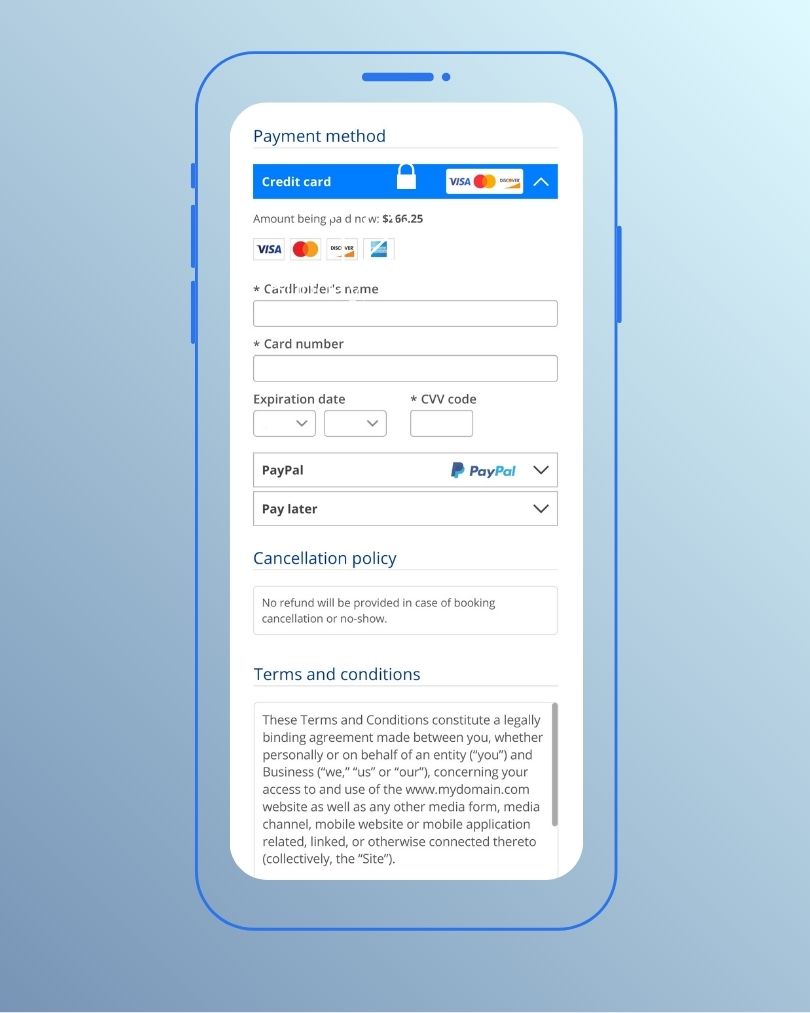
Automatic confirmations and reminders help reduce no-shows that get pricey. Your customers get customized follow-ups that build loyalty.
Conclusion
A skydiving business lets you turn your passion into profit. This piece covers everything from the original investments to marketing strategies that attract thrill-seeking customers. The startup costs are much lower than those of other ventures, which makes it an available chance for entrepreneurs with aviation backgrounds.
Safety forms the foundation of any successful skydiving operation. FAA regulations, USPA compliance, and proper insurance coverage protect your business and customers. The right location with good weather patterns, appropriate airspace, and suitable landing areas affects how well you can operate.
Your reputation in this industry depends on your team. Certified instructors who build personal connections with customers turn ordinary jumps into unforgettable experiences. These connections and high-quality media packages lead to positive reviews and repeat business.
Marketing should showcase how skydiving changes lives. A social-first approach with customer testimonials and thrilling jump videos creates powerful promotional tools without getting pricey. Strategic collaborations with tourism boards and local businesses help expand your reach.
Bookeo’s online scheduling system makes life easier for skydiving businesses. The platform handles booking and cancellations, staff scheduling, and digital waiver management. This automated reminder system reduces no-shows and helps fill aircraft capacity.
Note that customer experience matters more than equipment and facilities. First-time jumpers will always remember how your team made them feel after landing. Knowing how to balance safety protocols with genuine excitement will make your business stand out.
The skydiving industry grows stronger each year and stays resilient even during tough economic times. Your skydiving business can reach impressive heights with careful planning, proper certification, and outstanding service. The sky isn’t the limit, it’s your playground.