
Stop Losing Money: How to Reduce Massage No-Shows (Expert-Tested Methods)
Missing just five massage appointments each week can cost your business over $12,000 yearly.
The numbers don’t lie – no-shows quietly eat away at your profits. The beauty industry loses about 30% of appointments each year, which means the average salon misses out on $67,000 in revenue. A one-hour massage at $70 with three no-shows every week means you’re losing $210. This adds up to $880 each month or an eye-opening $10,920 by year’s end!
Here’s the bright side – you can cut down no-show rates by a lot with the right approach. Healthcare organizations that use appointment reminders have seen great results – 88% report fewer no-shows, better revenue, more filled appointments, and they serve more patients. These same strategies work just as well for massage practices.
No-shows and last-minute cancelations remain one of the biggest headaches for massage and wellness businesses. They create more than just empty slots in your schedule – they hurt your bottom line, reduce your team’s productivity, and turn away potential clients who could have used those times.
This piece will show you proven ways to cut down on massage no-shows. You’ll find practical solutions from smart reminder systems to effective policies that will help you keep your revenue and build a loyal client base right away. Ready to dive in?
Understand Why Clients Miss Appointments
You need to know why it happens before you can stop clients from missing their massage appointments. Research shows three main reasons clients don’t show up. Understanding these patterns helps you create better ways to prevent no-shows.
They simply forgot
People lead busy lives and sometimes just forget about their scheduled massage. Most clients have packed schedules, and appointments slip their minds when they don’t have good reminders. This happens most often with clients who:
- Feel overwhelmed with their schedules and life stress
- Schedule appointments way ahead of time
- Don’t keep track of their commitments well

Research shows that forgetting appointments ranks as one of the top reasons for no-shows in wellness businesses. A study found that all but one of these clients didn’t know what would happen if they missed their massage appointment, which makes it easier to forget.
This creates problems for everyone involved. Clients miss out on the care they need, and you lose money and time. While forgetting seems like a simple excuse, it accounts for many of the missed appointments that good systems can prevent.
They had a higher priority
Some clients remember their appointment but choose to do something else. Unless there’s a real emergency, this often means they don’t value your time or services enough.
Common higher priorities include:
Work commitments – The Annals of Family Medicine found that overtime work and busy schedules cause many no-shows. Massage often takes a back seat when last-minute work comes up.
Financial concerns – Unexpected expenses might pop up after booking, making clients feel the massage doesn’t fit their budget. Without clear cancelation rules or deposits, they find it easier to just not show up.
Ambivalence about the appointment – Clients sometimes feel unsure about their massage. Some weren’t excited to begin with, while others might have booked because someone pushed them to. This uncertainty often leads to no-shows.
Research shows that lack of consequences plays a big role. Clients who face no penalties for missing appointments are likely to do it again, maybe even more often.
They couldn’t physically make it
Physical barriers stop many clients from reaching their appointments. National statistics show that 3.6 million people in the U.S. miss medical appointments each year because they can’t find reliable transportation.
Transportation issues cause the most problems, tied with “not feeling well” at 37.5% of missed healthcare appointments. These issues include:
- No car or ride available
- Unexpected traffic jams
- Public transit problems
Childcare problems create another big obstacle. Parents often have no choice but to miss appointments when babysitters cancel or kids get sick.
Sudden illness affects attendance, too. This matters especially for massage businesses since clients with flu symptoms, headaches, or other acute conditions should skip their bodywork.
These no-shows create unique challenges, especially when working with clients who have trouble moving around or depend on others for rides. Some massage therapists solve this by offering mobile massage, bringing their services to clients who struggle with transportation.
Knowing these three reasons why clients miss appointments helps you create better strategies to reduce no-shows in your practice. This understanding lets you target each specific challenge with the right solution.
Send Automated Appointment Reminders
Automated reminders help curb the most common reason clients miss appointments – they simply forget. These systems act as gentle nudges that keep your massage practice in clients’ minds and reduce your no-show rates.
Use multi-channel reminders (text, email)
Today’s reminder systems send notifications through multiple channels to encourage engagement with appointment information. Each method brings its own benefits:
Email reminders give detailed information about upcoming sessions. Clients can check service descriptions, practitioner information, and practice policies whenever they want. These digital confirmations usually include buttons that add appointments to electronic calendars automatically.

SMS text messages send instant notifications that people almost always read. Research shows clients respond to almost 100% of text messages within an hour. These quick alerts reach clients on their phones with brief appointment details and action links.
Voice reminders suit older clients who prefer traditional communication methods. Some clients appreciate this more personal approach.
Your best bet is to combine these channels. Clients get information in different formats, which means they’re more likely to notice and remember their appointments.
Send reminders at 48 and 2 hours before
The timing of appointment reminders can make or break their effectiveness. Research shows massage therapy practices get the best results with this schedule:
- First reminder: 48 hours before the appointment
- Second reminder: 2 hours before the appointment
The original 48-hour notice lets clients plan ahead. They can adjust their schedule or ask questions if needed. The 2-hour reminder serves as a final heads-up, which helps prevent last-minute cancelations.
Research proves that multiple reminders work better than single notifications. This makes sense – the more we see information, the better we remember it. You might also want to send confirmation messages right after booking.
Good reminders let clients take action straight from the message:
- One-click appointment confirmations
- Easy rescheduling options with available time slots
- Simple cancelation with rebooking prompts
- Direct contact options with your practice
Let clients choose their preferred method
People respond differently to communications. Letting them pick their preferred reminder method works better.
Your intake process should collect these details:
- Preferred contact method (text, email, phone call)
- Best timing for reminders
- Any restrictions on communication (times/days they don’t want messages)
To name just one example, younger clients usually prefer texts, professionals often choose email, while older clients tend to pick voice calls. Respecting these priorities makes your reminders helpful rather than annoying.
The bottom line: automated reminders protect your profits. Massage businesses with well-laid-out reminder programs see higher revenues, better appointment attendance, and increased efficiency. Full schedules and steady income come from preventing no-shows.
On top of that, these systems free up the core team’s time that was spent making reminder calls. Your staff can focus on taking care of clients instead of handling administrative tasks, which streamlines your practice’s operations.
Require Prepayment or Deposit at Booking
Upfront financial stakes in the booking process are one of the best ways to curb appointment no-shows. This approach goes beyond simple reminders and creates real financial commitment from clients.
Reduce no show rates with upfront payment
Money paid in advance creates a strong psychological effect. Clients who invest financially are more likely to show up. This happens because people value services they’ve already paid for.
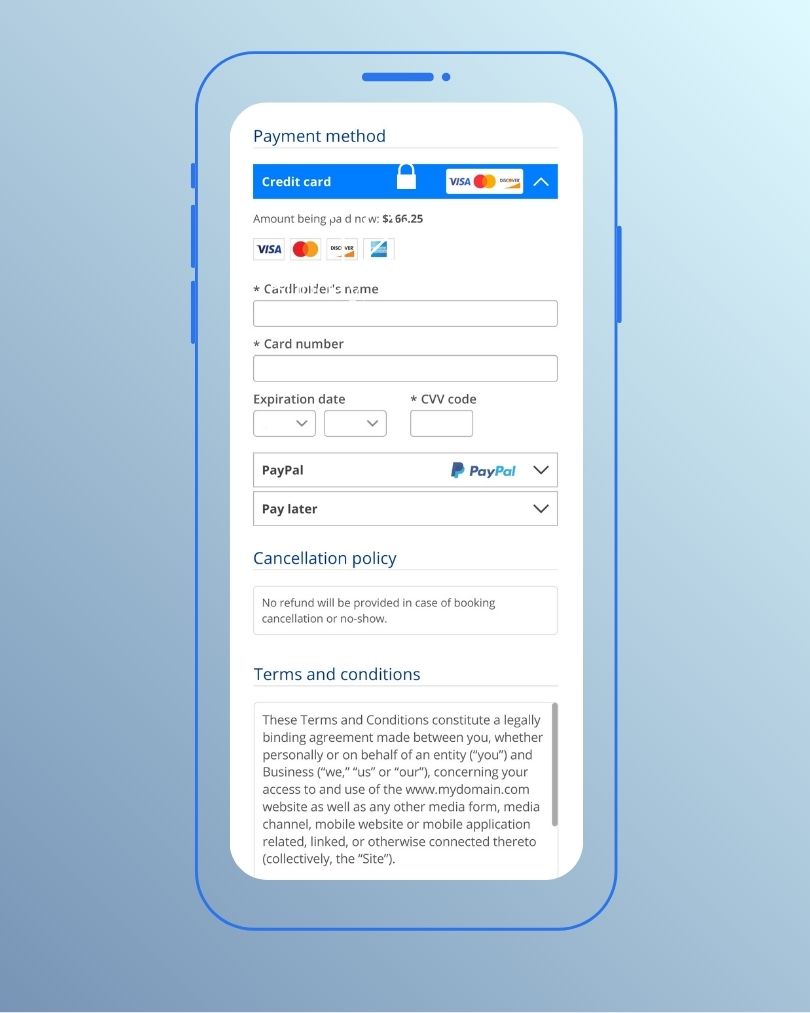
Two main types of prepayment policies exist:
Deposit requirement: Clients pay 20-50% of the service cost at booking, and the rest at their appointment. This gives clients flexibility while protecting your business.
Full prepayment: The entire service amount is due when scheduling. Your practice gets complete financial security, though new clients might hesitate.
The results speak for themselves. Urban You Med Spa cut its no-shows by 15% and boosted revenue by 10% from previously empty slots after starting its prepayment policy.
The psychology makes sense – free services hold little value to most clients. A massage therapist puts it well: “Clients who book for free can easily cancel or no-show since they have nothing to lose”.
Clearly state refund and cancelation terms
Clear policies prevent disputes, client frustration, and negative reviews.
A good refund policy covers:
- Cancelation timeframe (typically 24-48 hours before appointment)
- Late cancelation or no-show consequences
- Prepayment handling (forfeited, partially refunded, or credit issued)
- Special circumstances exceptions
Most massage businesses use straightforward terms: “All appointments need a non-refundable 30% deposit at booking. This applies to your service cost. Cancel 24 hours ahead to reschedule without penalty. Late cancelations or no-shows forfeit the deposit”.
Smart businesses balance strict policies with some flexibility. Offering credit for future services instead of complete forfeiture helps maintain good relationships during real emergencies. Massage Solutions handles this well: “Pre-paid appointments canceled outside our 24-hour window get full credit or a gift card for future appointments”.
Strong prepayment requirements and clear policies can slash your no-show rate and create steady, predictable income for your practice.
Create and Enforce a No-Show Policy
A solid no-show policy protects your business from lost revenue. Every massage practice needs this protection, but many therapists hesitate to put one in place. Clear policies don’t scare clients away, they set professional boundaries that help everyone.
Set a 24-hour cancelation window
The cancelation window tells clients how early they must cancel to avoid fees. Some practices ask for 48 hours, but a 24-hour notice period works best for both clients and business protection. This timeframe lets you fill empty slots while staying fair to your clients.
Here’s what to think about when picking your cancelation window:
- How fast you can fill an empty slot
- Whether you have a waitlist for your fully booked schedule
- The mix of new and long-term clients in your practice
Most massage businesses find that 24 hours gives them enough time to contact waitlisted clients about openings. Statistics show that a day’s notice helps fill about 70% of canceled slots, which helps cover potential losses.
Define fees for no-shows and late cancelations
Your fees should be high enough to stop no-shows but reasonable enough to keep good client relationships. These approaches work well:
Full service fee: Charging 100% of the appointment cost stops most no-shows. You get paid for the lost time slot. This works best if you have high demand.
Partial fee: Many therapists ask for 50-75% of the service cost when clients miss appointments. This shows you understand they didn’t get the service but still kept the slot for them.
Flat fee: A set amount ($25-35) makes things simple. This option helps when you’re starting with a cancelation policy.
First-time grace: One free pass shows you understand emergencies happen. After that, regular fees apply.
Fees aren’t meant to punish, they make up for your reserved time. As experts say, “The purpose of a no-show policy is to protect you from the losses of the unexpected”.
Make clients sign the policy during intake
Good policy implementation starts with clear communication and formal agreement. Put your cancelation terms on intake forms and get every new client’s signature before their first visit. This creates a clear agreement and stops confusion later.
Long-term clients should review and sign off on your policies now and then, especially after changes. Digital signatures through booking software make this easy.
Share your policy everywhere:
- Put it on your website
- Add it to appointment confirmation emails
- Show it in your treatment room or waiting area
- Mention it on your business cards
The way you write your policy affects how clients take it. Use professional but friendly language. Try this: “Please provide 24 hours’ notice for cancelations. Appointments missed or canceled with less notice will incur a fee equal to 50% of the scheduled service cost. This policy helps ensure we can continue to offer timely care to all clients.”
The way you enforce your policy matters more than the details. Therapists often make mistakes by creating exceptions that weaken their rules. Real emergencies might deserve flexibility, but letting fees slide too often shows clients you’re not serious about the policy.
Note that having rules isn’t enough. You must explain them clearly, use them consistently, and stay firm when questioned. This approach will cut your no-shows and protect your income.
Optimize Your Scheduling Process
Smart scheduling helps you reduce no-shows. You can make clients more accountable and less likely to miss appointments by organizing your schedule the right way.
Avoid booking too far in advance
Appointments scheduled months ahead have a higher chance of cancelation. The math is simple – the longer the gap between booking and appointment date, the more likely your clients will miss their session.
Most clients can’t predict their schedules beyond a few weeks. A massage therapist puts it well: “Most people can’t confidently know what their schedule looks like three months from now.” Massage therapy also tends to become less of a priority over time.
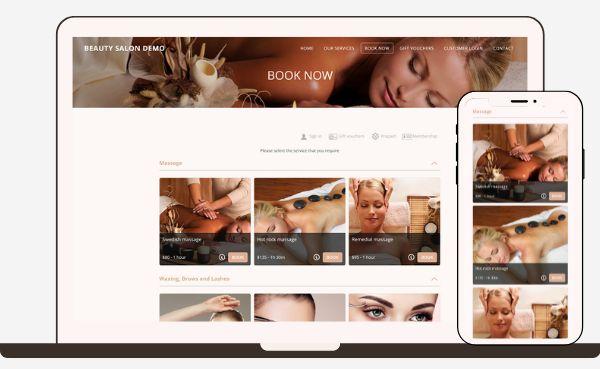
Here are some scheduling rules that work:
- Keep advance bookings within 4-6 weeks
- Start a waiting list for clients who want later appointments
- Give regular clients the option to book recurring sessions
This system gives clients flexibility while protecting your business. Practices that let clients book unlimited time ahead see 15-20% more no-shows than those with reasonable booking limits.
Batch appointments to create demand
You can reduce no-shows by controlling when clients can book. Opening specific days and times creates a sense of limited availability. Clients value their appointments more when slots seem scarce.
Start by offering fewer appointment slots. One successful practice owner says: “When clients see only a few appointment options, they value those slots much more highly.” This approach makes clients:
- Book within your allowed window ahead of time
- Show up on time to keep their spot
- Cancel early so they can reschedule
This works because people value things that seem hard to get. Clients who think you’re busy feel lucky to have appointments and don’t want to lose them.
A busy office makes a difference, too. Clients who see others coming and going know you’re popular. They think twice before casually canceling.
Schedule the least reliable clients last
Put clients who often miss appointments at the end of your day. This simple change reduces problems when they don’t show up.
This approach gives you several benefits:
- You can finish early if they don’t show
- No waiting between clients if they cancel late
- Less stress since other appointments stay on track
This won’t work for new clients since you don’t know their habits yet. It works best with clients who miss appointments but are still worth keeping.
While this won’t stop no-shows completely, it makes them less disruptive to your day and other clients.
Reward Clients Who Show Up On Time
A combination of rewards for reliable clients works better than just having penalties for no-shows. The psychology makes sense – rewarding good behavior works better than punishing bad behavior. Your practice looks both fair and friendly when you pair your no-show policy with a rewards program.
Offer loyalty perks or discounts
Loyalty programs help motivate clients to keep their appointments and stay connected with your massage business. You could reward reliable clients in several ways:
- Frequency-based rewards – Give the fifth massage free after four paid sessions
- Points systems – Clients earn points for each visit to use for discounts
- Special member benefits – Give priority booking or birthday perks
- Service-based incentives – Reward clients who book multiple sessions with discounts
Your loyalty program should feel like an extension of your care, not just a giveaway. Add value through rewards instead of straight discounts that might devalue your services. Small rewards work great, too. A $25 discount or a free foot salt scrub after five on-time visits can really motivate clients.
Use positive reinforcement techniques
Rewards work through a behavior modification technique called operant conditioning. You’re teaching clients to show up on time by rewarding good behavior. This principle shows up everywhere – from store loyalty cards to gold stars on school assignments.
This method helps clients see reliability as part of who they are. You wouldn’t penalize your best client for missing one appointment. Yet many practices focus only on penalties without thinking about rewards.
Mention rewards in your reminder emails
Reminder emails have already cut down on no-shows. They’re perfect for highlighting your reward system, too. A simple message like “You’re just one visit away from earning your free massage!” gives clients extra motivation to keep their appointment.
The best loyalty programs are simple and match your business goals. Keep the rules straightforward to encourage participation. Make sure rewards connect to your services naturally. Free sessions or discounts on popular treatments bring clients back while promoting your best services.
Rewards programs do more than just reduce no-shows – they encourage long-term loyalty. The numbers prove it – loyal members spend two to three times more than non-members. This makes your reward system both a no-show prevention tool and a revenue builder.
Use Online Booking Software to Reduce No-Shows
Online booking systems help massage businesses that don’t deal very well with missed appointments. These digital tools combine multiple no-show prevention strategies into one platform and keep your schedule full.
Let clients book, cancel, and reschedule 24/7
Clients today want convenience. Online booking software gives them uninterrupted access to your schedule. Studies show that consumers with children at home get more massage therapy, which shows why accessibility matters. These busy parents need to manage appointments outside regular business hours.
Clients commit to appointments more often when they can book directly through your website or social media pages. They can also reschedule when conflicts come up, which helps prevent no-shows.
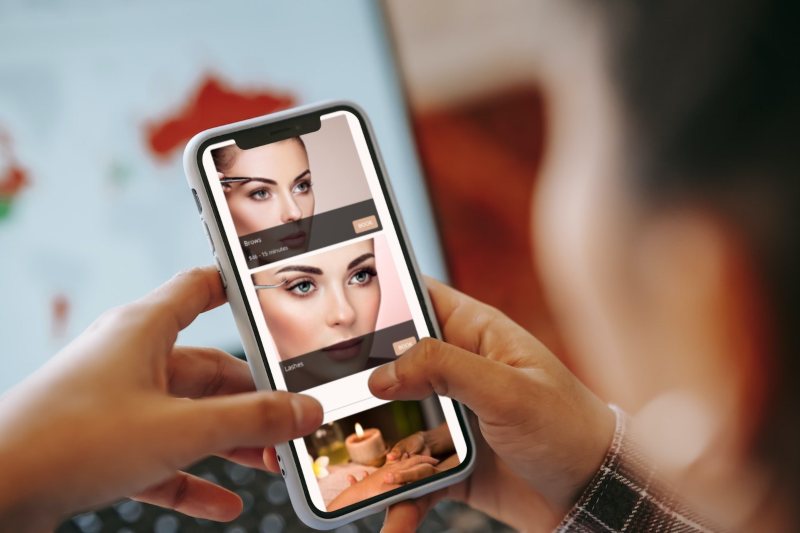
Your schedule stays full even while you sleep. Clients pick available times that work for them without playing phone tag or trading emails.
Automate confirmations and reminders
Booking software handles the tasks that prevent no-shows. Clients get an instant confirmation email with appointment details right after booking. The email includes buttons to add the session to their electronic calendar.
The systems give you several reminder choices:
- Email confirmations for new bookings
- SMS text reminders (these get opened more than emails)
- Automatic email reminders a day before appointments
These automated messages cut missed appointments by up to 25% according to some providers. Your cancelation policy, which clients must accept during booking, creates accountability and protects your schedule.
Why Bookeo is the best option for massage therapists
Bookeo’s appointment scheduling software stands out from other booking platforms for massage professionals. The system prevents no-shows through several key features.
You can collect full payments or deposits when clients check out. This gives you control over whether clients pay everything upfront or make a partial payment. The system combines two no-show prevention strategies into one.
The booking interface adapts to match your business brand. Clients get a smooth, professional booking experience that builds trust.
Bookeo works with your existing systems smoothly. The interactive calendar updates automatically with new bookings.
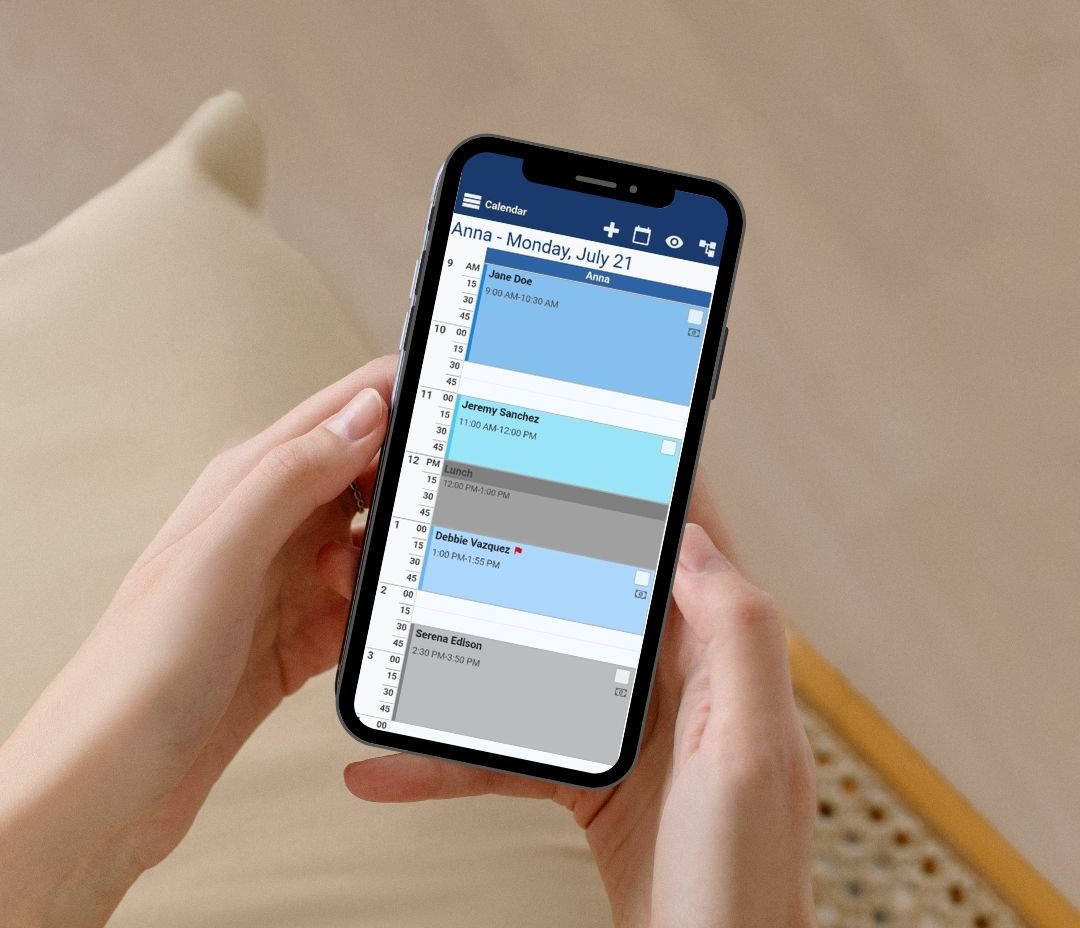
This prevents double-bookings that might upset clients and cause future no-shows. The system reduces your administrative work and helps maintain a reliable, profitable schedule.
Track and Analyze Your No-Show Data
Each missed appointment teaches valuable lessons. Smart analysis of these costly no-shows gives you useful information to prevent future losses.
Calculate your monthly no-show rate
Your exact no-show percentage serves as essential baseline data. The formula remains simple:
(Number of no-shows ÷ Number of total appointments) × 100 = No-show rate
To cite an instance, your massage practice had 80 appointments scheduled last month with 7 complete no-shows, making your rate 8.75%. Monthly calculations work better than daily or weekly ones because they give you enough data to draw meaningful conclusions.
Most healthcare studies show no-show rates between 5% and 8%. Any higher numbers need quick action.
Identify patterns by time, client type, or service
After finding your base rate, get into specific patterns in missed appointments:
- Time factors: Do certain days or appointment slots see more no-shows?
- Client demographics: Studies show patients under 65 years are more likely to miss appointments
- Waiting period effect: No-show chances go up 1% with each extra day between booking and appointment
- Appointment types: New visits see higher no-show rates than follow-ups
These analytical insights point to systemic problems in your practice. New clients or specific services might show patterns you need to fix.
Adjust your strategy based on insights
Once you spot patterns, put targeted solutions in place:
- Morning slots with high no-shows need extra reminders
- Unreliable client groups might need different policies
- Services with frequent no-shows call for new booking rules
Conclusion
Missed appointments drain your massage business’s finances heavily. The strategies outlined in this piece can turn empty time slots into money-making sessions. Understanding why clients miss appointments helps you create solutions that work.
Automated reminders, prepayment requirements, and clear cancelation policies protect you from no-shows effectively. Text and email reminders help forgetful clients, while deposits create financial commitment. Your well-laid-out no-show policy sets professional boundaries that clients respect.
Smart scheduling practices defend your business against missed appointments. Your schedule becomes more stable when you limit advance bookings, batch appointments strategically, and place unreliable clients carefully. Your business builds positive relationships by rewarding loyal clients who show up consistently.
Online massage booking software combines these strategies into one complete system. Bookeo helps massage therapists handle no-shows through features like 24/7 booking access, automated reminders, and deposit collection. The platform’s up-to-the-minute data analysis lets you track patterns and improve your approach based on ground data.
Note that reducing no-shows creates a more reliable, stress-free practice beyond preventing lost revenue. Your schedule becomes more predictable as each improvement adds up over time, leading to a healthier bottom line. Your no-show rates will drop and your business will run smoothly when you start using these expert-tested methods today.