

The Ultimate Lead Generation Strategy for Small Businesses
Lead generation is critical for the growth of any small business. Without a regular supply of leads, it is difficult to create a client base and sustain consistent sales. Nevertheless, tiny enterprises may encounter significant difficulties in generating leads. Limited budgets, lack of time, and minimal resources can make it tough to find and attract potential customers. This can put smaller enterprises at a disadvantage when compared to bigger rivals.
Despite these challenges, lead generation doesn’t have to be complicated or overly expensive. Even small companies with limited resources may create excellent leads and turn them into loyal clients by adopting clever techniques adapted to their needs.
This post will provide you with a thorough understanding of lead generation and show you how to use it in your small business.
This article will explore the following:
- Definitions and key concepts behind lead generation
- Strategies tailored specifically for small businesses
- Tools and technologies to streamline lead generation
- Real-world examples and success stories
- Practical tips to turn leads into loyal customers
Let’s commence by comprehending the fundamentals of lead generation.
What is Lead Generation?
Lead generation is the process of attracting and converting potential customers into individuals who demonstrate interest in your products or services. Directly influencing sales and growth, lead generation is indispensable for small businesses. Small companies that do not have a solid lead generation strategy may struggle to discover new clients and grow operations.

Why Lead Generation is Crucial for Small Business Growth
Lead generation feeds the sales funnel. When done correctly, it may benefit small businesses:
- Increase visibility in a competitive market.
- Build relationships with potential customers.
- Generate constant revenue.
A small business can ensure sustainable growth by consistently generating new prospects, which in turn generates a consistent flow of sales opportunities.
Inbound vs. Outbound Lead Generation
The strategies for lead generation can be classified into two primary categories: inbound and outbound.
- Inbound Lead Generation is the process of attracting potential consumers to your business, especially by publishing valuable content and resources. This includes blog posts, social media, and SEO. Inbound leads often approach you because they are already interested in what you provide.
- Outbound Lead Generation is a more direct strategy in which firms actively seek out new clients. Outbound methods include promoting your message to as many prospective clients as possible, for example via cold calls, advertisements, emails, and so on. While effective, outbound methods can be more intrusive and may not always reach the right audience.
Example Lead Generation Ideas for Small Businesses
Small company owners may begin by using basic, cost-effective lead generation strategies:
- Offer Free Content or Trials – Create a downloadable guide or give a free trial in return for contact information.
- Use Social Media – Share valuable tips and engage with your audience on platforms like Instagram, Facebook, or LinkedIn.
- Local SEO – Optimize your website for local searches so potential customers can find you when they’re looking for services nearby.
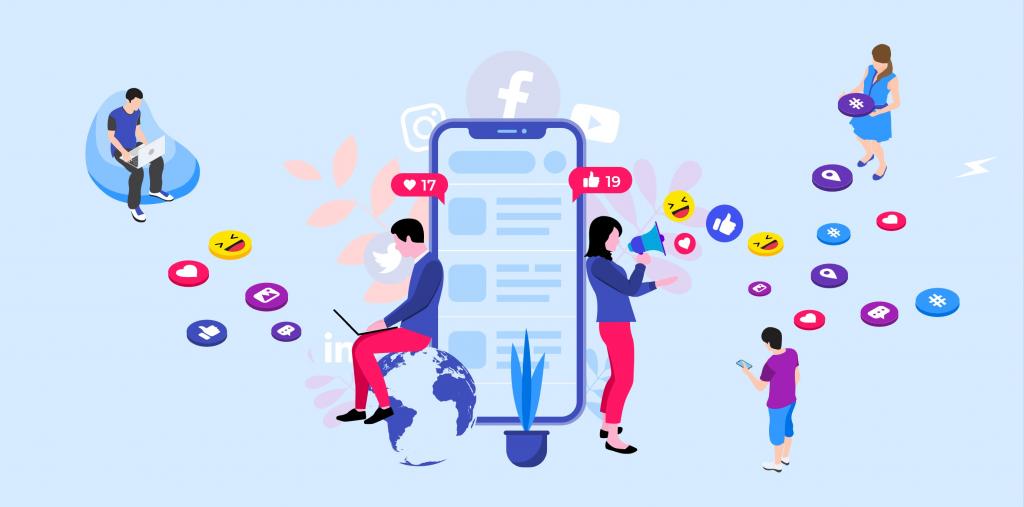
As we can see, lead generation is the first step toward business growth. We will examine how to more effectively identify your target demographic to enhance lead generation.
Understanding Your Target Audience: Foundation of Lead Generation
It is imperative to initially identify your ideal consumer in order to generate high-quality leads. Figuring out who you want to reach will help you make sure that your efforts to get leads are focused and effective. When you understand your audience, you can create messages that resonate and use techniques that address their individual wants and preferences.
The Importance of Identifying Your Ideal Customers
There are variations among potential consumers. Some will be more likely to buy your products or services than others. Focusing on people who fit your ideal customer description saves you time and money and also raises the likelihood that leads will become real customers. Identifying your ideal customer allows you to:
- Craft personalized marketing messages.
- Focus your advertising budget where it’s most effective.
- Improve customer satisfaction by addressing their specific needs.
Segmenting Your Audience
Segmentation is the technique of separating your audience into smaller groups according to certain standards, such as:
- Behavior: How often do they visit your website? Do they respond to emails?
- Interests: What products or services are they most interested in?
- Demographics: Age, gender, income level, or location.

For example, a fitness studio might target different segments based on age groups. Younger clients may be more interested in high-intensity workouts, whilst senior customers may prefer yoga or low-impact activities. The studio is able to attract a greater number of qualified prospects by customizing its marketing strategies to individual segments.
In the same vein, a salon could divide its clientele based on their service preferences. Some clients may visit for routine trims, while others may be more interested in specialized treatments such as extensions or coloring. Knowing this helps the salon offer targeted promotions and services.
How Bookeo Can Help Segment and Manage Leads
An online booking tool like Bookeo can make the process of managing and segmenting leads much easier. Bookeo allows you to monitor client activity and arrange appointments. By centralizing your customer data, Bookeo enables you to tailor your marketing activities.
Following an understanding of your target audience, the subsequent phase is to implement effective lead generation strategies that are consistent with their preferences. Let’s explore some of the best strategies for small businesses in the next section.
The Best Methods for Generating Leads for Small Companies
As previously said, lead generation does not have to be complicated or costly. Small companies may utilize a variety of basic, low-cost tactics to attract and engage prospective clients. The key is to choose methods that align with your audience’s preferences and habits. The following are some of the most successful lead-generating tactics that small companies may adopt right now.
1. Content Marketing
Content marketing is all about offering useful content to attract and engage prospective consumers. Small businesses can cultivate trust with their audience and establish themselves as experts in their field by creating valuable resources.
- Blog Posts: Regularly publishing blog posts on topics relevant to your industry can attract visitors to your website. For instance, a fitness business could write about training routines or workout tips
- Videos: To establish your credibility, you could produce video tutorials, product demonstrations, or customer testimonials.
- eBooks and Guides: Offering valuable, in-depth resources for free in exchange for contact information.
2. Social Media Marketing
Having a strong social media presence is essential for small businesses. Social media platforms such as LinkedIn, Facebook, and Instagram enable you to interact with potential consumers in real time and reach a broad audience.
- Facebook: Share articles, conduct specials, and organize events to attract local consumers.
- Instagram: Use photos and videos to showcase your goods, services, or behind-the-scenes content.
- LinkedIn: For B2B businesses, LinkedIn can be a valuable platform for connecting with professionals and sharing industry insights.
To optimize your influence, engage with your followers, answer to comments, and use relevant hashtags to expand your reach.
3. Email Marketing
Email marketing helps you to have a direct line of contact with your leads. With the appropriate technique, it may be one of the most successful methods to cultivate prospective consumers and turn them into paying customers.
- Crafting Effective Campaigns: Keep your emails brief, entertaining, and relevant. Personalize your communications wherever possible to make prospects feel appreciated.
- Growing Your Subscriber List: Sign-up forms on your website or social media profiles may help users subscribe to your email list. Offering something in return, such as a discount or a free resource, can boost sign-ups.
- Engaging Leads: Send regular updates, promotions, and helpful content to keep leads engaged over time. Create tailored offers for certain groups via email segmentation.
4. Local SEO
Optimizing your website for local searches is critical, particularly if your company depends on local clients. Local SEO ensures that your business appears in search results when people in your area are looking for products or services like yours.
- Google Business: Claiming and optimizing your Google Business profile is key. Make sure all your business details (hours, location, services) are up to date.
- Local Keywords: Utilize keywords that are specific to a specific location on your website, such as “hair salon in [City Name]” or “best coffee shop in [Neighborhood Name].”
- Reviews: Encourage pleased customers to write reviews, since good feedback may improve your exposure in local searches.
5. Referral Programs
Your existing customers can be a powerful source of new leads. A referral program motivates them to promote your business in exchange for incentives, including discounts or complimentary services.
- Simple Setup: Create a system where customers can easily refer their friends or family. You can offer a percentage off their next purchase or a free product for each successful referral.
- Promote It: Utilize email, social media, and in-store promotions to inform your consumers about the referral program and the requirements for participation.
6. Lead Magnets
Lead magnets are valuable resources or offers that you offer in exchange for a prospective customer’s contact information. This strategy works well for capturing leads at the top of your sales funnel.
- Free Resources: Offering free guides, checklists, or templates relevant to your business can entice visitors to share their contact details.
- Discounts and Trials: Another effective method is to provide a discount on the first purchase or a free trial of your services. For instance, a fitness studio may provide a complimentary class to prospective clients.
7. Networking and Partnerships
When small businesses network and form partnerships, they may leverage their shared audiences and local connections to generate leads and expand their reach. To make the most of them, consider the following:
- Collaborations: Embrace strategic partnerships with like-minded companies to reach larger audiences. As an example, a bakery and a nearby coffee shop could team up to launch joint marketing campaigns.
- Industry Events: Take part in expos, fairs, and networking events. Promote your products and services, meet new customers, and learn about market trends with the help of these platforms.
- Community Engagement: Host workshops, sponsor local events, or join community initiatives. These endeavors not only establish your brand as a reliable presence but also foster positive relationships with local consumers.

By forging partnerships and actively engaging within your community, you can attract and retain customers while fostering long-term relationships that benefit your business.
Utilizing Technology for Lead Generation
In today’s digital age, using the right technology is essential for small businesses looking to streamline their lead generation efforts. Businesses that use the proper technologies may acquire, handle, and nurture leads more effectively, providing them with a competitive advantage. There are several choices for simplifying and improving your lead-generating process, including customer relationship management (CRM) systems and booking software.
Key Software Tools for Lead Generation
Small businesses can benefit from a variety of software tools, each designed to target different aspects of lead generation:
- CRM Systems: CRMs like HubSpot and Salesforce let firms manage customer data, monitor prospects, and automate conversations. A CRM guarantees that no prospective leads are overlooked, making it easy to follow up with each contact and improve conversion rates.
- Email Marketing Platforms: Tools like Mailchimp and ActiveCampaign allow businesses to create targeted email campaigns. Segmenting your email lists based on consumer behavior and preferences allows you to deliver targeted messages that are more likely to generate sales.
- Online Booking Software: If your business relies on appointments, using an online booking tool is essential. With the ability for customers to book appointments at any time, manual scheduling is done away with, and no-show rates decrease. This allows you to concentrate more on growing your company.
The Importance of an Integrated System
An integrated system that manages several duties, including appointments, client interactions, and follow-up reminders, is necessary for small firms to manage leads successfully. Inadequate communication between disparate platforms may lead to fragmented client information, canceled appointments, and lost opportunities. An all-in-one solution helps expedite these operations, enabling company owners to concentrate on what they do best, serving their clients.
How Bookeo Can Help With Lead Generation
Bookeo is an all-in-one booking platform designed for small businesses that want to simplify their operations while boosting lead generation. Here is how Bookeo helps:
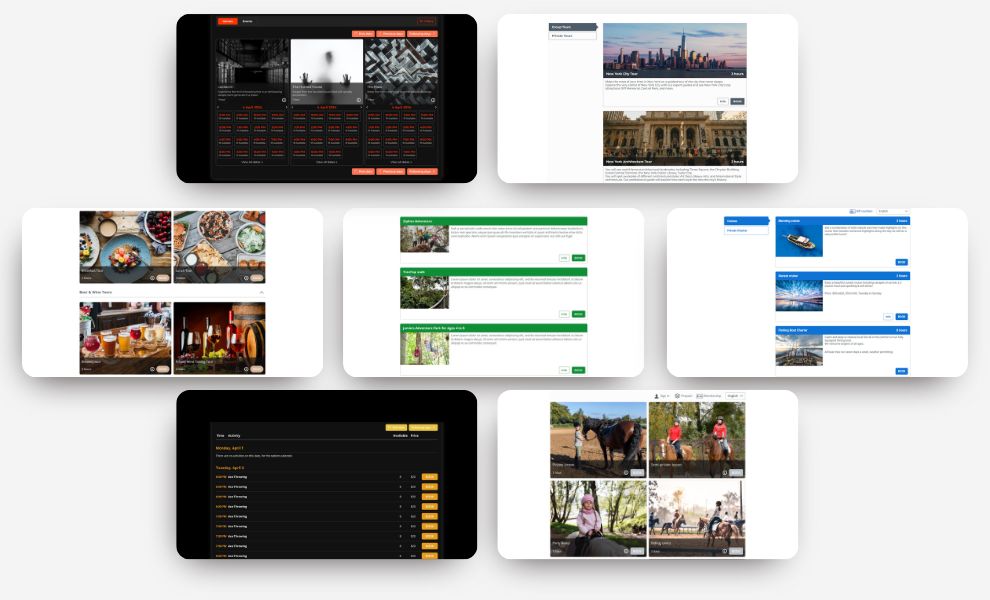
- Capture Leads Through Online Booking Forms: You can directly capture leads from your website or social media pages using Bookeo’s customizable booking forms. Customers can instantly schedule appointments, providing you with their contact information for future interaction.
- Automate Follow-Up Reminders: Bookeo automatically sends reminders and follow-up messages to customers, ensuring they never forget an appointment. Not only does this cut down on no-shows, but it also helps maintain interest from prospective leads.
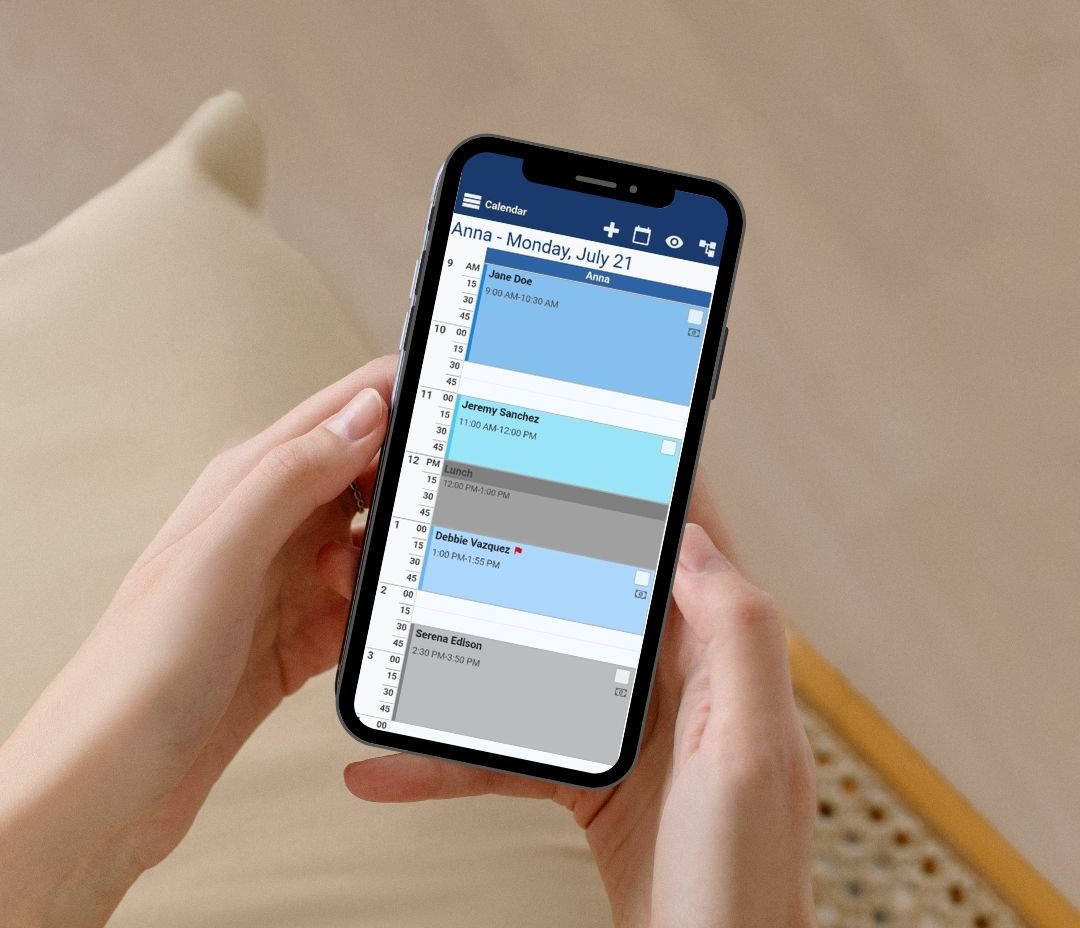
- Manage Customer Appointments and Data: Bookeo allows you to effortlessly manage all client appointments and information in one spot. Whether you need to reschedule an appointment or check client history, Bookeo makes it simple to manage all interactions.
Examples of Bookeo in Action
Several small businesses have already seen success using Bookeo to enhance their lead generation and appointment scheduling processes:
- Fitness Studios: Many fitness studios utilize Bookeo to handle class scheduling and subscriptions. By enabling clients to schedule sessions online and get automated reminders, studios have noticed fewer missed appointments and higher customer retention.
- Salons: For salons, managing multiple appointments can be challenging. With Bookeo, salons can let clients book services directly from their website, track customer preferences, and send follow-up reminders. This leads to better customer satisfaction and more repeat business.
- Tour Operators: Small tour companies have utilized Bookeo to simplify their booking procedures, enabling travelers to easily schedule trips. By using Bookeo’s built-in marketing features, these businesses can also send targeted offers to past customers, turning them into repeat visitors.
Incorporating technology like Bookeo into your lead generation strategy can significantly reduce the manual workload while improving efficiency. Small companies that use these technologies are better able to gather, handle, and convert leads, helping them to expand more quickly and better serve their clients.
Offline Lead Generation Ideas for Small Businesses
While digital strategies are essential for lead generation, offline methods can still be highly effective, especially for small businesses that rely on local customers. These strategies enable you to establish human relationships, which may be critical for earning trust and creating excellent leads. Here are some simple offline lead-generating methods that small companies may readily use.
1. Networking at Local Events and Trade Shows
Attending local events, trade shows, and business expos is one of the most direct ways to meet potential customers. These in-person interactions enable you to establish relationships with potential prospects, address inquiries, and promote your products or services.
- Prepare Ahead: Have your business cards and marketing materials ready to hand out. Make sure you have a clear, engaging pitch to explain your business quickly.
- Follow Up: After the event, follow up with the leads you met. A straightforward email that expresses gratitude for their time and provides supplementary information can maintain the dialogue.
Local networking events can also help you meet other business owners who might be able to refer clients or collaborate with you on future projects.
2. Using Print Media and Direct Mail Marketing
Though digital marketing receives the most of the focus today, print media and direct mail remain effective methods, particularly for addressing a local population. Flyers, brochures, and postcards all attract attention in an eye-catching fashion and help you contact clients who may not be active online.
- Target Your Audience: Focus on your ideal customer by sending direct mail to neighborhoods where your potential clients live or work.
- Include a Call to Action: Whether it’s an exclusive offer, a discount, or an invitation to an event, make sure there’s a clear reason for recipients to contact you or visit your business.
Print media can also include ads in local newspapers or magazines, which can be particularly useful if your business caters to a specific demographic.
3. Partnering with Complementary Businesses
Collaborating with other local firms that provide related goods or services might be beneficial in terms of lead generation. By cross-promoting each other’s businesses, you can reach a wider audience without the cost of traditional advertising.
- Find the Right Partners: Choose businesses that share a similar target audience but offer different services. For example, a fitness studio and a health food shop may collaborate to promote their respective offers.
- Offer Joint Promotions: Consider giving a special deal or discount to clients who buy from both firms, incentivizing them to try both.

Cross-promotion might also include collaborative email campaigns or social media shoutouts, therefore increasing its reach even further.
4. Hosting In-Person Workshops or Seminars
Hosting in-person workshops, seminars, or open houses may be a fantastic approach to demonstrate your skills and attract local prospects. These events provide value to prospective clients while also allowing you to directly connect with them.
- Pick a Relevant Topic: Choose a topic that is relevant to your company and appealing to your target audience. A hairdresser, for example, may conduct a “DIY Hair Care” class, while a financial adviser could provide a lecture on small company budgeting ideas.
- Promote the Event Locally: Use leaflets, neighborhood bulletin boards, and word-of-mouth to spread the message. You may also promote RSVPs via your website and social media.
If you’re offering seminars or events, booking software like Bookeo can help manage appointments. Bookeo allows you to set up online registration forms, track attendees, and send automatic reminders, reducing your workload and ensuring that everything runs smoothly.
Offline lead generation strategies are still quite effective, especially when paired with the correct technology to expedite the process. These tactics may help you make personal relationships and generate local leads, laying a solid basis for your small business’s success.
Measuring and Optimizing Lead Generation Efforts
For your small business to grow, you need to get more leads. But how do you know if your strategies are working? The key to successful lead generation is not just applying numerous strategies, but also measuring their performance and making modifications as required. You may continually enhance your technique by monitoring key performance indicators (KPIs) and optimizing using real-world data.
Why Tracking Your Lead Generation Strategies Matters
Without proper tracking, it’s difficult to know which methods are bringing in the most valuable leads. Monitoring your lead generation efforts helps you:
- Understand which strategies yield the highest-quality leads.
- Identify areas where your marketing dollars are most effective.
- Eliminate or adjust underperforming tactics.

Tracking enables you to make data-driven decisions, preventing you from spending money on tactics that do not provide results.
Key Metrics to Monitor
- Conversion Rates: This is the proportion of leads who complete a desired action, such as making an appointment, buying a product, or subscribing to a newsletter. Monitoring conversion rates allows you to discover which lead generation strategies are most successful at generating action.
- Cost Per Lead (CPL): Cost per lead (CPL) quantifies the amount of money spent on each lead. By computing your cost-per-lead (CPL), you can evaluate the effectiveness of your marketing expenditures. For instance, if one strategy has a high CPL but a low conversion rate, it may be time to reconsider or tweak it.
- Customer Acquisition Cost (CAC): CAC goes a step further than CPL, measuring the total cost of converting a lead into a paying customer. Knowing your customer acquisition cost (CAC) will assist you in assessing the profitability of your lead generation activities and deciding if you’re overspending on client acquisition.
A/B Testing for Lead Generation
One effective way to optimize your lead-generating strategies is via A/B testing. By testing two variations of a single element, such as the subject line of an email or the call-to-action on a landing page, you can determine which version performs better.
- Test Small Changes: Start by implementing little changes to your tactics. For example, try different headlines, images, or offers to see which resonates more with your audience.
- Track Results: After doing an A/B test, examine the outcomes to see whether the version generated more leads or had a greater conversion rate.
- Refine Tactics: Use the findings from A/B testing to fine-tune your lead generation strategies, concentrating on what connects best with your target demographic.
How Bookeo’s Analytics Help Optimize Lead Generation
Using technology like Bookeo can simplify the process of tracking and optimizing your lead generation efforts. Bookeo’s analytics feature allows you to monitor bookings, conversions, and customer engagement in one place. Here’s how it helps:
- Monitor Customer Engagement: Bookeo keeps track of customer interactions, allowing you to see which services or promotions are driving the most engagement.
- Optimize Marketing Efforts: With Bookeo’s detailed reports, you can identify which marketing channels are bringing in the most leads and adjust your strategy accordingly.
By leveraging the insights from Bookeo’s analytics, you can continuously improve your lead generation efforts, ensuring that you’re not only attracting more leads but converting them into paying customers more effectively.
Measuring and optimizing your lead generation strategies is an ongoing process. By focusing on the right metrics, you can make informed decisions that lead to sustained growth for your small business.
Lead Nurturing: Turning Leads into Loyal Customers
Creating leads is merely the first step in expanding your small company. Converting those leads into devoted, recurring consumers is the true difficulty. Lead nurturing is the act of developing long-term connections with prospective customers by continuously communicating with them, delivering value, and keeping them engaged. Effective lead nurturing fosters trust and boosts the chances of turning a lead into a paying client.
Why Lead Nurturing is Important
Many leads do not convert right away following their first engagement with your company. They may need more information, time to consider choices, or several touchpoints before making a decision. By nurturing your leads, you can be sure that they will think about your company first when making purchase decisions.
When done right, lead nurturing helps:
- Build trust and credibility with your audience.
- Boost the likelihood that leads will become clients.
- Promote recurring business and recommendations to convert one-time clients into devoted patrons.
Techniques for Effective Lead Nurturing
- Email Sequences: One of the most effective ways to nurture leads is through a well-designed email sequence. By sending a series of targeted emails over time, you can educate potential customers about your products or services, address their pain points, and offer solutions. You may, for instance, send out a welcome email and then a number of informative emails that highlight the benefits of what you have to offer.
- Personalized Offers: Customizing your offers based on a lead’s specific interests or behavior can significantly increase conversion rates. For example, if a lead expressed an interest in a certain product or service, offering them a targeted discount or promotion for that item might entice them to act.
- Timely Follow-Ups: Following up with leads at the right time is critical. If a lead books an appointment or requests information, make sure to follow up promptly. This demonstrates your awareness of their requirements and respect for their interests.
Using CRM and Automation Tools for Lead Nurturing
Especially for small firms with limited resources, manually tracking every lead and following up may be taxing. This is where CRM (Customer Relationship Management) systems and automation tools come in handy.

A CRM tracks interactions, organizes consumer data, and automates follow-up correspondence.
- Automated Email Campaigns: Most CRM systems let you create automatic email campaigns sending customized messages to prospects depending on their degree of involvement or conduct.
- Scheduling and Reminder Tools: Bookeo automates follow-up reminders and appointment scheduling, therefore streamlining the lead management process and guaranteeing you never miss an opportunity to interact with a lead.
How Bookeo Can Help with Lead Nurturing
Bookeo’s built-in features make it easy to nurture leads and keep them engaged throughout the booking process. Here’s how:
- Automated Appointment Reminders: Bookeo automatically sends reminder emails or SMS messages to customers before their appointments. This lowers no-shows and keeps your company front of mind, ensuring leads stay interested in your offerings.
- Customer Management: Bookeo helps you manage customer data and track their appointment history.
Lead nurturing is about more than just following up; it’s about building trust and offering consistent value. Small businesses can effectively convert prospects into long-term, loyal consumers by utilizing tools such as Bookeo to expedite the process, as well as techniques such as email sequences, personalized offers, and timely follow-ups.
Lead Generation for Small Businesses: Mistakes to Avoid
As we can see, generating leads is crucial for small businesses, but common mistakes can waste time, money, and opportunities. Here are pitfalls to avoid when building your lead generation strategy:
1. Ignoring Your Target Audience
Mistake: Casting a wide net without understanding your audience’s preferences and needs.
Solution: Define your ideal customer profile and tailor your strategies to their habits and interests.
2. Neglecting Follow-Ups
Mistake: Neglecting to cultivate leads following the initial contact.
Solution: Use email marketing or CRM tools to maintain consistent communication and move leads through your sales funnel.
3. Overlooking Website Optimization
Mistake: A slow or hard-to-navigate website can drive potential customers away.
Solution: Ensure your website is mobile-friendly, fast, and easy to use with clear calls to action.
4. Ignoring Local SEO
Mistake: Ignoring the importance of optimizing for keywords related to location.
Solution: Claim your Google Business profile, target location-specific keywords, and encourage customer reviews.
5. Using Social Media Without a Plan
Mistake: The act of posting at random without a defined strategy or engagement.
Solution: Develop a content calendar, consistently engage with followers, and utilize pertinent hashtags.
6. Overpromising and Underdelivering
Mistake: Making unrealistic claims to attract leads.
Solution: Be transparent and fulfill your commitments to establish trust and establish enduring relationships.
7. Failing to Track Results
Mistake: Neglecting to evaluate the effectiveness of your lead generation initiatives.
Solution: Use analytics tools to track ROI, identify gaps, and refine your strategies.
By avoiding these errors, your business is prepared for sustained growth by ensuring that your lead generation efforts are efficient, targeted, and impactful.
Try Bookeo for Free
Bookeo is a practical and user-friendly solution for small companies wanting to improve their lead-generating efforts. Test its features with a free trial to learn how it may improve your lead management process. Bookeo is the tool you need to convert leads into loyal customers, regardless of whether you’re just getting started or want to improve your existing approach.
Conclusion
A solid lead-generation plan is necessary for every small business to grow. By efficiently acquiring and nurturing leads, you may foster long-term connections and generate a continuous supply of new clients. It’s vital to remember that effective lead generation requires a mix of online and offline strategies, such as content marketing, social media, local SEO, and attending in-person events.
Implementing these strategies may seem challenging at first, but with the right approach and appointment scheduling tools like Bookeo, managing and optimizing your lead generation becomes much easier. Bookeo simplifies the process, saving you time and effort and guaranteeing that no lead is missed, from scheduling meetings to automated follow-ups.
Now is the moment to take action. Start putting the tactics we’ve covered into practice, and discover how resources like Bookeo can help you convert leads into devoted clients. You can try out Bookeo’s features through a free trial and see firsthand how it can help your small business grow.