

How to Start a Birthday Party Business: Themes, Planning & Marketing
The birthday party business isn’t just about balloons and cake, it’s about turning moments into memories. Every year, millions of parents, partners, and friends search for someone to help make a birthday feel unforgettable. And in a world where experiences matter more than ever, people are willing to pay for a celebration that stands out.
According to IBISWorld, the party and event planning industry in the U.S. alone is worth over $6.9 billion, with birthday parties making up a growing slice of that pie, especially personalized and theme-based events for kids and young adults.
But this business is more than just a good idea. It’s also deeply personal.
It’s the mom who wants a princess party her daughter will never forget.
The friend planning a surprise 40th.
The parents organizing a backyard bash for their twins, and need help pulling it all together.
If you’re creative, organized, and get joy from helping others celebrate life’s milestones, then starting a birthday party business could be the perfect path.

In this step-by-step guide, you’ll learn:
- How the birthday party business works and why it’s growing
- Which niche or audience you should target
- The services you can offer (and how to make them stand out)
- What licenses, insurance, and setup you’ll need
- The gear and tools that make planning smoother
- How to price your services in a way that’s fair and profitable
- Marketing strategies to attract your first clients, and keep them coming
- How to run unforgettable parties that get referrals on repeat
Whether you’re just starting out or turning your passion into a full-fledged business, this guide will help you navigate the chaos of confetti, candles, and client expectations, without losing your spark.
Step 1: Understand the Birthday Party Market
Before you start sketching balloon arches or pricing piñatas, you need to understand the market you’re entering. The birthday party industry isn’t just one big group of cake-loving clients, it’s made up of many different segments, each with its own needs, budgets, and preferences.
Who Are Your Clients?
At the core of any birthday party business are the parents, often busy, overwhelmed, and looking for someone to take the stress off their plate. But there’s more to it:
- Parents of young children (ages 1–10) looking for themed, hands-on parties
- Tween and teen organizers who want more personalized, Instagram-worthy events
- Adults planning milestone birthdays or surprise parties
- Schools and daycares needing party packages for groups
- Corporate clients organizing employee or customer family events

Understanding who you want to serve will help you build the right packages and market to the right people.
Age-Based Trends
Each age group has different expectations and must-haves:
- Toddlers (1–3): Soft play zones, sensory stations, petting zoos, familiar characters
- Kids (4–8): Interactive themes like pirates, princesses, dinosaurs, and superheroes
- Tweens (9–12): DIY slime, gaming trucks, spa days, outdoor adventures
- Teens: Elegant setups, music, food trucks, photo booths
- Adults: Chic decor, cocktail stations, catered food, mood lighting
Knowing these trends helps you stay relevant and lets you build packages that feel fresh and exciting.
Where Are the Parties Happening?
Location matters. Here are common party settings to consider:
- Homes and backyards
- Community centers or clubhouses
- Public parks
- Private venues
- Indoor playgrounds
- Your own rental/event space (eventually)
Understanding venue types in your area will affect what kind of services and equipment you offer (e.g., mobile setups vs. full venue control).
Local Market Size and Demand
Take a look at your city or neighborhood:
- Are there already several birthday planners?
- Are local venues booked months in advance?
- Are there family-oriented communities, schools, or clubs nearby?
Use this insight to find your edge. Maybe there’s a gap in mobile parties for busy suburbs. Maybe no one is doing tween parties with gaming setups. Maybe cultural or faith-based parties aren’t being catered to.
Understand Budget Expectations
One of the biggest mistakes new party planners make is assuming everyone wants big-budget blowouts. Many parents are looking for high-impact, low-stress options around $300–$700. Others may spend over $2,000 for a Pinterest-perfect party. Offer packages that span these ranges.

When you know who you’re serving and what they value, your business becomes more than a service, it becomes a solution.
Step 2: Choose Your Niche and Services
The birthday party industry has room for everyone, but not everyone should try to do everything. Choosing a niche isn’t about limiting your business. It’s about standing out, building trust, and making your services easier to market and price.
Think of it this way: would you rather be known as “a party planner,” or as “the person who throws the best princess parties in town” or “the go-to for low-stress toddler birthdays”?
Start With What You’re Good At (and What You Enjoy)
Do you love getting crafty with decorations? Are you a natural when it comes to organizing chaos? Maybe you’re great with kids or you love putting together food experiences. Lean into those strengths when picking your services.
Here are a few niche paths you might explore:
- Character-driven parties (princesses, superheroes, dinosaurs)
- Luxury kids’ events with stylized decor and Instagram-worthy setups
- Mobile parties (you bring the fun to the client’s location)
- DIY craft or science-themed birthdays
- Tween & teen parties with glow themes, gaming, or spa setups
- Cultural or faith-based birthday celebrations
Each of these categories speaks to a different type of client, and some may even overlap.
Decide What Services to Offer
You can keep it simple at first or go full-service. Some options include:
- Planning only (you coordinate, they set up)
- Party-in-a-box kits for DIY setups
- Full-service setup and teardown
- Entertainment booking (clowns, balloon artists, magicians)
- Venue sourcing
- Day-of coordination
- Custom decor, themes, and favors
Offering multiple tiers allows you to serve a wider range of budgets. For example:
- Basic Package: Themed decorations, tableware, and a simple activity
- Standard Package: Decorations, activities, and entertainment
- Premium Package: Full setup, entertainment, catering coordination, and party host
Make your packages feel clear, exciting, and worth the price.
Find a Theme, Then Make It Yours
Themes are often the hook that pulls a parent in. So instead of just offering “jungle parties,” consider branding them more creatively:
- “Wild Safari Adventure”
- “Dino Dig & Play”
- “Royal Tea Party with Princess Ella”
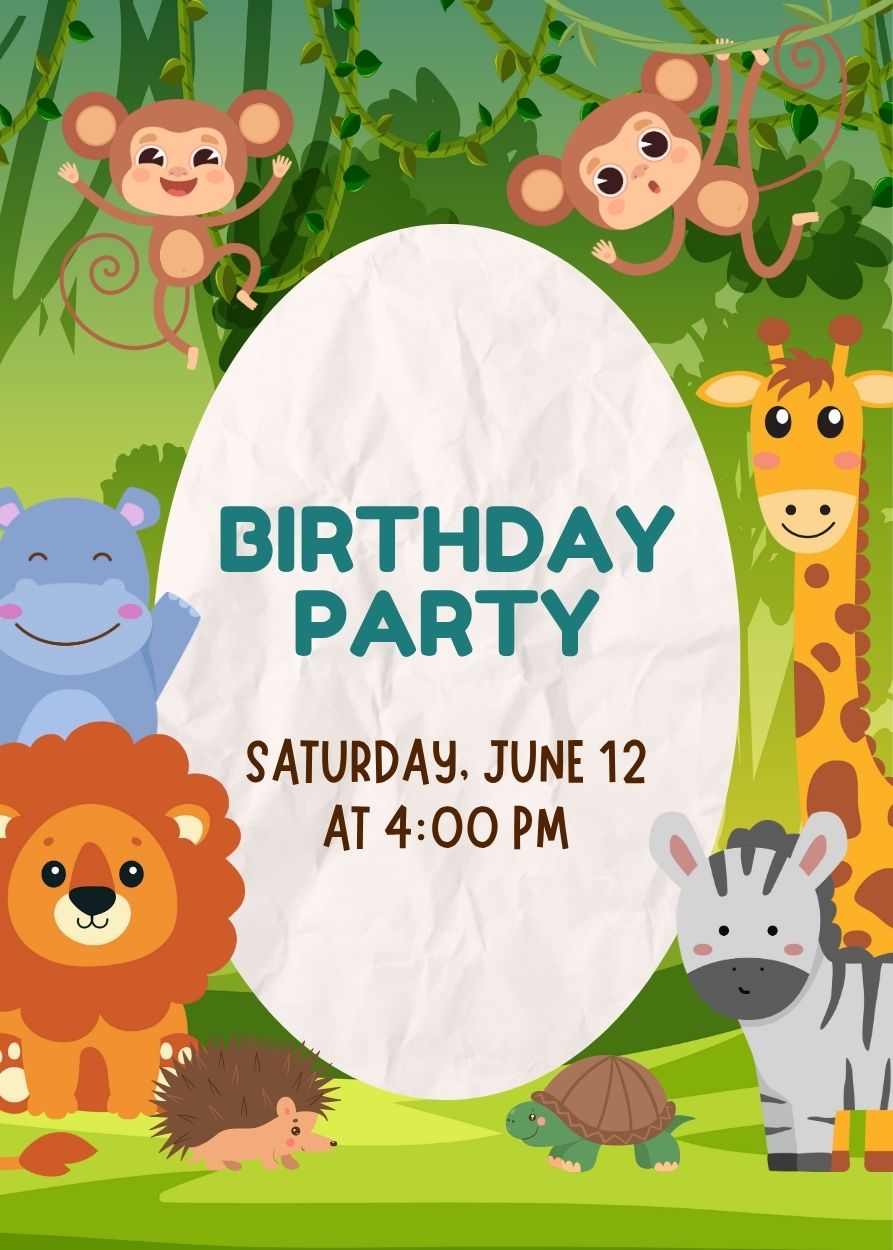
These names don’t just describe the party, they sell an experience.
Offer Add-Ons (But Be Strategic)
Upsells can boost your earnings without much extra effort. Examples:
- Face painting
- Custom cupcakes or cookies
- Balloon garlands
- Personalized signs
- Digital invitation design
Make sure each add-on fits your brand and doesn’t overwhelm your operations. Quality over quantity.
You Can Niche Down Later
If you’re not sure where to start, it’s okay to offer a few general packages and narrow down as you go. Pay attention to what books fastest, what you enjoy most, and what clients ask for again and again.
You’re not just planning parties, you’re crafting joyful, memorable moments. The more focused your services, the easier it is for people to know exactly when to call you.
Step 3: Build a Business Plan and Budget
It’s tempting to dive right into the fun stuff, buying decorations, sketching out themes, posting on social media. But without a clear business plan and budget, your birthday party business could turn into an expensive hobby instead of a sustainable company.
Think of this step as laying the foundation beneath all the creativity.
What’s Your Vision?
Start with a few key questions:
- Do you want this to be a side hustle or full-time career?
- Will you work from home, rent space, or stay mobile?
- Will you be solo or build a small team?
Write out your goals clearly. This will shape how much you invest, what you charge, and how you grow.
Estimate Your Startup Costs
Starting small can keep things affordable, but you still need to plan. Typical startup expenses include:
- Basic inventory: tablecloths, party props, storage bins
- Craft supplies and decor for themed parties
- Transportation (especially for mobile services)
- Website and branding assets
- Booking software or payment tools
- Business registration and insurance
Depending on your scale, you might spend anywhere from $1,000 to $7,000 to get going.
Plan Your Monthly Expenses
Don’t forget the recurring costs:
- Website hosting
- Social media ads
- Phone or business line
- Gas, storage, supply restocking
- Help from freelancers (designers, helpers for events)
- Liability insurance
Knowing your fixed costs helps you set income goals and pricing that actually covers your time and expenses.
Create Sample Packages and Prices
Let’s say you want to make $4,000/month and your average party costs you $150 in supplies and takes 10 hours total (planning, shopping, setup, teardown, etc.). If you price your package at $500, you’d need to book about 10 parties per month to hit your income goal.
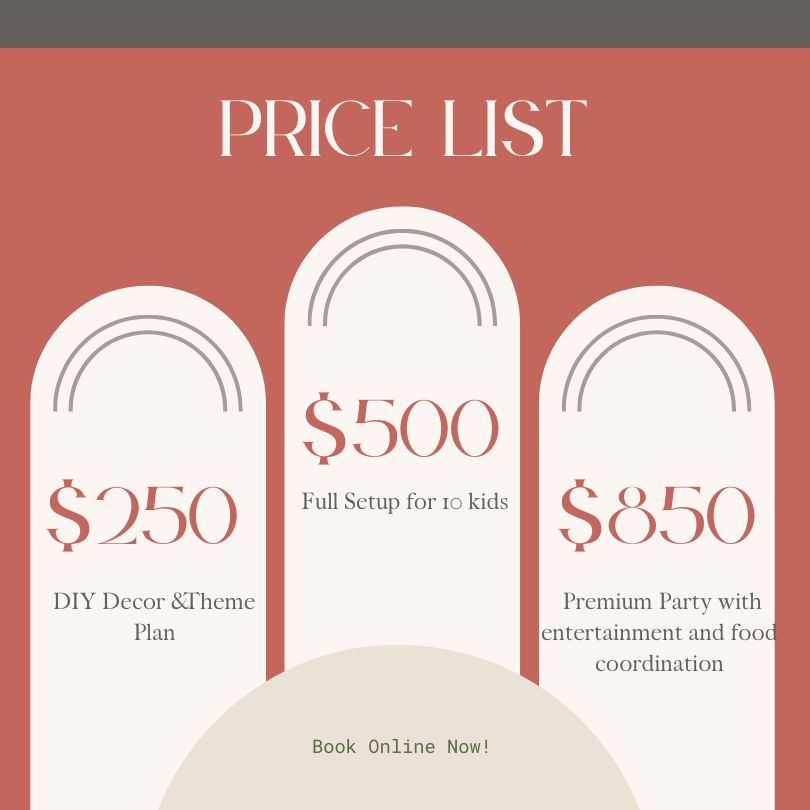
You can create multiple packages like:
- $250 DIY Decor & Theme Plan
- $500 Full Setup for 10 kids
- $850 Premium Party with entertainment and food coordination
Start with just two or three simple tiers. Make sure your time and costs are built into each one.
Project Break-Even and Growth
You’ll want to map out:
- How many clients you need to break even
- When you expect to be profitable
- What services or upgrades you’ll add as you grow
Even a basic spreadsheet with “expenses vs. income” will give you a clear path forward. And that confidence will show in everything you do, from client calls to your marketing presence.
Building a party business isn’t just about bringing joy. It’s about building smart, too.
Step 4: Register Your Business and Handle Legalities
Now that your ideas are taking shape, it’s time to make your birthday party business official. This step may not be as exciting as designing a unicorn-themed backdrop, but it’s absolutely critical. A properly registered and protected business gives you legitimacy, protects your assets, and builds client trust.
Choose a Legal Structure
Your first decision is how to legally organize your business. The most common options for new event planners are:
- Sole Proprietorship: Easiest and cheapest to set up, but offers no personal liability protection.
- Limited Liability Company (LLC): A popular option for small businesses. It separates personal and business finances and offers liability protection.
- Partnership: If you’re going into business with someone else, this formalizes your shared ownership.
An LLC is often the best balance for a solo party planner, it looks professional and gives you legal protection if something goes wrong at an event.
Register Your Business Name
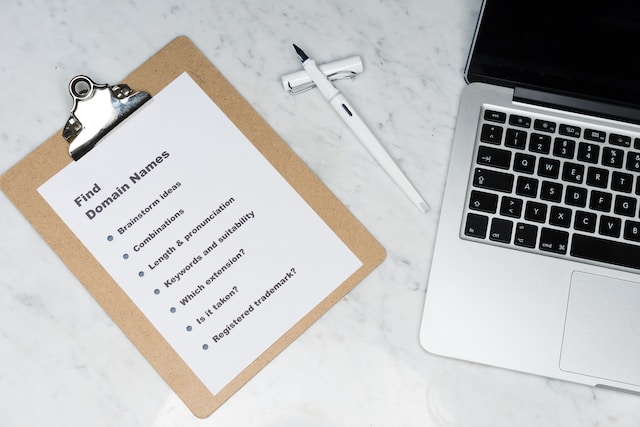
Even if you’re not setting up an LLC, you’ll likely need to register your business name with your local or state government. Pick a name that isn’t already in use, and make sure the domain is available so you can build a matching website.
Get the Right Licenses and Permits
Licensing requirements vary by location, but here are some basics to check:
- Business license from your city or county
- Home occupation permit (if working from home)
- Sales tax permit (if you’re selling products like decorations or kits)
- Event permits (if hosting parties in public spaces)
Check your state or local small business office or chamber of commerce for details.
Insurance Matters, Don’t Skip It
Even with the best planning, accidents can happen. A child could trip on a cable, a decoration could catch fire, or equipment might get damaged.
Look into:
- General liability insurance (protects against injury/property damage)
- Event insurance (especially for larger gatherings)
- Commercial auto insurance (if you’re transporting gear)
- Business property insurance (covers your supplies, tools, and decor)
These may sound intimidating, but small business insurance is often surprisingly affordable.
Create Contracts and Waivers
Professionalism isn’t just about presentation, it’s also about protecting yourself legally. Always use contracts, even for small jobs. Include:
- Services provided
- Event date and location
- Payment terms and cancellation policy
- Client responsibilities (e.g., supervision of children)
- Force majeure clause (for weather or emergencies)
For certain events, especially those with bounce houses, face painting, or animals, consider a liability waiver signed by parents.
Set Up a Business Bank Account
Once you’re legally operating, open a dedicated business bank account. This:
- Makes tax time easier
- Keeps your finances clean
- Looks more legitimate to clients and vendors
You may also want to get a small business credit card to separate your expenses and build credit over time.
These legal and financial steps may feel dry, but they’re the glue that holds your business together. Once this foundation is in place, you can focus on creating memorable moments, without worrying about what could go wrong behind the scenes.
Step 5: Design Unique Party Packages and Themes
This is where your creativity really gets to shine. Designing party packages isn’t just about listing your services, it’s about building experiences that feel fun, easy, and irresistible to your customers. The better your packages are tailored, the less convincing you’ll need to do to book clients.
Start with the Big Three: Simplicity, Value, and Wow-Factor
Most parents aren’t browsing your website with tons of free time. They’re probably juggling dinner, homework, and a crying toddler, so make it easy for them to choose. Clear names, simple descriptions, and visual examples go a long way.

Structure your packages with:
- A clear party theme
- A breakdown of what’s included
- A list of add-on options
- A flat, transparent price range
You might offer three tiers:
- Essential Package – Simple decor, themed plates and tableware, one activity
- Signature Package – Decor + themed games + entertainer or craft + favor bags
- Ultimate Experience – Full setup, entertainer, backdrop, food coordination, custom decor, photos
Themed Parties That Spark Imagination
Themes are your secret weapon. They help parents visualize the party and get kids excited.
For kids:
- “Superhero Training Camp”
- “Fairy Garden Adventure”
- “Dino Dig Day”
- “Princess Royal Ball”
- “Under the Sea Splash”
- “Construction Zone Party”
- “Pajama Pancake Brunch”
For tweens and teens:
- “Glow-in-the-Dark Dance Party”
- “DIY Spa Day”
- “TikTok Creator Party”
- “Backyard Movie Night”
- “Art & Boba Workshop”
For adults:
- “Vintage Vibes Bash”
- “Wine & Cheese Mixer”
- “1980s Throwback”
- “Murder Mystery Dinner”
- “Sunset Boat Picnic”
Keep your themes flexible enough to customize, but structured enough that you’re not reinventing the wheel every time.
Customization Without Chaos
Some clients will want to personalize every detail, while others want it done for them. Offer optional upgrades that keep your workflow tight, such as:
- Personalized signage or banners
- Custom cake toppers
- Themed party favors
- Balloon garlands in custom colors
- Themed craft kits or DIY activities

Price these clearly so clients know what’s included and what’s extra.
Show, Don’t Just Tell
Once you’ve designed your packages, showcase them visually. Use:
- Photos from past events
- Mood boards or mockups
- Simple videos or reels on social media
- Package comparison charts on your website
When a parent says “We want something fun for our 6-year-old,” you should be able to say “How about our Pirate Treasure Hunt Party? It comes with a map-themed game, gold coins for each child, and a shipwreck cake setup.”
That level of clarity builds trust, and books events.
Step 6: Source Reliable Vendors and Supplies
Behind every magical party is a team, or at least a few key helpers, you can count on. Whether you’re handling decor, catering, or entertainment yourself or outsourcing specific tasks, building strong relationships with reliable vendors and suppliers is crucial to keeping your business stress-free and your events seamless.
Start With the Essentials
Depending on your service offerings, you’ll need to source:
- Decor and party supplies (balloons, streamers, themed props, tableware)
- Entertainment (clowns, magicians, face painters, character actors)
- Food and drink vendors (bakers, caterers, food trucks)
- Rental companies (tables, chairs, photo booths, bounce houses)
- Photographers/videographers for higher-end packages
Build a list of 2–3 trusted vendors in each category. That way, you’re never scrambling last minute if one is booked or unavailable.
Look for Local Partnerships
Start local. Small businesses love collaborating, especially if it brings them consistent referrals. Introduce yourself to:
- Bakeries and cafes that make birthday cakes or cupcakes
- Florists who can handle centerpieces or balloon garlands
- Local costume shops or freelance actors
- Community venues or kid-friendly spaces

Let them know you’re building a birthday party brand and looking to recommend trusted partners to your clients. Offer to feature them on your website or give social media shoutouts in return for small discounts or priority booking.
Quality Over Convenience
Always vet your vendors before promising them to clients. Attend events where they’re working. Ask about setup time, professionalism, and how they handle chaos (because there will be chaos). Your reputation is tied to anyone you bring into an event.
Create a checklist for each new vendor:
- Are they insured and licensed (if needed)?
- Do they arrive on time and clean up after themselves?
- Are they good with children?
- Do they match your brand’s vibe and professionalism?
Build a Supply Inventory Over Time
In the early days, you don’t need to buy everything. But gradually, owning a curated inventory can save money and reduce dependency on last-minute shopping.
Start building your stash with:
- Reusable tablecloths and chair covers
- Balloon stands and arch kits
- Neutral backdrops that work with many themes
- Storage bins labeled by theme or supply type
- Battery-powered lights, extension cords, tape, zip ties, etc.
As you grow, you can rotate items across multiple packages and events, giving you better margins with less waste.
Track and Organize Your Tools
Use spreadsheets or simple inventory tools to track what you have, what needs repair, and what’s in use for upcoming events. Having a labeled storage system saves time and keeps you from accidentally double-booking a prop or running to the store the night before.

Remember: your vendors and supplies are the bones of your business. Treat those relationships with care, and they’ll reward you with fewer headaches and smoother events.
Step 7: Market Your Birthday Party Business
You can be the best party planner in your city, but if no one knows you exist, it won’t matter. Marketing is how you turn your creativity into a steady stream of bookings. And in the birthday business, it’s not about shouting the loudest, it’s about being visible, trustworthy, and memorable.
Start With a Strong Online Presence
Your digital storefront is often the first impression parents get. Even if you’re working from home, treat your online presence like a professional business.
At minimum, you’ll need:
- A well-designed website with service details, package pricing, and contact forms
- A photo gallery of past parties or styled mockups
- Client testimonials or reviews
- Clear calls-to-action like “Book a Free Consultation” or “View Our Party Packages”
Make sure your website is mobile-friendly. Most parents are browsing on their phones during busy moments, while waiting in line, in the school pick-up lane, or in bed at midnight.
Optimize for Search Engines
To attract local clients searching for terms like “how to start a birthday party business” or “birthday party planner near me,” your website should include:
- Location-specific keywords: “[Your City] kids party planner,” “best birthday party packages in [City]”
- A Google Business Profile with updated info and photos
- Listings on directories like Yelp, Thumbtack, or Care.com

Add a blog with helpful content, like birthday checklist tips or theme inspiration, to boost SEO and build trust.
Social Media That Actually Converts
Don’t try to be on every platform. Focus on where your audience hangs out. For family and event planning, Instagram, Facebook, and TikTok are great places to start.
Your content should do one or more of the following:
- Showcase your themes and packages in action
- Share behind-the-scenes clips of setup
- Post birthday tips or trends (Reels work great for this)
- Highlight happy moments from real parties (with client permission)

Use hashtags like:
- #birthdayplanner
- #kidspartyideas
- #[YourCity]parties
- #birthdaythemeinspo
And always include location tags to appear in local searches.
Leverage Word of Mouth and Referrals
In this industry, happy parents are your best marketers.
Try these tactics:
- Send follow-up thank-you notes with a referral code
- Offer discounts to clients who refer friends
- Encourage clients to tag your business in social posts
- Partner with popular local businesses (photographers, cafes, bakeries) for shoutouts or cross-promotions
Run Low-Cost Promotions to Build Momentum
When starting out, offer limited-time specials like:
- “Book by [date] and get free balloon decor!”
- “10% off your first party with us”
- “Free party favor bags for the first 5 bookings this month”

These create urgency and help fill your calendar.
Marketing isn’t about being flashy, it’s about showing up consistently and making it easy for someone to say, “Yes, I want that for my kid.”
Step 8: Manage Events Like a Pro and Build Client Loyalty
Planning is one thing, but executing a smooth, memorable party that leaves both kids and parents raving? That’s where you turn clients into fans and one-time bookings into repeat business.
Master the Art of Preparation
Flawless parties are born from behind-the-scenes systems. To avoid scrambling on the day of the event, create step-by-step workflows for each booking.
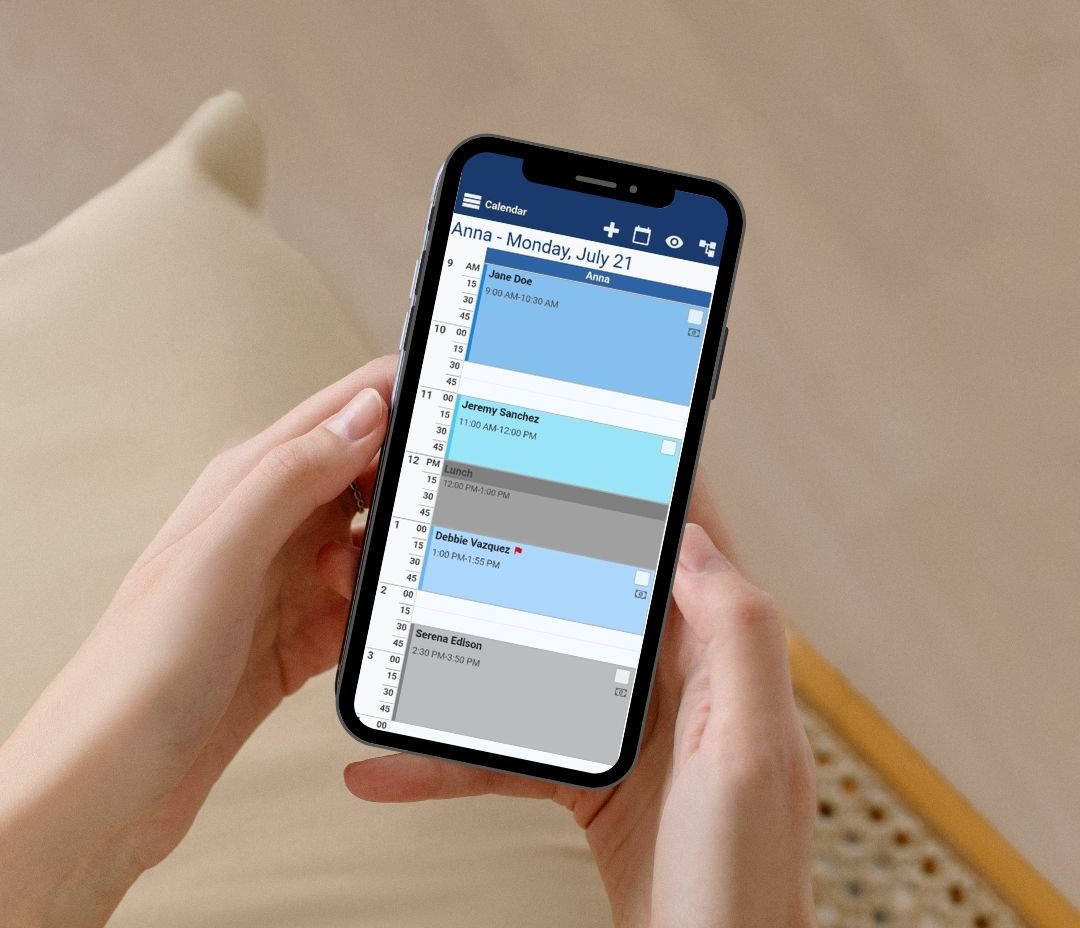
A few essential habits:
- Confirm event details and guest count one week in advance
- Use a detailed packing checklist for each theme or package
- Label all bins, props, and supplies for quick setup
- Arrive at least 1–2 hours early to set up without pressure
Create a party-day timeline for yourself (and your team if you have one) to keep things flowing smoothly. Include setup, activity transitions, snack time, cake moment, and teardown.
Keep Your Cool, Even When Things Go Off Script
Kids spill juice. Speakers glitch. A balloon arch might deflate mid-party.
The most successful planners aren’t the ones who avoid problems, they’re the ones who solve them with a smile. Keep backup supplies, simple games for filler time, and stay calm under pressure. Parents will remember your professionalism just as much as the decorations.
Make Clean-Up Seamless
Leave the venue cleaner than you found it. Even if the host insists they’ll take care of it, your attention to post-event details sends a strong message: “I care about your entire experience.”
Pro tip: Keep a “reset bin” with wipes, gloves, trash bags, and zip ties for speedy clean-up.
Follow Up with a Personal Touch
Once the party’s over, don’t disappear. A thoughtful follow-up keeps the relationship going.

Try:
- A thank-you email with a highlight photo
- A gentle prompt for a Google or Facebook review
- A “Happy Birthday” message the following year
- A referral code they can share with friends
These touches take minutes but build long-term client trust.
Track What Worked, And What Didn’t
After every party, do a mini post-mortem:
- What went smoothly?
- What stressed you out?
- What did the client love most?
- What could be simplified or improved next time?
Document your reflections. Over time, you’ll refine your systems, improve your packages, and reduce last-minute chaos.
Loyal Clients Are Your Growth Engine
When families have a great experience, they’ll return year after year, and tell their friends. Offer loyalty perks like:
- Discounts on their second booking
- First dibs on holiday party dates
- Exclusive early-bird packages
Remember: the party industry is built on emotion, memories, and word of mouth. If you can make families feel seen, supported, and celebrated, you won’t just book events, you’ll build a brand people trust.
Add-On Services That Can Skyrocket Your Revenue
Once your core birthday party business is up and running, offering strategic add-ons can significantly boost your income, without needing more clients. Add-ons are those small, optional upgrades that make parents feel like they’re going the extra mile for their child’s special day. And when packaged well, they can turn a standard party into an unforgettable experience.
What Makes a Good Add-On?
The best add-ons meet one of these goals:
- Save the client time
- Add a wow factor to the event
- Solve a problem the client didn’t know they had
- Increase the perceived value of your service
They don’t have to be huge or expensive to make an impact. In fact, sometimes the smallest details, like personalized name tags or a matching cake stand, can be the most appreciated.
High-Demand Add-On Ideas
Here are some popular add-ons that birthday party businesses regularly upsell:
- Balloon Garlands or Arches: These elevate any setup and are often the most photographed item. They’re eye-catching and can be built in any color scheme or theme.
- Custom Party Favors: Personalized goody bags with the child’s name or themed trinkets (think pirate coins or fairy dust) feel extra special.
- Themed Dessert Tables: Offer to style the dessert station with decor, signage, and props, great for photos and Instagram-worthy memories.
- Party Photographers: Parents want to enjoy the moment, not spend it behind the camera. Partner with a photographer and add it as an optional upgrade.
- Entertainment Extras: Face painting, bubble shows, puppet theaters, and even petting zoos can be added for themed experiences.
- Craft or DIY Kits: Especially good for kids aged 5–10. You supply the materials; the kids make something to take home.
- Custom Invitations or E-vites: Help the family set the tone from the start with well-designed invitations, either printed or digital.
- Snack Stations or Treat Carts: Cotton candy machines, popcorn carts, or even a small DIY cupcake bar can make a big impression.
How to Present Add-Ons Without Overwhelming Clients
Keep your core party packages simple and clean. Then, introduce 3–5 add-ons after the initial quote is shared. This prevents decision fatigue and positions your core service as the main offering, with upgrades as exciting bonuses.
Use a separate “Add-Ons Menu” PDF or a page on your website with photos, descriptions, and pricing. Visuals help parents picture the extra value, especially if you include shots from real parties.
Bundle for Bigger Impact
You can also create theme-enhancement bundles:
- “Deluxe Unicorn Upgrade” → includes pastel balloon arch, unicorn horn favors, and sparkle cupcakes
- “Superhero XL Pack” → includes capes for each child, comic book backdrop, and themed game kit
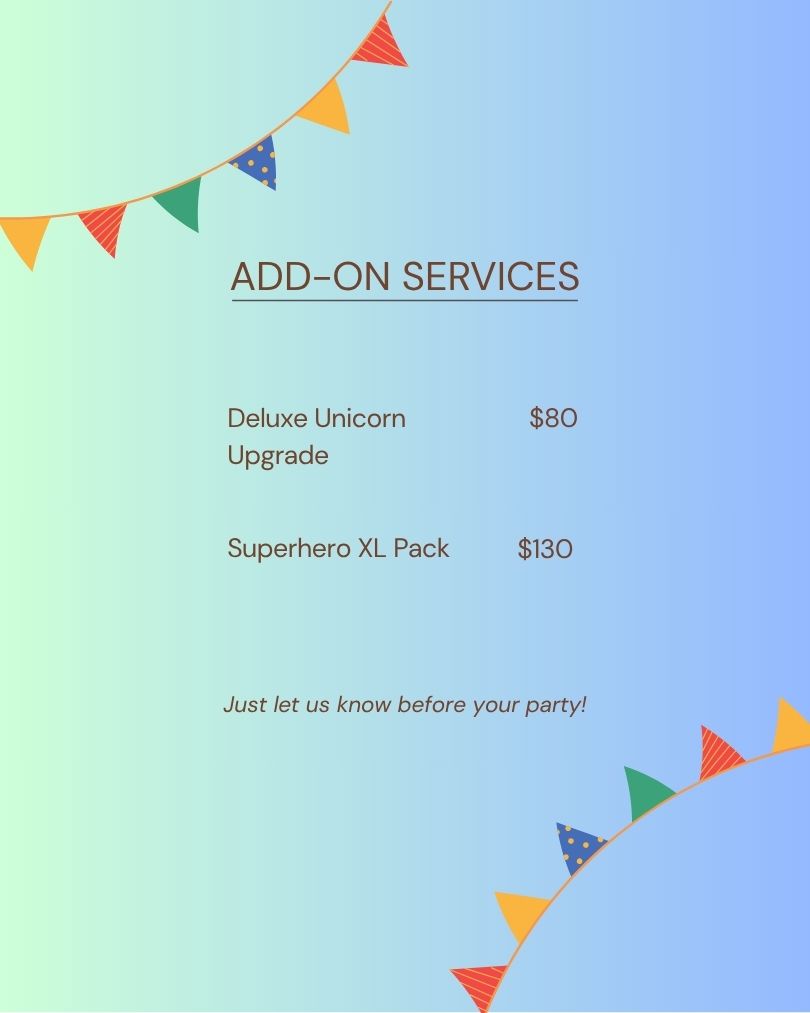
These pre-bundled options make upselling easier, and parents feel like they’re getting a deal.
Track What Sells
Pay attention to which add-ons consistently get booked. Over time, focus on those, increase prices slightly, and consider phasing out low-margin or high-stress ones. This helps you scale smart and profitably.
Add-ons aren’t just about more money; they’re about helping clients have a better party with less effort. And when they walk away wowed, they’re not just more likely to book again… they’ll be eager to tell their friends.
Conclusion
Starting a birthday party business isn’t just about balloons and cake, it’s about turning joy into a profession. You’re not selling decorations; you’re creating memories that last. That’s powerful. And when done right, it can be profitable, scalable, and deeply rewarding.
Throughout this guide, we’ve covered every key step, from understanding your market and legal setup to designing unforgettable themes and managing vendors. But what truly sets your business apart is how you show up: with creativity, professionalism, and heart.
In a world full of cookie-cutter options, that personal touch is your secret weapon. Whether you’re helping a five-year-old meet their favorite superhero or transforming a living room into a jungle safari, you’re not just planning parties, you’re making magic.
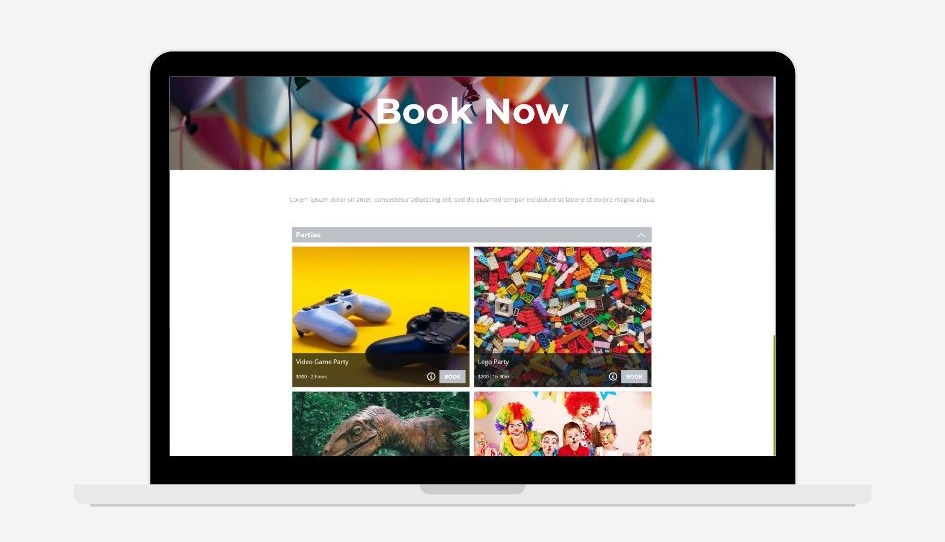
Birthday party booking software like Bookeo can make that process smoother, letting you handle bookings, manage your calendar, and keep client communication streamlined, so you can focus on what you do best: creating unforgettable celebrations.
So start small. Stay organized. Show up with passion. Your first party might be for a friend’s child, but with consistency, your schedule will start filling up, faster than a balloon tank at a princess party.
Here’s to building a business that celebrates others, while creating a future you’ll be proud of.