
How to Grow Your CPR Business: A Step-by-Step Guide for Instructors
Here’s something interesting – CPR and First Aid certifications last only two years. This creates a regular chance to grow your CPR business as students come back for recertification.
More professionals now need CPR and first aid certification for their jobs, and the market keeps growing. Schools, youth groups, and many industries require CPR training, which means qualified instructors stay busy. Digital marketing helps you promote your CPR business well. Your website can attract steady traffic and build trust with a solid online plan. This matters because 93% of people say online reviews affect what they buy.
This piece walks you through practical ways to attract more students and run your CPR training business better. You’ll learn how to streamline operations and create a lasting business model, whether you’re new or ready to expand. We’ll start by shaping your business approach and then show you how to build your presence online and locally.
Define Your CPR Business Model
A successful CPR business starts with the right business model. Your choices about structure, class formats, and market approach are the foundations of your future development.
Choose between solo instructor or training center
The first big choice in your CPR business journey is whether to work as a solo instructor or set up a training center. Each path brings unique benefits based on your goals and resources.
A solo instructor role gives you:
- Lower startup costs (USD 2,000-10,000 original investment)
- Greater flexibility in scheduling
- Freedom to set your own prices
- Simpler operations management
Setting up a training center offers:
- Larger class sizes
- The chance to hire more instructors
- A more structured business framework
- Better scaling options
The American Heart Association and Red Cross offer clear paths to become an instructor through their Training Center networks. Your choice should line up with your long-term business vision and the resources you have.
Decide on in-person, online, or hybrid classes
Modern CPR training comes in three main teaching models, each meeting different student needs:
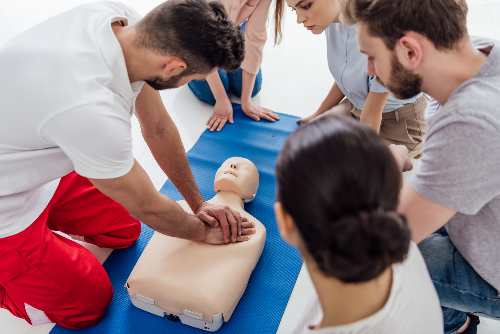
In-person classes blend lectures with hands-on skills sessions. These traditional classroom settings let students practice physical skills on manikins with direct instructor feedback. Many healthcare positions and regulated industries need this format to meet compliance standards.
Online training lets students learn at their own pace, anytime and anywhere with internet access. This format suits people who need quick certification for general workplace requirements but might not meet hands-on demonstration needs for certain jobs.

Hybrid/blended learning has become more popular, especially after COVID-19. Students complete online theory at their convenience and then book a short skills check with an instructor.
Training providers say that “offline training with hands-on practice” works better than online-only formats. Offering multiple options helps you reach more potential clients.
Understand your local market needs
Your CPR business needs a clear picture of the local market. Most successful CPR businesses start by serving a 25-mile radius (about one hour’s travel time).
Your area’s industries that need CPR certification will be your best clients. The most reliable customers have regulatory requirements for certification, including:
- Doctor’s offices
- Schools and daycares
- Industrial workplaces
- Recreational departments and coaching staff
You can also target non-regulated organizations that often ask for CPR training:
- Churches
- Law offices
- Campgrounds
- Summer camps
The CPR training market should grow at a 7.5% CAGR from 2021 to 2028. Learning which certifying organizations (American Heart Association, Red Cross, etc.) your area prefers will help shape your business model.
Note that hospitals usually train their healthcare workers in-house, so they won’t be your main market. Your focus should be on organizations without internal training programs but with regular certification needs. These clients create steady, predictable income streams for your growing CPR business.
Get Certified and Stay Compliant
Your CPR business needs proper certification as its foundation. Professional instructors stand out from amateurs through legitimate credentials that build trust with potential clients.
Understand certification requirements
National training organizations require specific criteria for CPR instructor certification. You’ll need a current provider-level CPR certification in your chosen teaching discipline. This proves you’ve mastered the life-saving techniques yourself.
The path to becoming an instructor involves:
- Finding and consulting with a Training Center in your area
- Completing required paperwork through the Training Center
- Successfully finishing both online and in-person portions of instructor training
- Completing a monitoring phase where your teaching is observed

Certified instructors must teach at least four complete courses every two years to stay active. Major certifying bodies share this requirement, though exact numbers might differ.
Your certification lasts two years from when it’s issued. You’ll need to teach the required courses and complete updates before you can renew.
Choose a certifying body (AHA, Red Cross, etc.)
The certifying organization you pick will shape your business opportunities greatly. The American Heart Association (AHA) and American Red Cross lead the pack as the most recognized CPR certification providers in the United States. Health & Safety Institute (HSI) offers certification programs too.
Major certifying bodies differ in these ways:
- Exam Standards: AHA wants an 84% minimum passing score, while Red Cross accepts 80%. This makes AHA certifications a bit tougher.
- Certification Validity: AHA certifications last two years for all courses. Red Cross certifications usually last one year, though some professional courses go for two years.
- Industry Acceptance: Healthcare settings prefer AHA certifications because they match advanced clinical guidelines better. Corporate training programs often use Red Cross certifications.
Your target market should guide your choice. Many employers and schools will only take one specific type of certification. Research what your local market needs before picking your certifying organization.
Healthcare professionals often require AHA certification. The AHA creates international CPR guidelines that other organizations, even Red Cross, follow.
Stay updated with health and safety regulations
Your instructor status depends on regular updates. Both AHA and Red Cross keep refining their guidelines based on new research and best practices.
Instructors must:
- Complete all current guideline updates (such as the 2020 AHA Guidelines for CPR and ECC)
- Keep their provider-level certification current
- Document their teaching activities accurately
- Take instructor renewal courses when required
Workplace regulations matter beyond certification requirements. OSHA standard 29 CFR 1910.151(b) requires workplaces without nearby medical facilities to have staff trained in first aid. Childcare providers usually need current pediatric first aid training and CPR certification.
These regulations create opportunities for your business. Organizations needing to meet these standards make excellent potential clients. You can help them fulfill legal requirements while teaching their employees life-saving skills.
Your certifications speak volumes about your business reputation. Staying current shows your dedication to quality instruction while keeping you legally compliant.
Set Up Your Business Legally
Your CPR business needs strong legal foundations. The right registration and compliance steps will protect your personal assets and professional reputation as you grow your training enterprise.

Register your business and pick a structure
The legal structure you choose will affect everything from taxes to liability. Here are your main options:
- Sole Proprietorship: This is the simplest structure with minimal paperwork, but your personal assets remain exposed to business debts and lawsuits.
- Limited Liability Company (LLC): Most CPR instructors go with this option because it keeps personal assets safe if legal issues come up. Filing fees range from USD 50.00 to USD 500.00 based on where you live.
- Corporation: This gives you strong liability protection and possible tax benefits, though you’ll deal with more complex reporting.
Whatever structure you pick, you’ll need to register your business name with your state’s Secretary of State office. Next, get a free Employer Identification Number (EIN) from the IRS website. This number works like a social security number for your business and keeps your personal finances separate from business operations.
Get your licenses and insurance
Most local authorities require CPR training businesses to have:
- General Business License: You’ll pay between USD 50.00 and USD 100.00 each year to your city or county.
- Sales Tax Permit: Most states require this if you sell physical items like training manuals or pocket masks.
Insurance adds another layer of protection:
- General Liability Insurance: This covers accidents like students tripping over equipment.
- Professional Liability Insurance: Also known as E&O (Errors and Omissions), this protects you if someone claims your training led to harm.

Many instructors bundle these coverages in a Business Owner’s Policy (BOP), which typically costs between USD 400.00 and USD 900.00 yearly for USD 1.00 million in coverage.
Skipping professional liability coverage is risky, general liability won’t help if a graduate makes a mistake and blames your teaching. Check with insurers like Hiscox, The Hartford, or NEXT Insurance for policy options.
Know your tax and liability obligations
Your CPR business will face several tax responsibilities:
- Property Taxes: These apply where your business operates.
- Sales and Use Tax: You collect these from customers when selling products and send them to your state.
- Service Taxes: While services usually don’t face sales tax, some areas do tax educational services.
- Franchise and Excise Tax: Many states charge these for LLCs.
Self-employed CPR instructors can write off work-related education expenses on Schedule C (Form 1040). Working with an accountant helps properly categorize these deductions and plan for quarterly estimated tax payments.
A separate business bank account helps CPR instructors keep personal and business money apart. This makes tax filing easier, strengthens liability protection, and looks more professional to clients.
Good legal compliance does more than avoid penalties; it helps market your CPR business by showing credibility. Organizations looking for training partners usually prefer instructors with proper licenses and insurance over those with questionable practices.
A business attorney and tax professional should review your legal structure before you finalize it. They can spot location-specific requirements you might miss.
Build a Professional Online Presence
Your online presence acts as the digital storefront for your CPR training business. A great website becomes the first touchpoint for students who want to get certified.
Create a user-focused website
Your website acts as the foundation of your marketing strategy. Potential customers research your services, verify your credibility, and end up booking classes here. A professional website should be simple, clear, and easy to navigate.

The best CPR business websites have:
- Professional design that builds trust with visitors
- Easy-to-edit pages to update content
- Blogging features to share CPR tips and boost visibility
- Secure hosting with virus protection and regular backups
Your site should answer visitors’ questions right away. Use simple language to explain your CPR classes, how to register, and certification benefits. This direct approach helps students and search engines understand what you offer.
Small CPR businesses find that website builders like WordPress or Webflow provide better SEO features than basic platforms. A small monthly investment in good hosting (around USD 25.00/month) makes a big difference in your growth potential.
Optimize for mobile and SEO
Mobile optimization matters because most potential students browse and sign up for classes on phones or tablets. A quick-loading, mobile-friendly site improves user experience and Google rankings.
Your site needs to be mobile-friendly:
- Keep designs clean without clutter
- Make images smaller for faster loading
- Check your site works well on different devices

SEO (Search Engine Optimization) tips that work:
- Look for keywords like “CPR training near me” and “CPR certification in [Your City]”
- Add these keywords naturally in page titles, headings, and descriptions
- Build service pages for specific locations to attract local clients
- List your business on Google My Business and local directories
- Ask happy students to leave online reviews
CPR instructors see better results when they share helpful blog content about CPR techniques and safety information. This strategy boosts search rankings and shows you know your stuff.
Add course details, pricing, and contact info
Your website should display all the information students need to decide. Include complete details about certification courses, pricing options, and several ways to contact you.
Key website elements to include:
- Full course descriptions for each certification type
- Clear pricing and available discounts
- Class schedules and dates
- Registration forms or booking links
- Contact details (phone, email, location)
- Instructor credentials and qualifications
The registration process needs extra attention. People often look for CPR training during breaks or after hours. Your booking system should let them register for classes 24/7 with minimal clicks. An easy-to-use booking system helps more people complete their registration.
Adding testimonials from past students helps too. Client feedback builds trust, and 93% of consumers say online reviews affect their buying decisions.
A professional website builds credibility and makes it easy for students to find information and sign up for courses. This digital foundation supports your marketing efforts and works non-stop to turn visitors into clients.
Use Digital Marketing to Attract Clients
Digital marketing can propel development for CPR businesses that want to expand their reach and boost class enrollments. The right online strategies will help you connect with potential students who are looking for life-saving training in your area.
How to promote my CPR business online
A complete digital marketing strategy starts with optimizing your Google Business Profile. This free tool helps people find your CPR training during local searches. Your profile needs precise contact details, hours, and location information after verification. High-quality photos of your training sessions and equipment will build visual trust with potential clients.
Social media platforms give you excellent opportunities to showcase your CPR business. Facebook, Instagram, and LinkedIn help you connect with potential customers through regular posts about:
- Safety tips and CPR techniques
- Upcoming class schedules
- Student success stories and testimonials
- Video content demonstrating skills

Content marketing is another great way to get promotion. Creating valuable blog posts about CPR techniques shows your expertise while improving search rankings. You could develop informational PDFs or infographics as downloadable resources. These materials often get shared and expand your reach even further.
Your reputation as a helpful expert grows when you join local Facebook groups and answer CPR-related questions.
Run local ads and use PPC campaigns
Paid advertising helps your CPR business grow faster by putting your services in front of ready-to-enroll students. Google Ads lets you target specific local searches like “CPR training near me” and connects you with people actively looking for your services.
Facebook and Instagram ads are targeted precisely based on location, interests, and demographics. These platforms help you create visual campaigns that appeal to specific audience segments, from healthcare workers needing recertification to parents wanting simple life-saving skills.
Your PPC (Pay-Per-Click) campaigns should:
- Research relevant keywords specific to CPR training
- Create ads that address local search intent
- Test different formats, including search, display, and video
- Track performance metrics and adjust campaigns
Geographic targeting makes sense for CPR businesses with physical locations. You maximize return on investment by focusing your ad spend on people within a reasonable travel distance of your training site. This precise approach saves money by avoiding clicks from people too far away to attend your classes.
Use email marketing and newsletters
Email marketing creates a direct line of communication with potential and existing CPR students. This approach works really well for CPR courses since certifications expire, which creates natural opportunities for renewal reminders.
Your email campaigns need clear goals, whether that’s increasing course sign-ups, promoting new class formats, or building stronger relationships with current students. Messages become more relevant when you segment your audience based on their specific needs and interests.
Compelling subject lines grab attention without misleading readers. Well-laid-out emails with short paragraphs and bullet points make scanning easy. Always include a clear call to action that directs readers to your booking page.

The timing of your emails matters. Different sending schedules should be tested to find when your audience engages most actively with your content. A consistent frequency, weekly or biweekly emails, helps you stay top-of-mind without overwhelming recipients.
Success comes from tracking key metrics like open rates, click-through rates, and conversion rates. These insights help refine future campaigns as you adjust your approach based on what appeals to your audience.
Automate Bookings and Payments
Your CPR training business needs automated systems to grow and thrive. Manual booking becomes a nightmare as your student base expands.
Why automation saves time and boosts revenue
Running a growing CPR business with manual class management creates many problems. You’ll waste hours dealing with scheduling mix-ups, lost emails, and payment issues instead of teaching. These tasks might look easy to handle at first, but they eat into your teaching time as more students sign up.
Automation solves these headaches right away. Students can book classes online without your constant involvement, which lets you focus on teaching and making your courses better. Moving from paperwork to actual instruction doesn’t just save time, it makes your whole business run better.
The financial benefits are clear: automated reminders help cut down no-shows that drain revenue. Students can also sign up 24/7, so you won’t lose them to competitors during off-hours. Your business keeps running even when you’re not at your desk.
Advantages of using online booking software
Online booking systems give your business several benefits that boost your profits:
- Simplified registration process – Quick booking helps students sign up faster
- 24/7 accessibility – Students book classes anytime, anywhere
- Automated communications – The system sends confirmations and reminders to keep students on track
- Integrated payment processing – You get paid securely and quickly
This flexibility works great for everyone. Students love booking without phone calls, and instructors spend less time on paperwork. In fact, many CPR businesses grew faster after switching to automated systems without hiring more admin staff.
Why Bookeo is the best option for CPR businesses
Bookeo’s class scheduling software shines as a tool made just for CPR and first aid instructors. It handles the unique needs of CPR training businesses better than regular scheduling tools.
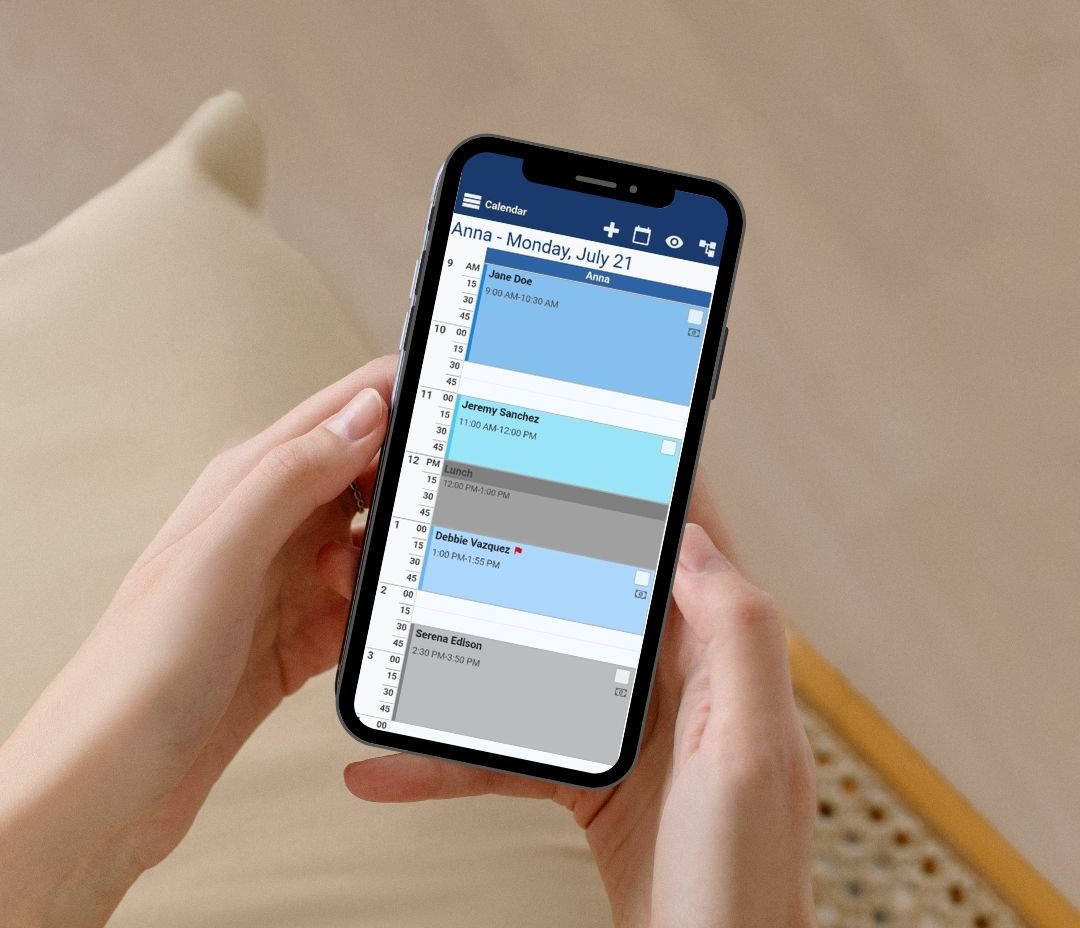
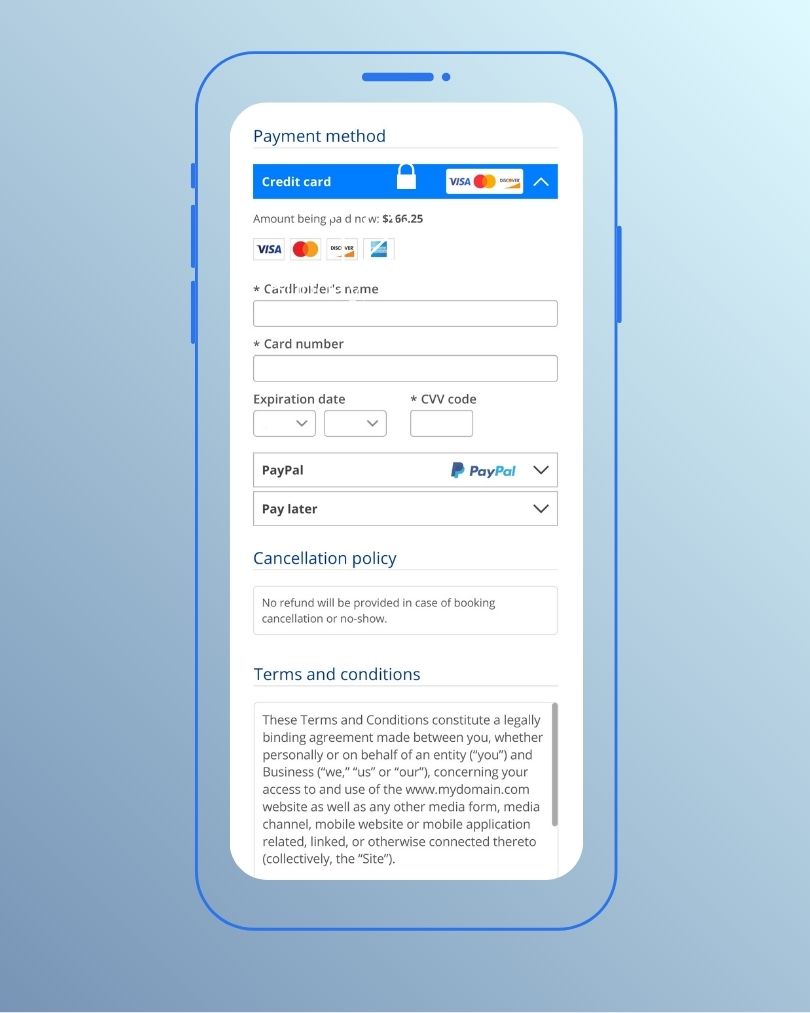
Students can book your classes 24/7 from any device, which makes your courses available even after hours. Bookeo’s CPR and first aid course booking software processes payments securely through credit cards, PayPal, and Stripe. You won’t need to deal with invoices or payment tracking anymore.
The system sends automatic email or text reminders to reduce no-shows and get better attendance. You can also offer individual discounts, group rates, and private courses, making it “very easy and appealing for clients to keep sending us their staff”.
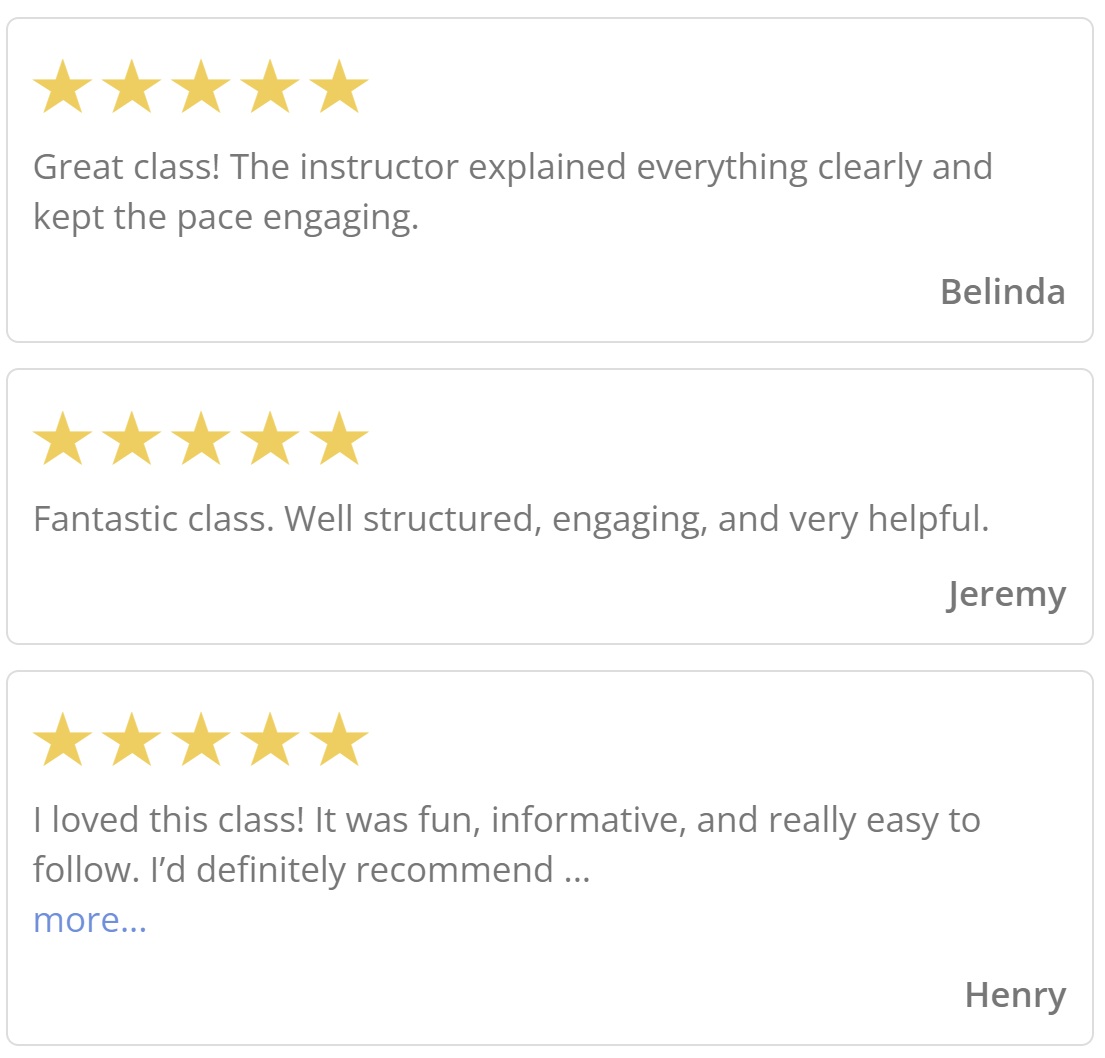
Best of all, Bookeo’s online booking software collects and displays customer reviews, creating what users call a “continuous positive feedback cycle”. This helps your business grow since most new students pick their CPR training based on good reviews.
CPR instructors who want a good work-life balance will find that Bookeo’s automation gives them time to focus on what really matters: teaching life-saving skills.
Partner with Local Organizations
Strategic collaborations with local organizations create a powerful foundation for CPR business growth. These alliances deliver consistent student streams and position your training services as an essential community resource.
Reach out to schools, camps, and clinics
Local organizations need CPR training to meet regulatory requirements regularly. Summer camps require all staff, from directors to counselors, to be certified in CPR/AED and first aid before welcoming young campers. The American Heart Association encourages schools to actively provide CPR training for students and staff, which creates another valuable chance.
Your area has these key markets:
- Youth organizations that need leader certification
- Birthing centers looking for infant CPR training for new parents
- Technical colleges and nursing schools that require Basic Life Support training as semesters begin
- Daycare centers, scouting groups, and parks departments
The timing of approaching potential partners matters significantly. Summer camps typically choose their CPR training provider the year before or early spring prior to camp season. Knowledge of these scheduling patterns helps you connect right when organizations look for training solutions.
Offer group discounts and custom packages
Group discounts motivate organizations to choose your services. CPR training businesses typically offer substantial discounts for groups of 5-8 or more students. Some providers give at least 20% off for groups of five or more who take online CPR courses.
Your organizational clients will value these features:
- Training customized to specific workplace scenarios
- Employer dashboards that show certification status for all employees
- Quick access to certification records and renewal tracking
The American Red Cross provides models worth thinking over, with billing minimums that start at 8 people for onsite group training. They deliver flexible solutions that meet corporate guidelines while staying within budget constraints. Organizations appreciate having training at their facilities because it minimizes operational disruption.
Build long-term referral relationships
Thoughtful relationship building turns one-time clients into ongoing partners. Networking with local businesses and health facilities creates valuable referrals and opens paths for joint marketing initiatives.

After the original contact, these approaches work well:
- Free or discounted demonstration classes that showcase your expertise
- Health fairs or community events with partner organizations
- Formal referral programs that benefit both parties
These collaborations help establish credibility, attract wider audiences, and create steady flows of new students. CPR businesses find that strategic collaborations provide more consistent revenue than individual consumer marketing alone.
Organizations like the American Red Cross formalize partnerships through structured programs with tiered benefits. Their Strategic Partner Program includes various involvement activities based on partnership level, plus CPR/AED/First Aid training for employees and prominent brand visibility.
Your CPR business can build reliable revenue streams and become an integral part of your community’s safety infrastructure by focusing on organizational partnerships.
Collect Reviews and Track Performance
Client testimonials provide great social proof that builds your CPR business’s credibility. Student feedback shapes decisions of potential clients and affects your booking rates.
Ask for testimonials after each class
The best time to get reviews comes right after students finish your CPR class. Students feel accomplished and ready to share their thoughts while their positive experience stays fresh.
Your standard class wrap-up should include requests for reviews. The front desk team can say “Have a great day, and don’t forget to leave an online review about your experience”. A small sign at checkout with your review page link makes the process easy.

Some students might want more time to provide feedback:
- Send follow-up emails with direct links to your review platforms
- Mail thank-you cards to older students who may not use social media
- Offer simple QR codes that directly connect to your review page
Use Google Reviews and Yelp effectively
Google Reviews shape potential students’ decisions, as 83% of people use Google to review businesses. These reviews help your visibility in local search results and place your CPR business in the crucial Google Local Pack, the top three search results.
Your responses to reviews must follow HIPAA guidelines. Thank reviewers who leave positive comments and mention what they liked. For negative feedback, thank the reviewer and provide contact details to address concerns privately without revealing specific visit details.
Track bookings, revenue, and feedback
Your business needs regular performance analysis to spot successes and areas needing improvement. Google Analytics helps you watch website traffic patterns. Conversion tracking for CPR class ads shows you how well your bookings work.
Social media metrics reveal which posts catch potential CPR students’ attention. This information helps create better content.
Your CPR business should track these key metrics:
- Class attendance rates versus registrations
- Revenue trends by course type
- Student satisfaction scores
- Most common feedback themes
Regular data collection and analysis leads to smart decisions about your CPR training offerings, curriculum changes, and marketing plans.
Conclusion
A successful CPR business needs smart planning, execution, and the ability to adapt. This piece outlines key steps to build a thriving training practice.
Your choice of business model sets everything in motion. Running solo or opening a training center shapes your investment needs, flexibility, and growth potential. On top of that, it helps to offer various class formats, in-person, online, or hybrid, to reach more students and meet their priorities.
Proper certification forms your business’s foundation. Staying current with AHA or Red Cross requirements shows your steadfast dedication to quality instruction. Students and organizations look for reliable training partners who maintain these standards.
Legal compliance matters a lot. The right business structure, insurance, and tax compliance protect your assets and reputation. These basics support your business’s long-term success.
Your website serves as a digital storefront that never closes. A well-laid-out, mobile-friendly site paired with smart digital marketing brings new students to your classes. Email campaigns help you keep in touch, especially when it’s time for recertification.
Booking automation makes your business run more smoothly. Bookeo fits CPR training needs perfectly with features like round-the-clock registration, automated reminders, and payment processing. These tools cut down on paperwork and make students happier.
Strategic collaborations with schools, camps, and healthcare facilities create a steady student flow. Group rates and custom packages appeal to organizations that need regular certification.
Student feedback helps you keep getting better. Reviews build trust, while tracking performance lets you fine-tune your approach.
Starting a CPR training business might look tough at first. Notwithstanding that, this step-by-step approach will help you build something profitable while making a real difference in your community. Your work gives people skills that save lives.
Take action on these strategies today. The CPR training market grows steadily, creating opportunities for instructors who blend excellence with smart business sense. Teaching these vital skills brings both steady income and meaning to your work, a perfect combination.