
How to Master SEO for CPR Training Business: A Step-by-Step Guide
A staggering 93% of businesses saw positive returns from their video marketing investments in 2022. SEO for CPR training businesses shows a significant truth – your success depends on how visible you are online.
Your CPR training company can become the most trusted name for safety education in your area by dominating local search results and staying ahead of competitors. SEO must be part of any strong CPR training business marketing plan. Local students don’t look for training in other states – they need reliable, available training right in their neighborhood.
A reliable SEO strategy will bring consistent traffic to your website, which makes it a great way to get returns for your CPR business. You might face optimization challenges if you use simple website builders. First aid instructors who optimize their online content make it easier for people who need CPR certification to find their services.
Students and educators now prefer online education for nationally accredited CPR certification. This piece shows you proven ways to boost your visibility, attract more clients, and grow your CPR training business through effective SEO practices.
Build a Strong SEO Foundation
A solid technical foundation forms the basis of your online CPR training business. Your website needs a proper structure to rank well in search results, just like CPR requires the right technique. Research shows 53% of users leave websites that load slower than 3 seconds. Your CPR training business could lose enrollments and revenue because of this.

Ensure mobile responsiveness and fast load times
People look for CPR training mostly on their phones. A responsive website adapts to any screen size and provides uninterrupted access on all devices. Google ranks mobile-friendly sites higher because they put mobile experience first.
Desktop websites should load within 2.5 seconds, while mobile sites take about 8.6 seconds. The best conversion rates happen when pages load between 0 and 4 seconds. Here’s how to make your site faster:
- Use tools like TinyPNG to compress images without quality loss
- Combine CSS and JavaScript files to reduce HTTP requests
- Let browsers cache static resources
- Use a Content Delivery Network (CDN) to serve content worldwide
Quick-loading websites don’t just make users happy; they rank better, too. Google’s Core Web Vitals measure loading speed and directly influence your CPR training site’s search rankings.
Use HTTPS and fix broken links
Your potential CPR students need to trust your site. An SSL certificate makes your website secure with HTTPS protocol. Look for “https://” and a padlock icon in your browser’s address bar to confirm this.

Dead links frustrate both users and search engines. These happen when URLs change or pages get deleted without updating references. Site audit tools help find and repair these problems. Each fixed link makes your site better for users and search engines.
Pages without internal links become orphaned and practically invisible. Search engines and visitors can’t find these isolated pages. Regular site audits help identify and connect these pages to your main navigation.
Create a clean site structure with internal linking
Your website needs internal links as its backbone. These connections help users and search engines understand how your content fits together. Google finds new pages and sees their relationships through these links.
Internal links share SEO authority across your site. Links from prominent pages like your homepage to specific course pages pass on some ranking power.
Your CPR training business needs a clear hierarchy. Put broad topics at the top (e.g., “CPR Certification”) and specific content below (e.g., “Adult CPR Classes” or “Pediatric CPR Training”). Search engines then know which pages matter most.
Smart internal linking reduces “crawl waste.” Your key pages should be reachable within three clicks from the homepage. This shows search engines that these pages are important.
A strong technical foundation with mobile-friendly design, quick loading, secure connections, and smart internal linking will help your CPR training business attract more students through search engines.
Do Smart Keyword Research for CPR Services
The keywords you pick for your CPR training business will affect who finds you online. CPR services are different from regular businesses because they target specific groups with unique needs. The right keywords will connect people looking for certification courses with your business and help build your online presence.
Use tools to find local and niche keywords
The digital world has plenty of tools to help you find keywords that potential CPR students use in their searches. Google Keyword Planner is a great starting point that gives you evidence-based information from Google about healthcare-related search terms, search volumes, and how competitive each keyword is. This shows you exactly what your future students are searching for.
SEMrush and Ahrefs are platforms that give you a complete picture of:
- Keyword trends specific to CPR training
- Search volume data for first aid terms
- Keyword difficulty scores
- Your competitors’ keyword strategies
Local keywords work really well, especially when you have city or area names like “Chicago CPR training”. These help your business show up in local search results, the first place most CPR students look.

Google itself gives you great keyword ideas through:
- Autocomplete suggestions as you type
- “People Also Ask” sections with common questions
- “Related Searches” at the bottom of search results
These features show you the exact questions potential students ask about CPR certification, so you can line up your content with what they want to know.
Balance short-tail and long-tail keywords
Short-tail keywords are simple one or two-word phrases like “CPR certification” or “first aid training.” These general terms get lots of searches but are tough to rank for because of high competition.
Long-tail keywords use three or more words, like “pediatric CPR certification in [city]” or “weekend first aid training classes.” These specific phrases get fewer searches but convert better because they target exactly what people want and face less competition.
Your strategy needs both types. Short-tail keywords boost overall visibility, while long-tail keywords target specific services and locations, bringing in people who are ready to sign up.
You can find valuable long-tail keywords through:
- Your sales and support teams’ feedback
- Free keyword research tools
- Google Search features like autocomplete and “People also ask” sections
Map keywords to specific service pages
After finding your target keywords, you need to map them to the right pages on your website, this is keyword mapping. This helps Google understand which pages should show up for specific searches.
Create a simple spreadsheet with:
- Keywords in one column
- The best URL for each keyword in another column
- Current Google rank position in a third column
Mark any keywords without relevant pages as “new content needed”. This becomes your plan for creating new content to fill keyword gaps.

Look at your spreadsheet by URL to see which pages should target multiple related keywords. When several keywords fit naturally on one page, group them as a keyword cluster. Pages that cover related topics thoroughly tell Google you’re providing quality information, which can boost rankings for all related terms.
This organized approach to keyword research and mapping creates strong foundations for your CPR training business’s SEO. Using the same language as your customers helps them find your certification services when they need them most.
Optimize Your Website Content for Search
After researching keywords, your next big task is optimizing the website content. A well-laid-out website needs carefully crafted content that appeals to both search engines and potential CPR students.
Write clear, keyword-rich titles and meta descriptions
Page titles create first impressions in search results. They should include your target keywords for CPR training while staying clear and compelling. CPR training businesses get better results with titles like “Adult CPR Certification Classes in [Location] | Same-Day Cards” instead of generic ones like “Our CPR Classes.”
Meta descriptions work as mini-advertisements below your title in search results. These short summaries (130-155 characters) help convince people to click your link rather than competitors’. A well-written meta description can substantially boost your click-through rate. Search engines see this as a sign of relevance and authority.

To create effective meta descriptions:
- Add specific details about your CPR classes or certification offerings
- Include a clear call-to-action like “Register today” or “Get certified in 4 hours”
- Use your primary keyword naturally within the text
- Make each description unique across your site
It’s worth mentioning that social media platforms often pull these descriptions when your links are shared. This extends their importance beyond search results.
Use headings and bullet points for readability
People looking for CPR training want clear, available information. The proper heading structure (H1, H4, H5) helps both readers and search engines understand your content hierarchy. Each main service page needs one H1 heading with your primary keyword, followed by relevant H4 and H5 subheadings.
Bullet points help readers digest complex CPR certification information. They serve several significant purposes:
- Let readers scan important details quickly
- Break down complex certification requirements
- Highlight key features of your training programs
- Make text easier to read
Start bullet lists with a short contextual sentence or phrase. Keep each bullet point brief, ideally not full sentences, to stay scannable. This approach works well to present CPR class schedules, certification benefits, or training locations.
Add alt text to images and videos
Alternative text (alt text) has two main purposes: it makes content available to visually impaired visitors using screen readers and helps search engines understand your images. CPR training businesses can improve both accessibility and SEO with proper alt text on demonstration images and certification photos.
Writing alt text for CPR training images requires you to:
- Keep descriptions brief (1-2 sentences) but informative
- Describe the context and relevance to CPR training, not just what’s visible
- Include keywords naturally where appropriate
- End descriptions with a period for better screen reader experience
Functional images like “Register Now” buttons need descriptions focused on the action rather than the image itself. This helps search engines understand these elements while supporting users who rely on assistive technology.
CPR demonstration videos need detailed alt text since they contain vital safety information. Good descriptions ensure all visitors can access this life-saving knowledge, whatever their visual ability.
These content optimization techniques make your CPR training business website more discoverable through search and more useful for prospective students, exactly what you need to grow your certification business.
Boost Local SEO for Your CPR Training Business
Local search performance makes a big difference for CPR training businesses. Most people want certification courses close to home. Let’s get into the best local SEO tactics that put your business on the digital map.
Claim and optimize your Google Business Profile
Your Google Business Profile (formerly Google My Business) works as your digital storefront for local searchers. This free tool puts your CPR training business right on Google Maps and in local search results. Here’s how to make it work better:
- Add your exact address, phone number, business hours, and high-quality photos of your training space
- Update your profile with posts about upcoming CPR classes or special offers
- Respond quickly to questions and reviews from past students

A well-optimized Google profile is a big deal as it means that you’ll show up in the coveted “local pack” – those business listings with map markers at the top of search results. This prime spot gets more qualified leads for CPR training businesses.
Physical training centers need an active profile to show up in nearby searches, which helps attract local clients. Your ranking in local Google searches improves when your profile stays current, especially with photos and videos of your classes.
Ensure NAP consistency across directories
NAP consistency means keeping your business Name, Address, and Phone number similar across all online platforms. This basic SEO strategy has a big effect on local search rankings.
Search engines trust businesses with consistent NAP information. Businesses that don’t keep their NAP data consistent see up to 70% lower local search rankings compared to those that do.
Trust matters too – 73% of potential students avoid businesses with wrong listing information. Your reputation needs protection:
- List your CPR training business on major platforms (Google, Bing, Apple Maps)
- Add your business to local directories like Yelp and Yellow Pages
- Use similar formatting everywhere (choose between “Street” vs. “St.” and stick with it)
- Claim and verify all listings so you retain control of your information
NAP consistency is like table stakes in local search. Search engines will trust and recommend your CPR classes more once you get this basic element right.
Create location-specific landing pages
CPR training businesses serving multiple areas need location-specific landing pages to boost local search visibility. These pages target geographic-specific keywords like “CPR certification in [city name].”
Recent data shows 80% of U.S. consumers look up local businesses online weekly, and almost one-third search daily. Better yet, 85% visit local businesses within a week of finding them online, while 17% show up the very next day.
Good location pages should:
- Use city names, neighborhoods, and local landmarks naturally in your content
- Include consistent NAP information matching your other online listings
- Add schema markup to help search engines understand your business details
- Show testimonials from local clients to build trust
These pages work because they tell both search engines and potential students that your business serves specific communities.
These local SEO strategies will make your CPR training business visible where it counts, in your service area where people need life-saving certification.
Create Content That Builds Trust and Traffic
Quality content powers your CPR training business’s online presence. Your website needs valuable resources that drive traffic and help you retain control in life-saving education. Google recognizes and recommends sites that provide answers to people’s questions.
Write blog posts answering common CPR questions
Blog posts remain one of the best ways to attract potential CPR students. Research shows several content types work really well for healthcare blogs:
- Lists – Readers naturally gravitate toward ranked information (Top 10 Reasons to Get CPR Certified)
- How-to guides – Step-by-step solutions that build credibility (How to Perform Hands-Only CPR)
- Interviews – Conversations with medical professionals that add authority
- Rants – Passionate, opinion-driven pieces that can generate shares
Short lists work best, though complete guides serve their purpose too. Your success depends on identifying student problems and providing clear, actionable solutions. This approach builds trust while showing your expertise.

Popular blog topics for CPR businesses include: “CPR Songs for Chest Compressions,” “CPR and First Aid Training for Parents,” or “The Difference Between Hands-Only CPR and Conventional CPR.” These posts address common questions and naturally include your target keywords.
Use videos and infographics to explain techniques
Visual content boosts engagement rates for CPR training businesses significantly. 93% of businesses report positive returns from video marketing. Video content helps explain complex CPR techniques clearly.
YouTube has lots of educational content about CPR and basic life support. Creating accurate video demonstrations helps curb potential misinformation. A study about YouTube videos revealed many did not conform to 2020 AHA guidelines. This creates a chance for your business to provide trustworthy visual guidance.
Infographics turn complex CPR procedures into easy-to-understand visuals. They spread more easily and have better viral potential than regular text content. You might create infographics about:
- Hands-Only CPR vs. Conventional CPR
- Proper chest compression technique
- The chain of survival in cardiac emergencies
Professional social media management with quality video content helps spread accurate information and improves visibility.
Highlight unique services like group training
Special training options make your business stand out. Family and friends CPR courses that teach Hands-Only CPR, kid CPR with breaths, AED use, and choking relief appeal to specific groups. Corporate training programs for workplace safety create lasting business relationships.
The American Heart Association provides training kits with everything needed to learn lifesaving CPR skills in about 30 minutes. These make great options for busy clients. The kits include interactive apps that offer gamified training experiences on mobile devices.
Creating diverse, accurate content that answers common questions and showcases your offerings builds credibility and attracts the right audience. This content-focused approach is the foundation of your SEO strategy and connects technical optimization with real value for potential students.
Earn Backlinks from Local and Industry Sources
Backlinks work like votes of confidence from other websites. They tell search engines your CPR training business deserves attention. Quality backlinks remain one of the most powerful ways to boost your website’s authority and search rankings.
Partner with schools, gyms, and community centers
Mutually beneficial alliances with local organizations create two advantages: you expand your service reach and get valuable backlinks to your website. Schools, community centers, gyms, healthcare facilities, and workplaces need CPR training for their staff and members. These natural partnership opportunities benefit everyone involved.
Your first step should be offering special group discounts to organizations that book training sessions. You can then ask these partners to link to your website from their resources page. Youth organizations like daycare centers and scout troops need CPR-certified personnel, which makes them excellent potential partners.
Educational institutions offer particularly valuable opportunities. Many schools and universities have resource pages with high domain authority. You can work with these institutions to combine CPR demonstrations or training into their curricula or extracurricular activities. This approach yields both business and backlink benefits.

Local health centers can be excellent referral sources, even if they provide internal CPR training. These organizations often get public questions about CPR courses and can direct people to your website.
Submit guest posts to local blogs
Guest blogging builds your profile as a healthcare professional better than your own blog can. To name just one example, writing informative articles for prominent health blogs provides backlinks that would be hard to get otherwise.
Your guest posting approach should:
- Find blogs relevant to health, safety, or community topics
- Check if guest posts have performed well on their site previously
- Verify the blog is actively promoted on social media
- Follow their submission guidelines precisely
Note that guest blogging should benefit both parties. You should provide valuable content that fits the host blog’s audience without excessive self-promotion. Create helpful content that naturally shows your expertise instead of writing sales pitches.
Personalize your outreach emails by using the website owner’s name and mentioning their specific resource page. Take time to review their website before making your proposal.
Get listed in local directories and resource pages
Resource page link building stands out as one of the most effective ways to get quality backlinks. These curated lists usually come from authoritative websites like educational institutions, government agencies, and industry leaders.
You can find relevant resource pages with search queries like:
- “site:.edu CPR resources”
- “CPR training resources”
- “first aid resources page”
Your local Chamber of Commerce helps with both networking and backlinks. Give your business cards to other members and tell them about your CPR training services. This creates awareness and opportunities for website referrals.
Look beyond general directories to health-specific listings. The American Heart Association and Red Cross have resource pages that might link to qualified training providers. Getting listed on these high-authority sites substantially boosts your credibility with search engines.
Online booking software makes scheduling easier once visitors arrive at your site through these backlinks. Bookeo’s online scheduling system lets potential students register for CPR classes without phone calls or emails.
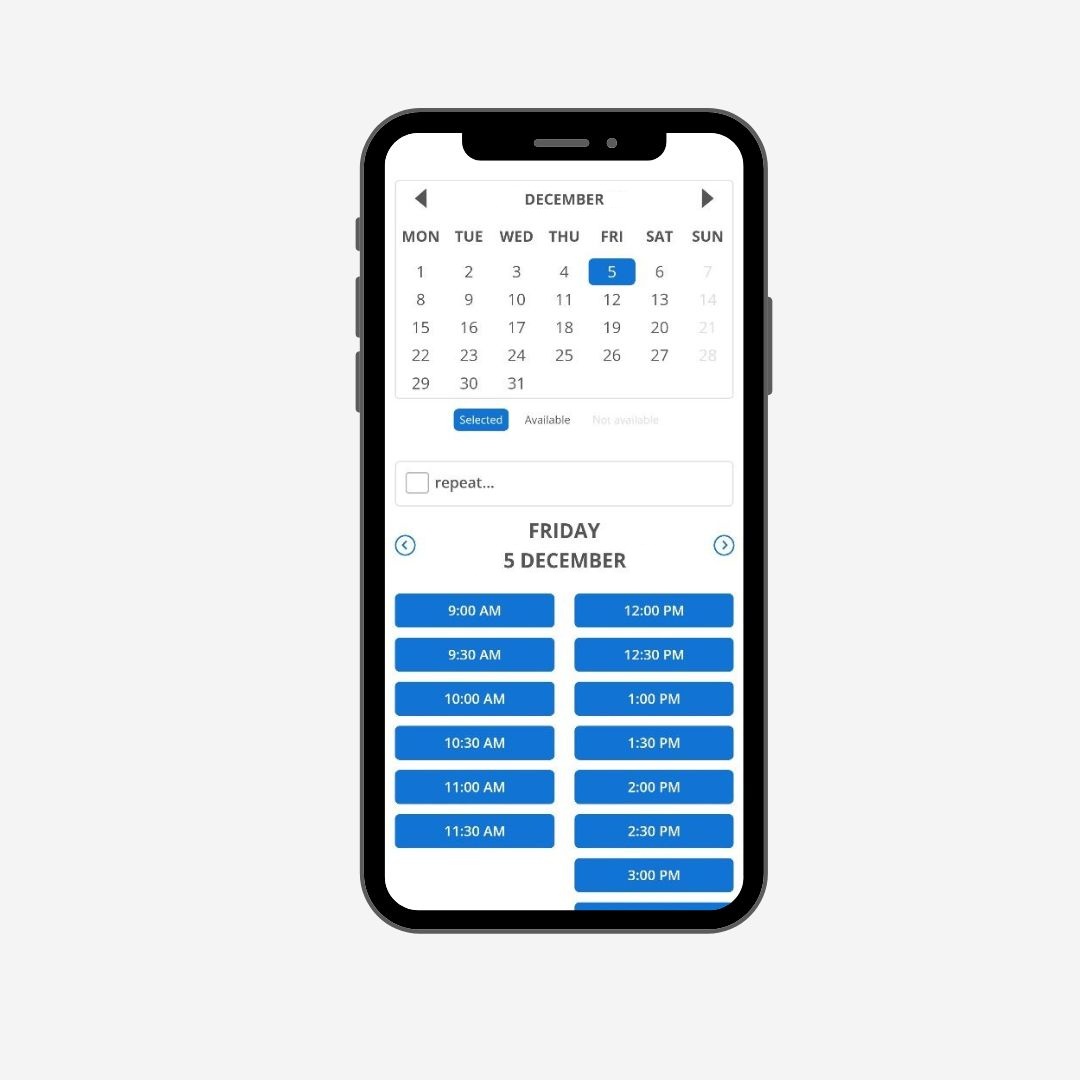
This automation captures leads effectively through confirmation emails and reminder messages, a valuable tool for CPR instructors who manage multiple classes from various referral sources.
Track SEO Performance and Adjust Strategy
Your CPR training business needs continuous SEO work. You must track your website’s search result performance, just like you monitor student progress during certification classes.
Use Google Analytics and Search Console
Google Search Console (GSC) and Google Analytics 4 (GA4) are great tools that give free insights about your website’s organic performance. GSC displays impressions and clicks from Google search results.
The Performance section in GSC lets you access these metrics. You can filter data by:
- Date ranges (up to 16 months of historical data)
- Specific queries or keywords
- Individual URLs or folder paths
- Geographic locations

GA4 shows how visitors interact with your site after they arrive. You should apply appropriate source filters when measuring SEO because GA4 tracks multiple traffic channels, including paid ads and direct visits.
Monitor keyword rankings and traffic sources
Search platform visibility directly affects your CPR training business’s potential revenue. Specialized tools help track rankings since manual tracking isn’t practical. These tools monitor:
- Current keyword positions
- Ranking changes over time
- Location-specific performance
- Traffic potential for different terms
Look deeper than basic metrics to understand average positions, ranking distribution, and click-through rates. This data helps you focus on optimization efforts that bring real returns.
Your analysis should include total sessions, unique visitors, pageviews, and average session duration. These metrics show if your SEO efforts connect with potential CPR students effectively.
Update underperforming pages regularly
A refined SEO strategy helps your CPR training business grow steadily online. Use performance data to spot pages that need work:
- Review pages with high impressions but low clicks
- Check which certification course pages have high bounce rates
- Identify content that ranks poorly for valuable keywords
Make continuous improvements to on-page elements, titles, meta descriptions, headers, using GSC performance data. This approach targets improvements where they matter most.
Be patient with your SEO tracking. SEO takes time, small, smart adjustments consistently yield the best results.
Use Online Booking Tools to Convert Visitors
Your website needs more than SEO to convert visitors into customers, it needs a smooth booking system. The success of your CPR training business depends on simple class registration.
Why online scheduling improves user experience
Online booking systems make the registration process quick and simple for CPR classes. Students can book whenever they want without playing phone tag or waiting for emails. This round-the-clock access lets students sign up on impulse, which increases your class attendance. Your classes stay full because automated notifications and reminders cut down on no-shows.
How Bookeo simplifies class registration and payments
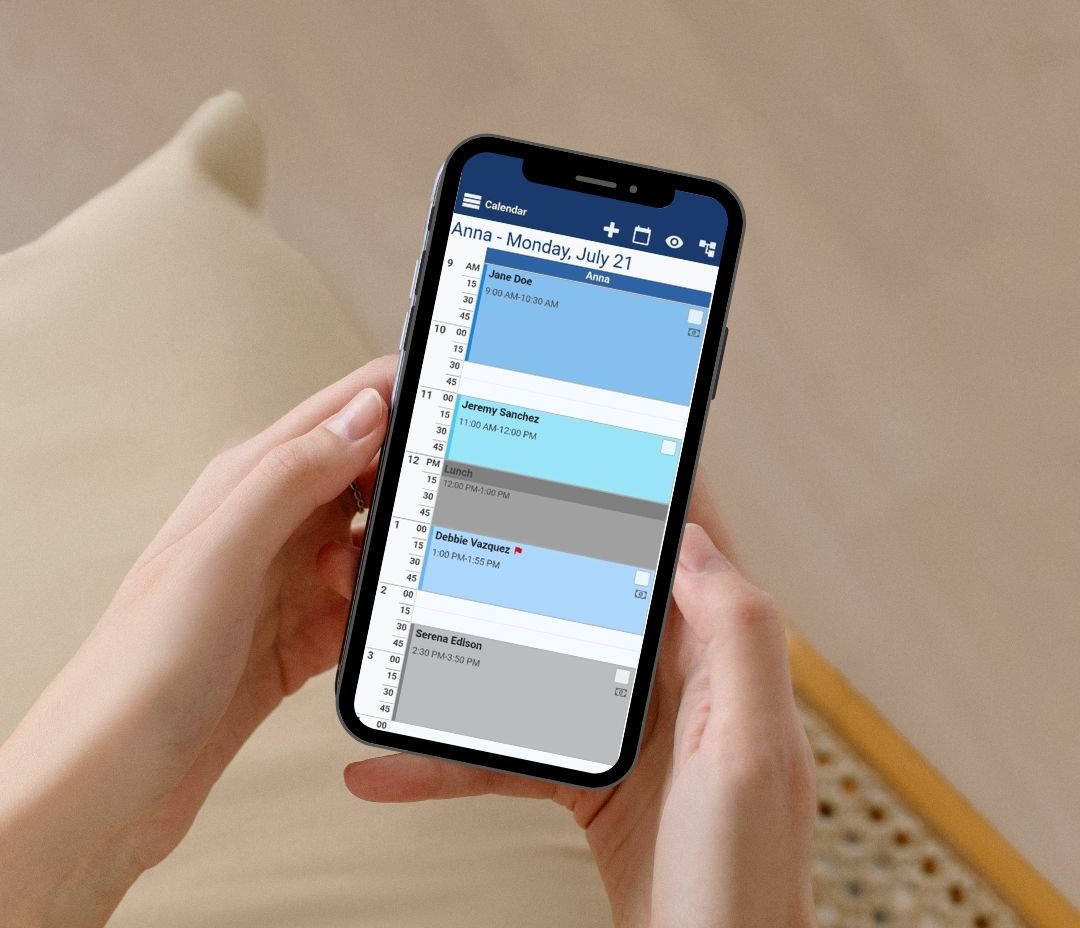
Bookeo excels as a scheduling solution for CPR training businesses with features built for class-based instruction. The platform offers:
- Secure payment processing through popular gateways like Stripe
- Customizable scheduling for different session lengths
- Automated reminders via email or SMS
- Up-to-the-minute seat availability updates
Students feel confident in their booking experience because Bookeo’s class scheduling software accessible interface makes signing up for life-saving courses simple.
Integrate Bookeo with your website and email campaigns
You can embed Bookeo directly into your website as a widget, which lets visitors book without leaving your site. This setup works with major platforms like WordPress, Wix, and Squarespace. You can also use direct links or booking buttons for specific classes. The system’s automated confirmations work smoothly with your email marketing to create a consistent experience throughout the customer’s interaction.
Conclusion
A well-planned SEO strategy for your CPR training business should combine technical optimization, content creation, and local visibility. These practical steps will affect your chances of reaching potential students who search for life-saving certification.
SEO success takes time. Your online presence grows gradually when you apply these techniques consistently, just as CPR skills develop through regular practice. The technical foundation of your digital presence relies on mobile responsiveness, site speed, and clean structure.
Smart keyword research connects your services with actual search queries from potential students. This research should shape your content creation through informative blog posts, instructional videos, and clear service pages that answer common questions about CPR certification.
Local SEO is vital for CPR training providers. Your Google Business Profile, consistent NAP information, and location-specific pages help your business show up where it matters most – in local search results where certification seekers look first.
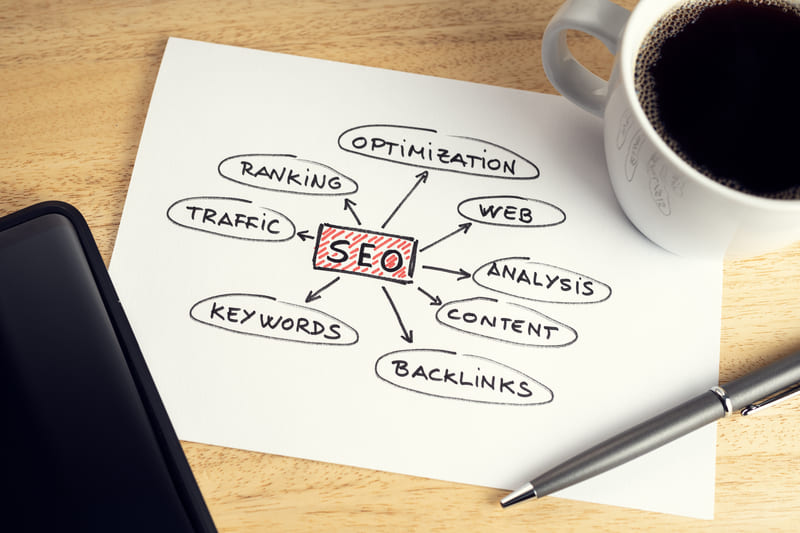
Quality backlinks from schools, healthcare facilities, and community organizations boost your site’s authority while building valuable community connections. These relationships often create recurring business beyond their SEO value.
Converting website visitors into registered students becomes easier with simplified booking processes. Bookeo’s CPR lesson scheduling system removes registration barriers through 24/7 availability, automated reminders, and integrated payment processing that works well for class-based businesses like CPR training.
Your SEO strategy should adapt to changes. Google Analytics and Search Console tracking shows which tactics work best for your audience. This data helps you adjust your approach as search patterns evolve.
This detailed SEO approach can help your CPR training business gain higher visibility, attract qualified leads, and help more people learn life-saving skills. The path to your classroom becomes clearer, which benefits both your business growth and public safety.