

How to Open a Gym Business: A Proven Step-by-Step Blueprint
Do you dream of opening your own gym? You should know that all but one of these new gyms fail within their first year. This reality check isn’t meant to discourage you – it’s about preparing you for the journey ahead.
The gym industry has rebounded strong after the pandemic. Market forecasts show it will hit $32.02 billion in 2022. Starting a gym requires original costs between $10,000 to $50,000. One-time expenses could reach $75,000 to $100,000. Your monthly operating expenses will likely exceed $20,000.
Success in this business can be rewarding. Gym owners earn approximately $65,685 yearly or $5,747 monthly. A typical U.S. gym brings in $846,827.05 in annual revenue. Members pay around $37.71 per month for their memberships.
Member retention is a vital part of staying profitable. Getting new members costs nine times more than keeping your current ones. This explains why you need a robust business strategy.
Our comprehensive blueprint will guide you through the essentials of launching a gym business. You’ll learn everything from shaping your vision to creating powerful marketing campaigns. Together, we’ll build a fitness business that thrives for years to come.
Step 1: Define Your Vision and Business Model
You need a clear picture of your fitness business before buying equipment or signing a lease. This first step shapes everything from your startup costs to your target market.
Choose between independent or franchise gym
Your first big choice when starting a gym business comes down to independence versus franchising. Both paths come with their own set of pros and cons.
Independent gyms let you call all the shots. You build your brand, systems, and strategies exactly how you want them. This freedom lets you customize your monthly rent, equipment, and marketing to match your vision. The best part? You keep all profits without paying franchise fees.

Franchise gyms give you a ready-to-go business model with brand recognition and proven systems. Fitness industry experts say a franchise comes with a defined target market, which means you won’t need to rely on gut feelings to shape your business. This ready-made framework costs more upfront with initial franchise fees and ongoing royalties that cut into your profits.
Money makes a big difference here. Independent gyms can cost whatever you want based on your plans, while franchises pack in brand guidelines, operation manuals, and training help. The choice boils down to whether you want creative freedom or a proven system with built-in support.
Decide on gym type: boutique, CrossFit, general fitness
The fitness world offers several business models that appeal to different crowds:
Big box gyms: These large facilities pack in amenities like pools, saunas and group classes. They draw everyone from beginners to fitness buffs.
Boutique gyms: These smaller, community-focused spaces offer specialized classes and individual-specific experiences. They charge premium rates and focus on atmosphere and community.
CrossFit gyms: These popular spots focus on high-intensity workouts that mix weightlifting and cardio. They build supportive, competitive environments around group workouts.
Women-only gyms: These spaces create safe, comfortable environments with equipment and services that cater to women and nonbinary folks.
Personal training studios: These appointment-based businesses specialize in one-on-one or small group training with custom workout plans.
Your pick should match your passion, expertise, and local market. One expert puts it simply: “Start with the audience, not the equipment”. Look at who lives within a 10-15 minute drive of your potential location. Dense city areas work well for boutique studios, while suburban spots favor family-friendly options.
Clarify your mission and long-term goals
A clear mission statement sets your gym apart and gives people compelling reasons to join. This statement should capture your business’s purpose, core values, and emotional pull.
The best mission statements run two to four sentences and stay under 100 words. They should be clear, direct, and skip the buzzwords. To name just one example, if you want to help older adults reduce aches and pains, your mission might focus on one-on-one coaching for better fitness, nutrition, stress, and sleep.
Your bigger gym vision matters more than long goal lists. Picture your business five years from now. Will you grow membership? Add locations? Become your community’s fitness hub? This long-term view guides your daily choices and keeps you focused when things get tough.
Your gym’s growth depends on smooth booking, membership, and class scheduling. Bookeo’s online booking software helps streamline these tasks so you can focus on building your fitness community.
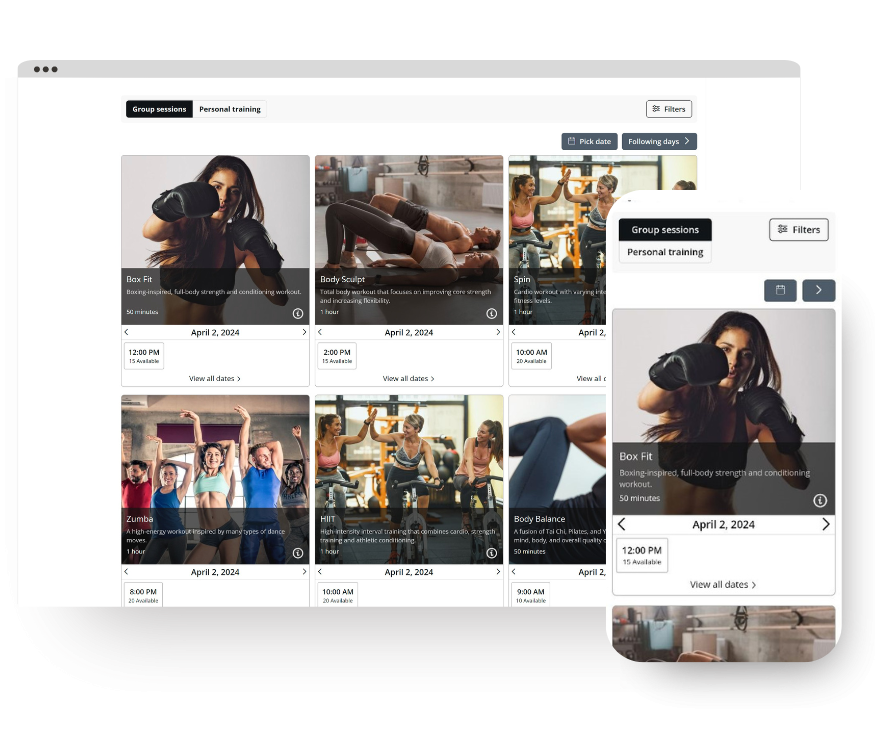
The system handles class schedules, payments, and attendance tracking – key pieces of any successful gym operation.
Step 2: Write a Business Plan That Works
A well-laid-out business plan works as your gym business’s roadmap. It turns your vision into clear steps and helps you get funding from investors or lenders who want to see how viable your concept is.
Include market analysis and competitor research
Market research builds the foundation of your gym business plan. You should analyze your local competition first, not just other gyms in your niche but all fitness options nearby. Take a look at membership fees from CrossFit boxes, yoga studios, cycling centers, and traditional gyms to understand market rates.
Demographics matter just as much. The median household income in your target area directly shapes what services and rates your market can handle. On top of that, it helps to look at what the top 10-20% earn; these people often become your premium members.

Here are the market research steps you need:
- Visit competitor locations during peak hours (6-7 AM, 12-1 PM, 5-7 PM) to estimate membership and see how they operate
- Look into major employers nearby to find potential corporate partnerships
- Study seasonal patterns that shape gym membership pricing and promotions
- Look at both direct competitors (other gyms) and indirect competitors (home workouts, fitness apps)
A detailed market analysis should show gaps in current offerings that your gym can fill. The existing facilities might lack certain equipment, offer poor customer service, or have schedules that don’t work for members.
Outline your services and pricing strategy
Your pricing strategy drives your profit. The most successful gyms use tiered membership models instead of one-size-fits-all pricing. You might structure options like:
- Basic: Gym-only access ($49/month)
- Premium: Gym plus group classes ($89/month)
- VIP: All access plus personal training sessions ($149/month)
Price anchoring plays a big role psychologically; show three membership options with your target choice in the middle. This makes your intended membership level look like the reasonable choice.
Beyond basic memberships, vary your revenue through extra services. Today’s profitable gyms make money from 8-12 different streams, such as:
- Personal training sessions
- Specialty fitness classes
- Nutrition coaching
- Corporate wellness contracts
- Digital offerings
Many gym owners set prices too low based on what competitors charge. Note that competing on price alone rarely works. Your focus should be on clearly showing your value to justify premium pricing.
Set financial projections and break-even goals
Financial projections show you understand gym economics. List all startup costs first, including equipment, facility leases, and initial marketing expenses. Then map out regular operating costs such as:
- Rent (15-20% of revenue)
- Staff (35-45% of revenue)
- Utilities (5-8% of revenue)
- Equipment maintenance (3-5% of revenue)
- Marketing (5-10% of revenue)
Figure out your break-even point, how many members you need to cover expenses. For instance, if monthly expenses are $30,000 and the average membership is $89, you’ll need about 337 members to break even.

Map your gym’s financial performance for at least three years. Show monthly cash flow for year one and quarterly projections after that. Include these three key financial statements:
- Profit and Loss Statement: Shows revenues, costs, and expenses
- Balance Sheet: Lists assets, liabilities, and equity
- Cash Flow Statement: Tracks cash moving in and out
Solid projections build trust with potential investors or lenders. New gym owners often underestimate startup costs or expect too much initial growth, which leads to cash problems. Most gyms make little profit in their first months or even years.
Factor in seasonal changes, many gyms see more members in January from New Year’s resolutions but slower periods during summer.
Step 3: Understand the Costs of Starting a Gym
Starting a gym takes serious money. You’ll want to get a clear picture of these expenses right away. This helps you plan your finances better and keeps you from getting caught off guard later.
How much does it cost to open a gym?
The money you’ll spend to start a gym business changes a lot based on what you want to do, where you want to do it, and how big you want to go. A small, boutique fitness studio will set you back $50,000 to $150,000. Mid-sized gyms cost between $100,000 and $500,000. Large full-service health clubs can cost more than $1,000,000 to get started.
CrossFit boxes and specialized boutiques typically cost $50,000 to $150,000. The franchise path costs more – anywhere from $150,000 to $3,600,000, depending on which brand you choose. This higher price tag gets you brand recognition and helps with operations.
Location plays a huge role in your costs. Rent in city areas runs $5,000 to $30,000 each month.
Breakdown of one-time vs ongoing expenses
Here’s what you’ll pay once to get started:
- Property costs: You’ll put down 3-6 months’ rent as a deposit ($10,000-$90,000). Buying? The down payment runs 20-30% ($105,000-$150,000 for a 3,000 sq ft building).
- Equipment: A fully-equipped gym runs between $50,000 and $500,000. You could also lease equipment for $2,000-$3,000 monthly.
- Renovations: Making a basic space work as a gym costs $50,000 to $200,000. This covers everything from flooring to lighting, showers, and HVAC systems.
- Legal fees, permits, and licenses: Set aside about $500-$700 for these must-haves.

Your monthly bills will determine when you start making money:
- Rent/Mortgage: A 3,000 sq ft facility typically costs $375-$700 monthly.
- Staff wages: This will be your biggest regular expense – about $700,000-$900,000 yearly for 20 employees.
- Utilities: Monthly bills run $250-$6,000, based on your equipment and size.
- Insurance: You’ll pay $2,660-$11,000 yearly for detailed coverage.
- Marketing: Put aside 7.5% of what you make each month.
- Software: A good gym management system costs around $175 monthly.
Tips to reduce startup costs without cutting corners
You can save money without sacrificing quality. Here are some smart moves:
- Lease your equipment instead of buying it all at once. This helps your cash flow and lets you upgrade regularly.
- Work out a good deal with property owners. Many landlords will help you succeed because they want long-term tenants.
- Start with energy-efficient systems. LED lights and smart thermostats cut your utility bills by a lot.
- Look for quality used equipment from gyms that are upgrading or closing down.
- Build your gym in phases rather than trying to have everything on day one.
Keep at least $1,000 saved for unexpected costs. Figure out your break-even point by dividing your monthly costs by what members pay. To name just one example, if you spend $40,000 monthly and charge $100 per membership, you’ll need 400 members to break even.
Step 4: Secure Funding and Choose a Legal Structure
The next step after calculating startup expenses is figuring out your gym’s funding and establishing its legal framework. These choices impact everything from personal liability to tax obligations.
Explore loans, investors, and grants
Starting a gym needs substantial upfront capital. You should secure funding before buying equipment or signing any lease agreements.
Traditional bank loans are straightforward if you have good credit and need large amounts of capital with fixed repayment terms. SBA (Small Business Administration) loans are a great way to get financing for new gym owners. These government-backed options come with lower interest rates and better terms. The SBA doesn’t lend money directly but guarantees part of each loan to reduce the lender’s risk.
Equipment financing targets your fitness equipment needs specifically. The equipment serves as collateral, so qualifying is easier than with traditional loans. You might also consider leasing – it lets you rent equipment without ownership. This works great for gym owners who want to keep their equipment current.
Angel investors or venture capitalists might suit ambitious fitness entrepreneurs planning multiple locations. These investors provide money for equity stakes and expect solid returns.
Grants exist for fitness facilities, though they’re limited. Look for:
- Small business grants through local economic development agencies
- Health and wellness grants from non-profit organizations
- Community development grants for public recreational facilities
Pick the right business structure (LLC, sole proprietorship, etc.)
The business structure you choose affects operations, taxes, and personal liability risk. Here are the four main options:
Sole proprietorship gives you complete control as the owner and operator. Setup requires minimal paperwork, but there’s no separation between personal and business liabilities. Your personal assets could be exposed if someone gets hurt at your gym.

A general partnership happens automatically when two or more people run a business together for profit. You don’t need state filing, which makes it simple to start. Like sole proprietorships, partners face unlimited personal liability.
Limited Liability Company (LLC) strikes the perfect balance for most gym owners. It protects your personal assets from business debts and lawsuits while offering tax flexibility. Most gym owners set up an LLC but choose S-Corporation tax status to reduce their tax burden.
A corporation offers the strongest liability protection and makes it easier to raise money through stock sales. The downside is complex setup procedures, strict compliance rules, and possible double taxation for C-Corporations.
Register your business and get tax IDs
Registration creates your gym’s legal identity after choosing its structure. You’ll need to register with state and local governments unless you’re a sole proprietor using your legal name.
Start by picking your business name and checking its availability in your state’s business database. Then file the required paperwork with your state’s Secretary of State or business agency and pay the fees.

Most gym businesses need a federal Employer Identification Number (EIN). This tax ID works like your business’s social security number and you need it to:
- Hire employees
- Run a partnership or corporation
- File tax returns
- Open a business bank account
Getting an EIN takes just minutes through the IRS website and costs nothing. Many states require their own tax ID – usually after you get your EIN.
Your LLC, corporation, or partnership might need foreign qualification filings to operate in multiple states. This tells each state that your out-of-state business operates in their area.
Step 5: Find the Right Location and Set Up Your Space
Your gym’s location could make or break your business. The right spot needs thorough research, and you should think over various factors that affect member attraction and retention.
What to look for in a gym location
Population density plays a crucial role in opening a gym business. Most gym members choose facilities within a 1-mile radius in large cities, while small-town members don’t mind a 10-minute drive. The best areas should have these key elements:
- Demographics alignment – Pick spots where your ideal customers live and work
- Income levels – Look for neighborhoods where average household income exceeds $75K
- Parking availability – Members need free, easy parking
- Competitor presence – Check out all fitness facilities within 5 miles
- Visibility – High-visibility spots might get pricey but cut down marketing costs

Great locations strike a balance between visibility and practicality. You’ll find complementary businesses like health food stores or wellness centers that add value to the area. The ideal spot should have steady commuter or residential traffic without too many competing gyms nearby.
Lease vs buy: pros and cons
New gym owners typically lease their space. This option needs less cash upfront, gives you flexibility, and reduces risk while you test your business idea. You can move to a different location if membership growth slows down.
Property ownership comes with several benefits:
- Greater freedom – No need for approval to modify walls or bolt equipment into floors
- Enhanced member experience – You can build custom features like outdoor workout spaces
- Valuable asset – Unlike leased spaces, owning property builds equity
In spite of that, buying ties you to one spot long-term. The big down payment, closing costs, and regular maintenance can eat into your working capital. Property ownership might lock you into a location too early unless your business model works.
A smart rule: total occupancy costs, rent or mortgage plus taxes, insurance, and common area maintenance, should stay at or below 25% of expected revenue. A business making $500,000 yearly should keep occupancy under $125,000.
Designing your gym layout for flow and safety
A smart gym layout makes the most of available space and gives members a better experience. Different zones within your facility should include cardio, strength training, functional fitness, and recovery areas. This setup helps members move through the space easily.
Space allocation guidelines suggest:
- Cardio area: 50 square feet per machine
- Strength training: 60-70 square feet per machine
- Group fitness: 35 square feet per participant
- Functional fitness: 150-200 square feet minimum
Open space deserves priority, particularly in busy areas. Equipment pieces need at least 3 feet of clearance. This spacing prevents crowding and keeps members safe.

Electrical needs should be part of your early planning. Modern gyms need plenty of outlets throughout the facility. Getting an electrician’s input during planning saves you from expensive changes later.
Your gym should feel open yet purposeful, no mess, no unused space. The layout should direct members naturally while keeping safety and functionality in mind.
Step 6: Get Equipment, Hire Staff, and Train Your Team
Quality equipment, skilled staff, and proper training systems are the foundations of your fitness business success.
Buy vs lease gym equipment
You’ll face a big decision about gym equipment: buying or leasing. Buying gives you full ownership after payment, either all at once or in installments. Leasing lets you use the equipment for a set time while the supplier keeps ownership.
New gyms with cash flow concerns might find leasing more practical with its manageable monthly payments. This option saves money for marketing and other must-haves that help you become profitable faster. Lease agreements often cover maintenance too, which cuts down equipment downtime and surprise repair costs.
Ownership makes more sense if you’re planning for the long haul. Buying needs more money upfront but costs less over time. You can sell or trade owned equipment later to get back some of your investment.
Your gym’s style should guide your equipment choices. Small boutique gyms that focus on specific workouts might benefit more from owning their equipment.
Hiring certified trainers and support staff
Your gym’s success depends on well-trained employees. A study of 100 Active Living facilities showed employees who went through clear onboarding with specific job training produced twice as much as others.
Start hiring by writing clear job descriptions that spell out qualifications, duties, and pay. Meet candidates face-to-face after reviewing their applications.
Talk to potential trainers about what drives them, how they train clients, and how they handle conflicts. Always check references before making job offers.
Create SOPs and onboarding processes
Leading fitness businesses use standard operating procedures (SOPs) that cover equipment care and client service. These written guidelines help deliver great service to every customer.
Good SOPs should have these three parts:
- The desired outcome (connecting to your core values)
- An expert version with bullet points for quick reference
- A learner’s version with detailed step-by-step instructions
New employees need a clear onboarding program. Team them up with experienced staff members who can help them grow professionally and personally. Let them shadow experienced staff to learn their duties hands-on.
Step 7: Launch Marketing and Pre-Sales Campaigns
Strong marketing campaigns attract your first members and build momentum for a successful opening. Your gym’s online presence, local promotions, and pre-sale strategy create buzz around your new business.

Build your website and social media presence
Social media gives you an unmatched platform to tell your gym’s story and inspire potential members to take action. Pick 2-3 platforms where your target audience hangs out. Facebook excels at engaging with an older demographic and community building. Instagram appeals more to millennials because of its visual nature.
Facebook’s Groups and Events features help build community among future members. Instagram lets you share engaging workout videos and transformation stories that grab viewers’ attention quickly.
Your content strategy should follow the 80/20 rule, 80% of posts must provide value to your audience, while only 20% should promote your gym directly. Create 3-4 weekly posts based on these content pillars:
- Workout tips and techniques
- Member success stories
- Behind-the-scenes gym glimpses
- Health and nutrition information
Targeted social media advertising can be worth the investment. Facebook lets you set hyper-local boundaries to reach potential members within a 5-mile radius of your gym.
Run local promotions and referral programs
Gym promotions boost visibility and build brand recognition in your community. Open days or weekends let prospects try taster classes, meet trainers, and tour your facility. Make sure to collect visitor details for follow-up.
Referral programs reward loyal members while bringing in new ones. These programs succeed because 83% of people trust recommendations from friends, making them the most credible form of advertising. Your referral program should have clear incentives for both parties. This “Team Up” approach strengthens community bonds.
Simple referral cards at your front desk or dedicated software help track referrals. Referral contests with visible leaderboards and prizes like free personal training sessions create excitement.
Start pre-selling memberships before opening
Pre-sales help launch your gym successfully by creating financial stability from day one. The pre-sale window typically runs for two months during construction and continues through your grand opening.
Special “Founder’s Rate” memberships at discounted prices should be available only during pre-sale. Create urgency by limiting these rates to a specific number, say 100 Founder’s Rate memberships.
Digital marketing drives pre-sales through countdown campaigns that build opening day excitement. Early members who share their sign-up experience on social media help expand your reach.
Step 8: Use Software to Automate and Grow
Software solutions can streamline your gym’s daily operations. Research shows gym owners reduce their administrative tasks by 40% with scheduling software.
Why online booking software is essential
Automation creates more time to enhance member experience. Members are three times more likely to book online than make calls or visits. The numbers speak for themselves – gyms that use automated scheduling systems see 15% higher retention rates than those using manual methods.
How Bookeo helps manage classes, payments, and clients
Bookeo’s fitness scheduling software makes operations simple through:
- Round-the-clock booking and payment processing
- Brand-matched customizable booking pages
- Immediate dashboard updates for availability and payments
- Class roster and attendance management
- Payment gateway integration that ensures smooth transactions
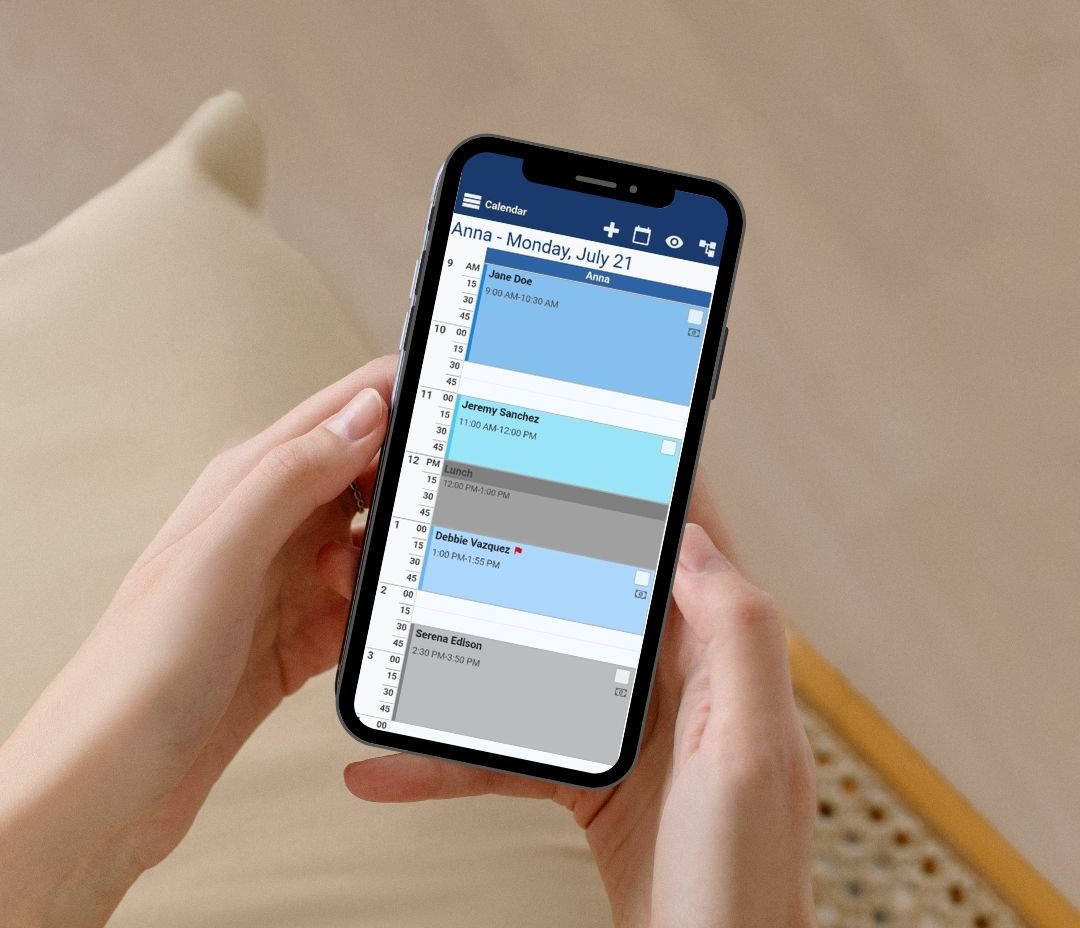
Automate follow-ups, reminders, and reporting
A successful gym needs reliable reminders. Bookeo’s gym scheduling software sends automatic email or text notifications to students about upcoming classes, which helps reduce no-shows. The core team gets instant updates about new bookings, rescheduled sessions, and cancelations anywhere.
The system monitors everything from cancelation timing to gift voucher usage and promotional discounts. This gives you informed decisions about your gym’s operations.
Conclusion
Starting a gym business demands careful planning, substantial investment, and unwavering dedication. This piece outlines eight crucial steps that will help your gym thrive while others fail. The fitness industry’s harsh reality shows that 80% of gyms close within their first year, so you need to build something sustainable.
Your vision forms the foundation of everything else. The concept you choose – an independent gym, franchise, boutique studio, or CrossFit box – will shape your entire business experience. A well-crafted business plan transforms your vision into concrete steps and proves your venture’s viability to potential investors.
Financial understanding makes or breaks a new gym. A detailed map of one-time and ongoing expenses helps avoid the cash flow problems that doom many fitness businesses. The right funding and legal structure protect your business and personal assets effectively.
Your gym’s success depends heavily on its location. Equipment quality, staff expertise, and training methods directly shape your members’ experience. Pre-launch marketing campaigns build excitement and momentum before opening day.
Bookeo’s gym scheduling software optimizes daily operations through streamlined class bookings, payment processing, and automated reminders. This complete system cuts down administrative work and delivers valuable business insights through detailed reports. Gym owners typically save 40% of their administrative time by using scheduling software.
The road to gym ownership brings its share of hurdles. Notwithstanding that, your careful planning, smart decisions, and proper tools can create a thriving fitness business that your community values. Your gym becomes more than just a business – it transforms lives through fitness. Build strong foundations, maintain consistency, and watch your gym grow into the vision you’ve dreamed about.