

VR arcade Registration and Waiver Management: A Step-by-Step Setup Guide
Modern entertainment venues need strong waiver management to protect their business and create better guest experiences. Your arcade’s operations depend on waivers that provide vital legal protection and reduce your liability if something goes wrong. On top of that, guests now want paperless and contactless experiences, they demand them.
Digital arcade registration and waiver management works better than paper-based systems. Your visitors can fill out arcade waivers online before they arrive or use self-service kiosks at your venue. This makes check-in faster and gives guests a better first impression of your business.
This piece shows you how to set up the quickest waiver system for your arcade. You’ll discover how to meet legal requirements and pick the right software solution. The strategies here will revolutionize your check-in process while you retain control of all necessary documentation to keep your business safe.
Step 1: Understand the Role of Waivers in VR arcades
Waivers are your arcade business’s first defense, especially as modern entertainment centers add more interactive experiences. Their role goes beyond simple legal compliance. They’re the foundations of a detailed safety framework for your facility.
Legal protection for physical activities
VR arcade facilities face unique liability challenges that waivers can tackle. These legal documents shield your business from responsibility for injuries during normal gameplay and activities. Entertainment centers use waivers to spell out the risks of various attractions and tell participants about their responsibilities and the venue’s liability limits.

Your arcade could face substantial legal exposure without proper waivers. Courts usually see liability waivers as valid contracts, with some key limits. VR arcade waivers need these elements to give maximum legal protection:
- Clear, precise language that average guests understand
- Specific identification of activities and their risks
- Prominent display, not buried in fine print
- Voluntary signatures, free from pressure or coercion
Your arcade might not have extreme attractions like axe throwing, yet accidents can still happen. One industry expert points out that “tragedy is not exclusive to high-liability attractions”. VR gaming, competitive play areas, and standard arcade games all come with risks that make waivers essential protection.
Note that waivers can’t protect your business from every type of liability. Courts won’t typically enforce waivers in cases with gross negligence or intentional misconduct. Also, enforceability varies substantially between states, and some jurisdictions have stricter rules about waivable rights.
A well-prepared waiver becomes a powerful tool to negotiate with insurance companies. Insurance adjusters and lawyers look at waivers to set claim values. Strong waivers often lead to lower settlement amounts and can keep your insurance rates steady or even reduce them over time.
Building trust with customers
Good arcade waiver management creates transparency that builds stronger customer relationships. Well-implemented waivers show your commitment to safety and risk management, factors that affect customer trust and insurance costs.
Digital arcade registration and waiver systems work better than paper methods by offering:
- A better customer experience through simplified check-in
- Better data security and retrieval options
- Higher completion rates with an accessible design
- Smooth combination with booking and payment systems
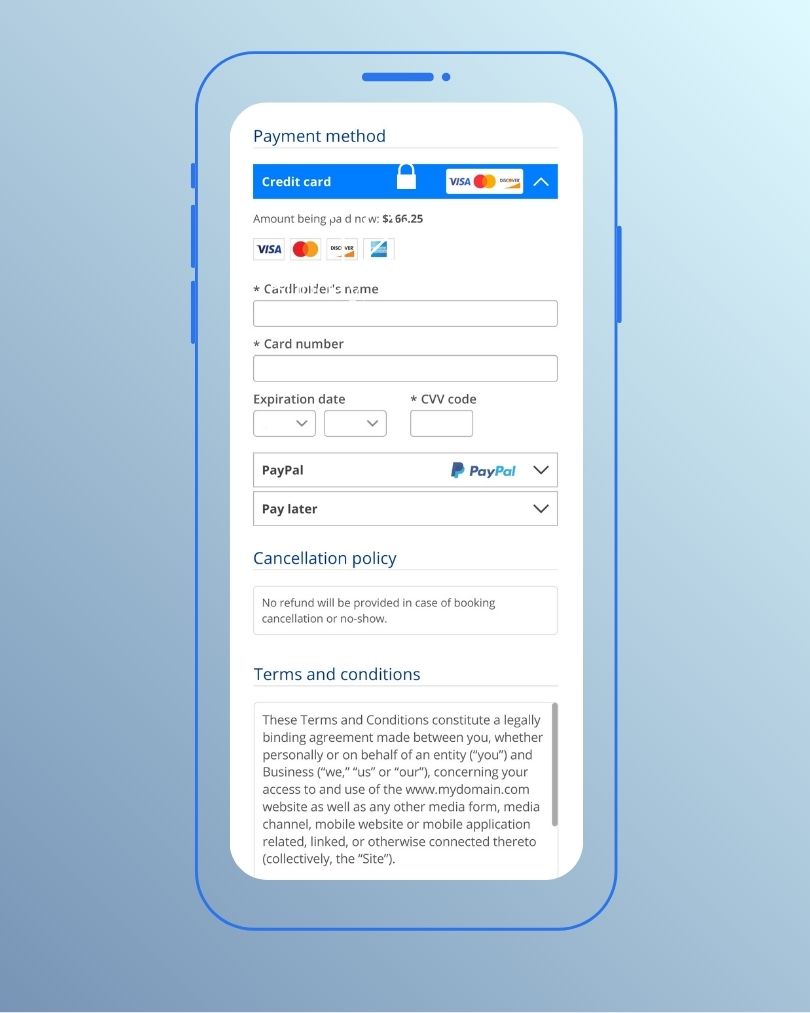
Successful arcade waiver management balances protection and convenience. The best arcade waivers use clear explanations of risks for activities from VR gameplay to competitive gaming. This leads to better customer compliance and fewer disputes.
Your waiver system works best alongside detailed safety practices. Daily equipment checks, staff training, and proper maintenance schedules support your waiver strategy. This shows guests that safety matters at your facility. Such a detailed approach protects your business financially and builds trust that keeps customers returning.
Step 2: Choose the Right Business Model
Your arcade’s waiver management strategy starts with picking the right business model. The way you run your business will shape how you handle liability, so smart early decisions will help you avoid problems later.
Standalone arcade vs. multi-attraction center
You’ll first need to decide between running a standalone arcade or expanding into a multi-attraction entertainment center. Each choice brings its own challenges for registration and waivers.
Standalone arcades focus mainly on gaming machines. This setup lets you manage waivers more easily since you have fewer activities to cover. Multi-attraction centers combine different entertainment options in one place, so they just need more detailed waiver coverage.
Family Entertainment Centers (FECs) are a popular multi-attraction model with these features:
- Markets based in communities rather than tourist areas
- Sites close to where people live
- Success relies on guests coming back six or more times yearly
- Guests stay two to two-and-a-half hours on average
- Several main attractions create mass appeal
- Token-operated games bring in much of the income (about 25%)
Indoor facilities range from 15,000 to 200,000 square feet and include attractions like rides, soft-contained play areas, and laser tag. Knowing these details helps arcade owners figure out what kind of waiver system they’ll need if they expand.

Virtual reality attractions work well with any business model. As someone in the industry puts it, “all the magic happens in the headset,” which means VR experiences fit naturally into any business, from VR-only arcades to larger entertainment centers. This flexibility lets you adjust your waiver protection as your business grows.
Real FECs stand out from single-attraction venues by offering multiple activities that appeal to different age groups. While standalone arcades aren’t technically FECs, they can grow into one by adding more attractions, something forward-thinking owners might want to consider.
Walk-ins vs. bookings
The next big choice is whether to focus on walk-in visitors, pre-booked sessions, or both. This decision will shape how you collect waivers and handle registration.
VR arcades that welcome walk-ins must have a quick way to process waivers without creating lines during busy times. Businesses that rely on bookings can get waivers filled out before guests arrive, which makes check-in smoother.
Your booking strategy affects:
- How you set prices
- Ways to manage schedules
- Control over capacity
- Goals for return on investment
The software works naturally with digital waiver tools to create a complete registration process that saves time and makes things better for customers.
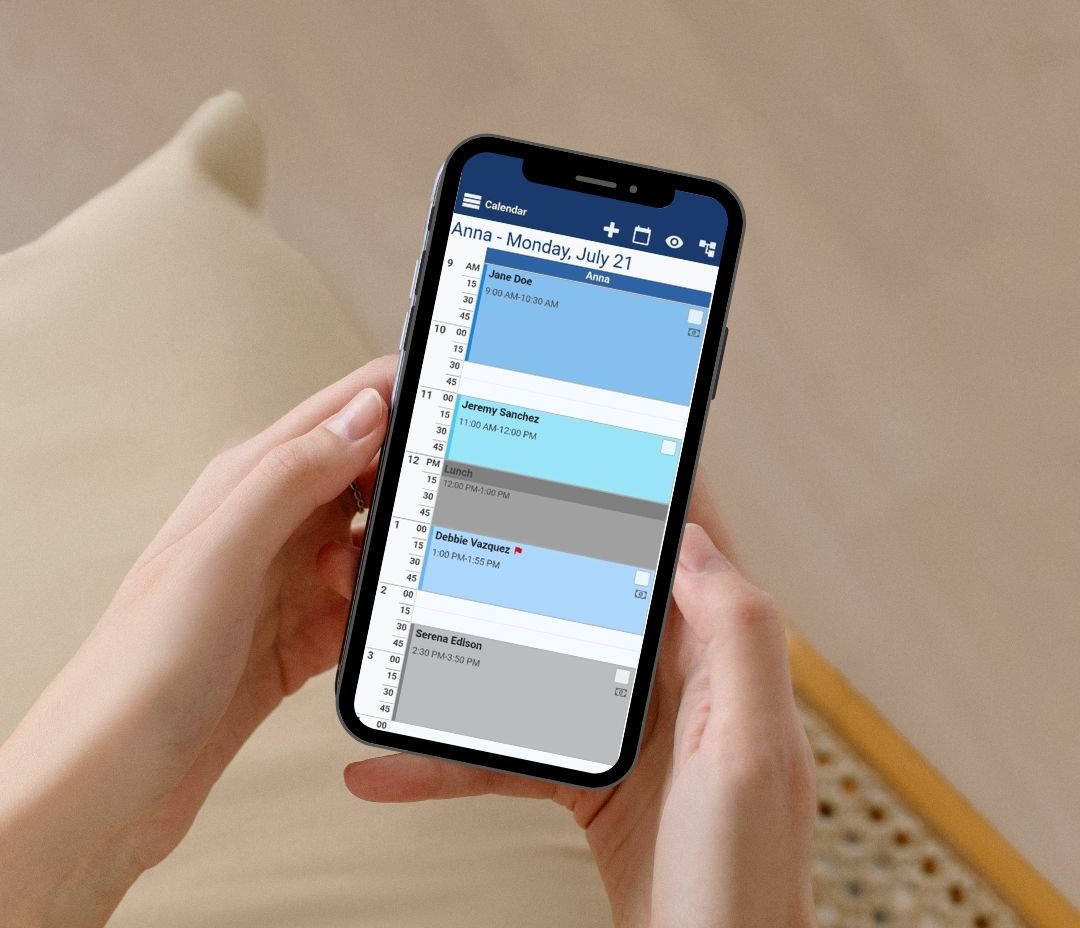
Guests like being able to complete everything at home, which means more people follow the rules and spend less time waiting when they arrive.
VR arcades serving both walk-ins and booked groups just need flexible waiver options. You can set up on-site kiosks or QR codes for surprise visitors to fill out mobile-friendly forms, while collecting other waivers through your booking system before people arrive.
Your business model choice affects what permits and licenses you’ll need. You might need special activity permits beyond your basic business license, depending on what you offer. Starting the permit process early helps you avoid delays and stay legal from day one.
The business model you pick should match your target market, available space, and staff size. These factors will guide how you set up your arcade’s waiver system.
Step 3: Select a Digital Waiver Management System
The right digital waiver management system will protect your arcade business and make guest check-in smooth. Your business model should guide you to software that meets your operational needs.
What to look for in a waiver tool
Your arcade’s ideal waiver software depends on several key features. Security practices that protect customer data should be your top priority. The best providers use data encryption and give you features like two-factor authentication.
The system must be simple to use. Your customers and staff should find it intuitive. A complex waiver process could upset guests before they start playing. Your team also needs quick access to signed documents.

Quality waiver software lets you customize the experience to your arcade’s specific attractions. You can:
- Add custom fields and questions relevant to your arcade’s activities
- Insert signature boxes and initial fields where needed
- Incorporate your arcade’s branding to look professional
- Toggle between multiple languages to serve diverse guests
Family-friendly arcades need parent/guardian features. The system should let parents sign waivers for their minor children and create proper consent documents. This feature becomes vital during birthday parties and family events that need multiple child waivers.
Data access plays a key role in daily operations. Your system’s waiver database should be searchable. This feature saves time during busy periods and ensures proper record-keeping.
Step 4: Set Up Your VR arcade Registration Workflow
A well-designed registration workflow is the foundation of successful arcade waiver management. You need to plan how guests will move through registration and waivers after choosing your business model and waiver system. This path starts from their first interaction and ends when they enter your arcade.
Online registration forms
Online pre-registration helps speed up the check-in process and cuts down wait times that can make guests impatient. Your visitors will have a better experience when you ask them to register before they arrive.
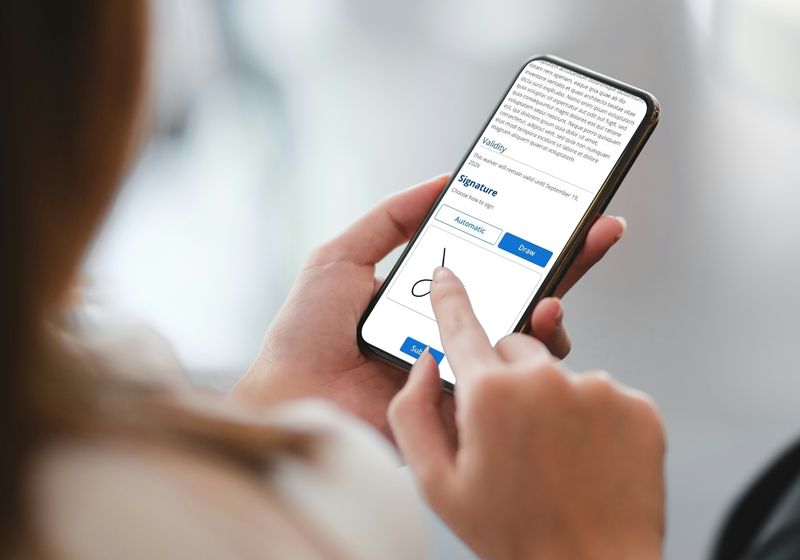
A good online registration form should:
- Collect essential visitor information (name, contact details, date of birth)
- Present waiver terms in clear, readable language
- Allow for electronic signature capture
- Include options for adding multiple participants (for families or groups)
- Send automatic confirmation emails with booking details
Pre-registration brings great benefits to arcade operations. Studies show that arcades with digital pre-registration save approximately 4 minutes per guest during check-in. An average arcade saves 96 hours each year, about $1,350 in staff costs.
Onsite check-in process
You need a smooth onsite check-in process for walk-ins and guests who haven’t completed their waivers, even with the best pre-registration system.
Your check-in area layout should:
- Position check-in stations near the entrance for easy access
- Create separate queues for pre-registered guests and walk-ins
- Install clear signage directing visitors to the appropriate lines
- Set up dedicated help desks for guests with questions or issues
Self-service kiosks turn tablets into waiver signing stations and reduce staff involvement in routine processing. Most waiver systems offer kiosk mode that lets guests sign electronically using iPads or Android tablets.
The core team needs proper training for smooth check-in operations. Role-playing exercises help them practice:
- Using the registration technology
- Resolving common check-in problems
- Answering guest questions efficiently
- Handling customer service issues
Waiver signing flow
A good waiver signing process follows a logical order that makes it easy for guests to complete their forms.
Put waiver signing right into your online checkout process. Research shows that embedding waivers into the booking flow increases waiver completions by 12% compared to separate steps. This simple change helps guests complete their waivers without confusion.
The onsite check-in waiver process might look like this:
- Guests approach the self-service kiosk or counter
- They enter information
- The system displays the waiver with clear instructions
- Guests review and sign the electronic document
- Confirmation appears with instructions to proceed to attractions
Family groups can create bottlenecks in waiver management. Parents often sign for multiple children. Advanced waiver systems let adults add details for minors under their supervision on one form. VR arcades save about 76 hours each year by avoiding duplicate waiver signings.
Step 5: Integrate with Online Booking Software
Your arcade’s customer experience gets better when you connect your waiver management system with booking software. This step revolutionizes your arcade’s operations by linking two vital business systems.
Benefits of integration
VR arcade owners see real results when waiver management merges with online booking systems. Your operations become more efficient as information moves automatically between systems. The data syncs without manual input and cuts down administrative work significantly.
The time you save makes this integration worth it. Research shows venues with integrated waiver and booking systems save approximately 4 minutes per guest during check-in. An average arcade saves 96 hours each year, about $1,350 in staff costs.

The integration brings more advantages:
- Shorter lines at entry points
- More satisfied customers who don’t leave due to delays
- Digital records you can access from one place
- Systems that sync data automatically
Entertainment venues have seen up to 100% increase in online waiver completion rates with integrated systems. One entertainment park shared their success: “We’ve seen waivers signed during online checkout jump from 30% to 60%, which has been a game-changer!”
How Bookeo simplifies the process
Bookeo’s VR arcade booking software excels at arcade waiver integration. Visitors can find their booking by surname, booking number, or email address on the waiver kiosk. They complete their waiver on a tablet or their phone.
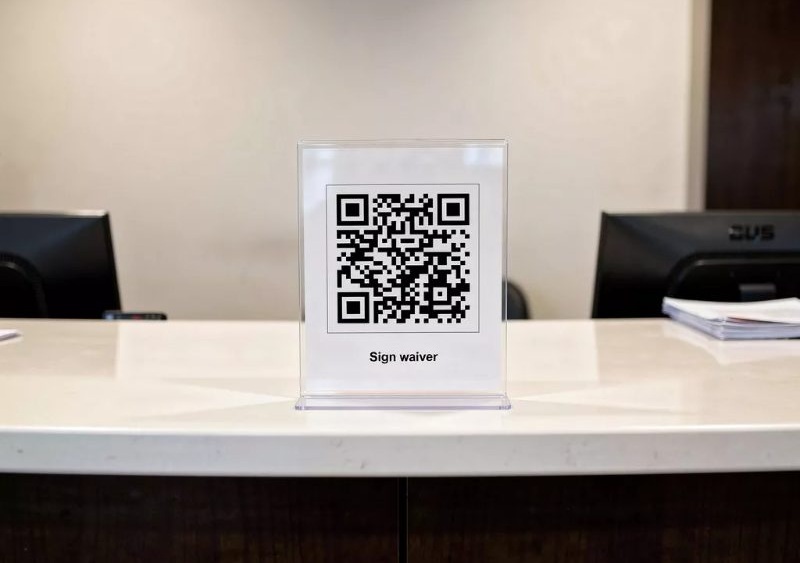
Walk-in customers scan a QR code at your reception desk, or use the waiver Kiosk. They locate their booking and submit their waiver right away, without needing staff help.

Bookeo shows only bookings within specific timeframes to avoid confusion. Signed waivers link automatically to customer profiles and booking records in your dashboard.
You can create waiver templates and link them to specific services on Bookeo’s online booking platform. This lets you maintain separate waivers for different arcade attractions, with proper legal protection for each.
Automated waiver collection
The system shines when waiver collection runs on autopilot through the booking system. Guests can sign their waiver right after they make their reservation. Venues using this approach have seen waiver sign-up rates grow by 12%.
Bookeo gives guests several ways to complete waivers:
- At checkout, with a prominent “Sign Waiver” button
- Through booking confirmation emails with direct waiver links
- Via automated reminder emails before their visit
- At in-store kiosks or through QR codes upon arrival
Birthday parties and group events become easier to manage. Event organizers get reminders to share waiver links with their guests. A personalized portal helps them track who has signed, making follow-ups simple.
The full integration makes operations run more smoothly. Waivers signed in Bookeo connect directly to bookings and customer profiles. Staff can check waiver status instantly during check-in.
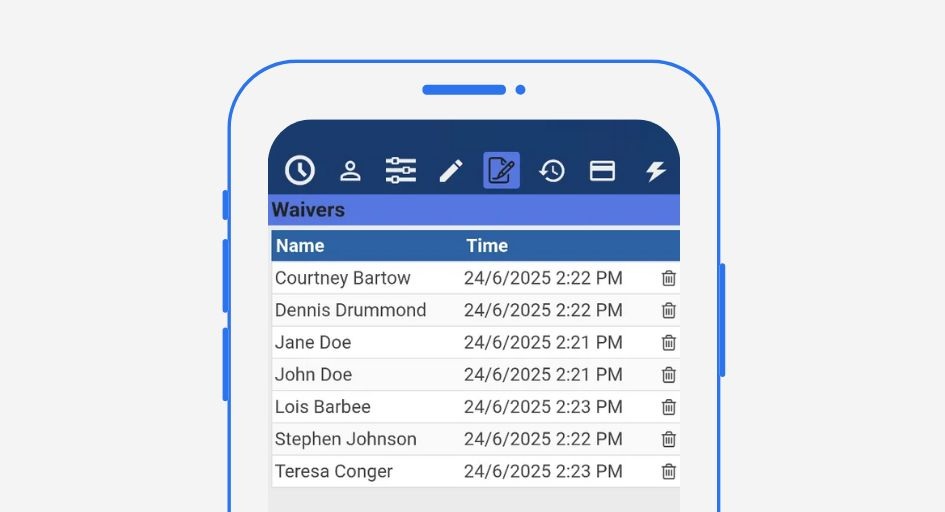
Parents like filling out waivers for themselves and their children, which eliminates extra paperwork.
Step 6: Train Your Team and Test the System
Your arcade waiver system needs proper staff training to run smoothly. The right training approach will transform your team into confident system ambassadors. They’ll handle both routine processes and unexpected situations with ease.
Staff onboarding and training
A complete staff orientation kicks off effective arcade waiver management. Your structured training program should cover system operations and key procedures. The training must address:
- The waiver system’s purpose and legal importance
- Proper documentation protocols, and recordkeeping requirements
- Handling special situations like minor participants or accessibility needs
A training checklist signed by staff members confirms their understanding of essential processes. This documentation helps protect your business during compliance audits.
Running test scenarios
Practical testing helps cement knowledge through hands-on application after basic training ends. Your staff should work through realistic scenarios they might face daily:
- Start with standard check-in procedures where everything runs perfectly. Then add complications like internet outages, customer questions about waiver terms, or technical glitches.
- Safety and emergency procedure training needs special focus. Your staff should participate in drills for various emergency scenarios in your arcade, from medical emergencies to behavioral incidents. These exercises build confidence for real emergencies.
- Interactive mock scenarios help employees practice proper handling of protected health information and strengthen data security protocols. Team discussions after each test scenario highlight successes and areas needing improvement.
Collecting feedback
Your frontline employees spot operational inefficiencies first and offer valuable insights. Create anonymous feedback channels where staff can share their observations about system weaknesses or customer pain points comfortably. Regular team meetings focused on process improvements create an environment that welcomes constructive criticism.

Track key metrics like waiver completion rates, check-in processing times, and customer satisfaction scores as part of your feedback collection. These measurements show if your training efforts produce positive results or need adjustments.
Step 7: Promote Digital Waiver Use to Guests
Smart arcade waiver management starts with getting guests to complete their forms before arrival. This cuts down wait times and makes check-in smoother. Your success depends on how well you promote early waiver completion to your guests.
Email and SMS reminders
Email reminders are a great way to boost waiver completion rates. Guests receive these messages at specific times before their visit, which gives them a gentle nudge to complete any pending paperwork.
Your reminders should:
- Make the waiver requirement clear
- Include a direct form link
- List visit details (date, time, location)
In-venue signage and QR codes
QR codes work well for arcades that handle many waivers each day. Multiple guests can submit forms at once using their phones.
Most phones now scan QR codes right from the camera app, so guests don’t need extra software. You can place these codes throughout your arcade to create easy access points for waiver completion.
Good spots to place QR codes include:
- Front desk counters
- Waiting areas
- Posters with simple instructions
Walk-in guests or those who haven’t completed waivers can use QR codes without staff help. One scan takes them to a mobile-friendly form they can fill out on their device.
Social media announcements
Social media platforms add extra channels to promote your digital waiver system beyond regular reminders. Your posts can highlight how completing waivers early makes visits more enjoyable.
Digital waivers also create marketing opportunities through data collection. Your waiver forms can ask smart questions to gather email addresses, birth dates, and family information. This helps you create better-targeted campaigns.

To name just one example, birth date information helps you group customers by age and create birthday promotions. Parents with kids in certain age groups can get emails about activities their children might enjoy or birthday party options.
Step 8: Monitor, Improve, and Stay Compliant
You need to pay constant attention to your arcade waiver system after the original setup. A successful arcade registration and waiver management needs regular monitoring, timely updates, and ongoing compliance work.
Track waiver completion rates
Your waiver dashboard shows significant performance metrics that you should check regularly. The key information includes last completion dates, total completions for each waiver type, and daily averages. These numbers help you identify which waivers guests use most often, so you can improve the ones that matter.
This information lets you:
- Spot waivers with unusually low completion rates
- Find potential technical problems by tracking recent activity
- Make your popular waivers perform even better
Update waiver content regularly
Legal protection just needs regular waiver reviews. Industry experts suggest that legal counsel should look at your waiver language yearly, or when you add new attractions. You must decide whether to expire existing waivers or update them going forward when making modifications.

Your guests might need to sign again if your waiver has major changes or new legal requirements emerge. Note that some systems only keep the most recent version and permanently overwrite previous ones.
Ensure GDPR and local compliance
GDPR and other privacy rules set strict requirements for handling customer data. GDPR requires a legitimate legal basis to process personal information. Your waiver system should use data encryption, secure storage methods, and waiver codes that protect personal details.
Companies operating internationally should check their cross-border data transfer protocols; they need specific measures like Standard Contractual Clauses. Industry publications and webinars help you stay current with evolving regulations to maintain full compliance.
Conclusion
A well-designed arcade waiver system can transform your entertainment venue’s operations. This piece explores the steps you need to create an efficient registration process that protects your business and boosts guest experiences. Each component, from legal requirements to digital tool selection, plays a vital role in your arcade’s success.
Digital waivers outperform traditional paper methods substantially. They reduce check-in times by about 4 minutes per guest and save your arcade nearly 100 hours yearly. The system creates secure, searchable records that the core team can access instantly. These improvements lead to better customer experiences and lower operational costs.
Your waiver system’s integration with online booking software like Bookeo proves to be a powerful upgrade. Guests automatically receive prompts to complete waivers during reservation, which dramatically increases completion rates before arrival. Bookeo’s activity scheduling system manages everything from waiver distribution to storage and creates a continuous connection between guests and staff.
VR arcade waiver management requires constant attention. The system needs regular monitoring, updates, and staff training to run smoothly. Legal requirements change, attractions evolve, and customer expectations grow. Your waiver system needs ongoing attention to stay current.
VR arcades using these digital solutions gain a competitive edge. Guests love paperless processes, while owners enjoy stronger legal protection and valuable customer data. The time spent setting up proper waiver management yields returns through reduced liability, better operations, and satisfied customers.
An arcade runs best when administrative tasks happen behind the scenes, letting fun take center stage. Your waiver system should protect the business legally while helping guests move quickly from entry to enjoyment. These improvements will transform your arcade’s registration process from a hurdle into a highlight of the customer’s trip.