
How to Get More Customers: The Essential Must-Do’s for Attracting Regular Clients
Every business owner dreams of having a steady stream of clients without the need to market on social media to find the next paying customer. Understanding how to get more customers transforms this dream into reality. Quality clients are out there looking for help, and they want someone like you to guide them. Customer retention has a higher return on investment (ROI) than customer acquisition. This makes it critical to attract the right people from the start. Learning how to get more customers for your business starts with steps that build lasting relationships.
Know who you’re selling to
You’ll connect with no one if you try to attract everyone. Answer “pretty much everybody” when asked about your target audience, and you won’t boost conversions. Your marketing budget drains faster when you advertise to people who have zero interest in what you offer.
Define your target audience
Your target audience is a consumer group that’s interested in your product or service. You define this group early and save money, time, and resources that would otherwise be wasted on ineffective marketing.

Examine your current customer base first. Look for trends in their demographics, location, and other details that contribute to your target audience. Create an online survey asking customers what sites they spend the most time on if you’ve been in business for a while.
Demographics provide a foundation, but lifestyle matters more. You need answers to specific questions: How would you describe their life or business situation? What pain do they experience? What needs aren’t being met?
You can’t find the insights that actual customer conversations reveal anywhere else. Business owners complain about conversions, and the first question should be: How many customers have you talked to? The answer is none. Austin-based startup Food On The Table found a mom who plans meals and uses coupons, then spent three weeks shadowing her as she made lists and pushed her cart around the supermarket.
Survey your last 20 to 100 paying customers who still remember their purchase experience. You want to know who people compare you to, which helps you build a compare page addressing your advantages. Some 50% of purchases aren’t completed due to insufficient information. Your website must speak the same language your customers do.
Create an ideal customer profile
An ideal customer profile (ICP) is a detailed description of a buyer who’s a perfect fit for your products or services. Companies that understand exactly who their target customers are see better results.
ICPs help you prioritize prospects most likely to convert, stay loyal, and generate long-term revenue. Sales and marketing teams work together, and companies achieve 36% higher customer retention rates and 38% higher sales win rates. This leads to 208% growth in marketing-generated revenue.
Analyze your current best customers who stay the longest, generate strong customer lifetime value, adopt your product deeply, and were smooth to close and onboard. Review CRM data, lead scoring dashboards, and performance metrics to uncover shared patterns.
Your ICP should include firmographics (industry, company size, growth stage), demographics (organizational structure, role density), technographics (existing tech stack, key platforms), geographic considerations (regulatory requirements, compliance standards), and behavioral aspects (buying patterns, decision-making process, growth triggers).
Research where your customers spend time
You can reach your target demographic economically when you find where your audience gathers together in one place. Think about strategic collaborations with businesses or media channels that have already attracted your customers.

Analytics reveal where your visitors come from and what they did on your website. You can view demographic information like age and gender, traffic sources (direct, Google search, Facebook ads), location down to the city, devices used, and pages visited.
Social media analytics let you learn about your target audience’s behaviors. Engagement rates show what content connects with them, while peak activity data tells you the optimal time to post. Look at industry reports and trends to identify emerging markets or industries that are growing and potentially need your product.
You can’t define your target audience in black and white. People don’t always fit into neat segments, and their needs evolve constantly. You should refine your target audience through an ongoing process based on feedback and data analysis.
Track your business numbers
Numbers don’t lie, but most business owners don’t track them closely enough. You can’t improve what you don’t measure. Tracking where your money goes and where your customers come from determines whether you’re building a profitable business or just staying busy.
Monitor client acquisition sources
Understanding how people find you ranks among the most powerful tools you have to maintain or grow your business. You can invest more in what works instead of spreading yourself too thin when you know which channels bring customers who buy.
Google Analytics (GA4) tracks and reports website and mobile app traffic. Go to Reports > Life cycle > Acquisition to generate acquisition reports. Filter your acquisition reports by session campaign, medium, source, or channel to see which channels and campaigns attract the most new customers.

Website traffic tells you who visited, but it doesn’t tell you who became a customer. You might have Google Ads that bring in lots of form fills where many turn out to be price shoppers. Organic search brings fewer leads, but those leads book higher value jobs. Email campaigns might bring back past customers who trust you.
The better question isn’t “Where did my traffic come from?” The better question is “Where did my best customers come from?”. Your best customers are the ones who fit your business, spend more, close faster, need less chasing, and refer others.
Use UTM parameters to track all marketing links. Paired with call tracking using static or dynamic numbers, you’ll have complete information on inbound calls from your referrals. You won’t have any data on web traffic generated from your referral channels without UTM tags on the links back to your website.
Track how much you’re spending to acquire customers through different channels. Some methods might seem affordable at first glance but deliver lower-quality leads. Compare your total cost of sales against the value each channel brings.
Calculate income vs expenses
Customer acquisition cost (CAC) measures the average costs incurred per customer, the amount invested to acquire new customers. You’ll never be profitable if you spend more to get a new customer than you earn from their purchases.
The formula to calculate CAC is as follows: Sales and Marketing Expenses ÷ Number of New Customers Acquired. Sales and marketing expenses include employee salaries for sales and marketing teams, ad spend and marketing campaigns, creative and production costs, technical tools like CRM software, content creation and digital marketing, and third-party professional services.
The best rule of thumb is to spend 33% or less of your average customer lifetime value. An LTV/CAC ratio of 3:1 is recognized as the standard target in the SaaS industry. This means customers generate at least three times their acquisition cost. Below 1:1, you lose money on every customer. Above 5:1, you may be underinvesting in growth.
Net income represents your profit after all expenses have been deducted from revenue. Net Income = Total Revenue – Total Expenses. Gross income represents total revenue before any deductions are made, calculated as Total Revenue – Cost of Goods Sold. Net income reflects your actual take-home pay and directly affects your day-to-day budget.
Measure conversion rates
Your conversion rate measures the percentage of leads who become customers. The formula is straightforward: (Number of Conversions / Total Number of Visitors) x 100. Your sales conversion rate is 27% if you had 100 leads and closed 27 deals.
A high conversion rate is better than a lower one because it indicates that a large percentage of your prospects are taking the desired action. Sales efficiency increases when conversion rates go up. The conversion would be 5.0% for the month if an eCommerce business received 1,000 site visitors in one month and received 50 customer orders.
Tracking conversion rates helps you assess marketing efficiency and determine which channels and campaigns deliver the best return on investment. You can review profitability by comparing the cost of acquiring a customer to their lifetime value to guarantee the business model is sustainable.

Shopping cart abandonment rate measures the percentage of users who add items to their carts but don’t complete the purchase. A culmination of 41 studies found the average abandonment rate to be just below 70%. This metric helps you learn about potential friction points in the buying process.
Order frequency reveals how often customers make purchases within a specific period. Average order value is the typical amount a customer spends in a single transaction. You can boost revenue without acquiring more customers by increasing this value.
Map out your customer journey
Understanding how to get more customers for your business requires seeing your service through your client’s eyes. A customer journey map visualizes the process people go through to accomplish a goal with your brand. This isn’t about what you think happens. It’s about what happens when someone finds you, evaluates your offer, and decides whether to buy.
Identify first touchpoints
Customer touchpoints are moments when someone interacts with your brand, whether through an employee, website, advertisement, or app. These interactions shape how consumers see your company. Your first touchpoint might be a social media ad, a Google search result, a friend’s recommendation, or a review site.
Research shows that 84% of shoppers begin their online research on digital channels that aren’t a brand’s owned website. Most people find you somewhere other than your homepage. They’re reading reviews, watching videos, scrolling through Instagram, or asking in Facebook groups before they ever click through to your site.
You need to identify where these original interactions happen for your specific business. To cite an instance, if you run a cooking class business, your first touchpoints might be food blogs, local event listings, or Instagram food content. Someone planning a selfie museum visit likely finds you through TikTok, Instagram location tags, or Google searches for “things to do near me.”
Digital engagement covers interactions through online channels like web chat, email, social media messaging, or apps. Content engagement happens when customers interact with self-service resources such as help articles, how-to videos, and FAQs. A strong knowledge management system makes this adaptable because customers get answers without a representative.
Review engagement steps before conversion
The consideration phase begins once potential customers recognize their need and start evaluating solutions. They’re comparing options, reading reviews, and reaching out for more information during this stage. Given that 42% of customers trust online reviews as much as personal recommendations, credibility drives decisions at this point.

Interactive engagement has real-time, two-way interactions like live chat, phone calls, and video support. These conversations build trust and demonstrate expertise. Direct support engagement is transactional, where a representative handles a specific issue such as a return, billing dispute, or service question.
The purchase phase has all interactions during the actual transaction. Customers choose a product, enter payment information, select shipping options, submit payment, and receive confirmation for online purchases. A smooth checkout process matters because even a one-second delay in page load can reduce conversions by 7%.
Map out potential bottlenecks at each touchpoint. What could cause a customer to abandon the journey? Shopping cart abandonment averages just below 70% across 41 studies and reveals friction in the buying process. You can remove roadblocks or reduce their negative effect once you identify them.
Optimize accessibility of your offerings
Accessibility bridges the gap between your customers and your services and grants people of all abilities unrestricted access. The World Health Organization reports that 16% of the world’s population, or about 1.3 billion people, have some form of disability. This represents a most important market share that goes untapped without proper accessibility strategies.
Companies that improve product accessibility see a 28% increase in revenue. Products designed with accessibility in mind can reach four times as many consumers as those that are not. More, 66% of consumers are willing to pay more for products from companies committed to positive social impact.
Accessibility features improve overall usability for everyone, not just people with disabilities. Well-laid-out content, clear navigation, and simplified processes improve the experience for all users. The more usable your website and booking process, the quicker users find information and reach your product pages where sales happen.
Build trust with testimonials and social proof
People trust what others say about you more than anything you say about yourself. According to BigCommerce, 88% of buyers trust online testimonials and reviews as much as personal recommendations from family and friends. You’re leaving money on the table if you’re not collecting and displaying testimonials.
Collect client testimonials
Timing determines the quality of testimonials you receive. Ask too early, and your client hasn’t seen results yet. Wait too long, and their excitement fades. The sweet spot is right after your client experiences a clear win or completes a milestone.
Email remains one of the easiest ways to request testimonials. Send a customized request after a specific event, like closing the third sale or completing a project. You can set up automated emails, but customize them for each client. Don’t wait until customers have almost forgotten their experience with you.

A testimonial request form embedded on your website captures feedback from visitors at checkout, in the footer, or as a sidebar widget. Keep forms short and include precise instructions. Take the chance and request a testimonial if a customer gives you a high rating through a survey.
People share experiences with brands on social media without prompting. Look for social mentions whenever someone talks about your product or service. Use monitoring tools like Hootsuite and Facebook Insights to get alerts when users mention you. Reach out and ask for approval before using their words on your site.
Specific questions work better than broad ones that get yes-or-no answers. Guide clients with prompts: What was your biggest challenge before working with us? What specific results have you achieved? How has your business changed because of it? These questions require narrative and backstory that helps potential clients visualize their own transformation.
More than 50% of clients feel nervous about asking for testimonials and avoid it altogether. Your competition probably isn’t asking either. This gives you an advantage.
Display reviews on multiple platforms
Products with at least five reviews are 270% more likely to sell than those with zero reviews. Testimonials on your homepage create positive first impressions. Your sidebar provides prime real estate visible throughout your website.
Testimonials belong on your about page where new visitors learn about your history and team. Service businesses like accountants or dentists benefit from happy client quotes here because people want professional, experienced providers.
Video testimonials carry the highest trust factor because they’re hardest to fake. A 60-second video of a real customer explaining what changed outperforms written copy. Screenshot testimonials from DMs or emails provide quick, authentic social proof.
Create case studies that showcase results
Case studies analyze how your business helped past clients and showcase measurable, real-life results. They change the narrative from promises to proof.
Strong case studies include the customer’s challenge, your solution, and quantifiable outcomes. Testimonials or direct quotes add human elements and third-party validation. These authentic voices bring emotional weight to factual components.
Transformation matters more than transaction. Show what problem they started with, what you helped them achieve, and how their life or business feels now. Use specific numbers instead of vague percentages to build credibility.
Use online booking software to streamline client acquisition
Manual scheduling drains hours from your week that could go toward serving paying clients. The back-and-forth of finding available times, confirming appointments over email or phone, and updating calendars creates friction for both you and potential customers. Research shows that 40% of online bookings happen outside standard business hours. You’re missing nearly half your potential bookings if you’re not available to answer calls at 9 PM on a Tuesday.
Online appointment booking systems solve how to get more customers for your business by removing barriers between interested prospects and confirmed appointments. 43% of all service appointments are booked outside traditional business hours. Customers want instant gratification. They move to a competitor who offers that convenience when they can’t book right away.
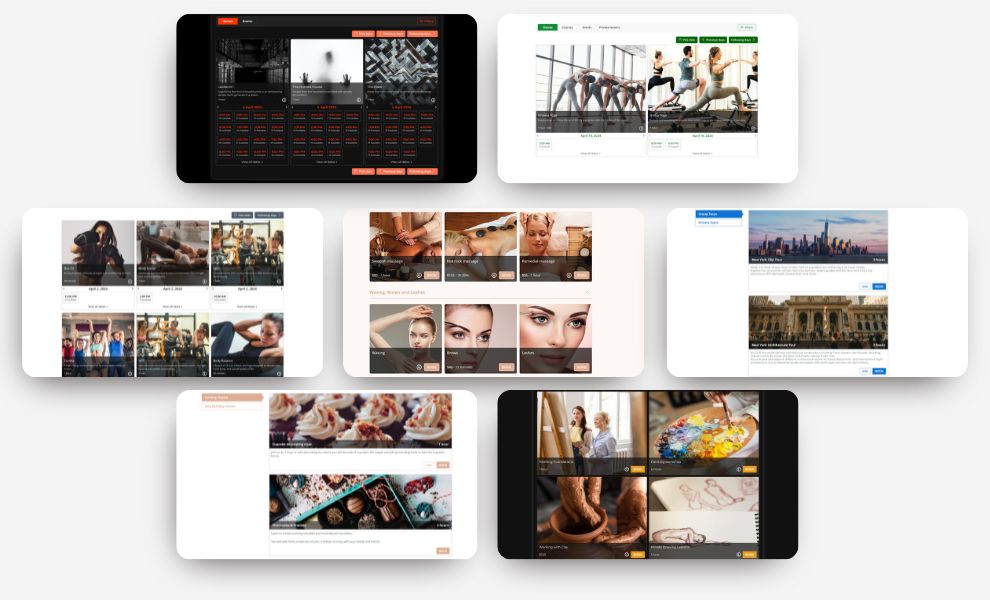
The numbers reveal a clear competitive advantage. Only 23% of local service businesses offer online booking systems. 90% of customers prefer booking their appointments online rather than picking up the phone. This gap between customer preference and business reality creates a chance for those willing to adapt.
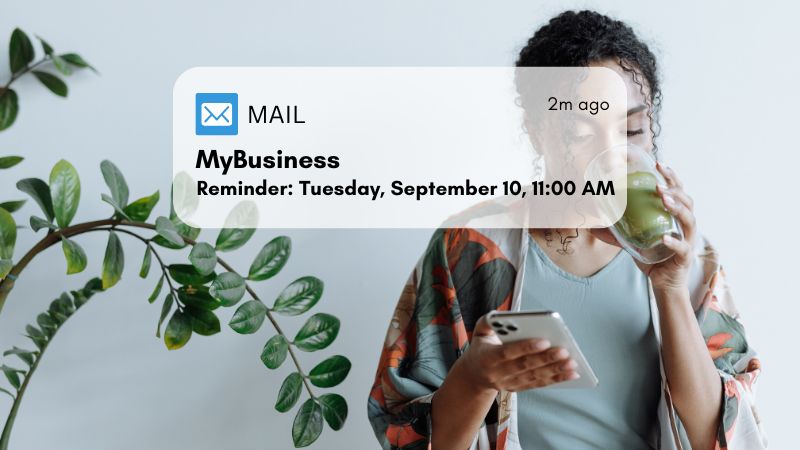
Automated appointment reminders reduce no-shows. Studies indicate that no-show rates have dropped by 90% with timely appointment reminders. These automated messages via email or SMS keep your calendar full and your revenue predictable. Customers receive confirmation right after booking and then get reminders as their appointment approaches.
Calendar syncing prevents the nightmare of double-booking. Your availability updates across all platforms the moment someone books. A slot disappears from your calendar the second someone reserves it. You can also collect payment upfront or require deposits to safeguard against last-minute cancelations. Custom questions on your booking page gather context before appointments and save time during actual client interactions.
The revenue effect speaks volumes. Local businesses that added online booking systems to their websites saw revenue increases up to 120%. Businesses experience 37% revenue gains on average after implementing these systems. The reason is straightforward: you capture more leads, reduce administrative overhead, and serve customers the way they prefer to interact with businesses.
Moreover, 35% of people schedule appointments during non-business hours. Every hour your booking system runs while you sleep represents potential income. The system works around the clock and converts interest into confirmed appointments without any manual effort from you or your team.
Given these points, online booking software transforms how I can get clients from a constant struggle into an automated process that runs in the background.
Market where your ideal customers are
You need to show up where potential clients already spend their time to fill your booking calendar. Broadcast your message everywhere and you’ll waste money on people who don’t care. The platforms you choose determine whether you speak to interested prospects or shout into the void.
Choose the right advertising platforms
Platform selection starts with understanding your business goals and customer behavior. Google Ads captures existing demand because people search with intent. Facebook Ads creates demand by reaching people before they realize they need what you offer. The best approach combines both and uses Facebook to generate interest and Google to capture buyers ready to act.
Your audience demographics dictate platform choice. Professionals and B2B decision-makers spend time on LinkedIn, where 40% of B2B marketers list it as the most effective channel for driving high-quality guides. Younger demographics favor TikTok and Instagram. Gen Z and Millennials interact most on these visual platforms, while older audiences remain active on Facebook.
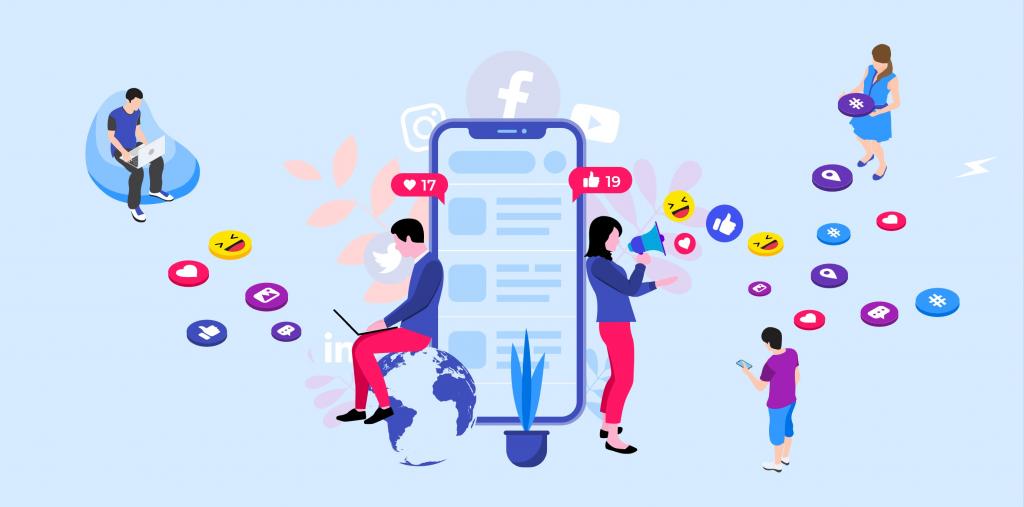
Service businesses like cooking classes might find their first advertising touchpoints include food blogs and Instagram food content. Selfie museum businesses find customers through TikTok, Instagram location tags, or local searches. Match your content type to platform strengths. LinkedIn excels at expertise, Instagram at visual storytelling, and TikTok at trend-driven short videos.
Utilize social media consistently
Consistency matters more than sporadic viral attempts. Highly consistent users posting at least once weekly for 20+ weeks received 5x more engagement per post compared to inconsistent posters. Figo Pet Insurance posted four to five TikTok videos weekly. This led to audience growth, viral videos, and revenue-driving ads.
B2B companies now need an average of 894 LinkedIn impressions and 71 touchpoints to generate a Marketing Qualified Lead, up from 723 impressions and 54 touchpoints in 2023. Your buyers need multiple moments with your brand before taking action. Inconsistent posting means missing those critical moments.
Use content marketing to show expertise
Content marketing delivers valuable, relevant information where your audience already spends time. It invites interaction by putting customers at the center of your brand story rather than interrupting with ads. Brands that show empathy and expertise by addressing known pain points see customers interact more with product-specific content like demos and case studies.
Smart social content adapts to each platform’s norms, encourages interaction through polls and questions, and promotes cross-channel discovery. Both organic and paid content drive measurable results, but consistency, creativity, and timing determine success.
Create referral and partnership programs
Your current customers hold the key to how to get more customers for my business without doubling your ad spend. A referral program turns satisfied clients into active promoters using word-of-mouth techniques combined with strategic incentives. Partnering with complementary businesses opens access to established audiences who already need what you offer, like your current customers do.
Set up a referral incentive system
Two-sided referral models deliver the strongest results. Both the referrer and the person they refer receive rewards. This creates a win-win situation that motivates participation. Research shows 88% of consumers trust recommendations from people they know above all other advertising.
Choose rewards that match your business model and customer priorities. Discounts work well for most service businesses and offer a percentage off the next booking. Store credits keep revenue within your ecosystem and encourage repeat purchases. Cash rewards appeal broadly but cost more. Loyalty points integrate naturally if you already run a points program.
Keep the process simple. The most effective programs explain everything in plain language: refer a friend, they get $10 off, you get $10 too. Sharing should be frictionless. Provide customers with unique referral codes or links they can copy and send. Social share buttons and pre-filled messages remove barriers to participation.
Partner with complementary businesses
Complementary partnerships involve working with brands that target the same consumer segments to extend reach and produce better services. A cooking class business might partner with a kitchenware store. A lashes business could team up with a makeup artist to name just one example.

These collaborations deliver the two most important benefits. You gain expertise from trained personnel in related fields. New customer reach expands as each partner promotes to their respective audiences. Both organizations can pool resources for co-sponsored events, shared advertising, or joint vendor negotiations.
Track and reward your best ambassadors
Referral tracking connects the dots to understand which customers send new customers to your brand. Assign each advocate a custom code that attributes conversions directly to them. Monitor core metrics including referral conversion rates and revenue generated from referrals.
Tiered reward systems motivate sustained engagement. Brand ambassadors who actively recruit customers move up to new tiers and receive access to more benefits. The 80/20 rule applies here: a small percentage of advocates will drive most referrals. Identify and reward these super fans appropriately.
Offer promotions that bring customers back
Promotions walk a fine line between attracting buyers and training them to wait for sales. The question isn’t whether discounts work, but whether they create customers worth keeping. Research by Optimove found that new customers are much more likely to make repeat purchases when original discounts fall in the 5-20% range, with negligible difference in repurchase rates between 10% and 20% off.
Design first-time customer discounts
First-purchase discounts remove friction standing between a visitor and their first appointment. Higher discounts may increase order volume but lower customer lifetime value. Test lower depths first because most teams assume they need big offers when they often don’t. Rather than slashing prices broadly, think about tiering the value toward repeat behavior with a smaller first-order discount paired with a meaningful second-order reward.
Create loyalty programs for repeat business
You can keep an existing customer for up to five times less than winning a new one. 79% of consumers say loyalty programs make them more likely to continue doing business with a brand. Points-based programs remain most common, with consumers identifying exclusive discounts (84%) and earning rewards (83%) as the most valuable aspects.
Test different promotional strategies
You can assess which campaigns yield the best results through A/B testing and tracking performance indicators like conversion rates and return on ad spend. Strategic timing during peak shopping seasons makes discounts feel special rather than expected.
Stay consistent and deliver excellent service
Service quality determines whether customers return or disappear after one appointment. Your bottom line depends on customer satisfaction. Deloitte research shows that 88% of customers who trust a brand will buy again. Trusted companies outperform their peers by up to 400% in market value.
Show up regularly in your marketing
Consistent branding builds recognition and trust in a variety of communication channels. Potential customers find it bewildering when brand messages and offerings don’t line up, and they move to competitors. Your visual identity, messaging and tone must remain uniform whether someone encounters you on Instagram, your website or through email.
Meet and exceed client expectations
Speed matters. In fact, 66% of people believe that valuing their time is the most important thing in any online customer experience. Customers hate waiting and want help right away. You need to resolve problems so customers don’t have to keep coming back with the same issue.
Use a polite, helpful tone and treat customers with respect. Some 40% of customers say they want better human service. They get angry when receiving boilerplate responses or being transferred between different people.
Build long-term relationships through quality work
You show customers that you care about their experience when you follow up after purchases. A long absence can make customers forget about your service. Reach out to them and trigger another purchase or word-of-mouth reference.
Conclusion
Getting more customers boils down to strategy, not luck. Focus on knowing your audience, tracking what works, and removing friction from the buying process. The tactics outlined here work together: testimonials build trust while referral programs turn satisfied clients into promoters. Online booking captures leads around the clock. Start with one or two strategies that fit your business model. Test and measure, then refine based on results rather than assumptions. Smart marketing combined with exceptional service makes customer acquisition predictable instead of stressful. Your business deserves a steady stream of qualified clients, and now you have the roadmap to make it happen.