

How to Start Your Own Tattoo Business: Essential Steps for Success
The global tattoo market is projected to nearly double by 2032, making now an excellent time to find out how to start a tattoo business. But turning your artistic passion into a profitable studio requires more than talent.
You’ll need to understand what license do i need to open a tattoo shop, handle health permits and sanitation regulations, and answer the critical question: how much does it cost to open a tattoo shop? Startup costs typically range from $20,000 to $50,000. Some studios require $50,000 to $150,000 depending on location and build-out needs.
Every step for how to start your own tattoo business successfully is covered in this piece.
Step 1: Master Your Craft and Gain Professional Experience
Before you can figure out how to start your own tattoo business, you must master the craft itself. You’ll set yourself up for failure, poor client outcomes, and potential legal issues if you open a studio without professional-level skills.
Training options: Apprenticeship vs self-taught
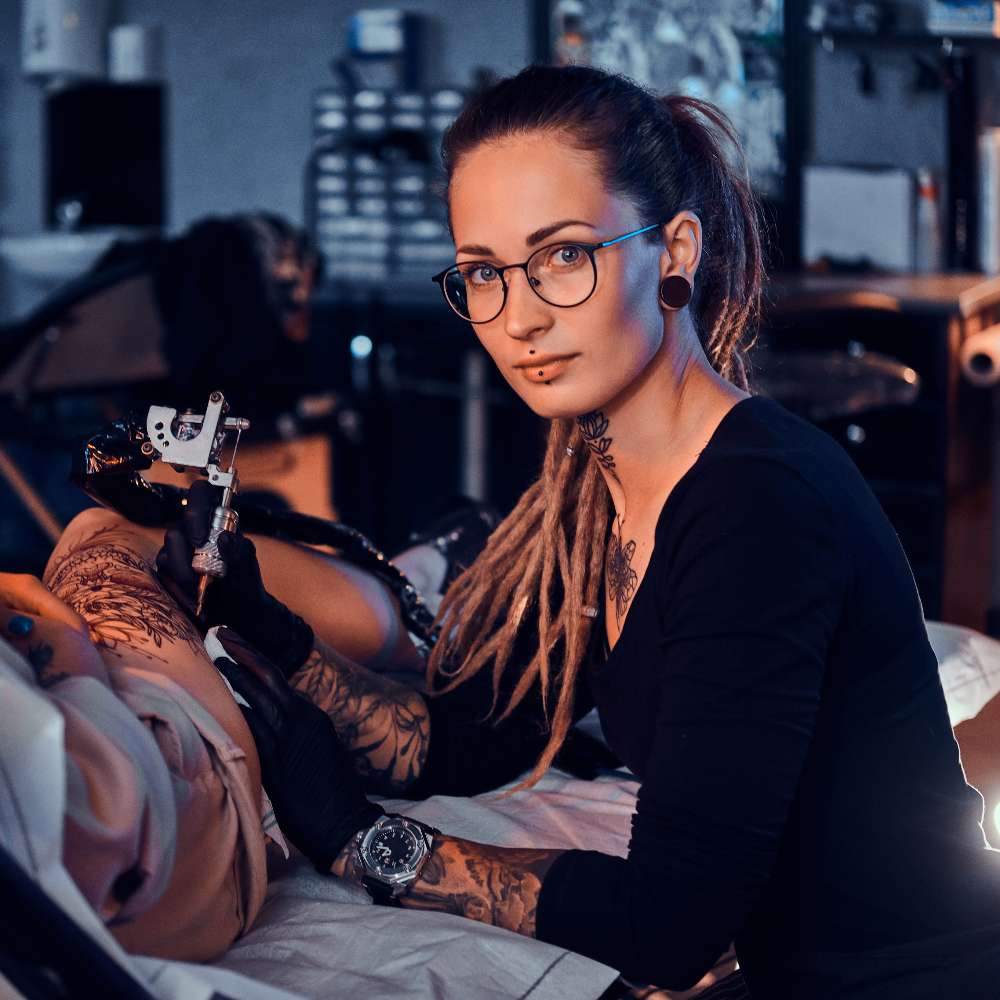
The traditional path involves securing a tattoo apprenticeship under an experienced mentor. Apprenticeships last between 18 and 24 months, though some extend longer depending on your progress. You’ll work in a professional shop environment where mentors guide you through real-life scenarios, correct technique flaws in real time, and teach you client management skills.
Apprenticeships cost between $5,000 and $10,000 if you pay your mentor directly. Other arrangements won’t require tuition but will have you work full-time without compensation to earn your education. One year of full-time minimum wage work equals $15,080, so think over this lost income as part of your educational investment.
The structured approach covers four essential training areas:
- Cross-contamination prevention and bloodborne pathogen protocols
- Drawing tattoo designs with proper composition
- Tattooing technique and machine handling
- Business management fundamentals
All the same, not all apprenticeships provide positive experiences. Some involve exploitative practices or outdated hazing rituals that teach fear instead of skill. A quality apprenticeship prioritizes safety, fundamentals, and gradual progression.
Self-taught artists take an alternative route and learn through online courses and independent practice. Programs like the Artist Accelerator Program have helped over 2,500 students break into the industry. They offer structured curricula without requiring you to work unpaid in a shop. These courses let you learn at your own pace, though completing them takes several months of dedicated study, not just a few weeks.
Just as important: never tattoo real skin without proper training, supervision, and licensing. Not friends, not yourself, not “just a small one.” You put people in danger and act unethically when you tattoo without understanding bloodborne pathogens, sterilization protocols, and proper aftercare. Videos don’t equal training.
Build a strong portfolio of diverse styles
Your portfolio serves as proof that you’re ready for what comes next. Those seeking apprenticeships should focus on demonstrating foundational art ability rather than tattooing experience. Most mentors look for drawing skills, not pre-existing tattoo knowledge.
A strong apprenticeship portfolio needs 10 to 15 completed pieces. Quality matters far more than quantity. Your portfolio should include finished artwork that could be tattooed right away and designed for specific body parts. Include one medium only throughout your portfolio for a professional, cohesive look.
Showcase variety across your work. Include portraits to demonstrate facial rendering ability and botanical drawings to show organic linework. Geometric patterns prove precision. This versatility proves you can handle different client requests when you start taking appointments.
Use a professional black folder with plastic sleeves for your physical portfolio. Maintain a digital presence on Instagram or a personal website where potential clients and mentors can review your work. Both prepared versions ensure you’re ready, whether you’re networking at conventions or walking into shops.
Working artists need healed photos in their portfolios, not just fresh tattoo shots. Healed images show the actual long-term result clients will live with. You’ll need to follow up with clients after healing and request photos to build this library.
Network within the tattoo community
Bonds with other artists accelerate your learning and open doors to opportunities. Attend trade conventions to meet fellow tattooers in your area. These connections often lead to client referrals, especially when artists work in different styles.
To name just one example, if you specialize in fine-line botanical work and a client requests photorealistic portraits, you can refer them to an artist whose strength matches that style. They’ll send clients your way when requests line up with your specialty in the same way.
Maintain an active online presence where you share your work, participate in tattoo communities, and demonstrate your expertise. Join artist groups and contribute genuine advice without being overly promotional. This positions you as knowledgeable and approachable.

Resources like Fireside Tattoo Network provide community support, feedback opportunities, and access to mentorship through programs like their Tattoo Apprentice’s Toolkit and one-on-one consulting. These platforms help you sharpen skills and connect with like-minded artists pursuing similar goals.
You’ll practice networking throughout your career as an ongoing effort, but it becomes more rewarding once you establish genuine relationships within the community.
Step 2: Plan Your Tattoo Business Model and Financial Strategy
Strategic planning separates successful tattoo studios from those that close within their first year. You need clarity on your business model and financial foundation before signing any lease or purchasing equipment.
Choose your niche: Custom work, flash, or hybrid
Your studio’s focus shapes everything from pricing to client expectations. Flash tattoos are pre-designed pieces that clients select from your wall or portfolio. These designs cost $50 to $200 and appeal to walk-in traffic. Artists work faster since they’ve executed the same design multiple times.
Custom work operates differently. Clients work together with you to create one-of-a-kind pieces, with prices ranging from $200 to thousands of dollars depending on complexity and artist reputation. Custom tattoos need consultation time and design development. Larger pieces take multiple sessions. The artist invests hours before the needle ever touches skin.
Flash tattoos offer speed and convenience. They’re perfect for spontaneous clients who want quality ink without waiting weeks for appointments. Custom tattoos attract clients seeking personal artwork that tells their specific story or commemorates milestones.
Most profitable studios run a hybrid model and offer both options. Flash designs keep your calendar filled during slower periods and attract first-time clients who may return for custom work later. Custom pieces command higher prices and build your reputation as an artist.
Estimate startup costs: How much does it cost to open a tattoo shop
Startup costs vary based on three main factors: location, buildout requirements, and studio size. A solo artist opening in a modest, move-in-ready space can start for $15,000 to $25,000. Small studios with two to four chairs need $30,000 to $60,000. Multi-artist studios in prime locations often need $75,000 and up before opening.

Your lease represents the largest variable. Expect to pay the first month, last month, and security deposit upfront, which equals three months of rent before generating revenue. Buildout costs swing these figures substantially. A turnkey space previously used as a salon saves tens of thousands compared to raw commercial units requiring plumbing, partitions and electrical work. Full conversions can run $20,000 or more on their own.
Equipment and furniture costs multiply by the number of stations. Quality tattoo stations, artist chairs, client beds, sterilization setups and reception furniture add up quickly. Autoclave and sterilization equipment remains non-negotiable for safety compliance.
Budget for licensing, permits, bloodborne pathogen certification, health department inspections, and liability insurance. These rarely form the biggest expense category, but licensing delays openings when started late.
Working capital often gets overlooked yet determines survival. Set aside enough to cover three to six months of fixed costs. Rent, utilities, and supplies continue whether chairs stay booked or not during your slow first months.
Create revenue projections and break-even analysis
Break-even analysis identifies when total revenue equals total costs, resulting in zero profit or loss. This milestone informs pricing decisions, sales targets and overall financial strategy.
Categorize costs with precision. Fixed costs include rent, insurance, software subscriptions, and base administrative salaries. Variable costs fluctuate with volume: artist commissions, supplies per tattoo, aftercare products and payment processing fees.
Calculate your average revenue per tattoo across all services. You might perform a mix of small flash pieces at $100, medium work at $250 and large custom projects at $500. Your average might land around $250 per tattoo. This average proves vital for calculations.
The break-even formula in units equals: Fixed Costs divided by (Average Revenue per Tattoo minus Variable Cost per Tattoo). The result shows how many tattoos you must complete monthly to cover expenses before generating profit.
Determine your pricing structure
Most artists use hourly pricing for large, complex, or custom designs. Rates depend on experience and location. Beginners charge $50 to $100 per hour, intermediate artists command $100 to $200 per hour, and professionals earn $200 to $400 or more hourly.
Flat-rate pricing applies to small tattoos, flash designs, and simple linework. Minimal line designs run $80 to $120, while small color pieces cost $120 to $200.
Most studios enforce minimum fees of $60 to $150 to cover setup costs and materials. Deposits of $50 to $200 secure appointments and protect against no-shows. Studios apply these deposits toward the final cost.
Geographic location influences rates substantially. Major cities like Los Angeles, New York, or Miami charge higher prices due to elevated rent and stronger demand for skilled artists.
Step 3: Register Your Business and Obtain Required Licenses
Legal registration transforms your vision into a legitimate business entity. Licensing requirements differ between states and municipalities, so researching your area’s rules prevents costly mistakes.
Choose your business structure and register with the state
Your business structure affects liability exposure, tax treatment, and operational complexity. A sole proprietorship offers the simplest setup. You become a sole proprietor the moment you start doing business without forming another entity. Registration requires minimal paperwork, though you’ll need to file a DBA (doing business as) if operating under a name different from your own.
The major drawback: unlimited personal liability. No legal separation exists between you and your business. Your personal assets remain vulnerable if clients sue or debts accumulate.
Most tattoo studios choose LLC structures instead. An LLC provides personal asset protection while maintaining operational flexibility. You get liability protection without the complexity that corporations demand. Filing involves registering with your state’s Secretary of State and paying formation fees. These range from under $100 to several hundred dollars depending on location.

Corporations offer the strongest protection but require more paperwork and stricter record-keeping. C-Corps face potentially double taxation. S-Corps and C-Corps work best for studios planning expansion or multiple locations.
Operating solo in a low-risk environment? A sole proprietorship might be enough. Multiple owners, assets, or growth plans warrant LLC or corporation structures.
What license do i need to open a tattoo shop: State and local permits
Many states license at the studio level, not the individual artist level. Texas licenses tattoo studios through the Department of State Health Services at $927 per location. Body piercing adds $309 if you already hold a tattoo license, or $412 without one. Temporary event licenses cost $464 for up to seven days.
Texas requires a completed application, valid government-issued ID, application fee, and zoning approval letter from your local health department. The letter confirms that tattooing is permitted at your address.
Washington State demands different criteria. Studios need at least $100,000 in public liability insurance for combined bodily injury and property damage. Your location must have an outside entrance separate from residential rooms and adequate toilet facilities. It must also comply with local zoning. Registration with the Department of Revenue happens when you file your business license application.
Illinois requires body art establishment registration through the Department of Public Health. The facility holds the permit, not individual artists. Artists must provide bloodborne pathogen training certificates that meet OSHA standards.
Florida requires submission of all forms and fees to your county health department where the business operates. Temporary establishments must meet similar operational requirements as permanent locations. These include dedicated handwashing sinks and cannot exceed 14 consecutive days.
Get your EIN from the IRS
An Employer Identification Number functions as your business’s Social Security number. You need an EIN to hire employees, operate as an LLC or corporation, and open business bank accounts.
The IRS provides EINs free through their online application. Answer questions and submit your application in one session, which expires after 15 minutes of inactivity. Approved applications receive EINs online right away.
You can apply for only one EIN per responsible party per day. Form your LLC or corporation with your state before applying. Otherwise, your EIN application may face delays.
Complete health department inspections
Health departments schedule on-site inspections before issuing licenses once you submit applications. Texas inspections verify sanitation and sterilization practices, recordkeeping compliance, and infection control systems. Inspectors assess whether your setup meets Chapter 431 Health and Safety Code requirements.
Illinois applications take four to six weeks from receipt to inspector contact. This depends on application completeness and inspector schedules. Inspections occur before you can provide services.
Violations result in detailed reports with reasonable correction timeframes. Plan your studio layout and equipment purchases with inspection standards in mind. This avoids expensive updates.
Step 4: Find and Secure Your Studio Location
Location choice determines whether your studio runs on success or struggles from day one. Where you open your tattoo shop can make or break your business.
Scout locations with high visibility
High visibility and accessibility improve client acquisition. Look for spaces with strong foot traffic, good street visibility, and easy access via public transit or ample parking. Street shops benefit from busy retail areas where potential clients walk past daily. Private studios focusing on high-end custom work might perform better in quieter neighborhoods where clientele values discretion over spontaneous walk-ins.

Proximity to complementary businesses matters. Locations near bars, clubs, or alternative clothing stores attract potential clients already aligned with tattoo culture. Avoid oversaturated areas where multiple studios already dominate the market.
Compare rent prices in different neighborhoods to find locations matching your budget. Higher visibility commands higher rent, so balance location quality against financial sustainability.
Negotiate lease terms and understand zoning regulations
Verify the property is zoned for tattoo operations before signing any lease. Zoning regulations restrict tattoo studios in many jurisdictions. Some municipalities don’t list tattoo parlors in their commercial land use tables, which means they’re not permitted. Confirm your target space carries appropriate zoning classification.
Commercial landlords sometimes restrict certain tenant types regardless of zoning approval. Read lease agreements and verify the permitted use clause allows tattooing operations. If you plan to offer body piercing or other services later, negotiate permitted use language that covers these additions now rather than requesting amendments later.
Negotiate rent-free periods to cover buildout costs including treatment room construction and sterilization areas. Ask about tenant improvement allowances and options to expand when your business grows. Lease duration matters too. Shorter terms provide flexibility if needs change, though per-square-foot costs run higher.
Plan your studio layout and design
A functional layout creates positive first impressions while supporting operations that run smoothly. Position your waiting room near the entrance where clients can complete consent forms comfortably. Separate individual workstations give artists adequate space without crowding. Include dedicated sterilization and supply storage areas to maintain organization and safety compliance.
Health department requirements dictate plumbing and layout standards. Plan your design around these regulations to avoid expensive modernization after inspection failures. Good lighting, proper ventilation, and easy-to-clean surfaces make your studio appear more professional. Separate sterile work areas from non-sterile zones to maintain hygiene standards.
Step 5: Purchase Professional Equipment and Supplies
Equipment purchases represent your second-largest investment after location costs. Quality tools affect client satisfaction, artist retention and long-term profitability.
Invest in quality tattoo machines and power supplies
Two main machine types dominate studios. Coil machines rely on electromagnetic coils driving needles up and down, valued for durability and creating different line thicknesses. Rotary machines use compact electric motors for needle movement. They generate less noise and offer lighter weight. Rotary models excel at intricate linework and color filling.
Price determines performance and longevity. Basic machines start around $100 but break and aren’t recommended for professional use. Mid-range machines cost $300 to $800. They provide reliability for various styles and techniques. High-end professional machines run $1,300 or more, built with superior materials that offer the best performance. Brands like Cheyenne, Bishop, FK Irons, and Critical manufacture top-tier machines that professionals use.
Power supplies require equal attention. Mid-range to high-end units ($150 to $400) provide stable voltage control. This prevents inconsistencies that ruin otherwise perfect setups. Modern power supplies offer adjustable settings for different machines, with wireless options that improve mobility. Budget $400 to $450 for professional-grade metered power supplies with clean, consistent power delivery.
Stock medical-grade consumables and safety equipment
Medical supplies protect both artists and clients. Nitrile gloves in black mask bloodstains better than lighter colors. They provide latex-free protection. Stock barrier film for covering surfaces, clip cord sleeves, disposable aprons, and lap cloths. These prevent cross-contamination.
Hospital-grade disinfectants remain non-negotiable. CaviCide and Madacide serve as industry-standard surface disinfectants that meet sanitation requirements. Green soap prepares skin before tattooing. Sharps containers provide safe needle disposal, with one-quart sizes starting at $3.99.
Aftercare products, sterile dressings, adhesive bandages, and antiseptic solutions complete your medical inventory. Medical supplies carry expiration dates. You need regular monitoring and replacement to maintain effectiveness.
Set up autoclave and sterilization stations
Autoclaves sterilize reusable equipment through high-pressure saturated steam. They kill bacteria, viruses, and other pathogens. Professional autoclaves cost $200 to $800. You’ll be forced into disposable-only operations if you skip this investment.
Point often overlooked: autoclaves require weekly spore testing sent to labs. This confirms proper sterilization. Machines run at 275 degrees with 15 to 23 pounds of pressure for 20-minute cycles. Equipment must be scrubbed clean before autoclaving. Debris affects sterilization effectiveness.
Store sterilized items in dated, self-sealing autoclave pouches with color-changing indicators. These detect contamination. Maintain detailed records of each cycle. Include date, equipment sterilized, and parameters for regulatory compliance.
Step 6: Get Proper Insurance and Ensure Compliance
Insurance protection stands between your studio and financial disaster. A single lawsuit can drain savings and force closure without proper coverage.

General liability and professional liability insurance
General liability handles third-party bodily injury, property damage and advertising injury claims from your premises or operations. Slip-and-fall accidents are common. A Denver studio faced an $18,500 settlement when a client fractured their wrist after slipping on leaked disinfectant near the counter with no wet floor signage present.
Tattoo studios pay an average of $54 per month for general liability insurance with typical policy limits of $1 million per occurrence and $2 million total. Landlords require general liability certificates before signing commercial leases in many cases.
But general liability does not cover professional service issues. Infection allegations, scarring claims or nerve damage fall under professional liability. This separate coverage addresses claims that allege injury from your services. A Florida studio settled a piercing infection claim for $4,200 after a client required urgent care visits. Professional liability averages $50 monthly with $1 million per occurrence limits and a $1,000 deductible.
Professional liability covers legal defense fees even when claims prove baseless, settlements to prevent financial ruin and negligence disputes. Some policies provide up to $100,000 coverage for communicable disease allegations.
Workers’ compensation requirements
Workers’ compensation becomes required by law in most states once you hire employees. This coverage pays statutory benefits for work injuries like needlesticks, disinfectant dermatitis, or back strains from long sessions. A Washington apprentice suffered a needlestick during station breakdown that resulted in $2,800 in medical and testing costs.
Personal care businesses including tattoo shops pay an average of $66 per month for workers’ comp. Coverage extends to employees, guest artists, and apprenticeship students. Misclassified independent contractors create serious liability exposure. Studios must review whether booth renters qualify as true independent contractors based on behavioral control and financial arrangements.
Bloodborne pathogen protocols
OSHA’s Bloodborne Pathogens Standard requires all tattoo shops to maintain strict protocols. Artists need bloodborne pathogen certification that remains valid for one year and covers exposure prevention with post-exposure response. Training addresses exposure controls, PPE, decontamination, waste handling, and studio-specific risks.
All artists must wear gloves during procedures. Barrier protection covers equipment. Sharps bins are mounted at each station to dispose of needles right away, and biohazard waste requires incineration through licensed services. Every studio maintains an Exposure Control Plan that documents safety protocols and gets updated annually.
Step 7: Build Your Artist Roster and Studio Culture
Your studio’s success depends on the artists you bring through the door. A wrong hire costs more than training time. It damages team harmony, client relationships, and reputation.
Recruit licensed artists with strong portfolios
Relationships should be built before you need to hire. Tattoo conventions offer opportunities to meet artists whose work you admire and create genuine connections in the industry. Openings will find you with a network of artists who already know and respect your studio.

Every candidate must hold valid licensing and bloodborne pathogen certification. Proper credentials from reputable apprenticeship programs or tattoo schools are required depending on your state. Their portfolio needs review for consistency in quality, a diverse range of work, and evidence of creativity. Previous employers and clients can provide references, and you should follow up to understand work ethic and professionalism.
Working interviews or trial sessions show how candidates interact with clients and handle different designs. Technical skills that documentation cannot capture become visible this way.
Set clear commission or booth rent agreements
Commission setups split revenue 60/40 in the artist’s favor as the industry standard. Artists handle their own materials and marketing at this rate. A 50/50 split means the shop provides disposable materials and advertising support. Any shop taking more than half through a 40/60 split exploits artists unless they’re apprenticing with a celebrity tattooist.
Booth rental operates differently. Artists pay fixed weekly or monthly fees ranging from $100 to $500 in smaller cities and $400 to $800 or higher in major metro areas like New York or Los Angeles. Renters keep 100% of earnings but shoulder all supply costs, marketing, and booking responsibilities.
Promote a professional and welcoming environment
Artists crave opportunities for artistic expression and professional growth, not just paychecks. New styles and techniques can be learned through workshops or guest artist sessions. Ergonomic chairs, proper lighting, and quality equipment matter because comfortable artists produce better work. Each artist’s individual success deserves public celebration on social media rather than competition. Transparent policies around payments, scheduling, and responsibilities prevent misunderstandings that push artists away.
Step 8: Set Up Your Online Booking and Management System
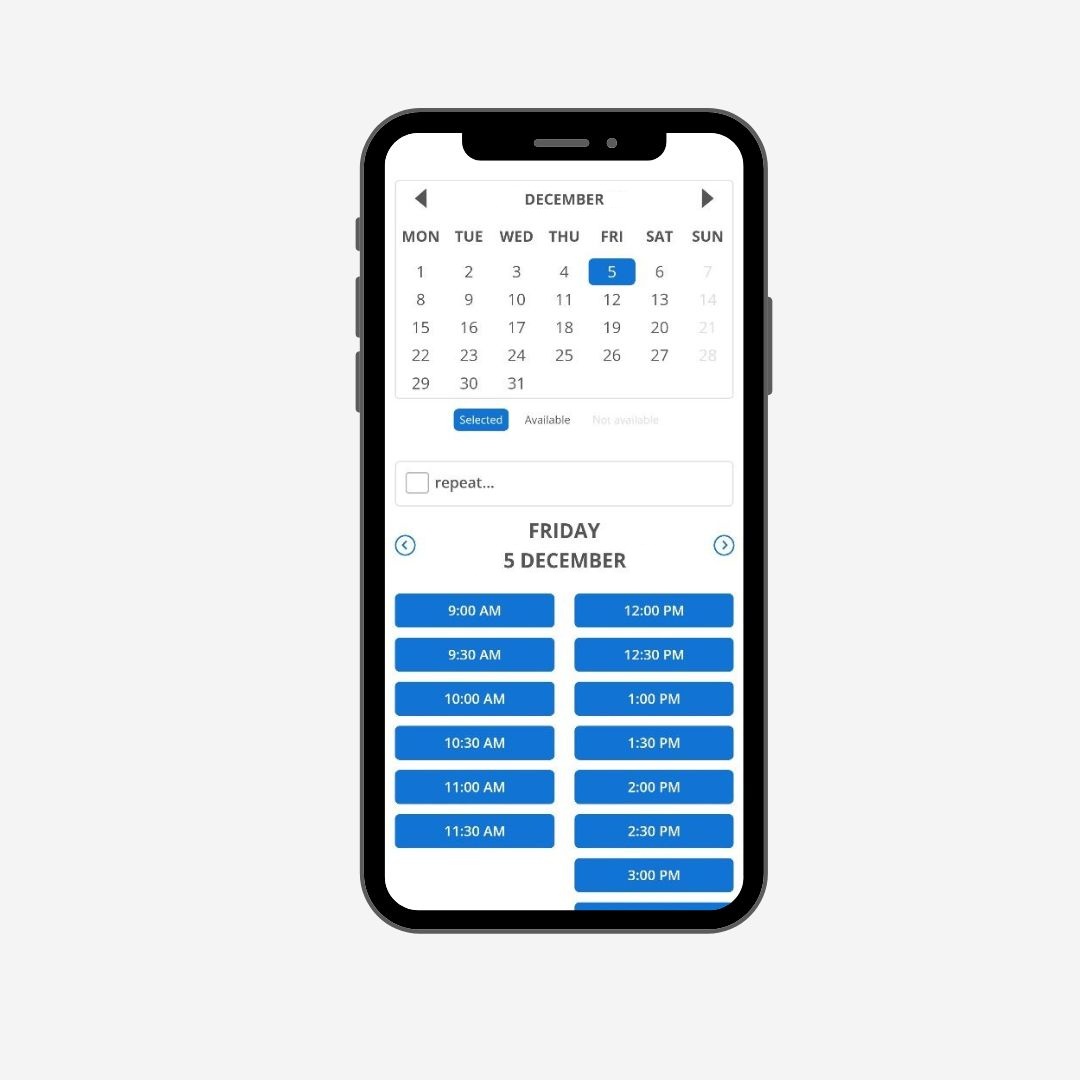
Fielding appointment requests through direct messages, phone calls, and emails creates unnecessary friction. 75% of bookings now happen online, with over one-third occurring outside standard business hours. Your studio loses clients while you sleep unless you automate the booking process.
The importance of professional booking software
The average tattoo studio experiences no-show rates of 8-20%. That translates to thousands in lost monthly revenue for an artist charging USD 150.00 per hour. You can’t sell yesterday’s empty time slot tomorrow. Despite that, automated reminders drop no-show rates by 40-60%. Businesses save an average of 15 hours monthly in administrative work. Studios using deposit systems report that preventing just two no-shows weekly equals at least USD 1200.00 in monthly revenue.
Features to look for: Deposits, reminders, and consent forms
Deposits collected upfront make clients take appointments seriously. Studios requiring non-refundable deposits see an 80% reduction in ghosted appointments.
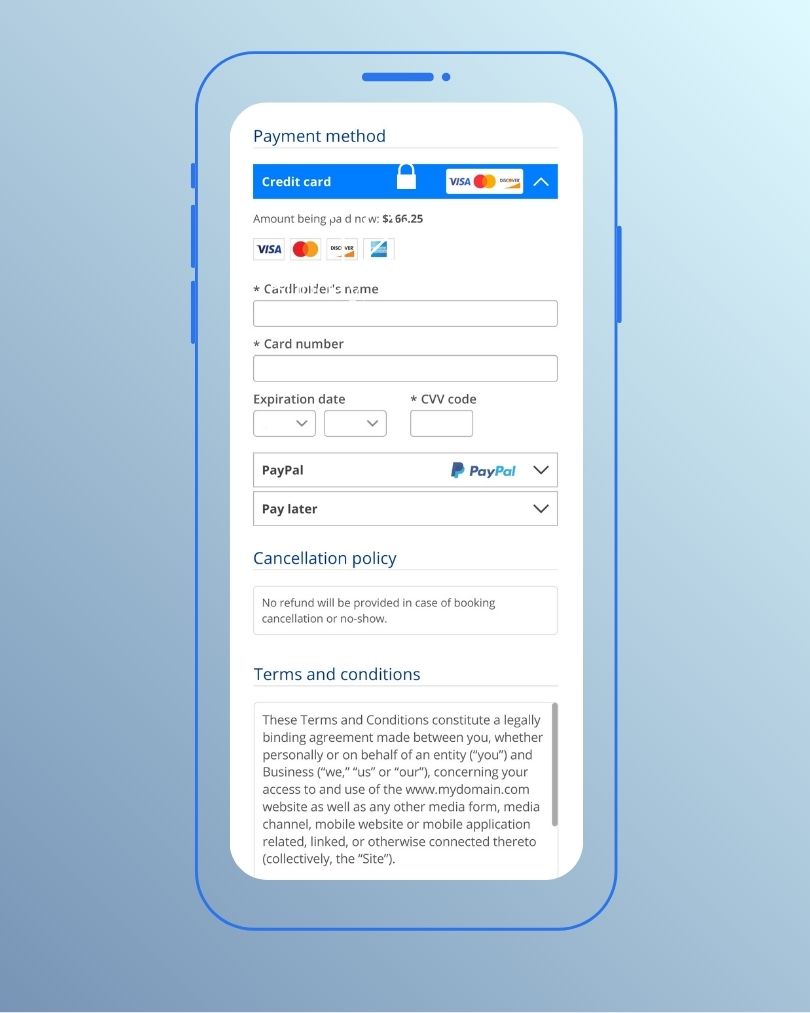
SMS reminders achieve a 98% open rate, with 90% read within three minutes, outperforming email by wide margins. Digital consent forms with e-signature capability eliminate paper clutter and store waivers with client profiles.
Why Bookeo is the ideal solution for tattoo studios
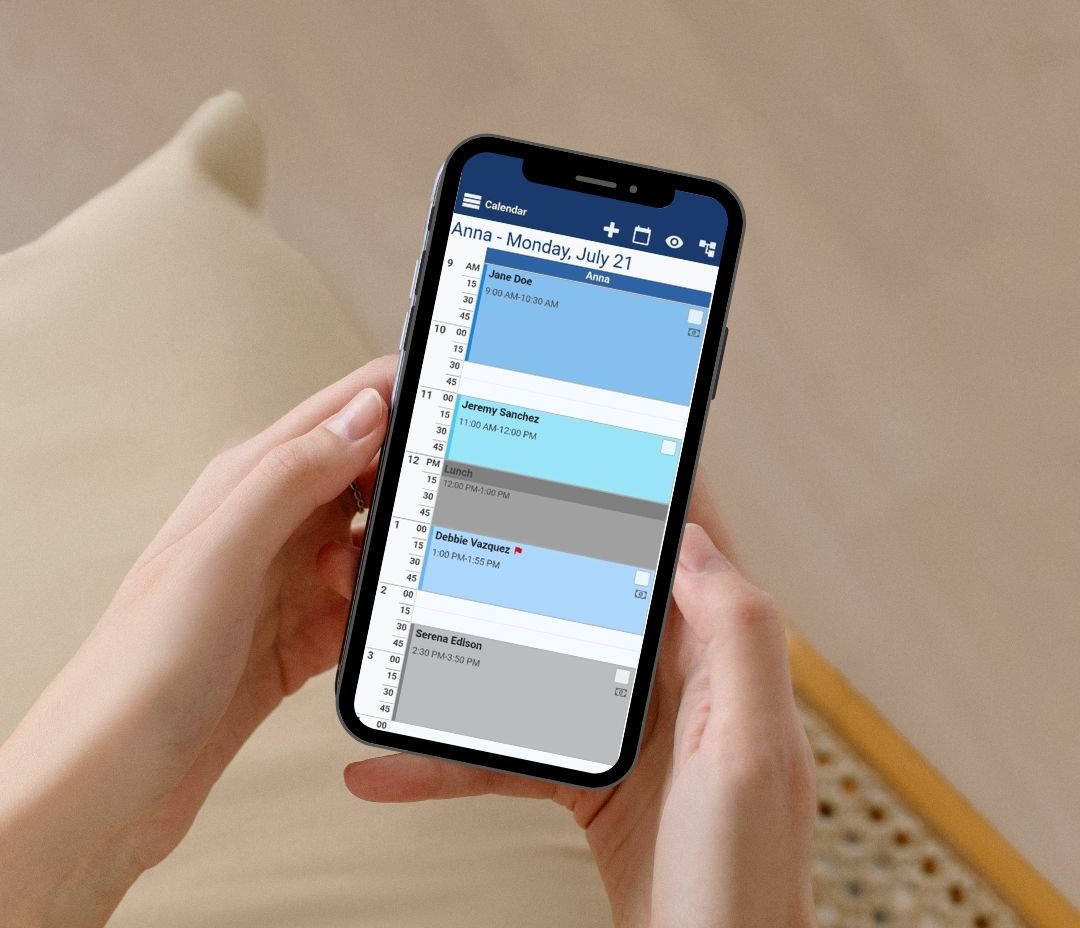
Bookeo’s tattoo booking software eliminates double bookings and missed appointments. The platform sends notifications whenever bookings get made, changed, or canceled. Clients can book through Google Search and Google Maps via Google Reserve integration. You can customize appointment durations, set buffer time to sterilize, and sync with Google Cal or Outlook. Thousands of businesses in over 120 countries trust Bookeo with their appointment bookings and payments.
Step 9: Market Your Studio and Fill Your Calendar
Marketing turns empty appointment slots into steady revenue. Your studio needs visibility where clients search to find artists.
Create a strong social media presence
Instagram and TikTok showcase your portfolio and build personal connections with potential clients. Post finished tattoos among behind-the-scenes content that shows your creative process. Short videos, time-lapses, and healed work photographs perform better than static fresh tattoo shots alone. Clients book artists they feel connected to, not just those whose tattoos they admire. Use relevant hashtags that mix popular tags like #TattooArt with location-specific ones to target local clients.
Optimize for local SEO and Google searches
Your Google Business Profile functions as your digital storefront. Clients are 2.7 times more likely to think over your business is reputable and 70% more likely to visit when you maintain a complete profile. Upload studio photos, finished work, and artist shots each month. Post flash designs and special offers 2-3 times per week. Businesses with positive reviews convert 107% better than those without.
Host flash days and promotional events
Flash days generate quick revenue and attract first-time clients who return for custom pieces later. Promote through Instagram Stories and Reels days before the event, not the night before. Post your flash sheet, pricing, size ranges, and booking instructions.
Build a referral and loyalty program
Referrals represent your highest-converting, lowest-cost marketing channel. Nielsen reports 92% of consumers trust friend recommendations above all advertising. Offer simple rewards like a $100 credit to both referrer and new client when bookings complete. Track referrals through your booking form to measure the program’s effectiveness.
Conclusion
You now have a complete roadmap for launching a profitable tattoo studio. Master your craft and secure proper licenses. Select the right location and implement professional booking systems. Each step builds toward lasting success.
Startup costs range from $20,000 to $150,000 depending on your vision and location. Plan your budget and invest in quality equipment that protects both artists and clients.
Here’s what you need to realize: technical skill alone won’t keep your doors open. Smart marketing and tools like Bookeo for automated appointment bookings separate thriving studios from struggling ones.
Your artistic passion deserves a solid business foundation. Start planning today, and your studio will be welcoming clients tomorrow.