
The Ultimate Guide to Starting a Cleaning Business: Costs, Clients & Growth
Learning how to start a cleaning business might be easier than you think. The global cleaning services market was worth $415.93 billion in 2024 and is expected to grow at 6.90% through 2030. You can launch your own cleaning company with startup costs ranging from under $2,000 to around $10,000. Whether you’re thinking about residential, commercial, or specialized cleaning services, this piece covers everything from registration and pricing to finding clients and scaling your operations. Ready to build a profitable, flexible business? Let’s get started.
Why Start a Cleaning Business
The cleaning industry stands apart from most business sectors because of one simple fact: cleanliness isn’t optional. Residential and commercial cleaning services are recession-proof businesses. They provide essential services that individuals and companies need, whatever the economic conditions. This fundamental need creates a business opportunity that stays stable even when other industries struggle.
High Demand and Recession Resistance
Economic downturns reveal which industries can weather the storm. The commercial cleaning industry has proven to be one of the most recession-resistant industries in recent times. Businesses may cut costs elsewhere during recessions, but they cannot compromise on the cleanliness and hygiene of their premises.

Commercial cleaning companies have long-term contracts with their clients. These contracts provide them with a predictable revenue stream. They often have a minimum service level that must be managed to keep the business flow consistent. Some clients may reduce services during tough times, but the majority still require regular cleaning to maintain safety for staff and customers.
The residential sector shows similar resilience. House cleaning businesses are recession-resistant due to the consistent demand from homeowners for reliable, high-quality cleaning services. Many homeowners view cleaning services as a necessity rather than a luxury. The recurring nature of residential cleaning services also supports their resilience. Clients who schedule regular weekly, bi-weekly, or monthly cleanings often continue these services even in tighter financial conditions.
COVID-19 cemented the industry’s position further. There is a higher demand than ever for disinfection and sanitization services, with cleanliness and hygiene vital for businesses, homes, and health and safety. This heightened awareness is likely to persist.
Low Startup Costs and Flexibility
Starting a cleaning business costs between $500 and $5,000+, depending on your niche, location, and whether you hire from day one. Most cleaning businesses spend an average of $3,500 in startup costs, according to the International Janitorial Cleaning Services Association.
The commercial cleaning industry has low overhead costs compared to other businesses. The cost of equipment and cleaning supplies is low, and most cleaning companies do not require a storefront or office space. This makes the industry more resilient to economic shocks. Cleaning companies can adapt to changes in demand without incurring overhead costs that matter.
You decide your working hours as the owner of a cleaning company. This allows you to balance personal and professional life. You can also choose your clients and the type of work you want to do. This flexibility extends to growth decisions as well. You can start small and expand as demand grows, adding cleaning teams or territories when it makes sense for your business.
Scalability and Repeat Business Potential
One of the biggest advantages of owning a cleaning business is the built-in reliability of customer demand. Cleaning isn’t a one-time need. Most customers schedule to have their home cleaned on a bi-weekly or monthly basis, providing revenue that is consistent and predictable.

It’s estimated that 80% of revenue comes from just 20% of repeat customers. This recurring revenue model creates long-term relationships and steady income streams. Clients experience the convenience and peace of mind that comes with professional cleaning. They’re likely to stick with a provider they trust.
You can start small with a cleaning business and scale your service into a larger operation with minimal risk. You can add staff, expand service areas, and take on more lucrative contracts without major investment. This natural foundation for entrepreneurial growth allows you to move from solo operator to business owner managing multiple teams.
Chance to Specialize in Profitable Niches
Specialization often makes the difference between staying busy and building serious margins. You can specialize in high-ticket areas such as post-construction cleanup, medical facility sanitation, eco-friendly cleaning, and vacation rental turnovers to boost rates.
Commercial cleaning companies offer a wide range of services beyond simple cleaning, such as floor maintenance and window washing. These additional services provide multiple revenue streams and help cleaning companies broaden their business. This diversification can help alleviate the effect of economic fluctuations on company finances.
Specialty services that require certifications, specialized equipment, or regulatory compliance tend to command higher rates and offer greater income potential. Industry reports show that many traditional cleaning companies operate with net profit margins of 10% to 15%. Well-managed specialty services can outperform those standards.
What Do You Need to Start a Cleaning Business
Take stock of what starting a cleaning business just needs before you register anything or buy your first mop. Success in this industry depends less on sophisticated equipment and more on knowing how to manage operations, communicate with clients, and deliver consistent results.
Assess Your Skills and Readiness
Anyone can start a business, but running one successfully requires specific capabilities. Business management skills sit at the top of the list. You make all final decisions as the owner, which means planning, organizing, and communicating with employees and customers falls on your shoulders. You need to be firm in your choices and comfortable leading others.
Communication and customer service abilities matter just as much. This has marketing your services, supporting customers when issues arise, and delegating tasks to your team. You must have a voice and be willing to reach out to potential customers to find business opportunities. Your pipeline dries up fast if you shy away from this.
Industry knowledge helps you stay on top of trends and cleaning practices. A working understanding of the commercial cleaning sector allows you to provide more thorough and efficient solutions that attract and retain clients. Knowing basic cleaning practices helps you understand the services your business provides, even if you plan to hire cleaners from day one.
Financial management rounds out the core skill set. You should know how to account for business income, expenses, and other finances. Plan to hire or outsource your financial operations otherwise.
Assess your motivations beyond skills. Why are you opening a cleaning company, and why do these benefits matter to you? What does success look like? What’s your next move if you achieve this success? These questions shape your business strategy and keep you focused when challenges arise.
Consider taking a part-time job as a cleaner first if you’re new to professional cleaning. Gaining professional experience helps you develop skills fast and understand client expectations from the inside.
Conduct Market Research
Market research determines whether your services will find buyers. It allows you to identify what commercial establishments in your area need, current cleaning trends, and who your competitors are.

Head to Google and search for cleaning services near you to start. Look at top competitor websites, pricing pages, and local reviews. Get feedback from neighbors or local business owners about their experiences with cleaners. Ask what made their experiences great and dig into any areas that need improvement.
Identify your ideal customers and what they’re looking for. Do they want basic cleaning services, or are they seeking higher-end experiences? Look for local gaps in services and think about how your company can fill them. To name just one example, if there’s no local option for upholstery cleaning but community members need that service, this presents an easy way to meet market demand.
Determine the competition in your area to understand if certain specializations are oversaturated. This helps you decide whether to explore other client types or expand your coverage area. Analyze competitor strengths and weaknesses to establish your positioning. Your unique selling proposition makes you different from other cleaning businesses in the area. Set this based on what your competitors lack or what you can do better.
Create a Business Plan
A business plan sets a roadmap for your venture’s strategic growth. This document outlines your organizational structure, financial projections, and marketing approaches that guide operations. Moreover, it helps you put a feasible plan on paper, which can attract potential investors and stakeholders.

Your plan should have seven core elements. An executive summary opens the document with your mission statement and key goals. Company description details your business structure, target clients, and service offerings. Market analysis demonstrates your understanding of the industry, including customer demographics and competitor evaluation. Strategy explains your sales and marketing plan, operating hours, service area, and how you’ll function from acquiring customers to invoicing. Leadership identifies who’s in charge and their responsibilities. Financial projections outline your three-year P&L statement, balance sheet, and cash flow estimates.
A well-crafted plan minimizes the risk of wasting resources on pursuits unlikely to succeed. It helps you recognize opportunities to fill gaps in your local market. Banks require a business plan to support your ability to pay back the money if you need a loan to start your cleaning business.
Choosing Your Cleaning Services and Niche
Your first major operational decision centers on which cleaning services you’ll offer. This choice shapes everything from startup costs and pricing to client acquisition and daily operations. Getting it right means understanding the three main service categories and how they match your goals, experience, and local market.
Residential Cleaning Services
Residential cleaning focuses on private homes, apartments, and short-term rental properties. These services need minimal equipment and lower startup costs. They make the most available entry point for new cleaning businesses.
Standard house cleaning covers routine tasks such as dusting, hoovering up dirt, mopping, bathroom cleaning, kitchen surface cleaning, and trash removal. Services are scheduled weekly, biweekly, or monthly to maintain overall cleanliness. This becomes the core recurring revenue stream for many companies.
Deep cleaning goes beyond routine service and targets buildup in hard-to-reach areas like baseboards, vents, grout lines, and behind appliances. Customers book it once a year or before special occasions. Deep cleaning increases your average ticket size and helps convert first-time customers into long-term recurring clients.
Move-in and move-out cleaning prepares properties for new occupants through full sanitization of kitchens, bathrooms, floors, cabinets, and appliances. This service works very well when partnering with real estate agents, property managers, and landlords who need reliable turnover services. Markets with high rental turnover support premium one-time service pricing.
Vacation rental cleaning prepares short-term rental properties between guest stays. Services include linen changes, restocking supplies, disinfecting high-touch areas, and ensuring the property meets guest expectations. Tourism-heavy markets create steady, repeat income through frequent turnovers.
Green cleaning uses environmentally responsible products and reusable tools to reduce chemical exposure and environmental impact. You can offer this as a standalone service or an upgrade. This helps separate your brand and attract environmentally conscious clients willing to pay premium rates. Research shows that 92% of homeowners are searching for more environmentally responsible solutions for their homes, while 62% have made eco-friendly home improvements.
Commercial Cleaning Services
Commercial cleaning services focus on businesses, offices, and institutional facilities. These services are performed under contract and scheduled outside business hours. Commercial work provides larger recurring contracts than residential cleaning.
Janitorial services include daily or routine cleaning tasks such as sweeping, mopping, trash removal, restroom sanitation, and high-touch surface cleaning. Schools, businesses, and offices are among the most common spaces that need routine janitorial services. These contracts build stable, long-term revenue with predictable monthly income.

Medical facility cleaning needs strict disinfection protocols in clinics, hospitals, and healthcare facilities. Medical cleaning requires special equipment, expertise, and cleaning products due to high-quality cleaning needs. Businesses prepared to meet higher compliance standards earn premium contract pricing.
Office cleaning maintains workspaces through dusting, hoovering, restroom cleaning, breakroom sanitation, and disinfection. Safety, health, and improved efficiency are among the leading benefits of professional office cleaning. This service type supports scaling recurring commercial accounts and building efficient after-hours service routes.
School and daycare cleaning emphasizes daily sanitation of classrooms, restrooms, cafeterias, and high-touch surfaces. School cleaning services are critical for your community, from fewer sick days to improved overall health.
Specialized Cleaning Services
Specialized cleaning services address specific materials, industries, or hazards. These services need certifications, advanced equipment, or specialized insurance and command premium pricing.
The most profitable cleaning business models are specialized services. These include post-construction jobs, restaurant kitchens, medical facilities, high-rise windows, floor restoration, HVAC ducts, vacation rentals, and chimney sweeping. A high barrier to entry protects the business from new competitors and makes higher pricing possible.
Post-construction cleaning delivers estimated annual profits of $70,000 to $180,000 with hourly rates of $50 to $75. Commercial kitchen cleaning offers $65,000 to $160,000 a year at $60 to $80 per hour. Mid- and high-rise window washing businesses can earn $55,000 to $120,000 a year, charging $80 to $170 per hour.
Carpet cleaning uses steam cleaning, dry cleaning, or shampooing methods to remove embedded dirt and allergens. Experts recommend steam cleaning tile and grout every 6 to 12 months. Carpet cleaning is recommended every 12 to 18 months, though homes with pets and children need service more often at 6 to 12 months.
HVAC cleaning removes dust and contaminants from HVAC ductwork. Air duct cleaning is recommended every 3 to 5 years for standard homes, with more frequent intervals for pet owners or allergy sufferers.
Deciding Your Service Scope
Choosing the right services balances demand, profitability, and your current capacity. Not all cleaning niches are created equal. Some offer more consistent demand, higher pricing potential, and better scalability.
Analyze your local market by looking at housing density, rental turnover, commercial growth, and competitor offerings to spot gaps or underserved niches. Review your current capacity and think about team size, skill level, equipment, and scheduling availability before adding new services.

Don’t try to conquer every cleaning niche on day one. Pick one specialty, master it, then expand. Smart business owners know that being great at one thing beats being mediocre at ten things. Starting a commercial cleaning business may be the best option if you have previous experience working in commercial office buildings. Residential cleaning could be a better fit if you’re good at detail-oriented work.
Expand in phases. Start or refine one core service, optimize pricing and operations, then layer in complementary services as demand and capacity grow. Most successful cleaning businesses offer a combination of services instead of relying on just one.
How to Register and Set Up Your Cleaning Company
Setting up the legal foundation for your cleaning company involves five interconnected steps. Each one protects your personal assets, establishes credibility, and positions you to operate within the law.
Choose Your Business Structure
Your business structure affects your taxes, personal liability, and management approach. Sole proprietorships give you complete control and require no state registration. They offer no liability protection, though; your personal assets remain exposed to business debts and lawsuits. This structure works for low-risk businesses testing market demand.
Limited Liability Companies (LLCs) protect personal assets from business liabilities while offering flexible tax options. LLCs are pass-through entities. Profits and losses appear on your personal income tax return. Filing fees range from $50 to $300 depending on your state. An LLC makes sense for medium- or higher-risk businesses and owners with substantial personal assets that need protection.
Corporations offer the strongest personal liability protection but come with higher formation costs and more extensive record-keeping requirements. C corporations face double taxation on profits and dividends. S corporations avoid this through pass-through taxation but have strict eligibility limits.
Register Your Business Name
You’ll need to file a Fictitious Business Name statement (DBA) with your county clerk if you operate under a name different from your legal name. This requirement applies to sole proprietors, partnerships, and LLCs using trade names. Filing costs vary by county but run $25 to $110.
LLCs, corporations, and limited partnerships must register with your state’s Secretary of State and pay associated filing fees. Georgia charges $110 for online LLC registrations. New York’s LLC filing costs $200.
Apply for an Employer Identification Number (EIN) from the IRS if you plan to hire employees or operate as a corporation. The application is free and available online. Even sole proprietors benefit from an EIN, it separates personal and business finances and shows professionalism.
Get Licenses and Permits
Most cities and counties require a general business license to operate within the law. Contact your city clerk’s office or local business authority to submit your application. Pennsylvania requires no statewide business license for cleaning services, though you’ll need a sales tax license since residential and commercial cleaning services are taxable.
California cleaning businesses employing janitorial workers must register with the California Labor Commissioner’s Office as a Janitorial Contractor, with annual renewal required. New York cleaning businesses must get a Certificate of Authority to collect sales tax on services.
Get Business Insurance Coverage
General liability insurance protects against property damage and bodily injury claims. This coverage costs $300 to $1,000 annually for cleaning businesses. Workers’ compensation insurance becomes mandatory once you hire employees; Georgia requires it for businesses with three or more employees.

Commercial auto insurance covers vehicles used for business purposes. You might want hired and non-owned auto insurance if you use personal vehicles for work. Janitorial surety bonds protect customers from employee theft.
Set Up Business Banking and Accounting
Open a dedicated business bank account to separate personal and business finances. You’ll need your EIN, business formation documents (Articles of Organization for LLCs or Articles of Incorporation for corporations), government-issued ID, and the bank’s minimum deposit. Sole proprietors using a DBA need the DBA filing. This separation protects liability coverage for LLCs and corporations.
How Much Does It Cost to Start a Cleaning Business
Understanding how much it costs to start a cleaning business helps you budget realistically and avoid financial surprises. Startup costs range from $500 to $5,000+ depending on your niche, location, and whether you hire employees from day one. Most cleaning businesses spend an average of $3,500 in startup costs, according to the International Janitorial Cleaning Services Association.
Registration and Licensing Costs
Registration fees vary by business structure and location. Sole proprietorships cost $0 to $100 in California, DBAs run $65 to $100, and LLCs require a $70 filing fee plus an $800 annual tax. LLC filing fees range from $40 in Kentucky to $500 in Massachusetts nationally.
Business licenses cost $50 to $400 annually. Florida cleaning business licenses range from $40 to $1,500 depending on your location and cleaning type. A general business license costing $50 to $100 per year is required by most cities and counties. Pennsylvania requires no statewide business license for cleaning services, though you need a sales tax permit.
Insurance and Bonding Expenses
General liability insurance for cleaning businesses costs $54 to $75 per month, or approximately $705 annually. Workers’ compensation insurance averages $114 per month ($1,364 annually). Commercial auto insurance runs about $250 monthly ($3,001 per year).
Janitorial bonds protect clients from employee theft and cost $125 to $650 annually depending on employee count and coverage amount. A $10,000 bond costs $125 per year for businesses with five or fewer employees, while $100,000 coverage runs $350 annually.
Equipment and Supply Investment
Equipment and supplies cost $200 to $2,000 initially. Residential cleaning requires $200 to $800 for items like mops, cleaning solutions, and vacuum cleaners. Commercial operations need $500 to $3,300 for industrial-strength products and heavy-duty equipment.
Marketing and Website Setup
Marketing expenses range from $100 to $1,000+ initially. Domain names cost $10 to $20 monthly, with website builders starting around $25 per month. Budget $300 to $1,500 for advertising, including business cards, flyers, and digital campaigns.

Total Startup Budget Breakdown
This formula helps estimate your number: Startup cost = one-time setup costs + first month of recurring costs + emergency cushion (1-3 months of expenses). A residential cleaning business can launch for under $1,000, while commercial operations require $2,000 to $5,000 or more.
Essential Cleaning Equipment and Supplies
Equipment costs represent your largest original investment after registration. You can assemble a simple cleaning business starter kit under $500 that covers most residential appointments.
Simple Cleaning Supplies
Your core chemical arsenal should include all-purpose cleaner, glass cleaner, disinfectant cleaner, bathroom cleaner, and kitchen degreaser. These five products handle the majority of cleaning tasks in residential and commercial jobs. Microfiber cloths outperform cotton alternatives. They reduce surface debris and lower bacteria levels by 96% when compared to traditional materials. Stock multiple colors to prevent cross-contamination between kitchens, bathrooms, and general areas.
Tools and Application Equipment
A reliable vacuum with attachments for hardwood and carpet is the foundation of your tool kit. Choose brands like Shark or Dyson. Register products with manufacturers for future repairs. You need mops with dual-bucket systems that separate clean water from dirty solutions throughout the cleaning process. Extension dusters with washable microfiber heads eliminate the need for a ladder for ceiling fans and high surfaces. Squeegees and T-bars deliver streak-free results on windows and glass.
Specialty Equipment for Advanced Services
Commercial operations require industrial-strength equipment. Floor scrubbers, carpet extractors, and air movers support larger facilities. HEPA-filter vacuums, steam cleaners, and commercial-grade disinfectants expand your service capabilities beyond simple residential work.
Storage and Transportation Solutions
A cleaning caddy or wheeled bucket organizes supplies and reduces trips between your vehicle and job sites. Commercial cleaners benefit from janitorial carts that unite products in multiple rooms.
Safety and Protective Gear
Disposable and reusable gloves protect hands from harsh chemicals. Plastic goggles prevent eye exposure to splashes and debris. Non-slip shoes reduce workplace incidents. Slips and falls cause hundreds of thousands of minor injuries annually, according to Bureau of Labor Statistics data. Wet floor signs limit liability in commercial spaces where foot traffic runs higher.
How to Price Your Cleaning Services
Pricing determines whether you profit or lose money on every job. Get the formula wrong, and you’ll work harder for less.

Calculate Your Operating Costs
Labor represents your largest expense and consumes up to 60% of total revenue. Calculate wages plus payroll taxes (15-20% of wages typically) and benefits. Add supplies ($2-$5 per job usually), transportation costs using the IRS standard mileage rate of $0.76/mile for 2026, and overhead like insurance, software, and administrative time. Divide total monthly overhead by expected monthly jobs to determine per-job overhead allocation.
Choose Your Pricing Model
Four main structures exist: hourly rates ($25-$45 per hour in standard residential work), flat-rate pricing (single agreed price for defined scope), per-square-foot ($0.15-$0.30 per square foot), and subscription packages (bundled visits at discounted per-visit rates). Flat-rate pricing provides client certainty. Hourly protects against scope changes.
Research Competitor Pricing
Survey local competitors through Angi, Thumbtack, or Facebook groups to understand market rates. Collect pricing frameworks and service intervals.
Factor in Service Type and Frequency
Deep cleaning costs 1.5-2 times standard rates. Weekly services save clients 25-30% compared to one-time visits, while bi-weekly bookings save 15-25%.
Create Transparent Service Packages
Define what each service includes, appliance interiors, travel fees, and deep cleaning surcharges. Clear scope prevents disputes and builds trust.
Finding Clients and Growing Your Cleaning Business
Client acquisition separates profitable cleaning businesses from struggling ones. More than 80% of people hire a cleaner after a quick online search, which means showing up where customers already look beats chasing leads.
Marketing Strategies That Work
Direct mail works when you target it right. Reach neighborhoods where your best clients live with postcards featuring a clear offer, service area, and strong call to action. Local partnerships magnify reach. Real estate agents and property managers need reliable cleaners for move-out services. Cross-promotional initiatives with complementary businesses expand your visibility.
Building Your Online Presence
Your Google Business Profile appears in Maps and local search results. Update it with photos, reviews, and business hours. Website essentials include your service list, pricing structure, service area, work photos, and booking options. SEO doesn’t require complexity; use words people type into Google.
Leveraging Customer Reviews and Referrals
Reviews drive leads, especially on Google and Nextdoor. Send follow-up requests after service. Referral programs turn satisfied clients into promoters. Double-sided rewards motivate both referrer and friend. Referred clients have 16% higher lifetime value.
Using Online Booking Software to Streamline Operations
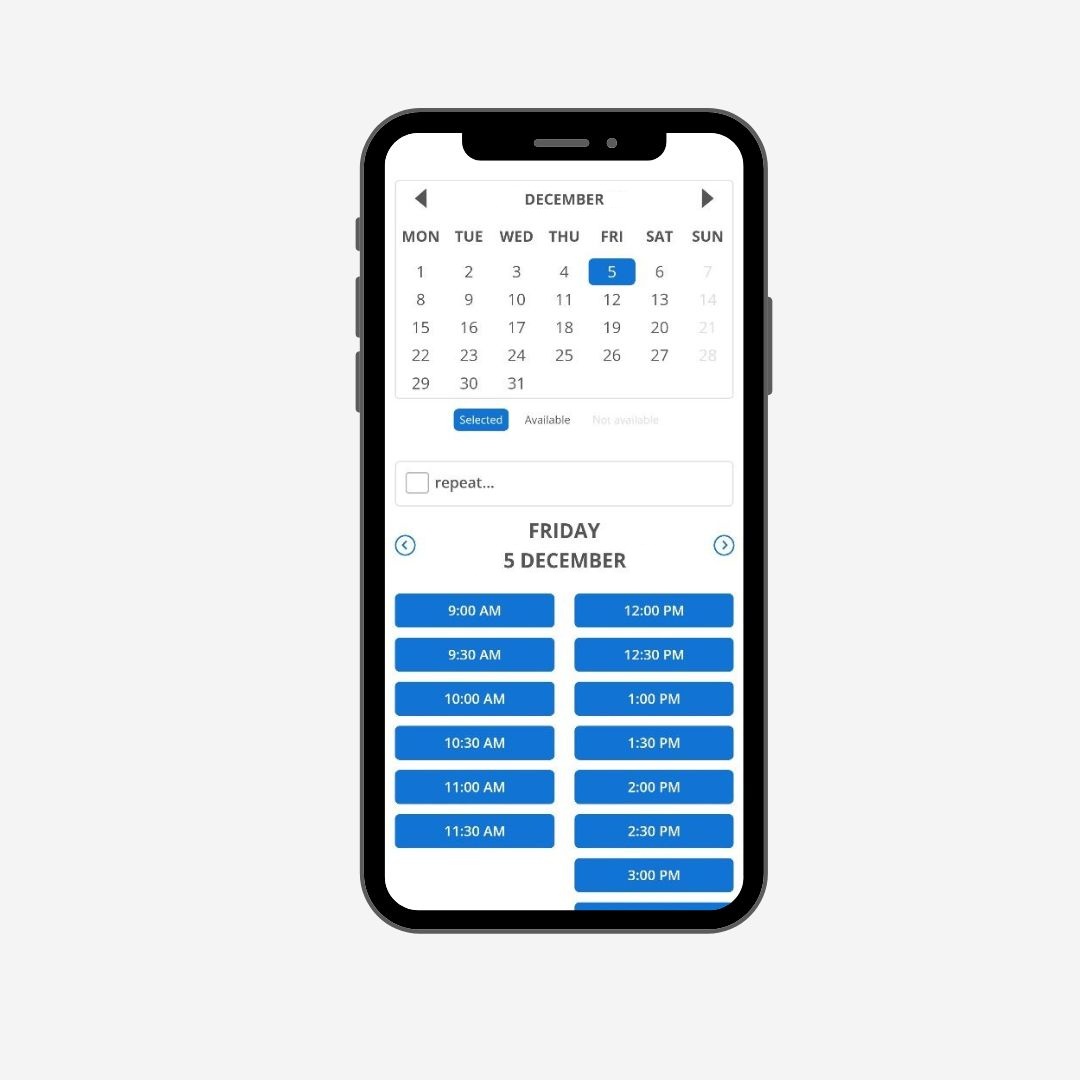
Bookeo’s cleaning business booking software makes 24/7 online scheduling, automated email and SMS reminders, and flexible payment processing possible. Customers book services without phone calls. This reduces administrative burden and improves the experience.
Scaling Your Business and Hiring Staff
Growth requires standardized processes before adding headcount. Hire when understaffing affects service quality. Post jobs on LinkedIn and social platforms. Conduct background checks and verify references.
Conclusion
You now have everything you need to launch and grow a profitable cleaning business. This industry offers recession-resistant demand, low startup costs, and multiple paths to specialization. Start by choosing your niche and registering your business properly. Then invest in quality equipment. Price your services based on actual costs, not guesswork.
Build your online presence and collect reviews from satisfied clients. Bookeo’s online booking software features streamline scheduling and payment processing. This frees you to focus on service delivery. Deliver consistent quality that turns first-time customers into loyal, recurring clients. Your cleaning business’s success depends on showing up and doing excellent work. Let happy customers spread the word.