

How to Grow a Wellness Business: Marketing, Client Experience, and Retention Strategies That Work
The global wellness economy hit $6 trillion in 2024. That’s massive growth and means one thing: competition is fierce.
Your health and wellness business operates in a market where clients have endless options. Standing out takes more than passion. You need smart marketing and strategies that keep clients coming back.
How do you grow a wellness business without burning out or overspending? This piece walks you through proven tactics to attract clients, deliver outstanding experiences, and build loyalty that lasts. Let’s get started.
Understanding Growth in the Health and Wellness Business
What Growth Means for Wellness Businesses
Growth in a health and wellness business means more than adding clients. You need to build systems that scale, increase revenue per client, and create operational efficiency that frees you from constant firefighting.
The wellness economy expanded to $6.8 trillion in 2024, growing 7.9% year-over-year. This growth rate outpaces the global economy, which grew at just 3.2% each year during the same period. The wellness market should reach nearly $9.8 trillion by 2029. Mental wellness and wellness real estate lead the charge, expanding at 12.4% and 19.5% each year.
Here’s what matters for your business: spending patterns are changing. About 70% of wellness industry spending goes to products and 30% to services right now. That balance is changing. More consumers want tailored services over generic products. This change creates opportunities for wellness businesses that deliver customized experiences.
Consumer priorities are evolving, meanwhile. A 2025 study found that 64% of consumers ranked experience above price. Your booking process, communication style, and follow-up matter as much as your actual service quality. Younger generations are driving this change. Gen Z and millennials represent 36% of the U.S. adult population but account for 41% of annual wellness spending.
You need visibility into what’s working and what’s draining resources to grow your health and wellness business. That’s where measurement comes in.
Key Metrics to Track for Business Growth
You can’t improve what you don’t measure. Tracking performance indicators reveals patterns in your business that gut feelings miss. These metrics show you where to invest time and money for maximum return.
Start by understanding the difference between leading and lagging indicators. Lagging indicators measure past results, like last month’s revenue or client count. Leading indicators predict future performance, like website traffic or consultation requests. Track both types for a complete picture.
Here are the performance indicators that move the needle for wellness businesses:
Customer Acquisition Cost (CAC) calculates how much you spend in marketing and sales to land one new client. Lower CAC means more profitable growth. Track this monthly to spot trends.
Conversion Rate shows the percentage of inquiries that become paying clients. Your conversion rate is 25% if 100 people contact you and 25 book services. Low conversion rates signal problems in your sales process or service positioning.
Retention Rate measures how many clients continue using your services over time. The average wellness studio maintains a 75.9% retention rate. Boosting retention by just 5% can increase profits by up to 25%.

Churn Rate tracks clients who stop coming within a specific timeframe. High churn means you’re replacing lost clients instead of building on your base.
Net Promoter Score (NPS) gauges client satisfaction by asking how likely they are to recommend your business. A strong NPS affects new client acquisition in wellness, where referrals build trust.
Customer Lifetime Value (CLTV) predicts total revenue from a single client relationship. Their CLTV is $2,700 if your average client stays 18 months and spends $150 monthly. This number tells you how much you can afford to spend acquiring clients.
Revenue Per Client (RPC) divides annual revenue by total clients. The fitness industry averages $50 per month per client. Increasing RPC through upsells or package pricing often proves easier than attracting new clients.
Return on Investment (ROI) measures whether your spending generates profit. Calculate ROI for each marketing channel to know where your budget works hardest.
Knowing which metrics matter most right now is just as important. A new wellness business should focus on conversion rates and CAC. An established business might prioritize retention and CLTV. Your stage of growth determines your priorities.
Set up systems to track these numbers. Most booking and client management platforms provide built-in analytics that calculate these metrics. Regular review sessions, whether weekly or monthly, turn data into action. You’re guessing without measurement. With it, you’re making informed decisions that compound over time.
Build a Strong Marketing Foundation
Visibility without clarity is wasted effort. You need a foundation that communicates who you serve and why you matter before you invest in ads or chase social media trends.
Define Your Unique Value Proposition
Your value proposition isn’t what you do. It’s what you do differently, for whom, and why it matters.
People don’t buy services in wellness. They buy transformation, hope, and a better version of themselves. That’s deeply personal. Your positioning must speak directly to specific struggles and specific goals.
Three elements make a value proposition work. First, identify your specific audience. “Everyone” isn’t a target market. Neither is “people who want to be healthy”. The more specific you get, the more powerful your positioning becomes. A burned-out marketing executive who struggles with anxiety and weight gain responds differently than a generic “busy professional”.
Second, state your clear transformation. Clients don’t talk about “better health” after they work with you. They describe concrete changes. What do they tell their friends? That’s your transformation.
Third, highlight your distinctive approach. This isn’t about inventing something new. It’s about emphasizing what makes your method different and better for your specific audience.
Your marketing becomes more effective when you nail this positioning because your message strikes a chord with the right people. You can charge higher prices as a specialist rather than a generalist. Word-of-mouth referrals increase because people know exactly who to send your way.
Identify Your Ideal Client Profile
Casting a wide net wastes time. An ideal client profile (ICP) describes the buyer who’s a perfect fit for your services.
Start by analyzing your current best customers. They’re already revenue-generating, loyal, and likely to make referrals. Review your client data to identify shared characteristics like demographics, location, and common pain points.
Your ICP should have several components. Demographics cover age, gender, education level, occupation, and income. Geographic details narrow down physical location, ideally to neighborhoods or districts. Psychographic factors reveal values, interests, attitudes, and lifestyles. Behavioral patterns show purchasing habits, brand loyalty, and engagement levels.

Look for clients who meet five criteria: they genuinely need your services, can afford your fees, reliably follow treatment plans, are easy to schedule with, and are enjoyable to work with. Track metrics like client retention rates, revenue per client, and referral patterns.
Research confirms that focusing on a specific client type can increase ROI by up to 10:1 and boost client satisfaction. Clients feel understood. 89% are more likely to return, and 72% will share their experience with an average of six people.
Create a Content Marketing Strategy
Education builds trust before clients commit. Wellness customers do extensive research before they decide. Content that educates, whether about your methodology, the science behind your approach, or general wellness topics, converts browsers into customers.
Focus on three marketing goals. First, education. Blog posts, workshops, and social media content that teaches rather than sells proves very effective. Second, community building. Wellness is personal, but people want to be part of something bigger. Group programs, online forums, or events generate organic word-of-mouth and higher retention rates. Third, social proof. Results speak louder than marketing copy in wellness. Collecting and sharing client transformations, reviews, and case studies overcomes skepticism.
Research indicates that 81% of consumers need to trust a brand before they buy, and 94% recommend brands they feel emotionally connected with. Color increases brand recognition by up to 80%.
Optimize Your Local SEO
Just under half of people seek out a new doctor using Google. Local search engine optimization puts your practice in front of people who search for services in your geographic area.
Your Google Business Profile is often the first point of contact. Verify your listing has correct business name, address, and phone number, accurate hours of operation, and a clear description of your services. Add photos of your office, providers, and services. Encourage satisfied clients to leave reviews.
Put location-specific phrases in your website’s content, page titles, and metadata. A podiatrist in Tulsa might target “foot doctor in Tulsa” or “heel pain treatment in Tulsa”. Create separate landing pages for each if you operate multiple locations.

Citations are online mentions of your contact details across industry directories. Keep information consistent across Healthgrades, Zocdoc, Vitals, Yelp, and local Chamber of Commerce directories. Most local searches happen on mobile devices. Your website should load quickly, ideally in under three seconds.
Use Social Media Effectively
Social media allows you to share expertise, build trust, and reach people who might not have found you otherwise. Social media is free to use unless you choose paid ads, unlike traditional marketing channels.
Authenticity matters more than polish. People trust people, which makes user-generated content powerful. Share real customer stories to establish trust and credibility. Research confirms that 80% of U.S. Internet users have searched for health information online, and 60% of social media users trust social media posts by doctors over any other group.
Focus on micro-influencers with 1,200 followers rather than 120,000. High-profile influencers provide social proof, but they don’t necessarily bring people through the door. Community-centered figures hold more sway within specific communities.
Engagement drives visibility. Liking comments, responding to messages, and creating conversations makes people feel seen and heard. These interactions build relationships and trust, two key factors in turning leads into long-term clients. Social media doesn’t just help with visibility; it supports other marketing strategies by making it easy to collect contact information through direct messages and comments.
Streamline Operations with Online Booking Software
Administrative tasks eat up time you could spend with clients. Phone calls, schedule juggling, payment tracking, and reminder follow-ups drain hours from your week. Automated scheduling systems solve this problem by handling repetitive tasks while you focus on delivering service.
Benefits of Automated Scheduling Systems
Automation cuts scheduling time dramatically. Research shows that automated systems reduce schedule creation time from 22-28 hours down to 4-6 hours per month, a reduction of 79-82%. Staff productivity jumps by 30-40% at the time scheduling moves from manual to automated.
Online booking removes barriers to conversion. Clients book appointments whenever convenient for them, not just during your office hours. 40% of online bookings happen after business hours in many industries. That’s revenue you’d miss with phone-only scheduling.

Self-service booking improves client satisfaction. Research shows that 68% of customers are more likely to return to providers who offer digital self-scheduling and instant confirmations. Clients value control over their schedules. Gen Z and millennials show a strong preference for self-service systems.
Automated systems also improve accuracy. Immediate synchronization eliminates double bookings and scheduling errors. Data accuracy improves a lot when your scheduling software integrates with your client management system.
How Bookeo Simplifies Client Management
Bookeo’s appointment scheduling software streamlines daily operations for health and wellness businesses through features that reduce manual work. The platform handles bookings, scheduling, payments, automatic reminders, and staff management from one dashboard.
Security matters when you handle client information. Bookeo’s wellness scheduling software operates in a PCI-DSS-compliant hosting environment designed to support secure transactions and data protection. SSL/TLS encryption protects data moving through the platform and safeguards personal and payment information at the time clients browse availability or complete checkout. Booking data is replicated immediately in mirrored systems, with backup snapshots created and stored separately regularly.
Payment flexibility supports your business model. Bookeo allows you to collect full payment upfront, require a deposit, or store a card on file to support your cancelation policies.
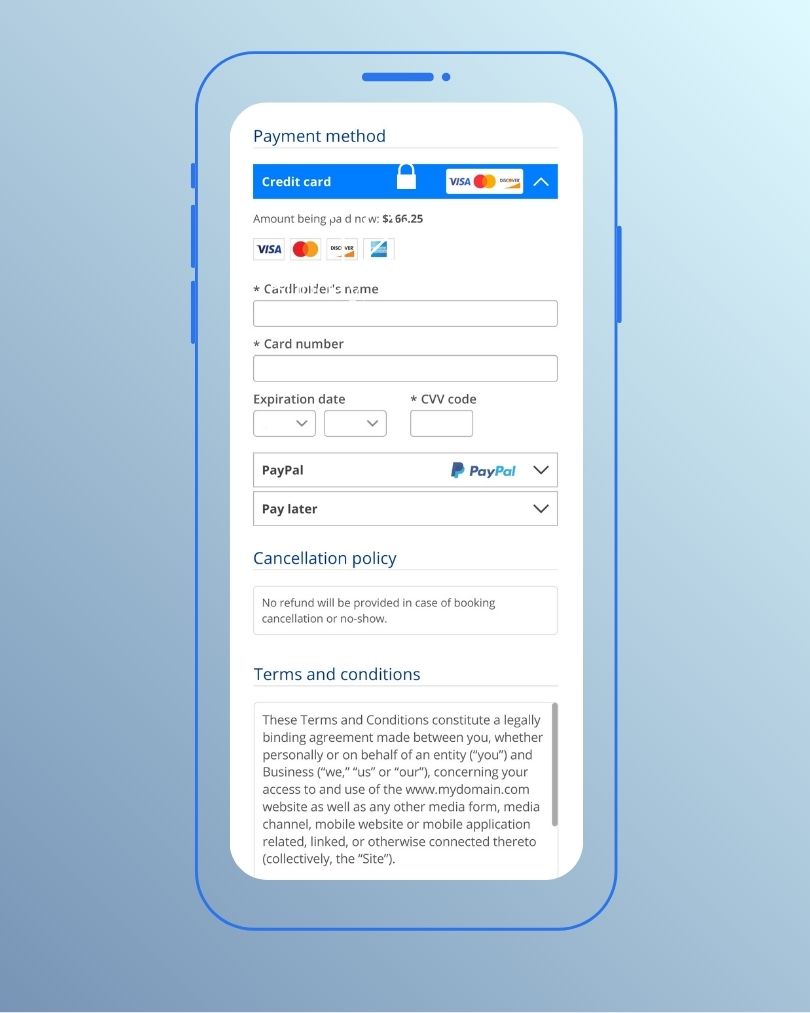
The platform has multi-factor authentication, password security controls, and anti-phishing features in automated emails.
Clients gain control through Bookeo’s customer area, where they manage their profile, bookings, membership, prepaid packages, and gift vouchers. This self-service functionality reduces incoming calls and messages. Your dashboard displays up-to-date bookings so you can track your daily schedule without switching between systems.
Reducing No-Shows with Automated Reminders
Missed appointments cost wellness businesses substantial revenue. Timing and format matter. The most effective reminders have appointment details and preparation instructions.

Multiple reminders create multiple opportunities for clients to confirm or cancel, which prevents both no-shows and last-minute cancelations. Automated systems accomplish in minutes what takes staff hours each day. Your team focuses on client care rather than chasing appointment confirmations as a result.
Create an Exceptional Client Experience
Client experience separates thriving wellness businesses from those struggling to fill their calendars. Operations might run smoothly behind the scenes, but what clients feel during every interaction determines whether they return and refer others.
Personalize Every Client Interaction
Seventy-one percent of consumers expect companies to deliver individual-specific interactions, and 76% get frustrated when this doesn’t happen. Those aren’t small numbers. Trust drives decisions in health and wellness, so personalization becomes even more critical.
Companies that excel at personalization generate 40% more revenue from those activities than average competitors. Personalization means more than using someone’s first name in an email. It involves understanding client priorities, tracking their history, and adapting your approach to their specific needs.
Quality and personalization have risen as top consumer concerns in healthcare. Knowing your clients extends beyond surface details. Their circumstances, social determinants, and individual motivations all come into play. Loyalty strengthens when practitioners remember what clients discussed in previous sessions or acknowledge their progress toward specific goals.
Simplify the Booking Process
Convenience drives consumer interactions in a variety of industries. Businesses that simplify their booking processes see increased customer satisfaction and loyalty.
Customized booking links provide direct routes to specific services. Clients scan a QR code or click a link that takes them straight to their preferred service or therapist instead of navigating complex websites. This approach reduces booking time and increases conversion rates while improving satisfaction.
QR codes on business cards allow clients to access your booking system alongside essential contact details. These tools eliminate unnecessary steps for promotional campaigns. A client scanning a code for a discounted massage books with their favorite therapist without hunting through menu options.
Provide Clear Communication and Follow-Up
What happens between sessions shapes client experience as much as face-to-face time. Research in health and wellness disciplines shows that clients who feel connected to their practitioner between visits follow through on recommendations, show up for appointments, and continue care long-term.
Establish communication norms during onboarding. Let new clients know how and when they can reach you, typical response time, and what constitutes an urgent matter. Clear guidelines prevent confusion before it starts.
Proactive communication beats reactive approaches. Send a brief message within 24 hours of a new client’s first appointment. This single touchpoint improves retention. Session summaries reinforce visit value and give clients something to reference between appointments.
Collect and Act on Client Feedback
Client feedback serves as a direct line to understanding satisfaction, priorities, and areas needing improvement. Just asking shows integrity in your business and that you’re willing to grow.
Reach out to all clients: past, present, and prospective. Current clients provide immediate input about their progress and experience. Past clients offer information about health outcomes and overall experience. Prospective clients share needs and pain points that inform your next offerings.
Timing matters. Ask current clients about protocols, challenges, and communication touchpoints. Inquire about takeaways, results, and expectations after final sessions. Feedback takes strategic decisions to the next level during business planning.
Keep surveys short and questions concise. High-quality responses come from simplified processes. Forms, social media polls, and direct conversations all work. The key is making participation easy for clients.
Implement Client Retention Strategies That Work
New client acquisition costs five to twenty-five times more than keeping existing ones. That stark reality changes how you should allocate resources when learning how to grow a wellness business.
Design Loyalty and Membership Programs
Seventy percent of wellness clients say rewards programs keep them coming back. That’s not a minor priority. It’s a retention lever that affects your bottom line.
Loyalty programs deliver measurable results. Top-performing wellness loyalty programs drive 90% increases in customer spend and contribute up to 35% of total revenue. Members spend 67% more than non-members, with a 47% increase in repeat purchase rates. Retention improvements of just 5% can increase profits by 25% to 95%.
Structure matters. Points-based systems are the foundation. Clients earn points for purchases and redeem them for services or products. Tiered programs work even better. Bronze, silver, and gold levels give clients something to work toward. Each tier unlocks additional perks like priority booking, exclusive discounts, or add-ons at no charge.
Memberships grew by 24% in sales in 2024. Memberships create recurring revenue while giving clients steady value rather than one-time visits. They lock in repeat visits and help clients see your health and wellness business as part of their lifestyle.
Send Customized Re-Engagement Campaigns
Converting an inactive subscriber into a customer costs five times less than acquiring someone new. Inactive subscribers still generate 7% of overall business revenue. Those numbers make win-back campaigns worth the effort.
Identify inactive clients first. Anyone who hasn’t booked in 60-90 days qualifies. Send a message that acknowledges their absence. Include their name, reference their last service, and offer a specific incentive to return.
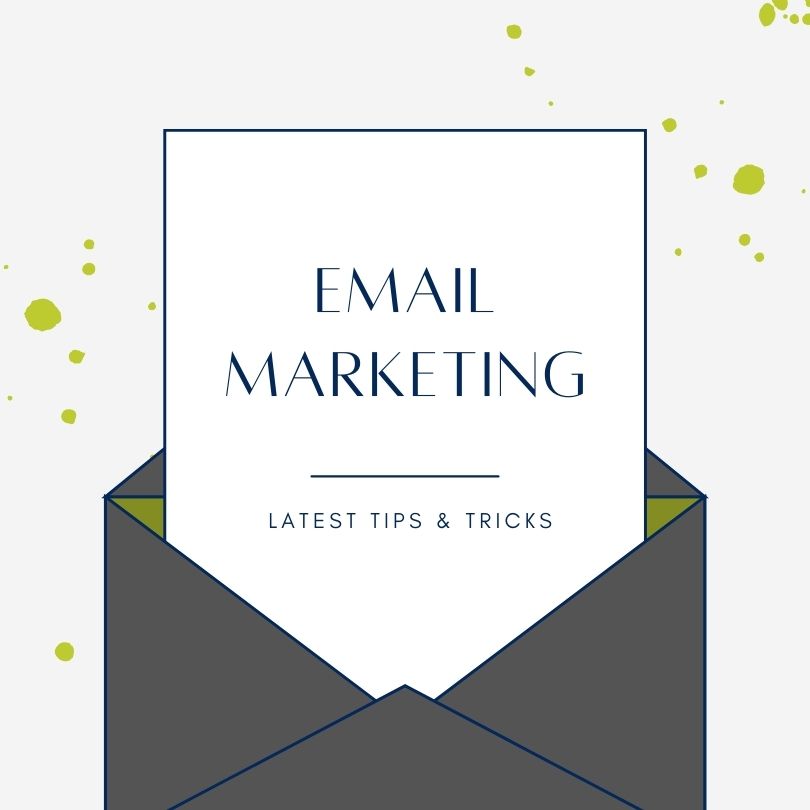
A sense of urgency makes emails harder to ignore. Limited-time offers or expiring discounts prompt action. Marketing based on past behaviors, purchases, and priorities drives better results. Marketing to inactive customers proves far easier than marketing to someone new because they already know your brand.
Track Client Priorities and History
Centralized client data makes personalization possible at scale. Track contact details, appointments, memberships, purchase history, priorities, attendance, and notes all in one place.
Automation handles repetitive follow-ups. Set up automated appointment reminders, confirmations, client follow-ups, recurring billing, and marketing campaigns from your platform. This consistency keeps clients involved without manual effort.
Offer Exclusive Benefits to Long-Term Clients
VIP perks deepen emotional loyalty. Staff outreach that feels personal transforms satisfaction into loyalty. A thoughtful message from their regular practitioner makes clients feel valued. Host quarterly member events, offer early access to new services, or provide birthday upgrades. These gestures reinforce that long-term clients receive special treatment and deepen their dedication to your health and wellness business.
Boost Revenue Through Strategic Pricing and Packages
Pricing shapes perception as much as it drives profit. The right pricing structure positions your health and wellness business competitively while maximizing revenue per client.
Create Tiered Service Offerings
Tiered pricing offers flexibility for clients and creates upsell opportunities for you. You provide multiple service levels at different prices instead of a single price point. Clients have different budgets and service expectations, which makes this approach work.
Use Upselling and Cross-Selling Techniques
Upselling increases the value of a customer’s primary purchase. Cross-selling encourages clients to purchase complementary services. Both tactics boost revenue without acquiring new clients.
Timing matters. Pitch the upsell right away if a client has expressed interest in another service. Studies show that 75% of people are more likely to buy if you know their purchase history, recommend based on that history, and address them by name. Cross-selling a USD 10.00 cleanser to 500 customers buying USD 20.00 face cream gets an additional USD 5000.00 monthly and increases average order value by 25 percent.
Bundle Services for Higher Value
Bundling simplifies decision-making and increases perceived value. Combine complementary services that clients need together anyway. To name just one example, pair initial consultations with follow-up visits.
Implement Dynamic Pricing Strategies
Dynamic pricing adjusts prices live based on demand, inventory, competitor actions, and market signals. This strategy helps you capture higher margins during peak demand and respond quickly to market moves. Time-based pricing adjusts rates by day, week, or season. Demand-based pricing responds to customer demand levels.

Build and Manage Your Team for Growth
Scaling a health and wellness business requires more than systems and software. You need people who share your vision and can execute without constant oversight.
Hire Staff Who Match Your Values
Research shows that 77% of job seekers think about company culture as an important factor when they apply for a job. Further, 47% of employees are open to leaving their employers for one whose values match more closely with their own. Those numbers reveal why hiring based on skills alone fails.
Values-based hiring puts alignment between a candidate’s personal values and your organization’s core values first. Employees who share your core beliefs and principles show loyalty and perform in ways that support your mission. Employees who feel a strong connection to their company’s values are much more likely to participate at work and less likely to feel burned out or look for another job actively.
Start by defining what behaviors get rewarded inside your health and wellness business. Look at your last promotions and get into what those individuals showed consistently. Ask values-based interview questions that dig into motivations and decision-making processes. Involve multiple team members in the hiring process to get a complete picture of candidate fit.
Delegate Administrative Tasks
You can save time by delegating routine functions to staff members. Tasks like managing documents, handling insurance verifications, and scheduling don’t require your clinical expertise. Delegating these responsibilities boosts productivity and helps regulate customer flow. Match tasks to individual strengths: detail-oriented staff handle insurance claims, strong communicators manage client intake calls, and tech-savvy team members oversee electronic records.
Use Team Scheduling Tools
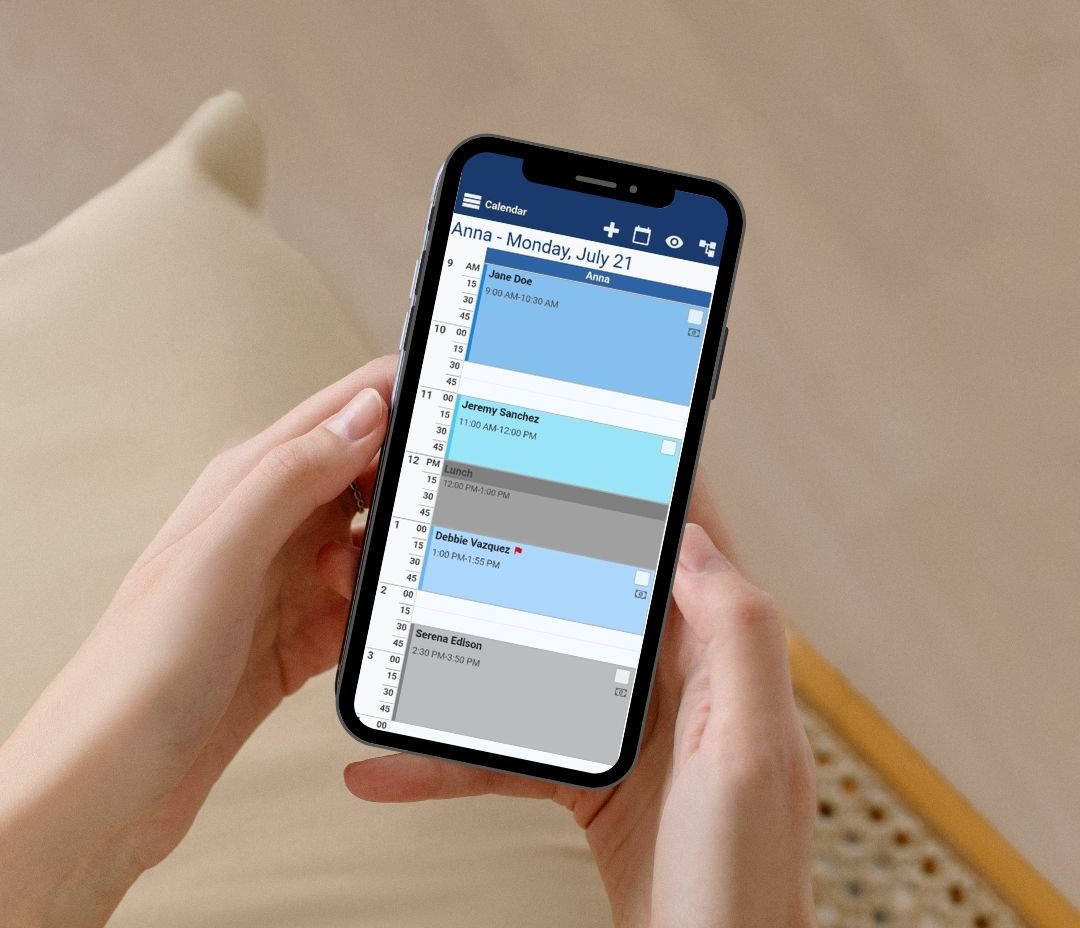
Bookeo’s dashboard provides team scheduling functionality that displays up-to-date bookings across your staff. The platform handles scheduling and staff management from one central location.
Invest in Ongoing Training
Cross-training staff creates flexibility within your team. Ongoing professional development keeps your team current on wellness industry trends and maintains service quality standards.
Scale Your Marketing Efforts
Attracting clients requires different tactics at different stages. Paid advertising and partnerships accelerate growth when your foundation holds steady, and you’re learning how to grow a wellness business.
Launch Targeted Paid Advertising Campaigns
Google Ads delivers measurable returns. Businesses make an average of $2 in revenue for every $1 spent on Google Ads. Most wellness practices see their first qualified leads within 48 to 72 hours after campaigns go live.
Keyword strategy separates profitable campaigns from wasted spend. Target high-intent search terms like “book a massage therapy session” or “chiropractor appointment near me”. Use negative keywords to filter out educational searches such as “wellness tips for teachers” or “history of chiropractic care”.
Facebook ads work well for local wellness businesses. Detailed targeting options let you reach users based on demographics, interests, and behaviors.
Build Strategic Collaborations
Choose partners who operate in similar verticals, share your brand values, and reach your target demographic. About 61% of consumers view influencer recommendations as trustworthy. Cooperate with local gyms, community centers, or complementary wellness providers to host workshops or events.

Track Marketing ROI and Adjust
Monitor conversion rates, click-through rates, and cost per acquisition across all channels. Adjust spending based on what delivers qualified leads at the lowest cost.
Conclusion
You now have everything you need to grow your wellness business in a systematic way. Success in this industry isn’t about working harder. It’s about implementing systems that scale, experiences that clients remember, and loyalty that generates referrals.
What moves the needle deserves your focus: automated scheduling that saves hours weekly and tailored client interactions that build trust. Retention strategies compound over time. Your metrics need tracking. Adjust based on data and invest in what converts.
Growth takes consistency. Start with one strategy and become skilled at it. Then add another. Your wellness business will scale when operations run smoothly, and clients keep coming back.