
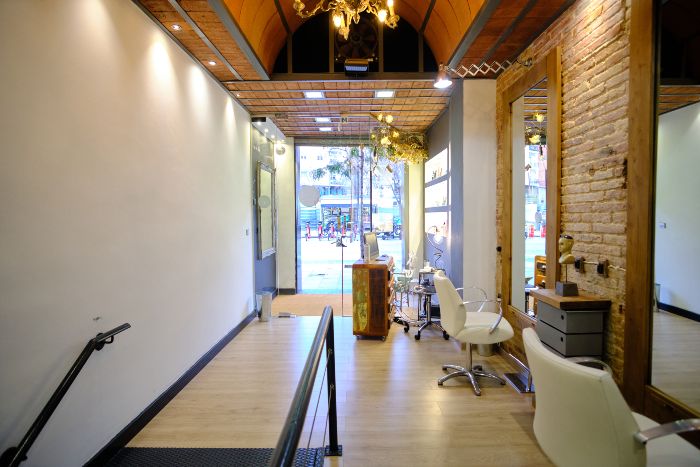
Salon Lighting Guide: Best Lighting Ideas for Hair, Beauty, and Small Salon Spaces
The right salon lighting ideas determine whether your clients leave satisfied or disappointed. Lighting stands as a powerful design element inside a beauty salon. Good lighting supports stylist accuracy and builds customer trust when they see themselves. It also creates Instagram-worthy moments that promote your brand. We cover everything from hair salon lighting ideas for styling stations to beauty salon lighting ideas for treatment rooms in this piece. You’ll find the best lighting for salon reception areas and small hair salon lighting ideas on a budget. We also show you how to position fixtures for maximum effect.
Why Salon Lighting Matters for Your Business
Creates the Right First Impression
Lighting starts your salon’s atmosphere. Walk into a space flooded with harsh fluorescent tubes and you’ll feel the clinical, unwelcoming vibe. Soft, warm lighting creates the opposite effect. It signals relaxation and premium service before a single word is spoken.
Warm lighting in your reception area reduces client anxiety. Research shows that warm lighting under 3500K increases feelings of comfort and pleasantness. This matters when clients arrive nervous about a major hair transformation or color correction. The right glow puts them at ease.
Your entrance and waiting areas benefit most from 2700K to 3000K color temperature. This warm white range creates a premium tone that positions your salon as high-end rather than budget. Clients perceive quality through their senses. Lighting shapes that perception from the moment they open your door.
Affects Color Accuracy and Service Quality
Poor lighting ruins color services. You mix the perfect blonde formula under inadequate lighting and your client walks outside to discover it looks ashy. That’s a recipe for refunds and negative reviews.
Hair color is a reflection of light. It changes based on the type, intensity and direction of light exposure. A rich caramel blonde appears vibrant under warm salon lights but can look dull in natural sunlight. This disconnect between salon and real-life appearance causes client dissatisfaction.
Daylight-mimicking LEDs solve this problem. They provide light quality as with natural sunlight. LEDs with a Color Rendering Index (CRI) of 90 or above display colors with accuracy. This allows clients to see their true hair or makeup tones and avoid disappointing surprises when they leave.
The stakes are high for precision work. Dim or inconsistent lighting causes uneven application during highlights or balayage. Stylists need even brightness across workstations to avoid mistakes that damage your reputation. Task lighting eliminates shadows and gives professionals the clarity they need for detailed work.
Affects Client Comfort and Experience
Clients spend extended periods seated and facing mirrors. Lighting that’s too harsh or positioned wrong causes glare and eye strain. This discomfort affects how they perceive the service.
Harsh fluorescent lighting makes skin tones appear washed out or unnatural. Clients look at themselves during the appointment. When they see unflattering reflections, satisfaction drops even if the haircut is perfect. Warm and flattering lighting boosts confidence in their appearance.
The solution lies in positioning. Shadows are reduced by placing lights in front of the client and using multiple adjustable sources rather than single overhead fixtures. Strip lighting or LEDs positioned around mirrors distribute light evenly and avoid shadows on the face or hair.

Working in dim conditions also affects your staff. Eye strain and fatigue from inadequate lighting reduce service quality over time. Your stylists deliver their best work when they can see without discomfort. Adjustable LED lights provide targeted illumination without causing strain during extended shifts.
Affects Your Brand Perception
Lighting shapes how clients judge your professionalism. Bright, clean lighting makes your salon feel hygienic and well-maintained. This perception matters in an industry where cleanliness and attention to detail are non-negotiable.
Your brand lives online as much as in person. Great lighting creates Instagram-worthy moments that promote your business and attract new clients. When clients take before-and-after photos under flattering light, they become your marketing team. Those posts reach potential customers you’d never access through traditional advertising.
Well-designed lighting creates confidence, comfort and trust. Clients feel more at ease in lit spaces. This emotional response translates to repeat visits and referrals. Lighting functions as a business tool that affects customer satisfaction and brand perception in competitive salon environments.
The environment changes perception. A client receiving the same haircut under fluorescent light with poor ambiance will rate the service lower than one receiving it under warm lighting with atmosphere. Quality work deserves quality presentation. Lighting delivers that presentation.
Understanding Basic Salon Lighting Types
Most salon owners make the same lighting mistake. They install a grid of recessed downlights across the ceiling and call it done. This single-fixture approach provides adequate brightness but creates a flat, lifeless environment. No visual rhythm exists between zones, and the space feels one-dimensional.
The best salon lighting ideas are built on a layered approach. Three distinct types of light work together to shape how your space feels and functions. Each layer serves a different job, and when adjusted the right way, the result is a salon that feels crafted with intention rather than just lit up.
Ambient Lighting for Overall Brightness
Ambient lighting establishes your room’s overall brightness and sets the baseline mood for the entire salon. This is the light that fills the space, the first thing clients register when they walk through your door.
This foundational layer should feel welcoming without being harsh. The goal is a comfortable, even wash of light that makes your space feel open and clean. Chandeliers serve as striking ambient sources that double as design statements, especially in reception areas or above a central styling floor. Recessed ceiling fixtures offer a quieter alternative when spaced and dimmed the right way.
LED technology provides several ambient lighting solutions:
- LED Panel Lights deliver uniform, glare-free light in sizes and color temperatures of all types
- LED Recessed Downlights offer adjustable brightness and color temperature options for customized setups
- LED Strip Lights install under cabinets or around display areas and provide flexible accent lighting
Restraint matters with ambient fixtures. Ambient lights that are too intense flatten the room and eliminate the contrast that gives your salon depth and atmosphere. This layer should make the salon feel bright and alive without trying to do the work of task lighting.
Task Lighting for Precision Work
Task lighting is where precision lives. These fixtures illuminate areas where detailed work happens: styling stations, color mixing areas, and anywhere you need clear, high-CRI light to see exactly what you’re doing.
Styling stations need task lighting that provides even, shadow-free light across the client’s face and hair. Salon mirrors with integrated lights are among the most effective solutions because they position the light source right in front of the client. This reduces harsh under-chin shadows that overhead-only lighting creates. Counter lamps offer another targeted option, especially useful at color bars or consultation areas where you need focused light on smaller surfaces.
Brightness levels for task areas differ by a lot from ambient zones. Styling stations require 100 to 150 lumens per square foot, with light hitting the station at 800 to 2500 lux for clear visibility. Task lighting should be the brightest layer in your plan, but only in zones that demand it. Flooding the entire salon with task-level intensity would feel clinical and exhausting.
Track lighting has become the industry standard because it provides directional control and works with any ceiling type. Stations can move without rewiring. The power of task lighting comes from its specificity. It concentrates the highest-quality light exactly where work requires it.
Accent Lighting for Visual Interest
Accent lighting gives your salon personality. While ambient and task lighting address functional requirements, accent fixtures add visual interest and highlight architectural details. They reinforce your brand identity throughout the space.
Wall sconces frame feature walls, add warmth to corridors, or create soft pools of light in retail areas that draw the eye toward displayed products. Pendant fixtures hung at varying heights above reception desks or waiting lounges add vertical dimension and sculptural appeal to otherwise horizontal sightlines.
Accent lighting also guides movement through your space. A gently lit alcove signals a quiet moment. A backlit shelf draws attention to curated product displays. A warm glow along a shampoo corridor tells clients they’re transitioning from the active energy of the styling floor to something slower and more restful. When all three layers work in concert, the salon feels designed with intention rather than just functional.
Retail and Display Lighting
Lighting your salon’s retail area the right way impacts profitability. Many salons just put products on shelves and either light them the wrong way or don’t bother at all. This approach decreases retail sales.
Accent lighting for retail areas is much brighter than surrounding lighting. The reason is simple: accent lighting must stand out and make an effect. If accent lighting were not brighter than general lighting, retail areas would blend in and risk being ignored. This creates visual interest for your clients and puts products in their sight.
The most effective way to make retail areas more eye-catching is using a higher-temperature Kelvin color light compared to the light surrounding the retail area. The brighter light draws attention instantly, which is half the battle, and it makes colors used in retail products pop.
If possible, light retail products from the front. Position a light a few feet in front of the display and aim it at the products. Nothing makes products stand out as well as this method. Display size and shape will govern the best type of lighting to use. Lighting from above each shelf works best in many applications if the ceiling configuration in front of displays does not permit direct lighting installation.
Best Lighting for Salon Reception and Waiting Areas
Reception areas work as your salon’s handshake. The lighting here sets expectations before clients meet your team or see a single styling station. Get it wrong, and you’ve created doubt. Get it right, and you’ve built anticipation for what follows.
Choosing the Right Color Temperature
Warm white lighting between 2700K and 3000K creates the cozy, inviting atmosphere your reception needs. This range mimics sunset or candlelight and produces a relaxing effect that helps clients transition from the outside world into your salon environment.
The psychological benefits are measurable. Well-lit spaces raise mood and promote relaxation, both of which are needed in settings where clients seek rejuvenation and self-care. A client walks in feeling stressed about their day. Warm lighting in your waiting area triggers a physical response. Shoulders drop. Breathing slows. The space whispers that they’re in good hands.
Cool lighting above 4000K conveys energy and modernity but reads as clinical in reception zones. Save cooler temperatures for styling stations where color accuracy matters. Your waiting area exists for psychological purposes rather than practical ones. General ambient lighting at warm temperatures provides enough illumination without needing additional task lighting in this zone.
Color temperature below 3000K makes skin tones appear flattering and natural rather than washed out. This matters when clients first see themselves in your space. Satisfaction drops before the service begins if the lighting makes them look tired or sallow.
Creating a Welcoming Atmosphere
Pendant lights serve as architectural jewelry in reception areas and draw attention while establishing your salon’s aesthetic. You can arrange these fixtures as single statement pieces or elegant clusters. They create visual interest and depth that standard ceiling fixtures cannot match.
Ring fixtures introduce sophistication and warmth through their gentle curves. Circular designs soften the overall ambiance and create a more inviting atmosphere, unlike linear lighting solutions. These fixtures work as dramatic focal points, particularly above reception desks, where their distinctive shape draws the eye upward while providing consistent, 360-degree illumination.
The uniform light distribution from ring fixtures eliminates dark corners and uneven shadows. This creates an optimal environment for both staff and clients. Their versatility allows them to combine naturally with any interior style, from minimalist modern to luxury boutique aesthetics.
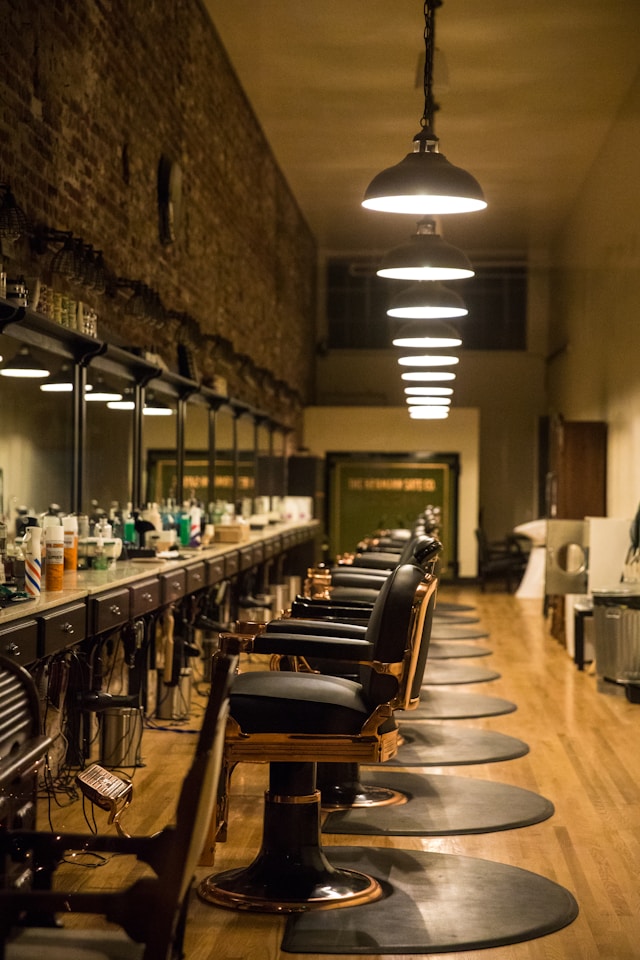
Sconces that complement your salon’s decor boost the overall aesthetic. Vintage-style sconces evoke nostalgia, while modern designs contribute to a sleek, contemporary feel. These fixtures add layers to your lighting design and combine ambient light with accent lighting to create depth and appeal without sacrificing functionality.
Soft, warm lighting promotes comfort and helps clients feel at ease. They unwind before treatments begin. The gentle glow directly influences how long clients are willing to wait and how they notice the quality of service they’re about to receive.
Highlighting Your Brand and Signage
LED neon flex signs add vibrant, eye-catching elements to reception areas that attract customers and reflect your business nature. These signs create a warm, inviting ambiance that boosts your salon’s aesthetic while drawing attention to your services and reinforcing brand identity.
Custom neon signs showcase your salon’s personality and style. They set your business apart from competitors. The design, colors, and font should match your salon’s branding and overall aesthetic. Work with professional sign makers to determine the best placement for maximizing visual impact based on your salon’s layout and existing lighting.
Neon signs work as both lighting and marketing tools. Clients photograph themselves in your waiting area. Branded signage appears in the background and creates organic social media promotion. The right fixture becomes a landmark that clients use to describe your salon to friends.
Lighting defines mood and communicates brand quality right away. Premium salon lighting systems present your business as clean and professional. Clients judge your salon on every detail, and lighting is one of the first things they subconsciously notice.
Hair Salon Lighting Ideas for Styling Stations
Styling stations represent where your reputation gets built or destroyed. A brilliant cut executed under poor lighting looks mediocre. A color formula appears off when shadows distort what the stylist sees, even if perfectly balanced. Hair salon lighting ideas move from esthetic choices to practical necessities here.
Track Lighting for Flexibility
Track lighting has become the standard in professional salons because it combines performance with adaptability. Track systems allow you to change and move fixtures without requiring electrical work, unlike fixed ceiling fixtures or chandeliers. This flexibility matters when you rearrange station layouts or need to adjust lighting for different services.
The magnetic track technology lets stylists rearrange lights as necessary to guarantee optimal illumination independent of the service being performed. You can reposition heads to accommodate color application that needs overhead brightness or cutting work that benefits from angled light.
Professional-guiding setups use 30W LED track lights as the commercial standard for salons with 8 to 11-foot ceilings. These provide sufficient brightness without overwhelming the space. The two-angle strategy has emerged as the gold standard: 15° narrow beam fixtures for workstation precision combined with 60° wide beam fixtures for ambient coverage.
The narrow 15° beam creates focused, intense light perfect for technical work while preventing light from spilling into adjacent stations. Shadows get eliminated and editorial-style lighting gets created that helps stylists see every detail. The 60° wide beam handles general illumination and provides diffused lighting that keeps the overall environment comfortable.
Optimal Brightness Levels for Color Services
Stylists need between 500 and 750 lux to see color clearly, assess blending, and catch inconsistencies. Anything below that range strains the eyes and leads to fatigue during back-to-back appointments. Styling stations require 100 to 150 lumens per square foot, with light hitting the station at 800 to 2500 lux for clear visibility.
The best salon lighting setups install one continuous linear track positioned slightly forward of the mirror. Space 30W fixtures about 3 to 4 feet apart and use the 15° narrow beam angled toward the crown of the head. This configuration eliminates shadows, shows toner results with accuracy, and provides even illumination on both sides of the face.
Positioning Lights to Avoid Shadows
Shadows obscure details and make it difficult for stylists to see hair clearly. Glare causes discomfort and eye strain. Position lights at multiple angles around styling stations to eliminate shadows cast by the stylist’s hands or tools.
Front-facing or mirror-adjacent light sources distribute illumination across the face and eliminate harsh shadows under the chin and around the eyes that overhead-only fixtures create. Avoid placing lights where they shine directly into client eyes. The track should be positioned well for both stylist and client, supplemented with lamps on each side of mirrors when needed.
Using High-CRI LEDs for Accurate Color
A Color Rendering Index (CRI) of 90 or above guarantees colors appear true to life under artificial lighting. This becomes critical in hair salons where exact color representation separates good service from color correction disasters.
High-CRI lighting makes stylists apply color treatments with confidence and assess subtle color changes with accuracy. Generic LED lights have a weak red spectrum. Brown, red, and blonde hair colors won’t show properly. This distortion leads to mistakes and client complaints.
Professional setups use high-CRI LEDs (95+ rating achievable) that bring rendering quality close to natural daylight. The flexibility to use both warm (3000K) and neutral (4000K) color temperatures within the same track system guarantees ideal conditions for different services. Neutral white provides accuracy for color assessment, flattering reflections, and comfortable lighting for both stylist and client.
Beauty Salon Lighting Ideas for Treatment Rooms
Treatment rooms just need different lighting strategies than styling stations. The work here is clinical rather than artistic. It requires precision that reveals skin texture, fine hairs, and subtle color variations invisible under standard salon lighting.
Facial and Skincare Room Lighting
Daylight-balanced lighting between 5000K and 6500K is the gold standard to analyze skin. This range reveals skin texture, redness, pigmentation, and fine detail accurately without distorting natural skin tones. Warm yellow light between 2700K and 3000K masks skin conditions like redness, hyperpigmentation, and texture irregularities that estheticians must see. Styling stations use this warmer light, but facial rooms cannot.
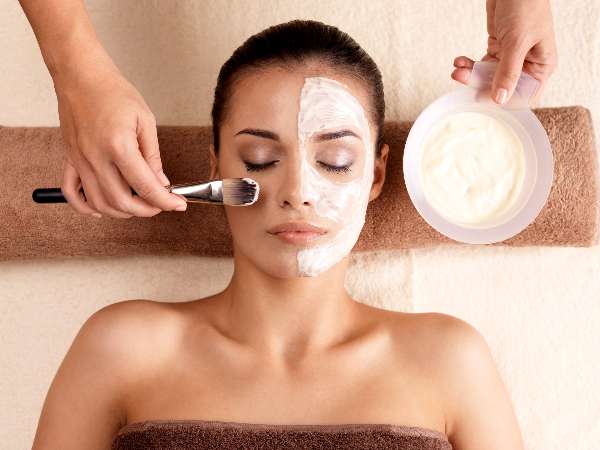
The Color Rendering Index becomes critical in facial rooms. A CRI of 90 or above reveals true skin tone and makes it easier to spot hyperpigmentation, redness, and subtle texture changes that lower-CRI lights hide. Shadow-free overhead lighting illuminates the entire face and eliminates the harsh shadows created by single-point light sources. Many estheticians prefer half moon lights or halo-style lights because they reduce harsh shadows, improve visibility and minimize eye strain during long appointments.
Dimming control lets you adjust brightness to provide client comfort during relaxation phases while maintaining clinical visibility when you need it. Extractions require shadowless, bright conditions. Facials and masks benefit from soft ambient light that can be dimmed to low settings. Indirect lighting with dimmer control should be positioned on the wall or overhead at the edge of the ceiling, not over the facial lounge.
Lash and Brow Station Requirements
Lash extensions just need adjustable treatment beds, magnifying lamps to do detailed work, and proper lighting to apply precisely. Professional lighting that mimics natural light works best. Use LED lights rather than fluorescent lights. Adjustable lighting offering flexibility makes a big difference and requires both positioning adjustability and multiple brightness options.
Makeup Application Lighting Setup
LED lights with a color temperature between 5000K and 6500K mimic natural daylight and are ideal for applying makeup because they won’t throw off the true colors of products. Position lights at face level rather than overhead to avoid shadows. Surround the face with light from all sides and create even diffusion. This avoids harsh shadows or uneven spots.
Spray Tan Room Considerations
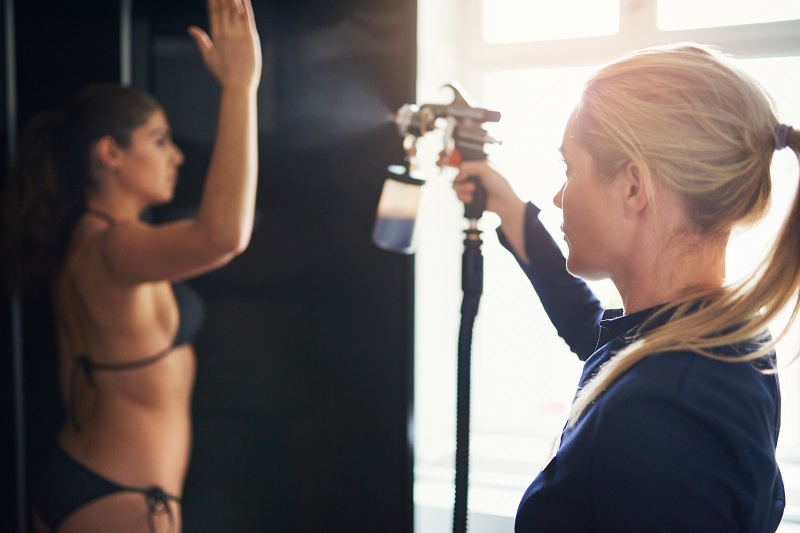
Spray rooms need approximately 100 foot-candles at a height of three feet from the floor. Lights with a CRI of at least 90 are required. Standard fluorescents with a CRI of 62 are insufficient to do this work. Mount lights on the wall rather than above the work surface and create a low angle to the surface being sprayed. A warm, private, and clean room creates confidence from the moment clients walk into your space.
Small Hair Salon Lighting Ideas on a Budget
Budget constraints don’t eliminate your ability to create professional salon lighting. Small spaces offer advantages when planned correctly because every fixture delivers maximum effect.
Maximizing Light in Limited Space
Small salons benefit from bright, uniform lighting that creates an illusion of spaciousness. Light colors on walls, ceilings and furniture reflect more illumination around the room and make it feel airy and open. Lighter surfaces bounce light and scatter it throughout your space. This intensifies your ambient lighting without adding fixtures.
Dark walls absorb light and require more bulbs to achieve the same brightness. Stick to neutral colors like white or beige and maximize light reflection. Colored walls can reflect weird tones onto hair, such as a green tint from green walls.
Flush or recessed ceiling lights avoid overwhelming compact rooms. These fixtures sit flush with the ceiling and create a clean look while providing powerful illumination. Their discreet profile maintains an uncluttered aesthetic without compromising lighting quality.
Budget-Friendly Lighting Solutions
LED technology reduces electricity costs by up to 75% compared to traditional lighting. LEDs are the top choice for salon lighting because they’re versatile, energy-efficient, and available in a range of color temperatures. They offer low heat output, color accuracy, dimmable options, and eye comfort.
LED strips installed under shelves or around mirrors open up tight quarters. These flexible solutions provide accent lighting without expensive installations. Wall-mounted sconces reduce floor usage and boost focus areas. This frees up valuable space in compact salons.
Using Mirrors to Boost Brightness
Mirrors multiply existing light while making small salons feel larger. Position mirrors opposite windows or light sources and maximize brightness while creating an open atmosphere. This placement allows incoming light to reflect deeper into the interior and doubles the perceived window area.
Strategic mirror placement opposite or beside windows amplifies natural daylight. This reduces reliance on artificial bulbs and lowers energy costs. Backlit mirrors add both function and elegance to styling stations. They help clients see themselves clearly while making your space look more glamorous.
Multi-Functional Lighting Fixtures
Track lighting offers flexibility without requiring major electrical work. You can add lights, rotate fittings, reposition direction, and expand the system without effort. This makes track lighting the most future-proof solution for growing salons.
Adjustable spotlights highlight specific areas and can be modified to suit changing needs. Wall-mounted options with adjustable arms provide focused lighting that reduces shadows at work areas.
Creating Instagram-Worthy Spaces with Strategic Lighting
Social media has changed how salons attract clients. Great lighting creates Instagram-worthy moments that promote your business and attract new customers. Clients photograph their transformations under flattering conditions, and those posts reach audiences you’d never access through traditional advertising.
Setting Up a Content Creation Zone
Every salon needs a dedicated content corner. Set it up with two or three 15° spotlights positioned to eliminate overhead shadows. Neutral white lighting with high CRI produces magazine-level results. Adjustable angles allow you to modify portrait lighting based on hair length, face shape, and the specific service you’re showcasing.
Successful salon owners incorporate strategic ring lights for perfect selfie lighting, adjustable overhead fixtures to showcase hair color accurately, and placed mirrors to maximize natural light reflection. The key lies in creating a space that looks photogenic while remaining functional to serve clients. Note that every corner of your salon is a potential photo chance.
Lighting for Before and After Photos
Consistency determines whether your before-and-after photos look credible or manipulated. Your before photo and after photo must be taken in the same lighting conditions. Same spot and same light intensity. Results will look exaggerated and fake if your before photo uses dim light and your after blasts a ring light.
Daylight-balanced bulbs around 5000K to 5500K work best for skin and hair photography. These cool or neutral white temperatures mimic natural daylight without adding weird yellow or blue casts. Position your client so they don’t stand with their back toward the light source, which creates darkened photos.
Choosing Flicker-Free LEDs for Video
Flicker causes eyestrain, headaches, and distortion in video recording. Most people can perceive flicker at a frequency below 80Hz. Quality LED drivers regulate current and produce constant light output, while inferior drivers allow flicker. Flicker-free LEDs are essential for both color evaluation and content creation. High CRI LEDs with 95+ ratings and color temperatures in tungsten (3000K) or daylight (5600K) provide clean, pure light for video applications.
How Online Booking Software Complements Your Salon Experience
Perfect lighting creates the visual experience, but operational efficiency determines whether clients return. Online booking software removes friction from appointment scheduling and gives you control over your calendar.
Streamlining Client Appointments
Clients want to book appointments outside regular business hours. Bookeo’s 24/7 online booking system lets them schedule services anytime, from anywhere, without phone calls. Automated email and text reminders reduce no-shows by up to 50%. This protects your revenue and your team’s time.
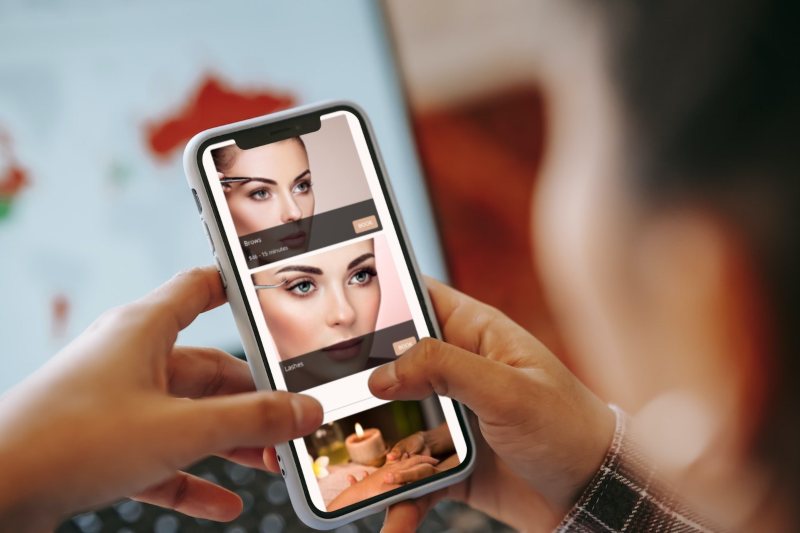
The system updates availability live. Your dashboard reflects the change across all platforms when clients book online. Double bookings become impossible, so you avoid scheduling conflicts. Bookeo also handles waitlists and notifies clients when cancelations open up slots.
Managing Your Schedule Efficiently
Drag-and-drop functionality lets you reorganize appointments in seconds. Color coding and station assignments keep your team synchronized without confusion. Customer profiles track priorities, visit history, and color formulas. You can personalize each appointment with this information.
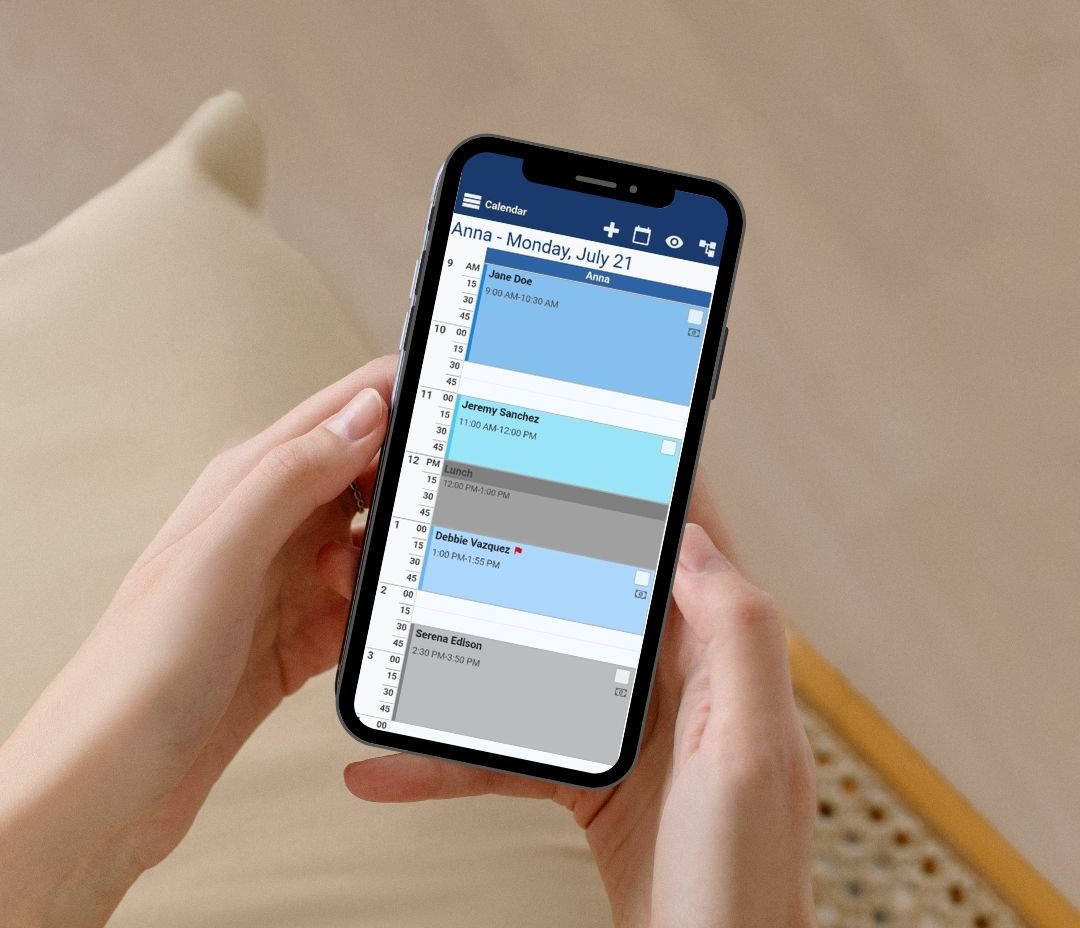
Bookeo integrates with payment gateways. You can accept deposits, require prepayments or store cards on file to guarantee appointments.
Why Bookeo Is the Best Choice for Salons
Bookeo charges no commissions or flat fees on bookings. Month-to-month subscriptions provide flexibility without long-term contracts. The platform operates with enterprise-level security, including SSL/TLS encryption and PCI-DSS compliance. Client data stays protected throughout the booking process.
Conclusion
Great lighting transforms your salon from functional to exceptional. The right fixtures support color accuracy and generate social media content that markets your business. Comfortable client experiences follow naturally. Layered lighting with proper CRI and color temperature delivers measurable results, whether you’re upgrading existing stations or designing a new space from scratch.
Pair your improved lighting with streamlined operations. Bookeo’s salon scheduling system handles appointments 24/7, sends automated reminders, and eliminates double bookings. Quality lighting attracts clients through your door. Smart booking software keeps them coming back.