
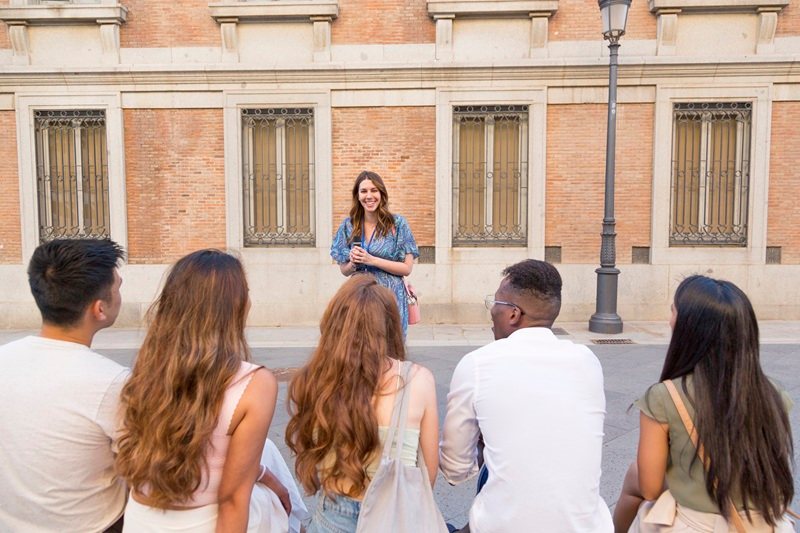
Tour Guide Tips and Tricks: How to Deliver Better Tours and Impress Every Guest
The most practical tips for tour guides revolve around one critical factor: time management. Tours on paper always seem too short, but on the ground they’re always too long. Successful tour guides build and improve their skills throughout their careers to provide memorable and engaging experiences. But becoming skilled at how to be a tour guide requires more than just knowledge. This piece covers tour guide advice, from preparation and storytelling to communication techniques and tour guide tips and tricks that will help you engage every guest.
What is a tour guide and what do they do?
A tour guide takes tourists on guided tours of attractions and shares information about history, culture, and geography. These professionals work in cities, historic sites, museums, or outdoors. They help visitors explore and find local key points. Good tour guide advice starts with understanding that your main job is making each trip memorable and enjoyable through expert knowledge and personal anecdotes.
The role of a tour guide
Your role extends way beyond reciting facts. You educate tourists and entertain them by sharing knowledge about the history, culture, landmarks, and attractions of your destination. You guide people around sites of cultural interest and historical interest. You tell stories of people associated with locations and events. You take groups on various excursions.
The job demands being a historian, educator, and companion all at once. You work at monuments, in museums, at art galleries or in parks and gardens. Your working environment may be active and outdoors some of the time. You’ll travel often. Tours vary in length, from less than an hour to more than 12 hours. This depends on the places visited. You may have led multiple tours covering the same route by the time you finish a busy day.
Key responsibilities of tour guides
Understanding how to be a tour guide means mastering several core responsibilities at once. You plan trips for visitors and lead them. You make certain the itinerary runs smoothly. This involves organizing tours by arranging transportation, tickets, and daily schedules.
Research forms the foundation of your work. You take a closer look at the history, culture, and stories of the places you showcase. Every detail about a location might have a story worth telling. You then craft tours like arranging a melody. You decide the stops and key features, duration, and pace.
Safety ranks as a paramount concern. You’re responsible for the safety of your group and their well-being. This means knowing your route really well and being prepared for emergencies. You always have backup plans. You explain safety procedures and alert guests to hazards. You respond to guest needs throughout the tour. You make necessary accommodations and address concerns.
Your storytelling transforms ordinary tours into memorable experiences. Tourists crave stories and emotions and memories rather than just facts. You weave narratives that transport them through time and space. You turn a statue into a legendary hero. You also answer visitors’ questions and advise on other places to visit. You act as a driving or cycling guide for groups.
Customer service requires constant attention. You handle everything from endless questions to occasional problems. You adapt when situations change. Rain might interrupt an outdoor tour, or a sudden roadblock affects your planned route. You promote local businesses by recommending cafés and shops. This boosts the tourist experience and supports communities.
Different types of tour guides
The profession offers diverse specializations. Here are the main types you might think over:
- Local tour guide: You’re an expert on your own city or region. You know the best routes and hidden gems and everyday life. You give insider insights about neighborhoods that travelers would miss.
- Cultural tour guide: You focus on traditions, festivals, and heritage. You immerse travelers in local culture by visiting museums, temples, or community events.
- Museum and heritage guide: You specialize in museums, galleries, or historic sites. You offer commentary on exhibits and artifacts. A museum guide might explain the history behind antiques or artwork.
- Adventure guide: You lead active tours like hiking, rafting, or rock-climbing trips. You possess practical outdoor skills and often provide necessary equipment. An adventure guide in Thailand may lead tourists on jungle treks or ATV excursions.
- Food and wine guide: You organize culinary tours and take groups to restaurants, markets, or vineyards. A guide in Italy might lead wine tasting in Tuscany or cooking classes in Rome.
- Academic guide: You work in educational settings like universities or science museums. You conduct structured tours for students. You usually have strong subject knowledge in history, art, or science.
- Wildlife and nature guide: You lead tours in parks or forests or safaris. You point out plants and animals and geological features. You give context on ecology and conservation.
- Private tour guide: You work one-on-one or with small groups. You offer tailored tours based on clients’ interests. This might include a private walking tour of Paris or a custom road trip.
- Freelance guide: You’re self-hired and set your own schedule. You often cover popular tourist regions. Flexibility defines this path and the chance to lead diverse trips.
- Licensed tourist guide: You have formal qualifications that confirm high standards of expertise. Certification exists worldwide, such as the UK’s Blue, Green, or White Badge guides.
Tour guides also serve as museum docents or park interpreters or historical interpreters who help recreate the past by playing historical characters. Travel guides differ a bit. They plan and organize and accompany clients on long-distance travel. They manage all logistics, including lodging and dining.
Preparing for your tour: essential tips before you start
Preparation separates average tour guides from exceptional ones. Guests see right away when you’re scrambling to get your act together. Your success depends on what you do before the first guest arrives.
Arrive early and get your act together
“On time” means 15 minutes early. Show up well before your scheduled tour time so you can use the bathroom, stow your belongings, organize your papers, and feel relaxed rather than rushed. Your employer or tour contact will appreciate knowing you’re ready to begin on time.
Getting organized follows a simple formula. Introduce yourself and the topic, tell the group what they’ll see on the tour and how long it will take, give the tour, then end with a conclusion and thank you. This structure keeps you focused and guests informed. Winging it doesn’t fly. Guests notice right away if you’re scrambling.
Get help where you can. Try to get a volunteer to check people in so you can chat with tour goers. People give tours for many reasons, but a big one is meeting new people. The time before the tour is a great chance to get to know your group.
Create your guide bag with what you need
Your guide bag contains everything you might need during a tour. Pack these items:
- Name badge
- Reference materials (cheat sheets, historic photos, timelines, maps, brochures)
- Small bottle of water
- Hard candy or throat lozenges
- Tissues
- Flashlight or laser pointer
- Paper and pen
- A snack
Tour guides who lead different types of tours may need additional items. Some carry a first aid kit (both personal and for the group), a multi-tool or Swiss Army knife, battery banks for recharging phones, and foldable selfie-sticks or gimbals for promotional photos. Outdoor guides often include sets of FRS walkie-talkies to communicate with drivers, especially in national parks or areas with limited cellphone coverage.
Rain protection matters. Waterproof bags become necessary for tours through rough trails where rain is common. Some guides carry plastic ponchos for guests, Band-Aids and antibiotic ointment for people with foot sores, extra phone chargers, and comfy socks for guests who mess up their feet during multi-day trips.
City walking tour guides carry at least a water bottle, small umbrella, hand sanitizer, and sunscreen. Van tour guides often bring binoculars or a monocular, sunscreen, wet wipes, phone charging cables and plugs, battery packs, water bottles, a small first aid kit, and a Leatherman multi-tool.
Prepare cheat sheets and reference materials
Reference materials save you when your memory fails. Create cheat sheets with key dates, names, and facts you might forget under pressure. Historic photos help guests visualize the past. Timelines keep events in proper sequence. Maps show guests where they are and where they’re going. Brochures provide takeaway information.
Carry appropriate reference books. Guidebooks contain maps, food recommendations, sights, and tips that boost your tours. Sheet protectors in a three-ring binder work well for organizing images you want to share. A single chopstick makes a good pointer for these materials.
Make a good first impression
First impressions set the tone for the entire tour and are the foundations of your relationship with guests. You get one chance to make this impression count.
Dress in clean, neat clothes. Wear sensible shoes that can handle hours of walking. Comb your hair. These basics signal professionalism. Smile and stand up straight. Your body language communicates confidence and approachability. Silence your phone before the tour begins.
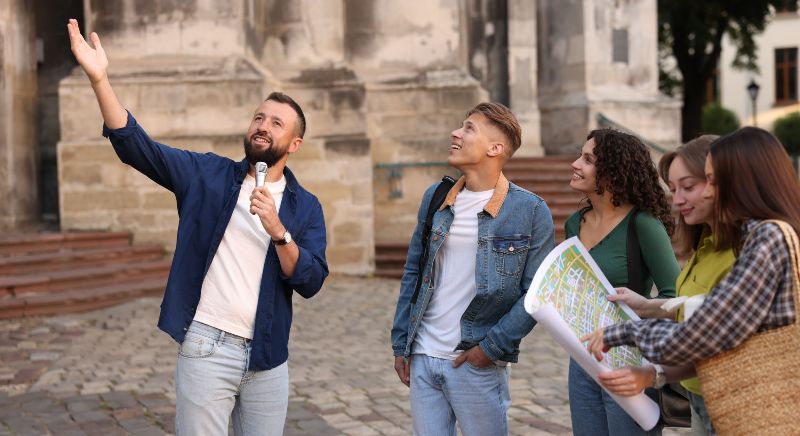
Punctuality affects how guests see you. Arrive early and appear organized. Guests will feel comfortable and confident that you’ll be the best guide they’ve ever had. Visual impressions matter. Dressing appropriately and professionally affects the expectations guests have from the moment they see you.
New experiences make people nervous. You know what to expect, but your guests do not, beyond what they read in the tour description when they first booked. You can ease their minds by going over important details before heading off and giving them confidence in your abilities.
How to engage your audience from the start
Guest attention starts to wander within the first few minutes. What you do at the beginning sets the rhythm for everything that follows. Strong engagement techniques separate forgettable tours from ones guests remember for years.
Skip lengthy introductions
Tours get bogged down before they ever begin with guides doing the “big wind-up” of introductions, setting the theme, and providing context. Plan to scrap 90% of it. Your script’s first line should tell you to move thirty feet up the street before you say anything.
Guests book tours to experience something, not to hear you talk about what they’re going to experience. Long preambles kill momentum. You might feel these introductions set the stage, but they create distance between guests and the actual tour content instead. Skip the setup and jump straight into the experience.
Face the crowd when speaking
Tour guides often get so wrapped up in their subject they forget to face the people they’re addressing. This simple mistake costs you audience attention. Half your words disappear into the air behind you when you turn away to point at something.
Position yourself so guests can see and hear you. Enunciate words and project your voice. One secret to avoid this common pitfall is to designate somebody in the crowd to interrupt you if they can’t hear you. This creates accountability and keeps you honest about your positioning.
Your physical orientation communicates respect for your audience. You signal that their experience matters more than the monument or artwork behind you when you face them. You can gesture toward points of interest without turning away from the group.
Tailor your commentary to the group
Gathering simple information about visitors transforms generic tours into individual-specific experiences. Ask about their place of origin, educational background, occupation, hobbies, purchasing power, and where they’re from. Visitors from different backgrounds have distinct communication priorities and comprehension levels, and their interests lead to different expectations for the tour.
Are they from your city, state, or country? Do they love architecture or history? Why did they choose this tour? Ask a few questions, then show you care by customizing your commentary to their interests. A group of architects will appreciate technical details about building construction that a family with young children might find tedious, for example.
This approach shows that you see guests as individuals rather than nameless faces on another tour. Your willingness to adapt shows professionalism and builds rapport. The information you gather helps you structure the rest of your tour content.
Get moving right away
Movement creates energy and excitement. Standing in one spot while delivering context drains enthusiasm before the tour begins. Start walking as soon as guests arrive, and you’ve done the briefest of welcomes.
Physical motion engages people differently than static lectures. Walking together creates a shared experience and natural conversation flow. Guests feel like participants rather than audience members stuck in place. You can deliver necessary information while moving and weave context into the experience rather than front-loading it.
Engagement from the start turns an everyday tour into a memorable experience. Action communicates confidence and purpose. Guests follow with curiosity about what you’ll show them next when you move with intention.
Master the art of storytelling on your tours
Stories stick with people in ways that facts never will. Participants on traditional lecture-style tours remember less than 5% of the information delivered to them. They leave exhausted and sometimes irritated by the non-stop flow of data, none the richer or wiser for their time. Tour guide tips and tricks must center on storytelling rather than fact recitation given this reality.
Why stories matter more than facts
You’re an interpreter of natural and cultural heritage, not a lecturer. Stories stimulate imagination and passion. They paint pictures with words. They create a universal language everyone understands, whatever their background or education.
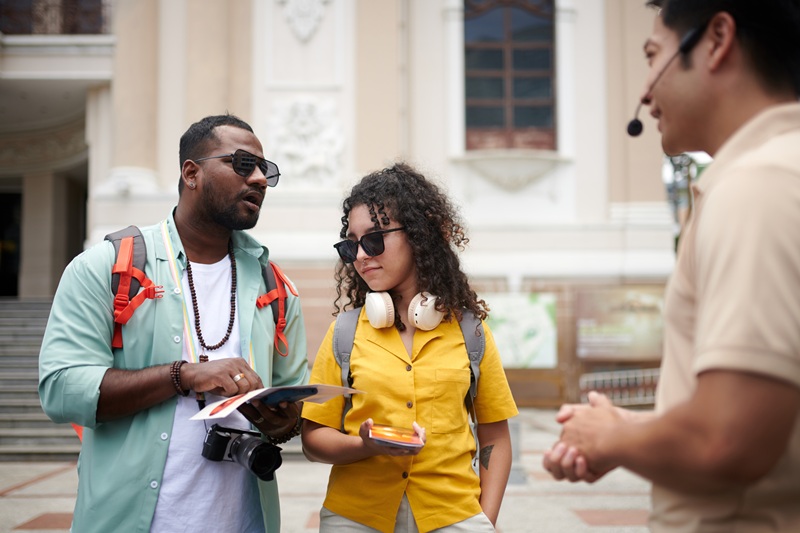
Storytelling gets visitors to participate in a manner that delivering strings of facts never does. Good storytelling ignites a spark in people and makes them want more. Your brain responds to stories way beyond the reach and influence of the auditory level. It stimulates areas associated with sensory details, actions, and emotions. A tale strikes a chord with listeners on multiple levels simultaneously when you unravel it.
Interpretation should provoke someone to think, react, or be interested. It should relate to something people already know or understand. This brings experiences to life and gets them to participate emotionally. Ask guests, “Can you imagine what it was like to live here?” . This question transforms passive observation into active imagination.
More, interpretation should reveal something new that adds to understanding. You’ve succeeded in creating meaningful connection when guests experience that “ah, now it makes sense” moment. Interpretation has information but goes beyond it. You’re creating an art form that can incorporate props, song, music, legends, descriptions, and drama. Music proves powerful in evoking emotional responses.
Use personal anecdotes to connect
Personal anecdotes invite guests into your world. These stories work best to fill downtime between destinations and cover experiences that remain relatable universally. Choosing which anecdotes to share comes naturally when you pick ones you’re emotionally invested in.
Local guides bridge the gap between facts and feeling. Your firsthand knowledge and neighborhood ties bring context and personality to stories. Many guides draw on personal memories or family histories. This makes tours relatable and alive. Tours transform from checklists into shared experiences through this personal touch.
Show that you care. No one cares how much you know until they know how much you care. Your enthusiasm becomes infectious and transfers directly to your audience. That genuine interest gives depth to every story you tell, whether your passion lies in architecture, cuisine, or local legends.
Bring historical context to life
Every story has people at its center. People tell stories, and people are stories. Tell guests about the architect’s vision or the workers who built it rather than reciting dates about when a building was constructed. Site-specific stories focusing on actual individuals and artifacts that document their lives prove most effective.
Stories humanize history. They convey information in ways that are memorable and emotionally resonant. To name just one example, see the Napoleon coronation painting at The Louvre. Guides reveal how Napoleon snatched the crown from the Pope and crowned himself rather than stating facts about the artwork. They explain how the painter captured this drama and how Napoleon later demanded it be painted over. Guests who look closely begin seeing the old image under the newer one, as if they’ve been let in on a secret.
You have five senses at your disposal. People participate in different ways. Some prefer to smell, watch, taste, listen, or touch. Give guests opportunities to use all their senses. Describe sounds, smells and textures to bring stories to life. Help guests visualize history as if they’re stepping back in time.
Balance information with entertainment
Create a theme instead of drowning in dates and facts. Ask yourself: what do I want visitors to remember? What should they understand by the end of your tour?. This clarity helps you select which information matters most.
A good story requires an engaging beginning and a satisfactory ending, both close to one another in the telling. Balance entertainment with information by including anecdotes, fun facts, and legends. Tell fun facts alongside historical commentary in short, snappy ways. Point out interesting details and lesser-known facts that average visitors wouldn’t know.
Information still plays a role but should be added carefully in small amounts at appropriate times. Respond to questions from participants rather than front-loading everything. Factual information can open up new lines of inquiry and give discussions new life. People learn best when they participate in the learning process.
Communication techniques that keep guests interested
Communication forms the backbone of every successful tour. Your message only lands when guests understand you clearly. These tour guide tips and tricks focus on techniques that maintain interest and comprehension throughout your presentation.
Speak clearly and project your voice
Projection is fundamentally different from yelling. Yelling strains your vocal cords, while projection uses breath from your diaphragm to create volume. This technique produces a deeper pitch and rounder, more complex sound. Breathing from the diaphragm becomes key to learning proper projection.
State your words clearly and speak slower than usual. Make sure your face remains well illuminated and visible. Project your voice rather than just trying to make it louder. Increase your use of gesture and non-verbal cues to supplement what you’re saying. Don’t turn away when you point to something, especially when you have hearing-impaired people in the group. Voice projection, diction, microphone use and breathing techniques all contribute to effective delivery.
Use simple language and avoid jargon
Simple, clear language improves communication and enables guests to make better decisions about their experience. Needlessly complicated words create distance between you and your audience. Terms that seem self-explanatory to you can confuse or intimidate guests who lack your specialized knowledge.
Jargon becomes unhelpful at best and harmful at worst. If you can’t explain technical terms in plain speech, you don’t really understand the subject. Knowing how to explain something complex using straightforward language marks a strong communicator.
Explain technical terms and concepts
When technical terms prove necessary, provide quick explanations in everyday language. Rather than stating architectural jargon, describe what guests will see and why it matters. Break down complex ideas into simple terms. Take time to spell out acronyms and explain what they mean in plain language.
Be sensitive to cultural differences
Words carry different weight in different cultures. Avoid slang, jargon, or idioms that might confuse or alienate non-native speakers. Pay attention to non-verbal communication, as gestures acceptable in one culture may be rude in another. Speak at a slower rate and slightly louder when addressing non-native speakers, but not so much that it becomes condescending. Cut idioms and expressions from your commentary when working with international groups.
Work the room logically
Approach individuals rather than groups to make one-on-one contact more effective. Look around to get your bearings, identify people by themselves, and circulate rather than staying stationary. Make eye contact, smile, and show interest in guests’ points of view. Research shows that 65% of people are visual learners, making visual content highly effective in communicating concepts.
Professional tour guide advice for managing tours
Tours demand that you balance multiple responsibilities at once. Your organizational skills determine whether guests leave satisfied or frustrated.
Start and end on time
Time management allows you to pace tours the right way. Museums, parks, and attractions offer tours of specified lengths, from thirty minutes to three hours. Guests expect you to deliver information within that timeframe. So, track how much you can relay before moving to the next topic.

Punctuality matters beyond just showing up. Guests who worry about time signal that you haven’t managed things well. Stay aware of the clock throughout your presentation. Tours that end late frustrate guests with other plans. Tours that end too early make them feel shortchanged.
Handle multiple guests and coordinate with other guides
A group leader can handle up to 20 people, but larger groups require an assistant. Tour directors coordinate with motor-coach drivers and local guides to keep planned itineraries on schedule. They communicate precise travel plans, times, and pick-up points daily.
You may work among other guides who specialize in specific locations during multi-stop tours. Clear communication prevents confusion about handoff times and meeting points. Double-check reservations with venues before arrival.
Be prepared to admit what you don’t know
Facts you make up damage your credibility. When questions stump you, use these responses: “I’m not sure about that. Could I look into it and get back to you?” or “I don’t know offhand and I don’t want to give you a wrong answer. Let’s look it up together,” or “Wow, great question. I don’t know the answer, but here’s what I do know”.
Stay safe and alert guests to hazards
Safety rules require clear communication, especially during motorized vehicle or boat tours. Safety awareness means you recognize potential hazards and apply preventive measures consistently. Situational awareness involves perceiving surroundings, understanding what’s happening, and anticipating what could happen next. Call out hazards verbally so everyone remains aware and takes risks seriously.
Using technology and tools to improve your tours
Technology reduces the administrative burden that pulls you away from what matters most: delivering exceptional guest experiences. You face constant challenges staying on top of bookings, supplies, and tour management. Online booking platforms handle reservation details and free up your time to focus on guests.
How online booking software helps tour guides
Tour booking software converts your website into a direct sales channel. Guests book experiences around the clock without your involvement. The system sends automated confirmation emails, reminders, vouchers, and itineraries after booking. It updates your availability calendar instantly to prevent double bookings.
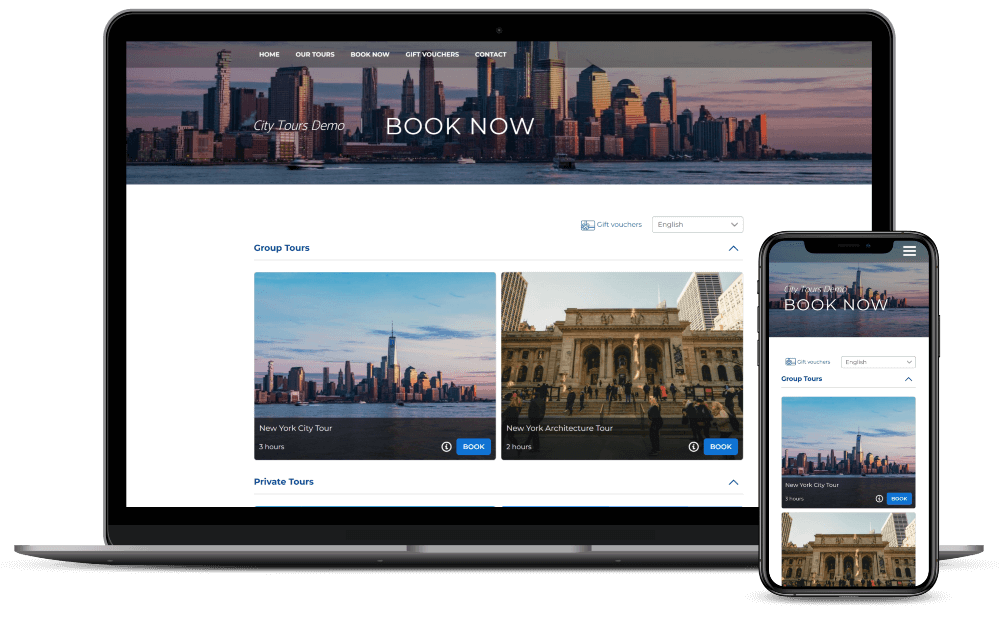
Manual booking processes create bottlenecks. Double bookings damage your reputation. Missed payments disrupt cash flow. Time-consuming phone calls require endless follow-ups. Studies show automation saves travel companies between 40-70% in operating costs. Immediate availability management displays changes in all sales channels and helps you track bookings as they happen. You can access live reports on booking trends.
Why Bookeo is the best booking solution for tour guides
Online booking software like Bookeo balances functionality with simplicity. The cloud-based platform requires no technical expertise. Pre-built workflows eliminate complex setup. Customers book through your website’s embedded widget without disruptive pop-up windows.
Pricing sets Bookeo apart. Most platforms charge high monthly fees plus booking commissions. Bookeo uses a flat monthly rate without additional payment commissions. This transparent model simplifies budgeting.
You can freeze your account with a 70% reduction in monthly fees during off-season periods. The platform manages immediate availability so customers see current seat availability and book from any device instantly.
Other helpful tools for tour guides
Build a strong social media presence by updating LinkedIn and Facebook profiles often. Print brochures and business cards to distribute during tours. Navigation apps keep you on route while cameras capture promotional content. Make pricing and online booking options clear and user-friendly.
Post-tour best practices and follow-up
Your relationship with guests doesn’t end when the tour does. Guest connections might be your most important asset. They transform satisfied customers into your number one marketing channel. They come back, recommend your tours to friends and family, and share experiences on social media.
Send a thank-you email to guests
Saying thank you goes a long way. Send a post-trip email that has a summary of the tour they took, along with images or videos captured during their experience. Insert a photo you snapped before guests departed to personalize the message. Research shows 70% of businesses never send follow-up emails, so this simple gesture sets you apart.
Invite feedback and reviews
Ask for reviews promptly and consistently. The best time is right after guests finish your tour, when the experience remains fresh. Your thank-you email should have a post-trip survey. Customers who had a great time will be eager to share about it, especially if they still feel connected through a friendly email from their guide.

Build lasting connections with tour participants
Email marketing builds relationships easily. Create an email list to keep guests informed about milestones, promotions, and new tours. Ask survey questions about where and how guests plan to travel later. Tailor future communications so they receive relevant messaging based on their responses. Always give people the option to opt out.
Conclusion
Great tour guides refine their craft through practice and preparation. You now have the blueprint: arrive early, skip lengthy introductions, tell stories rather than recite facts, and speak clearly while facing your audience. Time management separates memorable tours from mediocre ones. Post-tour follow-ups transform satisfied guests into loyal supporters who return and recommend you to others. Technology streamlines the administrative burden. Bookeo’s tour booking software handles bookings, payments, and availability management automatically and frees you to focus on what matters most: delivering unmatched experiences. Apply these tour guide tips and tricks consistently. Watch your reputation grow along with your guest satisfaction.