Social Media Marketing for Massage Business: The Ultimate Guide That Actually Works
Social media marketing for a massage business isn’t optional anymore, as 62% of beauty and bodywork clients say your social presence influences whether they’ll book with you. In fact, 78% of shoppers research social media before making a purchase. Your potential clients are scrolling right now and looking for their next massage therapist. This piece shows you how to reach them. You’ll find which platforms work best for massage therapists, what content attracts clients, and how to turn followers into bookings without wasting time on strategies that don’t work.
Why social media marketing matters for massage therapists
Reach new clients where they spend time
Over five billion people worldwide use social media. Your potential massage clients aren’t flipping through phone books or checking newspaper ads. They’re scrolling Instagram during lunch breaks and browsing Facebook before bed.
The numbers speak for themselves. About 58% of consumers have found new businesses through social media. On top of that, 34% of consumers use social media to learn about or discover new products, services, and brands. Social media marketing for massage therapists puts you directly in front of people searching for wellness services.
Your ideal clients are already on these platforms and spend hours each day there. Maintain an active presence, and you show up in their feeds. No cold calling required. No expensive billboard rental. Just your massage practice appearing where your audience already spends their time.
Build trust and credibility
Trust determines whether someone books with you or scrolls past. Social media platforms give you the tools to build that trust before a potential client ever walks through your door.
An authentic, up-to-date social media presence builds trust and helps turn potential clients into paying clients. It reminds them of the benefits of massage and how your services are part of a healthy self-care routine. So, share behind-the-scenes content, showcase your credentials, and post educational information about massage techniques. You establish yourself as a credible professional.
Social proof matters in this industry. Client testimonials and positive reviews provide validation that influences booking decisions. Satisfied clients leave reviews and share their experiences on your social pages. They’re doing your marketing for you. People trust other consumers far more than they trust advertisements.
Transparency also plays a role. Respond to comments, address questions, and engage in conversations. This humanizes your brand. People want to connect with real human beings, not faceless businesses. Show them who you are and what you stand for. They feel more likely to follow and support you.
Stay top of mind with existing clients
Getting new clients is one thing. Keeping them coming back is another challenge.
Existing clients who are satisfied with your service may follow your social media pages and become more likely to see your posts. This increased visibility keeps your business top of mind and reminds your audience to schedule their next appointment. Between sessions, clients might forget about regular self-care. Your posts serve as gentle nudges.
Regular posting creates multiple touchpoints with your client base. Clients feel like you engage with them and care about their well-being. They stick with you rather than switching to a new practice. A client who sees your wellness tips three times a week remembers you at the time their neck starts hurting again.
Interactive content creates opportunities for ongoing dialog. Polls, Q&A sessions, and comment responses keep clients engaged with your services even during the time they’re not on your massage table.
Economical compared to traditional advertising
Traditional advertising drains budgets fast. Radio spots, print ads, and direct mail campaigns cost thousands with uncertain returns.
Social media platforms provide economical channels to showcase your expertise and connect with potential clients. Given that 90% of small businesses use social media as part of their marketing strategy, and 78% rely on their socials to drive revenue, the return on investment speaks volumes.

You can start with zero budget. Organic posts cost nothing but your time. When you’re ready to invest, targeted advertising allows precise demographic and location targeting. You can focus ad spend on people within five miles of your practice who’ve shown interest in wellness services.
The beauty of social media marketing for a massage business lies in its scalability. Spend ten minutes daily or two hours weekly. Post from your phone between clients. No need for expensive production crews or graphic design teams. Your smartphone camera and authentic voice are enough to reach clients and grow your practice.
Which social media platforms work best for massage businesses
Not all platforms deliver the same results for massage businesses. Your choice depends on your target audience, content style, and business goals. The breakdown below helps you decide where to invest your time.
Facebook for local visibility
Facebook remains the third-most visited website on the planet, with 2.93 billion monthly active users. More importantly for massage therapists, 1.6 billion people are connected to small businesses on Facebook. This platform excels at helping local clients find your practice.
Location-based targeting stands out as Facebook’s strongest advantage. You can focus your content and ads on users within a specific radius of your clinic and reach people nearby who might book appointments. Creating a Facebook ad lets you post it on both Facebook and Instagram at once. The dual-platform reach gives you more visibility for the same effort.
Facebook users participate in local community groups and search for business details. The platform allows you to choose your audience based on location, demographics, and interests. Only people interested in massage services see your content. Setting up an auto-reply in Messenger minimizes the risk of missing potential clients who message your page.
Encourage clients to leave reviews on your Facebook page to build social proof. Join local wellness or neighborhood groups to expand your reach within the community. Create Facebook events for chair massage pop-ups or stress relief workshops to drive engagement.
Instagram for visual storytelling
Instagram surpassed three billion monthly active users recently. The platform’s visual nature makes it perfect for showcasing massage spaces, techniques, and client experiences. Posts consist of images, but you can also create short-form videos as Instagram Reels.
Visual consistency matters on this platform. Use consistent colors, fonts, and imagery to establish or reinforce your brand identity. Stories build ongoing visibility through interactive components like polls or Q&As. Share reels to improve reach with videos that demonstrate posture exercises or quick stiffness relief tips.
Instagram works well for sharing client testimonials with permission. Break tips into swipeable static images, also called an image carousel, like “The Top 5 Jobs That Need a Massage This Week”. Mix local hashtags with broader industry-based ones, such as #AustinMassage and #StressRelief.
Your bio becomes valuable real estate. Include a clear description of your services and use the link feature to direct traffic to your website or booking page. Behind-the-scenes glimpses of preparing your massage space or attending training workshops create authentic connections with potential clients.
TikTok for organic reach
TikTok’s algorithm delivers incredible organic reach, even for accounts with zero followers. The platform’s “For You Page” surfaces content from accounts people don’t follow, based on interests and viewing habits. Statistics show that 55% of TikTok users discover new brands and products on the platform.
This social media marketing approach for massage therapists works because TikTok gives exposure to smaller accounts on purpose. The reach often extends 5-10 times greater than on Instagram, especially for newer accounts. The audience skews younger but continues to broaden across age groups.
Short-form video content performs best here. Share informational micro-content like 15- to 30-second clips of stretches to ease neck pain at your desk. Create a recurring series such as “Muscle Myth Mondays” or “60-Second Flexibility Tips”. Add geo-tags and captions with your city, like “This Tacoma massage therapist shares…”.
Building a presence on TikTok makes sense if you can post at least twice weekly. Pair trending audio with wellness tips or promotion announcements. The platform values authenticity over polished production, so your phone camera and genuine personality work well.
LinkedIn for corporate clients
LinkedIn makes professional networking and business connections easier. The platform takes a more formal tone compared to other social networks. Posts focus on professional topics rather than casual content.
Use LinkedIn to build relationships with larger corporations and businesses, which may help you get hired for upcoming events. Connect with other wellness professionals, chiropractors, and gym owners for potential partnerships. Corporate massage services represent a lucrative market segment that LinkedIn helps you access.
YouTube for educational content
YouTube specializes in long-form video content. The platform works best for building authority and creating evergreen educational content that remains relevant over time. Explanations of complex massage topics and techniques find a natural home here.
Like other platforms, YouTube allows you to create a channel for your business and share videos with your audience. Educational tutorials, self-care tips, and technique demonstrations establish you as a knowledgeable professional. The content continues attracting viewers months or years after you post it.
Your platform selection should match your business goals and audience priorities. Starting with Facebook for local visibility and TikTok for organic reach gives most massage businesses a strong foundation.
Setting up your social media profiles for success
Your profile serves as a digital storefront. Incomplete or poorly constructed profiles lose potential clients before they even read about your services. Each element of your social media presence works together to convert browsers into bookings.
Complete your profile information
Fill every available field on your chosen platforms. A half-empty profile signals unprofessionalism or abandonment. Business name, location, hours of operation, and service categories all matter for discoverability.
Your website, social media, and marketing materials often serve as a first impression for potential clients. Profile completion affects search visibility on platforms. Facebook and Instagram surface complete profiles higher in local searches. Include your business category, price range, and service area.
Add your physical address if you operate from a clinic. Mobile massage therapists should list their service radius. Verify your business on platforms that offer this feature. Verification badges build immediate credibility with potential clients who are browsing their options.
Add booking links and contact details
Friction kills conversions. Every extra step between discovery and booking reduces the likelihood someone schedules an appointment. Direct booking integration eliminates this barrier.
Bookeo, an online booking system, allows massage therapists to add online scheduling directly to social profiles. The platform connects with Facebook and Instagram. Clients can book and prepay for services when it’s convenient for them.
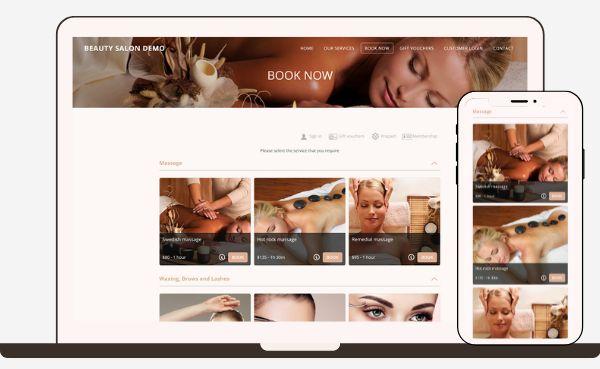
Politely redirect clients to your booking page rather than attempting manual scheduling through chat when they message you to schedule. This approach trains followers to use your automated system and saves administrative time while keeping schedules synchronized.
Display your phone number, email, and website prominently. Some clients prefer calling. Others want to browse your full website before committing. Accommodate different booking priorities.
Use professional photos
Visual quality determines whether someone stops scrolling or keeps moving. Professional photos make your practice look polished and trustworthy, though hiring a photographer isn’t always feasible.
Free stock photography sites offer high-quality images perfect for social media marketing for massage therapists. Think about these resources:
- Unsplash: Huge collection of modern, lifestyle-friendly photos including wellness and spa-themed imagery
- Pexels: Free photos and videos searchable by theme like massage, relaxation, or self-care
- Kaboompics: Stylish lifestyle photos including wellness, interior, and spa vibes
- Noun Project: Extensive collection trusted by over 10 million marketers, designers, and business owners
- StockSnap: Large selection with handy search features for browsing
Use consistent imagery across platforms to build brand recognition. Photos of your studio help potential clients visualize the experience you offer, while portraits give your brand personality. Cohesive visuals create professionalism and reliability that draw people in.
Write a compelling bio
Your bio introduces you to potential clients and determines whether they book with you or move on. A well-laid-out professional bio helps you stand out by letting clients get to know who you are.
Include your name, business name, and notable certifications or licenses. Add a brief description covering your qualifications, training, relevant experience, and specialized skills. Highlight your personality and express commitment to your profession.
Avoid jargon and overly complex descriptions. Simple, clear bios involve potential clients rather than overwhelming them. Talk directly to your audience using language that strikes a chord. Share a bit about your passions or why you love what you do.

End with a call-to-action that invites readers to book an appointment or contact you with questions. This friendly nudge prompts them to take the next step. Make it brief but compelling enough that your target market says, “This is the therapist for me”.
Enable messaging features
Clients want immediate responses to questions about availability, pricing, and services. Messaging features help these conversations.
Turn on messaging in your profile settings for Facebook and Instagram. Customers are waiting to chat with your business through these tools. Set up auto-replies to acknowledge messages received outside business hours. This minimizes the risk of missing potential clients who contact your page.
Meta expanded business messaging options as messaging usage continues growing. You can now add a WhatsApp button to your Google Business Profile and enable prospective customers to contact you via WhatsApp directly from Google Search and Google Maps. Businesses can also send one-time passwords and verification codes to customers on WhatsApp.
Respond quickly to inquiries. Potential clients often message multiple therapists at once. First responders frequently win the booking.
Types of content that attract massage therapy clients
Content creation separates successful social media marketing for massage therapists from abandoned profiles. The right mix of posts keeps followers engaged and converts scrollers into clients.
Educational posts about massage benefits
Educational content establishes your expertise and builds trust with potential clients. You can reinforce that your massage practice is reputable when you showcase your credentials and knowledge. Share insights on massage techniques and their benefits, and explain how they improve well-being overall.
Massage therapy offers various health benefits that include helping to treat illnesses, reducing pain from injuries, and decreasing stress levels. Specific benefits include easing lower-back pain, improving range of motion, reducing medication dependence, and enhancing immunity by stimulating lymph flow. Massage lowers cortisol levels significantly while boosting serotonin and dopamine, which creates a hormonal change that improves mood and eases anxiety.

Short videos that demonstrate techniques or infographics explaining how massage boosts circulation work well. To cite an instance, you might post about Swedish versus Thai massage differences or explain benefits of cupping and aromatherapy. Keep content simple and informative. YouTube works especially well for guided walkthroughs of techniques while you reinforce your knowledge through detailed discussion of what you’re doing and why.
Behind-the-scenes content
Behind-the-scenes moments build trust and authenticity. Share glimpses into your daily routine, like setting up your treatment space or the products you use. A before-and-after setup of your treatment area showcases professionalism.
Content that provides a behind-the-scenes look at the day-to-day of being a massage therapist or shows how you keep your space comfortable for clients works well. TikTok’s “come to work with me” format works very well for this purpose. One creator used this popular format to show how she takes care of clients, with details like personal hygiene and sanitizing between clients that reinforced she’s a trustworthy massage therapist.
Social media posts featuring details about staff members help build trust with potential clients and promote the services you offer. Discuss experience levels and therapeutic approaches so viewers know what types of massage to book.
Client testimonials and success stories
Success stories boost your credibility a lot. Clients experience pain relief or improved mobility, and capturing these moments (with consent) helps build trust and emphasizes your expertise. Client testimonials and positive reviews provide validation that influences booking decisions.
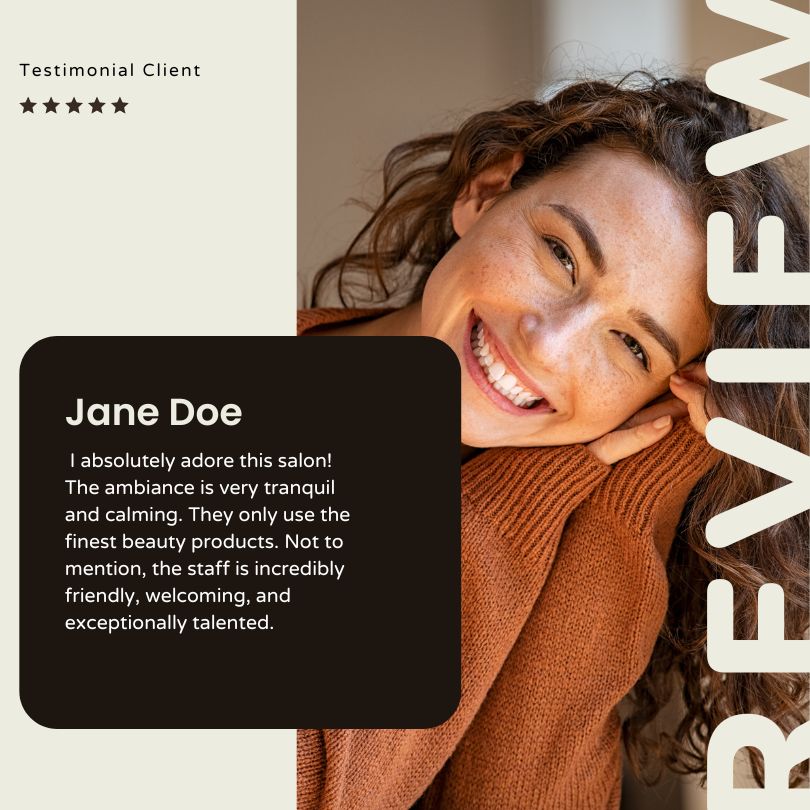
Ask satisfied clients to leave reviews on platforms like Google, Yelp, or Facebook. Share glowing testimonials in your social media posts. The key to good testimonials is specific pain points and outcomes rather than generic words of praise.
Special offers and promotions
Promotional posts attract new clients and fill appointment gaps. Muscle Masters created a well-laid-out flash sale post that was appealing and included all necessary details: price, duration, and type of massage. Language like “flash sale” and “limited time” sparks urgency, which can lead to more bookings.
Offer exclusive promotions on social media to keep your audience engaged. Try discounts for first-time clients or seasonal specials. Urgency with phrases like “Only this week!” boosts conversions.
Wellness tips and self-care advice
Wellness tips position you as a knowledgeable resource. Share simple advice on stretches, hydration, or self-care techniques that support well-being overall. Writing about wellness topics brings consistent search traffic and builds authority in the field.
Offer tips for maintaining muscle health at home or share insights on massage benefits for common issues. Benefits of deep breathing or proper posture position you as a trusted wellness expert and keep your audience coming back for more.
How to create a social media posting schedule
Posting randomly when you remember won’t build a following. Social media marketing for a massage business needs consistency to get results. A systematic approach saves time and increases engagement.
Determine posting frequency per platform
Most massage therapists find two to four times per week on your primary platform is a sustainable rhythm. Consistency matters much more than frequency. Posting three times a week for a year beats posting daily for two months and then disappearing.
Start with one or two posts per week on each social media platform you choose. Give yourself enough time to create these posts and engage your audience’s comments and messages. Small businesses achieve the best results by posting 3-5 times per week on primary platforms like Instagram and TikTok. This maintains visibility without overwhelming the audience.
Facebook and LinkedIn perform best with 1-2 daily updates. They provide a steady stream of professional insights and community news. A consistent schedule gets 5x more engagement than sporadic high-volume posting. Algorithms reward a steady activity pattern.
Use content batching to save time
Content batching allows owners to create a full week of posts in just two hours. This protects mental health and brand reputation. 70% of business owners report feeling burnt out by content creation. This fatigue leads to long breaks, which can be devastating. 63% of those who take extended breaks see much of a drop in reach.
Spend two hours on a Monday creating the entire week’s schedule. Create multiple pieces of content at once to make it easier to post on a consistent schedule. Batching prevents the cycle of posting five times one day and disappearing for three weeks.
Best times to post for massage businesses
Mid-morning hours (9:00 AM to 11:00 AM) on weekdays are the peak for engagement. Timing is industry-specific, though. A restaurant in Miami might find 4:00 PM on a Friday to be their golden hour.
Small businesses should use their own platform analytics to see when their followers are most active. Commit to executing your plan for a set period before re-evaluating. We recommend testing for about three months before making any changes. This gives you time to build trust and help the social media platform’s algorithm learn more about your content.
Tools to schedule posts in advance
Social media scheduling tools streamline repetitive tasks and provide users more time for content creation and up-to-the-minute engagement. Apps like Hootsuite or Metricool help you schedule posts and monitor activity across all your social media channels.
Common social media mistakes to avoid
Mistakes on social media cost you clients before they even contact you. Avoid these common errors to keep your marketing for massage therapists effective and prevent wasted effort.
Inconsistent posting
Inconsistent posting changes how your brand feels. Your audience sees a brand that appears reactive rather than dependable when the feed goes quiet for weeks and then suddenly becomes active again. This weakens the trust layer social media is supposed to support.
Social media platforms reward regular activity. The platforms see your account as inactive and stop sharing your content with your followers when you don’t post regularly. So your audience forgets about you. A social media profile that was updated months ago doesn’t inspire confidence in viewers. They might think your business isn’t operating anymore.
Post three times in one week, then disappear for a month, and you send mixed signals. People trust brands that show up regularly. The feed is often part of the trust layer for service businesses. People look at it to judge whether your business feels active, current, and credible.
Comments and messages you ignore
A robust strategy goes beyond creating engaging massage therapy social media posts. You also need to set aside time to respond to comments and direct messages from potential clients. Fail to respond quickly, and you look unresponsive and unprofessional, which results in lost bookings.
Respond to negative comments within 24 hours whenever possible. Swift and courteous responses demonstrate your commitment to customer feedback and positive experiences. Removing negative comments and you convey your unwillingness to listen to customer feedback and attempt to hide the truth.
Comments and messages you ignore on social media can destroy trust and opportunity. Quick, thoughtful responses show potential clients you value their business.
Poor quality images
The main reason to avoid poor quality images is that they could harm your reputation. Low-quality images could give potential customers the wrong impression about the quality of the services you provide. Also, 67% of consumers say that the quality of a product image is very important in selecting and purchasing the product.
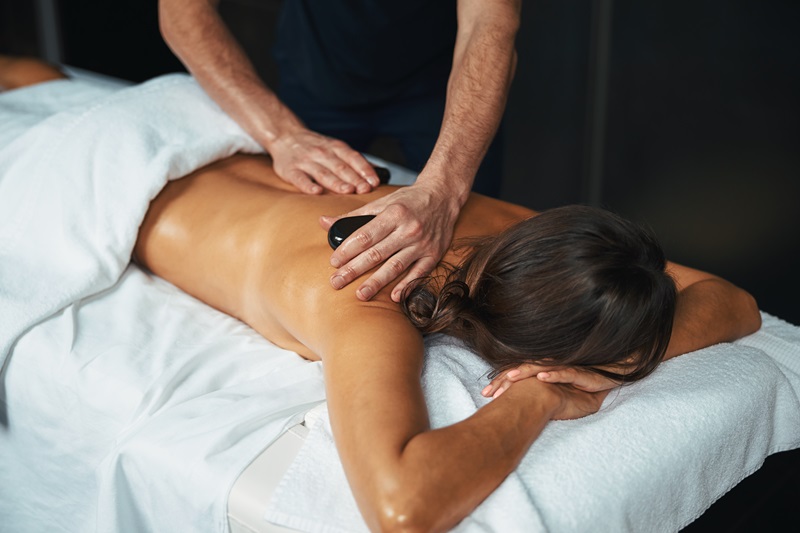
Poor-quality images usually have these characteristics: blurry or pixelated, poorly lit, distracting background elements, unclear main subject. These images can negatively affect user experience. Use a low-quality image, and you can negatively affect your sales.
Too much sales focus
Balance promotional content with educational and valuable posts. Followers tire quickly of constant sales pitches. Mix offers with wellness tips, educational content, and behind-the-scenes glimpses.
Results you don’t track
Your social media campaign won’t be worth your time and effort if you aren’t sure it’s working. Measuring ROI helps you determine which platforms are generating the most bookings and driving the most revenue. This informs where you should allocate your time and effort.
How to turn social media followers into paying clients
Followers don’t become clients on their own. You need strategic actions that remove friction and encourage immediate booking decisions to convert social media audiences into booked appointments.
Make booking easy with direct links
Add your Bookeo’s massage scheduling software to your Google Business profile, Instagram bio, Facebook page, and website homepage. Clients can book and pay for appointments online or via your social media profiles 24/7.
Use call-to-action buttons
Text-based CTAs can boost conversion rates by 120%. Use action verbs like ‘Book Now,’ ‘Schedule Today,’ or ‘Get Relief’ that prompt engagement right away. Match the CTA on creative and landing pages to reinforce intent.
Respond quickly to questions
Try to respond to questions within 24 hours or sooner. Quick responses demonstrate professionalism and respect for client time. Set up auto-replies to acknowledge messages received outside business hours.
Run targeted promotions
Social media ads allow targeting by age, gender, location, and interests. A/B testing provides feedback on which offers convert best instantly.
Track conversion from each platform
Use UTM parameters on links to track which social posts drive bookings. Install platform tracking pixels to connect website actions back to social ads.
Measuring your social media marketing success
Numbers tell the real story of your social media marketing for massage therapists. You’re guessing whether your efforts bring results if you don’t measure them.
Track engagement rates
Engagement rate shows how your audience interacts with content. Calculate it by dividing total interactions (likes, comments, shares) by total followers or reach. Platforms like Facebook, Instagram, and LinkedIn provide native engagement metrics within their analytics dashboards. Higher engagement signals that content appeals to your audience and earns attention rather than consuming space.
Monitor booking conversions
Track how many social media visitors book appointments. Add UTM parameters to your links and monitor conversions through site analytics to highlight posts that propel bookings. A massage therapy center in Alexandria tested an influencer strategy and reached 15,884 accounts over six months. Strategic collaboration posts got 812% higher reach than standard posts, with 80% coming from non-followers. The client reported being so booked that she hired additional therapists.
Review follower growth
Track both absolute follower growth and your audience growth rate. Over six months, the Alexandria center grew its follower base by over 20%, with followers matching their exact target demographic. Profile visits spiked to 2,820 during this period, a sign that indicates genuine interest.
Analyze which content performs best
Review which topics and formats appeal most to your audience. Look for patterns rather than fixating on individual posts.
Adjust your strategy based on evidence
Use performance evidence to refine your approach. If certain post times or formats outperform others, incorporate these insights into future strategies.
Conclusion
Social media marketing for a massage business delivers real results when you apply the right strategies. Consistency matters more than perfection. Start with one or two platforms where your clients already spend time and post valuable content on a regular basis. Track what drives bookings.
You don’t need expensive equipment or a marketing degree. Your smartphone, authentic personality, and commitment to showing up regularly are enough. Focus on making booking frictionless through direct links and quick responses.
The massage therapists winning clients through social media aren’t doing anything complicated. They implement what you’ve learned here. Pick your platform, set up your profile the right way, and start posting. Your next client is scrolling right now.