
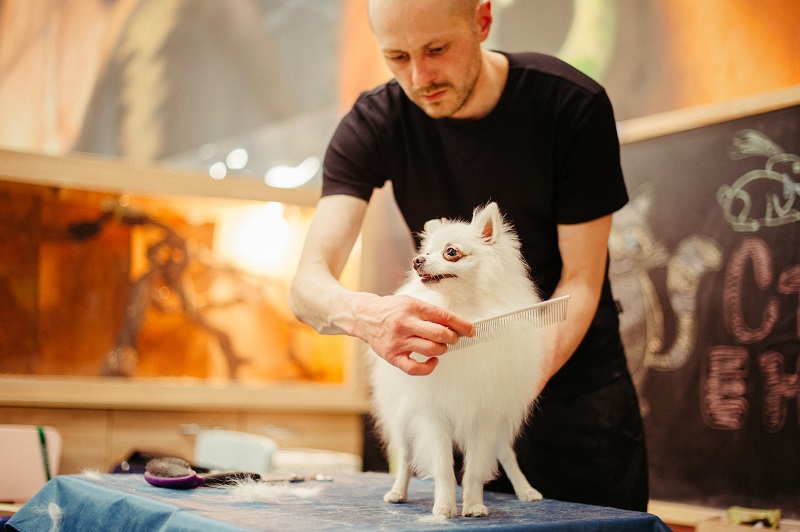
How to Start a Dog Grooming Business: A Complete Guide
The pet grooming industry isn’t just growing, it’s booming. According to the American Pet Products Association, U.S. pet owners spent billions on grooming and boarding services in the past five years alone. As more people treat their pets like family, the demand for high-quality, trustworthy grooming services is rising faster than ever.
But behind the numbers is something more personal. It’s the sigh of relief from a dog owner who finally finds someone gentle enough to handle their anxious pup. It’s the transformation of a shaggy rescue into a clean, confident companion. It’s the trust you build with every wagging tail that steps through your door.
If you’ve ever thought, “I love dogs, I wonder if I could make a living helping them look and feel their best,” this guide is for you.
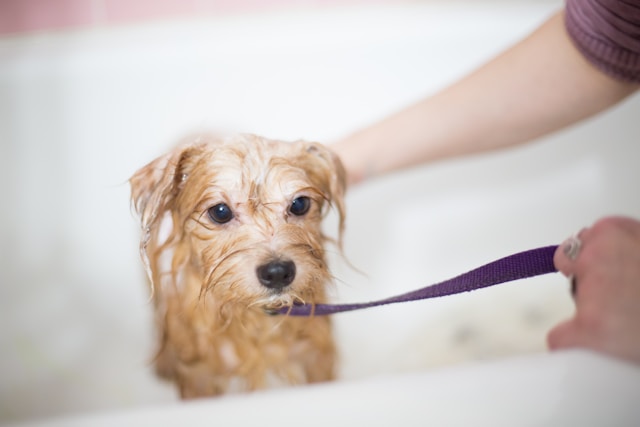
Whether you picture a cozy home setup, a high-traffic salon, or a fully equipped mobile van, starting a dog grooming business is more than a cute idea, it’s a serious opportunity. But like any business, it comes with its own roadmap. Legal steps, tools, certifications, pricing, marketing, it’s all manageable once you break it down.
That’s what we’re here to do.
In this complete guide, we’ll walk through each step of how to start a dog grooming business (or pet grooming business) in a way that’s easy to follow, whether you’re starting from scratch or looking to turn your side hustle into something bigger.
We’ll help you:
- Understand what makes this industry so resilient
- Get the right skills and licenses
- Choose the best business model for your lifestyle
- Build out your grooming space
- Attract loyal, happy clients, two-legged and four-legged alike
Ready to get started? Good. Because the world doesn’t need more groomers. It needs great ones.
Step 1: Understand the Pet Grooming Industry
Before you buy your first pair of clippers or design a logo, you need to understand what kind of opportunity you’re stepping into. And make no mistake, this is a real, thriving industry.
Pet grooming isn’t some quirky side hustle. It’s part of a booming $140+ billion pet care market in the U.S., and it keeps growing every year. Why? Because pets have become more than just animals, they’re part of the family. And just like we care about our own hygiene and appearance, more people now prioritize grooming as part of their dog’s well-being.

But grooming isn’t just about vanity. Regular grooming improves a pet’s health by preventing matting, checking for parasites, keeping nails in check, and catching early signs of skin issues. For elderly dogs or breeds with special needs, it’s even more essential.
And that’s exactly why your services can matter so much. You’re not just trimming fur, you’re helping people take better care of someone they love.
Grooming Is No Longer a Luxury
In the past, pet grooming might’ve been seen as a splurge. Now, it’s a basic routine for millions of pet owners. And that shift has opened the door for entrepreneurs who love animals and want to make a meaningful living helping them.
You’re not just entering a business, you’re entering a community. Pet parents are passionate. If they find someone who’s reliable, kind, and consistent, they’ll stick with you for years. Even better? They’ll tell their friends.
So Who Needs a Groomer?
Practically every dog. From fluffy doodles to short-haired rescues, almost every breed benefits from regular grooming. Add to that the explosion of designer breeds (think Goldendoodles, Pomskies, Frenchies) that require high-maintenance coats, and the demand only keeps rising.
And don’t forget about cats or small animals like rabbits. Some groomers build entire businesses on offering cat grooming services in areas where it’s rare.
Niche Possibilities
This industry is wide enough that you can carve out a path that suits your style. You could specialize in:
- Mobile grooming: For busy professionals or elderly pet owners
- Anxiety-friendly grooming: Working with rescues or dogs with trauma
- Luxury spa grooming: High-end treatments like blueberry facials or pawdicures
- Breed-specific styling: For show dogs or owners who want that picture-perfect finish
Every niche has its own kind of client, and once you find your lane, your marketing and brand identity become much easier to shape.
What Makes a Grooming Business Stand Out?
It’s not just about the haircut. It’s about the experience. The way you welcome nervous dogs. The extra care you give when a senior pup needs a little more time. The clean, calm environment. The text updates. The photo you send after the groom that makes the owner smile.
When you understand that you’re not just offering a service but a sense of trust and comfort, then you’ve grasped what this business is really about.
Step 2: Gain the Right Skills and Certifications
You don’t need a veterinary degree or years of corporate experience to start a pet grooming business, but you do need the right skills. Grooming isn’t just about brushing fur and trimming nails. It’s hands-on, physical work that blends technique, patience, and a genuine connection with animals. And if you’re serious about building a trusted, professional business, training is the first real step.
Learn the Craft, Properly
Yes, some groomers are self-taught. But the best ones? They invest time in learning the fundamentals before ever touching a pair of shears.

You can start by enrolling in:
- Pet grooming schools – These are hands-on programs that usually last a few months. You’ll learn everything from breed-specific haircuts to safety handling and basic pet first aid.
- Online grooming courses – If you’re juggling a full-time job, there are reputable online courses that combine video lessons with guided practice.
- Apprenticeships – Working under an experienced groomer is one of the most valuable ways to learn. You’ll see how to handle difficult pets, how to deal with clients, and what a day in the business really looks like.
It’s not about checking a box. It’s about building confidence. When you know what you’re doing, pets can feel it, and so can their owners.
Core Skills You’ll Need
Some of the most essential grooming techniques include:
- Bathing and drying correctly for different coat types
- Brushing and dematting without hurting the animal
- Clipping nails safely and efficiently
- Cleaning ears and eyes
- Performing breed-standard cuts and trims
- Reading animal behavior and adjusting your approach accordingly
You’ll also need to master the art of staying calm under pressure. Some pets are angels. Others will test your patience every minute. Your ability to stay composed and keep the dog safe, even if they’re scared or squirming, is part of what separates a hobbyist from a pro.
Optional But Powerful Certifications
Although not legally required in most places, having an official certification instantly builds trust with new clients. It shows that you’ve put in the work and that your business is serious about quality and care.
Top certifying organizations include:
- NDGAA (National Dog Groomers Association of America)
- IPG (International Professional Groomers, Inc.)
- AKC S.A.F.E. Groomer Program
These programs cover everything from grooming standards to sanitation, skin care, and pet CPR. You can often study and test at your own pace.
What About Licensing?
Licensing requirements vary by state and country, but it’s important to research early. While grooming itself often doesn’t require a license, operating a pet care business out of your home, salon, or vehicle may require local permits. We’ll cover that in more detail later, but it’s worth noting now.

Ultimately, the better you are at your craft, the more confidently you’ll market your services. Pet owners aren’t just hiring you to wash their dog, they’re trusting you with someone they love. And that trust starts with preparation.
Step 3: Choose Your Business Model
Starting a dog grooming business means making a few key decisions up front, and one of the most important is figuring out how you’ll actually offer your services. Will clients come to you? Will you go to them? Will you run everything from your garage, rent a storefront, or build a mobile grooming van from scratch?
Each business model has pros, cons, and costs. The best one for you depends on your budget, your schedule, and how you want to interact with your community.

Let’s break down the real-life options.
Brick-and-Mortar Grooming Salon
This is the traditional route. You lease or buy a space, outfit it with all your grooming tools, and clients bring their pets to you. It’s ideal if you want a consistent, professional environment and have the budget to cover rent and utilities.
Upsides:
- High visibility in a busy area can drive walk-in business
- More room for equipment, staff, or even retail shelves
- Easier to control your work environment
Challenges:
- Higher startup and monthly costs
- Requires zoning approval and possible remodeling
- You’ll need to build steady foot traffic
Brick-and-mortar salons work best in pet-friendly neighborhoods where people are used to taking their dogs to local service shops.
Mobile Grooming Van
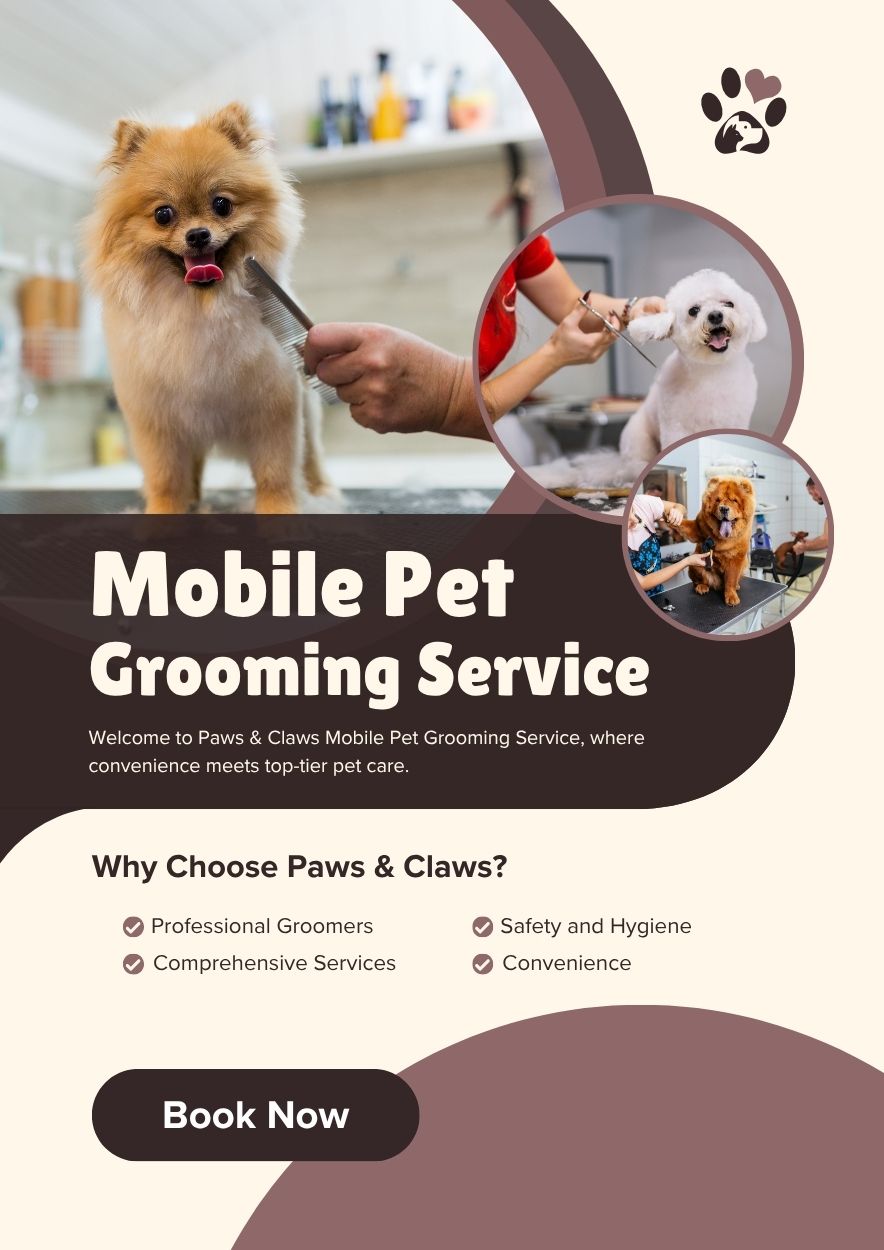
Mobile grooming is booming, especially in cities or suburbs where people don’t have time to visit a salon or where traffic is a nightmare. With a van or trailer, you bring the grooming station to the client’s doorstep.
Upsides:
- Ultimate convenience for busy pet parents
- Lower overhead (no rent or utilities)
- Less stress for dogs who don’t like travel or strangers
Challenges:
- High upfront cost to retrofit a van or trailer
- Ongoing maintenance, gas, and insurance
- Limited space, harder to groom large breeds or multiple pets
Mobile grooming can become very profitable once you have a loyal route and charge premium prices for convenience.
Home-Based Grooming
If you’re just starting out and want to test the waters, working from your own home, like a converted garage or basement, can be a smart move. It lowers costs and gives you control.
Upsides:
- Very low overhead
- Flexible schedule
- Comfortable, familiar environment for pets you already know
Challenges:
- Zoning restrictions in residential areas
- Limited capacity, may not scale easily
- Harder to gain walk-in traffic or new clients without marketing
This option is perfect for those who want to start part-time or side hustle while learning the ropes.
Which Model Fits You Best?
If you’re social and love the idea of building a community around your shop, a salon might be the way to go. If you’re a solo operator who likes independence and movement, mobile grooming offers flexibility and a solid niche. If you’re cautious with cash and want to build slowly, starting from home lets you dip your toes in.
There’s no one-size-fits-all answer. But making this decision early shapes everything that comes next, how you market, how you book, and how much you need to invest upfront.
Step 4: Handle Legal Requirements and Licensing
Once you’ve chosen your business model, it’s time to get legal. This step may not be the most exciting part of launching a grooming business, but it’s one of the most important. Setting things up the right way protects you, your clients, and your furry customers.

Whether you’re opening a home-based salon or hitting the road with a mobile van, here’s what you’ll need to consider.
Register Your Business
Start by choosing a name. Make sure it’s unique and easy to remember, bonus points if it’s catchy or playful.
Then, register your business as a legal entity:
- Sole proprietorship – Easy to start, but no separation between personal and business liability.
- LLC (Limited Liability Company) – Offers legal protection and flexibility. Popular among small grooming businesses.
- Corporation – Usually for larger operations or franchise models.
Each option has tax and liability implications, so it may help to consult a local small business advisor or accountant.
Check Local Licensing Laws
Grooming licenses aren’t always required, but business licenses usually are.
Depending on where you live, you may need:
- A general business license
- A home occupation permit (if working from home)
- A mobile vending license (if operating out of a van)
- Special health or safety inspections for facilities handling animals
Look up city, county, and state rules. Each jurisdiction is different.
Zoning and Location Rules
If you’re grooming from home or opening a salon, check with your city’s zoning department.
Some areas don’t allow home-based businesses to receive customers. Others may limit signage or operating hours.
For mobile groomers, confirm where you can legally park and work, some neighborhoods or commercial areas have strict regulations.
Get Insured
Even if you’re the most careful groomer in the world, accidents can happen.

Here are the basics:
- General liability insurance – Covers injuries or damages on your premises.
- Animal bailee insurance – Covers pets in your care if they’re hurt, lost, or stolen.
- Commercial auto insurance – Required for mobile groomers.
- Workers’ comp – Needed if you hire employees.
Pet owners trust you with their beloved companions. Insurance builds confidence, and protects you when the unexpected strikes.
Don’t Forget the Paperwork
Create basic documents like:
- Client intake forms
- Pet behavior questionnaires
- Service waivers
- Vaccination policy agreements
These help you screen pets before grooming and ensure clear communication with every customer.
Getting legal might feel overwhelming at first. But tackling this part early will save you stress, and set you up for long-term success.
Step 5: Set Up Your Grooming Space
Your workspace sets the tone for every client interaction, both human and canine. Whether you’re running a mobile setup, leasing a small salon, or working from home, the space should feel clean, safe, and welcoming.
You don’t need a Pinterest-perfect setup from day one. But you do need a space that’s efficient, hygienic, and easy to work in.
Plan the Layout
Think about how pets move through your space.
Ideally, you’ll want:
- A designated check-in area
- A bathing station
- A grooming table or two
- Storage for tools and cleaning supplies
- A drying area (towels, blow dryers, crates if needed)
- A waiting spot for early pickups or multi-dog homes
If you’re mobile, design your van or trailer layout for flow and accessibility. Every inch matters.
Must-Have Equipment
Some tools are essential from day one:
- Grooming table with adjustable height
- Bathtub or elevated tub with anti-slip mat
- Professional-grade clippers and scissors
- Nail grinders or clippers
- Brushes and combs for all coat types
- High-velocity dryer (cuts drying time safely)
- Ear and eye cleaning kits
- Towels, gloves, shampoo, and disinfectants
Look for quiet tools when possible, noise-sensitive dogs appreciate it.
Focus on Safety and Comfort
Safety comes first. Every surface should be non-slip and easy to clean. Cords should be secured and out of reach.
And for the dogs?
- Use harnesses or grooming loops for stability
- Offer non-slip mats inside tubs
- Keep the temperature cozy, especially for senior pets
- Separate grooming from waiting dogs to reduce anxiety
If your space is small, that’s fine. It just needs to be functional and stress-free.
Cleanliness Is Non-Negotiable
Pet parents notice when a grooming space smells like wet fur, or bleach. Daily cleaning keeps your space inviting and hygienic.

Clean between each dog:
- Sanitize the table and tools
- Disinfect the tub and dryer attachments
- Mop or vacuum fur from floors
- Wash towels and smocks
At the end of the day, deep clean shared areas and prep for tomorrow.
Add Personal Touches
Little details can make clients feel at ease:
- A welcome sign or scent diffuser
- A chalkboard with doggie names for the day
- A treat jar (with owner permission)
- Framed thank-you notes or reviews
These simple touches humanize your space, and make people want to come back.
Your grooming space doesn’t have to be perfect to start. But it should reflect your care, attention, and pride in your work.
Step 6: Price Your Services Strategically
Pricing your dog grooming services is about more than just covering costs, it’s about reflecting your value, staying competitive, and building a business that can grow over time. Too low, and you might struggle to profit. Too high, and you risk pushing away first-time clients. The goal is to find that sweet spot where quality meets accessibility.

There’s no one-size-fits-all formula, but there are clear steps you can follow to price with confidence.
Start With the Basics
Begin by listing your monthly expenses:
- Rent or van payments
- Equipment and supply costs
- Utilities
- Insurance
- Booking software
- Marketing and website
- Taxes and licenses
Then estimate how many dogs you realistically expect to groom per week. Divide your costs by the number of grooming sessions to calculate your break-even price. From there, you can build your profit margin.
Understand Your Market
Look at what other groomers in your area are charging. Visit their websites or call as a customer. Pay attention to:
- Base rates per breed or size
- Extra charges for matted fur or behavior issues
- Packages (bath + nails + ears)
- Add-on services like deshedding, paw balm, or creative styling
Don’t just copy prices, use them to see where you fit in.
Are you the premium, anxiety-free mobile groomer? The fast and affordable neighborhood option? Your price should reflect your positioning.
Offer Tiered Pricing
Most groomers structure prices by:
- Dog size – Small, medium, large, extra-large
- Coat type – Short, long, double-coated, curly
- Condition – Matted, dirty, flea treatment needed
You can also build bundles:
- Basic bath – Wash, dry, brush
- Full groom – Bath + haircut + nails + ears
- Puppy intro – First-time, shorter session to build comfort
This helps clients see the value behind each dollar, and choose what suits their needs.
Don’t Forget to Charge for Time and Expertise
Many new groomers underestimate how long a session takes. Factor in time for setup, cleaning, notes, and handling more difficult pets.
If a dog is anxious or aggressive, or has medical issues, that’s extra effort and risk. Be clear upfront that special handling may incur additional fees.
Transparency prevents awkward conversations later.
Offer Loyalty and Referral Perks
You don’t need to discount your work heavily, but small incentives can go a long way.
Try:
- A free nail trim after 5 full grooms
- 10% off for clients who refer a friend
- Birthday treats or holiday-themed grooms
This adds a personal touch and encourages long-term loyalty.
Update Your Prices With Confidence
As your skills improve or your waitlist grows, it’s okay to raise rates. Just notify clients in advance, thank them for their support, and remind them of the consistent care they receive.
People will pay more for someone they trust with their pets. What you’re offering isn’t just grooming, it’s peace of mind.
Step 7: Offer an Easy Booking Experience
No matter how great your grooms are, if clients struggle to book an appointment, you’ll lose business. Pet owners are often busy, and they want a simple, smooth way to schedule services, without playing phone tag or waiting on email replies.
That’s why your pet grooming booking system isn’t just a tech detail, it’s part of your customer experience.
Choose the Right Booking Platform
A professional booking system helps you manage:
- Appointments and availability
- Client contact details
- Pet profiles and grooming history
- Payments and deposits
- Automated reminders
Choose an online appointment scheduling platform like Bookeo that offers integrations with websites, social media, and payment processors.
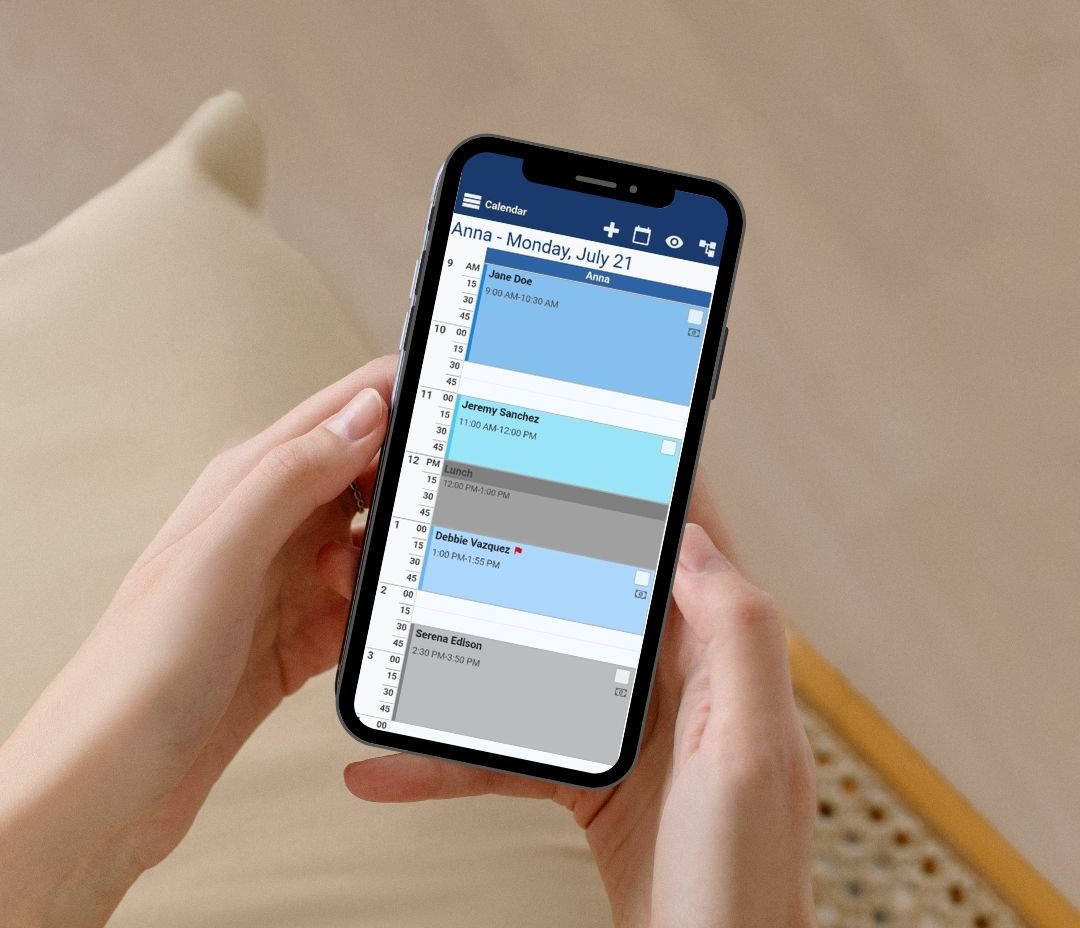
Look for features like:
- Mobile-friendly access
- Customizable time slots
- Optional pre-payment or deposit collection
- Text or email reminders
- Customer self-service for rescheduling
This saves you time, and gives your clients more control and clarity.
Make It Foolproof for Clients
Your booking page should be:
- Easy to find (linked on your website, Google profile, and social media)
- Simple to navigate (no clutter or confusing steps)
- Clear about services (with brief descriptions and pricing)
- Flexible (allow multiple pet bookings, if possible)
Add a FAQ section or note about what to bring (like proof of vaccines or favorite treats), so new clients know what to expect.
Automate Reminders and Confirmations
Missed appointments cost time and money. Automated texts or emails help reduce no-shows by reminding clients 24–48 hours in advance.
You can also send:
- Booking confirmations with time, location, and any prep notes
- Post-groom thank-yous or review requests
- Rebooking prompts every 6–8 weeks
The more streamlined your system, the more clients will trust that you’re reliable, and keep coming back.
Keep a Personal Touch
Even with automation, you can still feel human. Add custom messages like:
- “Thanks for booking with Paws & Shine!”
- “Excited to see Bella again, her tail wags made our day last time!”
These tiny touches build warmth, even through a screen.
Offer Multiple Ways to Reach You
Some pet parents still prefer to text or call. Have a dedicated business line, and set up voicemail that sounds friendly and professional. You can also add a contact form to your site for detailed questions.
Keep It Updated
If you’re away, booked up, or pausing services, update your calendar and leave a note. Few things are more frustrating than trying to book an “available” spot only to get declined after.
In the grooming business, reliability builds reputation. And an easy, polished booking experience makes you stand out from the start.
Step 8: Build a Brand That Pet Owners Trust
Grooming isn’t just about technique, it’s about connection. When pet parents hand over their dog, they’re handing you someone they love. That means your brand needs to feel trustworthy, consistent, and full of care.

Your brand is more than a logo or a cute name. It’s the impression you leave on people, from the first click to the last tail wag.
Pick a Name That Sticks
Start with a name that:
- Reflects your personality or values
- Is easy to say, spell, and remember
- Feels welcoming to pet parents
Great examples include names like “Wag & Wash,” “The Gentle Groomer,” or “Fur-Ever Fresh.” Avoid overly generic names or ones that sound too corporate, this is a relationship business.
Create a Visual Identity
A basic brand kit goes a long way:
- Logo (keep it simple and recognizable)
- Color palette (calming tones or playful brights)
- Fonts (clear and friendly, especially for mobile)
- Imagery (real pets you’ve groomed, not just stock photos)
Consistency across your website, social media, and print materials helps people remember you.
Develop a Voice That Feels Human
How you write and speak matters. Your tone should reflect how you want clients to feel:
- Warm
- Reassuring
- Playful or professional (depending on your brand vibe)
Instead of saying, “We provide pet grooming services,” say, “We help your pup look and feel their best, with plenty of belly rubs along the way.”
Build Trust With Transparency
Share your story. Let people know why you love what you do. Talk about your training, your values, and how you handle nervous pets. If you’re a one-person shop, say so. If you run a team, introduce them.
Transparency builds loyalty.
Collect and Show Reviews
Social proof matters, especially in pet care.
Ask happy clients for feedback, and feature it on:
- Your website
- Google Business profile
- Social media posts
- Brochures or flyers

Even a quick quote like “Bailey came home happy and looking amazing!” makes a big difference.
Be Active Online, but Genuinely
Use platforms like Instagram, Facebook, or TikTok to show behind-the-scenes clips, transformation videos, and tips for pet care between grooms.
You don’t need to post daily. Just show up consistently, and make sure your posts feel personal, not like ads.
Be the Brand Pet Parents Remember
When your brand feels human, warm, and reliable, people don’t just remember you, they recommend you. And in the grooming world, referrals are everything.
Your brand is the bridge between your passion and their trust. Build it with care.
Step 9: Market Your Business Locally and Online
You’ve got the skills. You’ve got the space. Now it’s time to let the world know you’re open for business. Marketing your dog grooming business isn’t about flashy ads or big budgets, it’s about connecting with the people (and pups) in your community who need your services.

Let’s look at how to get your name out there in a way that feels natural, human, and effective.
Start With Your Inner Circle
Some of your first clients will come from people you already know. Don’t be shy, reach out to:
- Friends and family
- Neighbors
- Fellow pet parents at the park
- Local vet techs or pet store clerks
Offer a “soft opening” discount or a referral bonus for anyone who sends a client your way.
Word of mouth spreads fast, especially in dog-loving neighborhoods.
Claim Your Online Listings
Make sure people can find you when they search “dog groomer near me.” Claim and update:
- Google Business Profile
- Yelp
- Bing Places
- Local pet directories
Add clear contact info, photos, your booking link, and reviews. The more complete your profile, the more likely people will choose you.
Launch a Clean, Friendly Website
Even if most bookings happen through social media or word-of-mouth, your website should:
- Explain what services you offer
- Showcase pricing (or a price range)
- Include real testimonials
- Feature your booking link
- Work well on mobile
A simple, professional site makes your business feel real, and trustworthy.
Use Social Media With Purpose
You don’t need to go viral. You just need to be visible.
Use Instagram or Facebook to share:
- Before-and-after grooms
- Happy client shoutouts
- Pet care tips
- Behind-the-scenes clips

Make your captions warm and conversational. Ask your followers to tag friends, share their own photos, or comment with their dog’s name.
Collaborate With Local Pet Businesses
Partnerships can take you far. Consider:
- Leaving flyers at vet clinics or pet shops
- Teaming up with dog walkers or pet sitters
- Sponsoring a booth at a local dog park or adoption event
- Offering discounts to employees of nearby businesses
The more local you go, the more trust you build.
Run Simple Promotions to Start
In the early months, try:
- A “First Groom Free Nail Trim” offer
- Loyalty cards (e.g., 5 grooms = 1 free bath)
- Seasonal packages (Back-to-School Baths, Holiday Freshen-Ups)
- Giveaways on social media
People love deals, especially when they feel exclusive or limited-time.
Be Consistent and Patient
Marketing doesn’t always bring overnight results. But showing up regularly, online and in your community, builds trust over time.
When people think “dog grooming,” you want your name to pop into their head.
Wrapping Up
Starting a dog grooming business isn’t just about loving animals, it’s about showing up with consistency, care, and a clear plan. Once your doors are open and your first few furry clients have wagged out looking fresh, the real journey begins.
Here’s how to stay grounded and grow:
Never Stop Learning
Stay up to date on grooming techniques, breed-specific needs, and pet safety. Attend workshops, follow industry pros online, and consider getting certified if you haven’t already.
Listen to Feedback
Happy clients will tell their friends. Unhappy ones might not say anything until they leave. Encourage honest reviews, learn from them, and adapt quickly.
Maintain Your Equipment
Sharp tools, clean dryers, and safe workstations aren’t optional; they’re essential. Build regular maintenance into your routine.
Set Boundaries
It’s easy to say yes to every request when you’re new. But overbooking or undercharging will burn you out fast. Protect your time and energy early on.
Celebrate Small Wins
That glowing review? That anxious rescue dog who finally let you trim their nails? Those moments matter. They’re proof that you’re doing something right.
This business grows with heart. If you lead with care, the clients and their wagging tails will follow.