Dance Studios SEO: Why Your Studio Isn’t Showing Up on Google (And How to Fix It)
Dance studios SEO might sound technical, but here’s what matters: 71% of clicks on Google search results occur on the first page. Parents searching for local dance classes won’t find your studio if it doesn’t show up. You’re losing students to competitors. A strong online presence is no longer optional for dance studios. This piece breaks down why your studio isn’t ranking and provides applicable fixes for your website and Google My Business profile. You’ll find out how SEO for a dance studio can revolutionize your visibility and help you reach more students in your community.
Your Google My Business Profile Isn’t Set Up Correctly
Your Google Business Profile often determines whether parents find your studio or scroll past it. This free tool appears prominently when someone searches for dance classes in your area. It displays your contact information, hours, photos, and reviews before they even click through to your website.
Missing or Incomplete Business Information
Incomplete profiles rank noticeably worse than fully completed ones. Google prioritizes businesses that provide detailed information because it helps users make informed decisions quickly.
You need every field filled out in your profile. Start with your main phone number, but you can add up to two additional numbers. Your full website URL should have “https://” or “https://”. Set your business hours accurately and use the special hours feature for holidays or temporary schedule changes.
The description field gives you 750 characters to explain what makes your studio special. Focus on what you offer, how long you’ve been in business, and what sets you apart from other studios. Skip the promotional language and URLs, which Google discourages.
Attributes matter more than most studio owners realize. These tags tell potential students about amenities like Wi-Fi, parking availability or wheelchair accessibility. Photos deserve particular attention. Images updated regularly signal to Google that you’re an active business. Parents want to visualize your space, see your instructors, and get a feel for your community before visiting.
No Reviews or Outdated Reviews
Reviews function as both a trust signal and a ranking factor. Research shows 93% of consumers read reviews before choosing a local service provider. The effect on click-through rates is substantial: listings with 4.8+ stars get clicked 3-4x more often than those with 4.0 stars.
Review count and velocity directly influence your Map Pack rankings. The measure for dance studios that have been around is 100+ reviews at 4.8+ stars within 12 months. Studios that hit this target consistently dominate their local Map Pack and generate 2-3x the organic call volume of competitors with fewer or lower-rated reviews.
You need a systematic approach to get reviews. Create a direct review link that takes people straight to your review form with one tap. Text this link to students after their classes. Provide a simple template that has relevant keywords and your city location. For example: “My [AGE] year old has been attending [STUDIO NAME] in [CITY] for [TIME PERIOD]”.
Responding to reviews matters just as much as collecting them. Businesses that respond to reviews are 1.7x more trustworthy to consumers than those that don’t. Reply to both positive and negative feedback. This shows you value input and care about your community.
Pace your review requests carefully. Getting 20 reviews in one day sends red flags to Google, which monitors for fake review patterns. You want 1-3 reviews per day, maximum.
Lack of Regular Updates and Posts
Your Google Business Profile isn’t a set-it-and-forget-it tool. Weekly posts keep your profile active and signal recency to Google’s ranking algorithm. Studios that post regularly see better visibility in local searches.
Posts should highlight promotions, events, or new classes that excite potential students. Use keywords combined with your location in every post, just like you would on social media. This helps you rank higher in searches.
High-quality photos should go with each post. Google favors visual content, and images build trust with parents researching studios. Photos of recent recitals, new choreography, or instructor spotlights keep your profile fresh and engaging.
Monthly updates at a minimum help maintain your profile’s performance. Answer questions in the Q&A section, add new photos, and share what’s happening at your studio. These activities demonstrate to Google that you’re managing your business actively, which improves your local search rankings and helps your dance studio marketing efforts gain traction.
Your Website Isn’t Optimized for Local Search
Local search optimization separates studios that attract consistent student inquiries from those that remain invisible online. More than 60% of searches now happen on mobile devices. Parents pull out their phones during commutes, lunch breaks, or school pickups to search for nearby dance classes. Your website needs to speak their language and match their location.
Missing Location Keywords on Key Pages
Location-specific keywords bridge the gap between your studio and families searching in your area. Terms like “dance classes in [Your City]” or “ballet lessons near me” signal search engines to present your studio as a top option to locals.

You need strategic placement to weave these geographical identifiers into your content. Your titles, meta descriptions, and body content all need location-based language. The About page is a perfect chance to mention that you’re bringing contemporary dance to a specific neighborhood or serving as your city’s premier ballroom studio.
Page titles deserve particular attention. Look at what appears in your browser bar for each page. Does it include keywords people search for? Terms like “dance studio,” your city name, and specific class types should appear in these titles. Your content needs these same elements woven throughout.
Keyword research reveals what parents type into search boxes. Someone searching “dance lessons in Miami” sees different results than someone typing “dance studio in Miami” or “dance classes in Miami”. They seek the same service, but Google responds to the exact phrases entered. Use tools to identify these variations and get a full picture, then incorporate them across your site.
Natural integration is what matters. Avoid paragraphs that list keywords like “hip hop, dance studio, ballet, dance lessons, dance classes”. Work these terms into genuine sentences that inform and involve readers.
No Local Content or Community Connection
Your website should reflect active participation in your community. Content highlighting local landmarks or events makes your studio more relatable. Parents want to know you’re woven into the fabric of their neighborhood, not just another generic dance school.
You need to go beyond mentioning your location to create this connection. Discuss partnerships with local schools, participation in community events, or sponsorships of neighborhood activities. This approach strengthens your relevance in local search queries.
Your address, phone number, and email need prominent placement. Visitors shouldn’t hunt for contact information. Embedding a Google Map showing your exact location helps both visitors and search engines understand where you operate.
Schema markup adds another layer of local relevance. This technical code helps search engines understand your content better. Local business schema highlights class times, locations, and reviews. The implementation requires some technical knowledge, but the SEO benefits make it worthwhile.
NAP consistency (name, address, phone) across all platforms strengthens your local rankings. Your studio’s information should appear the same on your website, social media profiles, directories, and any other online listings. Inconsistencies confuse search engines and damage your credibility.
Weak Meta Titles and Descriptions
Meta titles and descriptions act as your website’s first impression in search results. These elements not only improve rankings but also determine whether someone clicks through to your site.
Craft concise titles that reflect page content and include relevant keywords. Each page deserves its own unique title. Your homepage might target “Dance Studio in [City],” whereas your hip hop class page should specify “Hip Hop Dance Classes in [City]”.
Meta descriptions provide 160 characters to convince searchers to visit your site. Write compelling copy that integrates targeted keywords. Describe what makes that specific page valuable. Focus on benefits rather than generic promotional language.
Click-through rates improve when these elements work together. A well-optimized title paired with an engaging description stands out among competing search results. Parents scanning options will choose listings that communicate relevant information.
Individual page optimization creates multiple entry points for potential students. Each class page, instructor bio, and service description should target specific search queries. This strategy positions your studio to capture traffic from various search angles and strengthens your dance studio’s SEO performance while expanding your reach in local markets.
Your Website Has Technical SEO Issues
Technical problems lurk beneath the surface of many dance studio websites and sabotage search rankings without warning. Parents click away before your site even loads. Google penalizes slow, clunky websites. These invisible barriers cost you students, every single day.
Slow Loading Speed
Speed matters more than most studio owners realize. Studies show that 34.54% of websites struggle with low page loading speeds. Users who wait for slow pages often abandon them and visit competitor sites instead. Page load speed functions as a Google ranking factor and forms part of Core Web Vitals.
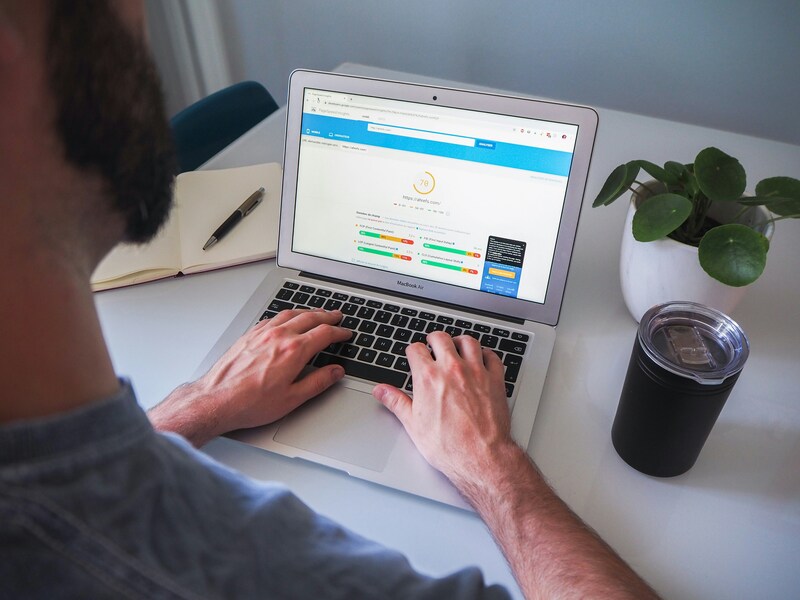
The Largest Contentful Paint (LCP) measures how fast your primary content loads. This metric examines how fast your largest images, text blocks, and videos become visible to visitors. Google aims for LCP under 2.5 seconds, though research reveals this target proves challenging for many sites. 26.89% of websites exceed 2.5 seconds in lab testing, while 9.46% surpass this threshold in real-world conditions.
Cumulative Layout Shift (CLS) tracks how long your page takes to stabilize. Fresh content loading slower than other elements causes layouts to jump around. The goal stays at 0.1 or less. Current data shows 18.27% of websites exceed this value in lab environments, and 9.03% cross this line in actual usage.
High-resolution images and videos weigh down your site. Compressing media files while maintaining quality accelerates load times. Modern formats like WebP for images and MP4 for videos retain visual appeal while minimizing file sizes. To cite an instance, resizing a 3000-pixel photo to the actual 640-pixel display size prevents unnecessary bulk.
JavaScript creates another bottleneck. Problems occur when files remain unminified (50.21% of sites), uncompressed (29.82%), or uncached (27.07%). Heavy CSS files add weight, too. Streamlining code and removing unnecessary plugins keeps your site nimble.
Caching technology stores resources that visitors access often on their devices. Subsequent page loads happen much faster after their original visit. This speeds up the user experience and boosts search engine rankings, as Google favors quick-loading sites.
Not Mobile-Friendly
More than 60% of website traffic now happens on phones. Parents search for dance classes during commutes, lunch breaks, and school pickups. You lose families the moment your site loads slowly, buttons malfunction, or text gets cut off on mobile devices.
Mobile traffic accounts for 50-60% of all website visits. Without mobile optimization, you’re blocking half your potential leads from reaching you. Mobile optimization goes beyond resizing content. It requires creating a smooth experience where pages load fast, buttons respond easily to taps, and navigation flows without friction.
Responsive design adjusts your layout and elements to fit any screen size, whether smartphone, tablet, or desktop. Flexible grids allow text, images, and videos to resize for smaller screens. Dynamic content avoids getting cut off or overlapping on mobile devices. The experience stays consistent across all platforms and maintains your branding.
Testing across multiple devices is critical. Check your site on various screen sizes and browsers to confirm compatibility and smooth functionality. Many website builders allow adjustments based on view, so take advantage of these options. Use tools like Google PageSpeed Insights to identify and fix issues that slow down your site.

Large graphics and slow-loading videos frustrate users and drive them away before they explore your offerings. Prioritize simplicity and speed to keep visitors engaged. Mobile users expect fast, functional, and easy navigation. A poorly optimized site with tiny buttons or cluttered layouts sends potential students straight to competitors.
Poor Site Structure and Navigation
Navigation determines whether visitors find what they need or leave frustrated. An intuitive, organized structure creates a user-friendly experience that reflects well on your studio. Confused visitors don’t become students.
Horizontal navigation bars at the top of pages represent 100% best practice. Left-side navigation belongs to the past. Parents expect clear, intuitive menus at the top where they can spot options right away.
Organize content by category using dropdown menus for sites with more than 7 or 8 pages. Dropdown navigation lets parents scan different content types without unnecessary clicking. This keeps your organization cleaner and makes information easier to locate.
Clear calls-to-action guide visitors toward signing up for classes or contacting your studio. Every page should serve your message with clear labels that prevent your website from becoming a maze. Visitors need easy paths back to your homepage.
Simple, logical, and consistent navigation creates happy visitors who stay longer and return more often. A confusing or glitchy website sends potential students running. Your digital front door should feel welcoming and easy to navigate, reflecting the warm, inviting atmosphere of your physical studio.
You’re Not Using the Right Keywords
Keyword selection makes or breaks your dance studio’s SEO performance. Parents searching for dance classes use specific phrases that match their needs. Target the wrong terms, and you become invisible to families who are looking for what you offer.
Targeting Too Broad or Wrong Keywords
Choose “dance lessons” as your main keyword, and you compete with thousands of websites that have been around for years. National chains, dance supply stores, and YouTube tutorials flood the search results before anyone sees your local studio. Broad keywords attract high search volumes but deliver low conversion rates because the searcher’s intent remains unclear.

Specificity wins in local searches. Parents don’t type “dance classes” into Google. They search for “ballet classes for beginners in Chicago” or “hip hop dance for kids near me”. These detailed phrases signal clear intent and connect you with families ready to enroll.
Geographic targeting sharpens your focus further. Someone searching “dance lessons in Miami” sees different results than someone typing “dance studio in Miami” or “dance classes in Miami”. These searchers want the same service, but Google responds to the exact keywords entered. Your research just needs to uncover these variations.
Age groups deserve attention in your keyword strategy. Terms like “children’s tap dancing Leeds” or “adult contemporary dance Manchester” capture specific demographics. Parents searching for toddler classes have different needs than those seeking teen programs. Your keywords should reflect these differences.
Focus on 5 to 10 carefully chosen keywords rather than spreading efforts across dozens of terms. Targeting too many keywords dilutes your results and makes ranking nearly impossible. High-intent keywords that families search for produce better results than high-volume generic terms.
Keyword Stuffing Instead of Natural Usage
Cramming keywords into every sentence backfires. Google’s algorithms spot this manipulation and penalize sites that attempt it. Your rankings plummet, or worse, your site disappears from search results.
Keyword stuffing creates an awful experience for readers. Sentences sound robotic and unnatural when packed with repeated phrases. Parents scanning your content click away when the text reads like spam rather than helpful information.
The old approach of repeating “dance, dance studio, dance classes, dance lessons” in paragraph form no longer works. Search engines have grown smarter and prioritize content that helps users. A keyword density of 2-3% provides an optimal balance.
Natural integration means weaving keywords into genuine, informative sentences. You might write: “Our dance classes for kids build confidence and improve coordination. We offer ballet and tap classes in a supportive environment”. The keywords appear organically while delivering value to readers.
Strategic placement matters more than frequency. Include your main keyword in the title, URL, meta description, images, and body text. Use related phrases throughout to cover different search variations without forcing repetition.
Ignoring Long-Tail Keywords
Long-tail keywords contain three or more words and target specific searches. These detailed phrases cut through competition from larger websites and connect you with ready-to-enroll families. “Tap dance classes for beginners in Atlanta” attracts far more qualified leads than “dance classes”.
Location specificity strengthens long-tail keywords. “Hip hop classes in Brooklyn” or “ballet lessons in Orange County” help your studio appear for nearby searches. Your city or neighborhood belongs in these keyword phrases to capture local traffic.
Seasonal patterns affect keyword performance. Searches for dance classes spike in January when families set New Year’s resolutions and again in September during back-to-school planning. Plan your SEO for a dance studio around these peaks and amplify your visibility when demand surges.
Tools like Google Keyword Planner reveal what people search for in your area. These platforms show search volumes, competition levels and related terms that potential students use. This data guides your dance studio marketing decisions and prevents guesswork.
Your Content Is Outdated or Missing
Stale content erodes your search rankings while fresh competitors climb past you. Does your website receive attention once a year? It costs you enrollments. Studios evolve without pause, but many websites remain frozen in time and display information from months or years ago.

No Fresh Content Updates
Your website deserves review at least once a year. Check it quarterly or monthly for accuracy and relevance if you can. Search engines favor websites that stay active and current. Regular updates signal that your studio operates and involves students. They deserve trust.
Neglected websites deteriorate over time rather than collapse overnight. Outdated information creates confusion. Old photos reduce emotional connection. Stale content lowers search visibility. Parents who encounter outdated sites move to studios with fresher online presences.
Many studio websites contain outdated policies without the owners knowing it. Remove old announcements or temporary measures. Check for outdated references, especially when you have COVID-19 procedures that no longer apply. Confirm your class schedules, pricing, and age ranges display accurate current information.
The questions parents ask change as your student base evolves. Add new questions you hear at the front desk or over phone calls. Remove outdated concerns. Clarify details about enrollment processes, uniforms, and performances or competition requirements. These updates show active management and build parent confidence.
Content audits make ongoing improvements easier. You can identify opportunities to boost your site and arrange your strategy with changing search algorithms. Revitalizing outdated articles keeps your digital presence current with expectations. This demonstrates your commitment to providing information parents can trust.
Missing Class and Schedule Information
Parents need accurate schedules before they contact you. Class times that are missing or incorrect frustrate potential students who arrive at the wrong hours or call when they don’t need to. Your website should display current offerings with clear age groups, class types, and time slots.
Pricing transparency matters just as much. Hidden costs or vague fee structures create distrust. Display your rates so families can make informed decisions.
No Blog or Engaging Content
Blogging doesn’t require weekly essays. It answers questions parents ask. Even one blog post per month boosts search visibility, supports search results, and reduces repetitive front desk questions.
Write about topics that appeal to your community. Share what you know about dance techniques, spotlight successful students, or explain proper warm-up methods. Educational pieces establish authority without sounding promotional.
Seasonal content keeps your site fresh throughout the year. Post summer intensive preparation guides during spring or holiday recital tips in autumn. This positions your studio as a knowledge resource rather than just a class provider. It deepens your dance studio’s SEO performance and overall marketing effectiveness.
You Have No Backlinks or Local Citations
Backlinks and local citations function as endorsements that verify your studio’s authority. Search engines interpret this as a trust signal when reputable websites mention your business. These connections matter more than most studio owners realize for dance studios’ SEO success.
Missing Directory Listings
Local citations represent any online mention of your studio’s name, address, and phone number. These listings help Google verify your business and strengthen your local search rankings. Directory presence verifies your legitimacy in ways that on-site optimization alone cannot achieve.
Citations rank among the most critical signals that tell Google and Bing your business is authentic. Consistent data across your listings demonstrates that your business cares about providing searchers with accurate information. Search engines prioritize reliable data. Businesses with consistent Name, Address, and Phone number information rank higher than those with discrepancies.
Start with the major platforms: Google My Business, Bing Places, and Apple Maps Connect. Then expand to relevant directories specific to dance, performing arts, or local business communities. Look for your local chamber of commerce and regional business listings. Each accurate citation strengthens Google’s confidence in your business information.
No Partnerships or Sponsorships
Quality outweighs quantity when building backlinks. One relevant link from a dance education site outweighs 50 random directory listings. High-quality connections from respected sources like cultural hubs or parent-focused sites matter more than dozens of generic listings.
Tools like Ahrefs reveal where rival studios earn their connections. Look for gaps: Are they featured on city event pages you’ve overlooked? Do local schools link to their workshops? Focus on websites your ideal students’ families already visit, such as parenting forums and school boards.

Three signs identify valuable backlinks: domain authority scores above 50, relevance to performing arts or education, and geographic arrangement with your service area. Partner with local businesses like dancewear shops to cross-promote. Write guest articles on local parenting blogs. Get featured in local event listings when you hold showcases.
Inconsistent NAP Information Across Platforms
Inconsistent NAP data on platforms of all types creates digital confusion. Search engines don’t deal very well with determining whether different listings belong to the same entity, which hurts your local rankings. 73% of users lose trust in a brand if their business listing contains inaccurate data.
Your address, phone number, and operating hours must match across all platforms. Listings on Yelp, Nextdoor, and social media should be identical. Local business citations with major inconsistencies receive ranking penalties. You retain control over accurate NAP information in local citations. This strengthens these signals and improves your chances of ranking in the Local Pack and Google Maps.
You’re Not Tracking Your SEO Performance
Most dance studio owners implement SEO strategies but never measure whether those efforts pay off. You fix your Google Business Profile, optimize pages, and publish content, yet have no idea if these actions attract more students. Operating without analytics leaves you guessing instead of knowing.
No Google Analytics Setup
Google Analytics and Google Search Console provide free tools that reveal how visitors find your site. These platforms show which keywords bring traffic, where visitors come from, and how they behave once they arrive on your pages. Tracking how many people search for directions to your studio or click your phone number indicates whether your SEO for a dance studio attracts local interest.
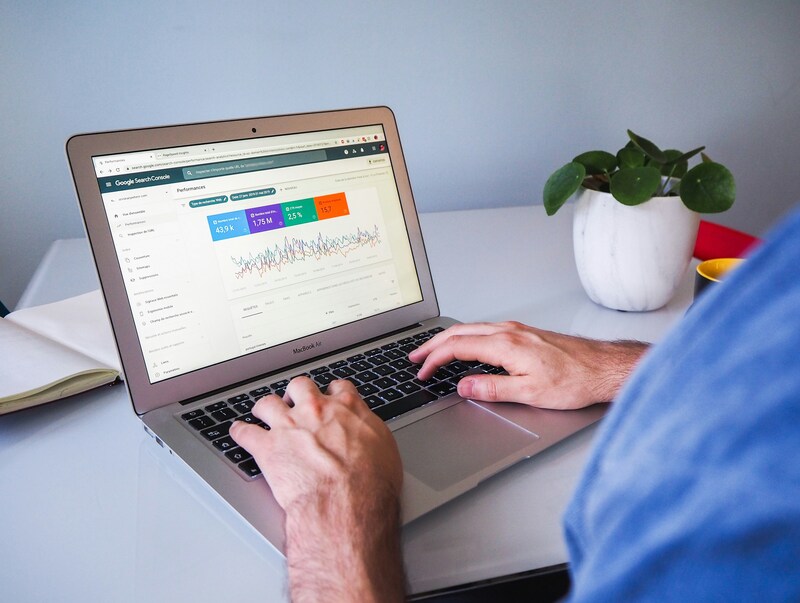
Traffic analysis breaks down visitor sources between organic search and social media. This data identifies which channels drive the most engagement. User behavior tracking shows how visitors traverse your website. You can refine the experience so potential students find information with ease. You operate blindly to what works and what fails without this setup.
Not Monitoring Search Rankings
Warning signs emerge when SEO programs stall. Map Pack rankings plateauing for 60+ days signals trouble. Organic traffic dropping 15%+ month-over-month outside seasonal patterns demands immediate attention. Most studios see meaningful Map Pack movement within 60-90 days of consistent work. Original organic traffic gains appear within 3-6 months, while full-strength lead production takes 12-18 months.
Website traffic, search engine rankings, and conversion rates are the foundations for measuring success. Monitoring these metrics helps pinpoint what works and what needs improvement.
Missing Conversion Tracking
Conversion tracking measures key actions like class sign-ups or contact form submissions. This metric assesses whether specific campaigns deliver results. Conversion rate shows the percentage of visitors who take desired actions. A high conversion rate confirms your content and calls-to-action strike a chord with your audience. Setting up conversion tracking through Google Analytics reveals which dance studio marketing efforts convert browsers into enrolled students.
How Online Booking Software Boosts Your SEO and Dance Studio Marketing
Booking software influences your search rankings through measurable user behavior improvements. Visitors stay longer and participate more with your content when your website and booking system blend together.
Improved User Experience Signals
Search engines reward websites that provide clear, helpful information and make action easy for visitors. An integrated booking platform reduces bounce rates because visitors complete reservations instead of leaving to think about it later. Google receives a signal that your content delivers value when dwell time increases. All booking activity happening on your domain strengthens brand authority over time.
Live class availability becomes part of your website’s native code. Google can crawl and understand your services with ease. This improves rankings for local searches like “dance classes near me.”
Fresh Content Through Class Updates
Class schedules, descriptions, and live availability create content that updates continuously. Search engines favor websites that stay active. Dynamic schedule information signals that your studio operates actively and deserves visibility.
Bookeo: The Best Booking Solution for Dance Studios
Bookeo was recognized as the best dance studio scheduling software. It offers live availability for both live and online classes. You can sell single classes, class passes, and memberships while accepting secure payments both in person and online.
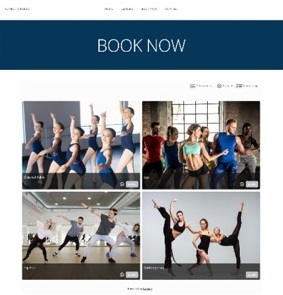
The customizable booking page blends into your website through a widget. Students can book without popups or redirects. Bookeo takes bookings 24/7, manages waitlists automatically, and handles scheduling changes naturally.
Conclusion
Your studio’s visibility on Google depends on consistent execution on multiple fronts. Fix your Google Business Profile and optimize your website for local searches. Tasmarget the right keywords and publish fresh content often. These actions work together to put your studio in front of families who are actively searching for dance classes.
Tracking your progress through Google Analytics reveals what drives results. Most studios see meaningful improvements within 60-90 days of consistent work.
Bookeo’s class scheduling software simplifies the technical side by integrating booking into your website. Immediate availability and automated scheduling create better experiences. Students can enroll 24/7.