

How to Start a Wellness Business: Niche Selection & Branding
Did you know the global wellness economy reached a staggering $6 trillion in 2024? Starting a wellness business makes perfect sense right now.
The numbers tell an interesting story. While 79% of consumers consider wellness important, only 42% actively make it a priority. This gap gives entrepreneurs a great chance to step into the wellness business space. Since the pandemic, people no longer see health as something separate from their daily lives.
The wellness scene is thriving in many sectors. Wellness real estate and tourism lead the industry’s growth, which creates room for new ideas – from wellness centers to personal wellness apps.
Passion alone won’t guarantee business success. Successful wellness ventures stand out because they have a clear niche, strong brand identity, and solid business strategy. Healthcare professionals and aspiring entrepreneurs have a rare chance to impact people’s lives while building a business that matches their values and skills.
This complete guide shows you how to turn your wellness passion into a money-making business. We’ll cover everything from picking the right niche to creating a memorable brand that helps you succeed in this $6 trillion industry. Let’s begin!
Start with a Business Plan and Vision
A business plan works as the blueprint for your wellness venture. It maps out your vision and makes your offer crystal clear. You must establish what your wellness business stands for and where it’s headed before jumping into market research or branding.

Clarify your mission and values
A wellness vision statement shows and shares your purpose for integrating wellness programs and authority. This statement shows how your organization wants to achieve its best self. It acts as a self-imposed mandate that drives positive health and wellbeing.
Your wellness mission should:
- Highlight your long-term wellness vision
- Identify core values around health and wellbeing
- Share what motivates your wellness efforts
- Show paths from current space to a healthier one
- Give details about original wellness programs
- Show openness to letting your approach grow
Note that you won’t find a one-size-fits-all wellness vision statement. Your target audience’s needs and your wellness goals will shape your mission statement.
Creating this vision brings many benefits:
- Clear goals that line up with your values
- A solid direction and roadmap
- Better daily decisions
- Extra motivation during tough times
- Strong sense of business ownership
Outline your services and pricing
Once you have your mission, spell out the specific services and products your wellness business will provide. This part of your plan should show how your offerings solve your community’s challenges.
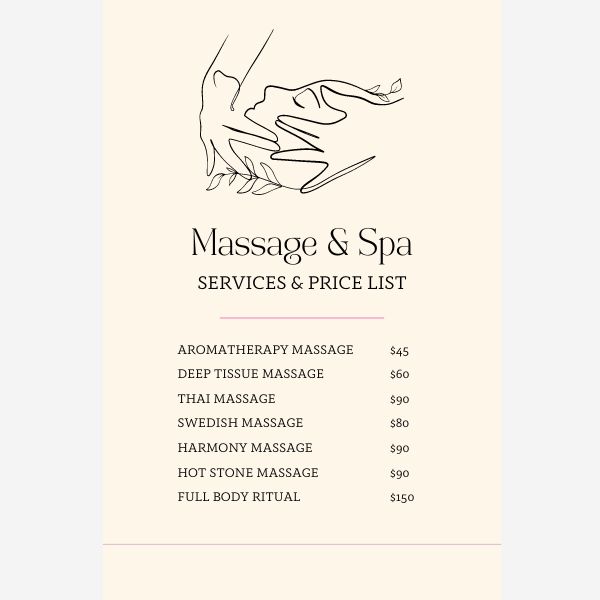
Here are some pricing approaches to think over:
- Cost-plus pricing: Calculate costs (labor, supplies) plus desired profit
- Value-based pricing: Set prices based on perceived value
- Tiered pricing: Offer different service levels at varying price points
On top of that, look at:
- Your break-even point
- Time and expertise you put into service delivery
- Your target clients’ income and spending habits
- Local competitor pricing
Small, regular price adjustments work better than big changes all at once. Pick a few services to adjust and let clients know 4-6 weeks ahead. Your core audience connects with your culture, branding, and service quality, price is just one piece of the puzzle.
Set short- and long-term goals
Goals show where you want to go, and objectives map out how to get there. Big dreams become real when you break them into smaller, doable steps.
Short-term goals focus on what’s happening now and take a year or less to achieve. Long-term goals look 2-10 years ahead. Both types should work together to bring your vision to life.
Here are some examples:
- Short-term goal: “Acquire 10 new clients per month for the next 6 months”
- Long-term goal: “Reduce operational costs” or “Improve client satisfaction”
The SMART framework helps create effective goals that are:
- Specific: Clear and precise
- Measurable: Quantifiable progress
- Attainable: Realistic to achieve
- Realistic: Lined up with resources
- Time-based: With specific deadlines
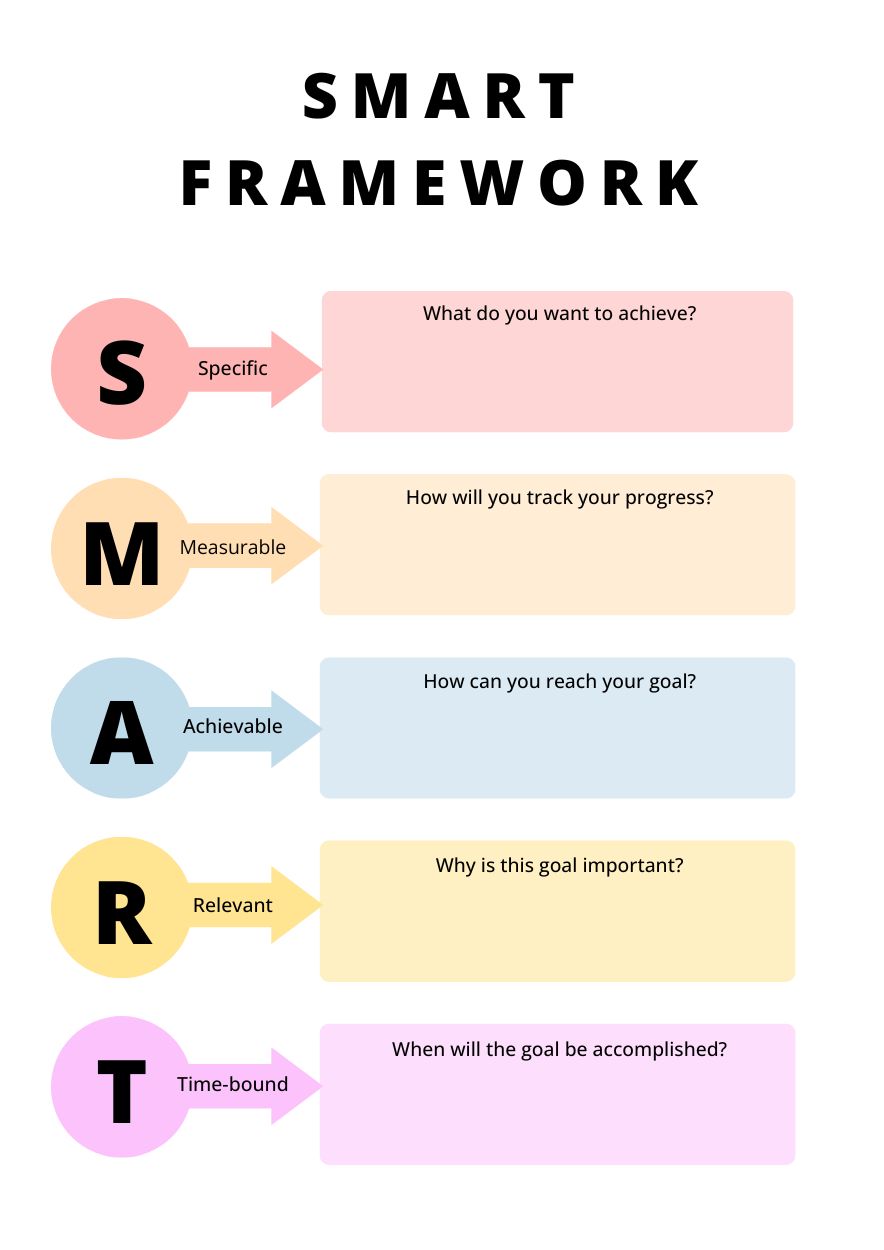
Clear, achievable goals matter in wellness because they bring focus and boost accountability. Dreams need an action plan, commitment, and concrete steps to become your wellness business reality.
Step 1: Pick a Profitable Wellness Niche
The wellness industry will likely hit $9.49 trillion by 2032, opening up huge opportunities for entrepreneurs. Your choice of niche is vital, it shapes your audience, services, and market edge. Let me show you how to carve out your profitable wellness space.
The sort of thing I love about trending health and wellness business ideas
The wellness market offers several exciting paths:
- Health coaching and wellness consulting: You can help clients make lasting lifestyle changes through tailored guidance in nutrition, stress management, and overall wellbeing.
- Fitness and movement services: This includes personal training, specialized workout programs for specific groups like seniors or postpartum women, or yoga instruction.
- Nutrition-focused businesses: You could start meal planning services, nutritionist practices, health food establishments, or specialized meal kits that meet specific dietary needs.
- Beauty and personal care: Clean beauty products, natural skincare lines, or holistic spa services make sense. Products that boost appearance now account for almost half of all wellness purchases across generations.
- Mental wellness: Meditation apps, mindfulness programs, or stress management solutions are booming, and 88% of employers now spend more on mental health initiatives.

Here’s something interesting: 82% of US consumers now call wellness a top priority. Yet many people don’t take action. This gap creates space for businesses that make wellness available and doable.
Your skills should match what people need
A profitable niche emerges when your skills and interests meet market demands:
- Start with your passion and expertise: Which wellness areas excite you? Your personal experiences could shape your business approach.
- Get to know your target audience: Learn their challenges through Google searches, social media conversations, and discussion forums.
- Picture your ideal client: Know their age, job, income, interests, attitudes, and values.
- Check if your skills fit the market: Think about which wellness problems you can solve best.
Gen Z and millennials lead the charge. They drive over 41% of yearly wellness spending while making up just 36% of adult population. These groups also buy more varied products than older generations.
Stay away from broad or crowded niches
A specific focus gives your wellness business clear advantages:
- Less competition: Instead of competing with 309,800 fitness trainers nationwide, you might focus on “busy executives who want quick power yoga sessions”.
- Better marketing results: Focused messages convert better and often cost less.
- Loyal clients: People stick with specialists who address their specific needs.
Red flags for overcrowded niches include too much content compared to user interest and many competitors offering similar services.
Rather than “health coach for weight loss,” you might specialize in:
- Weight management for menopausal women
- Plant-based nutrition for specific health issues
- Corporate wellness for remote teams
- Fitness programs for the 50-plus crowd
Note that finding your niche isn’t a one-time thing, it grows as your customers’ needs change. The most profitable niches often blend two or more specialties, like “Certified Plant-Based Nutrition Specialist for new parents”.
A narrow focus helps you stand out as an expert solving specific problems instead of competing in a crowded market. This targeted approach builds both visibility and profit potential.
Step 2: Conduct Market and Competitor Research
Your wellness niche selection should be followed by a deep dive into your competition and market scene. Good research is the foundation of any successful wellness business. Many entrepreneurs jump into implementation without proper market analysis, which often leads to expensive mistakes.

Analyze local and online competitors
Competitor monitoring involves tracking and analyzing rival brands to spot trends, strengths, weaknesses, and opportunities. A wellness business needs to get into:
- State-of-the-art products and services – New ingredients, formulations, and wellness solutions
- Pricing strategies – Competitive pricing models, discounts, and subscription plans
- Marketing campaigns – Social media approaches, influencer partnerships, and advertising
- Customer feedback – Reviews, testimonials, and complaints about competitor offerings
Start with a list of both direct competitors (those offering similar services) and indirect competitors (those targeting the same customer base with different solutions). Check their websites, follow their social media accounts, and if possible, try their services yourself.
Close competitor monitoring helps you make data-driven decisions that boost your market position. This analysis lets you:
- Spot emerging trends like plant-based supplements or tailored nutrition
- Learn from successful product launches
- Avoid getting pricey mistakes by observing competitor failures
- Set appropriate price points for profitability
- Track successful marketing campaigns to adopt similar strategies
Customer reviews give valuable insights into what consumers love and dislike about competitor products. This feedback helps you fill market gaps and improve your offerings.
Use tools like Google Trends and Reddit
Google Trends helps wellness businesses learn about target audiences through consumer behavior and search interest data. Small and large businesses can use this tool for effective market research.
Search term popularity tracking across different regions and timeframes lets you:
- Spot emerging wellness trends before they become mainstream
- Learn consumer priorities and interests
- Make smart decisions about marketing strategies and product development
Keep an eye on specific keywords in your wellness niche to spot sudden spikes in search volume. On top of that, it helps to check related queries to find associated interests that might not be obvious.
Reddit serves as another valuable research channel. It’s “where high-intent shoppers come not just to browse, but to participate in real conversations, especially when you have health, wellness, and beauty”. The platform connects authentic discussions with purchasing decisions, making it perfect to understand what potential clients want.
Regional data from these tools works great for localized marketing strategies. You can target your efforts based on health trends gaining traction in specific regions.
Identify gaps you can fill
Market intelligence gathering should be followed by a SWOT analysis (Strengths, Weaknesses, Opportunities, Threats) comparing your business to identified competitors. This visual representation shows your business’s position and reveals strategic opportunities.
Look for these gap indicators:
- Common pain points in competitor reviews
- Services or features customers keep requesting
- Underserved demographics or geographic areas
- Pricing tiers that competitors skip

Advanced technology tools can help gather and analyze competitor data efficiently. Popular options include:
- Google Alerts – Tracks mentions of competitors and industry trends
- SEMrush & Ahrefs – Shows competitor SEO strategies
- Brandwatch & Sprout Social – Monitors social media sentiment
The goal isn’t to copy competitors but to separate your wellness business and provide better value. Understanding competitor offerings, their strengths, and weaknesses helps you spot market gaps, refine your unique selling proposition, and stay ahead of industry trends.
Note that your competitive research should be ongoing, not a one-time activity. The wellness industry changes faster than ever, and staying informed about market changes helps you adapt your strategy.
Step 3: Build a Memorable Brand
Your brand acts as the face and voice of your wellness business. Colors boost brand recognition by 80%. This makes thoughtful brand development crucial to stand out among competitors.
Design a logo and choose brand colors
The logo represents your wellness business’s most vital branding element. Start with a black and white design. A logo that works without color will work even better with it. This lets you perfect the structure before adding visual elements that show your brand’s personality.
Colors shape how people feel about wellness brands:
- Blue: Creates trust, calm, and reliability – perfect for therapists and counselors
- Green: Shows growth, nature, and renewal – ideal for nutritionists and holistic practitioners
- Purple: Brings luxury, spirituality, and healing – great for spa services
- Earth tones: Give a natural, grounded feel – suitable for holistic wellness services
Your visual guide should have:
- Brand fonts
- Brand colors (with specific HEX codes)
- Key visual elements
- Rules to apply your visual branding
Product colors must look good on different materials and finishes. The right choices can make your brand look more valuable.
Write a compelling brand story
Storytelling runs on a thriving community that shares the same values. People want real connections online. This makes authentic brand stories vital to build trust.
A strong brand story should have:
- Your purpose and what inspired you
- Vision and mission statements
- Core values that match your audience’s needs
- The life-changing experience you give clients
Authenticity forms the foundations of trust and connection with your audience. Share real transformation stories instead of just product details. Client testimonials can show how your wellness approach helped them overcome challenges.
Show how you make your products and back up success claims with data. This builds trust and sets your wellness business apart from others.
Ensure consistency across all platforms
Your brand must look and feel the same everywhere, website, ads, packaging, and real-world experiences. This helps people who value authenticity connect with you instantly.

Simple ways to stay consistent:
- Put your logo on everything customers see
- Use your colors the same way in all marketing materials
- Keep your tone of voice unified in all messages
- Make design elements match across digital and physical materials
A professional brand attracts the right people and guides your growth. Look beyond visuals, a strong wellness brand merges messaging and design across social media, marketing, and customer touchpoints.
Your email list should be your top focus since these people already like what you offer. Your brand identity must shine through all email messages to build stronger relationships.
Cookie-cutter brands fade away in the wellness market. Create unique, memorable experiences that connect with your audience naturally. A clear brand voice that appeals to your audience creates lasting impact and long-term success.
Your brand means more than logos and colors, it promises a healthier, happier life. A well-crafted, consistent brand becomes the foundation for every part of your wellness business.
Step 4: Set Up the Legal and Financial Side
A solid legal and financial foundation will protect you and your clients in your wellness business. Many passionate entrepreneurs skip this vital step because they’re eager to help others, but these foundations are crucial safeguards for your business trip.

Register your business and choose a structure
The structure you choose for your business affects your taxes, liability protection, paperwork needs, and ways to raise funds. Here are the common options to think over:
- Sole Proprietorship: This is the simplest structure with minimal paperwork. You and your business are the same legal entity, which means you’re personally liable for all debts and legal issues.
- Limited Liability Company (LLC): You get personal asset protection and tax flexibility. Most wellness businesses pick this structure because it protects their assets while keeping paperwork simple.
- S Corporation: This structure protects your assets and might save you on taxes. You can pay yourself a salary plus dividends from profits, and expenses are tax-deductible.
- Corporation: This gives you the best liability protection but needs more extensive paperwork, record-keeping, and might lead to double taxation.
If you’re a health and wellness practitioner, some states require Professional Limited Liability Companies (PLLCs). This special structure applies when you provide services that state regulatory bodies license.
Note that while these structures protect you from many business risks, wellness professionals can’t limit their liability for malpractice, that’s why proper insurance is just as important.
Get licenses, permits, and insurance
Your wellness business will need various licenses and permits. Here’s what you typically need:
- General Business License: Every business needs this to operate legally
- Professional Licenses: Your services might require specific certifications or licenses (massage therapy, nutrition counseling, etc.)
- Health Permits: These show you meet health and safety standards when offering physical treatments
Your wellness business must have insurance. Here are the key policies:
- Professional Liability Insurance: This covers claims about your services or advice
- General Liability Insurance: You’re protected against bodily injury or property damage claims
- Workers’ Compensation: You need this if you have employees

These policies protect you financially. To name just one example, professional liability insurance could cover a $30,000 settlement if a client gets hurt during therapy.
Open a business bank account
You should open a separate business bank account as soon as money starts flowing in or out of your business. This gives you several benefits:
- Keeps your personal and business money separate
- Makes your business look more professional to clients and vendors
- Makes taxes and accounting easier
- Keeps your personal assets safe (key for liability protection)
You’ll need these items to open a business account:
- Your EIN (Employer Identification Number) from the IRS
- Business formation documents
- Ownership agreements
- Business license
Look for accounts with low fees at first. Helpful features include online banking, mobile check deposits, and the option to add users with specific permissions.
When you mix personal and business money, you risk “piercing the corporate veil”, courts might ignore your business’s separate legal status and make you personally liable. This simple step gives most wellness business owners strong protection at a low cost.
Step 5: Create a Digital Home for Your Brand
Your website is the life-blood of your wellness business in today’s digital world. A well-designed website builds credibility and shows potential clients you mean business.
Build a mobile-friendly website
Local searches on mobile devices make up over 60% of all searches. This makes a responsive website essential. Your wellness website should include these vital elements:
- Responsive design that adjusts to different screen sizes automatically
- Fast loading speeds through compressed images and minimal code
- Click-to-call buttons that let users reach you right from search results
- Clear navigation with user-friendly menus for easy information access
- Professional imagery that captures your wellness services’ atmosphere
Slow-loading sites lead to high bounce rates and lower search rankings. You should test your website’s speed on different devices. Pages need to load in under three seconds.
Optimize for local and niche SEO
Local SEO is crucial for wellness businesses with physical locations.

Start by adding location-specific keywords throughout your site:
- Page titles and meta descriptions with your city name
- Headers and content that mention your location (e.g., “Massage Therapy in [Your City]”)
- Service pages that list your location for each service
- Blog posts about local wellness events or health topics that matter to your community
Location-based content helps your wellness center rank better in area-specific searches. You might write articles like “Top Wellness Practices in [City Name]” or create pages with city and state names in the URL (e.g., yourwebsite.com/wellness-center-[city]).
On top of that, set up and optimize your Google Business Profile:
- Visit google.com/business and log in
- Enter your business name and address
- Identify your business type
- Select the right category
- Add your phone number and website
Next, verify your profile and include a detailed description and photos.
Add testimonials and service descriptions
Testimonials build trust, 83% of consumers trust businesses more when they see user reviews on landing pages. Oberlo reports that 54.7% of potential clients read at least four reviews before choosing a business.
Best spots to showcase testimonials are:
- Homepage – Maximum visibility for all visitors
- Hero image or slider – Prominent placement next to calls-to-action
- Service pages – Social proof where buying decisions happen
- Near call-to-action buttons – Supporting conversions at key moments
- Dedicated testimonial page – Perfect for multiple strong testimonials

Client photos make testimonials more effective. Video testimonials work well but don’t use too much of either to keep pages loading fast.
Your service descriptions should explain your offerings and their benefits clearly. Include:
- Detailed explanations of each service
- Benefits clients can expect
- Pricing information (if appropriate)
- Duration of sessions or treatments
- Any preparations clients should make
A well-laid-out wellness website with clear navigation creates an excellent user experience. Online booking systems let clients schedule services, workshops, and sessions easily. These tools add professionalism and make calendar management simpler.
Your website should grow with your business, check it every 3-6 months to ensure it matches your current offerings.
Step 6: Automate Bookings and Client Management
Managing appointments smoothly can make or break your wellness business. Today’s clients want things easy – 70% would rather book online than pick up the phone.
Benefits of using online booking software
Online booking systems reshape the scene of appointment management by:
- Taking bookings around the clock – 32% of bookings happen after hours
- Getting more new clients – 29% of first-time guests book their first appointment online
- Cutting down office work – 46% of all appointments now happen online
- Making clients happier – they can see open slots and book from anywhere
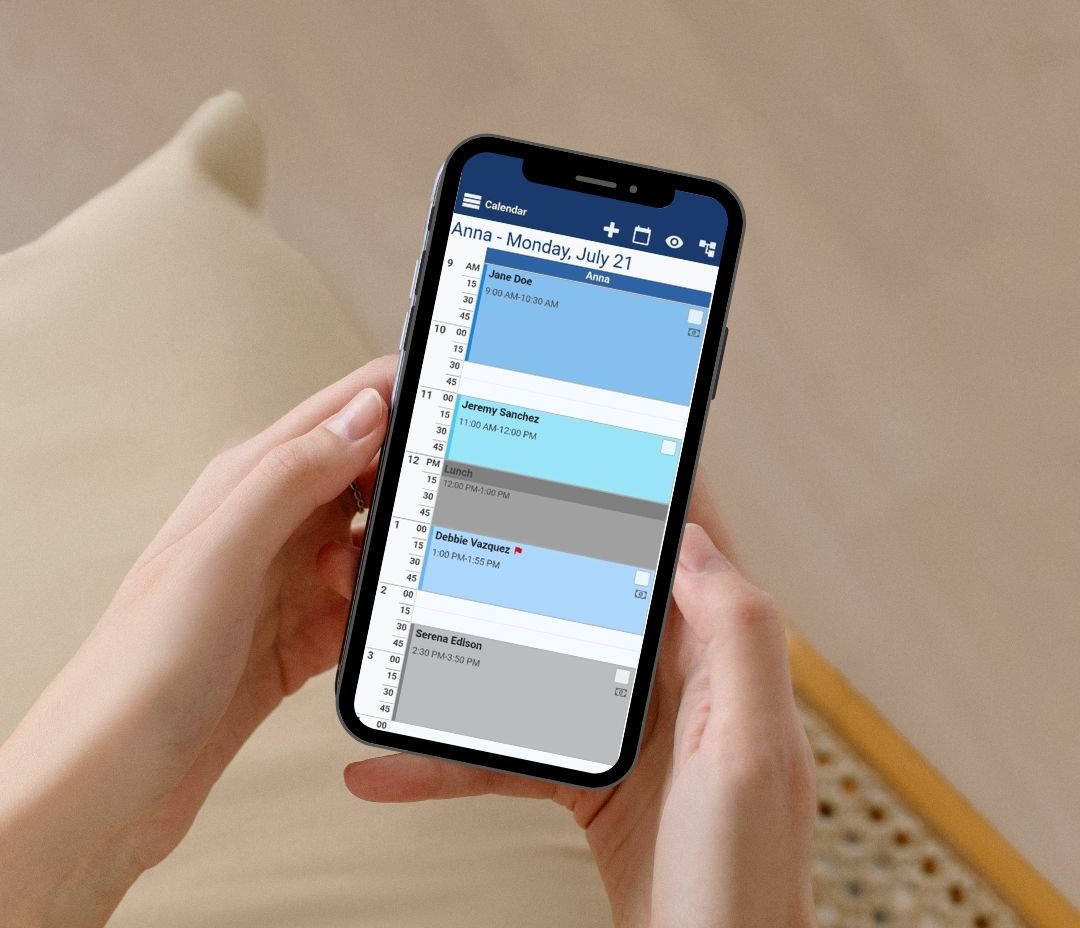
Yes, it is interesting that once people try booking online, 58% stick to it for all future appointments, and 22% use it most of the time. Clients who book online tend to visit one extra time yearly or book 10 days earlier than those who call.
How Bookeo helps reduce no-shows and admin work
No-shows waste your time and money. Smart reminder systems cut down these expensive gaps by a lot. Bookeo’s appointment scheduling software tackles this problem through email and text reminders that go out automatically at set times.
These automatic messages help clients keep track of their appointments and let them reschedule if needed, which fills up gaps in your schedule.
Integrate payments, scheduling, and reminders
A complete booking solution ties together everything in client management. Bookeo’s wellness scheduling software makes your work easier by blending:
- Appointment scheduling for multiple staff members
- Safe online payments
- Automatic email and text alerts
You can also set different hours for each wellness expert, mark days off, and sync calendars with personal tools like Google Calendar.
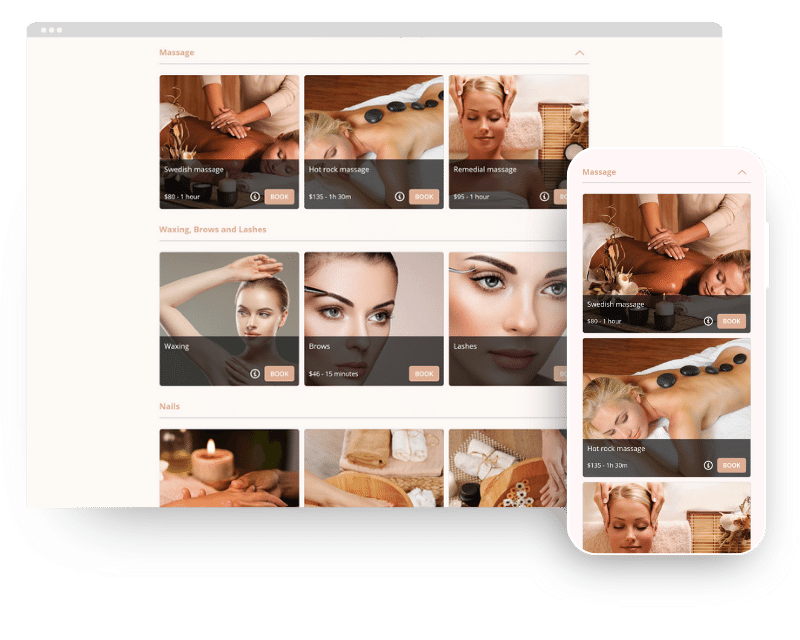
Getting an automated system up and running is easy – create an account, put in your business info and services, design your booking page to match your style, and set up how you’ll take payments. Your system will then handle bookings on its own while you focus on giving great wellness services.
Step 7: Market Your Wellness Business
Marketing a wellness business can turn your passion into profit. The right combination of strategies helps build a strong client base and establishes your reputation in the wellness community.
Use social media to build awareness
Social media has become a vital channel for wellness businesses to reach potential clients. Research shows that 64% of consumers want brands to reach out to them through social platforms. Here’s how to create your social media strategy:
- Choose the right platforms – Put your energy where your target audience spends time instead of spreading yourself thin
- Share visual content – Studies show 80% of people prefer visual wellness content on social media
- Post authentic stories – Your wellness clients need human connection and authenticity

You should try specific post types that work well for wellness businesses: wellness tips, educational content, behind-the-scenes looks, expert Q&As, and user-generated content. Keep in mind that promotional posts should make up just 20% of your content mix.
Run local ads and cooperate with partners
Local advertising helps you reach high-intent clients who search for services in your area. Google Local Services Ads show up at the top of search results with a pay-per-lead model, you only pay when potential customers reach out to your business directly.
Facebook and Instagram ads can target users within your service area. These platforms let you create targeted regional campaigns with features like:
- Location-based ads that reach users in your area
- Carousel ads that showcase multiple wellness services
- Retargeting ads that prompt website visitors to book sessions
Mutually beneficial alliances help expand your reach beyond your regular audience. Micro-influencers often bring better results than celebrities for wellness businesses. A wellness CEO points out, “High-profile influencers are good for social proof, but they don’t necessarily bring people through the door”. Look for partners who share your target demographic.
Collect reviews and referrals to grow trust
Reviews shape consumer decisions, 75% of people check reviews to find healthcare providers. Good reviews make 73% of customers trust a business more.

Here are proven tactics to get more reviews:
- Ask directly, 68% of clients who receive feedback requests respond positively
- Create a dedicated “Thank You” page on your website that asks for Google Reviews
- Send follow-up emails after appointments to ask for feedback
A referral program with two-sided incentives works wonders. Studies show 93% of buyers trust recommendations from friends and family while only 38% trust advertising. Give rewards to both the referring client and their referred customer.
Conclusion
The wellness industry offers huge potential today, with global valuations reaching $6 trillion. This piece walks you through key steps to turn your wellness passion into a money-making venture.
Your journey starts with a clear vision and business plan that matches your values. A strong mission statement will guide your decisions and keep you on track when things get tough. Finding the right niche is a vital part – instead of trying to serve everyone, focus on specific wellness needs that match your expertise.
Good market research makes all the difference. Learning about your competitors and spotting gaps in the market helps you create unique offerings that stand out. A strong brand with consistent visuals and messaging builds trust with potential clients.
Legal and financial groundwork might seem boring, but these safeguards are significant. The right business structure, proper permits, and separate business accounts protect you and your clients down the road.
Your online presence is your virtual storefront, especially when you have a mobile-friendly website that shows up in local searches. So people looking for wellness solutions can easily find and learn about what you do.
Tools like Bookeo help cut down office work and make booking easier for clients. Most people prefer to book online, and automatic reminders help reduce missed appointments that get pricey.
Smart marketing through social media, local ads, and mutually beneficial alliances helps expand your reach. Client reviews and word-of-mouth build trust – something that matters a lot in wellness.
Success in this field comes from truly caring about your clients’ well-being and running your business smartly. These steps and quality service delivery will help you grow in this expanding industry while making real changes in people’s lives.
The wellness movement keeps growing as health becomes a bigger priority for many. Your business can bridge the gap between interest and action, creating valuable services that improve lives while building a lasting business.