
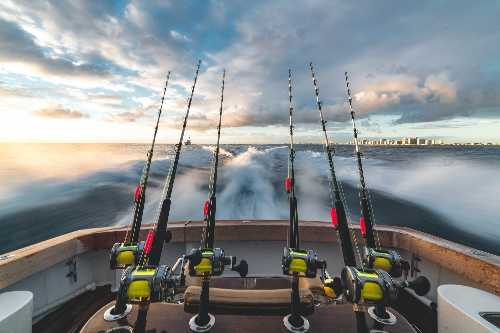
How to Start a Fishing Charter Business: Licensing, Equipment & Tourists
The US fishing charter sector reached an impressive $364.9 million valuation in 2022.
A fishing charter business can turn your fishing passion into profit. The path requires careful planning and knowledge of specific regulations. You need proper licensing to legally operate and charge customers for fishing trips. This includes getting a captain’s license from the U.S. Coast Guard. Most captains get an OUPV (operator of an uninspected passenger vessel) or “six-pack” license. This certification allows them to carry up to six passengers within 100 miles from shore.
Your boat becomes your office. It doesn’t need luxury features, but it should be presentable, reliable, safe, and suitable for your fishing services. A boat at least 25 feet long works best to safely accommodate small groups of up to six people plus crew.
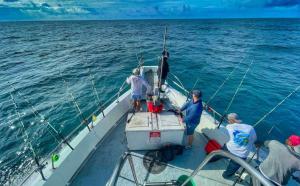
Starting a fishing charter business comes with substantial expenses and higher risks than many other industries. In this piece, we’ll show you everything you need to know about starting a fishing charter business. We’ll cover legal requirements, equipment needs, and marketing strategies that attract tourists. Ready to start your entrepreneurial journey? Let’s explore!
Understand the Legal Requirements
U.S. Coast Guard captain’s license (OUPV or Master)
Getting a U.S. Coast Guard captain’s license is your first legal step to operate a fishing charter.

You have two main options:
- OUPV License (Operator of Uninspected Passenger Vessels) – People commonly call this the “6-pack” license because you can carry six or fewer passengers. Most small charter operations choose this option. The OUPV license comes in three route designations:
- Inland: For rivers, lakes, bays, and sounds
- Great Lakes and Inland: Covers the Great Lakes plus inland waters
- Near Coastal: Lets you operate in inland waters plus coastal areas up to 100 miles offshore
- Master License – You need this if you plan to operate “inspected” vessels with more than six passengers
OUPV license requirements:
- 18 years or older
- 360 days of vessel experience
- 90 days of sea service in the last 3 years
- 90 days on ocean or near coastal waters (for Near Coastal route)
Master license has stricter requirements:
- 19 years or older
- 720 days of vessel experience (for Near Coastal route)
- 360 days on near coastal/ocean waters
- 90 days of sea service in the last 3 years
Both licenses need:
- Physical exam in the last 12 months
- Drug test within 6 months
- Current CPR and First Aid certification
NOAA asks the public to check if charter captains have valid licenses, proper permits for federal waters, and safety plans with appropriate equipment before booking.
State-specific fishing guide licenses
Your Coast Guard license is just the start. Most states require additional fishing guide licenses that vary by location:
Ohio Example: Lake Erie district fishing guides must submit their valid U.S. Coast Guard merchant mariner credential with their application and fee. Operating without this state license breaks the law.
Kentucky Example: Kentucky guides must provide:
- Hunter Education Certification (for hunting guides)
- Boater Education Certification (if using a boat)
- Criminal records check through Kentucky State Police ($20 fee)
- CPR and First Aid certifications
Kentucky gives an exception: Guides with valid U.S. Coast Guard Captain’s Licenses operating on Coast Guard-regulated waterways can submit this instead of boater education, CPR, and First Aid certifications.
State licenses usually need yearly renewal and specific decals on your vessel. The Ohio fishing guide license costs $50 per person and expires April 15th each year.
Sales tax and business licenses
Beyond captain and guide licenses, your business needs several other permits:
- Business License: Get this through your county clerk’s office or small business administration
- Sales Tax License: You need this to collect sales tax from customers. Apply through your state’s department of revenue
- Employer Identification Number (EIN): The IRS provides this for business tax forms and documents
Charter companies must collect retail sales tax on charter income and report it to tax authorities. Washington state charter companies report income under both retail sales tax classification and retailing B&O tax classification.
Some states offer deductions for charter companies. Washington allows “Sales Reported as Agent” deduction under the retailing B&O tax classification.
Gulf of Mexico and South Atlantic operations might need federal charter/headboat permits. Getting these permits in the Gulf of Mexico is harder compared to the South Atlantic’s open-access permits.
Note that licensed captains invest in permits, safety gear, and other operational costs. These investments help protect you and your customers by ensuring legal compliance and safety standards.
Choose and Equip Your Charter Boat
Minimum boat size and safety requirements
You need a vessel that lets your customers fish safely and comfortably. Offshore fishing boats range from 25 to 80 feet long. Most commercial charters run boats between 30 to 40 feet. This size range works well for long trips and handles most weather conditions. Boats under 30 feet might struggle when the weather changes unexpectedly. Vessels over 40 feet generally handle rough conditions better.
Most experts suggest a deep-vee hull design. This design cuts through waves and gives better stability in different sea conditions. Charter operations facing unpredictable offshore environments still call it the standard choice.
The U.S. Coast Guard bases safety equipment rules on boat size, not just length. Here’s what they require:
- Personal flotation devices (PFDs) – One wearable PFD per person plus a throwable flotation device
- Fire extinguishers – Boats under 26 feet need one B-1 type at least. Vessels 26-40 feet need two B-1 or one B-2 type
- Visual distress signals – Day and night signaling devices
- Sound signaling devices – Horns or whistles for all boats
- Ventilation systems – Proper ventilation for engine and fuel tank areas
Medical kits, anchors, bailing devices, VHF radios, and heavy-duty flashlights are great additions to your safety gear. Some states might ask for more than federal requirements.
Fishing gear and tackle for group trips
Your fishing equipment shows your professionalism. Clients judge your service in part by the quality and amount of gear you provide.
Stock enough fishing tackle to outfit everyone at once. You’ll need multiple rods, reels, and the right lures or rigs for your target species. Many successful charters keep twice as many rods as their maximum client capacity. This helps when trying different fishing techniques or if equipment fails.
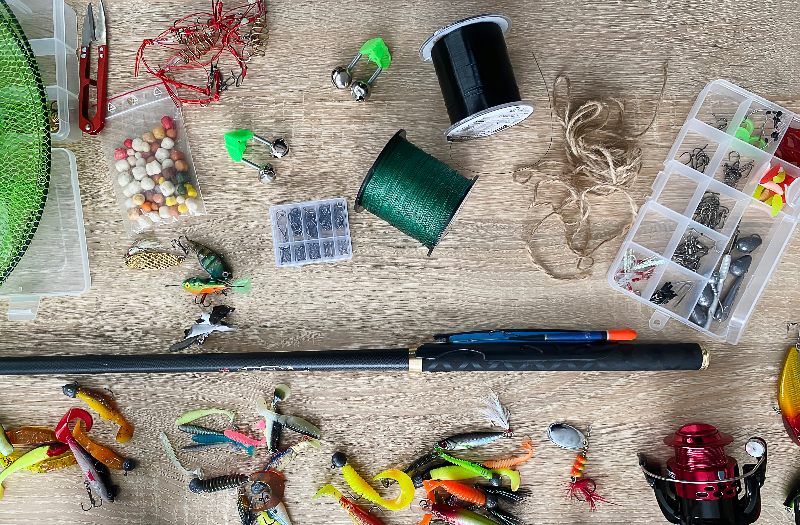
Quality is crucial in this business. Professional-grade equipment shows your steadfast dedication to your clients’ fishing success and satisfaction. Plan your budget for both initial purchases and regular replacements as gear wears out.
Your fishing style might need special equipment. Offshore charters might want fighting chairs for big fish. Inshore operations could need special livewell systems to manage bait.
Comfort and amenities for tourists
Note that you’re selling an experience, not just a fishing trip. A comfortable boat with thoughtful amenities draws more clients who will pay premium rates.
Good seating matters, especially with larger groups or kids. Most center console vessels have seating at the bow and stern that fits four to five passengers plus storage. Longer trips might need vessels with salon areas where people can sit inside, away from the weather.
Bathroom facilities (called “heads” in marine terms) matter to clients. Access to a toilet can make or break the experience on trips lasting several hours. Larger charter vessels might have complete bathrooms with sinks or showers.
Here are comfort features worth adding:
- Refrigeration for food and drinks
- Shade structures for sun protection
- Cushioned seating areas
- Storage for client belongings
Serious anglers value specialized fishing features. Livewells for bait storage, quality fish finders, and power poles for shallow water anchoring help catch more fish. Offshore operations often benefit from outriggers that let you troll with multiple lines.
Pick a vessel that balances size, safety, fishing function, and comfort features. This creates the foundation for a charter fishing business that brings clients back season after season.
Set Up Your Business Legally
Registering your business entity
Your choice of business structure affects your tax obligations, personal liability, and how you run your operations. Five common legal structures work for fishing charter businesses:
Sole proprietorship is the simplest form, the owner and business are the same legal entity. While it’s easy to set up, this structure gives you zero liability protection. Your personal assets become vulnerable if anything goes wrong.
Partnerships work best when two or more people start a charter business together. Partners share profits and losses but remain jointly liable for business debts. It can be tough to resolve disagreements between partners.
Limited Liability Company (LLC) is the best option for most fishing charter operations. An LLC gives you vital liability protection and pass-through taxation benefits. Your personal finances stay separate from business obligations if accidents, lawsuits, or debt issues come up.

Note that you should never operate as a sole proprietor, which many states consider the default structure. Most fishing guides and boat captains should create an LLC.
To register your business:
- Choose your business name (like “Open Water Fishing Company”)
- Select a registered agent to receive legal documents
- File formation documents with your state’s Secretary of State office
- Pay the required filing fees
Getting an EIN from the IRS
Your business needs an Employer Identification Number (EIN) as its tax ID number, think of it as your company’s Social Security number. The Internal Revenue Service (IRS) uses this nine-digit number to track your business income and tax obligations.
You need an EIN if you:
- Form an LLC, partnership, or corporation
- Plan to hire employees
- Need to pay excise taxes
- Want to withhold taxes on non-wage income paid to non-residents
Getting an EIN is free and takes minutes on the IRS website. Just apply online after setting up your LLC to get your number right away. You can also submit Form SS-4 by fax or mail, but these methods take longer.
Most fishing charter operations should get an EIN because it helps with opening business bank accounts and handling state tax matters.
Opening a business bank account
A dedicated business bank account becomes crucial once you have your EIN. This step creates a clear line between personal and business finances, a key difference for both tax purposes and liability protection.
Start keeping separate finances as soon as you accept or spend money through your business. You can choose from business checking, savings, credit cards, and merchant services accounts that let you take credit/debit card payments from customers.
You’ll need these documents to open your business account:
- Your EIN (or Social Security number for sole proprietorships)
- Business formation documents from your state
- Ownership agreements
- Business license
Business accounts offer better features than personal accounts. They protect you by keeping funds separate and let customers pay with credit cards or write checks to your business name. You can also authorize employees to handle daily banking tasks and often get access to business credit lines for emergencies or equipment purchases.
This three-step legal foundation, registering your entity, getting your EIN, and opening business accounts, makes your fishing charter legitimate and protects your personal assets while helping your business grow.
Get the Right Insurance Coverage
General liability and property insurance
The right insurance coverage should be your top priority when running a fishing charter business. General liability insurance shields your business from claims related to bodily injuries on land and property damage not involving your vessels. This policy covers lawyer’s fees, defense costs, out-of-court settlements, and damage awards that would otherwise come from your pocket.

Your business needs specialized marine insurance policies for water-related incidents:
- Protection and Indemnity (P&I) Insurance: This coverage kicks in when your vessel collides and causes bodily injury, death, or property damage to third parties like docks or piers. P&I insurance is the broadest form of marine liability and should be written on an occurrence basis with no total limit.
- Hull and Machinery Insurance: This policy handles physical damage to your charter boats and vessels from collisions with other watercraft. It pays for repairs and removes wreckage when needed. You should look for a policy that pays on agreed value instead of depreciated value.
Here’s other coverage you might need:
- Dockside liability (covers injuries while passengers are on docks or piers)
- Pollution liability (required for inboard engines)
- Passenger medical payments
- Personal property/fishing tackle protection
- Shoreside liability (for activities like beach tours)
Worker’s compensation if hiring crew
Worker’s compensation insurance becomes a legal requirement and practical necessity if you plan to hire fishing guides or crew members. This coverage provides medical care and helps with lost wages when employees get hurt on the job.
States require worker’s compensation for businesses with employees. This insurance protects you from bearing the full financial burden of workplace injuries that could threaten your business.
Many fishing charter insurance packages offer extra liability coverage specifically for hired captains and crew. This addition works alongside your worker’s compensation policy by covering liability concerns beyond simple medical costs.
Cost expectations and providers
Insurance costs depend on several factors, but knowing typical ranges helps with planning. Most fishing charter businesses pay between $400-$1,100 annually for $1 million in general liability coverage. Fishing guides’ basic liability insurance starts at $395, while hunting guides pay from $595.
Your premium costs depend on:
- Vessel age, size, and passenger capacity
- Your experience and safety record
- Coverage types and limits
- Location and operating area
- Number of employees
- Deductible amounts
You should pick insurance providers that specialize in marine insurance with A-rated financial stability. Companies like Charter Lakes, Cross Current Insurance, and United Marine Underwriters focus only on fishing charter and marine insurance.
Experts suggest buying insurance through agencies rather than directly from insurance companies. Agencies can get multiple quotes and help you find the best coverage at competitive rates.
Insurance shouldn’t be your only defense. Keep your licenses current, use clear customer contracts, and maintain good safety practices to reduce risks.
Research the Market and Competition
Analyze local demand and saturation
The fishing charter industry shows impressive growth, with the sector valued at $364.9 million in 2022. Consumer spending on recreational activities jumped by 16.8% in 2021 and 6.9% in 2022 after the pandemic. This comeback brings new chances and competitive challenges.
Your region’s specific needs should be your starting point. The Southeast region proves especially profitable for fishing charters because of its coastlines and appeal to tourists. Florida’s coastal spots pull in visitors who want fishing experiences. These areas might have older competition, so you’ll need to stand out.

Some regions show declining charter operations. South Carolina’s charter numbers dropped 30% from 1998 to 2009, and headboat operations fell by 50%. Yet, the business stays strong, South Carolina’s charter boats drew about 67,000 passengers in 2009, and 80% came from outside the area.
You can check market saturation by:
- Counting existing charter operations in your area
- Evaluating their occupancy rates during peak and off-seasons
- Noting seasonal patterns affecting your region
- Identifying any gaps in service offerings
Identify your target customer
Fishing demographics have changed dramatically. The industry welcomed 4.4 million new American anglers in 2021. Hispanic participation for those aged six and up rose 45.0% in the last decade, while female participation grew 23.8%.
A generational change is happening; 166 million Americans are millennials or younger now. These younger clients use digital platforms more and leave reviews quickly.
The location of your customers matters. Most captains say tourists make up much of their business. Places like Florida and Alabama report that 75% of customers travel from other states. Your marketing should reach beyond local areas.
Study pricing and service gaps
Don’t just copy competitor prices, especially the lowest ones. Industry experts say, “When too many guides in one area start dropping their rates just to book trips, it doesn’t just hurt their own business. It drags down the perceived value”.
Look at successful operators with great reviews and repeat clients as your standard, rather than those cutting prices. Quality matters more than price to customers; they’ll pay more for safety, clean boats, quality equipment, and knowledgeable captains.
Charter fishing customers want better experiences. A Florida study reveals that they would pay $9.00 to $43.00 more to see marine wildlife and learn about conservation. On the Alabama Gulf Coast, 87% of customers rated captain and crew knowledge and courtesy as “very important”.
Added services create new revenue streams. Some operators now offer shorter coastal trips, marine ecotourism, and nature education to add value without raising prices.
Plan Your Finances and Hidden Costs
How much does it cost to start a fishing charter business?
You’ll need between $50,000 to over $500,000 to launch a fishing charter operation. Your boat choice plays the biggest role in this price range.

Here’s what you’ll typically spend money on:
- Boat purchase/lease: $50,000-$300,000+
- Fishing equipment and gear: $10,000-$30,000
- Licenses and permits: $1,000-$5,000
- Insurance: $2,000-$10,000 annually
- Marketing and website: $2,000-$10,000
You’ll also need working capital, experts say, keep 3-6 months of operating expenses saved up. Many new businesses miss this part, so make sure you build a detailed money plan.
Budgeting for maintenance and fuel
Hidden costs can sink your business fast. Smart boat owners set aside 5-15% of their boat’s purchase price for yearly maintenance. Most recreational boats need about $5,000-$8,000 in annual upkeep.
Fuel costs can hit hard and change often. Charter boats use roughly one gallon per mile, and diesel prices hit $7.75 per gallon at some marinas recently. Half-day trips burn through 30-50 gallons, while full-day charters might use up to 100 gallons.
Your regular expenses will include:
- Docking/lease fees: $2,000-$5,000 monthly
- Regular engine maintenance: $27,583 annually for a 60-foot sportfish
- Cleaning supplies and gear replacement: About $1,000-$5,000 annually
- Electronics maintenance: $16,800-$35,040 annually for larger vessels
Saving for off-season and emergencies
Seasonal changes affect fishing charters big time. Smart financial planning helps you handle slow periods and surprise costs.
Track your money coming in and going out with a solid budget. Keep an emergency fund ready, a new engine could set you back $40,000.
Many successful captains treat their boat like a business partner. They split charter fees this way: 50% to boat costs, 20% for supplies, 7% for crew, and 23% for owner/captain profit.
Expect the unexpected in this business. Bad weather, broken equipment, and canceled trips happen. Most failed charters run into trouble because they don’t have enough cash saved for tough times.
A good money tracking system helps spot seasonal patterns. It warns you about money problems before they get serious.
Promote Your Charter to Tourists
Build a website and social media presence
Your online presence acts as the front door to your fishing charter business in today’s digital world. A professional, mobile-responsive website should showcase high-quality images of successful fishing trips and satisfied customers. Your site needs essential information like pricing, trip options, and clear calls to action for booking.
Research shows that 70% of travelers look up activities online before booking, which makes a good website vital to success. Your Google Business Profile needs optimization to appear in local map searches, which matters a lot for tourism-based businesses.

Instagram and Facebook excel for fishing charters due to their visual nature. These platforms let you share photos of impressive catches, beautiful sunrises over water, and happy customers. Social media content about fishing gets 27% higher engagement when it features actual customers instead of stock images.
Use photo marketing and customer reviews
Visual content strikes a chord with potential clients. High-quality images of your catches, scenic shots of the waters, and short videos capture the excitement of your trips. Your clients should share their photos and stories, which creates authentic promotion and deepens their commitment to your business.
Customer reviews build trust faster than any marketing message. Happy customers should leave reviews on Google, TripAdvisor, or Yelp before they leave the dock. Your website and social media should highlight standout reviews. Professional responses to all feedback, both positive and negative, are essential.
Partner with local tourism boards
Local tourism boards can open doors to their established audience. Tourism boards often maintain listings specifically for fishing charters in their visitor-facing categories.
Hotels, tackle shops, restaurants, and resorts make great strategic collaborations for referrals and package deals. Referral incentives like discounts or free add-on services work well. These nearby business partnerships tap into their customer base and create referral networks that bring highly qualified leads who are already in the area.
A local “meet the captain” night or dockside event with nearby businesses helps you network and promote your charters effectively.
Use Online Booking Software to Manage Operations
Running a profitable fishing charter business needs quick operations management. Your marketing channels should work alongside a system that handles bookings and customer interactions smoothly.
Why online booking is essential for growth
Online booking systems help modern charter businesses thrive. Customers can reserve fishing trips anytime, not just during business hours. Your website visitors can immediately secure their spot, which creates more booking opportunities.
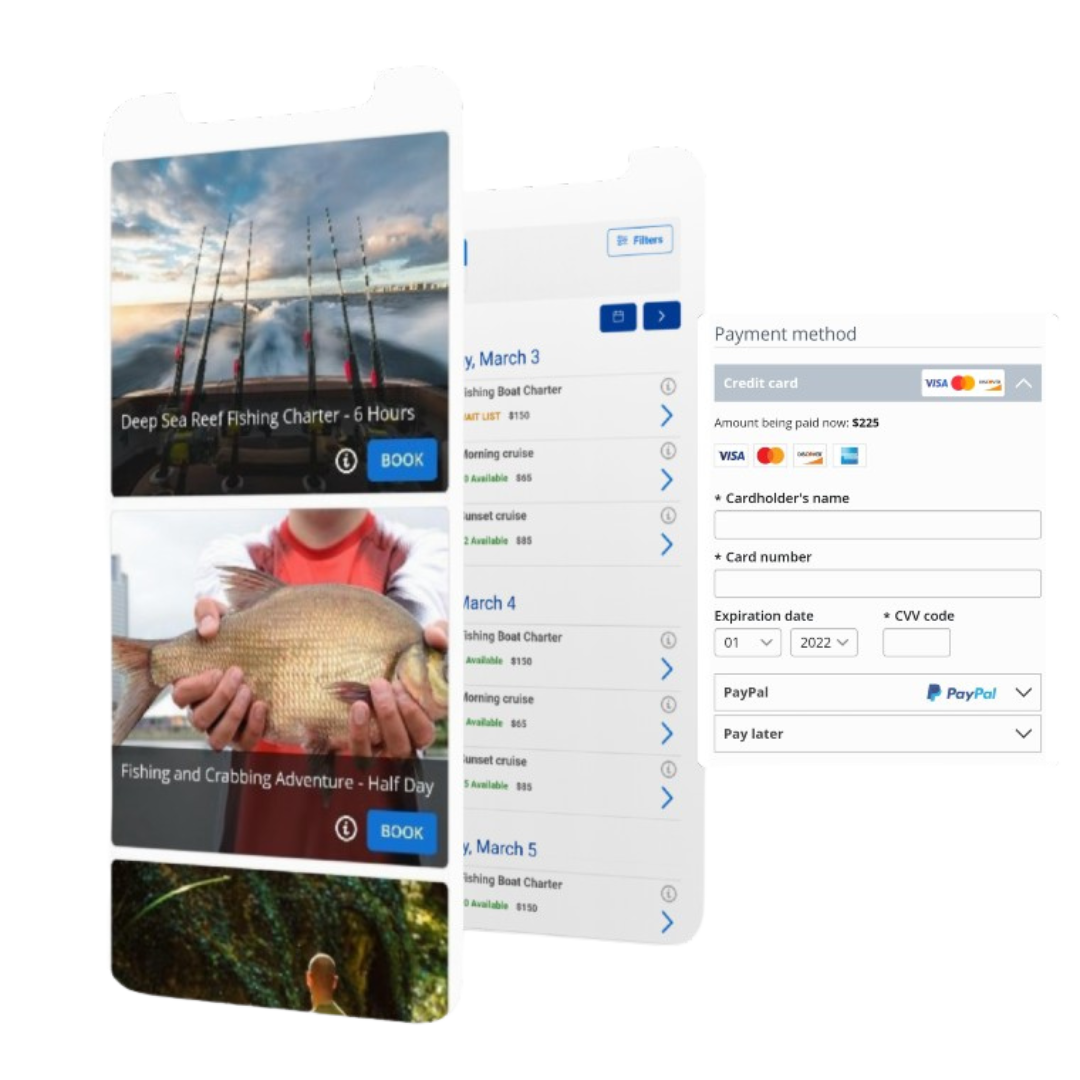
The system prevents double-bookings by updating calendars live. Customers trust businesses more when they see actual available dates. Charter operators report fewer no-shows thanks to automated systems that remind clients before their trips.
Benefits of using Bookeo for fishing charters
Bookeo’s fishing tour booking software works great for fishing tour operators. The system combines business processes smoothly by managing both individual and group activities. Your customers pay exactly what you set – Bookeo doesn’t add extra fees.
The software provides:
- Website integration that works smoothly
- Tools for gift vouchers and promotions
- Options for flexible pricing
- Monthly subscription without contracts
Users praise Bookeo’s value for money, highlighting reasonable prices and extensive features.
Automating payments, scheduling, and customer communication
Automated messages save you precious time. The tour booking software sends instant confirmations and trip reminders. This helps reduce missed appointments and keeps clients updated about meeting spots and required items.
Payment processing becomes simple with integrated systems. Your customers can pay safely online through different methods, which reduces payment issues and improves cash flow. Charter businesses can collect deposits upfront and handle final payments quickly.
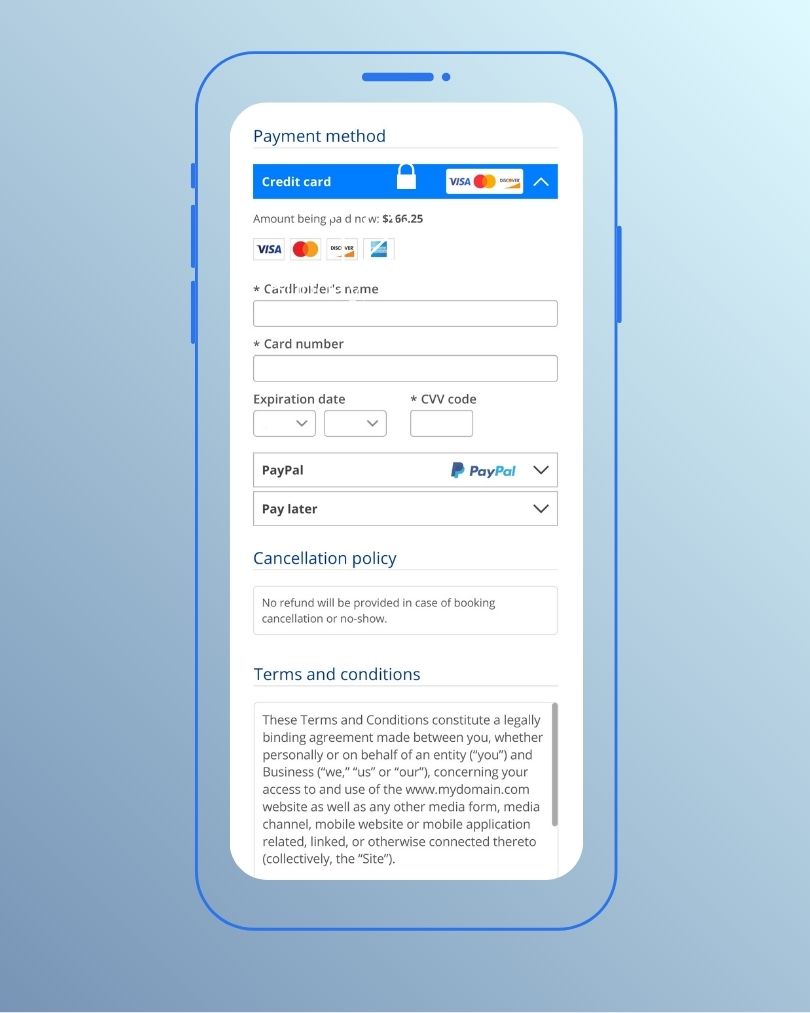
The scheduling advantages are clear – you can manage bookings even while out on the water. The system lets you set specific rules for group bookings, which work perfectly for private charters and corporate events.
Conclusion
The fishing charter business combines passion with profit potential in an industry worth $364.9 million. Success in this venture needs thorough preparation on several fronts.
Legal compliance serves as the backbone of your operation. Your Coast Guard captain’s license, state fishing guide permits, and business registrations must stay current. These documents protect you and your customers while showing your professionalism.
Your boat choice directly affects customer satisfaction. A vessel at least 25 feet long with proper safety equipment creates the base for memorable fishing experiences. Quality fishing gear and thoughtful amenities lift your service above competitors.
An LLC structure rather than a sole proprietorship protects your personal assets. This legal framework, along with a separate business bank account and proper EIN, creates clear boundaries between personal and business finances.
Insurance coverage serves as your financial safety net. General liability, marine-specific policies, and worker’s compensation (if hiring crew) protect you from costly expenses. These policies might increase operational costs but are essential for long-term survival.
A clear market position helps identify profitable opportunities. Research local competition, target customer demographics, and service gaps before pricing your services. This knowledge helps you develop unique offerings in your region.
Your budget must account for both startup and ongoing expenses. Fuel, maintenance, and seasonal changes need financial planning beyond the original investment. Smart operators keep reserves for emergencies and off-season periods.
Good marketing turns your expertise into bookings. A professional website, active social media presence, and mutually beneficial alliances with tourism boards connect you with potential clients. Customer reviews and high-quality photos show your value better than any advertisement.
Online booking software like Bookeo makes your operations smoother. This system handles reservations, payments, and customer communications automatically. You can focus on delivering exceptional fishing experiences instead of administrative tasks.
Starting a fishing charter business has its challenges, but these guidelines set you up for success. The rewards make the trip worthwhile – sharing your passion, working on the water, and creating lasting memories for clients.