

How to Start Your Own Physiotherapy Business: Licensing & Client Growth
The US Bureau of Labor Statistics reveals a striking fact – only 3% of physical therapists run their own practice. Does this low number make you hesitate about starting your own physiotherapy business? The road to becoming your own boss needs dedication, careful planning, and solid business knowledge.
Running your own physical therapy practice means you’ll work longer hours. You’ll handle more paperwork and learn business skills while maintaining your clinical expertise. Your startup costs might range from $10,000 to over $100,000 based on where you set up, what equipment you need, and how big you want to go. Building a clinic from scratch brings its share of risks and stress. Yet it gives you the chance to boost people’s lives through physical healing.
Your success depends on creating a complete physical therapy business plan. This should detail your budget, marketing approach, daily operations, and expected finances. Note that finding new customers costs five times more than keeping your current ones. That’s why you need strong client retention strategies in your plan. The equipment you choose will affect your starting costs heavily, so you must plan your finances carefully.
Let’s walk through every step you need to launch your practice – from getting your licenses to building your client base. Time to turn your dream of owning a physiotherapy business into reality!
Start with a Clear Vision and Market Fit
Your physiotherapy practice’s success starts with a clear vision of your target patients. A therapist once told me, “I spent years marketing to anyone with pain, until I realized I was speaking to no one.” Your practice grows faster when you focus on specific patient segments instead of trying to reach everyone.
Define your ideal client and services
Finding your ideal client can change how your practice grows. One physical therapist saw her practice expand from 6-8 clients per week to full-time capacity for herself and three part-time clinicians after she identified her target audience. This focused strategy helped her open a second office and plan for a third.

These questions will help you find your ideal clients:
- Which clients do you look forward to seeing, and what do they have in common?
- What physical therapy issues make you excited enough to teach others?
- If you could only treat one or two issues throughout your career, what would they be?
- Which clients bring out your best skills as a therapist?
- What type of work sparks your passion for physical therapy?
Your answers will show patterns about the patients you connect with best. To name just one example, you might find a passion for helping women aged 25-55 with weight management, athletes recovering from specific injuries, or seniors who want to maintain mobility.
A defined niche lets you focus your continuing education in that area, which builds stronger expertise and improves client outcomes. A therapist who specialized in emotional eating appeared on local television 10 times in 18 months and gained visibility that general practitioners rarely get.
Clients value therapists who don’t claim expertise in every physical therapy area; it shows authenticity and specialization. Note that defining your services also means choosing your treatment focus: manual techniques, stretching exercises, rehabilitation technologies, or a combination.
Confirm your idea with local research
You should check if your specialized services match your community’s needs before investing in your practice. Start by studying your current clientele, look at their demographics, and most-used services. A high number of athletic clients points to a potential niche, while many elderly clients with mobility issues suggest another path.
List your services from most to least popular. This list shows what people in your area really need, beyond your personal preferences. High demand for post-knee surgery rehabilitation, for example, signals a strong market opportunity.
Demographics play a crucial role in your research, including age, race, gender, income, and education of potential clients. These elements shape your practice and marketing approach. A psychographic analysis comes next, learning about your target audience’s habits, activities, and opinions.
Take a good look at your competition. What services do nearby physical therapy practices offer? What are their strengths and weaknesses? How do they attract clients? This information helps your practice stand out in the market.

Market validation should happen through several channels:
- Talk to potential clients about their challenges and needs
- Get input from healthcare professionals
- Use surveys to gather broader feedback
- Study industry reports and academic research
This research helps you see if there’s enough potential for success. You might need to add unique elements to your services that set you apart from competitors. Small changes to standard care can attract clients who might stay with their current practices otherwise.
Understand Licensing and Legal Setup
Licenses are the legal foundations of your physiotherapy business. You need a license for physical therapists to practice legally in every state across the United States, including the District of Columbia, Puerto Rico, and the US Virgin Islands. The process might look complex at first. Breaking it down into smaller steps will help you move ahead confidently.
Licensing requirements by state
Each state’s regulatory board manages licensing independently. You must pass the National Physical Therapy Examination (NPTE) to get your license. The Federation of State Boards of Physical Therapy administers this exam. The test has 225 questions with a five-hour limit and costs $485 plus an additional $100.30 for the testing facility.
States often add their own requirements:
- State jurisprudence exams that test your knowledge of local laws ($48-$65)
- Fingerprinting and background checks
- Continuing education credits to renew your license

The Physical Therapy Licensure Compact makes practicing in multiple states easier. This agreement now has 39 states. It lets qualified PTs practice in other participating states with a “compact privilege” instead of getting separate licenses. This benefit helps therapists who offer telehealth services or to pursue a career in travel physical therapy and work near state borders.
Foreign-educated therapists face extra steps. Most states want proof that your education matches U.S. programs. You’ll need English proficiency exams if your program wasn’t in English.
Business registration and insurance
Your business needs proper registration beyond your personal license. You’ll need:
- State and local business licenses/registrations
- Tax ID and Federal ID numbers
- Medicare and Medicaid Provider Numbers (if applicable)
Insurance gives you critical legal protection. You need Professional Liability Insurance (PLI) to register with regulatory authorities. This policy protects you from lawsuits related to negligent acts, errors, omissions, or malpractice in your work. It pays for legal defense costs and court-awarded damages.

Business owners should also think about:
- Commercial General Liability (CGL) insurance for non-treatment injuries or property damage
- Clinic Professional Liability coverage when other health professionals work under your business name
- Cyber Security & Privacy Liability protection for data breaches
- Employment Practices Liability insurance for staff-related claims
Each policy protects different parts of your business. CGL covers accidents like “slip and fall” incidents in your clinic. Clinic Package policies protect your equipment and contents from damage.
Build a Business Plan That Guides Growth
A solid business plan works as your roadmap to grow your physiotherapy practice. It’s not just a static document but a living blueprint that grows with your business. “As with every new endeavor, it’s wise to have a plan,” notes industry experts. Your business plan turns abstract ideas into clear steps that help you stay focused on your goals and convince others to support your vision.

Outline your services and pricing
Start by defining what services you’ll offer to your target market. Your service offerings should line up with your practice goals and expertise. Think about whether you’ll provide specialized treatments like:
- Exercise therapy
- Sports injury management
- Rehabilitation services
- Education and counseling
- Assistive devices
After you set your services, create a strategic pricing structure that meets your income goals. Many new practice owners feel pressured to charge less at first, but this approach can undervalue your expertise. Research your competition by quietly calling nearby practices to measure their rates.
Your pricing strategy needs to balance several factors:
- Location considerations (rural versus metropolitan)
- Overhead costs, including rent and equipment
- Transportation expenses for mobile services
- Your experience and specialization level
Better cash flow comes from clear payment policies. You might want to offer strategic discounts only when they lead to long-term work.
Include marketing and financial strategy
The marketing strategy section should show how you’ll attract and keep clients. Start with how your marketing supports your business goals. Break this section into three key parts:
- Messaging: What your practice stands for and its benefits
- Target audience: Your ideal patients and their needs
- Engagement methods: Ways to reach your audience effectively

Different age groups respond to different marketing approaches. Twitter users are typically under 30, while Facebook attracts people over 30. Print marketing works best for seniors 65+.
Your financial section needs five essential reports:
- Balance sheet (assets, liabilities, and earnings)
- Income statement (projected revenue and expenses)
- Cash flow statement (cash receipts and payments)
- Operating budget (detailed breakdown of income/expenses)
- Break-even analysis (revenue required to cover expenses)
Find your break-even point by looking at fixed costs (rent, utilities, salaries) and variable costs (supplies, equipment). This shows how many patients you need to see to cover expenses and start making a profit.
Use it to attract investors or partners
A complete business plan increases your chances of getting funding by a lot. Investors want proof that your practice is a sophisticated business ready for purchase.
Make your plan attractive to investors:
- Document all policies, procedures, and hiring practices
- Keep financial statements clean and accurate
- Have operational metrics ready
- Keep copies of leases and insurance contracts
Legal and financial teams can strengthen your presentation materials, which shows investors you mean business. Include details about achieving your goals within the proposed budget.
Angel investors and venture capitalists might provide startup funding for partial ownership. Your plan can also attract partners for mutually beneficial alliances with larger clinics or health systems that need more capacity.
Note that financial partnerships need high levels of trust. Poor business reflection might make investors see your practice as a reputational risk. Your business plan should show not just viability but strong growth potential.
Choose the Right Location and Setup
Your physiotherapy clinic’s location affects your business success and patient experience. The space you pick becomes the foundation of your practice’s reputation.

Factors to think over when leasing space
A clinic’s accessibility can make or break its success. Look for spaces your patients can reach easily by car, public transport, or on foot. Being close to major roads and highways makes your clinic visible and convenient for potential patients.
Good parking makes both patients and staff happy. Check if properties have enough parking spots for clients with mobility challenges. Some landlords might add designated parking spaces through a license agreement in your lease.
The neighborhood around your clinic matters as much as the space itself. Here’s what to look for:
- Healthcare facilities and pharmacies that complement your services
- Local demographics that match your target patients
- How far you are from competitors
Make sure to check local zoning rules before signing anything. Your chosen location must allow healthcare facilities and meet accessibility compliance standards for patients with disabilities.
Room to grow should shape your space decision. As Sparacio puts it: “Can you get your practice running in an 800 to 1,000 square foot office for one-third the rent?”. A smaller, budget-friendly space helps you build your practice without huge costs.
New practices can save money by sharing space with other health professionals or fitness facilities. This helps cut initial costs while you grow your client base.
Talk about adding an exclusive use clause when negotiating your lease to keep competitors out of the building. On top of that, check if you can offer after-hours services like fitness classes to boost your revenue.
Designing for patient comfort and flow
Your clinic’s interior design shapes patient experience and makes operations run smoothly. A well-laid-out physiotherapy space creates a healing environment that works efficiently.
Clean, simple designs help create calm in healthcare settings. Too many colors or cluttered spaces can overwhelm patients. Use smart storage to keep spaces tidy with clear boundaries.
The right lighting makes a big difference in patient comfort. Mix natural light with soft artificial lighting to create a relaxing space. This makes your clinic feel bigger and more welcoming.

Colors change how patients see your clinic. Neutral shades create a calm environment and make treatment areas feel more open. These small design choices shape your visitors’ experience and their view of your business.
Smart layout planning helps move clients through your space smoothly:
- Different paths for entering and leaving prevent crowding
- Quiet waiting areas away from treatment zones
- Wide paths that fit mobility aids
Put treatment beds at the center of each room with enough space around them. This lets therapists move freely during treatments and helps patients get on and off the bed easily.
Use vertical space for storage. Wall shelving holds equipment and files without taking up floor space. Corner seating makes rooms more useful without blocking treatment areas.
Don’t forget about sound in your design plans. Good soundproofing creates a peaceful atmosphere where patients feel safe discussing health concerns. This becomes crucial in open-concept clinics.
Invest in Equipment and Technology
Setting up a physiotherapy clinic requires you to think about what you really need and how much you can spend. Private physical therapy offices come with hefty expenses. Your equipment choices will affect your patient care quality and business success.
Essential physiotherapy tools and machines
Simple treatment equipment forms the foundation of any physiotherapy practice. High-quality treatment tables cost between USD 500 to USD 1500. Adjustable tables can set you back USD 1000 to USD 3000. With proper care, treatment tables last 5-10 years.
Your clinic should include these simple assessment tools:
- Goniometers for measuring joint angles
- Grip dynamometers for testing hand strength
- Reflex hammers for neurological assessment
- Stethoscopes for cardiovascular monitoring
The exercise therapy setup should include:
- Resistance bands and tubing
- Exercise balls for stability training
- Balance boards for proprioception work
- Foam rollers for muscle release
- Weights in various increments

Modality equipment represents another big investment. Many clinics use hot packs, cold packs, electrical stimulation units, and ultrasound machines. A single ultrasound machine can cost anywhere from USD 1000 to USD 5000.
Technology shapes modern physiotherapy practices more than ever. Digital health technologies give therapists new ways to care for patients through remote consultations, examinations, and preventative care. Practice management software helps streamline communication and documentation.
New technologies worth looking into include:
- Telehealth platforms for remote patient access
- EMR software for digital record keeping
- Wearable devices for monitoring patient progress
- Artificial intelligence for treatment planning
The physical therapy software market should reach USD 26.35 billion in 2024. This shows the growing need for digital solutions.
Budgeting for new vs. used equipment
New physiotherapy clinics should set aside USD 5000 to USD 10000 for exercise equipment. Treatment tables and exercise equipment should take up 10-20% of your total clinic budget.
Here’s what to think about when choosing between new and used equipment:
Quality equipment justifies higher upfront costs. A USD 40 resistance band that lasts 4 years costs less per use than a USD 20 band that wears out in 3 months.
Multi-purpose tools give you the best value. You can save space and money with versatile items. Resistance bands work for both upper and lower body exercises. Therapy balls help improve balance, flexibility, and core strength.
Leasing expensive items might make more sense. Many leases include maintenance and support, which saves money on repairs. You can also test the equipment before making a long-term commitment.
Buying pre-owned equipment from reliable sources can cut your startup costs. Look for prominent brands still in business – you’ll find replacement parts more easily. Check used equipment really well before buying. Listen for strange noises and look for loose parts.
Remember to budget for yearly maintenance. Treatment tables need about USD 100-300 per year for upkeep.
Your equipment choices should match your practice’s focus and your clients’ needs while balancing quality and cost.
Hire and Train a Skilled Team
Your practice’s long-term success depends on building an outstanding physiotherapy team. The therapists you hire shape your business’s image and directly impact how well patients recover.
Qualities to look for in therapists
Your clinic’s reputation stems from your team’s skills and personalities. Here are the traits that make physiotherapists stand out:
- Knowledge and expertise – Find therapists who never stop learning. The best ones read scholarly journals and go to seminars as science and research move forward.
- Communication skills – Great therapists break down complex ideas into simple terms and know what questions to ask patients. They pick up on both spoken words and body language.
- Ethical conduct – The best therapists stay honest and open with every client.
- Positive attitude – Patients show up in pain and discomfort. A therapist’s upbeat outlook helps them push through tough recovery phases.
- Adaptability – The best therapists change their methods based on how patients respond.
Really check those references – skilled therapists might not match your practice’s culture. Start with phone interviews to see if candidates have done their homework about your clinic and share your values.

During face-to-face interviews, ask questions like “Tell me about explaining a treatment plan to a patient”. Role-play exercises show you how candidates handle real clinic situations.
Clinical skills matter, but so does being open to coaching. Even well-trained therapists need guidance to succeed in private practice. Their drive to learn often shows how well they’ll do in the long run.
Training for consistent patient care
Professional development makes clinics stand out from their rivals. A detailed training program should boost both clinical and people skills, like communication and customer service.
The quickest way to train follows “education, duplication, application”. This helps therapists:
- Get a solid grasp of concepts
- Watch and practice through role-play
- Use new skills with patients
Set up a reliable onboarding system for new team members. Start with paperwork and procedures, then dive into your clinic’s story and vision. Match them with mentors who guide them and help them feel at home from day one.
Fellowship and residency programs create more qualified candidates and keep them longer. Studies show that graduates from advanced programs get better results and work more efficiently. Team up with physical therapy schools to create mentoring opportunities.
In-house training works wonders for staff growth. Special courses in hands-on techniques or specific conditions let your team deliver top-notch care. These programs usually keep graduates around for 3-5 years.
Staff members who feel valued through training investments stick around longer. They work harder and actually enjoy coming to work when they see room to grow in your practice.
The rewards go beyond keeping staff – trained therapists expand their abilities and stay sharp with industry changes, which makes them invaluable. Your clinic’s reputation grows as patients notice excellent care from knowledgeable professionals.
Grow Your Client Base with Smart Marketing
Marketing propels your physiotherapy clinic’s development after you open your doors. The best therapists might not find patients without proper promotion.
Build a brand and online presence
A distinctive brand helps potential patients trust and recognize your practice. Your brand’s identity should showcase your specialized services and target audience. Your logo, color palette, and website design should match your practice’s values. A sports rehabilitation clinic might use dynamic colors and imagery, to name just one example. Yet a clinic that helps elderly patients might choose calmer, more reassuring visuals.

Your website acts as your “digital front door” and becomes the first point of contact for many patients. A professional, user-friendly website needs:
- Clear information about your services
- Staff credentials and expertise
- Patient testimonials (with consent)
- Simple contact information
- Easy-to-find location details
The numbers show that 76% of consumers check out a company’s website before visiting a physical location. Website performance matters – 70% of consumers say website speed affects their decision to do business with a company.
Use SEO, social media, and referrals
SEO helps potential patients discover you during online searches. Local SEO becomes crucial for physiotherapy practices since most patients look for services nearby. Your content should answer common patient questions and include relevant keywords like “back pain relief” or “physical therapist near me”.
Social media platforms give you budget-friendly ways to reach potential patients. Facebook works best for audiences over 30, while Twitter attracts users under 30. Your posts can include:
- Health tips and exercise demonstrations
- Patient success stories (with permission)
- Staff introductions
- Educational content about conditions you treat

Patient referrals stand out as your most valuable marketing assets. Patients who see positive results from therapy sessions often tell their friends and family about your services. A structured referral program makes it easy for existing patients to share information about your practice.
Offer incentives and loyalty programs
Loyalty programs boost patient retention and satisfaction. Good programs show patients you value them and increase their chances of coming back. Some effective program types are:
- Point-based programs reward patients for specific actions
- VIP programs offering exclusive benefits to frequent patients
- Event invitation programs providing access to educational workshops
- Multi-level programs combining several reward approaches
These programs improve patient retention and boost satisfaction by 5%, which can increase profits by 25-95%. On top of that, they encourage referrals because satisfied patients tell others about your services.
Online booking tools make appointment management easier. Research shows 70% of customers prefer to book appointments online, making this feature essential for modern practices.
Automate Bookings and Improve Client Experience
Online appointment booking makes the patient experience better and helps practices run smoothly. Today’s patients want healthcare to be as easy to access as their other daily services.
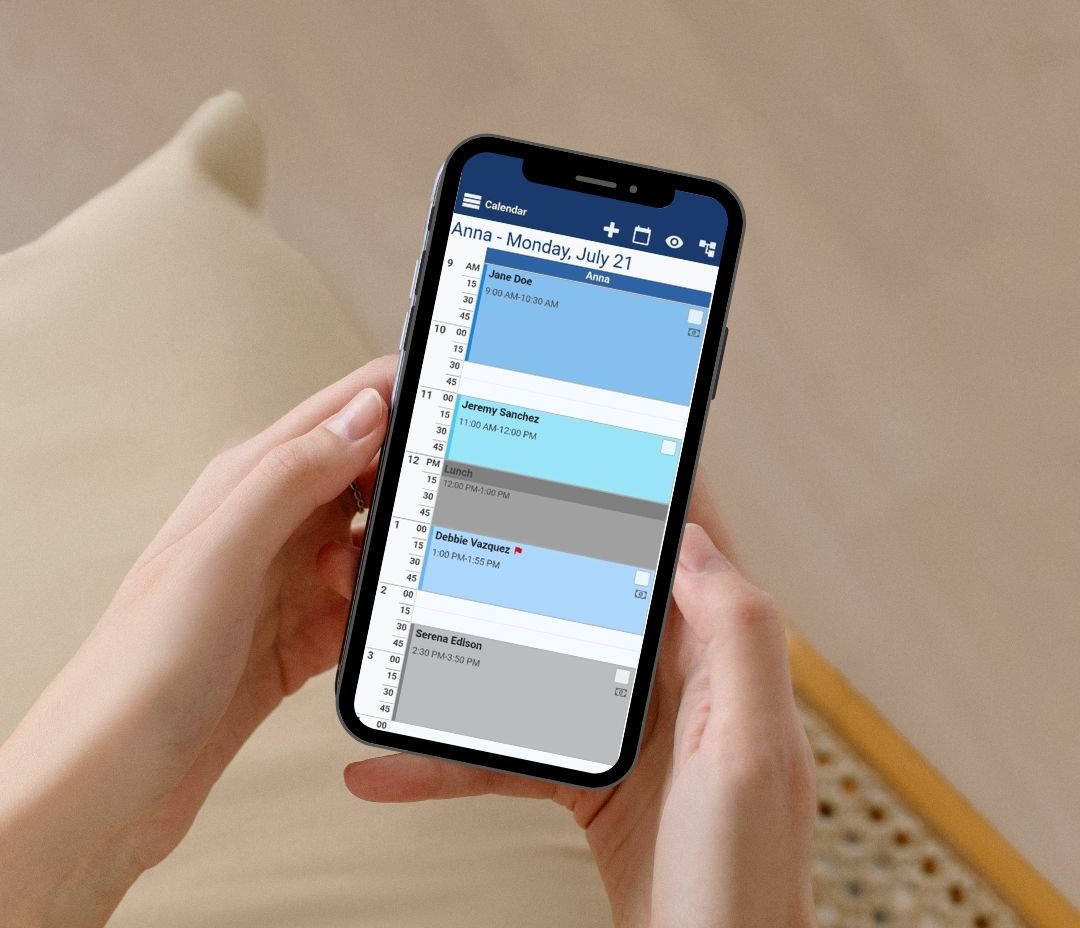
Why online booking is essential today
Studies show that 77% of patients say online booking saves them time and helps them build better relationships with their physical therapists. About 61% of patients would rather book their appointments online if they can’t do it in person. The numbers tell an even better story – 95% of potential patients choose healthcare providers who let them book online.
Most patients book their appointments on Sunday evenings between 4:00-8:00 p.m. This makes sense since 40% of healthcare appointments happen outside regular office hours. Patients can now book appointments any time they want, which wasn’t possible with traditional phone scheduling.
How Bookeo helps manage appointments and payments
Bookeo’s appointment scheduling system lets patients book appointments 24/7 without needing staff help. You can set up your business details and services, and patients can book through your clinic’s branded booking page.
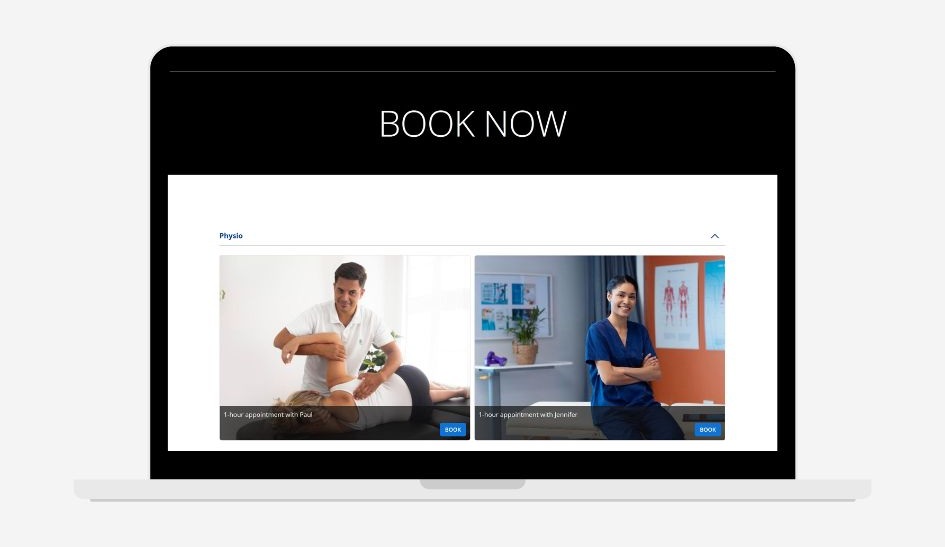
The system takes care of online payments, sends automatic reminders, and manages client information – everything a modern physiotherapy business needs. Patients can schedule, change, or cancel their visits without calling, which gives your staff more time to help patients at the clinic.
Reducing no-shows and improving retention
No-shows are a big problem – 7 out of 10 patients don’t finish all their authorized visits. This means clinics lose thousands in revenue every year.
Text reminders can cut down no-show rates by 38%. These digital tools not only help reduce missed appointments but also make patients happier with their care.
Conclusion
Starting your own physiotherapy practice just needs careful planning and dedication. This piece shows you how to build a strong foundation through proper licensing, smart location choices, and the right equipment investments.
Your practice needs a clear niche and ideal client to stand out in a competitive market. State-specific licensing requirements protect your business legally and give you peace of mind as you grow.
A solid business plan is the backbone of your operation. Regular reviews help you stay on track with your goals. Your clinic’s location and design greatly affect patient experience and staff efficiency. A well-planned layout creates a healing space where patients feel at home and valued.
Smart equipment choices should balance quality with your budget. You should prioritize the basic tools first and expand your inventory as your practice grows. Your team becomes the face of your business, and their skills directly shape patient outcomes and satisfaction.
Your marketing should speak to your target audience. Social media, SEO strategies, and patient referral programs build your client base steadily. Client retention becomes easier with loyalty programs and great service.
Online booking systems like Bookeo make operations smoother and improve client experience. Automated reminders cut down no-shows. Your staff can focus on delivering great care instead of paperwork.
A thriving physiotherapy business combines clinical expertise with business sense. The path has its challenges, but building a practice that helps change patients’ lives makes it worth it. Your business can succeed with hard work, learning, and genuine care for clients.